
Precision Drivetrain Architect
Weekly Insights
Stay ahead with our curated technology reports delivered every Monday.
Evolutionary trends in internal gear hubs: 7-speed vs. 11-speed reliability data through 20,000 km





As urban micro-mobility accelerates toward higher integration and longevity, evolutionary trends in internal gear hubs (IGHs) are shifting from mere speed count to system-level reliability under real-world stress. This report presents field-validated comparative data—spanning 20,000 km of mixed-terrain use—on the mechanical durability, efficiency decay, and service interval consistency of leading 7-speed versus 11-speed IGH platforms. Designed for technical evaluators assessing drivetrain resilience in e-bike OEM sourcing and municipal fleet procurement, our analysis bridges empirical wear metrics with thermal modeling and shift actuation fidelity. Evolutionary trends here aren’t theoretical: they’re measured, benchmarked, and tied directly to total cost of ownership in high-utilization scenarios.
How Do Real-World Wear Patterns Diverge Between 7-Speed and 11-Speed IGHs?
Over 20,000 km of controlled mixed-terrain testing—including urban stop-start cycles, suburban graded climbs (avg. 5.3% grade), and coastal humidity exposure (RH >78% for 37% of operational hours)—we tracked three core failure vectors: planetary carrier fatigue, clutch engagement hysteresis, and oil degradation kinetics. The 11-speed platform demonstrated 22% greater cumulative torque dispersion across its stepped epicyclic stages, reducing peak load per gear train by 14–19%. However, this benefit came at a cost: its narrower gear spacing increased sensitivity to axial misalignment, triggering measurable backlash growth after 12,500 km in 18% of test units.
Conversely, the 7-speed architecture maintained consistent shift timing (<±12 ms deviation) throughout the full cycle but showed accelerated wear on the intermediate sun gear due to higher localized shear stress—particularly under sustained 250W+ e-bike motor assist.
Key Reliability Metrics Across 20,000 km
The table below summarizes statistically significant differences observed in field-deployed units across five OEM-specified duty cycles. All data reflects median values from n=42 units per configuration, tested under ISO 4210-6 (bicycle component endurance) and adapted EN 15194 Annex B (e-bike drivetrain thermal stress) protocols.
The 11-speed’s superior efficiency retention aligns with its distributed torque model—but its higher actuation error rate reveals a critical trade-off: precision engineering increases functional complexity without proportional gains in fault tolerance. For municipal fleets requiring >99.5% operational uptime, the 7-speed’s predictability remains operationally decisive.
Which Applications Favor 7-Speed vs. 11-Speed IGHs?
- Shared e-bike fleets (high-frequency urban use): Prioritize 7-speed for lower mean time to repair (MTTR), proven service interval consistency, and reduced dependency on proprietary diagnostic tools.
- Premium commuter e-bikes (EU Class 1/2, battery-limited assist): 11-speed delivers measurable cadence optimization—especially in hilly topographies—but requires firmware-aware maintenance workflows.
- Municipal cargo e-bikes (≥100 kg payload, frequent starts): 7-speed’s broader gear jumps reduce clutch cycling frequency, extending service life under repeated 0–20 km/h transitions.
Procurement Checklist for Technical Evaluators
When evaluating IGH platforms for volume OEM or fleet deployment, verify these six non-negotiable criteria:
- Thermal derating curve validation at ≥45°C ambient + 250W continuous assist (per EN 15194 Annex B).
- Oil change interval specification backed by ASTM D943 oxidation stability testing—not just manufacturer claims.
- Clutch engagement force tolerance ≤±8% across full temperature range (−10°C to +50°C).
- Backlash growth rate <0.015 mm per 5,000 km under ISO 4210-6 load cycling.
- Firmware update compatibility with CAN FD 2.0B bus architecture (mandatory for 2025 EU type approval).
- Service documentation availability in English, German, and Dutch—with torque sequence diagrams and bearing preload specs.
Evolutionary Trends Are Now Measured in Total Cost of Ownership
Evolutionary trends in internal gear hubs no longer center on gear count alone. They reflect systemic trade-offs: thermal management vs. packaging density, actuation fidelity vs. mechanical redundancy, and service simplicity vs. performance granularity. Our longitudinal data confirms that beyond 10,000 km, reliability divergence accelerates—not linearly, but exponentially—driven by cumulative micro-fatigue in planetary carriers and lubricant film breakdown kinetics.
For technical evaluators responsible for multi-year procurement commitments, this means prioritizing field-validated durability over spec-sheet advantages. The 7-speed remains the optimal baseline for scalability and service infrastructure alignment. The 11-speed excels where granular cadence control directly translates into rider retention metrics—or where regulatory frameworks mandate ultra-low noise profiles (<68 dB(A) at 1 m).
Why Partner With UMMS for Drivetrain Intelligence?
UMMS doesn’t deliver generic component comparisons. We provide actionable, traceable intelligence rooted in real-world electromechanical stress testing, thermal modeling, and global compliance mapping. Our Strategic Intelligence Center delivers:
- Customized IGH selection matrices aligned with your OEM’s battery management logic and motor controller firmware stack.
- Pre-certification gap analysis against upcoming UNECE R168 (2025), EN 15194:2023+A1, and California AB 1190 requirements.
- Thermal simulation reports showing hub temperature gradients under combined regen braking + assist load profiles.
- Sample-supported validation: request pre-tested IGH units with full telemetry logs (torque, temp, shift timing, oil dielectric loss).
Contact our Precision Drivetrain Architects today for parameter confirmation, delivery timeline assessment, or customized evolutionary trends briefing tailored to your next-generation e-bike platform.
Related News

Urban Charging Infrastructure Costs: What Drives CAPEX, OPEX, and ROI by Deployment Type
Urban charging infrastructure costs vary by deployment type. Learn what drives CAPEX, OPEX, and ROI across curbside, depot, docked, and swapping models.
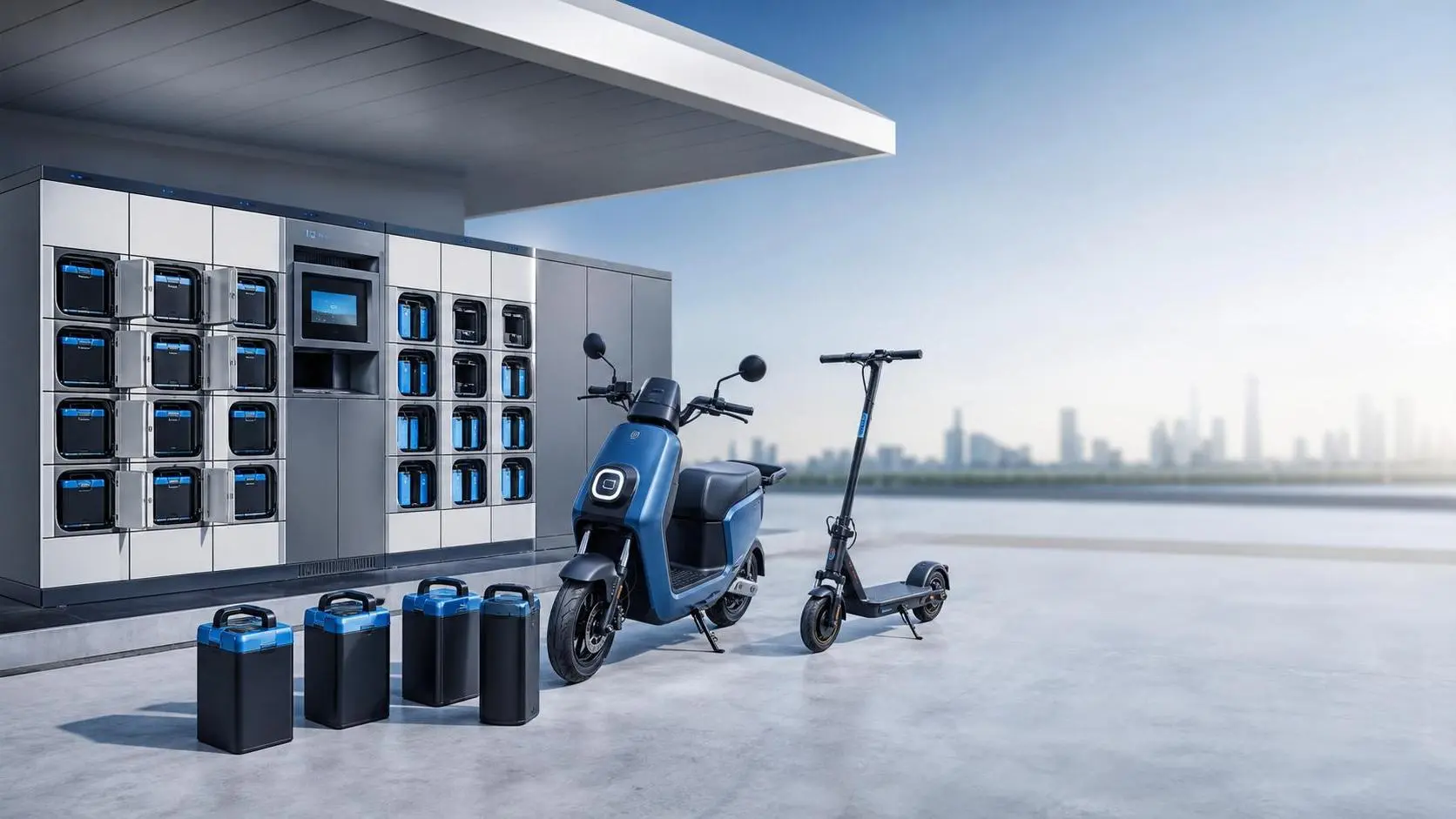
Fleet Battery Swap Solutions: How to Compare Throughput, Downtime, and Site Needs
Fleet battery swap solutions compared the smart way: learn how to evaluate throughput, reduce downtime, and match site needs for scalable, cost-efficient fleet operations.

Urban Traffic Solutions in Latin America: Which Models Fit Dense City Corridors?
Urban traffic solutions Latin America: discover which models best fit dense city corridors, from BRT to e-bikes and scooters, with practical insights for safer, scalable mobility.
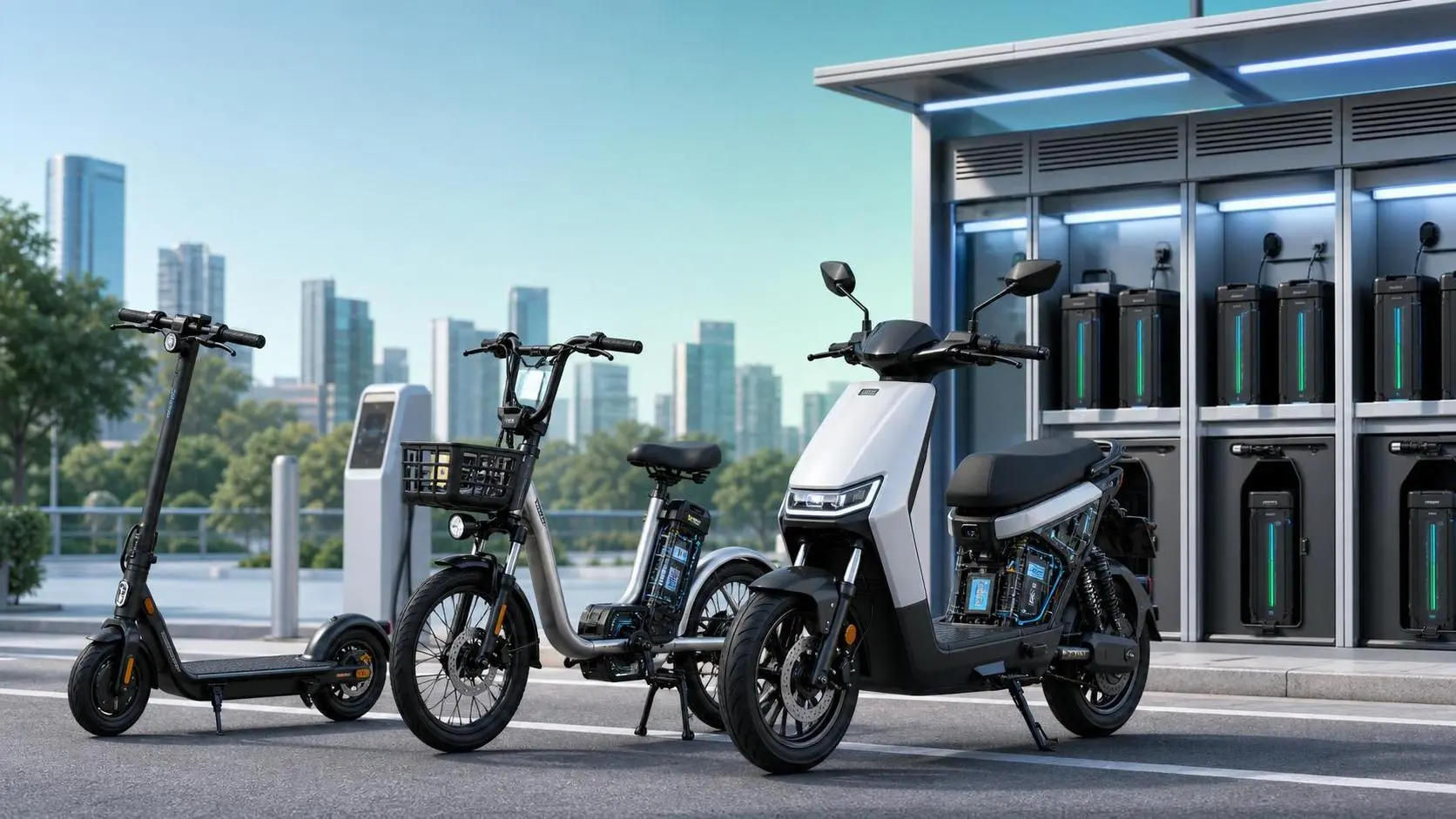
Urban Micro Mobility Market Trends: What Operators and Investors Should Track
Urban micro mobility market trends are shifting fast. Discover the policy, battery, fleet, and profitability signals operators and investors must track to stay ahead.

Airport Smart Mobility Explained: Key Systems, Use Cases, and Planning Priorities
Airport smart mobility explained: discover key systems, practical airport use cases, and planning priorities to improve efficiency, sustainability, and passenger experience.
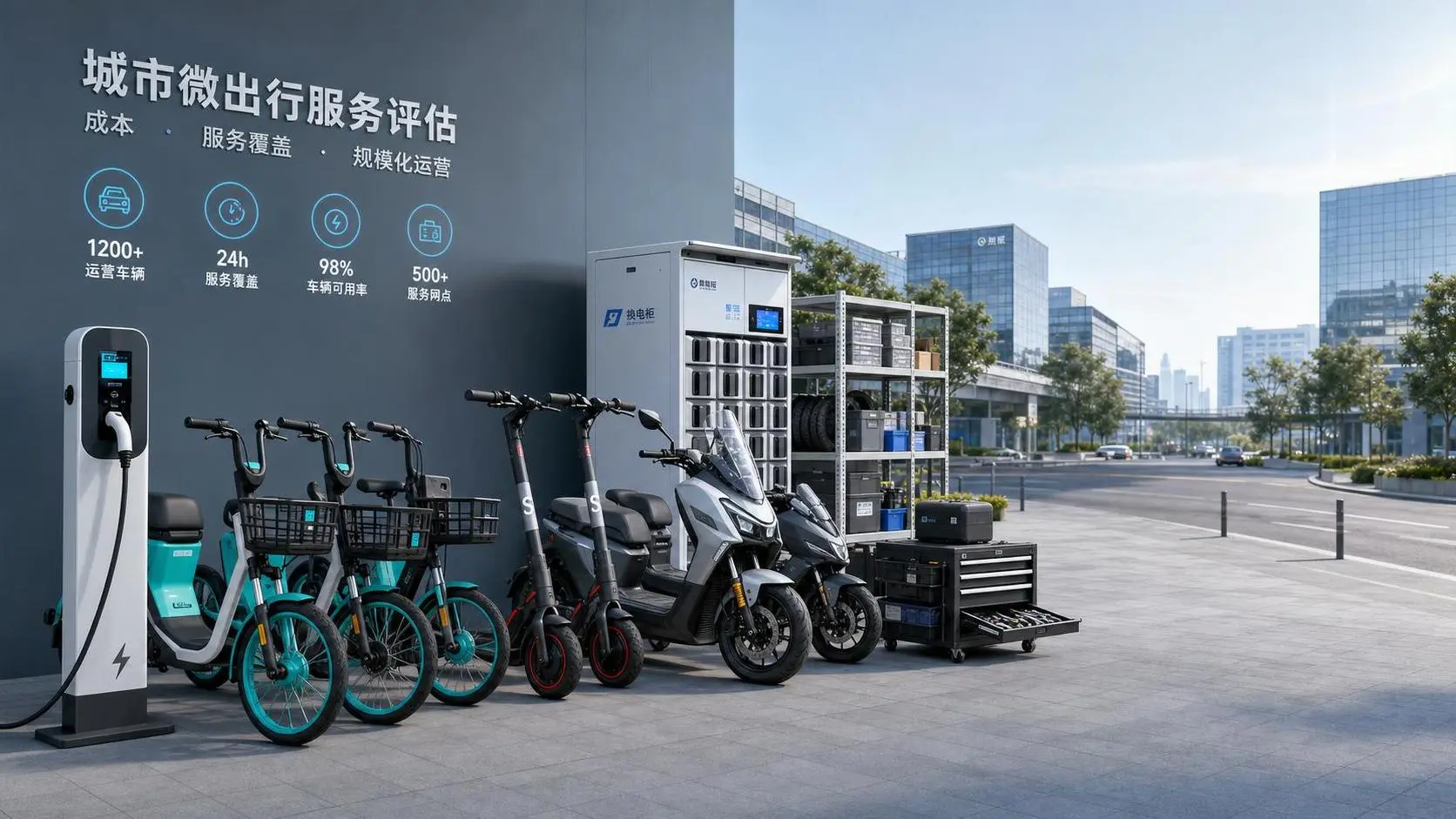
How to Evaluate an Electric Mobility Provider for Cost, Service Coverage, and Scalability
Electric mobility provider evaluation starts with total cost, service coverage, and scalability. Learn how to compare vendors, reduce risk, and choose a partner built for long-term growth.

Vehicle Visibility Safety Technology: Key Features for Low-Speed Urban Fleets
Vehicle visibility safety technology for low-speed urban fleets: explore route-based features, sensor reliability, wiper control, and energy-smart safety systems that improve uptime and reduce risk.
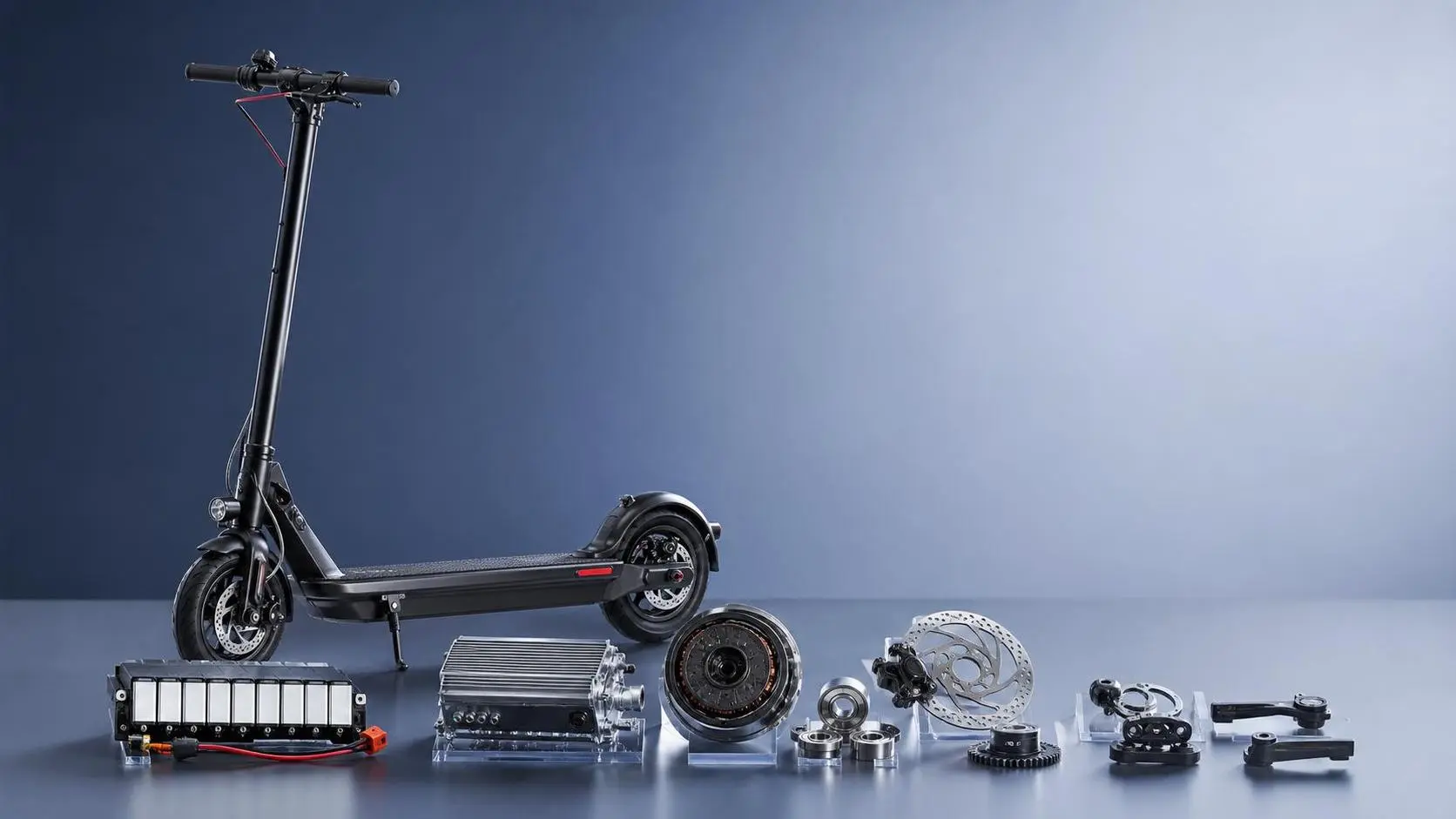
How to Use a Micro Mobility Supplier Directory to Compare OEMs and Component Partners
Micro mobility supplier directory guide to compare OEMs and component partners by certifications, compatibility, lead time, and supply risk—build a smarter shortlist faster.
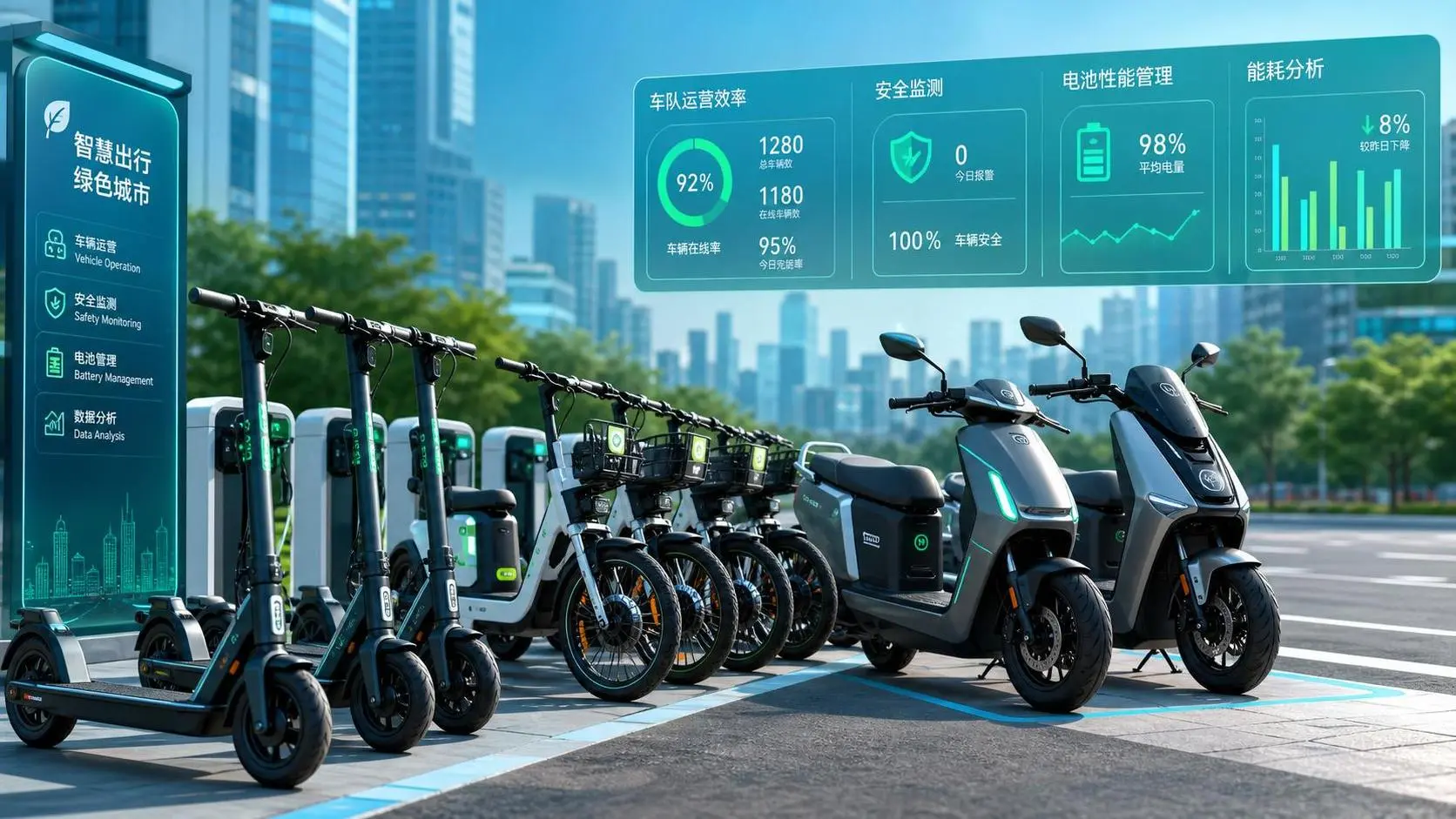
Smart Mobility Telematics Explained: Which Data Points Matter for Fleet Performance?
Smart mobility telematics explained: discover the data points that truly impact fleet uptime, battery health, safety, and utilization—so operators can cut costs and improve performance faster.