
Related News
- 00
0000-00
How to Evaluate an Electric Mobility Provider for Cost, Service Coverage, and Scalability - 00
0000-00
How to Use a Micro Mobility Supplier Directory to Compare OEMs and Component Partners - 00
0000-00
Smart Mobility Telematics Explained: Which Data Points Matter for Fleet Performance? - 00
0000-00
How to Evaluate a Green Two-Wheelers Supplier for Quality Control and Delivery Stability - 00
0000-00
How Electric Mobility Components Shape Range, Reliability, and Maintenance Planning
Ms. Elena Rodriguez
Weekly Insights
Stay ahead with our curated technology reports delivered every Monday.
How to Use a Micro Mobility Supplier Directory to Compare OEMs and Component Partners





Why does a micro mobility supplier directory matter before shortlisting anyone?
A micro mobility supplier directory is not just a contact list. It is a working filter for a market where product categories, standards, and component dependencies change quickly.
In practice, sourcing teams rarely compare only complete vehicles. They also compare motors, battery systems, controllers, IoT modules, braking parts, and drivetrain components.
That is where a strong micro mobility supplier directory becomes useful. It brings fragmented supplier data into one decision frame, making technical comparison faster and more defensible.
The value is even clearer in urban mobility. E-bikes, smart e-scooters, high-speed e-motorcycles, and precision bicycle parts share overlapping supply chains but very different risk profiles.
A directory informed by market intelligence helps separate marketing claims from real capability. It also shows which partners understand compliance, thermal management, reliability, and platform integration.
UMMS reflects this broader view well. Its coverage of electrified two-wheelers, safety systems, drivetrain evolution, and policy shifts mirrors how sourcing decisions actually happen across the category.
What should you actually compare inside a micro mobility supplier directory?
A common mistake is to compare suppliers by catalog breadth alone. A better approach is to compare by fit, stability, and integration readiness.
Start with the technical scope. For an OEM, that may include frame design, assembly capacity, firmware support, and regional certification history.
For a component partner, the key questions are narrower. Battery chemistry, BMS logic, torque response, waterproofing grade, EMC behavior, and connector compatibility usually matter more.
In the micro mobility supplier directory, look for signals that explain operational readiness, not just product presence.
- Manufacturing footprint and realistic monthly output
- Core certifications for target export markets
- Battery safety approach and thermal management records
- Software, IoT, and controller integration capability
- Track record in after-sales parts continuity
- Experience with platform customization or co-development
This is especially important for smart scooters and high-speed electric motorcycles. In those segments, hardware selection without systems compatibility often creates hidden cost later.
For example, a supplier may offer an attractive motor price but weak controller calibration support. Another may deliver a good battery pack but limited cold-weather validation.
A useful micro mobility supplier directory should help surface those differences early, before sample cycles and negotiation rounds consume time.
How do you compare OEMs and component partners without mixing up the criteria?
OEMs and component suppliers should not be judged with the same scorecard. They support different parts of the final product risk.
An OEM is usually evaluated on delivery coordination, certification execution, platform maturity, and quality consistency across batches.
A component partner is more often judged on subsystem depth. That includes performance repeatability, tolerance control, firmware stability, and interface documentation.
The table below works as a practical comparison guide when using a micro mobility supplier directory.
This distinction matters because the strongest vehicle assembler is not automatically the strongest battery or drivetrain specialist.
UMMS-style intelligence is useful here because category context changes the weighting. A derailleur component decision is precision-driven, while an e-motorcycle battery decision is safety-driven.
Which warning signs in a micro mobility supplier directory deserve closer attention?
Not every incomplete profile is a problem. Smaller specialists sometimes disclose less publicly but still perform well.
The bigger concern is inconsistency. If public capability claims do not match test scope, certification range, or application references, more verification is needed.
Another warning sign is vague compatibility language. In micro mobility, “supports multiple platforms” means little without protocol detail, connector standards, and firmware version control.
Watch for these patterns when reviewing a micro mobility supplier directory:
- No traceable certification history for stated export regions
- Large product claims with limited engineering documentation
- Frequent model changes without revision control clarity
- No explanation of battery safety testing or BMS logic
- After-sales parts support missing from the profile
- Case studies that are broad but technically thin
For shared scooters and connected vehicles, digital risk should also be checked. IoT modules, app integration, data interfaces, and remote diagnostics can affect vendor suitability as much as the chassis.
In real sourcing cycles, poor information quality often leads to repeated RFQs, longer sample validation, and avoidable redesign work.
Can a directory also help with cost, lead time, and long-term supply stability?
Yes, but only if you use the directory as a strategic tool rather than a price list.
The cheapest offer can become the most expensive option when tooling delays, certification gaps, or field failures are added later.
A good micro mobility supplier directory helps estimate total sourcing friction. That includes engineering response time, substitution risk, shipping resilience, and change-management discipline.
This is particularly relevant in segments followed closely by UMMS. Policy incentives, right-of-way rules, and battery compliance expectations can change demand patterns and supplier responsiveness.
More practical comparisons often come from a simple decision grid:
A micro mobility supplier directory does not replace qualification work. It shortens the distance between broad screening and targeted validation.
What is the smartest next step after building a shortlist?
Once the micro mobility supplier directory has narrowed the field, move from directory logic to evidence logic.
That means aligning candidate suppliers against one exact use case. An urban e-bike for Europe, a fleet scooter for dense cities, and a high-speed electric motorcycle need different proof points.
At this stage, it helps to build a compact review pack with technical documents, compliance records, service expectations, and revision control notes.
Keep the checklist focused:
- Define the target market and mandatory standards
- Separate OEM criteria from component criteria
- Request proof for the most failure-sensitive areas
- Confirm software, battery, and connector compatibility early
- Check service parts continuity before final pricing review
The most useful micro mobility supplier directory is the one that improves judgment, not just speed.
When directory data is combined with deeper market intelligence, the shortlist becomes more resilient. That is where platforms shaped by mobility systems knowledge, like UMMS, offer real context.
The next move is straightforward: define the vehicle or subsystem need, rank the comparison criteria, and use the directory to validate fit before deeper technical review.
Related News

How to Evaluate an Electric Mobility Provider for Cost, Service Coverage, and Scalability
Electric mobility provider evaluation starts with total cost, service coverage, and scalability. Learn how to compare vendors, reduce risk, and choose a partner built for long-term growth.

Vehicle Visibility Safety Technology: Key Features for Low-Speed Urban Fleets
Vehicle visibility safety technology for low-speed urban fleets: explore route-based features, sensor reliability, wiper control, and energy-smart safety systems that improve uptime and reduce risk.

Smart Mobility Telematics Explained: Which Data Points Matter for Fleet Performance?
Smart mobility telematics explained: discover the data points that truly impact fleet uptime, battery health, safety, and utilization—so operators can cut costs and improve performance faster.

Micro-Mobility Trends: How Battery Swapping Is Reshaping Shared Scooter Operations
Micro-mobility trends battery swapping are transforming shared scooter operations by boosting uptime, cutting charging friction, and improving fleet efficiency. Explore the key business drivers.

Why Green Scooter Demand Is Rising in Shared Mobility and Last-Mile Delivery
Green scooter demand is rising fast in shared mobility and last-mile delivery. See what drives this shift, how cities and fleets benefit, and where the biggest growth opportunities are.

Smart Urban Travel Options Explained: Which Electric Commuter Setup Fits Daily City Use?
Smart urban travel made simple: compare e-bikes, smart e-scooters, and high-speed e-motorcycles to find the best fit for daily city commuting, cost, comfort, and convenience.
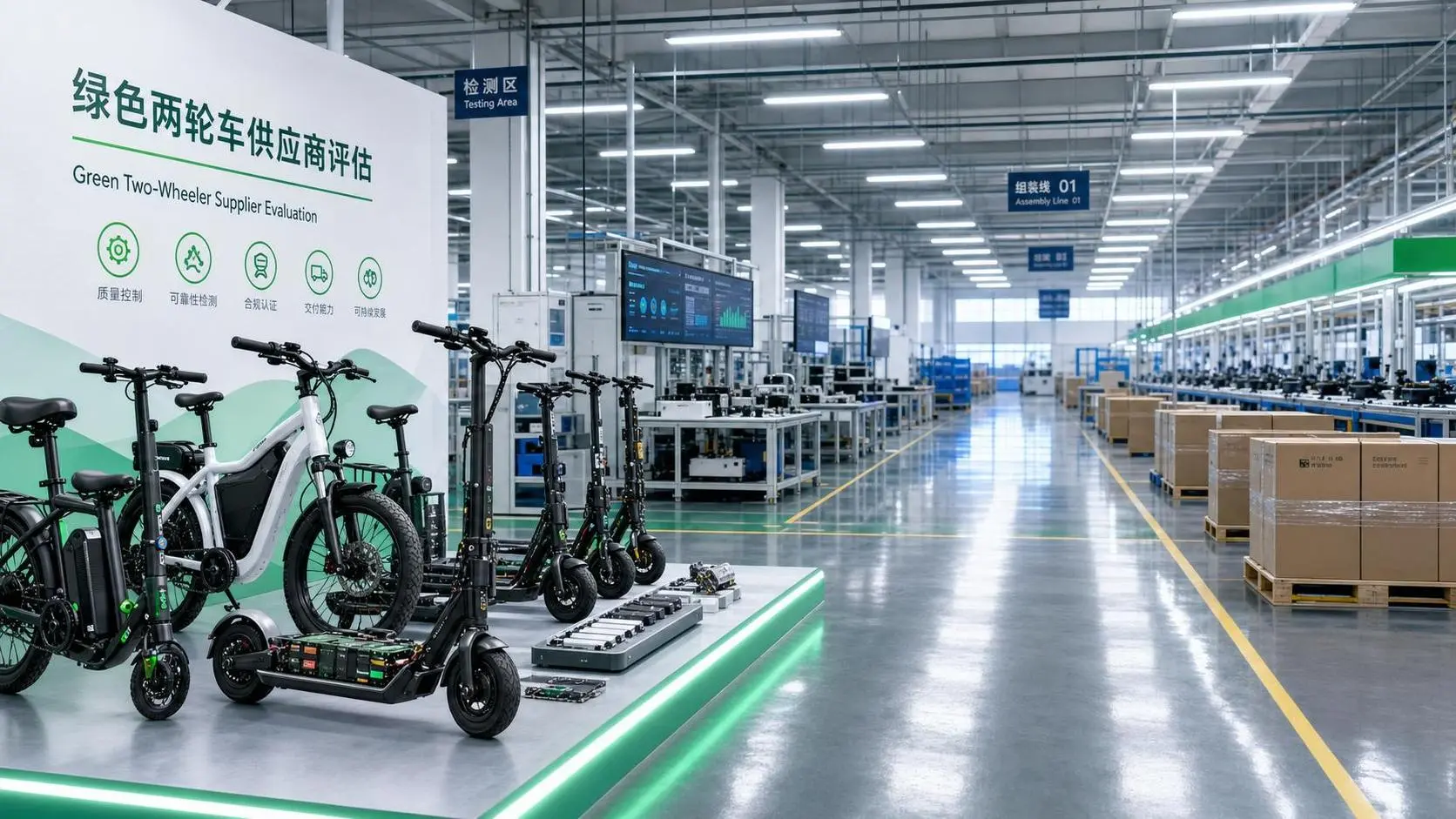
How to Evaluate a Green Two-Wheelers Supplier for Quality Control and Delivery Stability
Green two-wheelers supplier evaluation starts with quality control and delivery stability. Learn how to assess compliance, traceability, and factory reliability before you source.
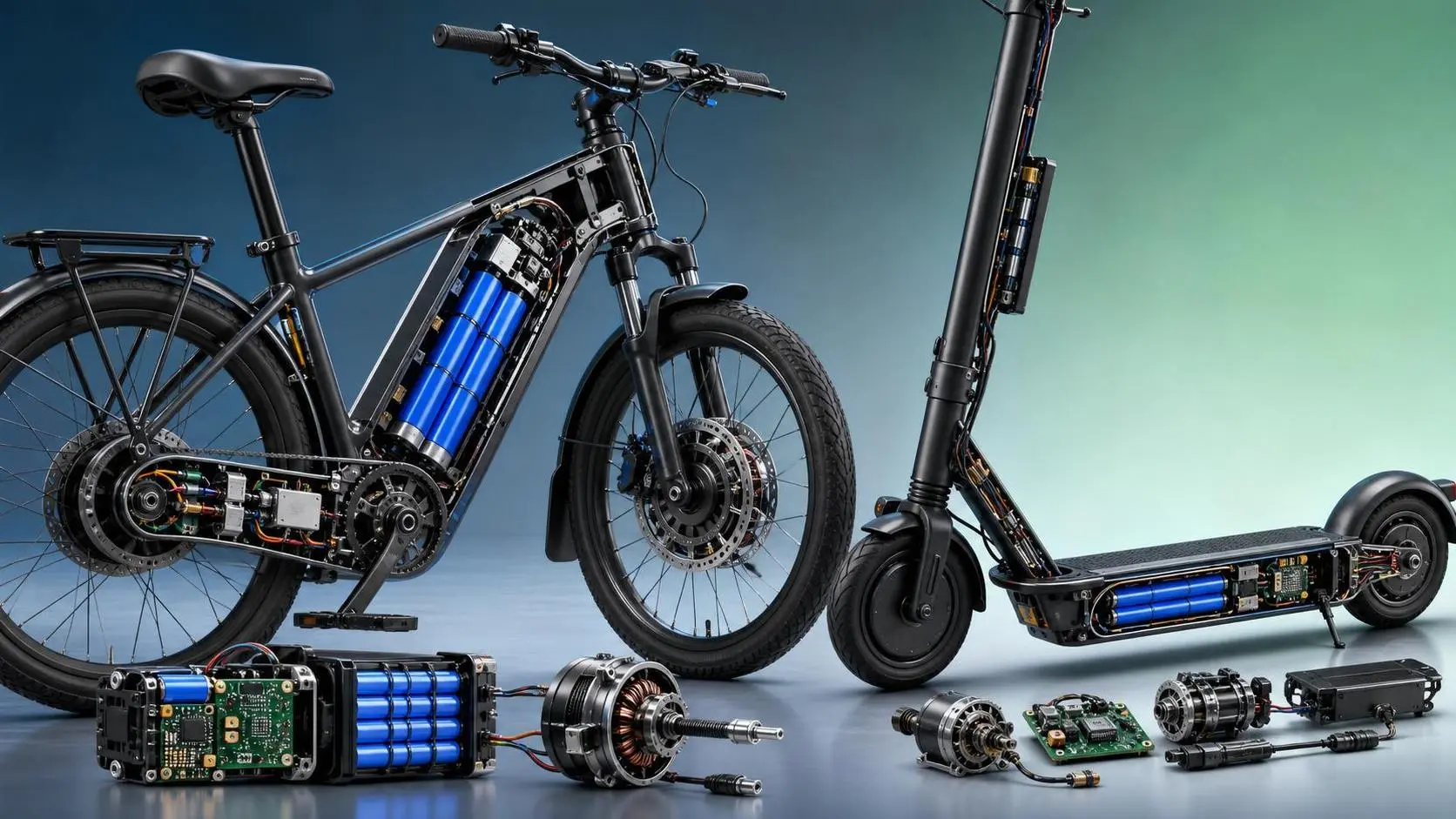
How Electric Mobility Components Shape Range, Reliability, and Maintenance Planning
Electric mobility components shape real-world range, reliability, and maintenance costs. Learn how batteries, motors, controllers, and sensors affect fleet uptime and smarter service planning.

Precision Drivetrain Market: What Buyers Should Track in Cost, Lead Times, and Supply Risk
Precision drivetrain market buyers must look beyond unit price. Learn how to track true cost, lead times, and supply risk to protect margins and choose more reliable suppliers.