
Related News
- 00
0000-00
Vehicle Visibility Safety Technology: Key Features for Low-Speed Urban Fleets - 00
0000-00
Why Green Scooter Demand Is Rising in Shared Mobility and Last-Mile Delivery - 00
0000-00
Micro Mobility Report: Which Metrics Matter Most for City Fleet Planning - 00
0000-00
Common Scooter Battery Issues and How to Troubleshoot Range Drop, Heat, and Charging Faults - 00
0000-00
How Battery-Swapping Networks Work for Shared Fleet Scooters
Urban Transit Fellow
Weekly Insights
Stay ahead with our curated technology reports delivered every Monday.
Vehicle Visibility Safety Technology: Key Features for Low-Speed Urban Fleets





Vehicle Visibility Safety Technology Starts With Real Urban Conditions
Vehicle visibility safety technology matters most when urban fleets operate in slow, crowded, and constantly changing traffic. At low speed, risk does not disappear. It simply shifts from impact severity to exposure frequency.
A delivery e-bike waiting at junctions, a shared e-scooter crossing painted lanes, and a service trike moving in rain face different visibility problems. The common issue is not speed alone. It is visual uncertainty.
That is why vehicle visibility safety technology has become a practical operating issue across micro-mobility systems. It affects compliance, incident prevention, maintenance planning, and daily fleet availability.
Within the UMMS view of urban micro-circulation, visibility is linked to more than lighting. Wiper systems, sensor logic, battery behavior, aerodynamic packaging, and connected diagnostics all influence what a rider or operator can actually see.
Why Similar Fleets Still Need Different Visibility Setups
In practice, vehicle visibility safety technology should be judged by route pattern, weather load, parking exposure, and stop frequency. Two fleets may share similar vehicles but still need different safety priorities.
Dense city centers create short visual windows. Vehicles enter intersections from blind angles, often beside buses, vans, and pedestrians. Here, quick windshield clearing and predictable sensor response matter more than maximum top-speed performance.
Outer-district routes raise another issue. Travel time is longer, speeds vary more, and wet road spray can stay on transparent surfaces for extended periods. In these conditions, durability and stable wiping pressure become more important.
Night operation also changes the evaluation. Glare, headlamp scatter, and reflective road markings can confuse optical systems. A visibility package that performs well in daylight may become inconsistent after dark.
The useful comparison is operational, not theoretical
A practical review usually compares how often visibility is degraded, how long recovery takes, and whether the system stays reliable after repeated starts, short stops, and battery cycling.
Where Low-Speed Fleets Usually Feel the Difference First
Shared scooters and compact urban runabouts
For compact shared vehicles, packaging space is limited. That changes how vehicle visibility safety technology can be integrated. Small housings often force tight sensor placement, which increases contamination risk from road dust and spray.
More common than total system failure is partial degradation. A sensor remains active, but response becomes delayed or unstable. In actual fleet use, that creates inconsistent rider confidence and harder fault tracing.
This is where sealed connectors, self-check logic, and quick-replace modules make a visible difference. The best vehicle visibility safety technology in this segment is often the one that restores normal function fastest.
Delivery e-bikes and enclosed light utility vehicles
Delivery operations stress visibility systems differently. Vehicles leave warm loading areas, enter wet streets, stop repeatedly, and face heavy curbside obstruction. Condensation and restart cycles become as important as rain performance.
In this use case, vehicle visibility safety technology should be reviewed with power management. Brushless wiper motors, low-draw heaters, and battery-aware control logic reduce the tradeoff between safety function and range preservation.
UMMS has long tracked how electromechanical efficiency changes practical vehicle behavior. The same principle applies here. A visibility subsystem that wastes energy can quietly reduce uptime even if its peak performance looks strong on paper.
High-speed e-motorcycles entering urban corridors
Although the fleet remains urban and low-speed in many zones, high-speed e-motorcycles carry different momentum when entering those spaces. Transition moments matter. Spray impact, airflow changes, and rapid braking all affect visual clarity.
Here, vehicle visibility safety technology needs stronger aerodynamic coordination. Blade lift resistance, stable mounting geometry, and high-speed-to-low-speed sensor adaptation become more relevant than in slower shared devices.
The Features That Usually Deserve Closer Scrutiny
Not every feature contributes equally in daily use. A useful screening process focuses on the technologies that directly improve visual continuity under real urban interruptions.
- Adaptive wiper control that responds to light drizzle, splash bursts, and stop-start driving without overreacting.
- Brushless motor architecture for stable torque, lower wear, and better compatibility with frequent urban cycling.
- Photoelectric or optical sensing with contamination tolerance, especially where mud and road salt are common.
- Transparent-surface treatment, including anti-fog and water-shedding layers, when enclosed cabins are used.
- Diagnostic feedback that distinguishes sensor error, motor load change, and blade wear before visibility drops sharply.
- Low-voltage resilience, since urban micro-mobility platforms often see battery fluctuation during repeated acceleration.
The value of vehicle visibility safety technology is often cumulative. No single feature solves every condition. The better result comes from matching sensor behavior, mechanical reliability, and energy logic to the route profile.
What Often Gets Misjudged Before Deployment
A common mistake is to treat visibility as a lighting issue only. For low-speed fleets, visual safety often fails earlier through water film, smear patterns, fogging, or delayed clearing rather than outright darkness.
Another misjudgment is relying on catalog ratings without checking urban contamination patterns. Dust from bike lanes, detergent residues from cleaning, and winter salt can all alter sensor accuracy.
Cost comparisons are also frequently too narrow. Lower-priced hardware may increase service intervals, replacement labor, and unplanned downtime. Over a dense route network, that usually outweighs the initial savings.
Similar vehicles should not automatically share one configuration. A commuter e-bike fleet, a shared scooter program, and a municipal inspection unit can operate on comparable streets while facing very different visibility demands.
A Better Way to Match Technology to the Route
A workable selection process starts with route evidence. Review where visibility is actually lost, how quickly it must recover, and which environmental factors trigger repeated maintenance.
- Map daily exposure by rain intensity, dust level, curbside spray, tunnel use, and night operation.
- Separate enclosed, semi-enclosed, and open vehicle platforms before comparing vehicle visibility safety technology.
- Test sensor response after cleaning cycles, battery drop events, and repeated short-stop operation.
- Include blade replacement time, connector accessibility, and fault diagnosis speed in the evaluation.
- Check whether the system remains consistent across seasonal changes rather than one weather window.
This approach fits the broader UMMS perspective on micro-mobility intelligence. Urban fleet decisions work better when mechanical detail, electronic control, and operating context are judged together rather than in isolation.
What to Clarify Next Before Standardizing a Visibility Package
Vehicle visibility safety technology should finally be assessed as a route-specific safety layer, not a universal add-on. The right setup depends on how vehicles move, where they pause, what weather they carry through, and how quickly they must return to service.
Before standardizing across a fleet, it helps to define the highest-risk routes, compare wet and dry performance, confirm maintenance burden, and document failure patterns that reduce visual confidence before formal breakdown occurs.
Once those conditions are clear, vehicle visibility safety technology becomes easier to compare on practical terms. That creates a better basis for safer urban operations, steadier uptime, and more reliable low-carbon mobility planning.
Related News
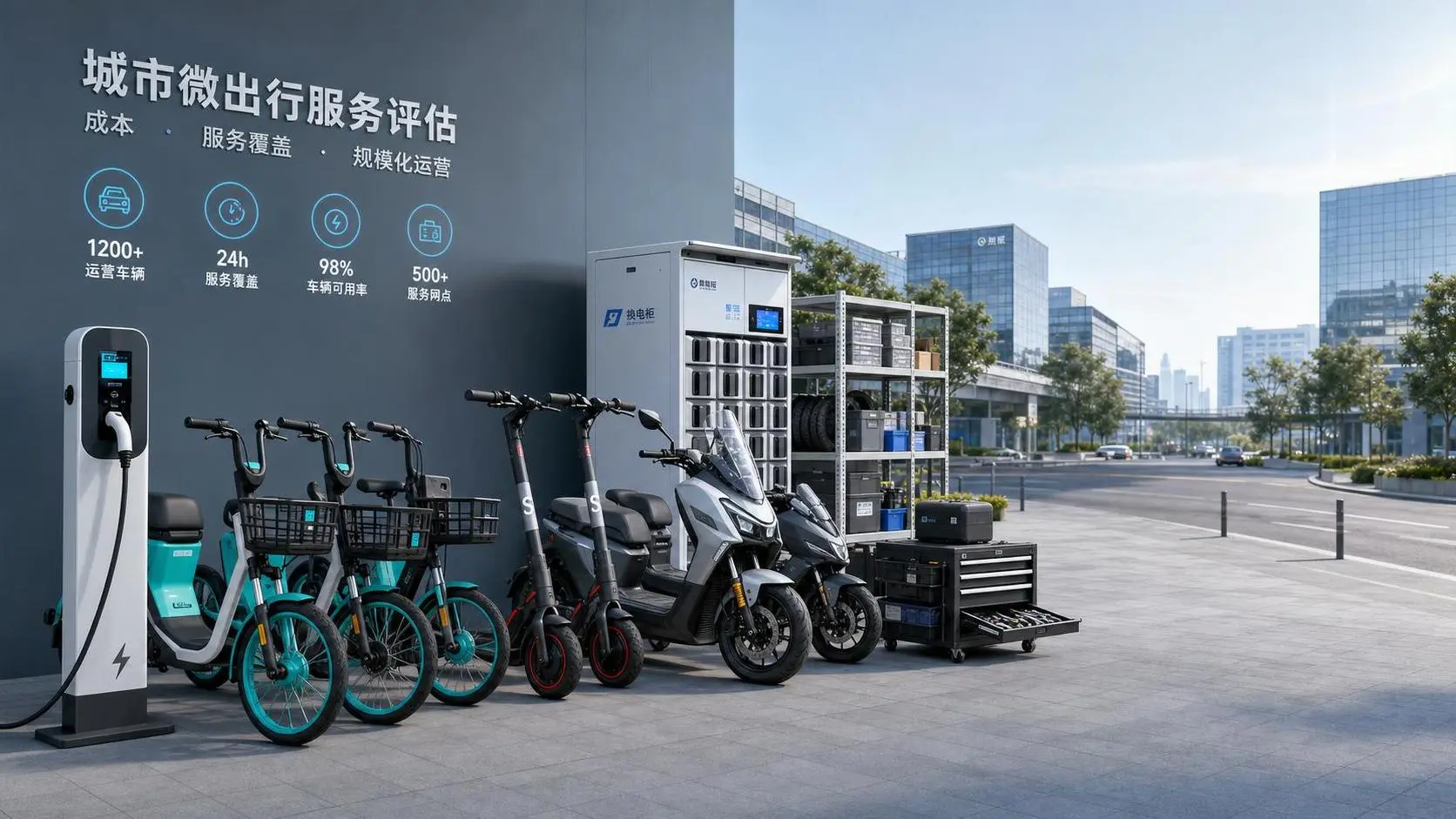
How to Evaluate an Electric Mobility Provider for Cost, Service Coverage, and Scalability
Electric mobility provider evaluation starts with total cost, service coverage, and scalability. Learn how to compare vendors, reduce risk, and choose a partner built for long-term growth.
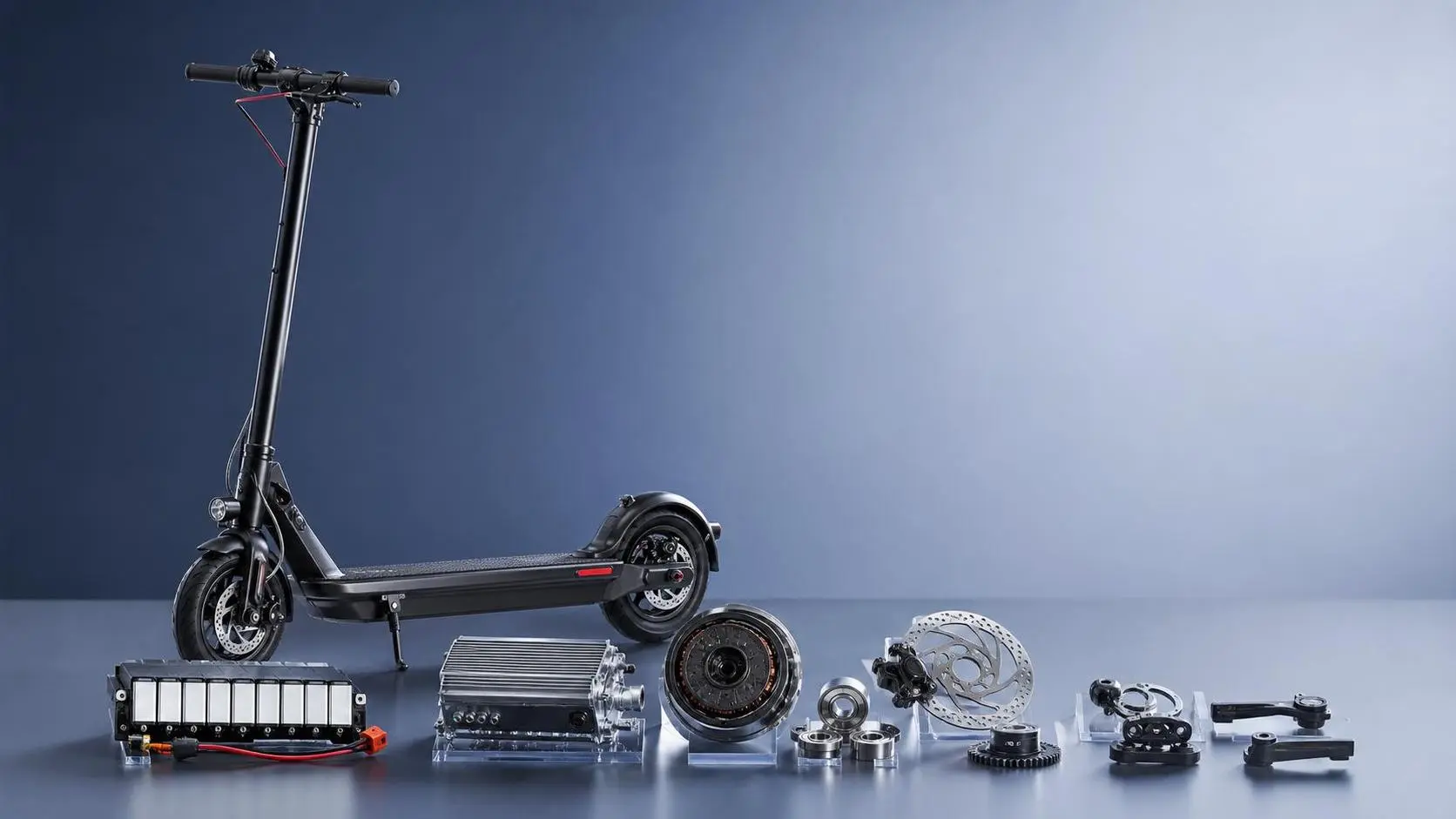
How to Use a Micro Mobility Supplier Directory to Compare OEMs and Component Partners
Micro mobility supplier directory guide to compare OEMs and component partners by certifications, compatibility, lead time, and supply risk—build a smarter shortlist faster.
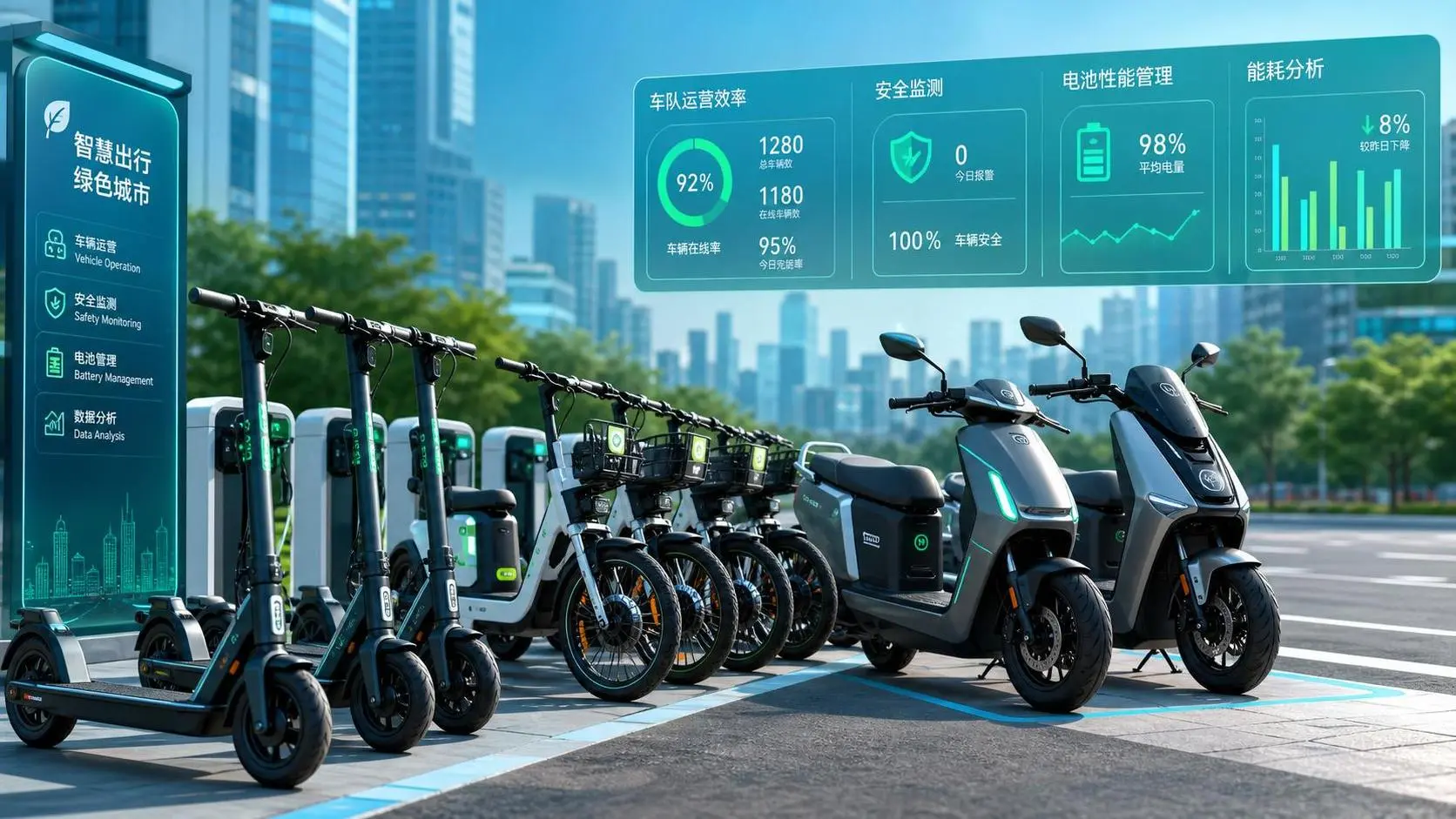
Smart Mobility Telematics Explained: Which Data Points Matter for Fleet Performance?
Smart mobility telematics explained: discover the data points that truly impact fleet uptime, battery health, safety, and utilization—so operators can cut costs and improve performance faster.
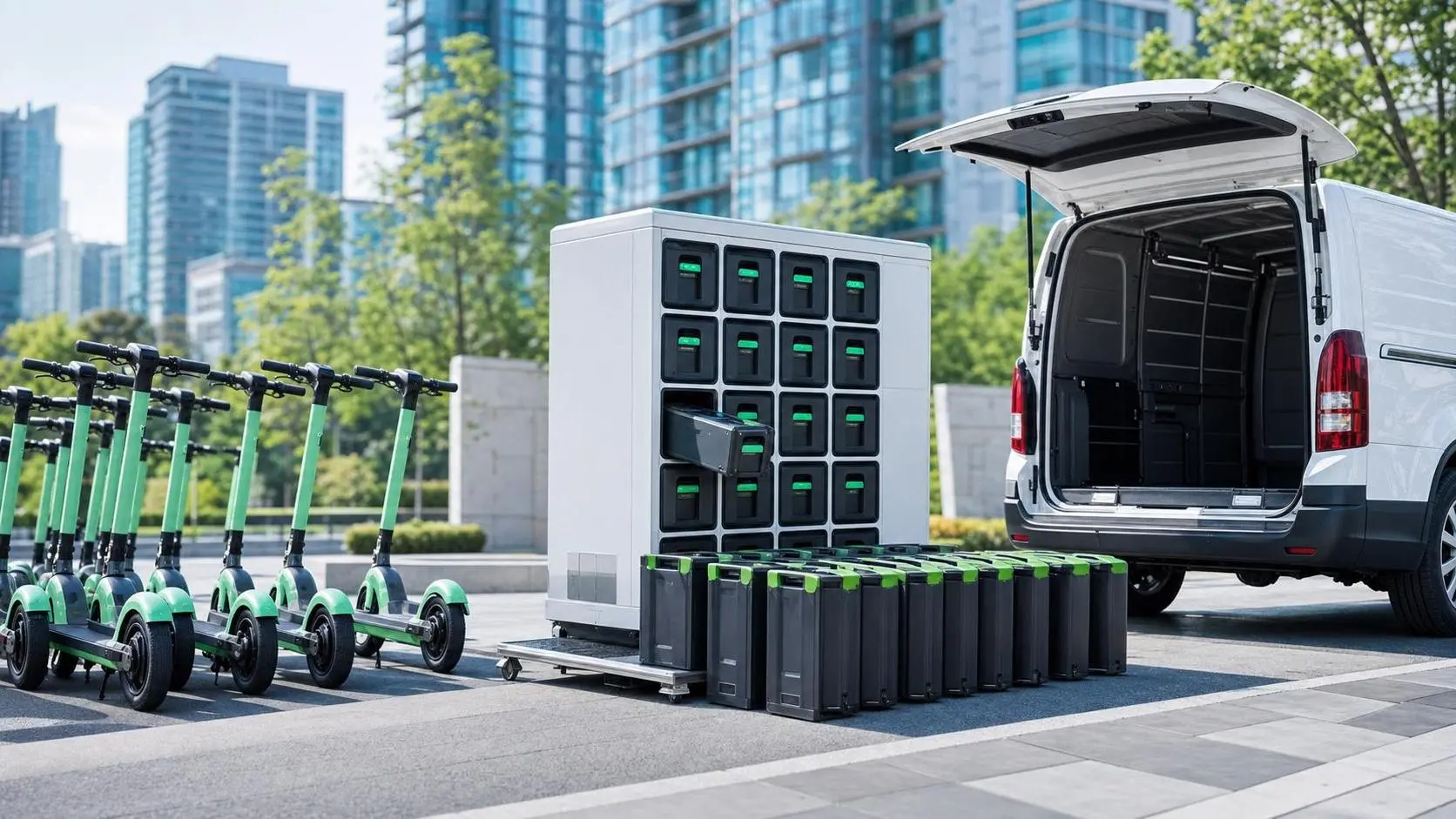
Micro-Mobility Trends: How Battery Swapping Is Reshaping Shared Scooter Operations
Micro-mobility trends battery swapping are transforming shared scooter operations by boosting uptime, cutting charging friction, and improving fleet efficiency. Explore the key business drivers.
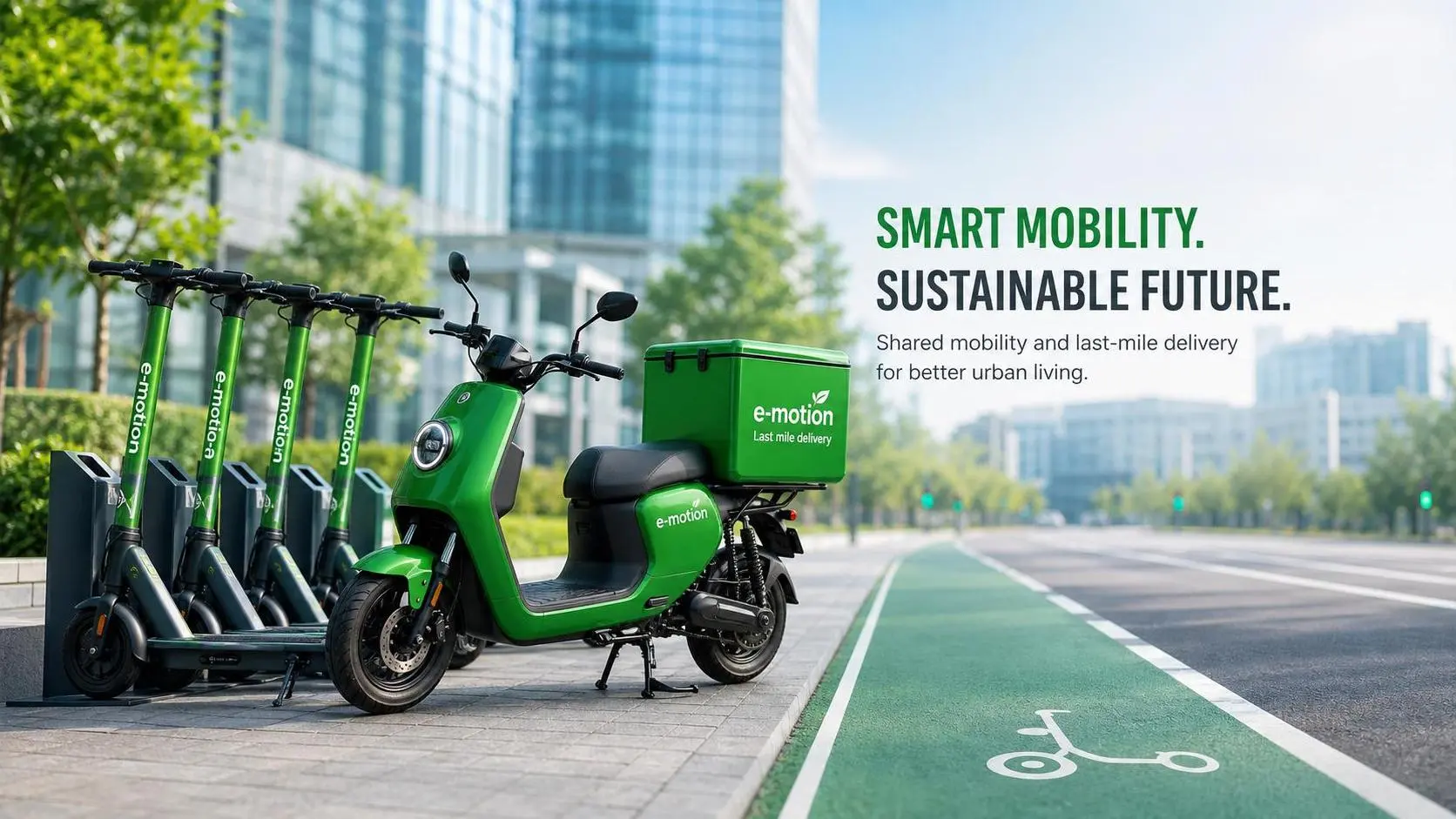
Why Green Scooter Demand Is Rising in Shared Mobility and Last-Mile Delivery
Green scooter demand is rising fast in shared mobility and last-mile delivery. See what drives this shift, how cities and fleets benefit, and where the biggest growth opportunities are.
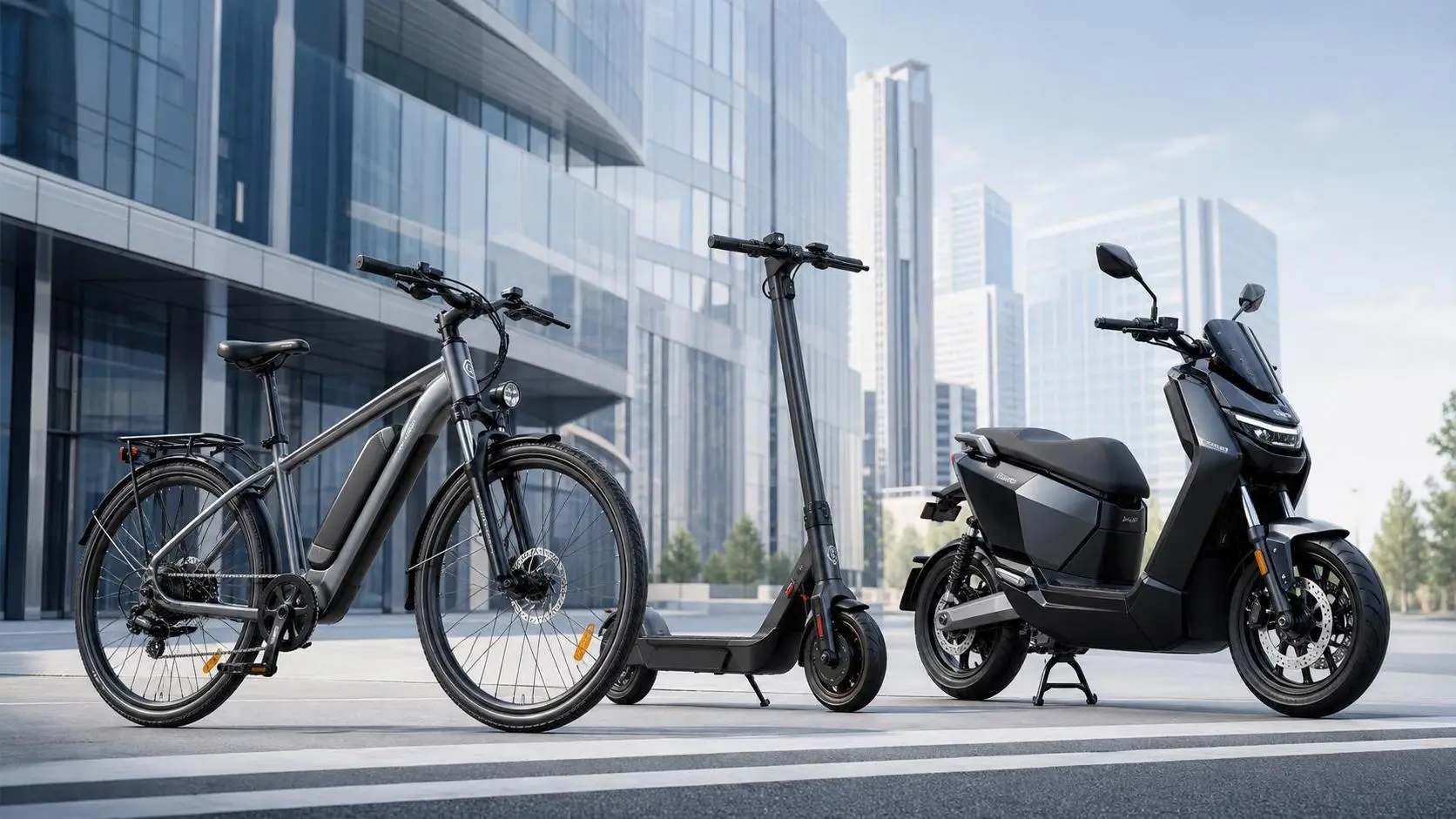
Smart Urban Travel Options Explained: Which Electric Commuter Setup Fits Daily City Use?
Smart urban travel made simple: compare e-bikes, smart e-scooters, and high-speed e-motorcycles to find the best fit for daily city commuting, cost, comfort, and convenience.
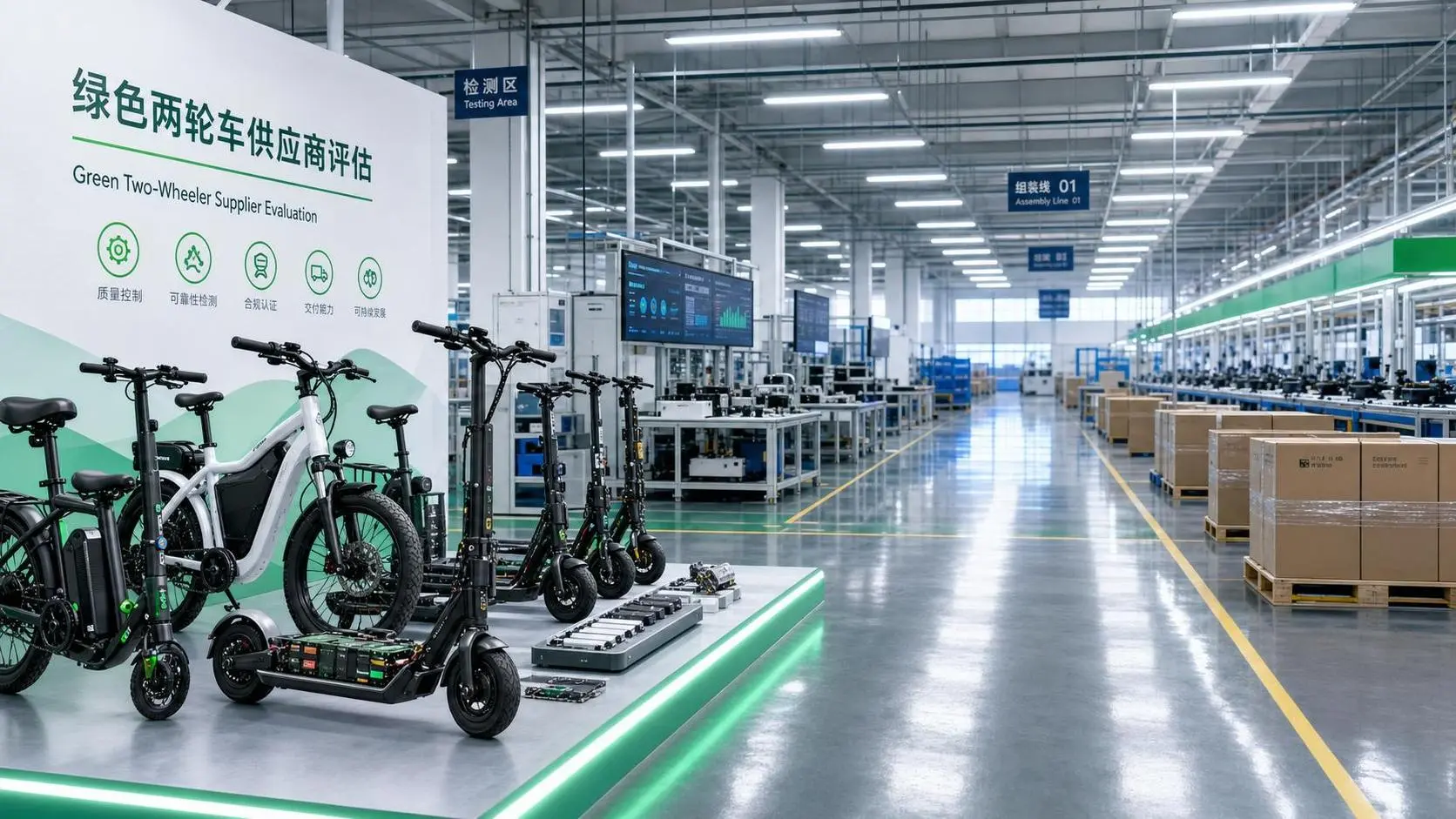
How to Evaluate a Green Two-Wheelers Supplier for Quality Control and Delivery Stability
Green two-wheelers supplier evaluation starts with quality control and delivery stability. Learn how to assess compliance, traceability, and factory reliability before you source.
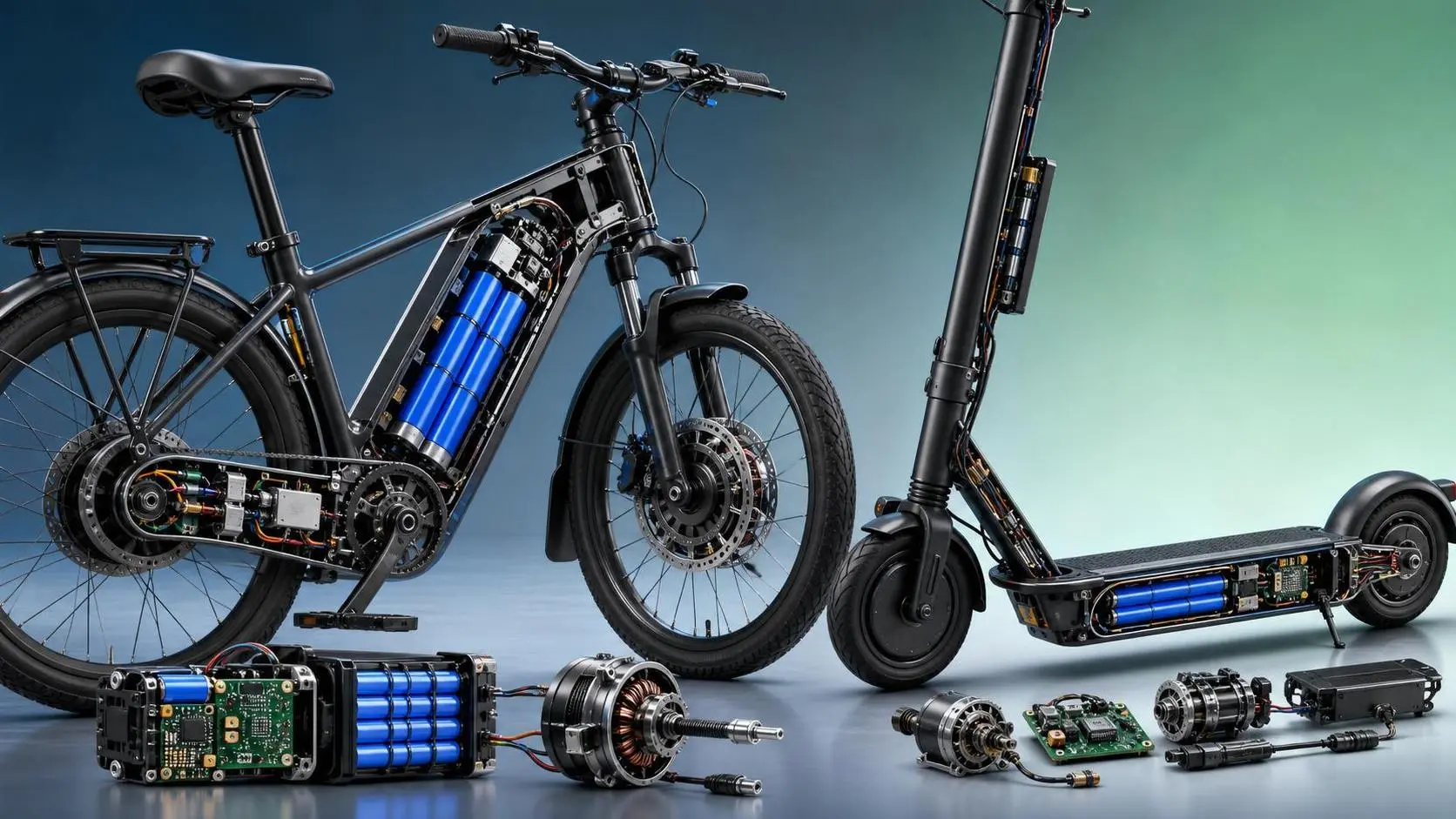
How Electric Mobility Components Shape Range, Reliability, and Maintenance Planning
Electric mobility components shape real-world range, reliability, and maintenance costs. Learn how batteries, motors, controllers, and sensors affect fleet uptime and smarter service planning.

Precision Drivetrain Market: What Buyers Should Track in Cost, Lead Times, and Supply Risk
Precision drivetrain market buyers must look beyond unit price. Learn how to track true cost, lead times, and supply risk to protect margins and choose more reliable suppliers.