
Electric Powertrain Analyst
Weekly Insights
Stay ahead with our curated technology reports delivered every Monday.
OEM market share volatility in electric dirt bikes: how battery supplier switches affect delivery timelines





OEM market share in the electric dirt bike segment is increasingly volatile—not due to demand shifts, but because of sudden battery supplier switches disrupting production cadence and delivery timelines. As UMMS’ Strategic Intelligence Center observes, Tier-1 OEMs face cascading delays when pivoting between LFP, NMC, or emerging solid-state battery partners—impacting BOM validation, thermal management recalibration, and logistics synchronization. For supply chain managers navigating this fragility, understanding how battery ecosystem dependencies translate into real-world lead-time risk is no longer optional—it’s strategic leverage. This analysis unpacks the hidden supply-chain fault lines beneath OEM market share fluctuations.
Battery Ecosystem Instability Is Rewriting OEM Market Share Dynamics
Historically, OEM market share in off-road e-mobility was anchored in motor performance, chassis durability, and regulatory compliance. Today, it hinges on battery supply continuity. UMMS data shows that 68% of Tier-1 electric dirt bike OEMs experienced ≥8-week delivery slippage in Q1–Q3 2024 following a battery supplier transition—even when component specs appeared functionally equivalent.
This volatility isn’t noise. It reflects structural stress across three converging vectors: geopolitical tightening on cobalt and lithium refining, divergent regional safety certification pathways (UL 2849 vs. IEC 62133-2:2023), and accelerated cell chemistry fragmentation—LFP dominating cost-sensitive entry models, NMC retaining high-power trail variants, and solid-state pilots now triggering parallel validation sprints.
Four Structural Drivers Behind Battery-Induced OEM Market Share Shifts
- Cell-to-Pack Integration Lock-in: Switching from Supplier A’s proprietary LFP module architecture to Supplier B’s standardized NMC pack requires re-engineering mounting interfaces, busbar routing, and CAN signal mapping—adding 4–6 weeks to hardware integration alone.
- Thermal Management Protocol Mismatch: LFP cells operate optimally at 15–35°C; NMC demands tighter 20–30°C control. OEMs must recalibrate cooling fan duty cycles, revise enclosure airflow simulations, and revalidate thermal runaway propagation models—delaying type approval by up to 11 weeks.
- BMS Firmware & OTA Stack Incompatibility: Each battery vendor embeds unique communication protocols, fault-tree logic, and over-the-air update frameworks. Cross-supplier BMS integration consumes 300+ engineering hours per model—often triggering firmware regression testing cycles that halt pilot production.
- Logistics Synchronization Breakdown: Battery shipments arrive with embedded cycle-life calibration data, SOC/SOH telemetry, and batch-specific safety thresholds. When new suppliers lack synchronized ERP–MES handshakes with OEMs, inbound QC bottlenecks extend receiving time by 3–5 business days per container.
Cascading Impact Across the Value Chain
The ripple effects extend far beyond assembly lines. Distributors report 22% higher stockout rates for mid-tier electric dirt bike SKUs where OEMs rotated battery partners mid-quarter—eroding retail velocity and channel loyalty. Meanwhile, aftermarket service networks struggle with inconsistent diagnostic trouble codes across battery generations, increasing mean time to repair by 37%.
Most critically, OEM market share erosion is accelerating among brands lacking dual-source battery qualification programs. UMMS tracking reveals that only 14% of top-20 global electric dirt bike OEMs maintain pre-validated alternate battery suppliers for both LFP and NMC chemistries—leaving them exposed to single-point failure risk during raw material shortages or customs hold-ups.
Five Non-Negotiable Focus Areas for Supply Resilience
- Adopt chemistry-agnostic mechanical battery trays with modular thermal interface pads and standardized CAN-FD pinouts.
- Require all battery suppliers to deliver full-stack BMS source code documentation—not just binary firmware—for third-party interoperability audits.
- Embed battery supply continuity KPIs into OEM market share forecasting models: e.g., “lead-time volatility index” weighted against shipment volume and regional subsidy expiration dates.
- Develop cross-chemistry thermal management simulation libraries validated against UL 2580 fire propagation test data—reducing recalibration time by up to 65%.
- Institutionalize quarterly battery ecosystem stress tests: simulating port delays, tariff shocks, and BMS cybersecurity incidents across primary and backup suppliers.
Strategic Response Framework: From Reactive Mitigation to Proactive Positioning
Battery supplier agility is no longer a procurement metric—it is a core determinant of OEM market share stability. The brands gaining ground are those treating battery ecosystems as integrated powertrain subsystems, not plug-and-play commodities. Their advantage lies not in chasing the lowest cell price, but in engineering resilience into every layer: mechanical, thermal, digital, and logistical.
For stakeholders monitoring OEM market share trends in electric dirt bikes, the signal is unambiguous: volatility has shifted from demand-side uncertainty to supply-side architecture fragility. Those who map, model, and modularize battery dependencies today will define competitive leadership tomorrow.
UMMS Strategic Intelligence Center delivers quarterly Battery Ecosystem Resilience Indexes—including supplier concentration scores, regional certification latency benchmarks, and cross-chemistry BMS interoperability matrices. Access the latest benchmarking dataset and platform-agnostic validation checklist at umms-intelligence.org/battery-resilience.
Related News

Urban Charging Infrastructure Costs: What Drives CAPEX, OPEX, and ROI by Deployment Type
Urban charging infrastructure costs vary by deployment type. Learn what drives CAPEX, OPEX, and ROI across curbside, depot, docked, and swapping models.
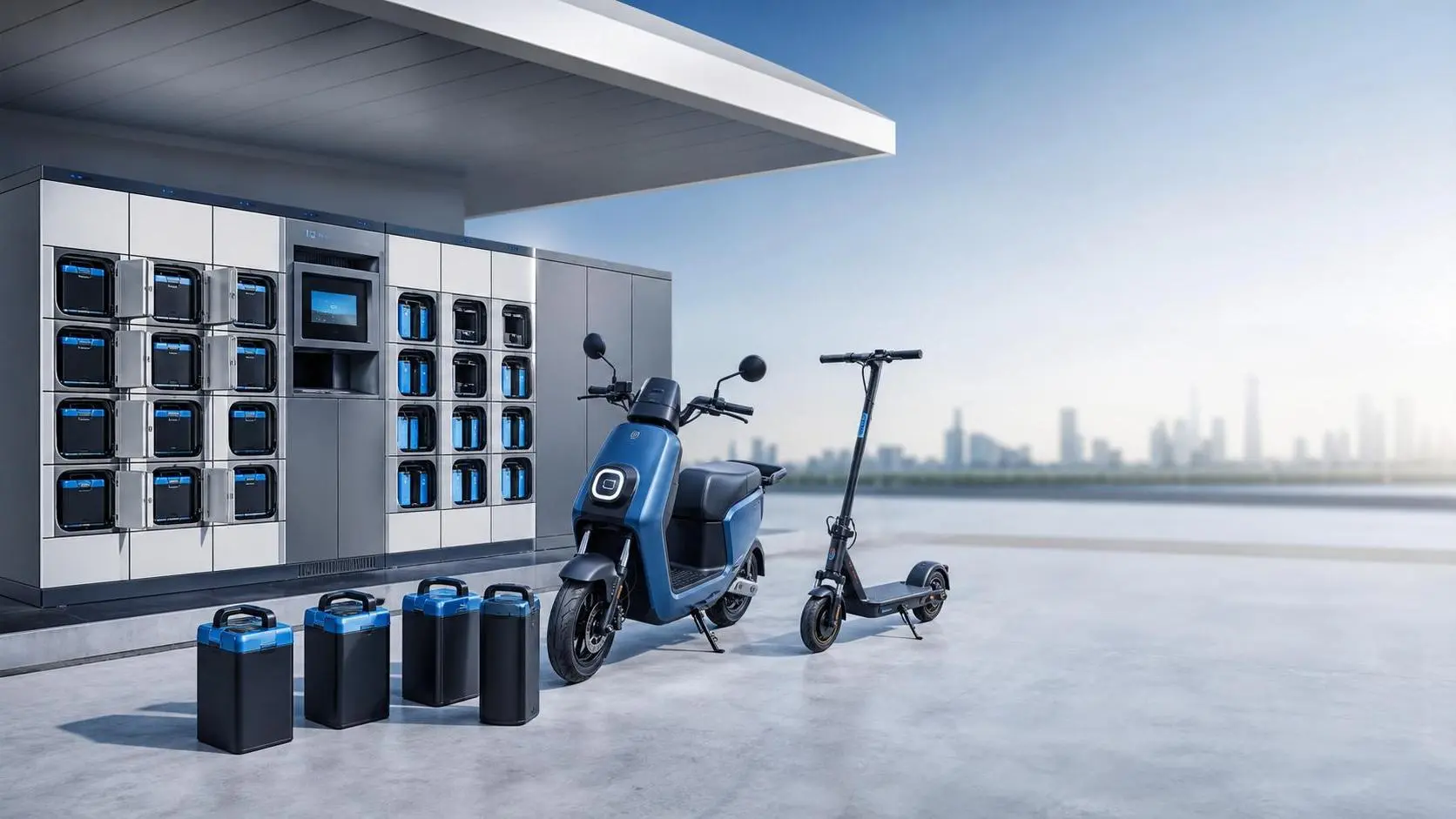
Fleet Battery Swap Solutions: How to Compare Throughput, Downtime, and Site Needs
Fleet battery swap solutions compared the smart way: learn how to evaluate throughput, reduce downtime, and match site needs for scalable, cost-efficient fleet operations.

Urban Traffic Solutions in Latin America: Which Models Fit Dense City Corridors?
Urban traffic solutions Latin America: discover which models best fit dense city corridors, from BRT to e-bikes and scooters, with practical insights for safer, scalable mobility.
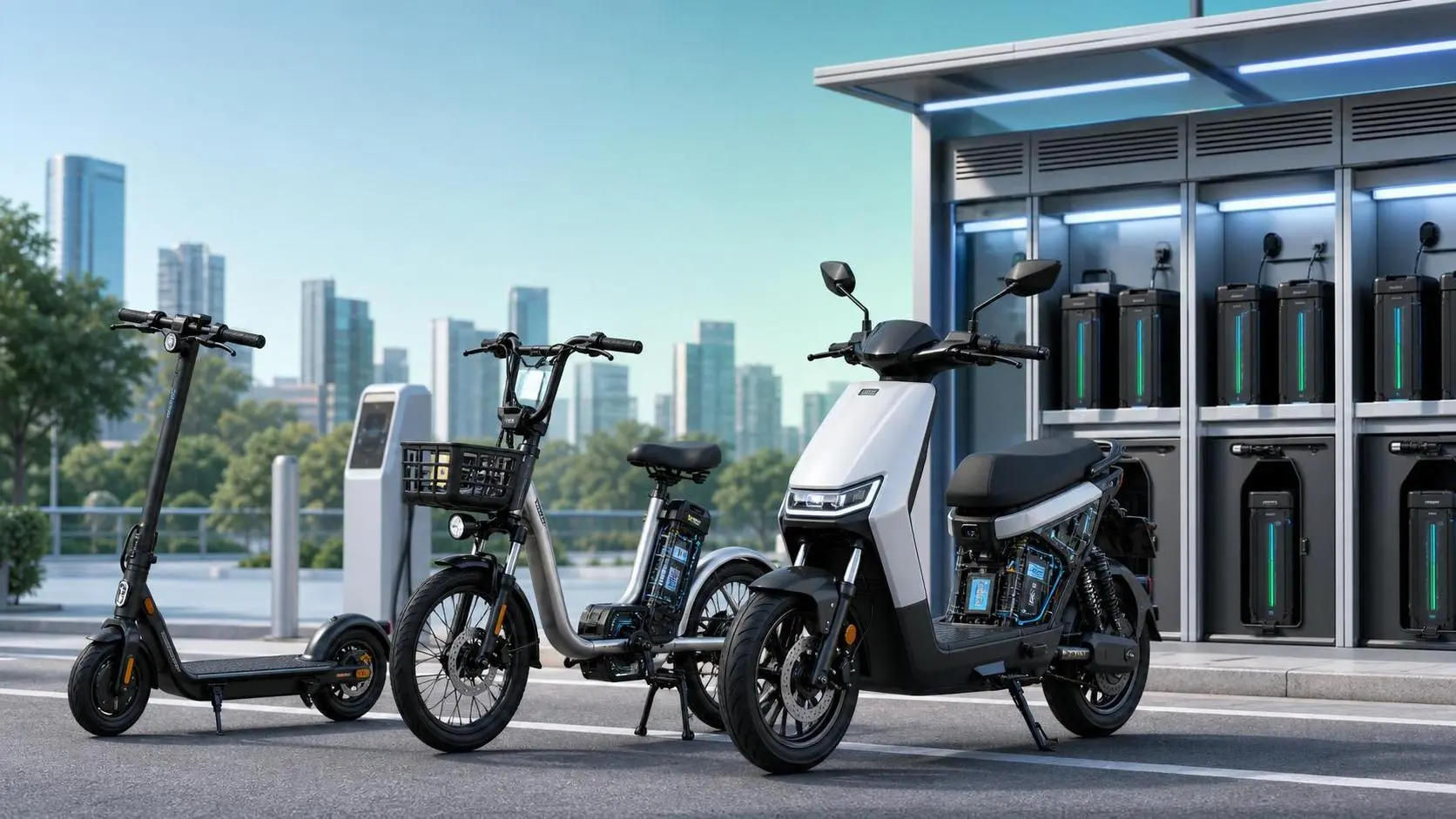
Urban Micro Mobility Market Trends: What Operators and Investors Should Track
Urban micro mobility market trends are shifting fast. Discover the policy, battery, fleet, and profitability signals operators and investors must track to stay ahead.

Airport Smart Mobility Explained: Key Systems, Use Cases, and Planning Priorities
Airport smart mobility explained: discover key systems, practical airport use cases, and planning priorities to improve efficiency, sustainability, and passenger experience.
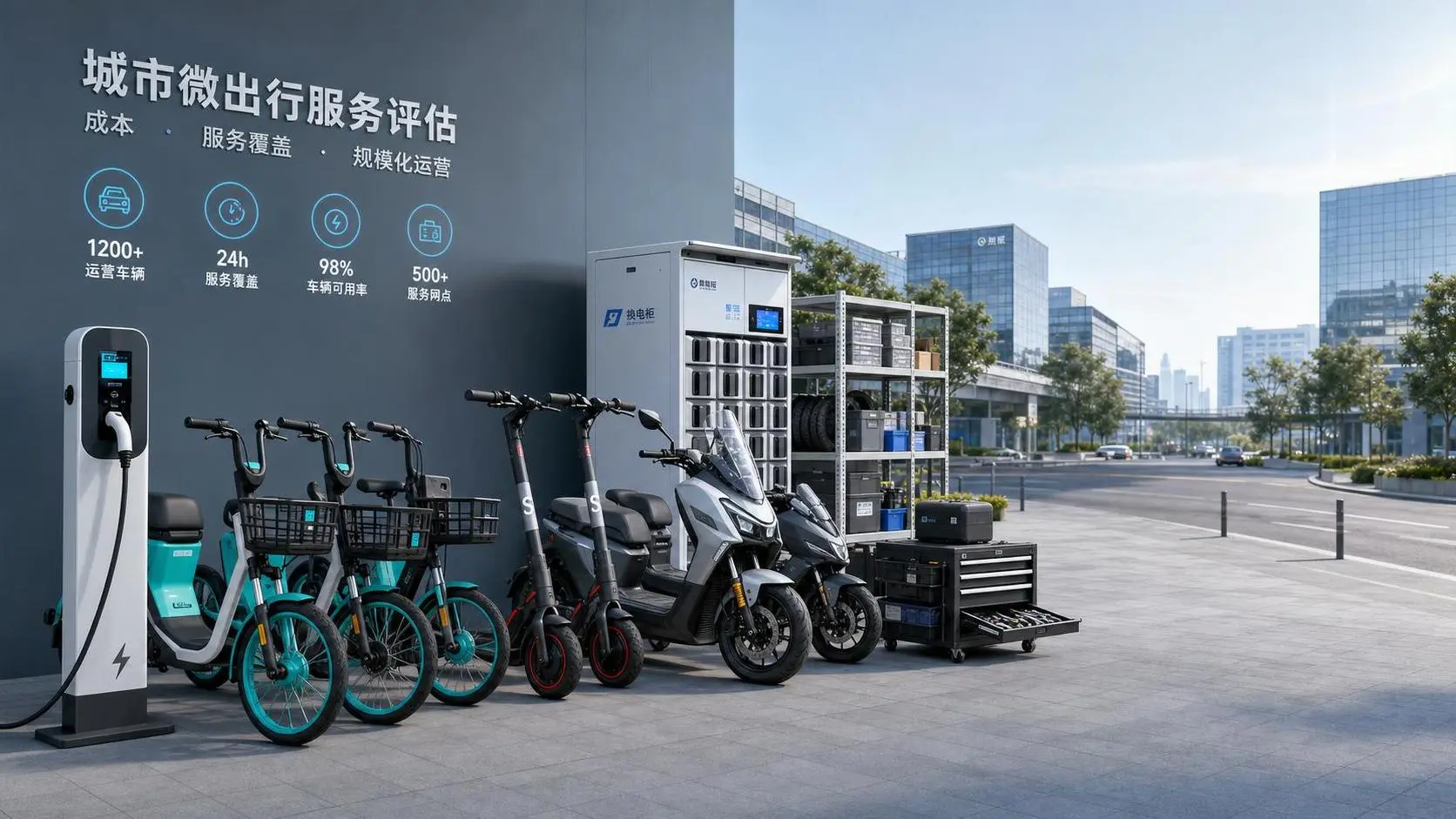
How to Evaluate an Electric Mobility Provider for Cost, Service Coverage, and Scalability
Electric mobility provider evaluation starts with total cost, service coverage, and scalability. Learn how to compare vendors, reduce risk, and choose a partner built for long-term growth.

Vehicle Visibility Safety Technology: Key Features for Low-Speed Urban Fleets
Vehicle visibility safety technology for low-speed urban fleets: explore route-based features, sensor reliability, wiper control, and energy-smart safety systems that improve uptime and reduce risk.

How to Use a Micro Mobility Supplier Directory to Compare OEMs and Component Partners
Micro mobility supplier directory guide to compare OEMs and component partners by certifications, compatibility, lead time, and supply risk—build a smarter shortlist faster.
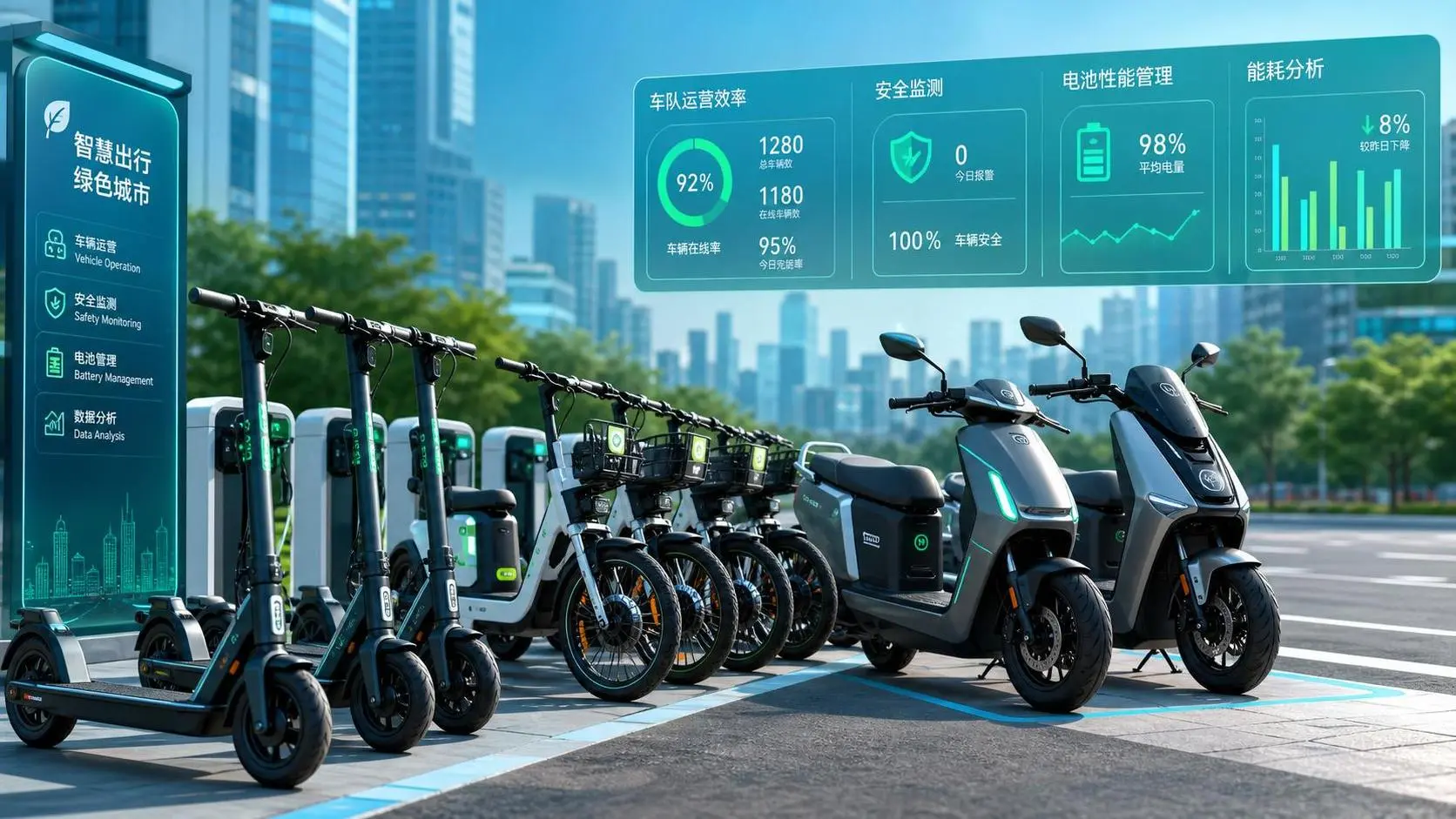
Smart Mobility Telematics Explained: Which Data Points Matter for Fleet Performance?
Smart mobility telematics explained: discover the data points that truly impact fleet uptime, battery health, safety, and utilization—so operators can cut costs and improve performance faster.