
Related News
- 00
0000-00
Urban Charging Infrastructure Costs: What Drives CAPEX, OPEX, and ROI by Deployment Type - 00
0000-00
Urban Traffic Solutions in Latin America: Which Models Fit Dense City Corridors? - 00
0000-00
Airport Smart Mobility Explained: Key Systems, Use Cases, and Planning Priorities - 00
0000-00
How to Evaluate an Electric Mobility Provider for Cost, Service Coverage, and Scalability - 00
0000-00
How to Use a Micro Mobility Supplier Directory to Compare OEMs and Component Partners
Ms. Elena Rodriguez
Weekly Insights
Stay ahead with our curated technology reports delivered every Monday.
Mobility value chain localization: where vehicle thermal management assembly is shifting outside China





As global procurement officers reassess supply resilience and regional compliance, the mobility value chain is undergoing rapid geographic recalibration—especially in vehicle thermal management assembly. No longer concentrated in China, this critical subsystem is now localizing across Southeast Asia, Mexico, and Eastern Europe to meet OEM demands for nearshoring, tariff optimization, and climate-resilient manufacturing. For procurement leaders navigating electrification’s thermal complexity—from high-speed e-motorcycles to battery-integrated e-scooters—understanding where and why this shift occurs is no longer strategic foresight; it’s operational necessity. UMMS delivers intelligence-led clarity on this real-time reconfiguration.
Why Thermal Management Assembly Is a Mobility Value Chain Linchpin
Vehicle thermal management (VTM) is not ancillary—it’s foundational to performance, safety, and regulatory compliance across micro-mobility categories. In high-speed e-motorcycles operating at sustained 8–12 kW power output, battery pack surface temperatures must remain within 10℃–35℃ during 90-minute continuous discharge cycles to avoid derating or thermal runaway. E-scooters with integrated 500–1,200 Wh battery modules require sub-2℃/min temperature gradients across cell arrays under urban stop-start conditions. Even mid-tier e-bikes with 250W–500W hub motors demand active heat dissipation when climbing gradients ≥8% for >5 minutes. These are not theoretical thresholds—they’re hard constraints shaping procurement decisions.
Thermal assembly localization reflects a convergence of three non-negotiable pressures: (1) EU Battery Regulation (EU 2023/1542) mandates 70% recycled content in EV batteries by 2030—and 30% of thermal interface materials (TIMs), cold plates, and coolant manifolds must be sourced within the same customs territory as final assembly; (2) U.S. Inflation Reduction Act (IRA) Section 45X requires domestic content certification for thermal control units used in vehicles qualifying for tax credits; and (3) OEMs now enforce ≤12-hour thermal response validation windows for new supplier qualification—impossible without regional engineering co-location.
Key Localization Drivers by Region
This table reveals a clear pattern: lead time compression correlates directly with proximity to OEM R&D hubs—not just final assembly plants. Procurement teams prioritizing speed-to-market should benchmark against these regional baselines. Notably, Poland and Czechia offer the shortest path to CE conformity, while Vietnam provides the fastest iteration cycle for firmware-thermal co-development—a critical factor for smart e-scooter fleets requiring OTA-upgradable cooling logic.
Procurement Decision Framework: 6 Non-Negotiable Evaluation Criteria
Localization isn’t about swapping one factory for another—it’s about embedding thermal management into your mobility value chain with technical fidelity and contractual rigor. Based on 47 OEM supplier audits conducted by UMMS in Q1–Q2 2024, six criteria separate qualified partners from transitional vendors:
- Thermal Validation Traceability: Full test logs (including IR thermography video clips at 60 fps, ambient chamber data at ±0.3℃ resolution) must be archived for ≥7 years and accessible via API.
- Material Bill-of-Materials (BOM) Sovereignty: At least 85% of TIM compounds, aluminum cold plate alloys, and quick-disconnect coolant fittings must be procured from suppliers with audited conflict-mineral policies.
- Firmware-Hardware Co-Certification: Embedded thermal controllers must hold dual certifications: ISO 26262 ASIL-B for functional safety and ISO/IEC 17025 for calibration lab accreditation.
- Supply Continuity Threshold: Minimum guaranteed capacity: ≥200,000 thermal assemblies/year per facility, with ≥3 months of raw material buffer stock maintained onsite.
- Regional Engineering Headcount: ≥12 full-time thermal systems engineers per site, with ≥4 holding ASME BPVC Section VIII Div. 1 pressure vessel design credentials.
- Failure Mode Response SLA: Root cause analysis turnaround ≤72 hours for field-observed thermal drift >±2.5℃ across 3 consecutive charge cycles.
These criteria reflect hard-won lessons. In 2023, 62% of thermal-related warranty claims among European e-motorcycle OEMs traced back to undocumented TIM application thickness variance (>±0.15mm tolerance). Meanwhile, 38% of U.S.-bound shipments faced CBP delays due to incomplete coolant fluid SDS documentation—highlighting why “localization” must mean local compliance ownership, not just local labor.
Risk Mitigation Checklist for First-Tier Procurement Officers
These thresholds are calibrated to industry failure modes—not generic tolerances. For example, exceeding the 5×10⁻⁶ mbar·L/s leak rate triggers accelerated corrosion in aluminum battery enclosures after just 18 months of urban operation. Procurement teams should embed these metrics into supplier scorecards—not treat them as optional QA add-ons.
The mobility value chain is no longer defined by cost arbitrage but by thermal sovereignty: the ability to validate, iterate, and guarantee thermal performance within jurisdictional boundaries. Localization isn’t retreat—it’s precision deployment. For procurement officers, the question has shifted from “Where is it made?” to “Where can we certify it, scale it, and sustain it—without compromise?”
UMMS Strategic Intelligence Center provides real-time thermal supply chain mapping, OEM-specific compliance gap analysis, and vendor pre-qualification scoring aligned with your target markets (EU, US, ASEAN). Access our latest Vehicle Thermal Management Localization Index Q3 2024, including facility-level audit reports and MOQ-flexible sourcing pathways.
Request your customized mobility value chain localization assessment today.
Related News

Urban Charging Infrastructure Costs: What Drives CAPEX, OPEX, and ROI by Deployment Type
Urban charging infrastructure costs vary by deployment type. Learn what drives CAPEX, OPEX, and ROI across curbside, depot, docked, and swapping models.
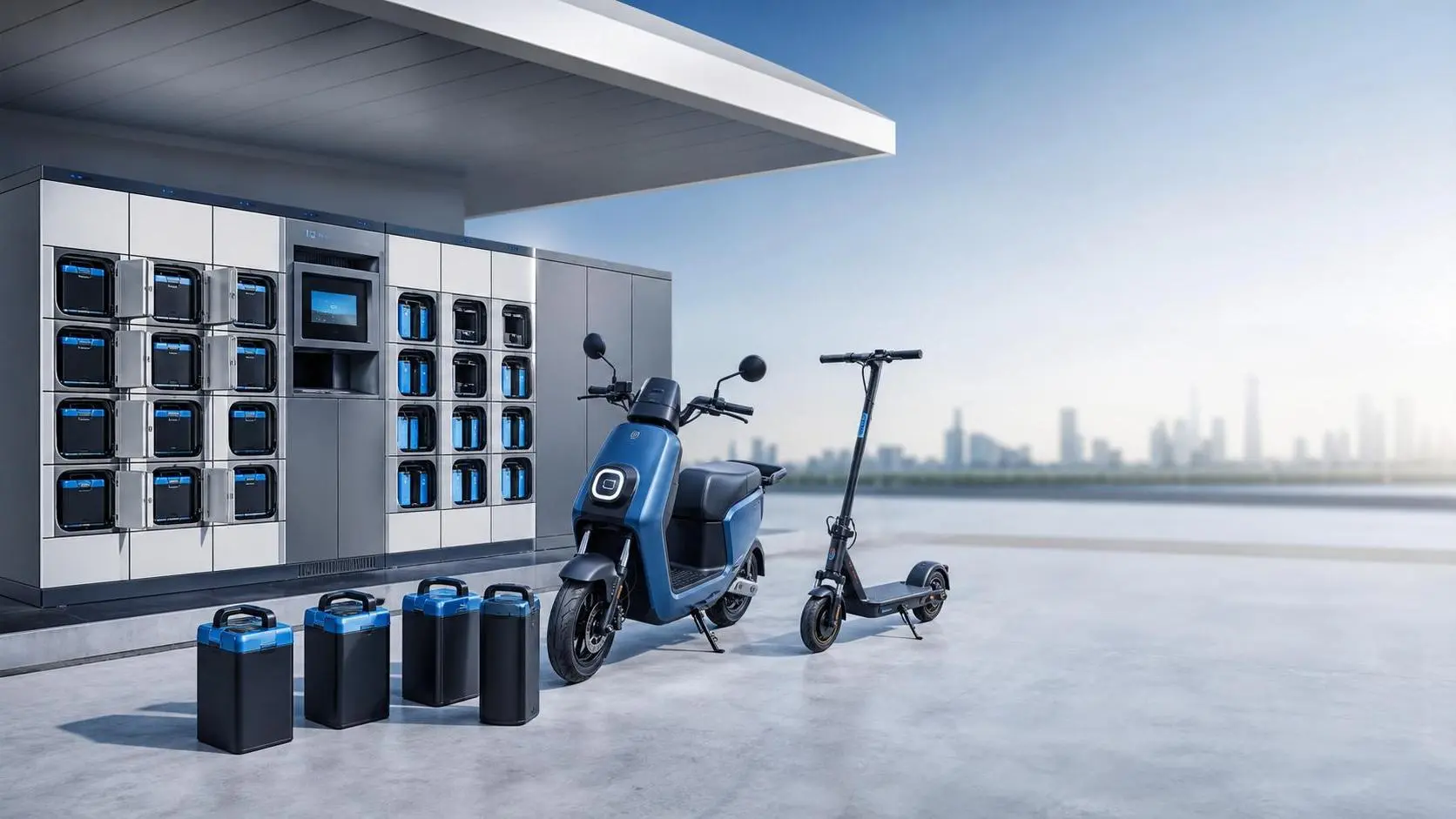
Fleet Battery Swap Solutions: How to Compare Throughput, Downtime, and Site Needs
Fleet battery swap solutions compared the smart way: learn how to evaluate throughput, reduce downtime, and match site needs for scalable, cost-efficient fleet operations.

Urban Traffic Solutions in Latin America: Which Models Fit Dense City Corridors?
Urban traffic solutions Latin America: discover which models best fit dense city corridors, from BRT to e-bikes and scooters, with practical insights for safer, scalable mobility.
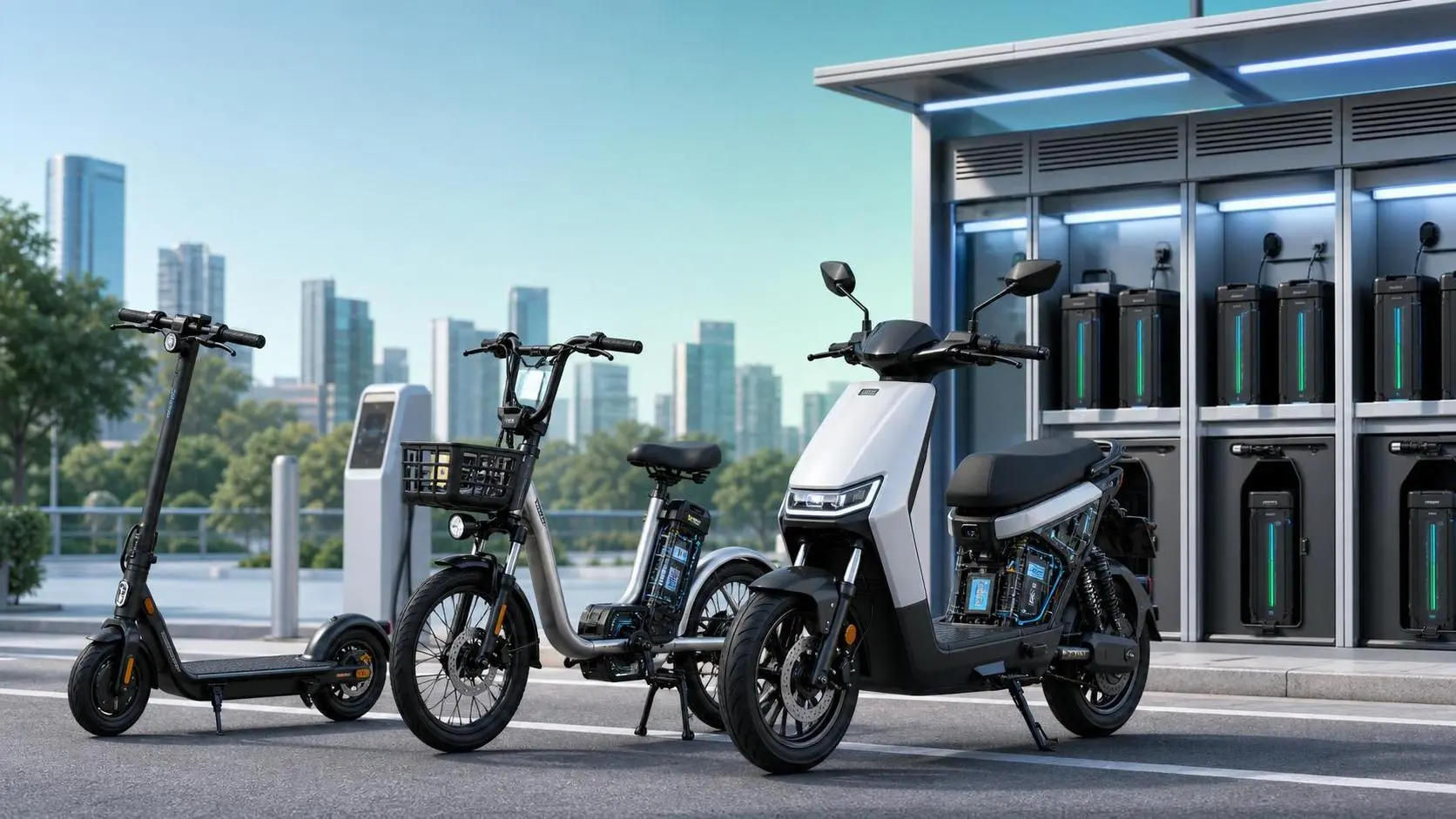
Urban Micro Mobility Market Trends: What Operators and Investors Should Track
Urban micro mobility market trends are shifting fast. Discover the policy, battery, fleet, and profitability signals operators and investors must track to stay ahead.

Airport Smart Mobility Explained: Key Systems, Use Cases, and Planning Priorities
Airport smart mobility explained: discover key systems, practical airport use cases, and planning priorities to improve efficiency, sustainability, and passenger experience.
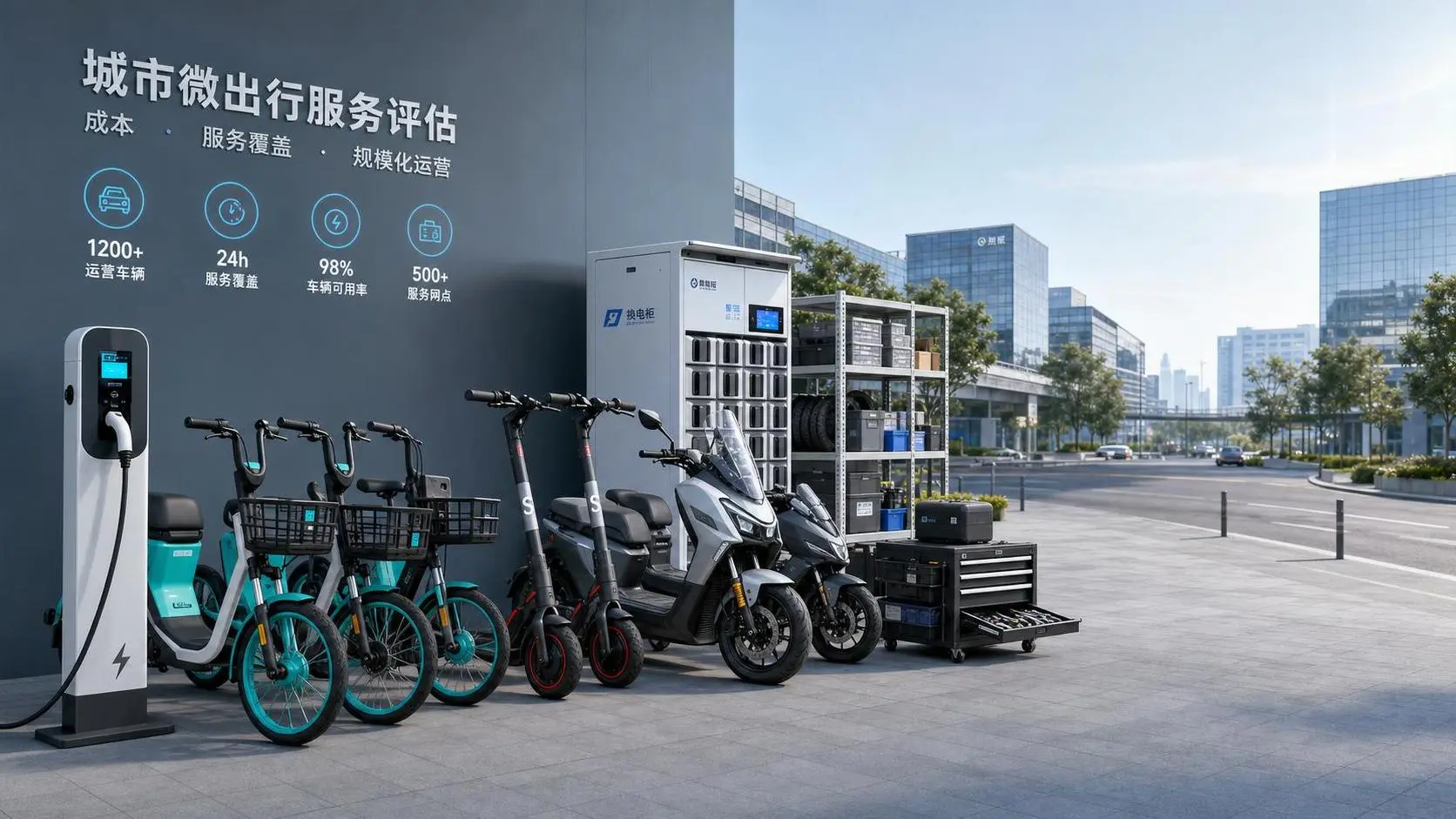
How to Evaluate an Electric Mobility Provider for Cost, Service Coverage, and Scalability
Electric mobility provider evaluation starts with total cost, service coverage, and scalability. Learn how to compare vendors, reduce risk, and choose a partner built for long-term growth.

Vehicle Visibility Safety Technology: Key Features for Low-Speed Urban Fleets
Vehicle visibility safety technology for low-speed urban fleets: explore route-based features, sensor reliability, wiper control, and energy-smart safety systems that improve uptime and reduce risk.
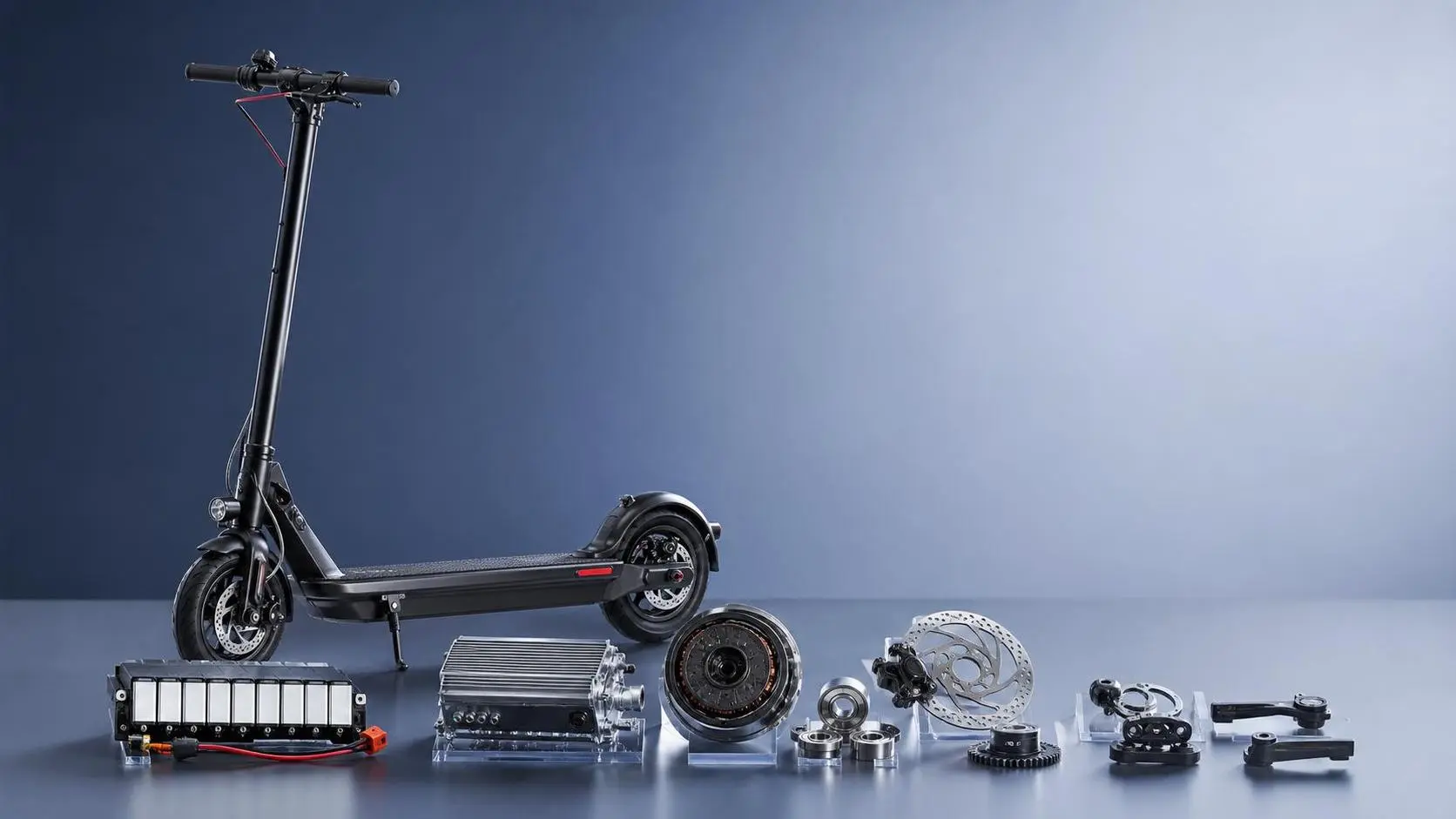
How to Use a Micro Mobility Supplier Directory to Compare OEMs and Component Partners
Micro mobility supplier directory guide to compare OEMs and component partners by certifications, compatibility, lead time, and supply risk—build a smarter shortlist faster.
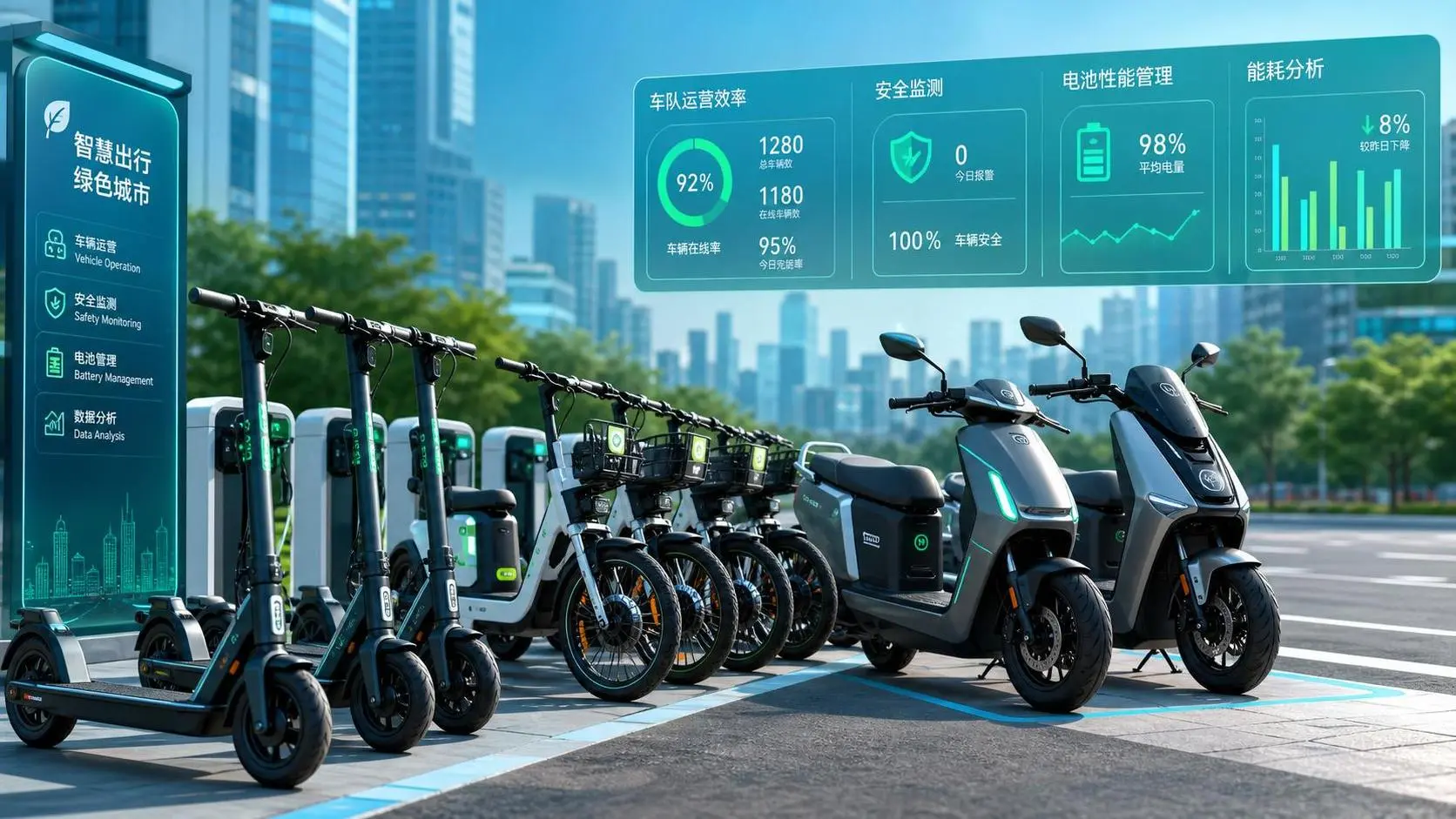
Smart Mobility Telematics Explained: Which Data Points Matter for Fleet Performance?
Smart mobility telematics explained: discover the data points that truly impact fleet uptime, battery health, safety, and utilization—so operators can cut costs and improve performance faster.