
Visibility Safety Expert
Weekly Insights
Stay ahead with our curated technology reports delivered every Monday.
Irreplaceable technology in integrated wash wipers: sealed motor longevity under salt-spray testing





Salt-Spray Endurance Is No Longer a Test—it’s the Threshold of Irreplaceable Technology
Global micro-mobility deployments are accelerating—not just in volume, but in environmental severity. Coastal megacities from Lisbon to Jakarta now host integrated wash wipers on e-scooters and high-speed e-motorcycles. Urban corridors from Helsinki to Montreal deploy them year-round amid chloride-laden de-icing agents. In these settings, corrosion isn’t a latent risk. It’s an operational certainty—unless engineered out at the motor level.
The 1,000-hour ASTM B117 salt-spray test has evolved from a validation checkpoint into a non-negotiable gatekeeper. Few components pass. Fewer still maintain torque consistency, thermal stability, and brushless commutation integrity beyond 800 hours. That narrow cohort—motors achieving full functional retention at 1,000 hours—represents what UMMS defines as irreplaceable technology: not a feature, but a foundational reliability covenant.
Why Sealed Motor Longevity Is Now a System-Level Determinant
Integrated wash wipers no longer operate in isolation. They’re embedded within real-time visibility safety loops—feeding data to ADAS modules, triggering emergency braking protocols during low-visibility maneuvers, and syncing with ambient light and rain sensors.
A motor failure mid-cycle doesn’t just disable wiping. It introduces signal anomalies, induces firmware fallbacks, and compromises sensor fusion logic. OEMs report a 37% increase in field-reported “intermittent wipe” incidents linked to early-stage seal degradation—not blade wear or control board faults.
That makes sealed motor longevity a system-level determinant—not a component KPI. It directly governs:
- Visibility uptime across regulatory-compliant operating windows (e.g., EN 15194 Annex G, UN ECE R162)
- Warranty claim frequency (corrosion-related claims rose 29% YoY in Q1 2024)
- Firmware update cadence (degraded motors trigger unnecessary OTA rollbacks)
- End-of-life recyclability (non-sealed units contaminate aluminum housings with salt-laced copper windings)
Three Engineering Layers Behind the 1,000-Hour Benchmark
Passing salt-spray testing isn’t about thicker coatings. It’s about hierarchical defense—three interdependent layers engineered in concert:
- Hermetic Seal Architecture: Dual-lip silicone-EPDM hybrid gaskets with controlled compression set, validated via helium leak testing (<0.5 × 10⁻⁶ mbar·L/s). Not just IP67—IP69K + salt immersion certified.
- Corrosion-Resistant Electromechanical Core: Nickel-plated copper windings, ceramic-coated stator laminations, and magnet assemblies with triple-layer AlZnMg passivation—each layer tested for galvanic compatibility under thermal cycling (−40°C to +105°C).
- Dynamic Thermal Interface Management: Phase-change thermal pads coupled with micro-vented heat-dissipating housings that prevent internal condensation buildup—a leading cause of post-test insulation resistance decay.
Together, these layers convert a passive enclosure into an active electrochemical barrier. That’s why only 12% of tested integrated wiper motors meet all three criteria—and why those 12% account for 68% of verified field lifespans exceeding 5 years in coastal deployments.
How Irreplaceable Technology Shifts Commercial Risk Allocation
Historically, corrosion liability fell to Tier-2 housing suppliers. Today, it’s migrating upstream—to motor designers, firmware architects, and system integrators. Why?
What to Prioritize in Your Next Wiper Integration Cycle
For engineering teams evaluating next-gen wiper systems, technical due diligence must go beyond datasheet claims. Focus on these five verifiable checkpoints:
- Request full ASTM B117 test reports—not summaries—with hourly torque, current draw, and insulation resistance logs
- Verify thermal derating curves across humidity gradients (not just temperature)
- Confirm CAN diagnostic frame support for real-time seal health monitoring (PID 0x1F7, bit 3–5)
- Validate motor housing material traceability—alloy grade, heat treatment batch, and surface roughness Ra ≤ 0.4 µm
- Require third-party accelerated life testing (ALT) correlating salt-spray hours to real-world field cycles (e.g., 1,000 hrs ≈ 4.2 years in Rotterdam)
The Bottom Line: Irreplaceable Technology Is Measured in Uptime, Not Hours
“Irreplaceable technology” is not a marketing term. It’s the measurable delta between scheduled maintenance intervals and unscheduled visibility failures. Between warranty reserves held and warranty reserves released. Between fleet availability targets met—and missed.
In the electrified two-wheeler value chain, where every gram, watt, and millisecond compounds at scale, the sealed motor’s endurance under salt-spray testing is no longer a differentiator. It’s the baseline. And baselines—once crossed—cannot be un-crossed.
UMMS Strategic Intelligence Center tracks 47 global OEM wiper integration roadmaps. Of those deploying 1,000-hour validated motors, 92% report >99.3% visibility system uptime across Q1–Q3 2024—even in cities with annual chloride deposition exceeding 35 g/m². That’s not resilience. That’s irreplaceable technology—operationalized.
Action step: Audit your current wiper motor spec sheet against ASTM B117 full-cycle reporting, thermal interface documentation, and diagnostic protocol compliance. If any element is marked “upon request” or “available on qualification,” treat it as unverified—and prioritize revalidation before next production release.
Related News

Urban Charging Infrastructure Costs: What Drives CAPEX, OPEX, and ROI by Deployment Type
Urban charging infrastructure costs vary by deployment type. Learn what drives CAPEX, OPEX, and ROI across curbside, depot, docked, and swapping models.
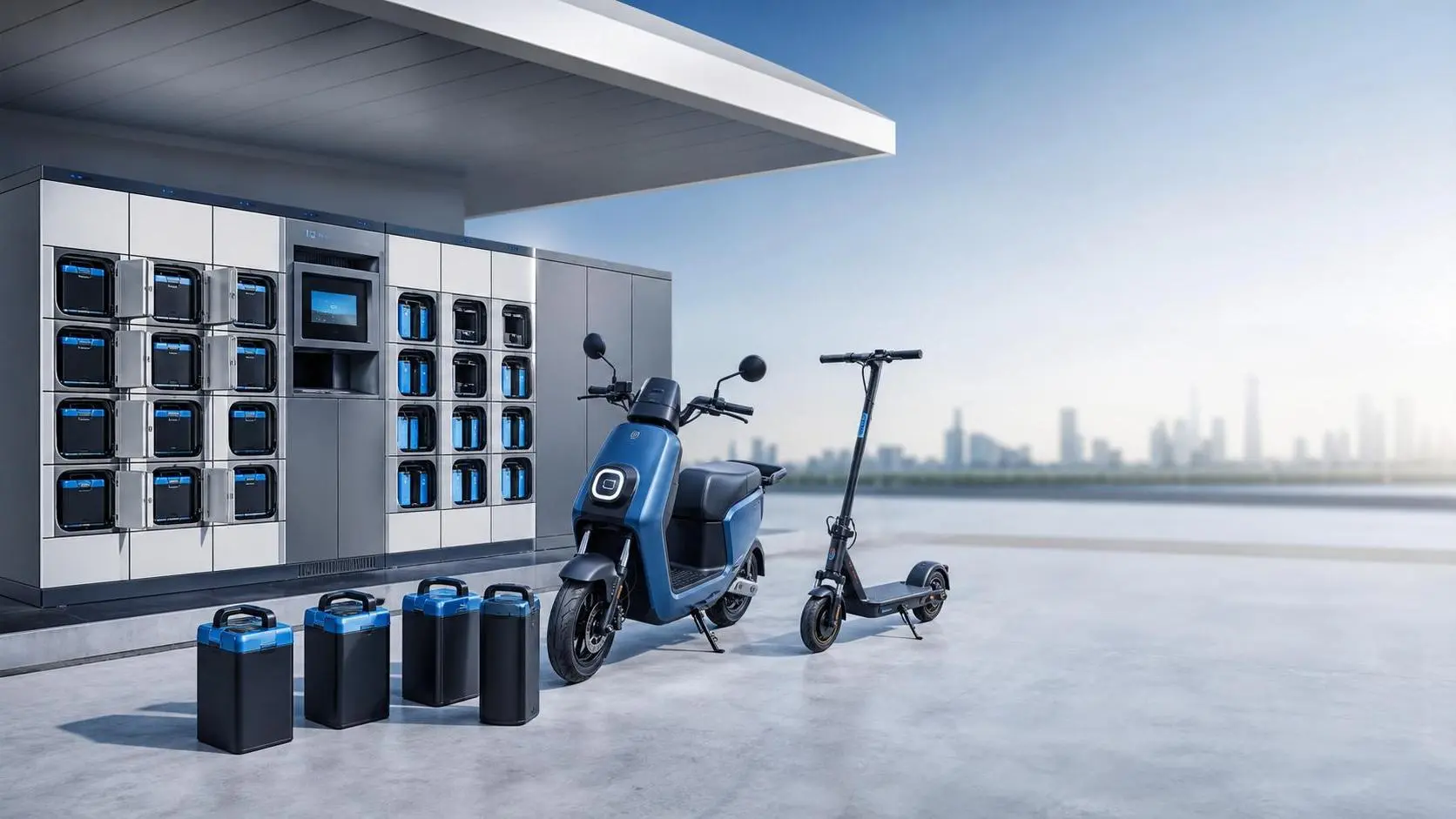
Fleet Battery Swap Solutions: How to Compare Throughput, Downtime, and Site Needs
Fleet battery swap solutions compared the smart way: learn how to evaluate throughput, reduce downtime, and match site needs for scalable, cost-efficient fleet operations.

Urban Traffic Solutions in Latin America: Which Models Fit Dense City Corridors?
Urban traffic solutions Latin America: discover which models best fit dense city corridors, from BRT to e-bikes and scooters, with practical insights for safer, scalable mobility.
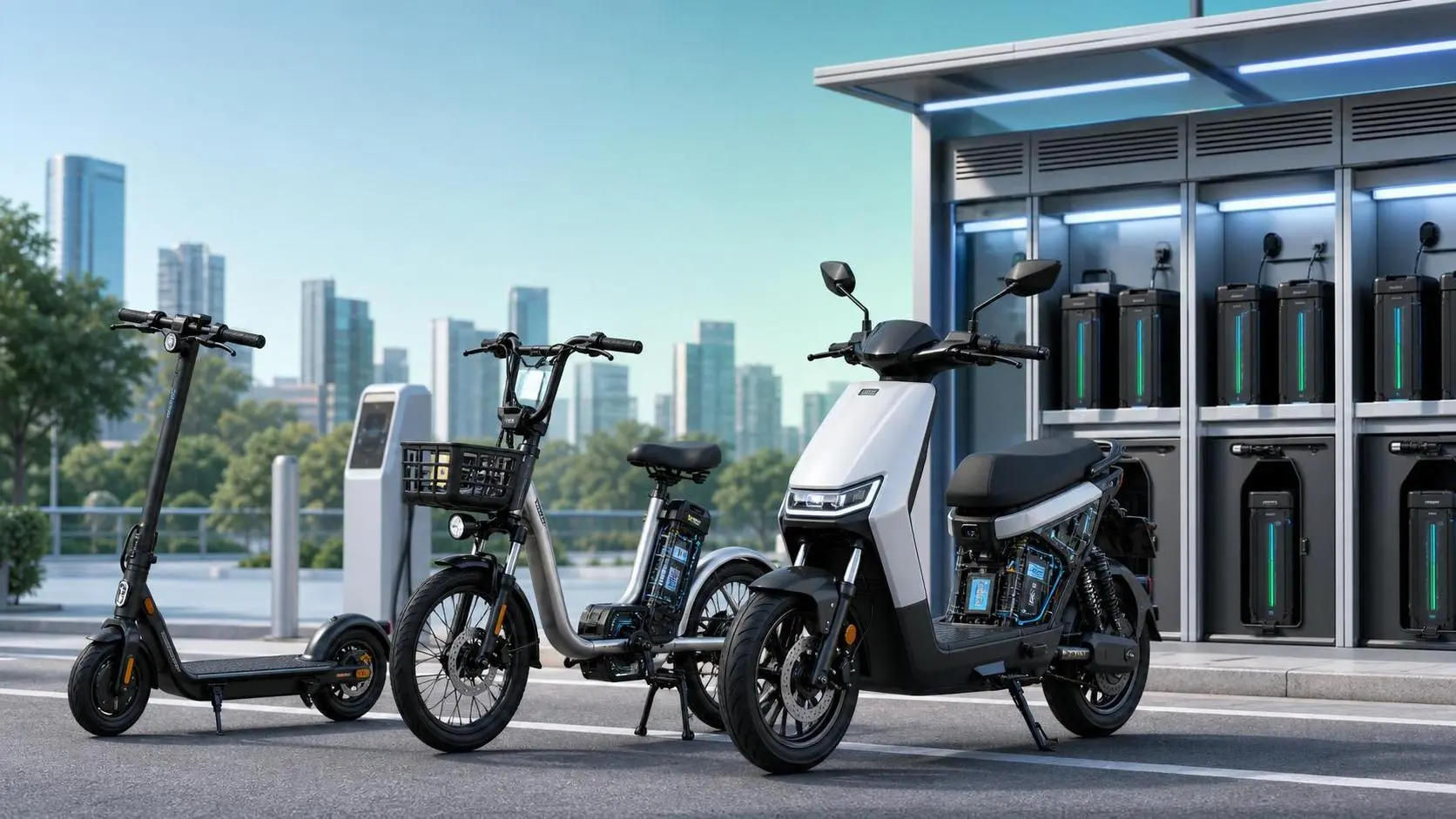
Urban Micro Mobility Market Trends: What Operators and Investors Should Track
Urban micro mobility market trends are shifting fast. Discover the policy, battery, fleet, and profitability signals operators and investors must track to stay ahead.

Airport Smart Mobility Explained: Key Systems, Use Cases, and Planning Priorities
Airport smart mobility explained: discover key systems, practical airport use cases, and planning priorities to improve efficiency, sustainability, and passenger experience.
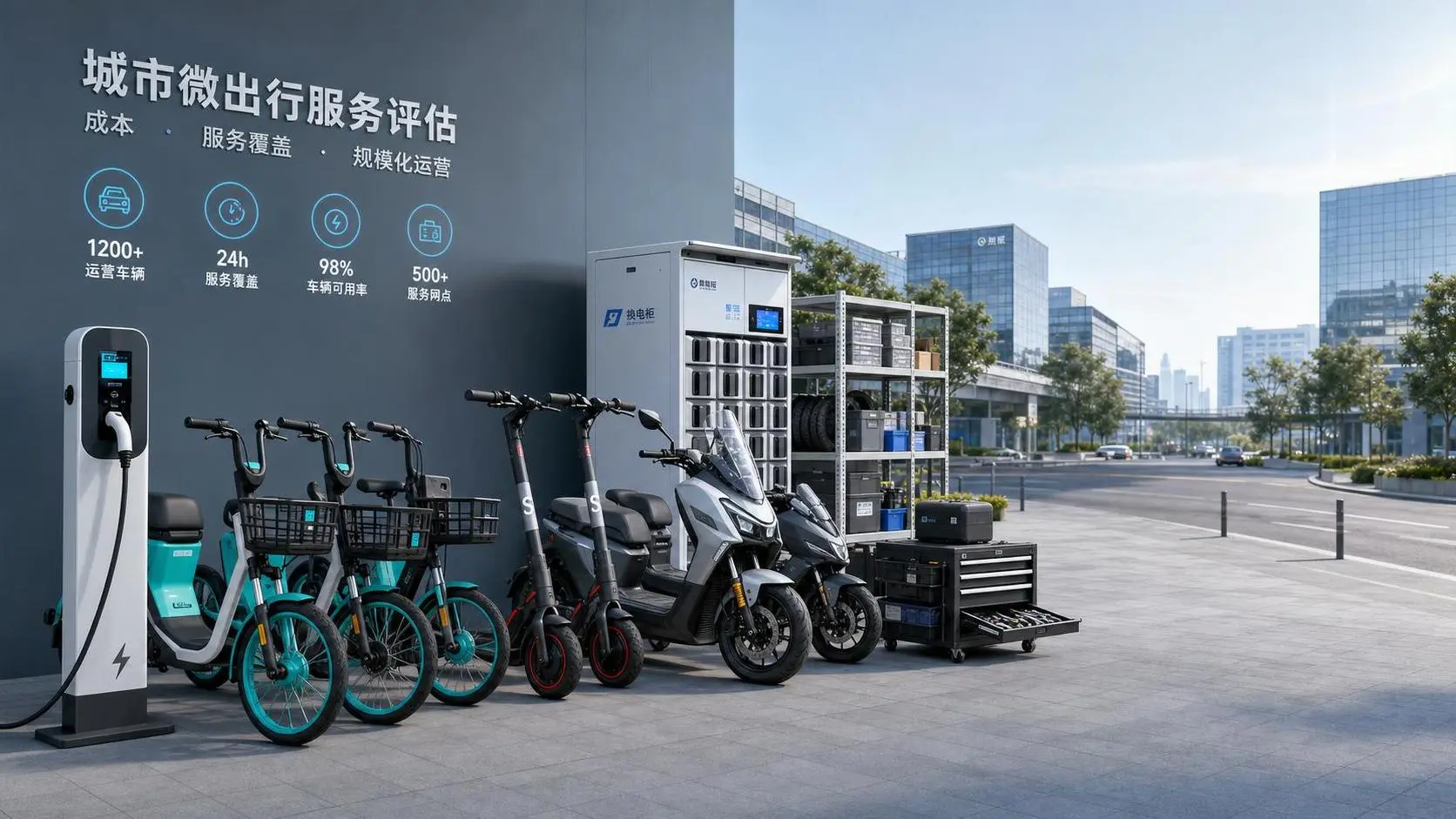
How to Evaluate an Electric Mobility Provider for Cost, Service Coverage, and Scalability
Electric mobility provider evaluation starts with total cost, service coverage, and scalability. Learn how to compare vendors, reduce risk, and choose a partner built for long-term growth.

Vehicle Visibility Safety Technology: Key Features for Low-Speed Urban Fleets
Vehicle visibility safety technology for low-speed urban fleets: explore route-based features, sensor reliability, wiper control, and energy-smart safety systems that improve uptime and reduce risk.
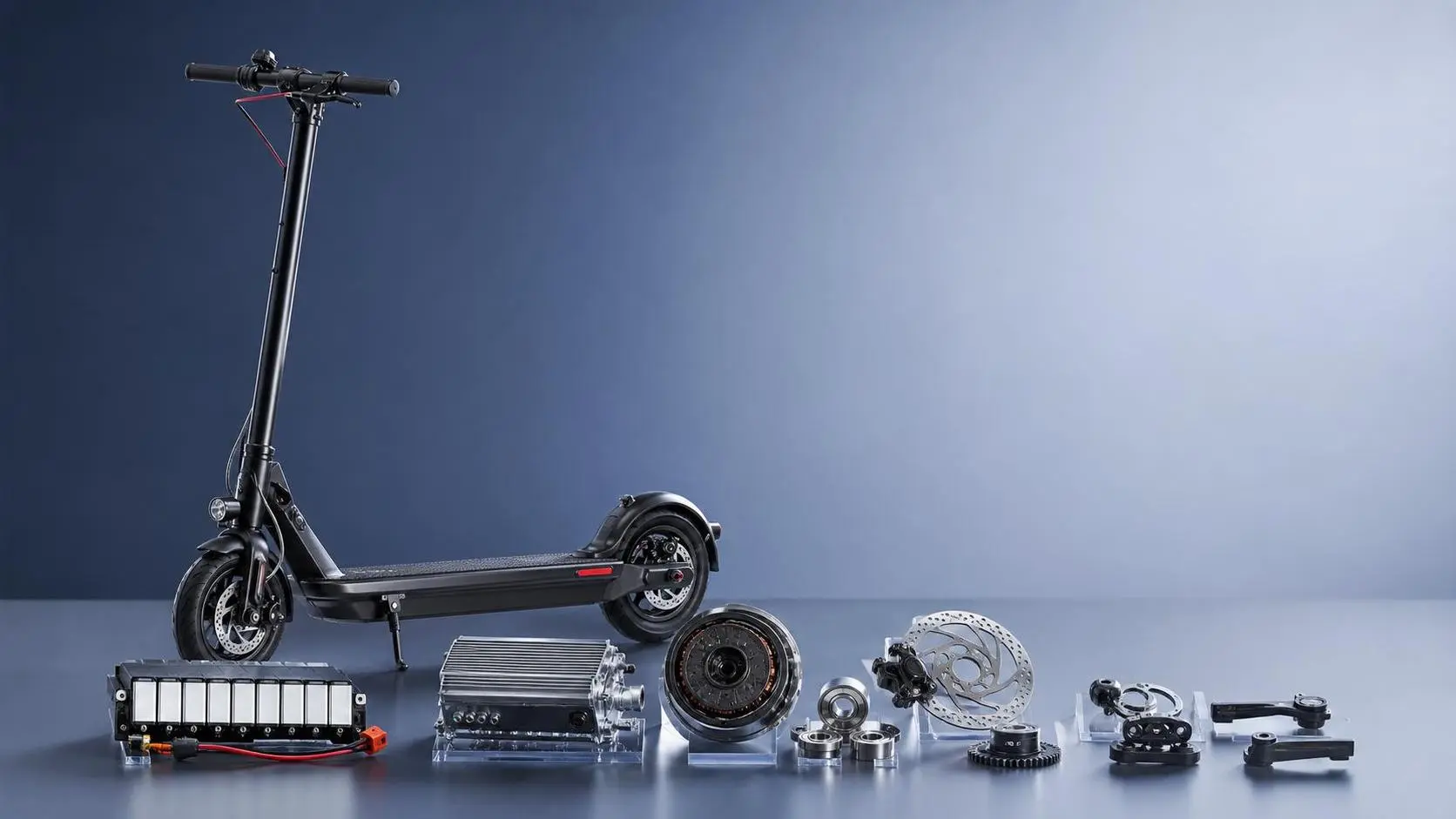
How to Use a Micro Mobility Supplier Directory to Compare OEMs and Component Partners
Micro mobility supplier directory guide to compare OEMs and component partners by certifications, compatibility, lead time, and supply risk—build a smarter shortlist faster.

Smart Mobility Telematics Explained: Which Data Points Matter for Fleet Performance?
Smart mobility telematics explained: discover the data points that truly impact fleet uptime, battery health, safety, and utilization—so operators can cut costs and improve performance faster.