
Related News
- 00
0000-00
Two-wheeled mobility tools in cold climates: lithium-ion performance drop below -10°C and mitigation - 00
0000-00
Global mobility landscape volatility: import tariff changes affecting e-MTB frame shipments to Canada - 00
0000-00
Vehicle thermal management in e-MTBs: heat dissipation differences between hub and mid-drive motors during descent
Micro-Mobility Strategist
Weekly Insights
Stay ahead with our curated technology reports delivered every Monday.
Global mobility landscape volatility: import tariff changes affecting e-MTB frame shipments to Canada





Why Tariff Volatility Demands Systematic Classification Discipline
Canada’s import tariff regime for e-MTB frames is no longer static—it is a dynamic variable in landed cost modeling. Recent amendments by the Canada Border Services Agency (CBSA) directly impact HS codes 8712.00.10 (“frames and forks, of electric mountain bicycles”) and 8712.00.90 (“other frames and forks for bicycles”). These changes reflect broader shifts in Canada’s trade policy posture toward high-value, low-volume micro-mobility hardware—particularly components where assembly location, material origin, and motor integration status determine duty liability.
Unlike mass-market e-bikes, e-MTB frames often cross borders as semi-finished assemblies: bare carbon/aluminum chassis, pre-installed motor mounts, integrated battery trays, or even partially wired controller interfaces. This hybrid state triggers nuanced classification debates under the Harmonized System—and CBSA now applies stricter scrutiny to “essential character” determinations. A frame shipped with a proprietary torque-sensing motor bracket may be reclassified from Chapter 87 to Chapter 85 if deemed “motor-integrated,” shifting duty from 0% to 6.5%. That single percentage point translates to $120–$280 per unit at scale—eroding margins faster than battery degradation curves.
Core Compliance Checklist: 7 Non-Negotiable Actions
- Verify HS code assignment against CBSA’s updated 2024 Customs Tariff Schedule Annex C-21, specifically referencing Note 2(b) to Chapter 87: “Parts which are identifiable as being suitable for use solely or principally with electric bicycles shall be classified accordingly.”
- Document full bill-of-materials provenance—not just country of final assembly, but origin of frame alloy (e.g., Japanese 6061-T6 extrusions), motor housing castings (e.g., Taiwanese die-cast aluminum), and electronic mounting brackets (e.g., German CNC-machined 7075-T6).
- Retain third-party lab reports confirming absence of pre-assembled drive units: CBSA now requires test certificates verifying that no motor, controller, or battery management system (BMS) is functionally operational upon entry—even if physically attached.
- Validate NAFTA/USMCA origin claims using REX-style supplier declarations, not self-certified affidavits: CBSA rejects unnotarized “Made in Mexico” statements without traceable smelter-to-frame serial linkage.
- Pre-audit customs valuation methodology: Transaction value must exclude post-importation engineering services (e.g., firmware calibration, suspension tuning), which CBSA treats as dutiable assists under Section 48(1)(a) of the Customs Act.
- Confirm packaging integrity meets CBSA’s “non-consumer-ready” standard: Frames shipped in retail-grade boxes with QR-coded setup guides or torque-spec stickers risk reclassification as finished goods under Tariff Item 8712.00.10.10.
- File advance rulings (ARs) for borderline configurations—especially frames with integrated USB-C charging ports, CAN bus stubs, or wireless sensor cavities—before first shipment. ARs bind CBSA for five years and preempt retroactive duty assessments.
Scenario-Specific Implications
For OEMs shipping complete e-MTB kits (frame + motor + battery + display) under one commercial invoice: CBSA now applies “composite good” doctrine. If the motor contributes >45% of total transaction value, the entire kit falls under HS 8501.31.00 (electric motors), attracting 6.5% duty—regardless of frame classification. This nullifies traditional “frame-only” duty optimization strategies.
For Tier-1 component suppliers delivering frames to Canadian contract manufacturers: Origin documentation must include heat-treatment logs, tensile strength test reports, and anodizing batch records. CBSA’s Vancouver Regional Office has escalated audits targeting surface finish compliance—citing corrosion resistance standards (ASTM B117) as evidence of “finished good” status when non-industrial coatings exceed 25µm thickness.
High-Risk Oversights—Frequently Missed
Many exporters assume “frame-only” shipments avoid electronics-related scrutiny. Yet CBSA routinely flags frames with embedded Hall-effect sensor grooves, pre-threaded motor mount holes exceeding ISO M12×1.25 spec, or integrated battery tray gaskets meeting IP67 sealing thresholds—as evidence of “designed-for-electric-use” intent. Such features trigger mandatory classification review, regardless of motor presence.
Another critical gap: undervaluing intellectual property embedded in frame geometry. CBSA treats patented kinematic linkages (e.g., virtual pivot points, anti-squat profiles) as royalty-bearing intangibles. Failure to declare associated licensing fees—verified via signed tech transfer agreements—invites penalties under subsection 102(1) of the Customs Act.
Actionable Execution Protocol
Initiate a 72-hour internal classification triage: Cross-reference each active SKU against CBSA’s 2024 “E-Mobility Parts Interpretation Bulletin” (No. 2024-07). Flag any frame with ≥2 of these attributes: integrated motor mounts, battery cavity seals, CAN bus routing channels, or torque-sensor mounting bosses.
Engage a CBSA-licensed customs broker with documented e-mobility audit defense experience—not general freight forwarders. Require proof of prior successful AR filings for e-bike drivetrain components within the last 18 months.
Strategic Summary & Next Steps
The global mobility landscape volatility isn’t episodic—it’s structural. Tariff adjustments reflect Canada’s strategic pivot toward domestic battery supply chain control and localized e-MTB manufacturing incentives. Proactive classification discipline is no longer about avoiding penalties; it’s about securing predictable landed costs amid tightening regulatory bandwidth.
Immediate next steps: Download CBSA’s updated Tariff Item 8712.00.10 Decision Tree (effective 1 April 2024); schedule a UMMS Strategic Intelligence Center briefing on cross-border thermal management compliance (critical for motor-integrated frame approvals); and submit draft AR applications for all SKUs shipping Q3 2024 volumes before 15 July.
This isn’t tariff administration—it’s micro-mobility infrastructure sovereignty. Every frame cleared correctly reinforces the integrity of the entire global mobility landscape.
Related News
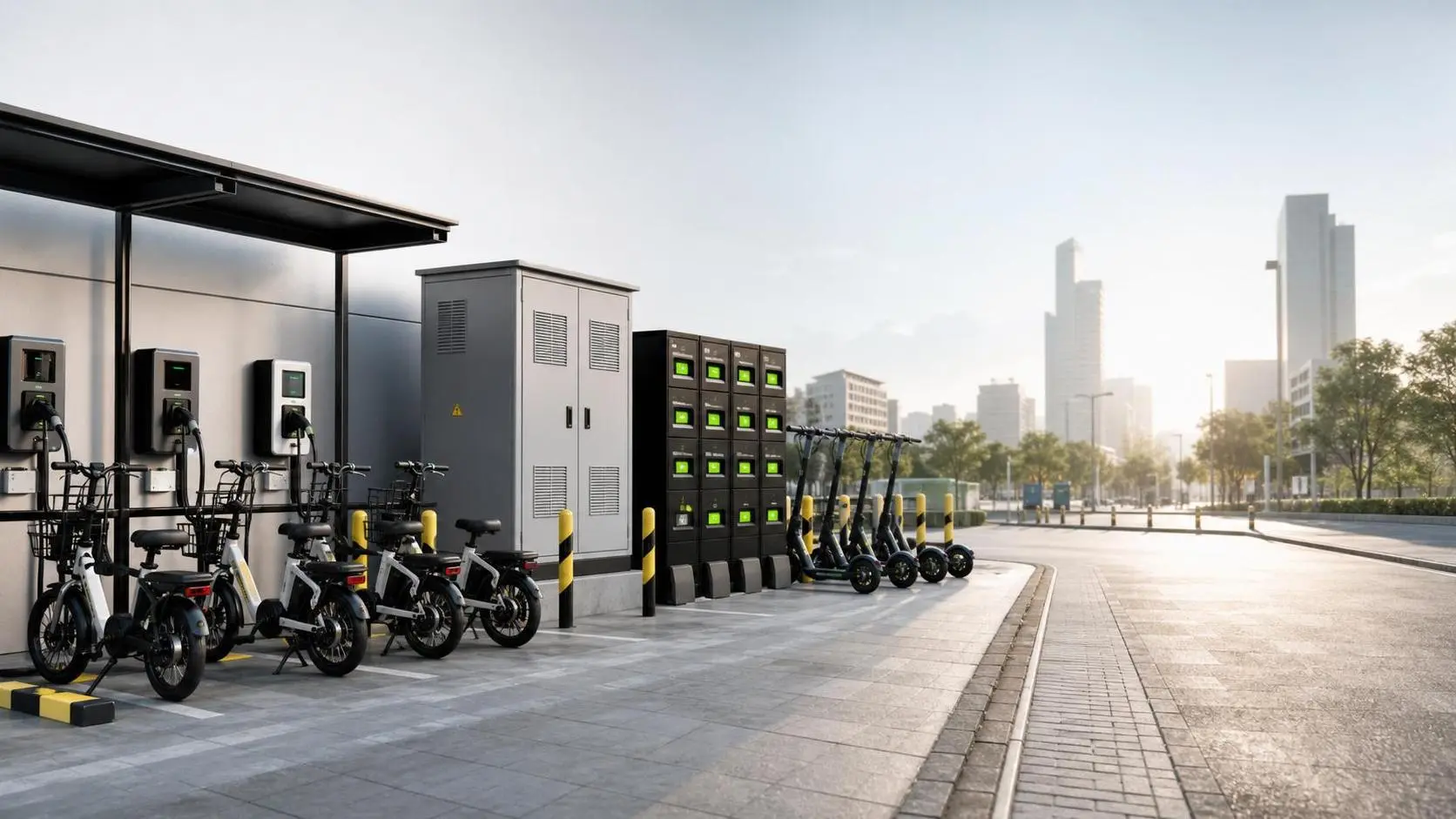
Urban Charging Infrastructure Costs: What Drives CAPEX, OPEX, and ROI by Deployment Type
Urban charging infrastructure costs vary by deployment type. Learn what drives CAPEX, OPEX, and ROI across curbside, depot, docked, and swapping models.
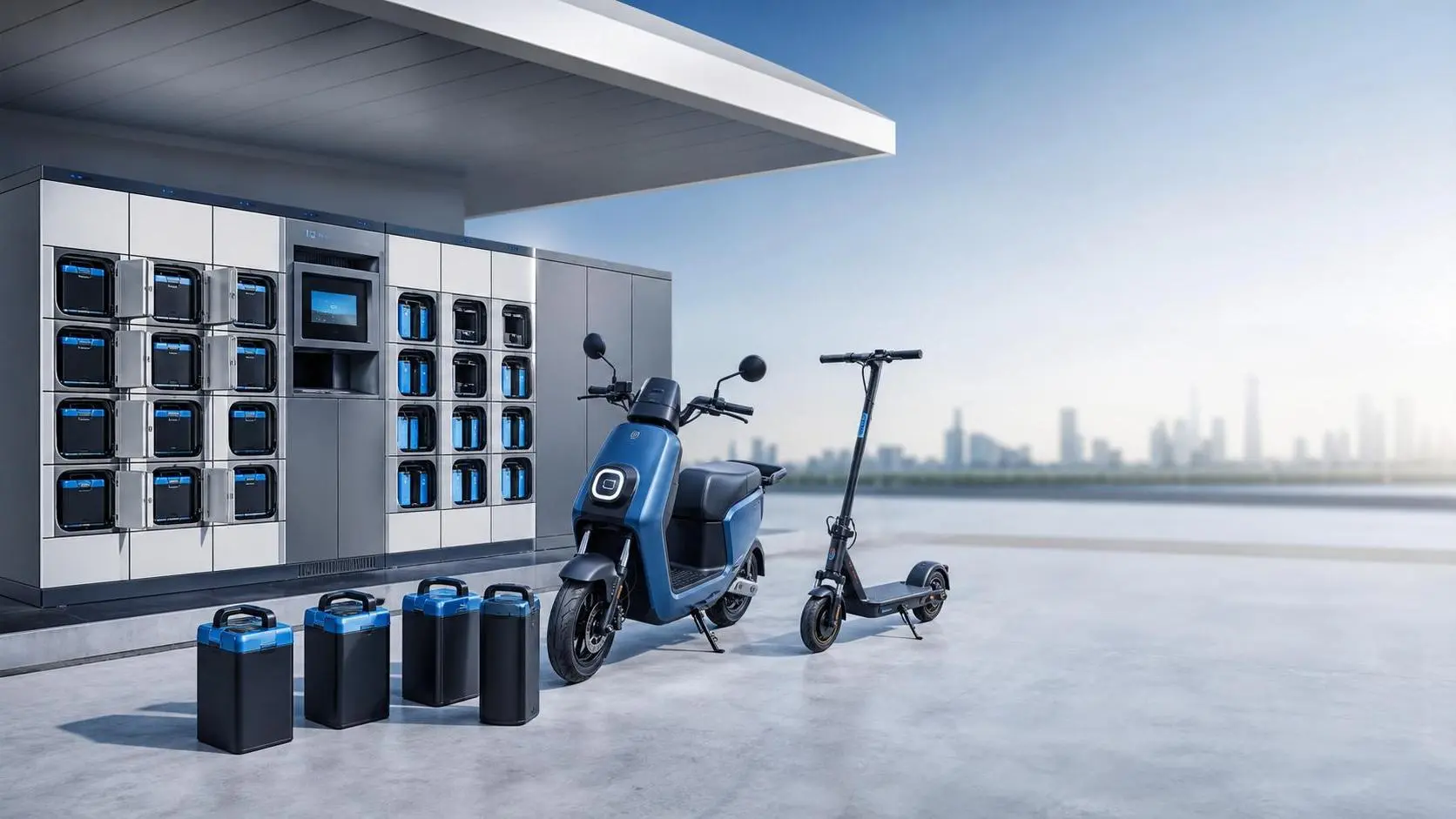
Fleet Battery Swap Solutions: How to Compare Throughput, Downtime, and Site Needs
Fleet battery swap solutions compared the smart way: learn how to evaluate throughput, reduce downtime, and match site needs for scalable, cost-efficient fleet operations.

Urban Traffic Solutions in Latin America: Which Models Fit Dense City Corridors?
Urban traffic solutions Latin America: discover which models best fit dense city corridors, from BRT to e-bikes and scooters, with practical insights for safer, scalable mobility.
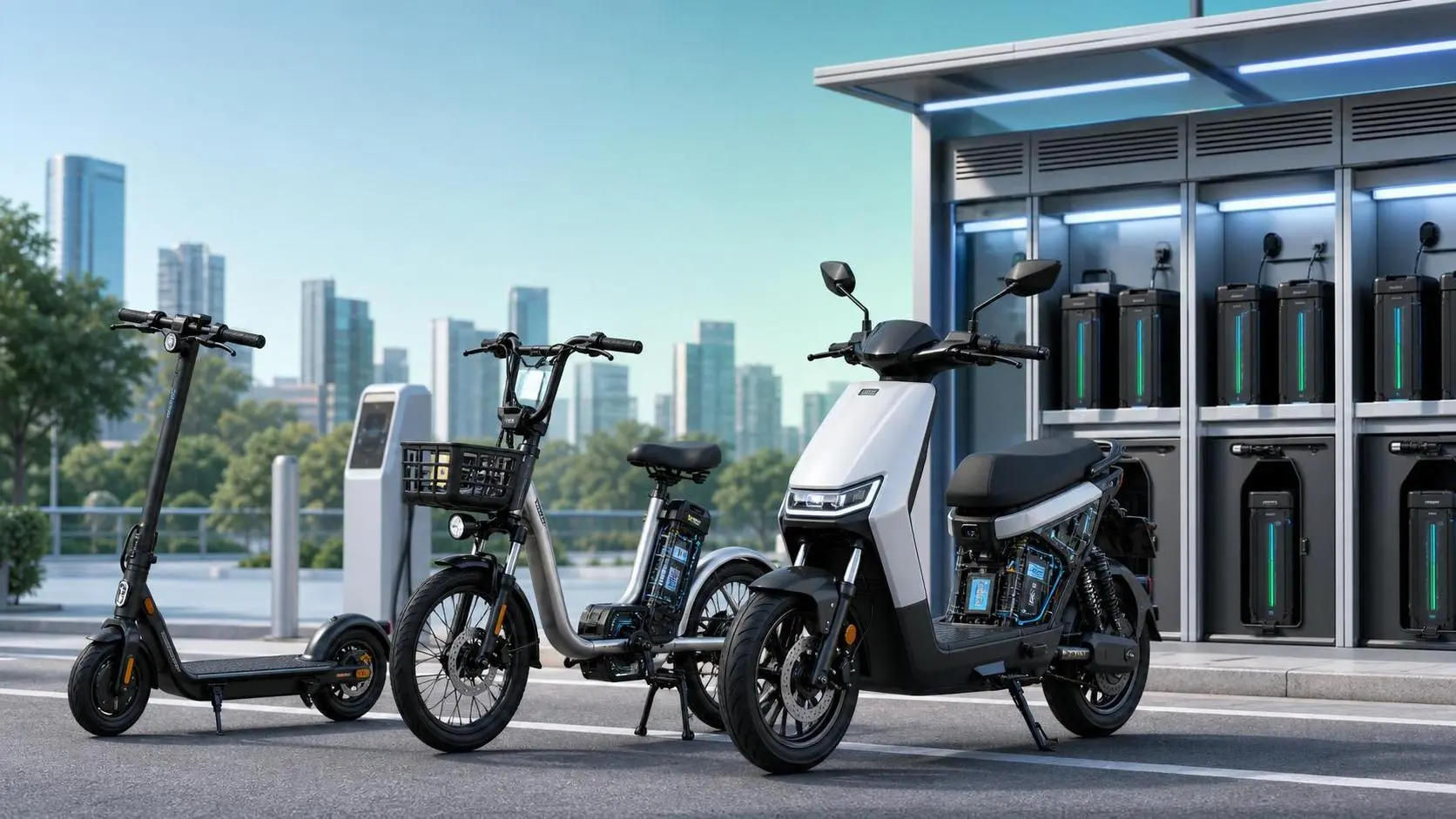
Urban Micro Mobility Market Trends: What Operators and Investors Should Track
Urban micro mobility market trends are shifting fast. Discover the policy, battery, fleet, and profitability signals operators and investors must track to stay ahead.

Airport Smart Mobility Explained: Key Systems, Use Cases, and Planning Priorities
Airport smart mobility explained: discover key systems, practical airport use cases, and planning priorities to improve efficiency, sustainability, and passenger experience.
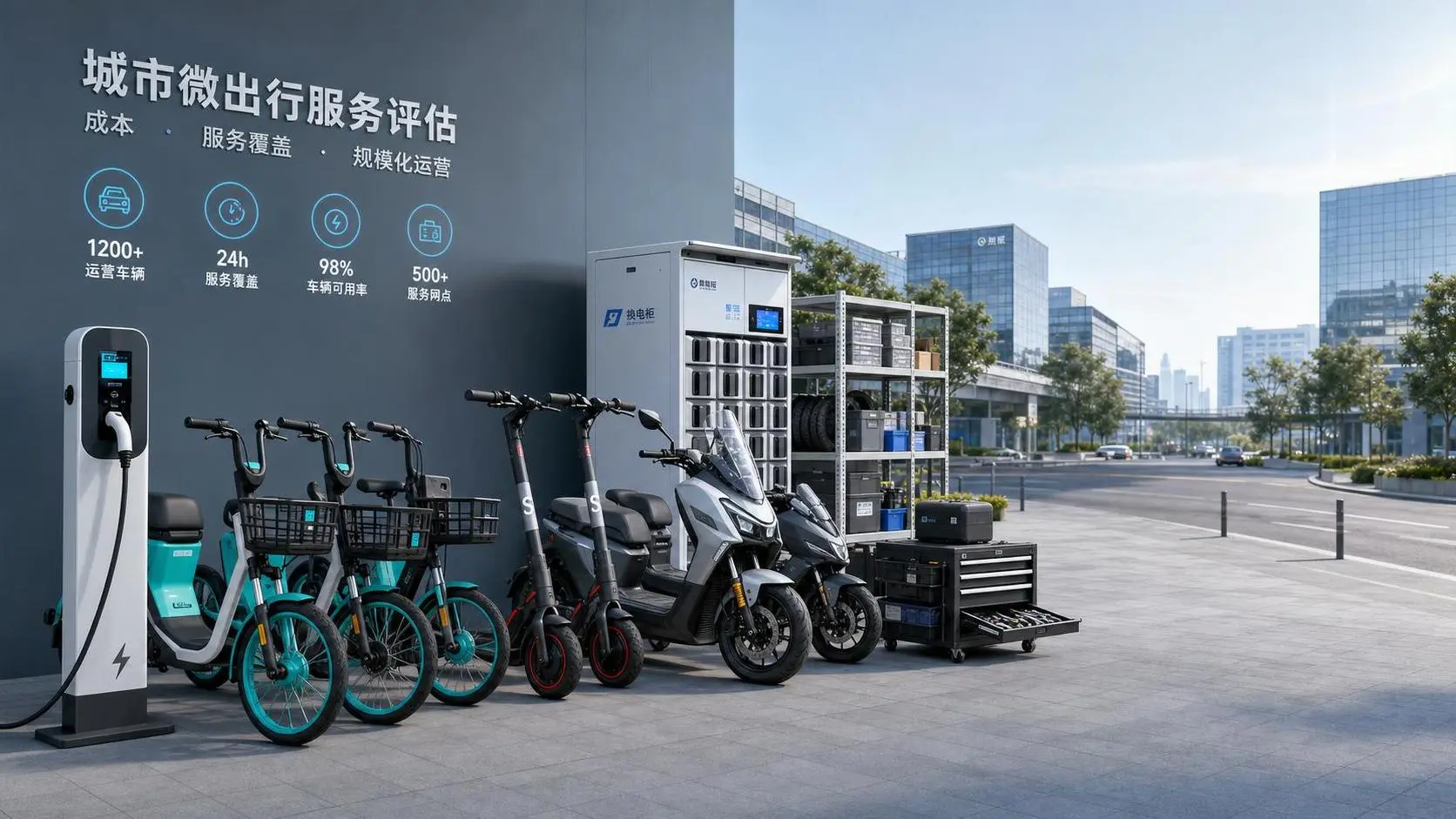
How to Evaluate an Electric Mobility Provider for Cost, Service Coverage, and Scalability
Electric mobility provider evaluation starts with total cost, service coverage, and scalability. Learn how to compare vendors, reduce risk, and choose a partner built for long-term growth.

Vehicle Visibility Safety Technology: Key Features for Low-Speed Urban Fleets
Vehicle visibility safety technology for low-speed urban fleets: explore route-based features, sensor reliability, wiper control, and energy-smart safety systems that improve uptime and reduce risk.
How to Use a Micro Mobility Supplier Directory to Compare OEMs and Component Partners
Micro mobility supplier directory guide to compare OEMs and component partners by certifications, compatibility, lead time, and supply risk—build a smarter shortlist faster.
Smart Mobility Telematics Explained: Which Data Points Matter for Fleet Performance?
Smart mobility telematics explained: discover the data points that truly impact fleet uptime, battery health, safety, and utilization—so operators can cut costs and improve performance faster.