
Related News
- 00
0000-00
Urban Charging Infrastructure Costs: What Drives CAPEX, OPEX, and ROI by Deployment Type - 00
0000-00
Urban Traffic Solutions in Latin America: Which Models Fit Dense City Corridors? - 00
0000-00
Airport Smart Mobility Explained: Key Systems, Use Cases, and Planning Priorities - 00
0000-00
How to Evaluate an Electric Mobility Provider for Cost, Service Coverage, and Scalability - 00
0000-00
How to Use a Micro Mobility Supplier Directory to Compare OEMs and Component Partners
Ms. Elena Rodriguez
Weekly Insights
Stay ahead with our curated technology reports delivered every Monday.
Global mobility landscape fragmentation: regulatory divergence in e-moto classification across ASEAN





The global mobility landscape is fracturing—not along technological lines, but regulatory ones. Across ASEAN, e-moto classification lacks harmonization: what qualifies as a ‘low-speed e-scooter’ in Thailand may be deemed a ‘motor vehicle’ in Vietnam or Malaysia, triggering divergent licensing, insurance, infrastructure, and homologation requirements. For enterprise decision makers scaling micro-mobility hardware or fleet services across the region, this fragmentation isn’t just bureaucratic noise—it’s a strategic bottleneck affecting go-to-market speed, component certification costs, and cross-border fleet interoperability. UMMS unpacks the technical, legal, and commercial implications behind this regulatory splintering—grounded in real-world classification frameworks, battery-power thresholds, and enforcement realities.
Why ASEAN’s e-moto classification divergence matters for hardware scalability
Regulatory misalignment directly constrains product architecture decisions. A 48V/500W hub-motor e-moto designed for Thai L-category exemption may require full type-approval in Indonesia—adding 12–18 weeks to market entry and doubling local certification spend.
Battery voltage, peak power output, and maximum design speed are not universally weighted. Some jurisdictions anchor classification on *continuous* rated power (e.g., Philippines RA 11697), while others use *instantaneous* peak (Malaysia JPJ Guidelines 2023). This creates ambiguity in thermal management validation and motor controller firmware compliance.
How classification logic splits across five ASEAN markets
- Thailand: Classifies by speed and power under Annex 1 of the Land Transport Act B.E. 2522. E-motos ≤25 km/h and ≤500W fall under “electric bicycle” rules—no license, registration, or helmet mandate for riders ≥15 years.
- Vietnam: Follows Decree 100/2019/ND-CP, where any two-wheeler with motor-assist >50cc-equivalent (≈1.1 kW) or top speed >50 km/h requires full motorcycle registration, driver’s license (A1/A2), and compulsory third-party insurance.
- Malaysia: Uses a hybrid metric: vehicles ≤4 kW and ≤50 km/h qualify as “electric motorcycles” (Class L3e-A1), exempt from road tax but requiring JPJ registration and rider helmet use. Battery energy capacity (>1 kWh) triggers additional UN38.3 transport compliance.
- Indonesia: Applies Ministry of Transportation Regulation No. 33/2018, defining “electric motorized bicycles” strictly as pedal-assist only (no throttle), with max 250W continuous power and cut-off at 25 km/h. Throttle-only models are automatically classified as motor vehicles.
- Philippines: RA 11697 treats all e-motos with motor power >250W or speed >25 km/h as “motor vehicles,” mandating LTO registration, PSRO type approval, and driver’s license—even for low-speed shared units deployed in gated communities.
Four operational consequences of non-harmonized classification
- Certification cost inflation: One e-moto platform may need separate EMC testing (IEC 61000-6-3), braking validation (UNECE R78), and battery safety reports (UL 2849 + local variants) per jurisdiction—raising total compliance spend by 220% vs. a unified ASEAN framework.
- Fleet interoperability failure: Swappable battery packs certified for Vietnam’s 72V/20Ah spec may violate Malaysia’s 60V ceiling—blocking cross-border battery pooling and logistics optimization.
- Software-defined boundary risks: Firmware-limited top speed (e.g., 45 km/h unlockable via OTA) invites regulatory scrutiny in Indonesia and Philippines, where “design capability” — not software lock — determines category.
- Infrastructure mismatch: Charging stations built for Thailand’s “light e-moto” demand (1.5 kW AC) lack the 11 kW DC fast-charging capability required for Malaysian “Class L3e-B” high-speed fleets—delaying service rollout in mixed-regulation corridors.
Three actionable strategies to navigate the fragmented global mobility landscape
- Adopt a “tiered platform architecture”: Design core drivetrain and battery modules to meet the strictest regional threshold (e.g., 48V/350W continuous + 25 km/h hard cap), then deploy jurisdiction-specific firmware, labeling, and mechanical speed governors.
- Pre-certify against ASEAN+1 convergence baselines: Align with emerging ASEAN Secretariat proposals (e.g., ASEAN Framework for Electric Two-Wheelers, Draft 2024) that propose harmonized definitions for “L1e-B” (low-speed e-motos) and “L3e-A1” (medium-speed), even before formal adoption.
- Embed regulatory intelligence into product lifecycle management: Integrate real-time updates from UMMS Strategic Intelligence Center—including enforcement trends (e.g., Jakarta’s 2024 roadside power-meter audits), pending amendments (Vietnam’s draft Circular 28/2024/TT-BGTVT), and subsidy-linked classification bonuses (Thailand’s EV Promotion Package Phase II).
What most enterprises overlook—and why it escalates risk
Many assume “type-approved in one ASEAN country equals de facto acceptance elsewhere.” Reality: Singapore’s TR22 certification carries zero legal weight in Laos or Cambodia. Worse, “self-declaration” pathways (e.g., Thailand’s TISI self-cert for sub-250W devices) are not recognized outside national borders—and may void liability coverage if challenged post-incident.
Also underestimated: municipal-level overrides. In Ho Chi Minh City, e-motos classified nationally as “motor vehicles” face additional bans on 23 inner-district roads—regardless of national registration status. Local enforcement trumps central classification.
Next-step intelligence for global mobility landscape resilience
UMMS delivers quarterly ASEAN E-Moto Regulatory Heatmaps, mapping active enforcement intensity, pending legislative changes, and cross-jurisdictional certification reciprocity gaps. Each report includes annotated regulatory texts, OEM-compliance checklists, and thermal derating guidelines calibrated to local ambient temperature norms (e.g., 35°C sustained in Manila vs. 28°C in Vientiane).
Subscribers access the Classification Boundary Simulator: an interactive tool that inputs motor specs, battery configuration, and firmware limits—and outputs jurisdiction-specific category assignment, required certifications, and estimated time-to-market variance across 10 ASEAN+ markets.
The global mobility landscape will not self-harmonize. Strategic agility lies not in waiting for alignment—but in engineering products, processes, and intelligence systems that anticipate, absorb, and outperform fragmentation. Visioning micro-mobility means seeing regulation not as constraint—but as signal.
Related News
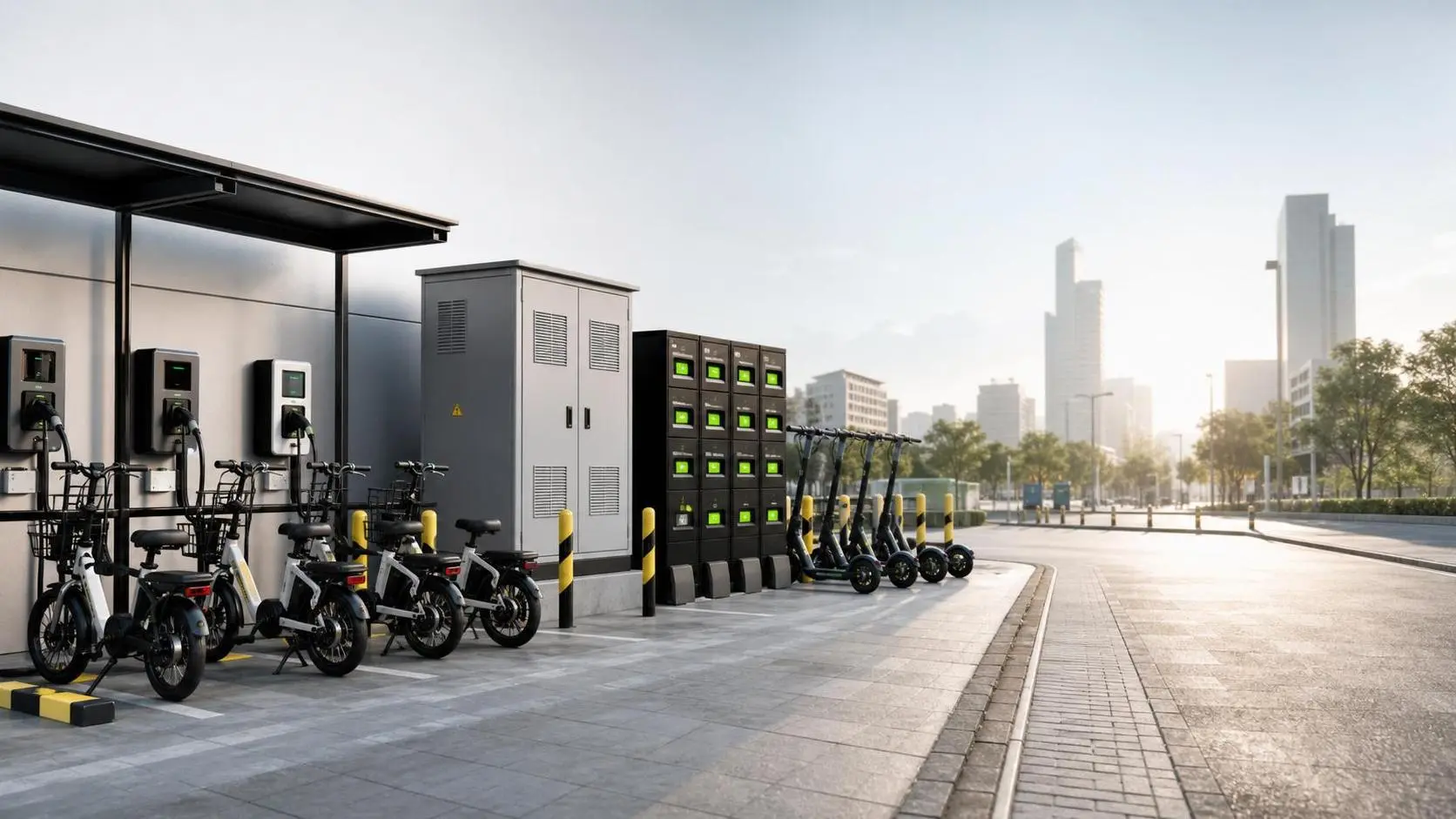
Urban Charging Infrastructure Costs: What Drives CAPEX, OPEX, and ROI by Deployment Type
Urban charging infrastructure costs vary by deployment type. Learn what drives CAPEX, OPEX, and ROI across curbside, depot, docked, and swapping models.
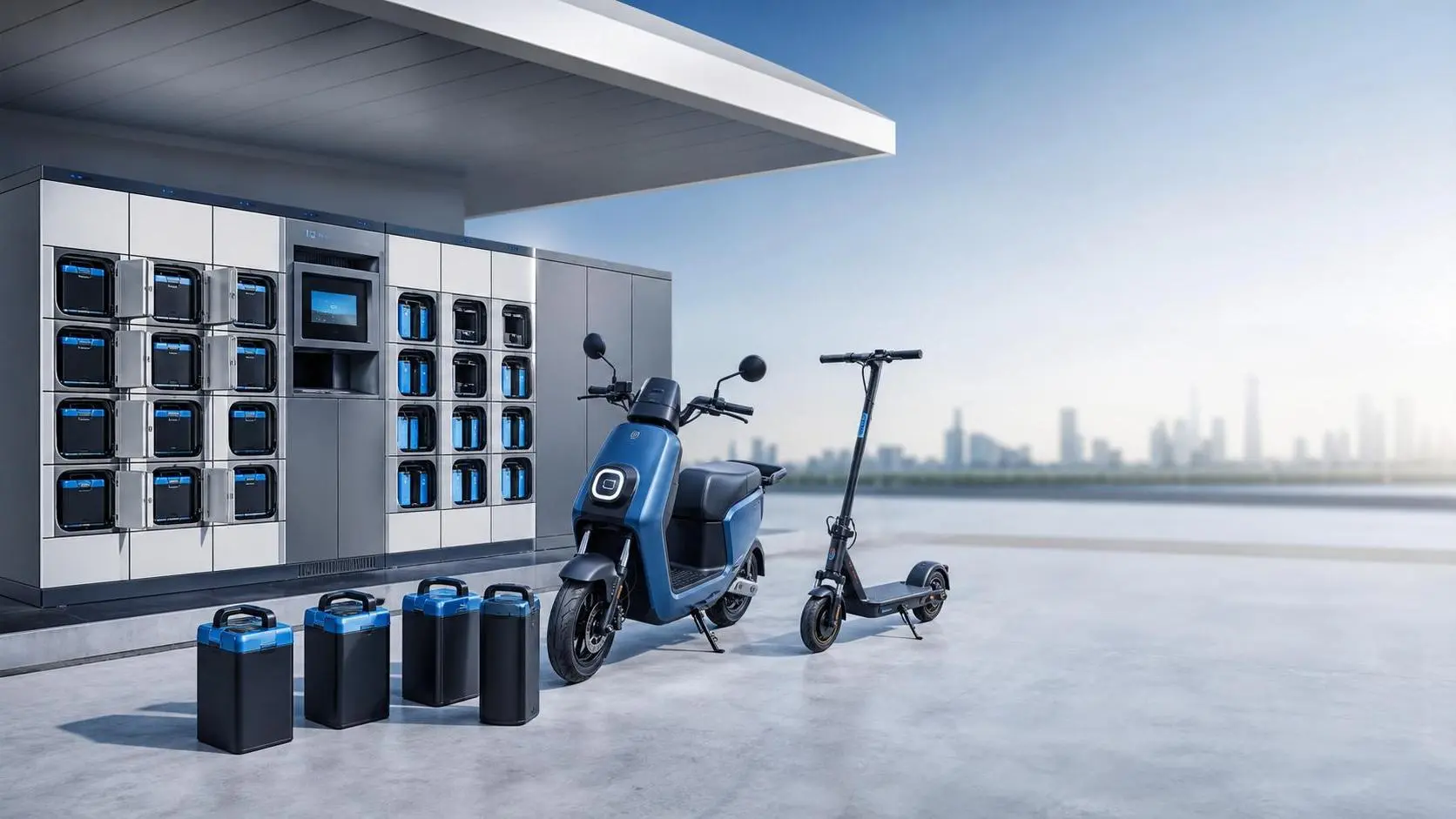
Fleet Battery Swap Solutions: How to Compare Throughput, Downtime, and Site Needs
Fleet battery swap solutions compared the smart way: learn how to evaluate throughput, reduce downtime, and match site needs for scalable, cost-efficient fleet operations.

Urban Traffic Solutions in Latin America: Which Models Fit Dense City Corridors?
Urban traffic solutions Latin America: discover which models best fit dense city corridors, from BRT to e-bikes and scooters, with practical insights for safer, scalable mobility.
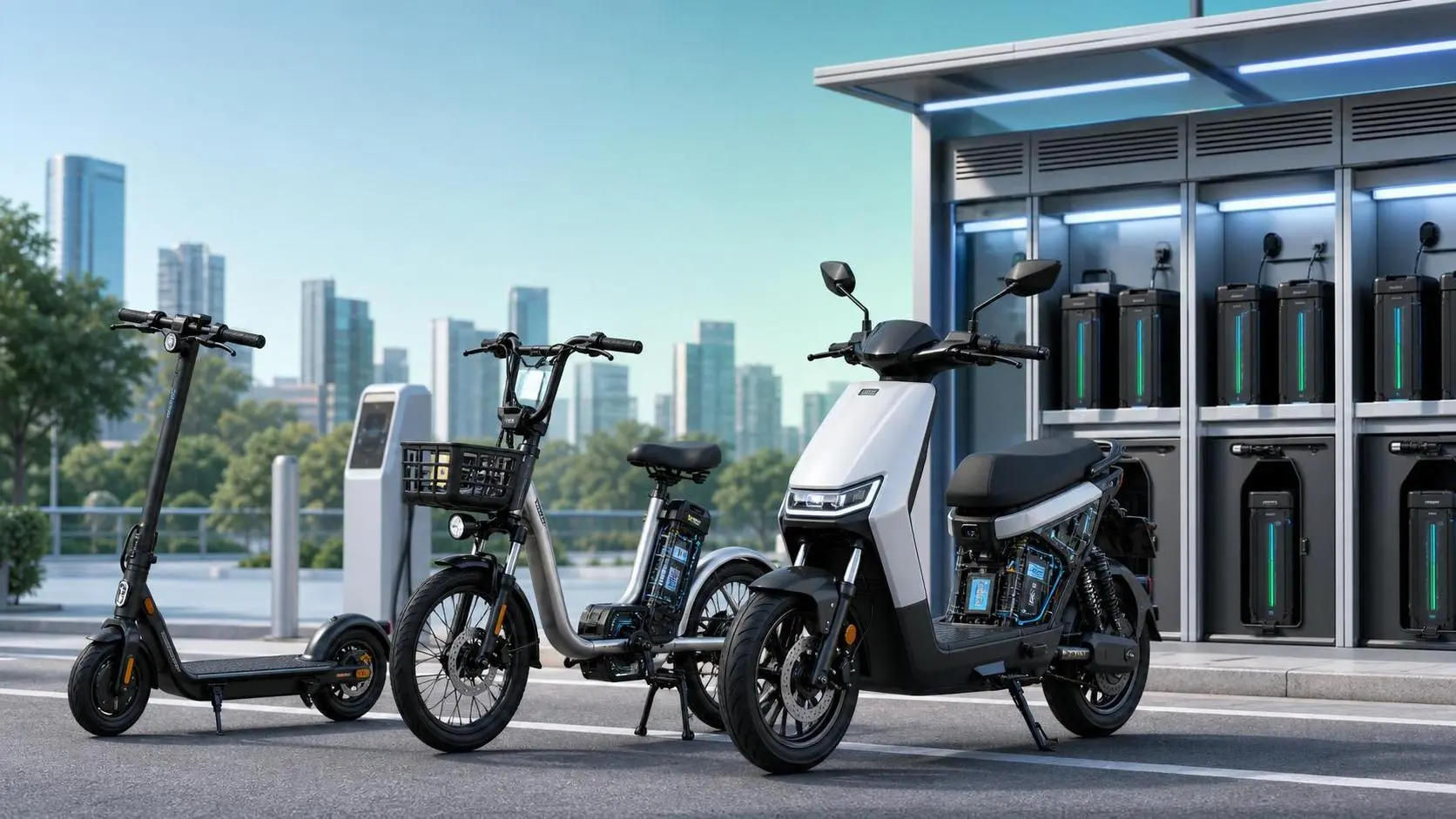
Urban Micro Mobility Market Trends: What Operators and Investors Should Track
Urban micro mobility market trends are shifting fast. Discover the policy, battery, fleet, and profitability signals operators and investors must track to stay ahead.

Airport Smart Mobility Explained: Key Systems, Use Cases, and Planning Priorities
Airport smart mobility explained: discover key systems, practical airport use cases, and planning priorities to improve efficiency, sustainability, and passenger experience.
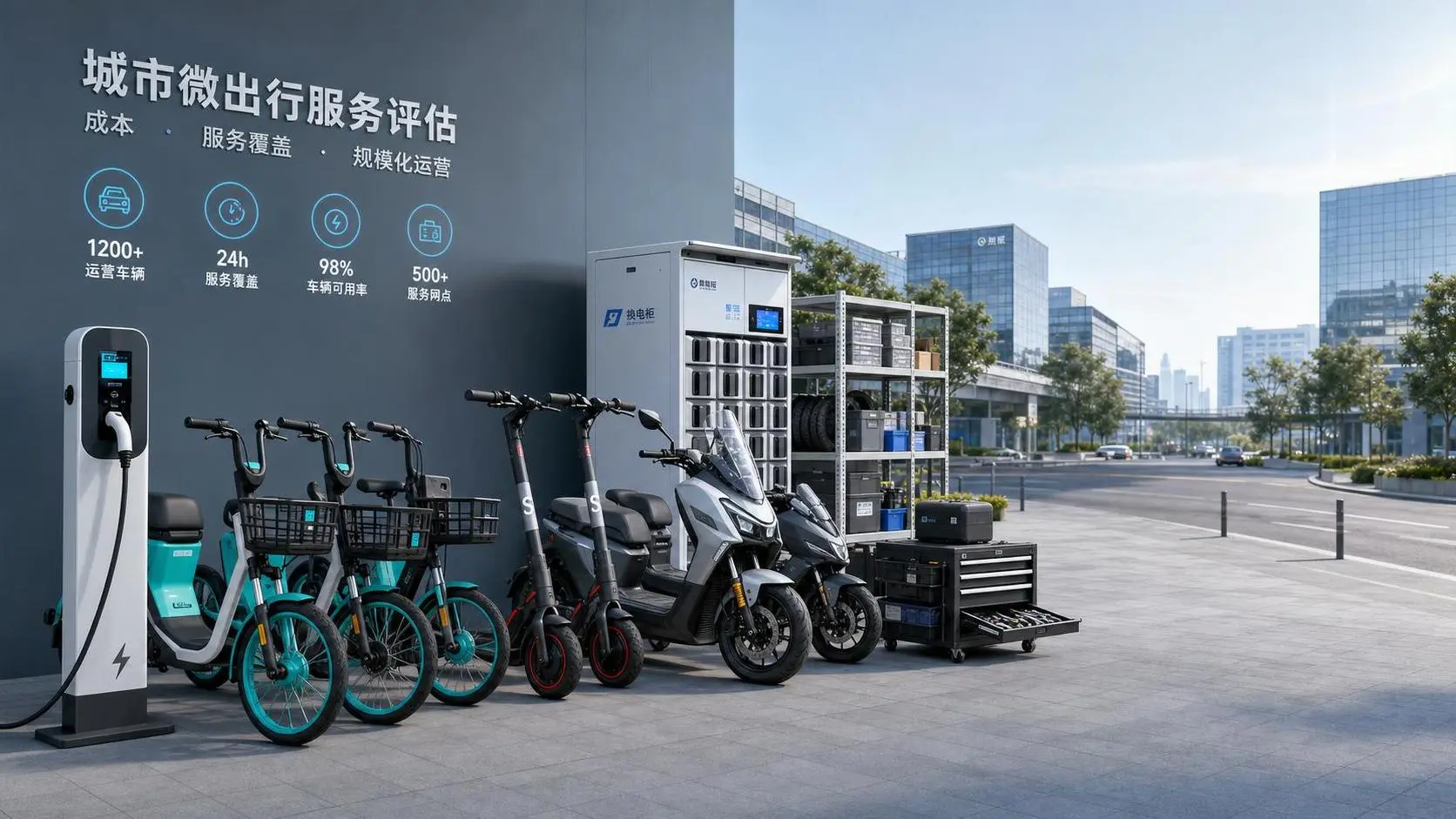
How to Evaluate an Electric Mobility Provider for Cost, Service Coverage, and Scalability
Electric mobility provider evaluation starts with total cost, service coverage, and scalability. Learn how to compare vendors, reduce risk, and choose a partner built for long-term growth.

Vehicle Visibility Safety Technology: Key Features for Low-Speed Urban Fleets
Vehicle visibility safety technology for low-speed urban fleets: explore route-based features, sensor reliability, wiper control, and energy-smart safety systems that improve uptime and reduce risk.
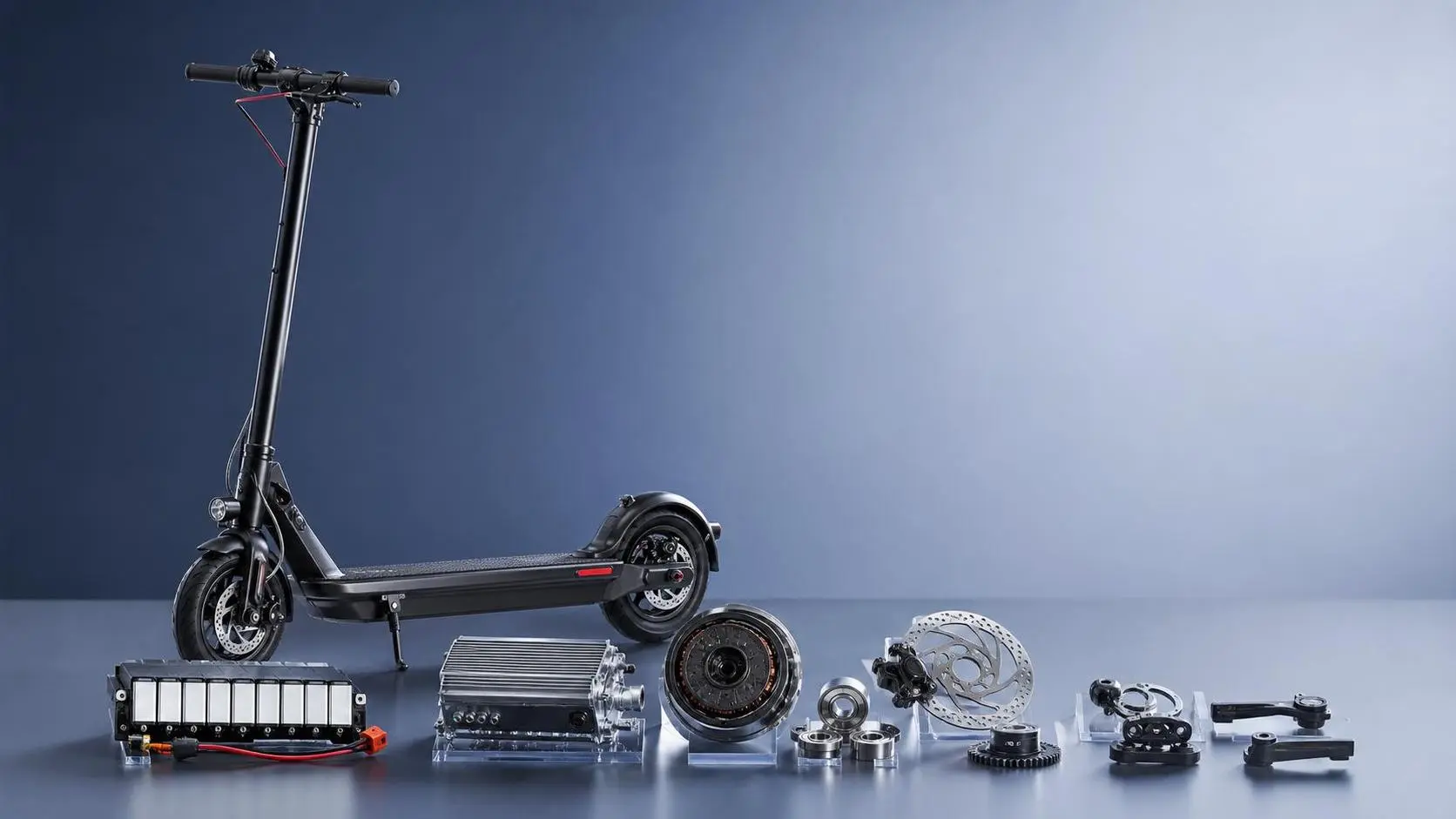
How to Use a Micro Mobility Supplier Directory to Compare OEMs and Component Partners
Micro mobility supplier directory guide to compare OEMs and component partners by certifications, compatibility, lead time, and supply risk—build a smarter shortlist faster.
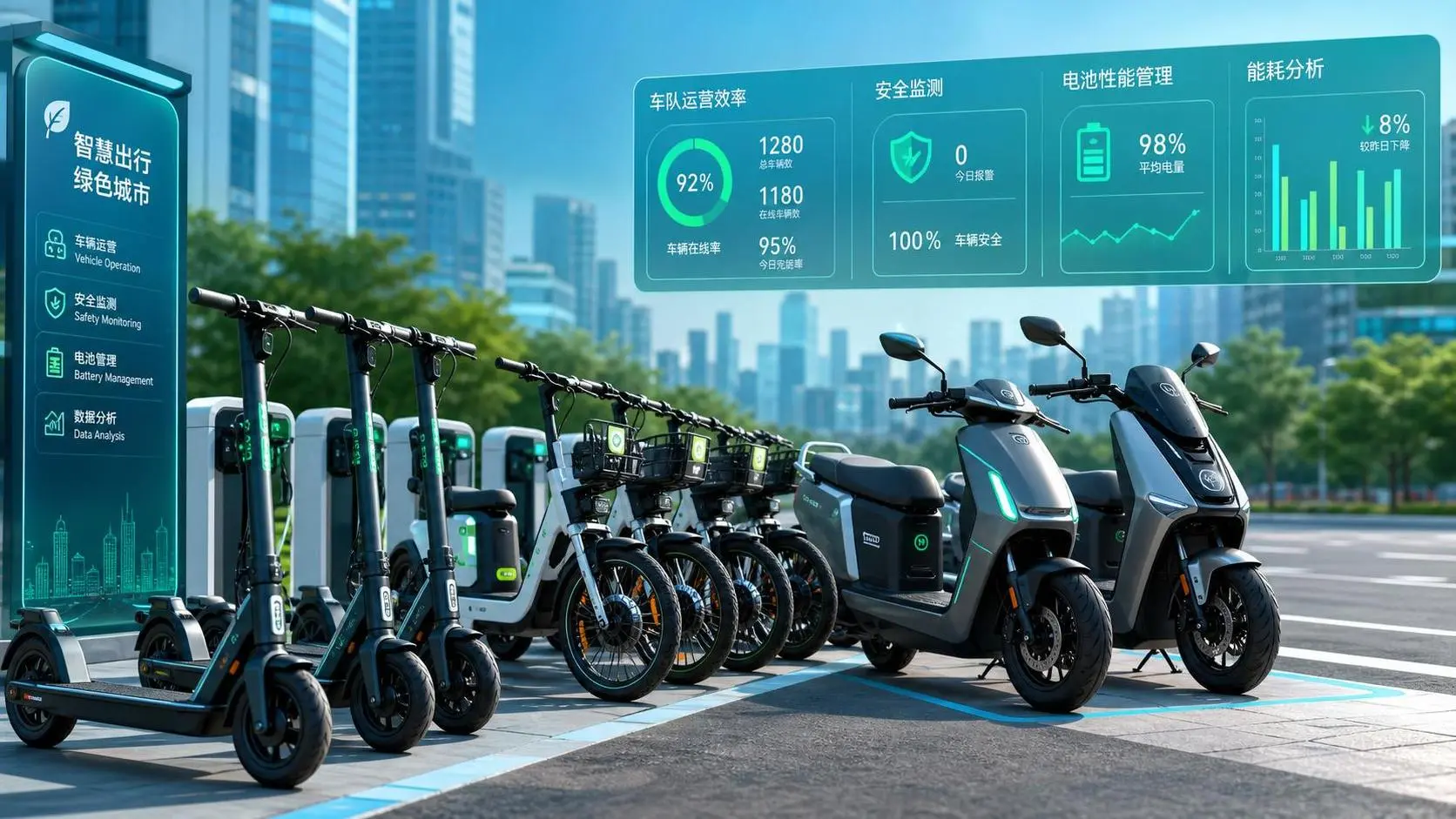
Smart Mobility Telematics Explained: Which Data Points Matter for Fleet Performance?
Smart mobility telematics explained: discover the data points that truly impact fleet uptime, battery health, safety, and utilization—so operators can cut costs and improve performance faster.