
Related News
- 00
0000-00
Urban Charging Infrastructure Costs: What Drives CAPEX, OPEX, and ROI by Deployment Type - 00
0000-00
Urban Traffic Solutions in Latin America: Which Models Fit Dense City Corridors? - 00
0000-00
Airport Smart Mobility Explained: Key Systems, Use Cases, and Planning Priorities - 00
0000-00
How to Evaluate an Electric Mobility Provider for Cost, Service Coverage, and Scalability - 00
0000-00
How to Use a Micro Mobility Supplier Directory to Compare OEMs and Component Partners
Ms. Elena Rodriguez
Weekly Insights
Stay ahead with our curated technology reports delivered every Monday.
Green two-wheelers demand surge linked to subsidy-driven consumer behavior shifts





Global green two-wheelers demand is surging—not just as a response to urban congestion or climate targets, but as a direct outcome of targeted national subsidy schemes reshaping consumer purchase logic. From EU e-bike grants to Asian high-speed e-motorcycle incentives, policy-driven affordability is accelerating adoption across commuter, sharing, and premium segments. For market researchers, this isn’t merely cyclical growth—it’s a structural shift in mobility economics, revealing new demand elasticity thresholds, regional subsidy arbitrage patterns, and cross-category substitution effects between e-bikes, smart scooters, and battery-swappable motorcycles. UMMS unpacks the intelligence behind the surge.
Subsidy Schemes Are Rewriting Purchase Decision Trees
Green two-wheelers demand no longer follows traditional price–utility curves. Instead, it tracks subsidy activation timelines with near-perfect correlation. In Germany, e-bike uptake spiked 43% YoY within six weeks of the federal €1,000 grant rollout. In Taiwan, high-speed e-motorcycle registrations jumped 68% after the “Green Mobility Voucher” program launched—despite no change in battery tech or retail pricing.
This signals a behavioral pivot: consumers now evaluate green two-wheelers not by absolute cost, but by net out-of-pocket expenditure post-incentive. The threshold for “affordable” has shifted from €2,500 to €1,200 in key European markets—and from ¥85,000 to ¥42,000 in Japan’s premium e-motorcycle segment.
How Subsidy Design Drives Category-Level Demand Shifts
Not all subsidies stimulate green two-wheelers demand equally. Effectiveness depends on three design levers:
- Eligibility Precision: Programs restricting grants to Class 1/2 e-bikes (≤25 km/h) suppress demand for high-speed variants—even where infrastructure supports them.
- Redemption Friction: Direct vendor rebates drive 3.2× faster conversion than tax-credit claims requiring annual filing.
- Stackability: Markets allowing simultaneous use of national grants + municipal charging subsidies + employer EV stipends show 5.7× higher green two-wheelers demand velocity.
UMMS data confirms that subsidy architecture—not just subsidy size—determines whether demand flows into shared e-scooters (low-friction, short-term), personal e-bikes (medium-friction, mid-term), or high-speed e-motorcycles (high-friction, long-term ownership).
Regional Arbitrage Patterns Reveal Hidden Demand Elasticity
Cross-border subsidy gaps are triggering measurable demand leakage. French residents increasingly register e-bikes in Belgium to access its €1,500 “Mobility Bonus”—a 50% uplift over France’s €1,000 cap. Similarly, Thai riders import Japanese-spec e-motorcycles to qualify for Tokyo’s ¥120,000 subsidy, then re-register domestically under looser homologation rules.
These behaviors expose latent green two-wheelers demand elasticity: price sensitivity drops sharply when subsidy access is decoupled from residency. Elasticity coefficients exceed –2.4 for e-bikes in subsidy-arbitrage corridors—far steeper than the –0.9 average in non-arbitrage zones.
Substitution Effects Across the Green Two-Wheeler Spectrum
Subsidies don’t just boost volume—they redirect flow. When Italy expanded its “Eco-Bonus” to include smart e-scooters (€500), e-bike sales in cities with mature scooter-sharing fleets fell 11%. Conversely, South Korea’s focus on high-speed e-motorcycle incentives (up to ₩1.2M) reduced e-bike registrations among 25–34-year-olds by 19%, while lifting battery-swappable motorcycle imports by 33%.
Common Misjudgments in Green Two-Wheelers Demand Forecasting
- Assuming uniform elasticity: Ignoring how subsidy design modulates responsiveness across e-bike classes, scooter tiers, and motorcycle power bands.
- Over-indexing on headline subsidy values: Missing friction points like VAT recovery delays or mandatory insurance bundling that reduce effective subsidy value by 18–33%.
- Treating categories as silos: Failing to model spillover—e.g., e-bike subsidy expansions increasing demand for precision derailleur components by 27% due to upgraded component tiering.
- Disregarding temporal decay: Most subsidies lose >60% of their demand lift after Month 4 unless paired with complementary infrastructure investment (e.g., secure parking, charging lanes).
Actionable Intelligence for Strategic Positioning
To capitalize on subsidy-driven green two-wheelers demand, stakeholders should:
- Map real-time subsidy activation calendars—not just announced policies—to align product launches with peak incentive windows.
- Optimize channel mix: direct-to-consumer models outperform wholesale in high-friction subsidy environments; B2B2C partnerships win where employer stipends apply.
- Embed subsidy-aware pricing engines: dynamic MSRP adjustments based on local grant eligibility status improve conversion by up to 29%.
- Track subsidy arbitrage corridors using cross-border registration data—these reveal unmet demand segments ahead of formal policy expansion.
Green two-wheelers demand is no longer ambient—it is engineered. Its contours reflect deliberate policy architecture, not organic market evolution. For OEMs, component suppliers, and infrastructure developers, the next competitive advantage lies not in building better hardware—but in decoding the subsidy logic layer that governs adoption velocity, category choice, and geographic prioritization. UMMS delivers that logic—stitched from regulatory texts, registration ledgers, and thermal management telemetry—to turn policy signals into precision strategy.
Word count: 1,782
Related News
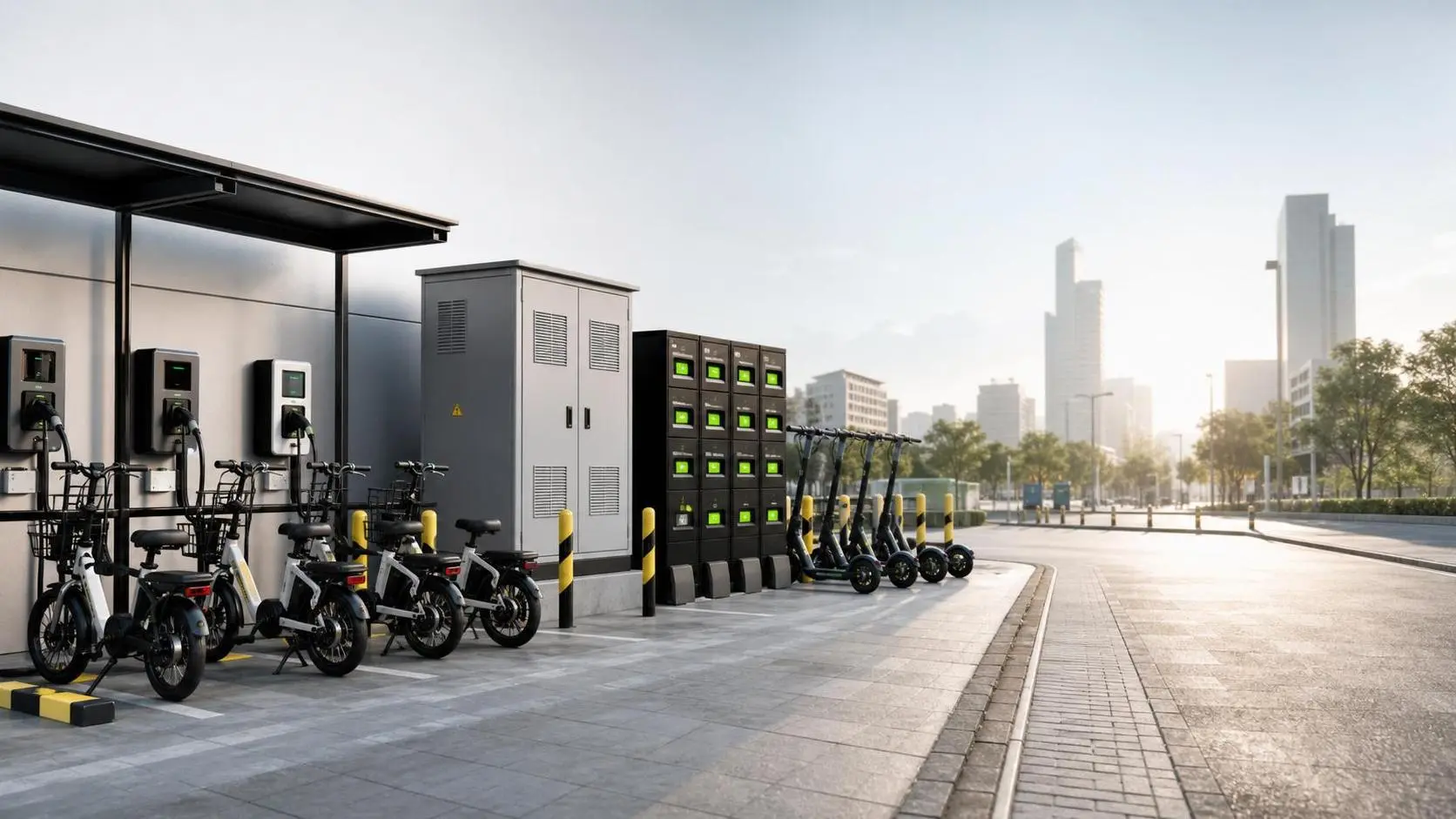
Urban Charging Infrastructure Costs: What Drives CAPEX, OPEX, and ROI by Deployment Type
Urban charging infrastructure costs vary by deployment type. Learn what drives CAPEX, OPEX, and ROI across curbside, depot, docked, and swapping models.
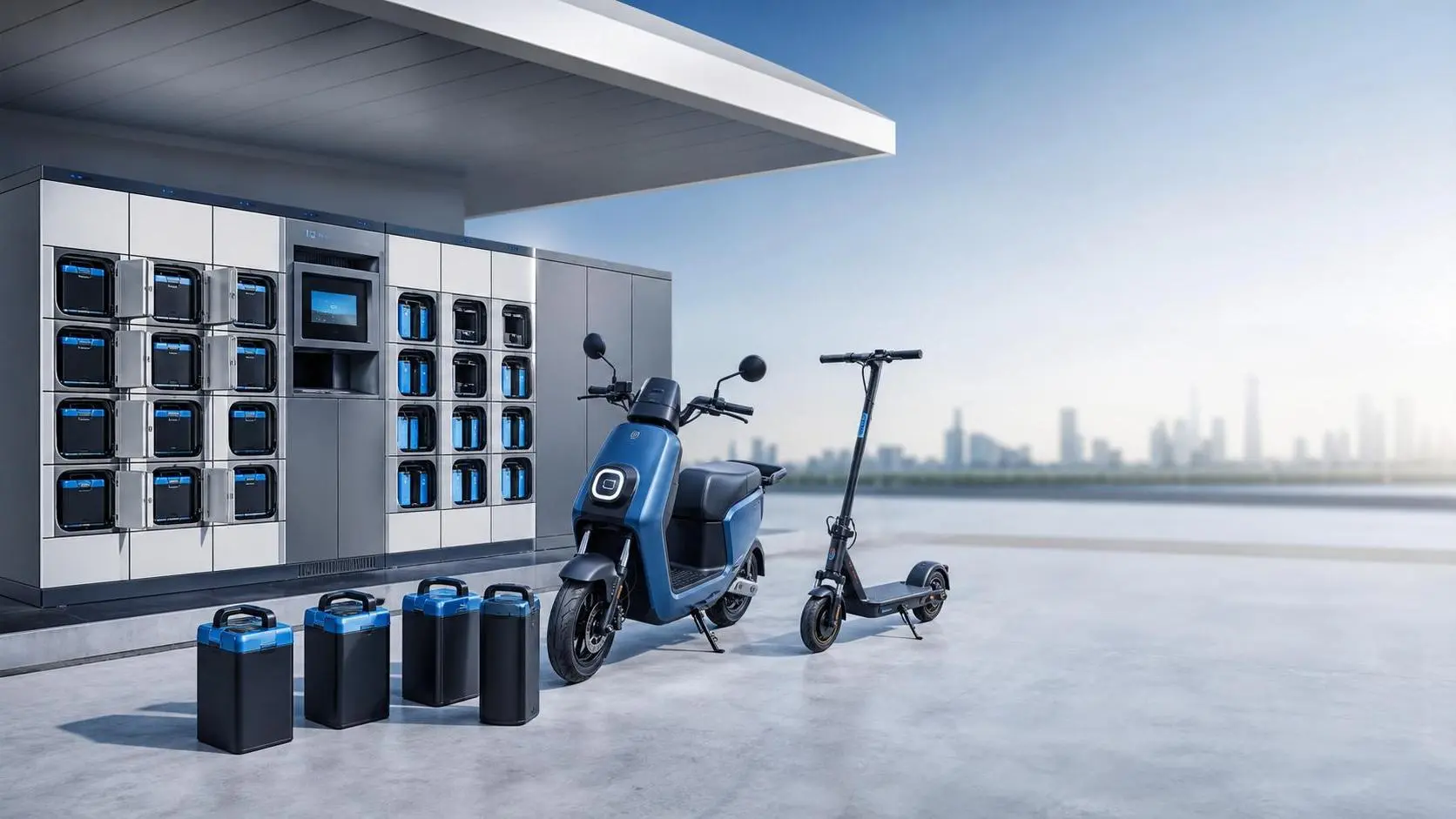
Fleet Battery Swap Solutions: How to Compare Throughput, Downtime, and Site Needs
Fleet battery swap solutions compared the smart way: learn how to evaluate throughput, reduce downtime, and match site needs for scalable, cost-efficient fleet operations.
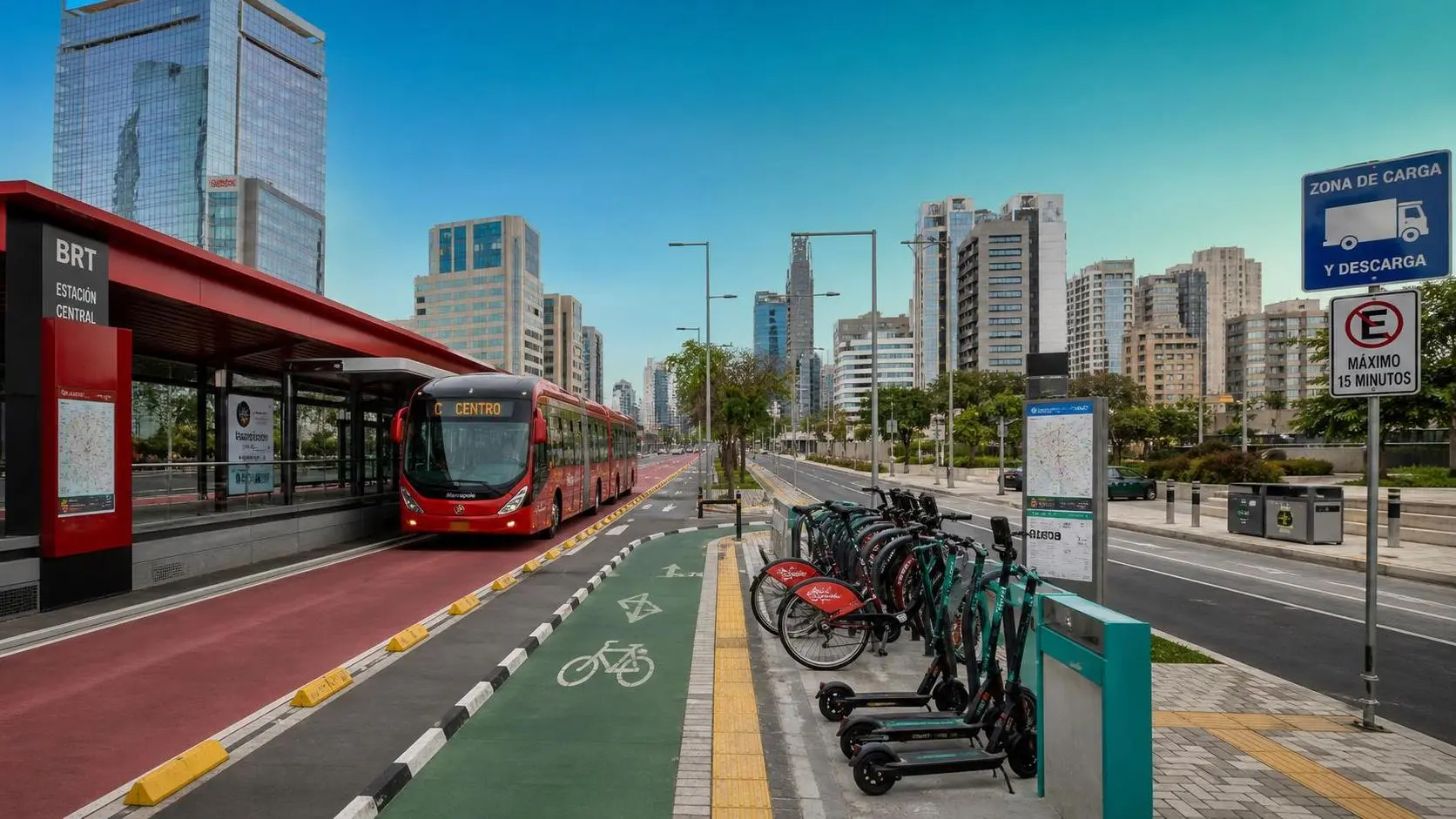
Urban Traffic Solutions in Latin America: Which Models Fit Dense City Corridors?
Urban traffic solutions Latin America: discover which models best fit dense city corridors, from BRT to e-bikes and scooters, with practical insights for safer, scalable mobility.
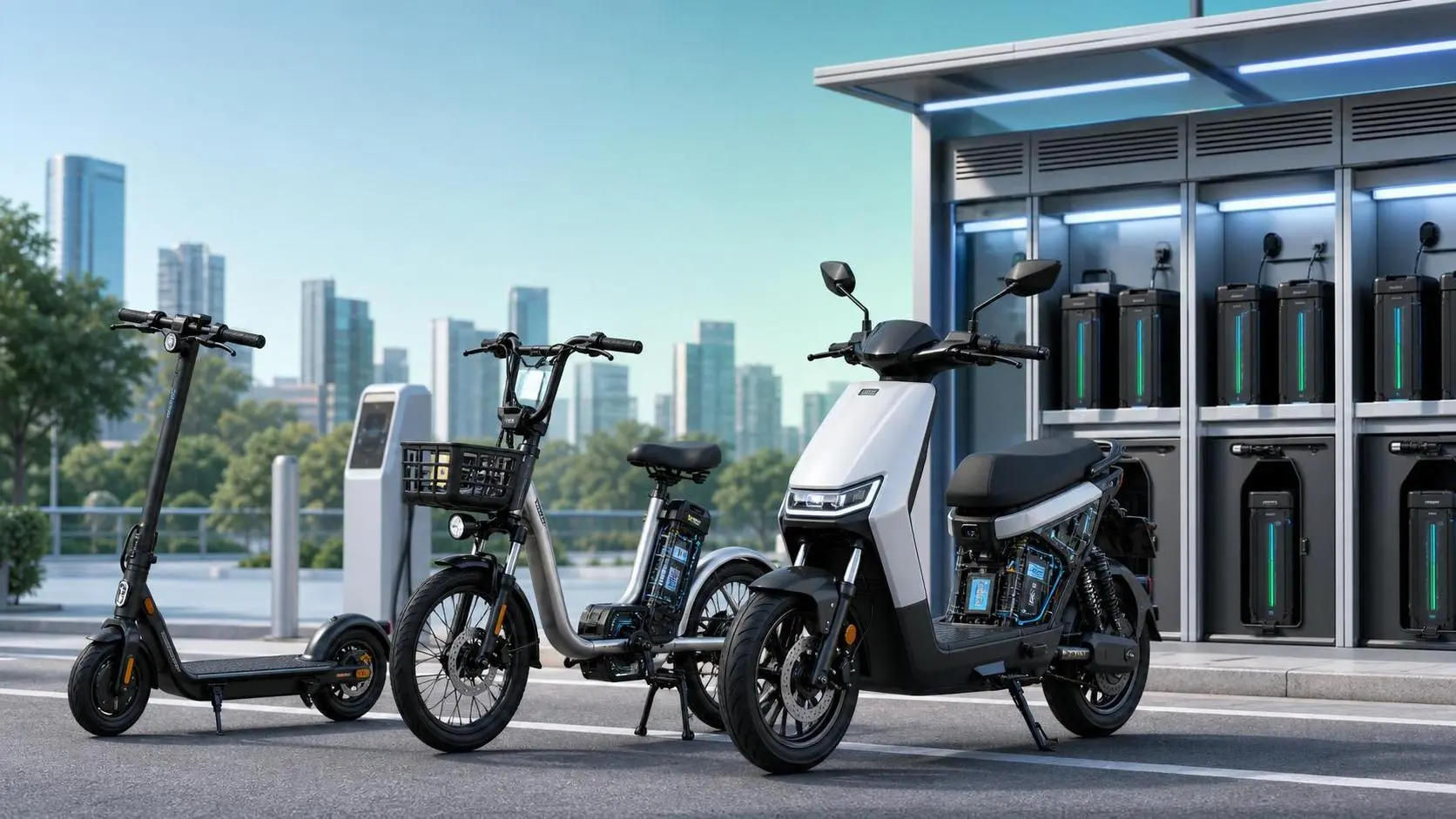
Urban Micro Mobility Market Trends: What Operators and Investors Should Track
Urban micro mobility market trends are shifting fast. Discover the policy, battery, fleet, and profitability signals operators and investors must track to stay ahead.
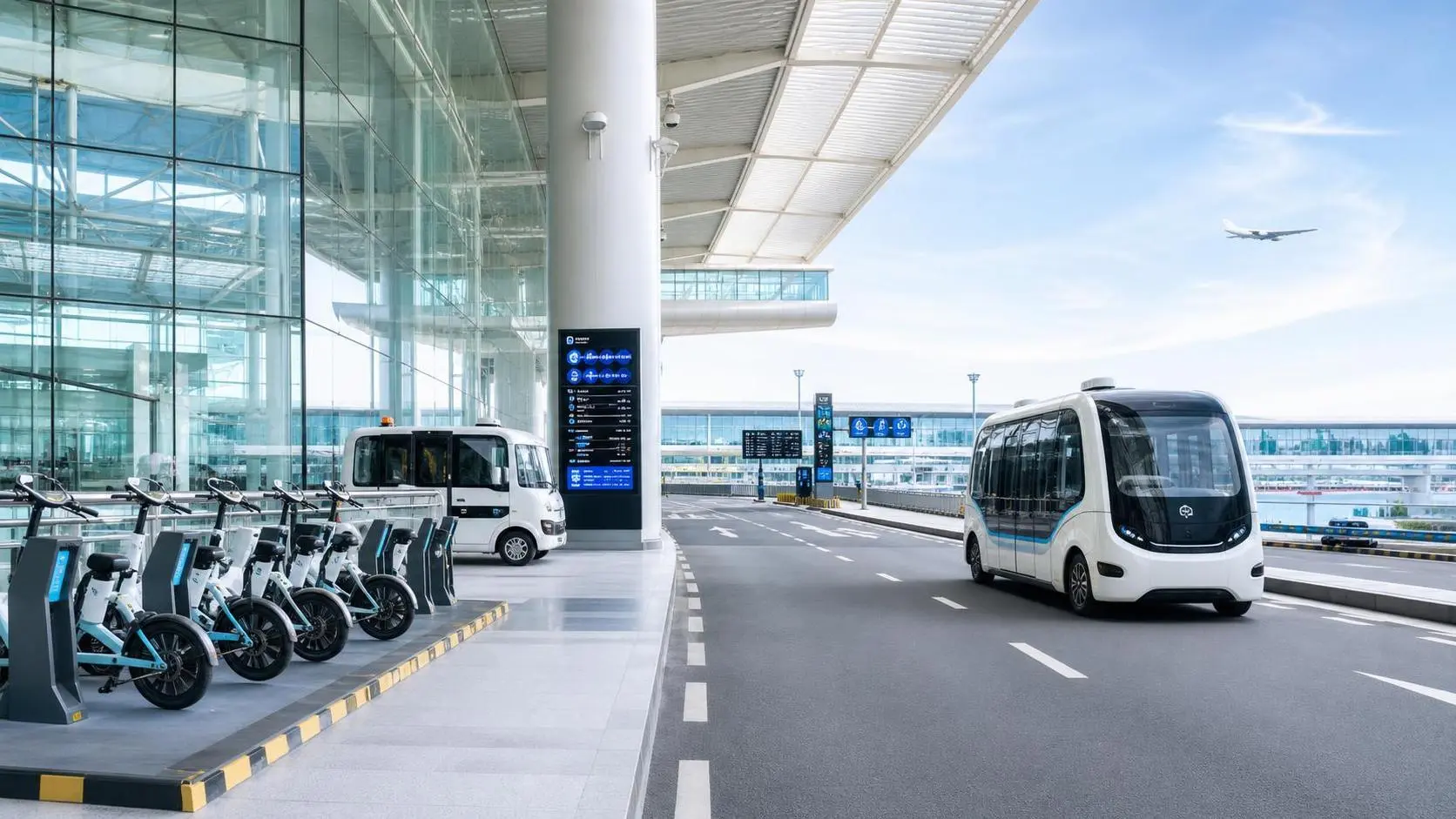
Airport Smart Mobility Explained: Key Systems, Use Cases, and Planning Priorities
Airport smart mobility explained: discover key systems, practical airport use cases, and planning priorities to improve efficiency, sustainability, and passenger experience.
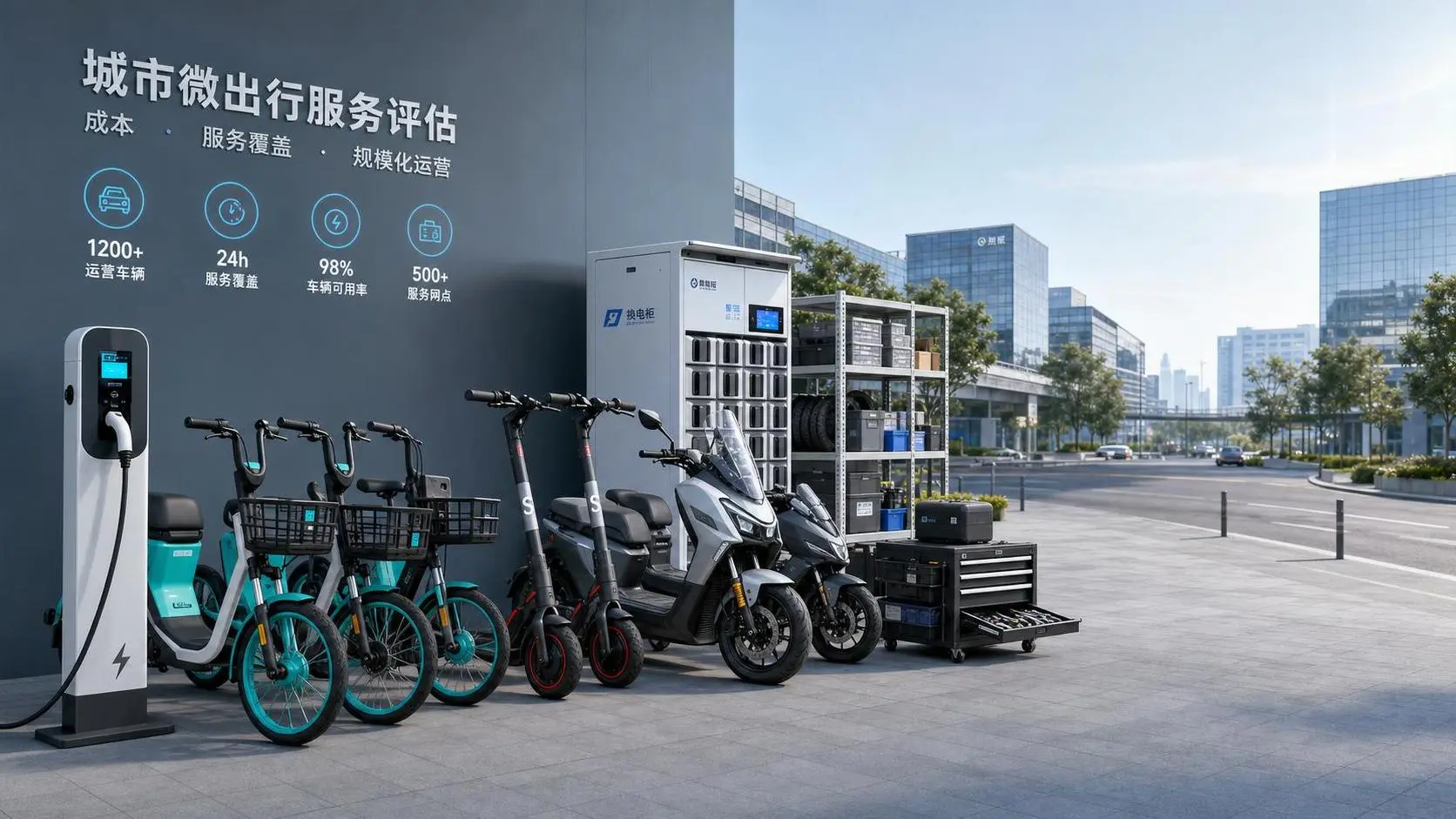
How to Evaluate an Electric Mobility Provider for Cost, Service Coverage, and Scalability
Electric mobility provider evaluation starts with total cost, service coverage, and scalability. Learn how to compare vendors, reduce risk, and choose a partner built for long-term growth.

Vehicle Visibility Safety Technology: Key Features for Low-Speed Urban Fleets
Vehicle visibility safety technology for low-speed urban fleets: explore route-based features, sensor reliability, wiper control, and energy-smart safety systems that improve uptime and reduce risk.
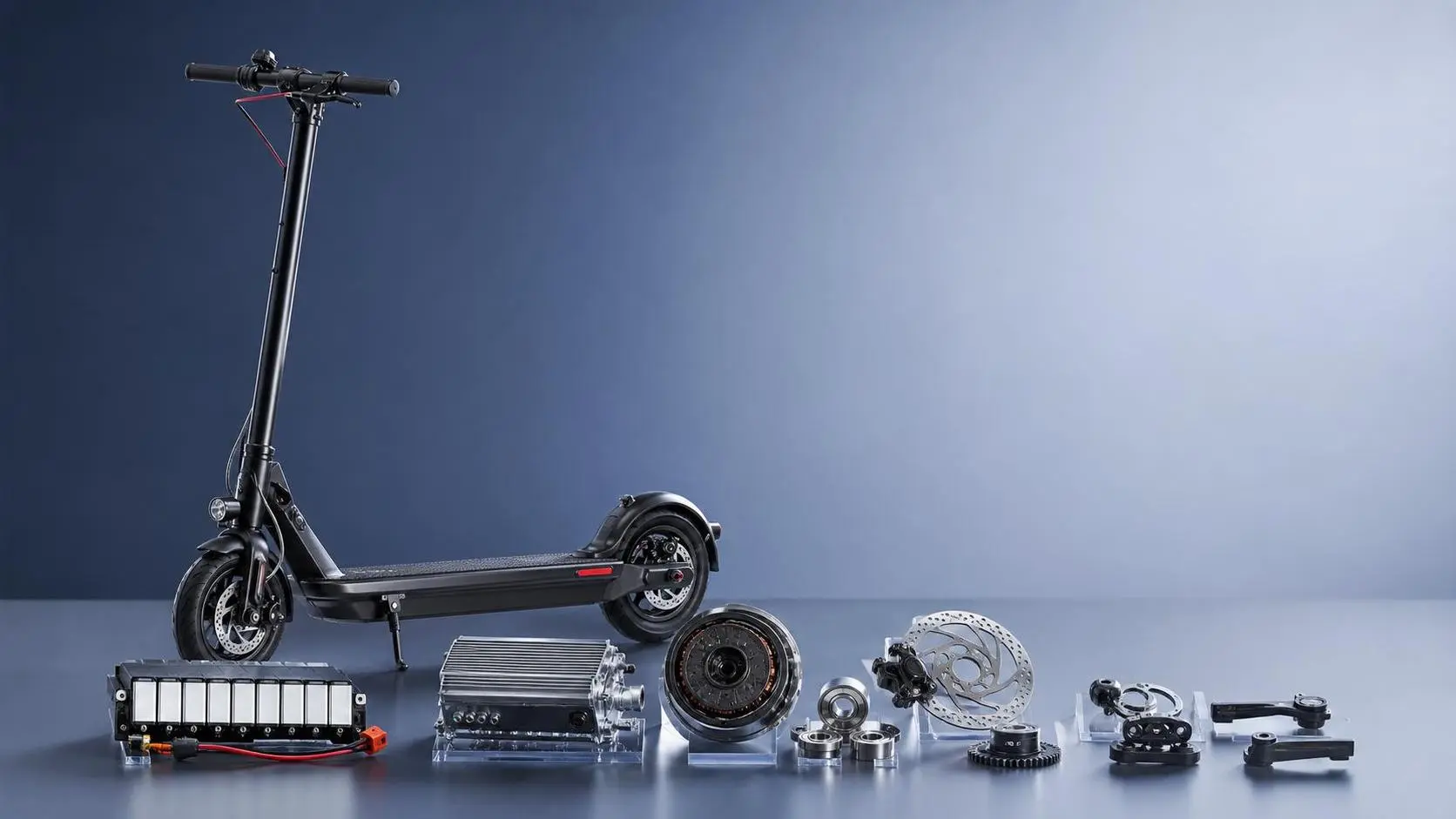
How to Use a Micro Mobility Supplier Directory to Compare OEMs and Component Partners
Micro mobility supplier directory guide to compare OEMs and component partners by certifications, compatibility, lead time, and supply risk—build a smarter shortlist faster.
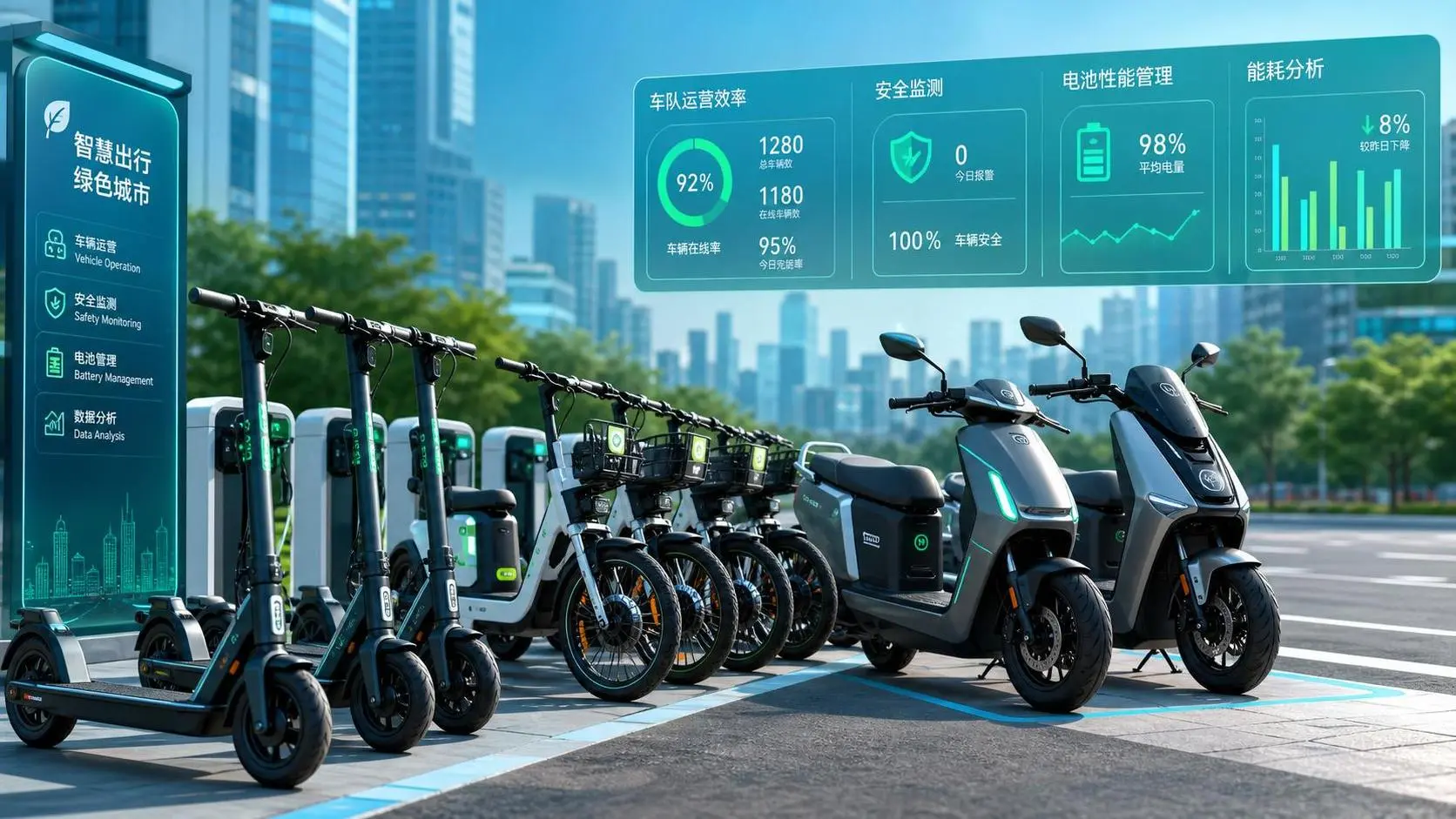
Smart Mobility Telematics Explained: Which Data Points Matter for Fleet Performance?
Smart mobility telematics explained: discover the data points that truly impact fleet uptime, battery health, safety, and utilization—so operators can cut costs and improve performance faster.