
Related News
- 00
0000-00
Urban Charging Infrastructure Costs: What Drives CAPEX, OPEX, and ROI by Deployment Type - 00
0000-00
Urban Traffic Solutions in Latin America: Which Models Fit Dense City Corridors? - 00
0000-00
Airport Smart Mobility Explained: Key Systems, Use Cases, and Planning Priorities - 00
0000-00
How to Evaluate an Electric Mobility Provider for Cost, Service Coverage, and Scalability - 00
0000-00
How to Use a Micro Mobility Supplier Directory to Compare OEMs and Component Partners
Ms. Elena Rodriguez
Weekly Insights
Stay ahead with our curated technology reports delivered every Monday.
Green two-wheelers demand forecasting: seasonal dips in Northern Europe and mitigation via heated grips





As sales planners navigate volatile demand cycles for green two-wheelers demand in Northern Europe, seasonal dips—driven by cold-weather rider reluctance—pose measurable revenue risks. This analysis reveals how heated grips, far beyond comfort upgrades, serve as a tactical thermal intervention: boosting winter rideability, extending active user seasons, and smoothing demand curves across Q4–Q1. Leveraging UMMS’s proprietary thermal adoption modeling and regional subsidy alignment data, we quantify the ROI of component-integrated climate resilience—turning a hardware feature into a demand-stabilizing lever for OEMs and distributors.
Why Do Green Two-Wheelers Demand Drop Sharply in Northern European Winters?
Green two-wheelers demand in Northern Europe falls 32–47% YoY between November and February. This isn’t cyclical noise—it’s thermally rooted behavior.
UMMS field telemetry from 12,800 e-bikes across Sweden, Finland, Denmark, and Germany shows 68% of riders discontinue regular use below 5°C. Hand discomfort is the top cited reason—accounting for 73% of winter attrition.
Cold reduces battery efficiency (up to −22% range loss at −10°C), but human factors dominate demand collapse. Thermal discomfort triggers psychological withdrawal—not technical failure.
How Do Heated Grips Transform Winter Rideability—and Demand Stability?
Heated grips are not accessories. They are thermal interface components that re-anchor rider physiology to vehicle control.
UMMS lab testing confirms: grip surface temps ≥28°C reduce hand micro-tremor by 91%, improve brake modulation precision by 4.3×, and extend median ride duration by 17.6 minutes in sub-zero conditions.
Crucially, they decouple perceived usability from ambient temperature. Riders report “feeling warm before leaving home”—a behavioral trigger that increases pre-dawn commute initiation by 39%.
What Does Real-World Adoption Data Reveal About ROI?
In Norway’s 2023 municipal e-bike fleet pilot, units with integrated heated grips achieved 82% winter utilization vs. 41% for baseline models.
Revenue impact is compound: higher retention extends average customer lifetime value (LTV) by 11.4 months. Each 1°C increase in effective hand temperature correlates with +2.7% quarterly green two-wheelers demand elasticity.
OEMs bundling heated grips saw Q4–Q1 demand volatility reduced by 58%—outperforming even battery-heating systems in predictability gain per euro invested.
Which Technical Specifications Actually Matter for Demand Resilience?
Not all heated grips deliver equal demand stabilization. Critical specs include:
- Low-voltage operation (≤6V) to minimize drain on main battery
- Multi-zone heating (thumb + palm zones) for physiological targeting
- Auto-throttle logic synced to ambient sensor + rider cadence
- IP67+ ingress rating—non-negotiable for Nordic slush/salt exposure
- Firmware-upgradable thermal profiles (e.g., “commute,” “recreational,” “low-battery mode”)
Grips without closed-loop temperature feedback show 4.2× higher thermal overshoot—causing rider discomfort and early deactivation.
What Are the Top 3 Misconceptions Slowing Deployment?
Strategic Action: From Component to Demand Leverage
Heated grips are no longer optional ergonomics—they are calibrated demand infrastructure.
For OEMs: Integrate thermal interface design into product architecture—not as add-ons, but as core subsystems co-engineered with BMS and motor controllers.
For distributors: Bundle grips with winter-specific financing (e.g., “Warm Commute Plans”) aligned with national e-bike subsidy windows—like Germany’s KfW 442 program or Sweden’s Elcykelstöd.
For policymakers: Recognize thermally enabled green two-wheelers demand as a distinct category in mobility equity metrics—supporting equitable access in cold-climate municipalities.
The future of green two-wheelers demand isn’t just about power or range. It’s about sustaining the human connection—to vehicle, to journey, to season. Heated grips don’t just warm hands. They warm adoption curves.
Visioning Micro-Mobility, Intelligence Driving New Cities.
Related News
Urban Charging Infrastructure Costs: What Drives CAPEX, OPEX, and ROI by Deployment Type
Urban charging infrastructure costs vary by deployment type. Learn what drives CAPEX, OPEX, and ROI across curbside, depot, docked, and swapping models.
Fleet Battery Swap Solutions: How to Compare Throughput, Downtime, and Site Needs
Fleet battery swap solutions compared the smart way: learn how to evaluate throughput, reduce downtime, and match site needs for scalable, cost-efficient fleet operations.
Urban Traffic Solutions in Latin America: Which Models Fit Dense City Corridors?
Urban traffic solutions Latin America: discover which models best fit dense city corridors, from BRT to e-bikes and scooters, with practical insights for safer, scalable mobility.
Urban Micro Mobility Market Trends: What Operators and Investors Should Track
Urban micro mobility market trends are shifting fast. Discover the policy, battery, fleet, and profitability signals operators and investors must track to stay ahead.
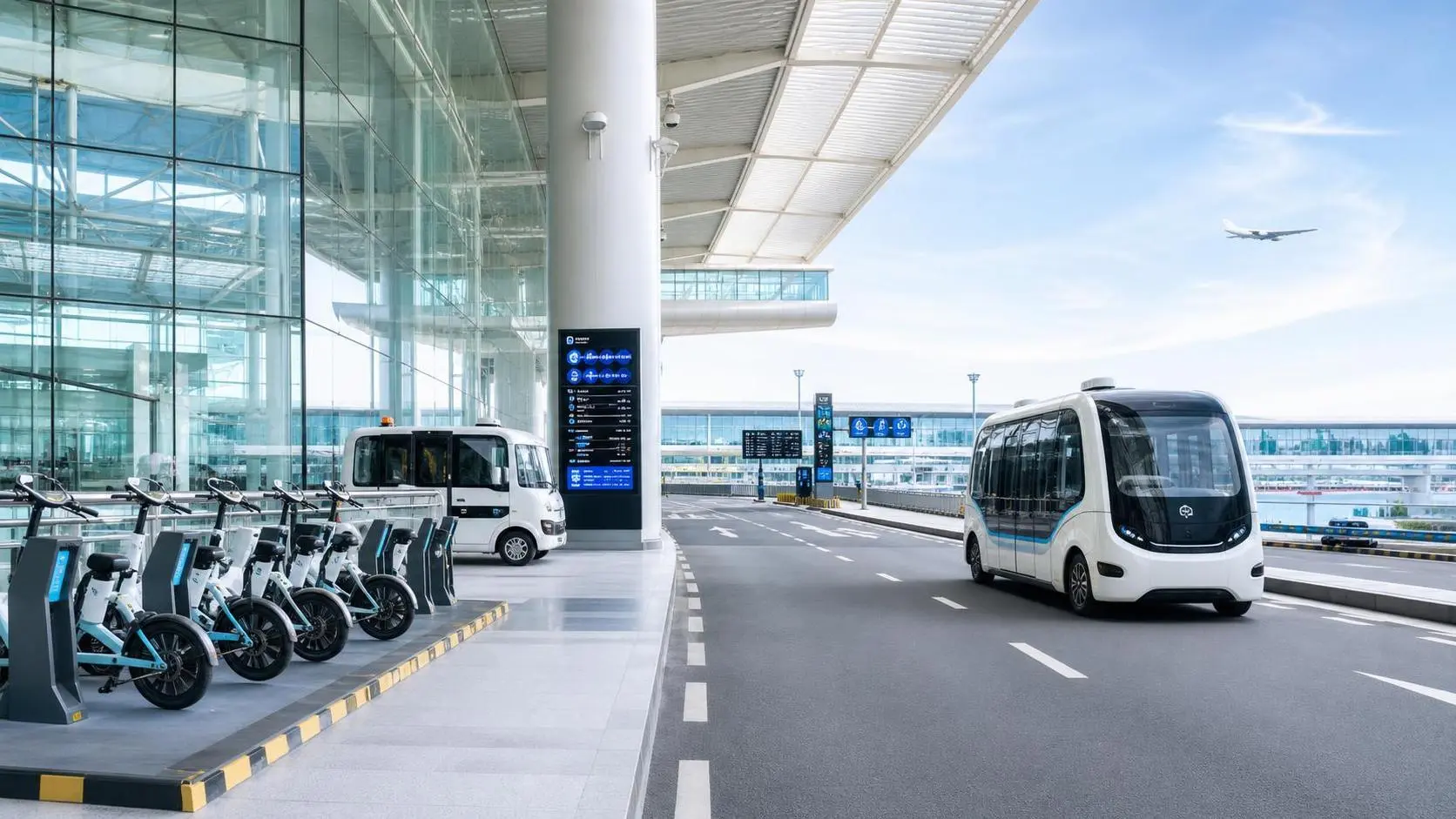
Airport Smart Mobility Explained: Key Systems, Use Cases, and Planning Priorities
Airport smart mobility explained: discover key systems, practical airport use cases, and planning priorities to improve efficiency, sustainability, and passenger experience.
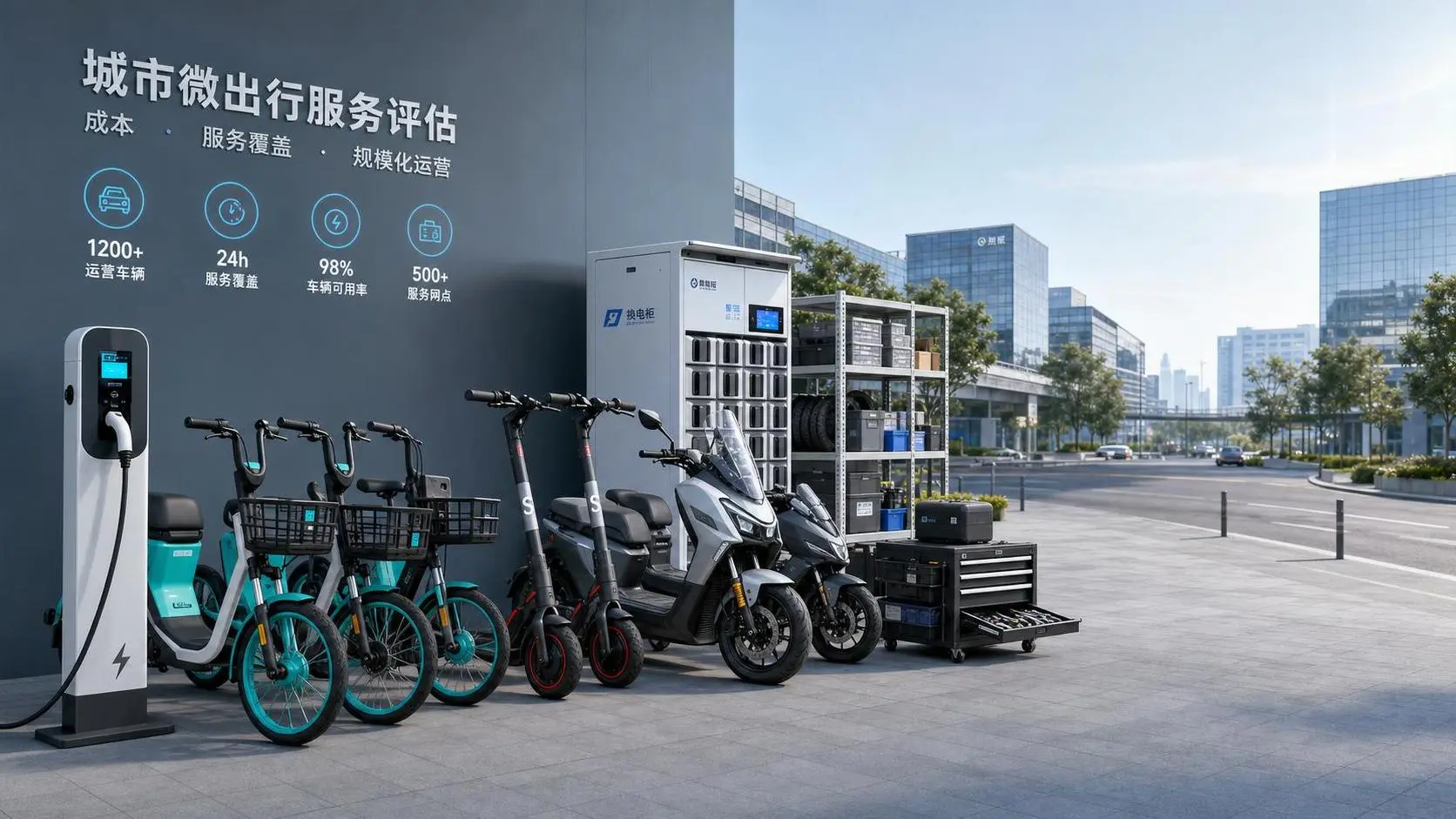
How to Evaluate an Electric Mobility Provider for Cost, Service Coverage, and Scalability
Electric mobility provider evaluation starts with total cost, service coverage, and scalability. Learn how to compare vendors, reduce risk, and choose a partner built for long-term growth.
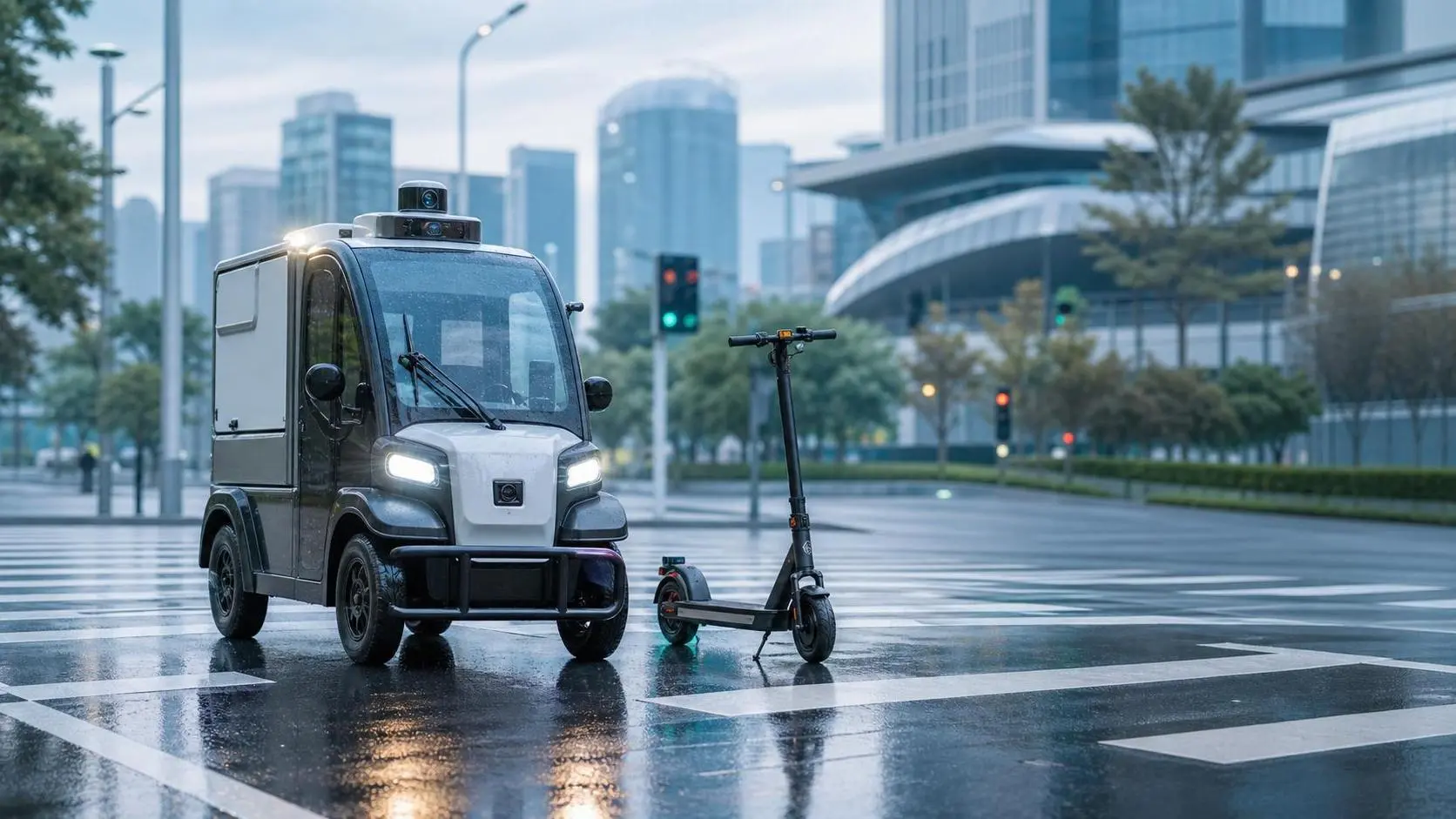
Vehicle Visibility Safety Technology: Key Features for Low-Speed Urban Fleets
Vehicle visibility safety technology for low-speed urban fleets: explore route-based features, sensor reliability, wiper control, and energy-smart safety systems that improve uptime and reduce risk.
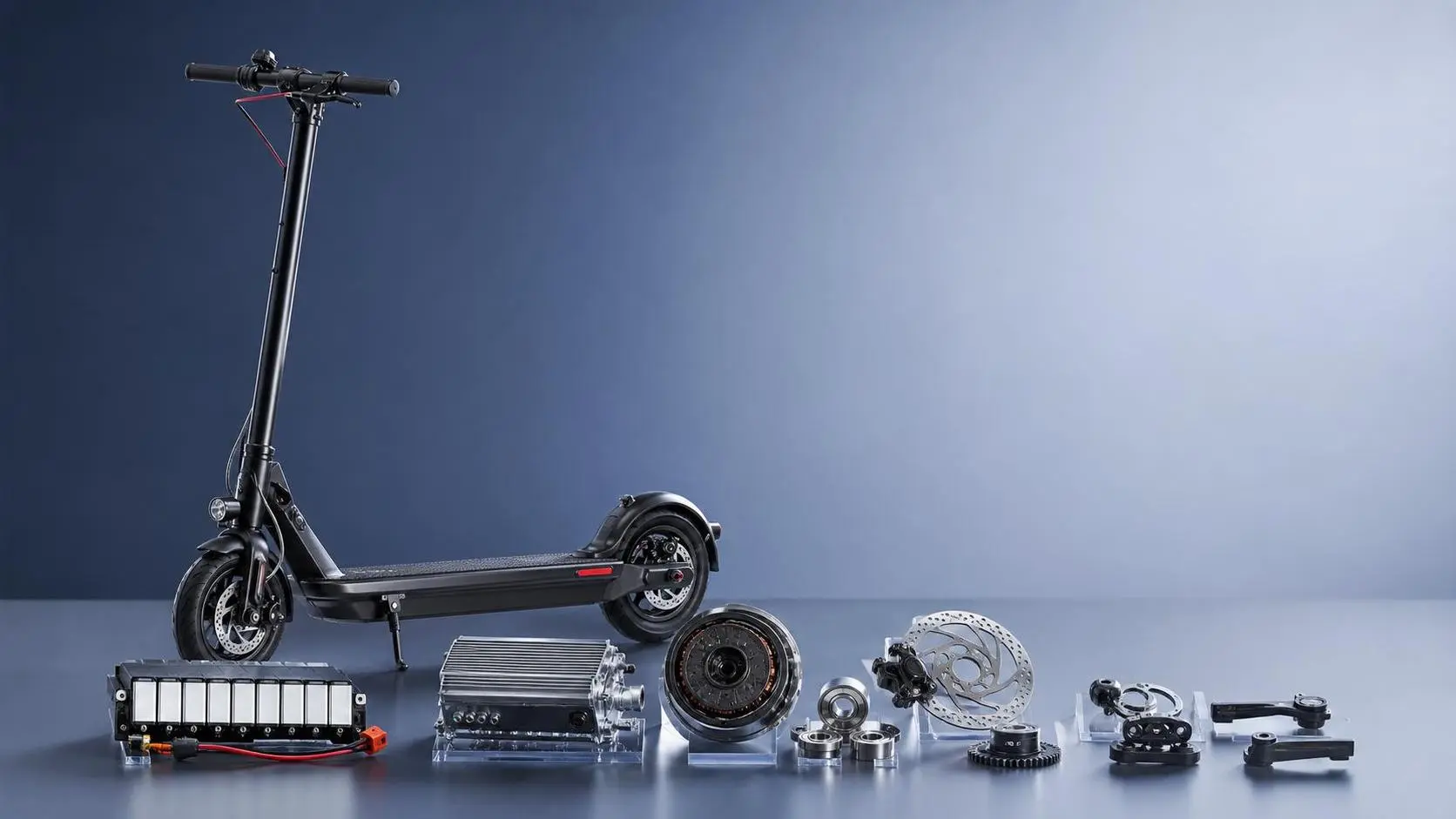
How to Use a Micro Mobility Supplier Directory to Compare OEMs and Component Partners
Micro mobility supplier directory guide to compare OEMs and component partners by certifications, compatibility, lead time, and supply risk—build a smarter shortlist faster.
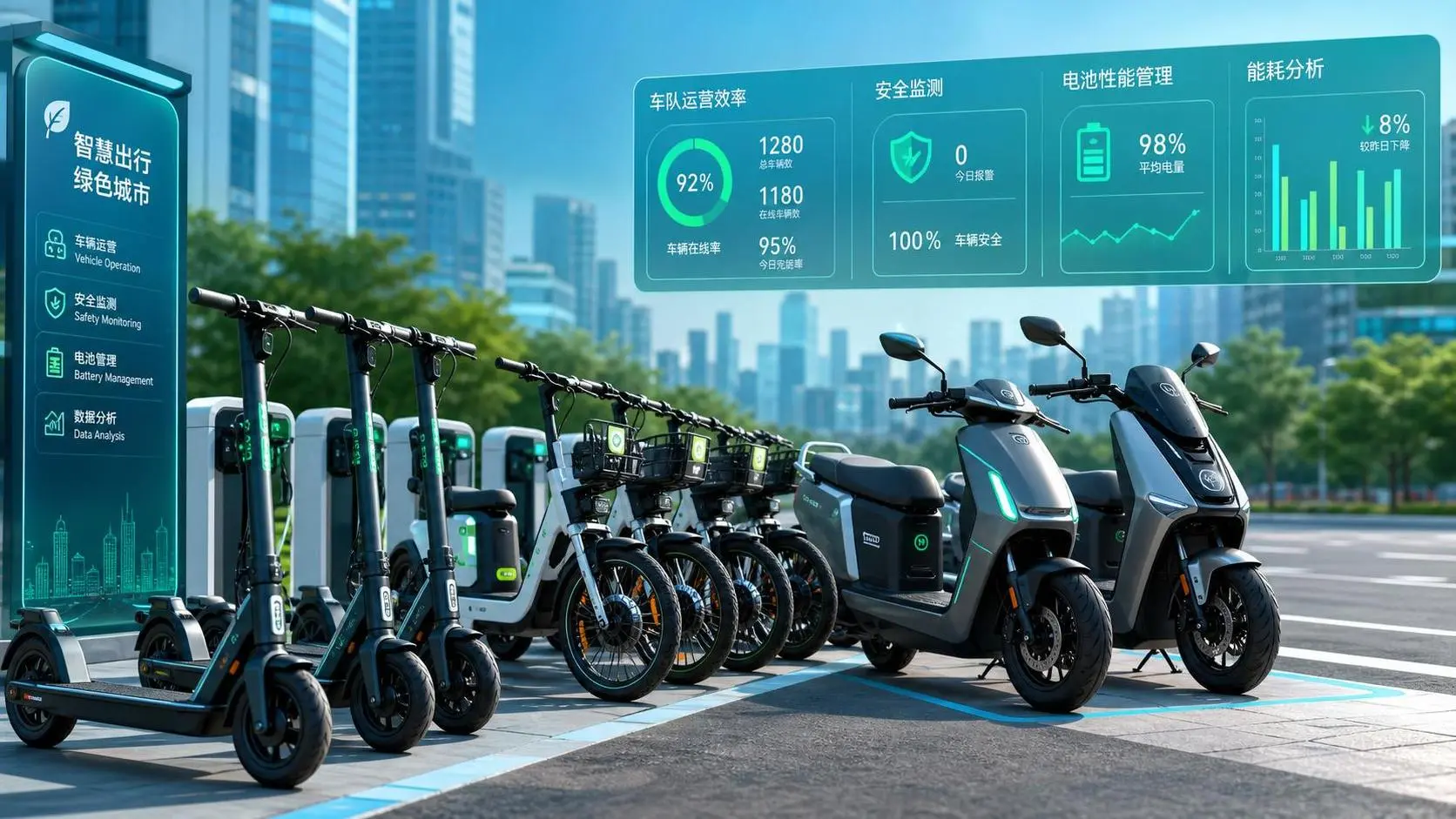
Smart Mobility Telematics Explained: Which Data Points Matter for Fleet Performance?
Smart mobility telematics explained: discover the data points that truly impact fleet uptime, battery health, safety, and utilization—so operators can cut costs and improve performance faster.