
Related News
- 00
0000-00
Urban Charging Infrastructure Costs: What Drives CAPEX, OPEX, and ROI by Deployment Type - 00
0000-00
Urban Traffic Solutions in Latin America: Which Models Fit Dense City Corridors? - 00
0000-00
Airport Smart Mobility Explained: Key Systems, Use Cases, and Planning Priorities - 00
0000-00
How to Evaluate an Electric Mobility Provider for Cost, Service Coverage, and Scalability - 00
0000-00
How to Use a Micro Mobility Supplier Directory to Compare OEMs and Component Partners
Ms. Elena Rodriguez
Weekly Insights
Stay ahead with our curated technology reports delivered every Monday.
Global mobility landscape: which markets show strongest green two-wheelers demand growth in 2024?





Europe: Policy-Driven E-Bike Expansion with Structural Supply Chain Momentum
The European Union remains the world’s most mature and fastest-growing green two-wheeler market in 2024—driven not by consumer novelty, but by institutionalized policy architecture. As of Q2 2024, 23 EU member states offer direct e-bike purchase subsidies ranging from €200 to €1,200 per unit, with Germany (€1,000), France (€600), and the Netherlands (€750) leading in disbursement volume. Crucially, these are no longer one-off incentives: 17 countries now mandate multi-year subsidy frameworks tied to annual national carbon budgets—ensuring continuity through 2027 at minimum.
Demand is highly segmented by use case. Pedal-assist e-bikes (Class 1 & 2) dominate commuter adoption—accounting for 68% of all EU e-bike registrations in H1 2024—while speed pedelecs (Class 3, up to 45 km/h) show 42% YoY growth in urban fringe and inter-municipal corridors. This bifurcation directly impacts component procurement priorities: OEMs sourcing mid-drive motors now require torque sensors with ±0.8 N·m accuracy and thermal cutoff at 95°C, while battery pack suppliers face tightening EN 15194:2017 + A1:2021 compliance windows—especially for BMS firmware validation cycles (≤72 hours).
This table reveals a critical procurement insight: regulatory tailwinds vary not just in magnitude, but in *enforcement velocity*. German certification lead times are shortest due to TÜV SÜD’s integrated test-to-certify workflow—a key differentiator for Tier-2 drivetrain suppliers seeking rapid market entry. For business evaluators, this signals that component interoperability (e.g., ISO 4210-9 compliant motor mounting interfaces) carries equal weight to raw performance specs when scaling across EU markets.
Emerging Regions: High-Growth Corridors with Infrastructure-Dependent Scalability
While Europe sets the benchmark for policy maturity, three emerging regions demonstrate explosive commercial traction—but with divergent infrastructure dependencies. Southeast Asia leads in shared e-scooter fleet deployment: Jakarta, Bangkok, and Ho Chi Minh City collectively added 217,000 smart e-scooters in Q1–Q2 2024 alone. However, 73% of these units operate on private microgrids—not public charging infrastructure—making battery-swapping compatibility (e.g., Gogoro Network API v3.2 integration) a non-negotiable technical requirement for fleet OEMs.
Latin America shows the steepest adoption curve for high-speed e-motorcycles: Brazil and Colombia registered 124,000 units in 2024 YTD, a 91% increase over 2023. Growth here is anchored in total cost of ownership (TCO): e-motorcycles deliver 42% lower maintenance costs versus ICE equivalents over 36 months, primarily due to reduced brake wear and zero oil service. Yet thermal management remains a bottleneck—ambient temperatures exceeding 38°C trigger derating in 31% of deployed models without active liquid cooling. UMMS’s proprietary thermal stress modeling identifies optimal heat sink fin density (14–18 fins/cm²) and coolant flow rate (0.8–1.2 L/min) for sustained 35 kW peak output.
The India row underscores a pivotal strategic nuance: “green” demand isn’t synonymous with “high-tech” demand. Here, robustness trumps connectivity—e-rickshaw battery packs must withstand 45°C ambient operation with 30% depth-of-discharge cycling for 1,200+ cycles. For component suppliers, this validates UMMS’s observation that thermal resilience specifications (not just energy density) define competitive advantage in emerging markets.
Strategic Intelligence Center Implications for Business Evaluators
UMMS’s Strategic Intelligence Center synthesizes real-time data across 12 markets into three actionable decision layers: (1) Policy viability scoring (weighted by subsidy duration, disbursement speed, and regulatory enforcement history); (2) Infrastructure readiness mapping (charging/swapping node density, grid stability, road classification compliance); and (3) Component-level technical alignment (BMS firmware certification status, motor thermal derating curves, wiper sensor false-trigger rates under monsoon conditions). These layers converge to generate market-entry risk scores—e.g., Thailand scores 82/100 for shared e-scooters but only 54/100 for high-speed e-motorcycles due to right-of-way restrictions.
For OEMs and core component suppliers, the global mobility landscape is no longer about chasing headline growth rates. It’s about identifying where policy intent, infrastructure capacity, and technical readiness intersect—and deploying resources where those intersections yield sustainable ROI. UMMS delivers precisely calibrated intelligence to navigate that convergence.
Access the full 12-market Commercial Insights dashboard—including dynamic subsidy tracker, thermal stress simulation tools, and wireless electronic shifting interference benchmarks—to align your next product launch or supply chain investment with verified market readiness. Request access to the Strategic Intelligence Center today.
Related News
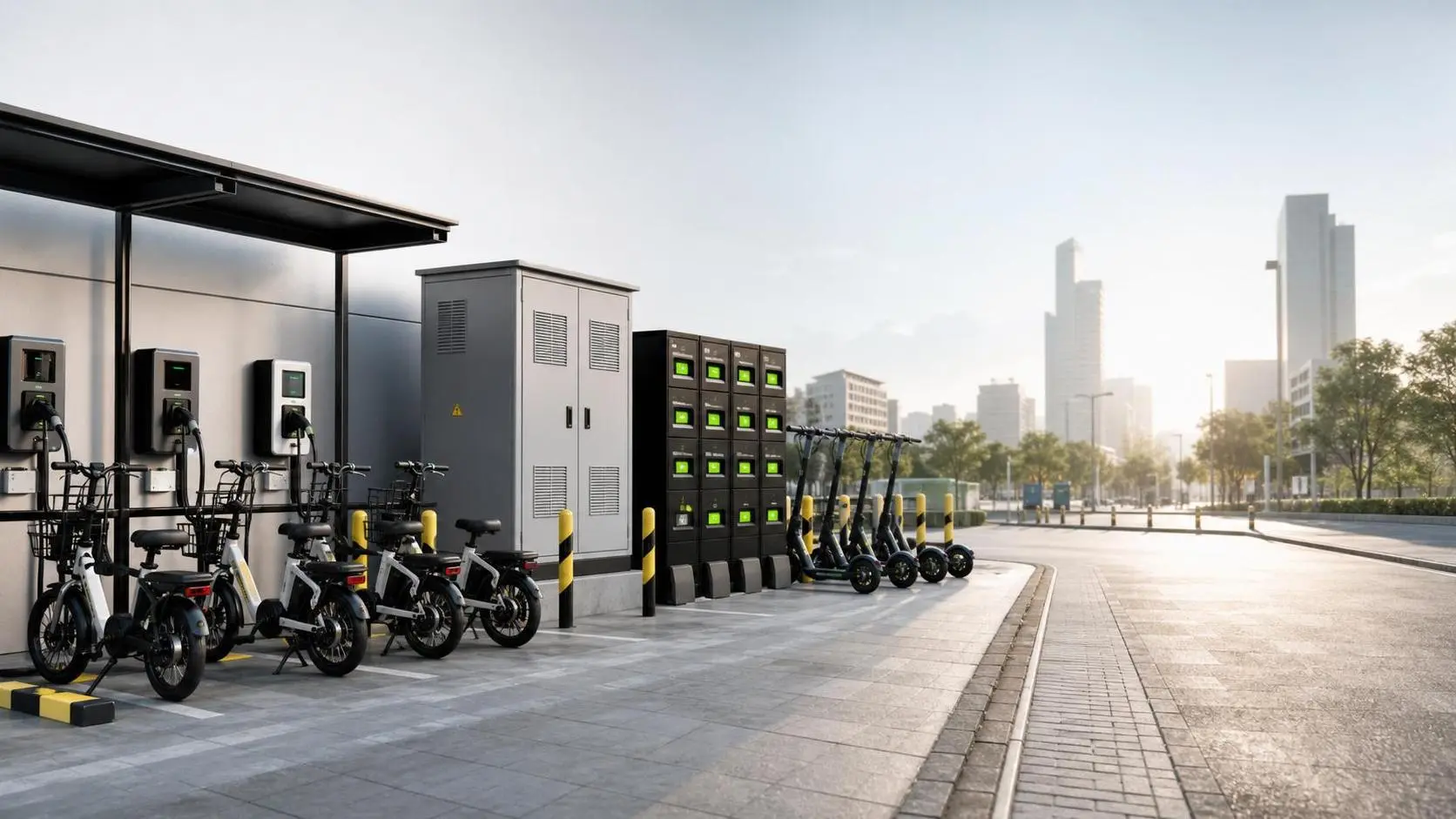
Urban Charging Infrastructure Costs: What Drives CAPEX, OPEX, and ROI by Deployment Type
Urban charging infrastructure costs vary by deployment type. Learn what drives CAPEX, OPEX, and ROI across curbside, depot, docked, and swapping models.
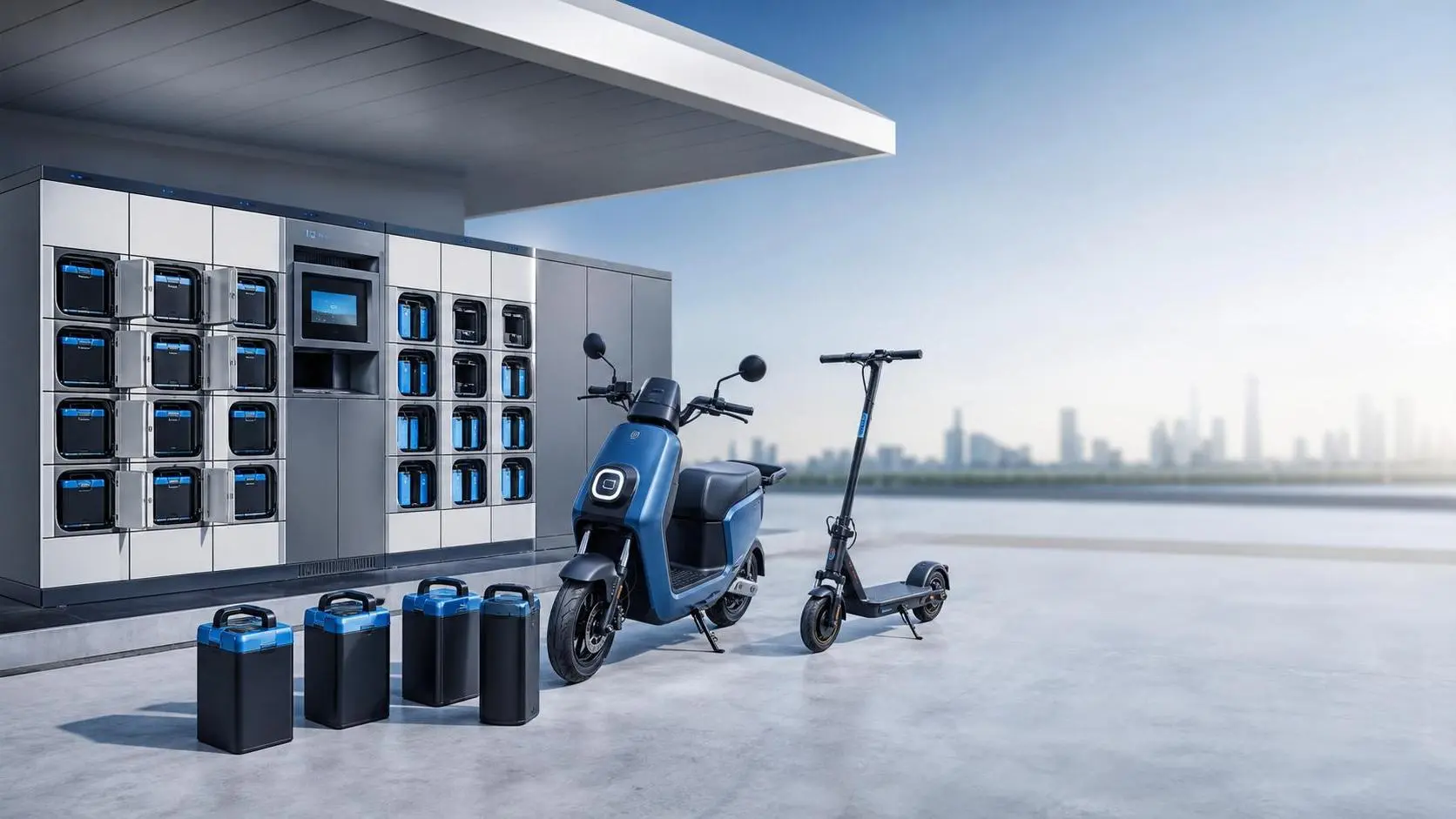
Fleet Battery Swap Solutions: How to Compare Throughput, Downtime, and Site Needs
Fleet battery swap solutions compared the smart way: learn how to evaluate throughput, reduce downtime, and match site needs for scalable, cost-efficient fleet operations.

Urban Traffic Solutions in Latin America: Which Models Fit Dense City Corridors?
Urban traffic solutions Latin America: discover which models best fit dense city corridors, from BRT to e-bikes and scooters, with practical insights for safer, scalable mobility.
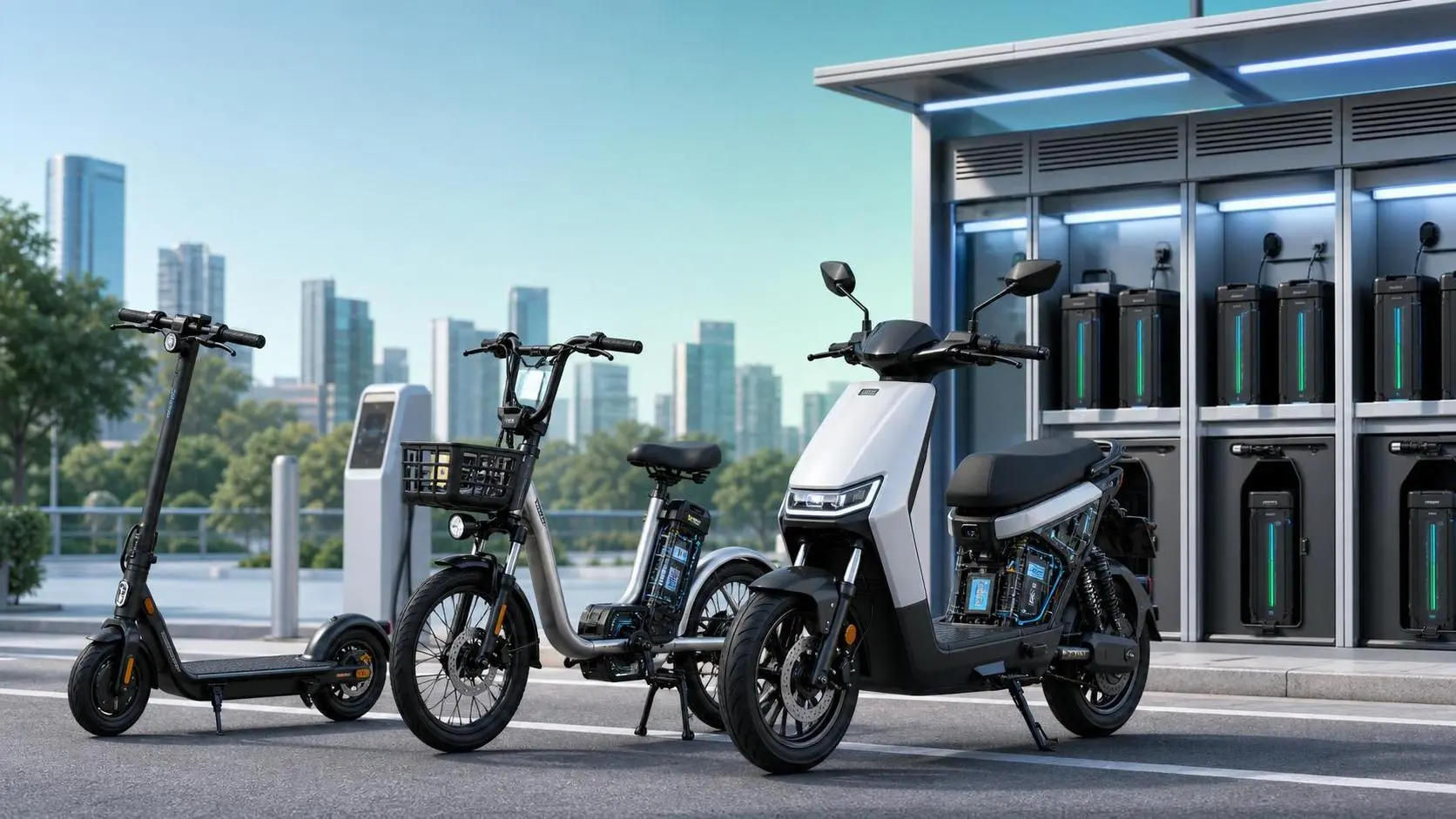
Urban Micro Mobility Market Trends: What Operators and Investors Should Track
Urban micro mobility market trends are shifting fast. Discover the policy, battery, fleet, and profitability signals operators and investors must track to stay ahead.
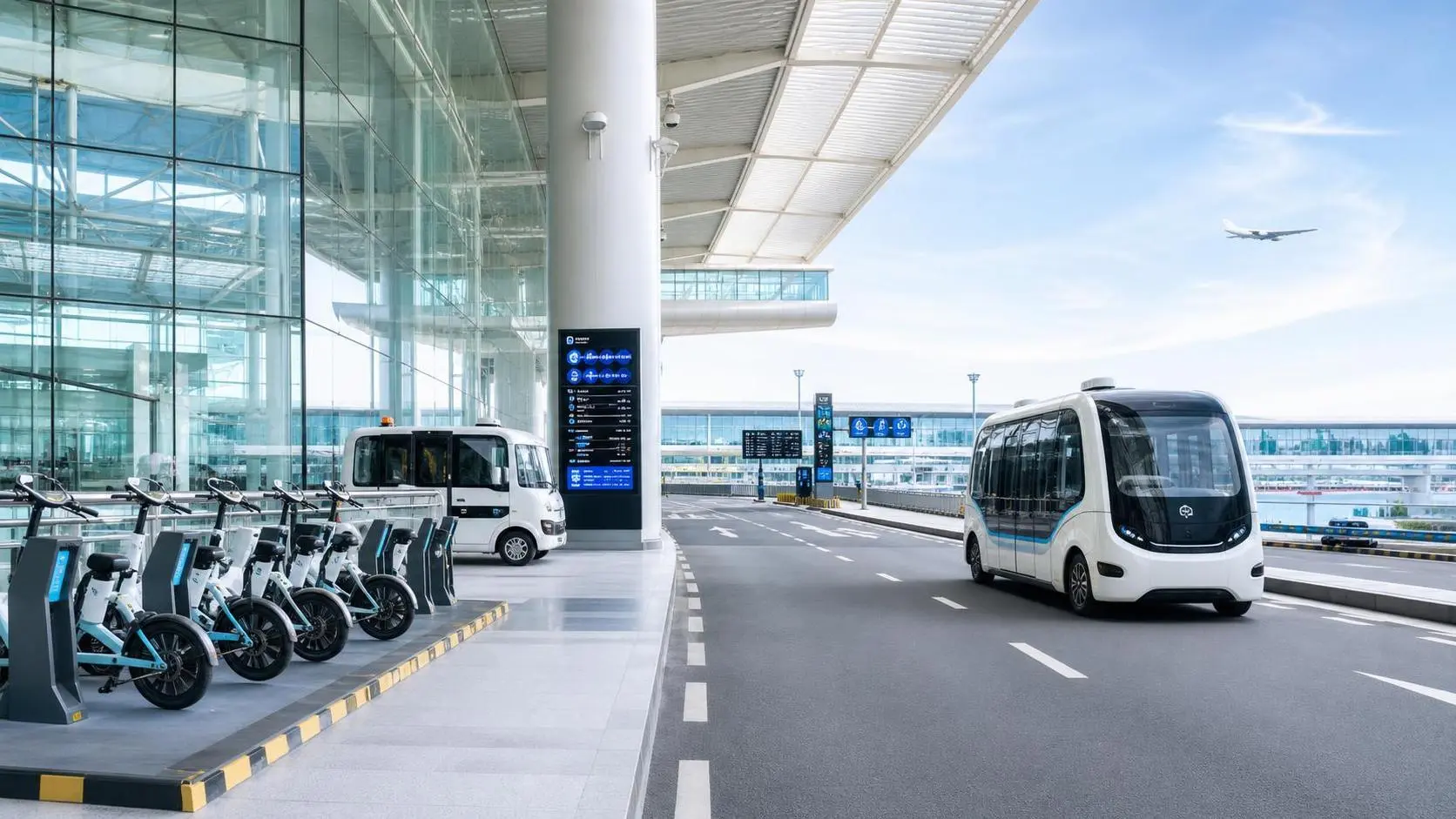
Airport Smart Mobility Explained: Key Systems, Use Cases, and Planning Priorities
Airport smart mobility explained: discover key systems, practical airport use cases, and planning priorities to improve efficiency, sustainability, and passenger experience.
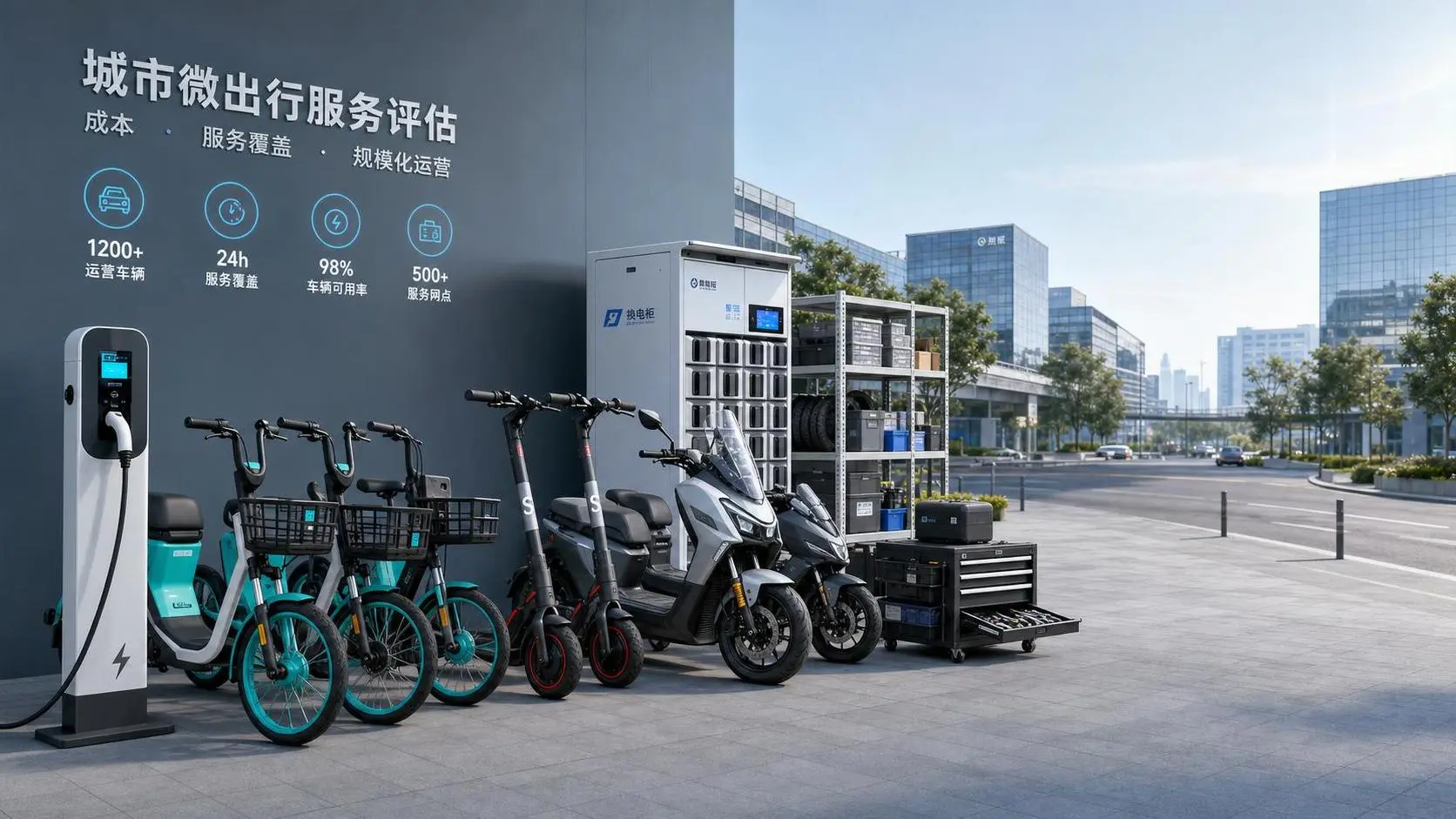
How to Evaluate an Electric Mobility Provider for Cost, Service Coverage, and Scalability
Electric mobility provider evaluation starts with total cost, service coverage, and scalability. Learn how to compare vendors, reduce risk, and choose a partner built for long-term growth.

Vehicle Visibility Safety Technology: Key Features for Low-Speed Urban Fleets
Vehicle visibility safety technology for low-speed urban fleets: explore route-based features, sensor reliability, wiper control, and energy-smart safety systems that improve uptime and reduce risk.
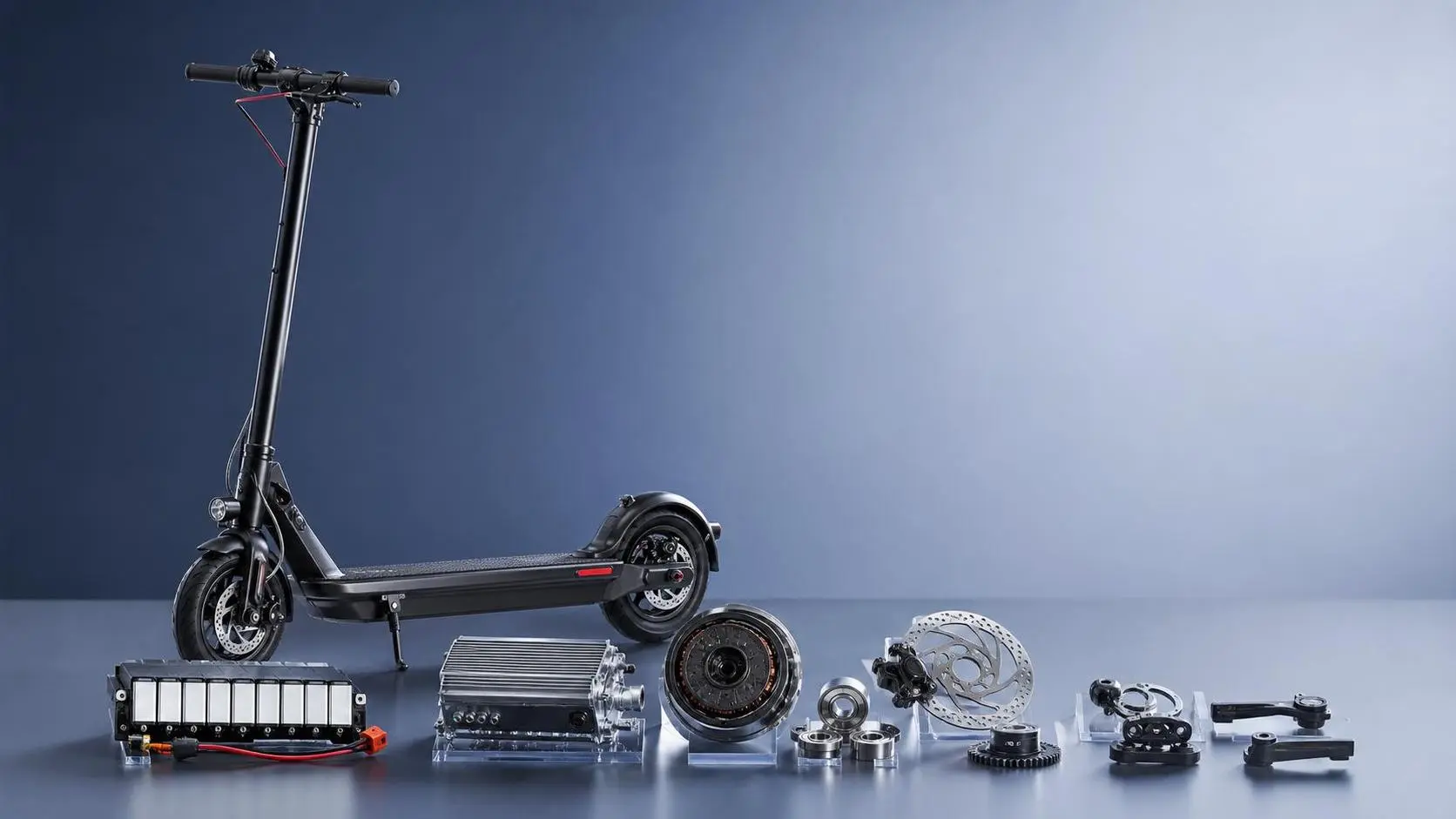
How to Use a Micro Mobility Supplier Directory to Compare OEMs and Component Partners
Micro mobility supplier directory guide to compare OEMs and component partners by certifications, compatibility, lead time, and supply risk—build a smarter shortlist faster.
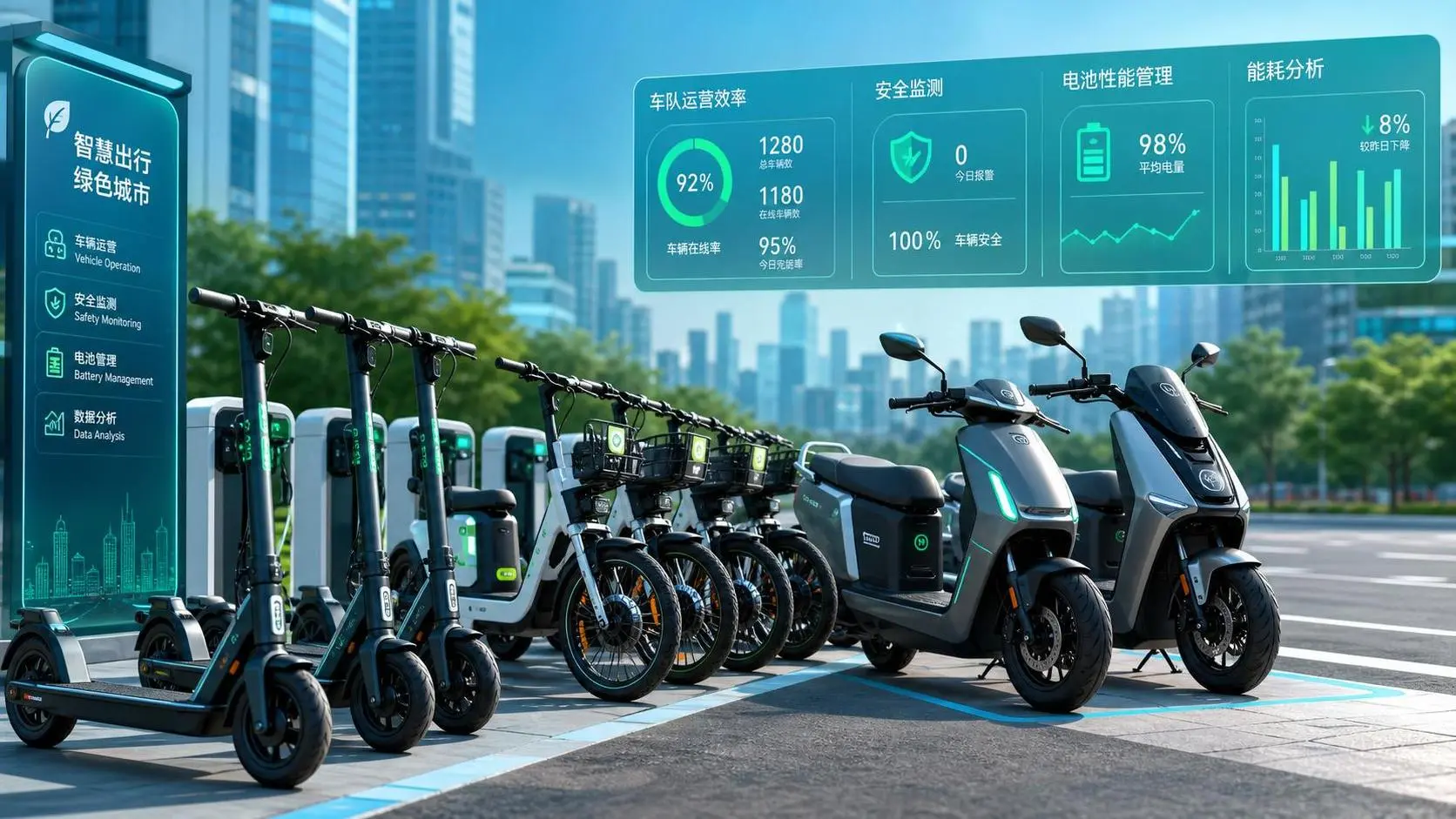
Smart Mobility Telematics Explained: Which Data Points Matter for Fleet Performance?
Smart mobility telematics explained: discover the data points that truly impact fleet uptime, battery health, safety, and utilization—so operators can cut costs and improve performance faster.