
Related News
- 00
0000-00
Urban Mobility Market Analysis: Demand Drivers, Policy Risks, and Revenue Models Compared - 00
0000-00
What Affects Urban Traffic Innovation Price in Smart City Transport Projects? - 00
0000-00
How to Evaluate a Battery Management Systems Exporter for Quality, Compliance, and Support - 00
0000-00
What Drives Urban Mobility Adoption in Congested Cities: Cost, Convenience, and Policy - 00
0000-00
How to Verify Micro Mobility Technical Credibility Before Supplier Approval
Ms. Elena Rodriguez
Weekly Insights
Stay ahead with our curated technology reports delivered every Monday.
Carbon Neutrality and the Real ROI of Urban E-Mobility





Carbon Neutrality and the Real ROI of Urban E-Mobility
Carbon neutrality is no longer a branding slogan—it is a measurable investment logic reshaping urban mobility.
The real ROI of urban e-mobility comes from cost control, policy fit, operational efficiency, and stronger market relevance.
For businesses tracking e-bikes, smart e-scooters, and high-speed e-motorcycles, carbon neutrality now guides smarter fleet, infrastructure, and component decisions.
In dense cities, the question is no longer whether electrified two-wheel mobility matters.
The question is which urban scenarios create the fastest returns while advancing carbon neutrality targets.
Why urban scenarios now determine the value of carbon neutrality
Urban transport is not one market.
Commuting, delivery, shared mobility, tourism, and high-performance personal transport each carry different economics and carbon neutrality outcomes.
That is why scenario judgment matters more than generic sustainability messaging.
A city center with congestion pricing rewards lightweight e-bikes differently than a suburban corridor that favors longer-range e-motorcycles.
A shared scooter network relies on uptime, geofencing, and battery logistics, not only vehicle price.
Carbon neutrality creates value when it aligns with the operating reality of each use case.
This alignment includes energy efficiency, maintenance intervals, subsidy access, battery lifecycle, and digital visibility across the asset base.
UMMS tracks this intersection through market intelligence, powertrain analysis, and policy mapping across the global micro-mobility ecosystem.
Scenario 1: Daily urban commuting where carbon neutrality meets predictable savings
Daily commuting is the clearest entry point for carbon neutrality in urban e-mobility.
E-bikes perform especially well here because trip distances are short, parking is constrained, and stop-and-go traffic punishes conventional vehicles.
In this scenario, ROI comes from lower charging costs, lower servicing needs, and higher route flexibility.
Carbon neutrality strengthens the case when cities support cycling lanes, low-emission zones, and employer-backed commuting incentives.
The key judgment points are simple.
- Average trip distance below 15 kilometers
- High congestion and limited parking supply
- Local support for bike lanes or low-emission mobility
- Need for measurable carbon neutrality reporting
When those conditions exist, e-bikes often deliver a faster payback than larger electrified vehicles.
They also support stronger ESG narratives with operational evidence, not assumptions.
Scenario 2: Shared micro-mobility where carbon neutrality depends on utilization
Shared smart e-scooters are often presented as automatic carbon neutrality winners.
That assumption is risky.
The real ROI depends on utilization rate, charging efficiency, fleet durability, and repositioning logistics.
If vehicles are short-lived or collected inefficiently, carbon neutrality gains shrink quickly.
This is where IoT intelligence matters.
Smart e-scooters equipped with better telematics, battery status monitoring, and geofencing can improve route density and reduce idle time.
For this scenario, the economic and environmental logic must be evaluated together.
Core judgment points for shared fleets
- Fleet utilization per vehicle per day
- Battery swap or charging turnaround time
- Vehicle lifespan under local road conditions
- Compliance with city access and parking rules
- Data quality for carbon neutrality accounting
In high-density districts, the best returns rarely come from fleet scale alone.
They come from controlling downtime, extending component life, and matching deployment to traffic patterns.
Scenario 3: Urban delivery where carbon neutrality turns into operational leverage
Last-mile delivery is one of the strongest commercial use cases for carbon neutrality.
Delivery fleets need consistent uptime, rapid movement through congested streets, and lower cost per trip.
E-bikes and high-speed e-motorcycles can outperform combustion models in dense urban corridors.
The ROI is not only fuel replacement.
It includes fewer parking penalties, easier curb access, simpler maintenance, and stronger fit with clean delivery mandates.
Carbon neutrality in this setting is practical because route data can be linked directly to energy use and emissions reduction.
Battery thermal management becomes especially important for high-frequency operations.
UMMS analysis shows that battery health, charging logic, and drivetrain efficiency strongly shape long-term economics.
This is why component-level decisions matter as much as vehicle selection.
Scenario 4: Premium urban mobility where performance and carbon neutrality can coexist
High-speed e-motorcycles serve a different urban scenario.
They address longer city-to-suburb trips, premium commuting, and riders seeking high performance without ICE dependence.
Here, carbon neutrality influences brand positioning and regulatory access, but the ROI model is more nuanced.
The main value drivers include battery-swapping networks, powertrain reliability, charging convenience, and software-based diagnostics.
If infrastructure is weak, the carbon neutrality narrative may remain attractive while practical adoption stays slow.
If urban infrastructure is mature, performance e-mobility can capture premium demand while supporting city decarbonization goals.
How scenario needs differ across urban e-mobility applications
Scenario-based recommendations for stronger carbon neutrality returns
- Match vehicle type to route density, not to trend narratives.
- Measure total lifecycle cost, including battery replacement and servicing intervals.
- Use telematics to connect energy use with carbon neutrality reporting.
- Track policy shifts, especially subsidies, street access rules, and fleet caps.
- Prioritize durable components that improve uptime in harsh urban conditions.
- Evaluate battery management logic before scaling deployment.
Precision components matter in every scenario.
Efficient drivetrain parts, dependable braking systems, advanced sensors, and robust battery architecture directly influence ROI and carbon neutrality credibility.
Common misjudgments that weaken both ROI and carbon neutrality
One frequent mistake is treating carbon neutrality as a marketing layer instead of an operating model.
Without route data, maintenance data, and battery performance data, claims remain weak.
Another mistake is overestimating vehicle substitution.
Not every trip currently made by car or motorcycle will shift to micro-mobility.
Realistic scenario mapping is essential.
A third blind spot is underinvesting in support systems.
Charging access, battery-swapping capability, weather resilience, and predictive maintenance can determine success more than headline vehicle specifications.
Even safety components, such as smart visibility systems and durable wiper technologies for related light electric platforms, affect city reliability expectations.
What to do next in a carbon neutrality-driven urban mobility market
Start with a scenario audit.
Identify where urban congestion, trip frequency, policy incentives, and energy costs create the best conditions for e-mobility returns.
Then compare vehicle classes, battery systems, and component strategies through total operating impact.
Carbon neutrality becomes valuable when linked to measurable efficiency, not broad ambition.
UMMS supports this process by connecting market news, commercial insight, and technical intelligence across the full micro-mobility chain.
From e-bikes and smart e-scooters to high-speed e-motorcycles and precision drivetrain systems, better decisions start with scenario clarity.
In the next phase of urban transport, carbon neutrality will reward those who can prove both sustainability and returns at the same time.
Related News

Flat Wiper Blades Wholesale Buying Guide: MOQ, Rubber Quality, Fitment, and Supplier Checks
Flat wiper blades wholesale buying guide covering MOQ, rubber quality, fitment accuracy, and supplier checks to reduce risk, improve margins, and choose reliable bulk partners.
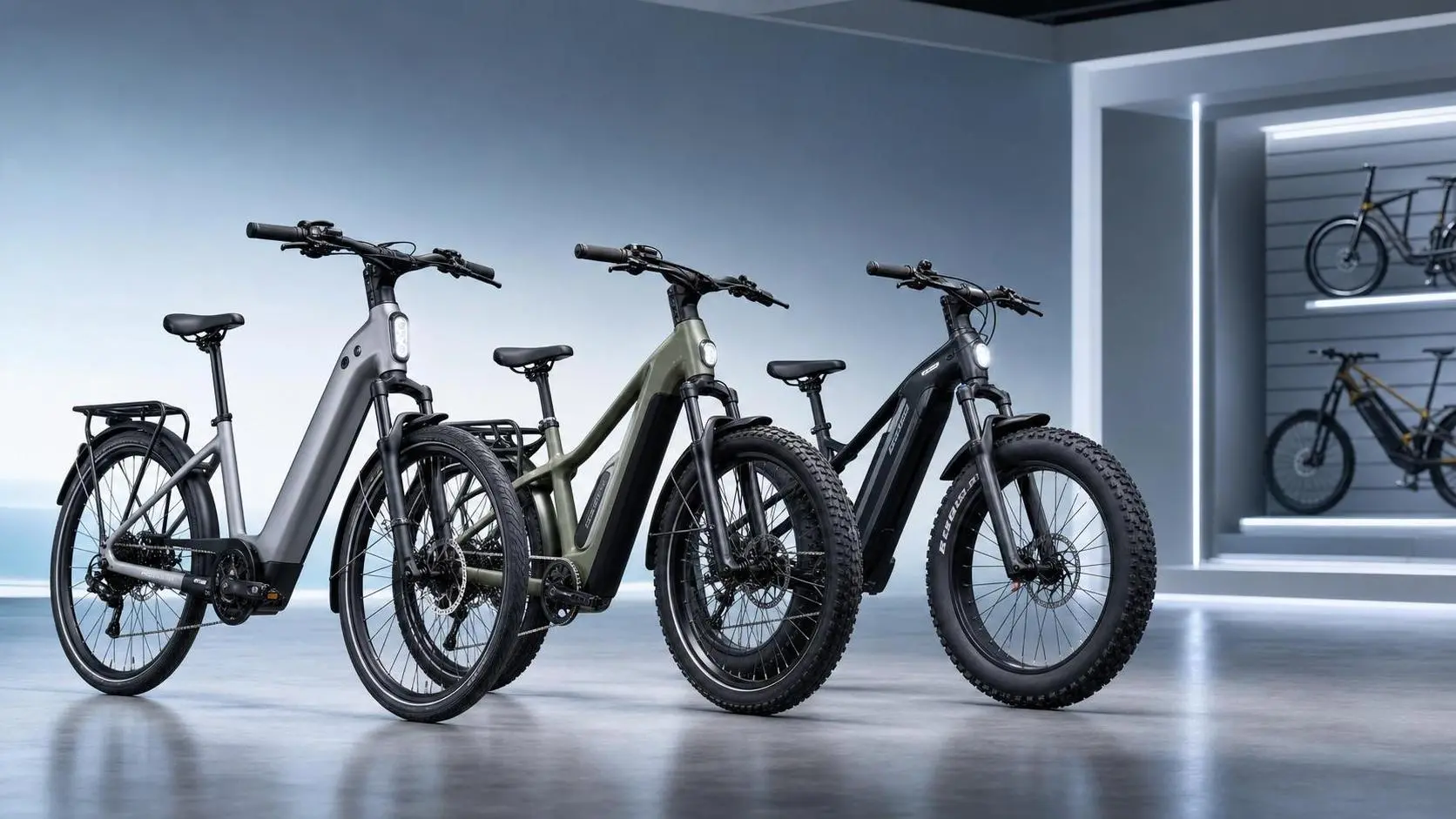
Ebike Market USA: What Dealers Should Know About Demand Shifts, Pricing, and Product Mix
ebike market USA is shifting fast. Discover how demand segmentation, pricing pressure, and smarter product mix decisions can help dealers protect margins and grow.
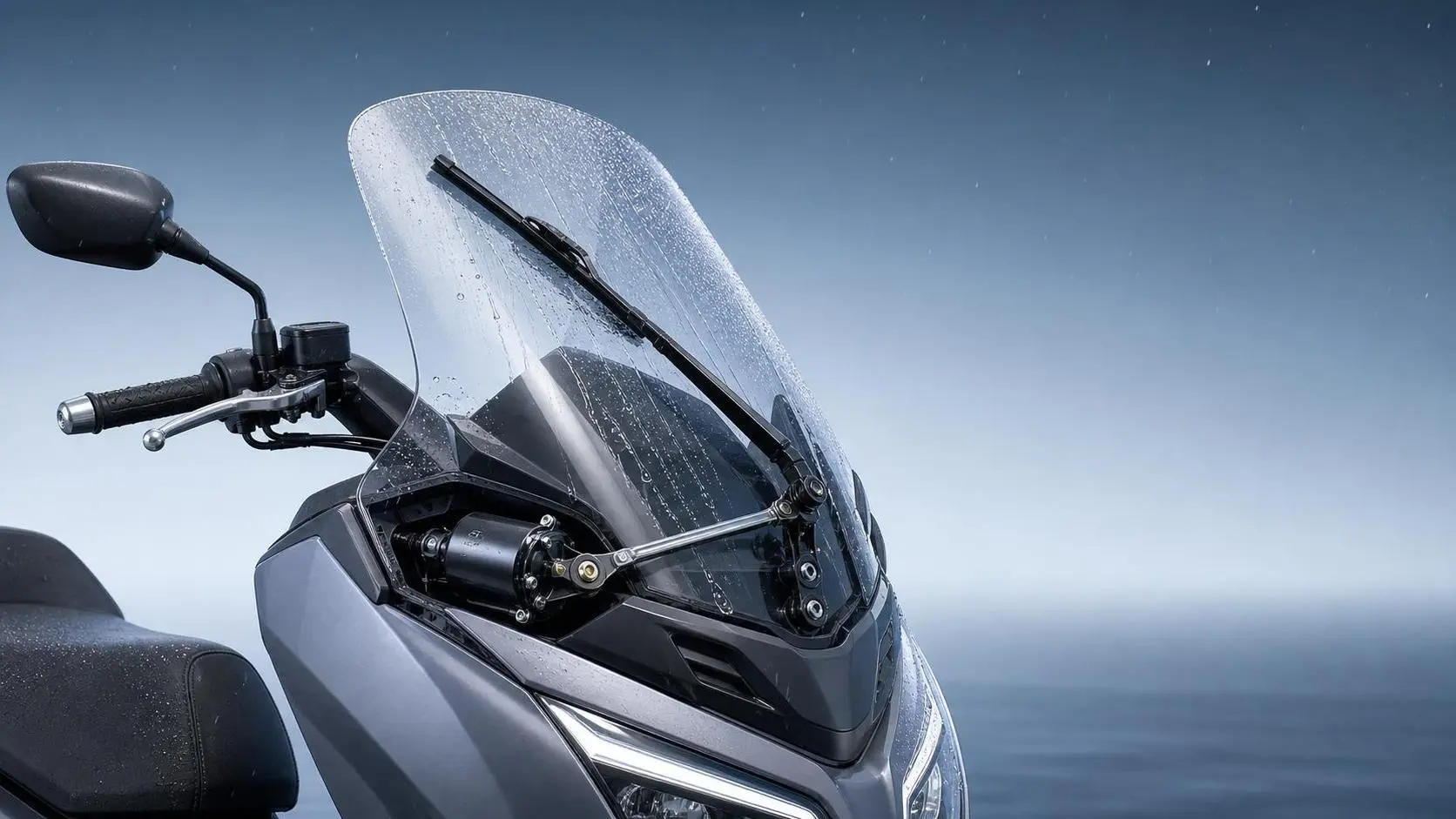
Wiper Systems for Scooters: Common Failure Points, Maintenance Tips, and Replacement Signs
Wiper systems for scooters: learn the most common failure points, smart maintenance tips, and clear replacement signs to improve visibility, reduce repeat repairs, and keep riders safer.
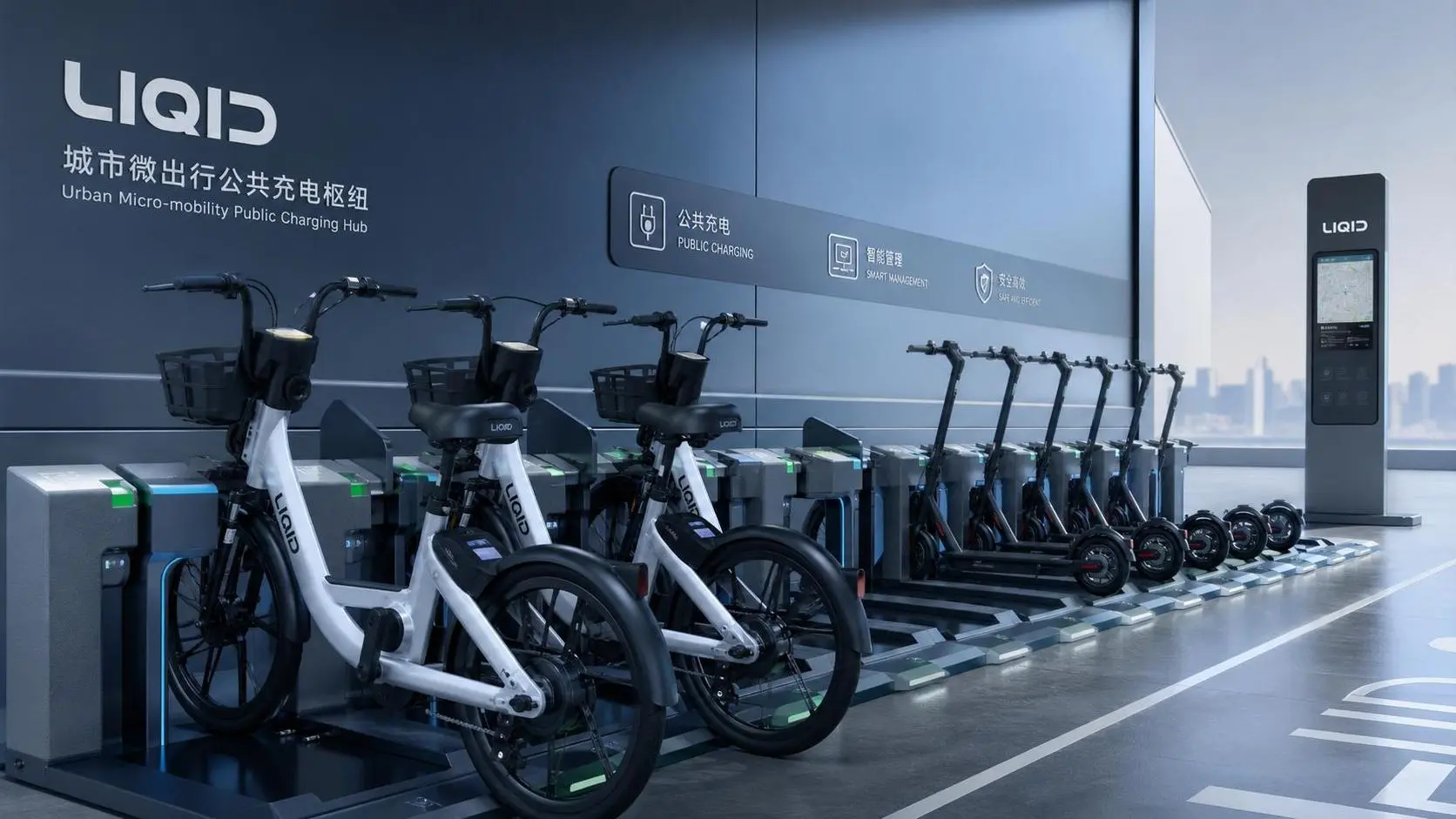
How to Choose Micro-Mobility Docking Stations for Shared Fleets and Public Charging Hubs
Micro-mobility docking stations: learn how to compare charging, locking, software, and site-fit factors to choose safer, smarter hubs for shared fleets and public use.

Powertrain Heat Management Explained: Key Design Factors for EV Efficiency and Battery Life
Powertrain heat management explained for EVs: discover how thermal design boosts efficiency, protects battery life, improves safety, and sustains real-world performance.
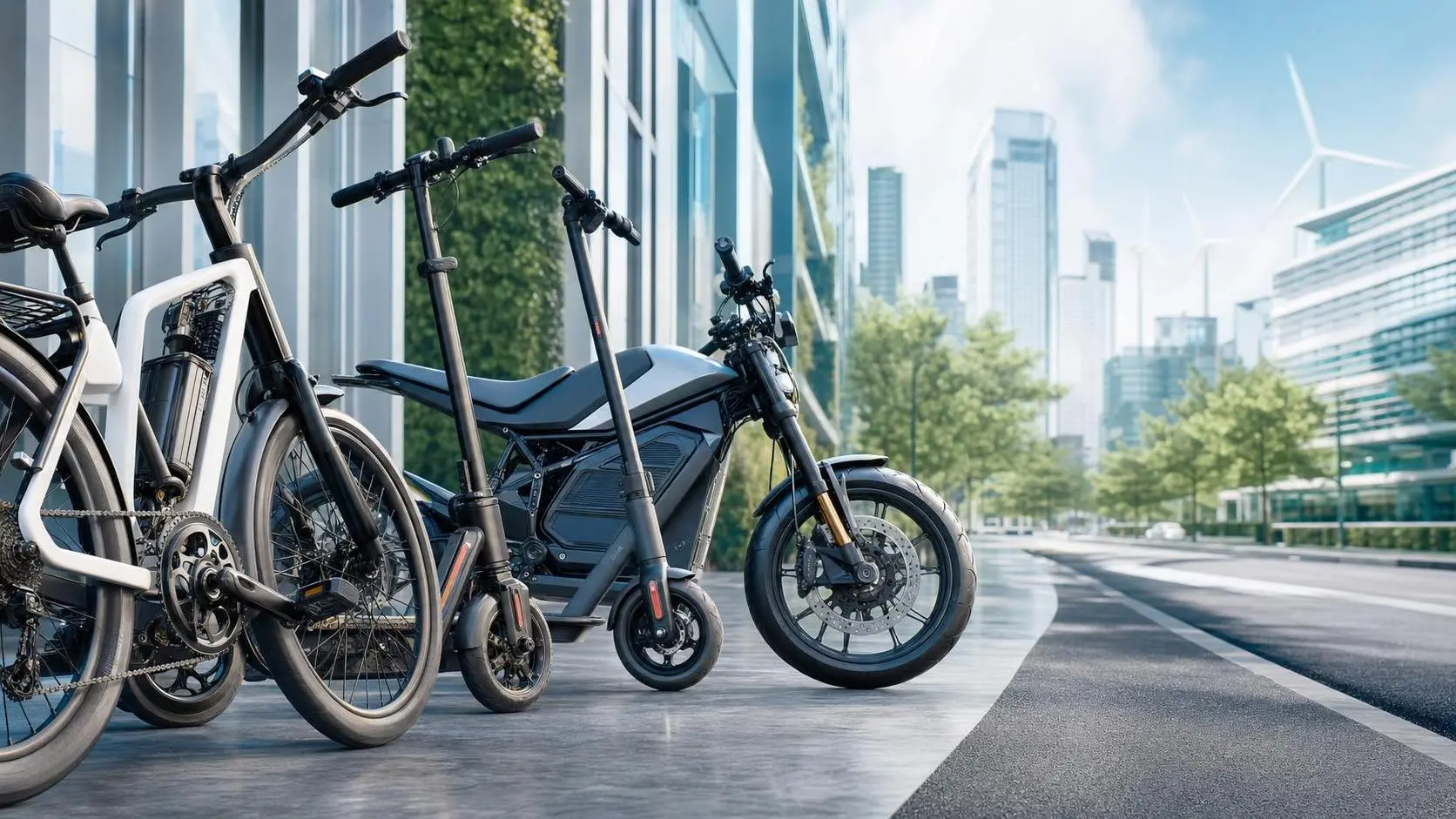
Urban Mobility Market Analysis: Demand Drivers, Policy Risks, and Revenue Models Compared
Urban mobility market analysis compares demand drivers, policy risks, and revenue models across e-bikes, scooters, and e-motorcycles to reveal where growth is durable.
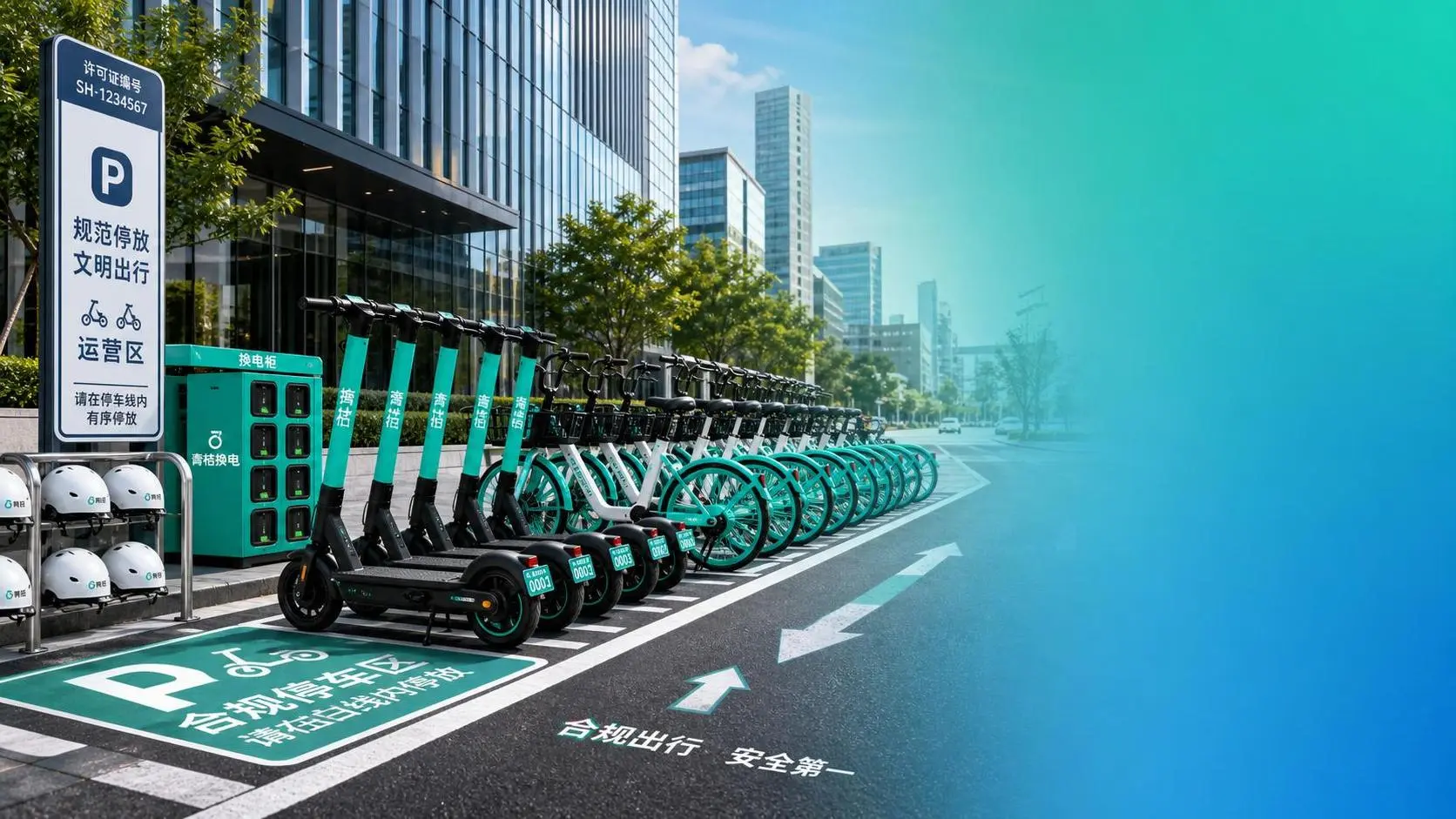
Shared Mobility Compliance Checklist: Permits, Safety Rules, and Fleet Data Requirements
Shared mobility compliance made simple: explore a practical checklist for permits, safety rules, and fleet data requirements to launch faster, reduce risk, and stay audit-ready.
What Affects Ebike Energy Efficiency? Battery Size, Rider Weight, Terrain, and Speed
Ebike energy efficiency explained: learn how battery size, rider weight, terrain, and speed shape real-world range, lower Wh/km, and smarter buying or commuting decisions.

Wireless Electronic Shifting in North America: Compatibility, Standards, and Upgrade Limits
Wireless electronic shifting North America explained: compare compatibility, FCC/ISED standards, retrofit limits, and upgrade risks before choosing the right platform.