
Related News
- 00
0000-00
How to Evaluate a Green Two-Wheelers Supplier for Quality Control and Delivery Stability - 00
0000-00
How Electric Mobility Components Shape Range, Reliability, and Maintenance Planning - 00
0000-00
Precision Drivetrain Market: What Buyers Should Track in Cost, Lead Times, and Supply Risk - 00
0000-00
Battery Swapping Network Cost Breakdown: Hardware, Site Fees, and Maintenance - 00
0000-00
How to Use a Market Intelligence Report to Evaluate EV Two-Wheeler Opportunities
Ms. Elena Rodriguez
Weekly Insights
Stay ahead with our curated technology reports delivered every Monday.
Precision Drivetrain Market: What Buyers Should Track in Cost, Lead Times, and Supply Risk





Precision Drivetrain Market: What Buyers Should Track in Cost, Lead Times, and Supply Risk
In the precision drivetrain market, unit price is no longer the full story.
A low quote can quickly lose value when lead times stretch, yields slip, or one supplier controls a critical subcomponent.
That shift is especially visible across e-bikes, smart e-scooters, and high-performance bicycle transmission systems.
The market now rewards sourcing teams that track cost drivers, technical dependencies, and supply resilience at the same time.
This makes the precision drivetrain market less about finding the cheapest source and more about building a stable purchasing model.
From recent changes, the stronger signal is clear: procurement decisions now sit closer to engineering and risk management than before.
Why the Precision Drivetrain Market Feels More Volatile
The precision drivetrain market depends on tight tolerances, material consistency, and repeatable assembly quality.
That means even small disruptions can affect production cost and delivery reliability.
Steel prices, aluminum availability, surface treatment capacity, and bearing supply all influence landed cost.
At the same time, drivetrain buyers are facing shorter product cycles and higher performance expectations.
This is common in derailleur systems, cassette assemblies, cranksets, chainrings, and electronic shifting interfaces.
A supplier may hold price for one quarter, then reopen terms after plating, machining, or freight costs change.
In practical sourcing work, volatility often enters through secondary processes, not the core part alone.
Three Forces Behind Current Instability
- Higher precision requirements are reducing the pool of capable suppliers.
- Electrified mobility growth is increasing competition for shared materials and machining capacity.
- Regional policy shifts are changing trade costs, compliance steps, and delivery routes.
What to Watch in Cost Beyond the Quoted Price
In the precision drivetrain market, quoted unit cost is only the visible layer.
A better buying view includes tooling, scrap exposure, inspection effort, warranty risk, and inventory carrying cost.
This matters when a lower-cost supplier creates rework, inconsistent shifting performance, or premature wear.
Those hidden costs usually appear later, after product launch or during seasonal demand peaks.
More buyers are now comparing total acquisition cost instead of pure purchase price.
Key Cost Signals Worth Tracking
- Raw material pass-through clauses for steel, aluminum, carbon composites, and specialty alloys.
- Yield loss at machining, forging, heat treatment, anodizing, and coating stages.
- Inspection frequency required for tolerance-critical parts.
- Packaging standards needed to prevent corrosion or transport damage.
- MOQ pressure that forces excess stock into slower demand periods.
A useful method is to break every program into fixed and variable cost buckets.
Then test which items move with volume and which ones rise even when orders stay flat.
This gives a more realistic picture of cost exposure in the precision drivetrain market.
Simple Cost Review Table
Lead Times in the Precision Drivetrain Market Are More Layered Than They Look
Lead time in the precision drivetrain market is rarely one number.
It is a chain of engineering approval, tooling, pilot production, test validation, full-rate output, and shipment.
The quoted lead time may only reflect final assembly, not the slowest upstream constraint.
This is why some programs miss launch windows even when purchase orders were placed early.
Where Delays Usually Start
- Tooling revisions after first article inspection failures.
- Heat treatment bottlenecks for hardened gears and wear components.
- Surface finishing queues during peak export cycles.
- Electronic component shortages in smart shifting systems.
- Port congestion or customs review on mixed shipments.
A more accurate lead-time review splits supplier promises into process-level milestones.
That includes raw material release, machining slot, finishing window, assembly start, and dispatch date.
Once those checkpoints are visible, delivery risk becomes easier to compare across suppliers.
How to Read Supply Risk in a More Practical Way
Supply risk in the precision drivetrain market is often hidden behind capable samples and attractive pricing.
The real question is whether the supplier can repeat performance at scale and through demand swings.
This matters most for high-precision parts where fit, noise, wear, and shifting response affect brand reputation.
Critical Risk Indicators
- Single-source dependence on forged blanks, bearings, springs, magnets, or controllers.
- Heavy reliance on subcontractors for coating, testing, or electronics assembly.
- Weak batch traceability across multiple factories.
- Low inventory visibility for critical components.
- Financial stress signs, including aggressive deposit demands or unstable payment terms.
In actual business, the strongest warning sign is not always a missed shipment.
It can be slower response on engineering changes, rising defect disputes, or vague answers about upstream sources.
These details often reveal strain before production interruption becomes visible.
What Stronger Supplier Evaluation Looks Like Now
The precision drivetrain market now favors supplier reviews that combine commercial, technical, and operational checks.
Price comparisons still matter, but they need support from process data and supply continuity evidence.
A balanced scorecard works better than a quote sheet alone.
Useful Evaluation Points
- Check process capability for tolerance-critical features, not just final inspection results.
- Review lead-time history across normal and peak seasons.
- Map single-point dependencies at material, process, and logistics levels.
- Ask for change-control discipline on tooling, drawings, and approved materials.
- Test communication speed during sample issues or urgent engineering revisions.
This approach gives a clearer view of who can support stable growth in the precision drivetrain market.
It also helps separate technically competent suppliers from those who simply quote fast.
A Smarter Buying Approach for the Next Sourcing Cycle
The precision drivetrain market is still full of opportunity, but it demands sharper purchasing discipline.
The best decisions now come from linking cost review, lead-time visibility, and supply risk analysis together.
That means building sourcing plans around total cost, milestone-based delivery tracking, and risk-weighted supplier selection.
For teams buying derailleur parts, drive components, or smart shifting assemblies, this is no longer optional.
It is the practical path to protecting margin and securing continuity.
Start with the suppliers that matter most by spend, technical complexity, and launch criticality.
Then build a short watchlist of cost triggers, lead-time checkpoints, and upstream dependencies.
That simple discipline creates better visibility across the precision drivetrain market.
And in a market shaped by speed, quality, and supply pressure, better visibility usually leads to better buying outcomes.
Related News

Why Green Scooter Demand Is Rising in Shared Mobility and Last-Mile Delivery
Green scooter demand is rising fast in shared mobility and last-mile delivery. See what drives this shift, how cities and fleets benefit, and where the biggest growth opportunities are.

Smart Urban Travel Options Explained: Which Electric Commuter Setup Fits Daily City Use?
Smart urban travel made simple: compare e-bikes, smart e-scooters, and high-speed e-motorcycles to find the best fit for daily city commuting, cost, comfort, and convenience.
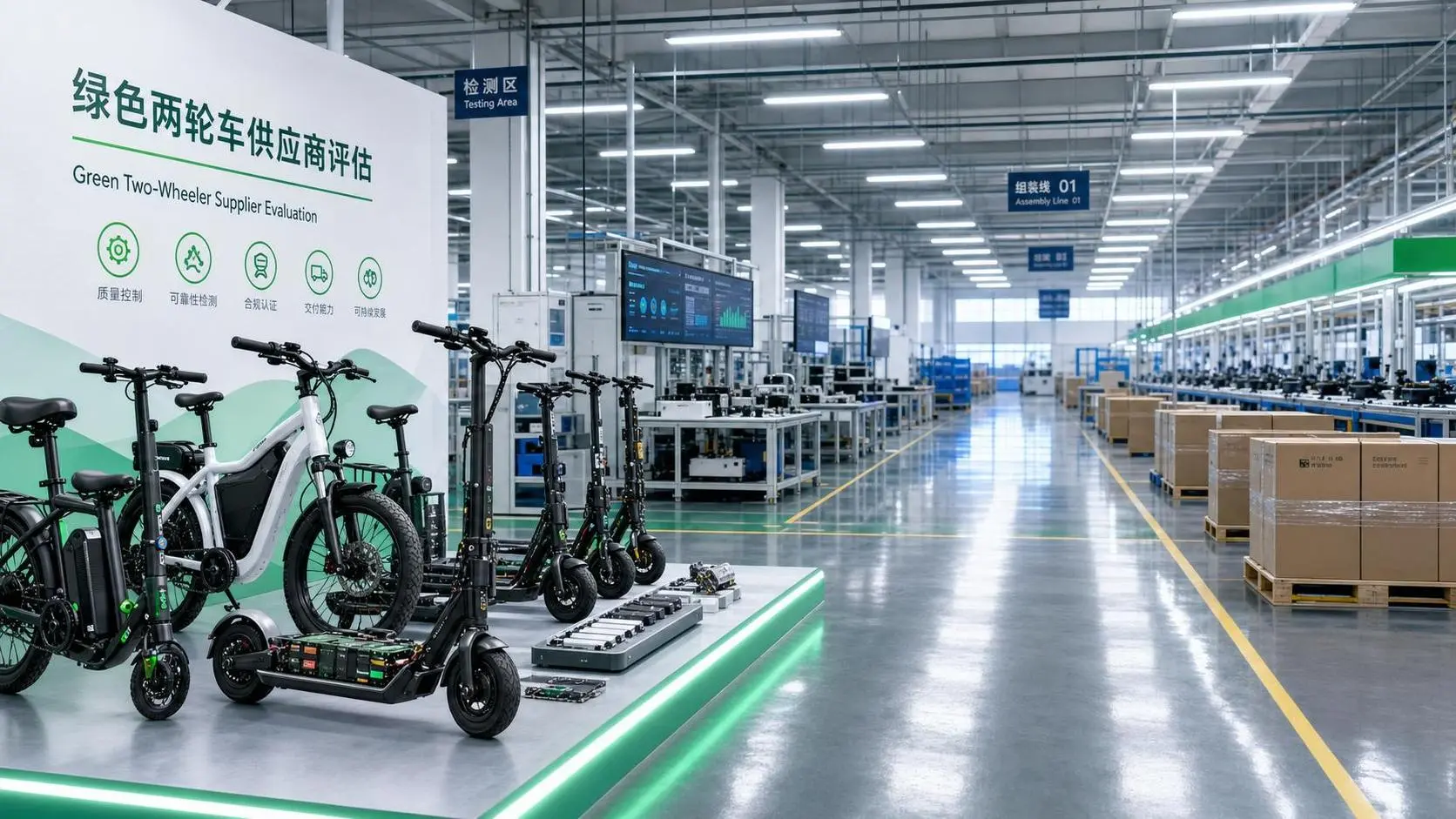
How to Evaluate a Green Two-Wheelers Supplier for Quality Control and Delivery Stability
Green two-wheelers supplier evaluation starts with quality control and delivery stability. Learn how to assess compliance, traceability, and factory reliability before you source.
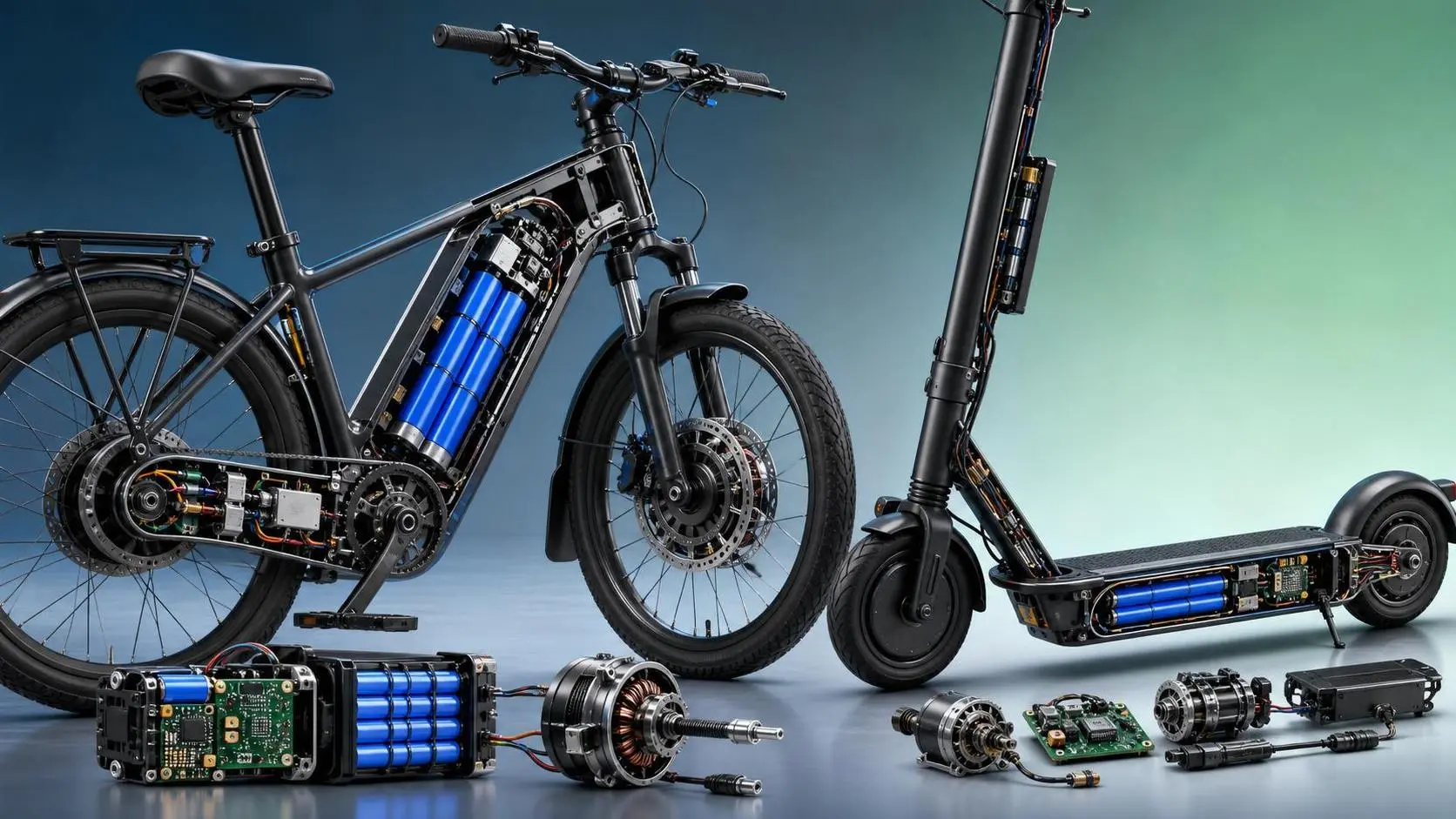
How Electric Mobility Components Shape Range, Reliability, and Maintenance Planning
Electric mobility components shape real-world range, reliability, and maintenance costs. Learn how batteries, motors, controllers, and sensors affect fleet uptime and smarter service planning.

Electric Drivetrain Technology Explained: Motors, Controllers, and Efficiency
Electric drivetrain technology explained clearly: compare motors, controllers, thermal management, and efficiency to choose smarter, longer-lasting e-bike, e-scooter, and e-motorcycle systems.

Urban Electric Vehicles Market Trends: Where Demand Is Rising Fastest
Urban electric vehicles market demand is rising fastest in dense cities with strong policy support, better infrastructure, and reliable e-mobility tech. Explore where growth is accelerating next.

Urban Electric Vehicles Market: Key Growth Drivers and Adoption Challenges
Urban electric vehicles market trends, growth drivers, and adoption challenges explained. Discover how policy, battery tech, safety, and urban mobility demand are shaping the next wave.
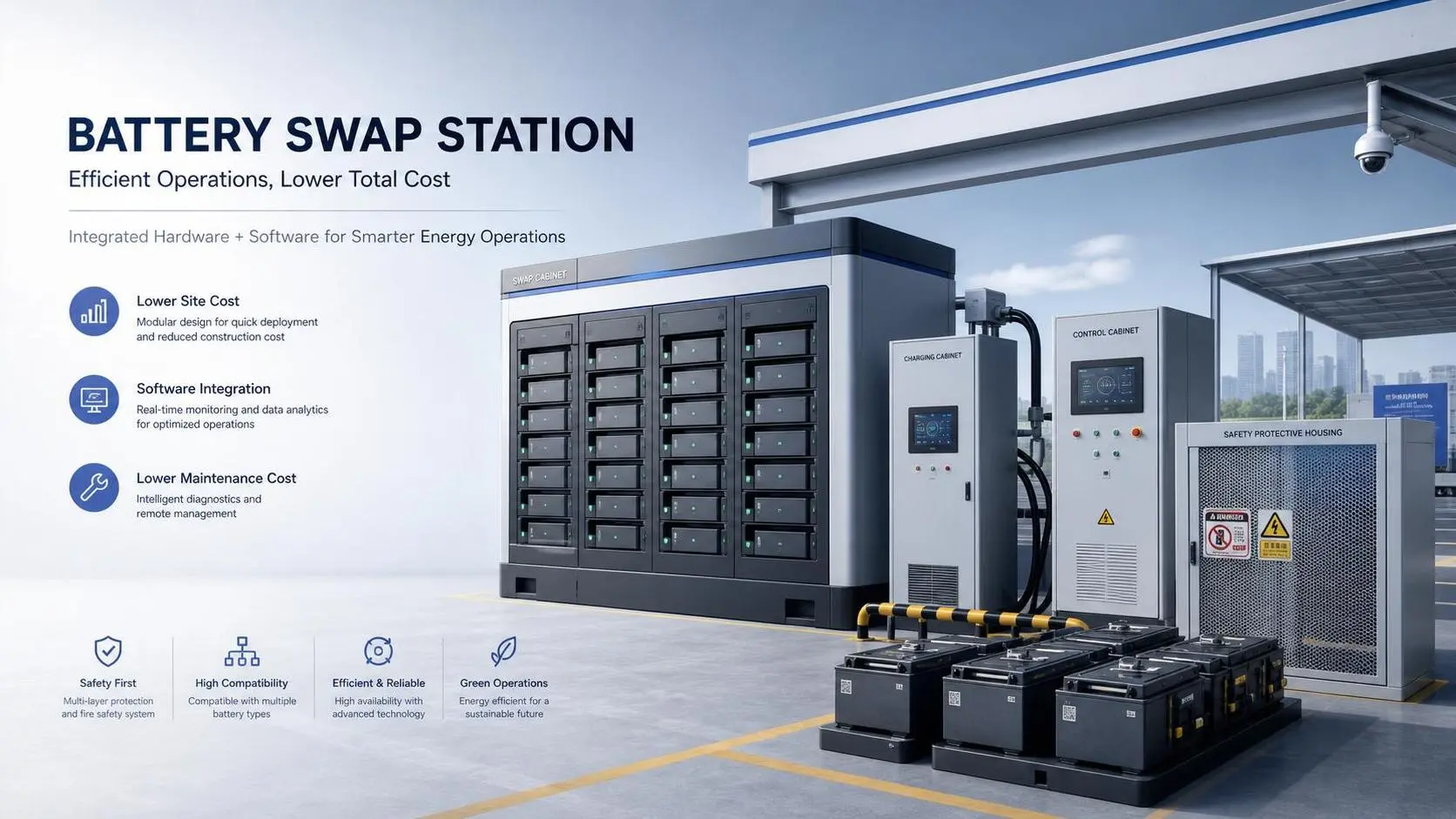
Battery Swapping Network Cost Breakdown: Hardware, Site Fees, and Maintenance
Battery swapping network cost explained: compare hardware, site fees, software, and maintenance to plan smarter rollouts, reduce downtime, and improve ROI.

Battery Swapping Network Cost: What Drives Setup and Operating Expenses?
Battery swapping network cost explained: discover what drives setup and operating expenses, from station hardware to battery inventory, and learn how to improve ROI and scale smarter.