
Related News
- 00
0000-00
Why Green Scooter Demand Is Rising in Shared Mobility and Last-Mile Delivery - 00
0000-00
Micro Mobility Report: Which Metrics Matter Most for City Fleet Planning - 00
0000-00
Common Scooter Battery Issues and How to Troubleshoot Range Drop, Heat, and Charging Faults - 00
0000-00
How Battery-Swapping Networks Work for Shared Fleet Scooters - 00
0000-00
Shared Scooters Supplier Checklist: What to Compare Before Fleet Procurement
Urban Transit Fellow
Weekly Insights
Stay ahead with our curated technology reports delivered every Monday.
Why Green Scooter Demand Is Rising in Shared Mobility and Last-Mile Delivery





Why green scooter demand is becoming a structural market shift
Green scooter demand is no longer a niche signal inside urban mobility. It is becoming a structural response to how cities now manage congestion, emissions, delivery pressure, and street-level efficiency.
That change is especially visible in shared mobility and last-mile delivery. Both sectors depend on fast vehicle turnover, predictable operating cost, and access to increasingly regulated urban corridors.
In that context, green scooters are moving from an optional sustainability upgrade to a strategic operating asset. They help reduce fuel dependency, support compliance goals, and improve fleet productivity when deployed well.
From the perspective of UMMS, this shift also reflects a broader transition in micro-mobility. Electrified two-wheelers are no longer judged only by range or speed, but by system intelligence, battery efficiency, and integration with urban transport logic.
The rise in green scooter demand therefore says something larger about the market. It signals that operators are buying into a new operating model, not simply a different vehicle format.
The strongest signals are coming from city streets, not slide decks
Recent demand patterns show that green scooter demand is accelerating where short-distance trips are dense, parking space is scarce, and delivery windows are getting tighter.
Shared fleets are seeing pressure to improve asset utilization while reducing maintenance disruption. Delivery networks face a different challenge: how to keep service levels high while absorbing fuel volatility and urban access restrictions.
More cities are also tightening rules around emissions zones, curb use, and traffic flow. That gives green scooters an advantage in neighborhoods where conventional vehicle access is becoming slower, costlier, or politically difficult.
What matters here is not only policy. Commuter behavior has changed as well. Users increasingly expect flexible, app-connected, low-friction transport that covers the last mile without the delays of private cars or crowded transit links.
This is why green scooter demand is rising across both B2C mobility platforms and operational logistics networks. The use cases differ, but the economic logic is starting to converge.
Why this demand is rising now
Several forces are reinforcing each other. None of them alone explains the market. Together, they make green scooter demand much harder to ignore.
- Carbon reduction targets are moving from branding language into operational requirements, especially in urban transport and delivery contracts.
- Congestion costs are climbing, making smaller electric two-wheelers more attractive for dense, short-distance movement.
- Fleet technology has improved, with better IoT visibility, battery management, anti-theft control, and remote diagnostics.
- Energy and maintenance economics increasingly favor electric micro-mobility over fuel-based alternatives in many city routes.
- Investors and public authorities now look more closely at lifecycle efficiency, not just initial vehicle deployment numbers.
A more subtle factor is product maturity. Earlier generations of scooters often struggled with durability, weak data visibility, or poor charging discipline.
That picture is changing. Smarter e-scooters now combine lightweight frames, more stable drivetrain performance, and richer telemetry. The result is lower uncertainty around uptime and total fleet control.
UMMS follows this closely because the story is not just about scooters themselves. It also depends on battery logic, electric powertrain reliability, braking response, precision components, and weather-facing safety systems.
Shared mobility and delivery are pulling demand in different ways
The same green scooter demand does not look identical in every business model. In practice, the decision criteria shift by application intensity and route structure.
In shared mobility, green scooter demand is tied closely to rider experience and municipal acceptance. Poorly managed fleets lose support quickly, even if demand exists.
In last-mile delivery, the calculation is more operational. If a scooter can complete dense urban routes with lower energy cost and fewer service interruptions, adoption becomes easier to justify.
That difference matters because it shapes product specification, software requirements, and infrastructure planning. A fleet built for casual ride sharing will not automatically fit delivery economics.
The market is rewarding systems thinking, not standalone vehicles
One reason green scooter demand is holding up is that buyers are becoming more sophisticated. Attention is shifting from unit price toward whole-system performance.
That includes battery health tracking, charging workflows, predictive maintenance, component lifespan, and data interoperability with dispatch or fleet management platforms.
This is where the wider micro-mobility ecosystem becomes relevant. UMMS has long tracked how drivetrain precision, thermal management, and electric control architecture shape commercial viability across two-wheel categories.
The same logic now applies to green scooters. Operators want cleaner mobility, but they also want measurable uptime, route reliability, and parts resilience under real urban stress.
A scooter with weak battery governance or fragile components may still launch well. It rarely scales well. That is one reason the next phase of green scooter demand will favor technically disciplined platforms.
What this shift changes for market planning
The increase in green scooter demand affects more than vehicle procurement. It changes how expansion, partnerships, compliance, and service design need to be evaluated.
Three planning implications stand out.
- City-by-city demand analysis becomes more important than broad national assumptions, because regulation and route economics vary sharply.
- Charging and battery-swapping logic can become a competitive differentiator, especially in high-frequency delivery corridors.
- Component quality now matters at a strategic level, since downtime and replacement cycles can erase headline savings.
More noticeable now is the link between green scooter demand and reporting capability. Urban authorities increasingly ask for proof of safety, emissions benefit, and responsible fleet operation.
That means market access may depend as much on data transparency as on hardware availability. Operators that can document route efficiency and fleet behavior will likely gain stronger policy alignment.
The next signals to watch are practical, not theoretical
Green scooter demand will keep rising, but the shape of that growth will depend on a few practical signals. These are better indicators than broad enthusiasm alone.
- Whether cities expand low-emission access zones and dedicated micro-mobility infrastructure.
- Whether fleet operators can improve battery rotation and reduce idle charging losses.
- Whether delivery economics remain favorable when labor, maintenance, and software costs are fully counted.
- Whether component suppliers can support longer life cycles under intensive commercial usage.
In other words, the market will not be decided by sustainability messaging alone. It will be decided by whether green scooters keep proving themselves as reliable urban workhorses.
That is also why intelligence platforms such as UMMS matter in this cycle. The market is increasingly technical, policy-linked, and operationally data-driven at the same time.
A useful response starts with sharper questions
The smartest next step is not to treat green scooter demand as a generic growth theme. It is to break the demand into route type, regulation level, fleet intensity, and support infrastructure.
That makes it easier to compare city opportunities, identify technical gaps, and avoid mismatches between product design and operating environment.
A practical review can start with four questions:
- Which urban routes now favor green scooters over vans, motorcycles, or low-utilization cars?
- Which technical metrics actually determine uptime in the intended use cycle?
- Which regulatory shifts could quickly reshape fleet economics in target cities?
- Which component and battery choices best support long-term operating consistency?
Green scooter demand is rising because urban movement is being redesigned around efficiency, electrification, and accountability. The opportunity is real, but it rewards careful market reading more than broad optimism.
Those tracking the sector closely should keep watching the intersection of policy, fleet software, battery management, and component reliability. That is where the next advantage will likely be built.
Related News
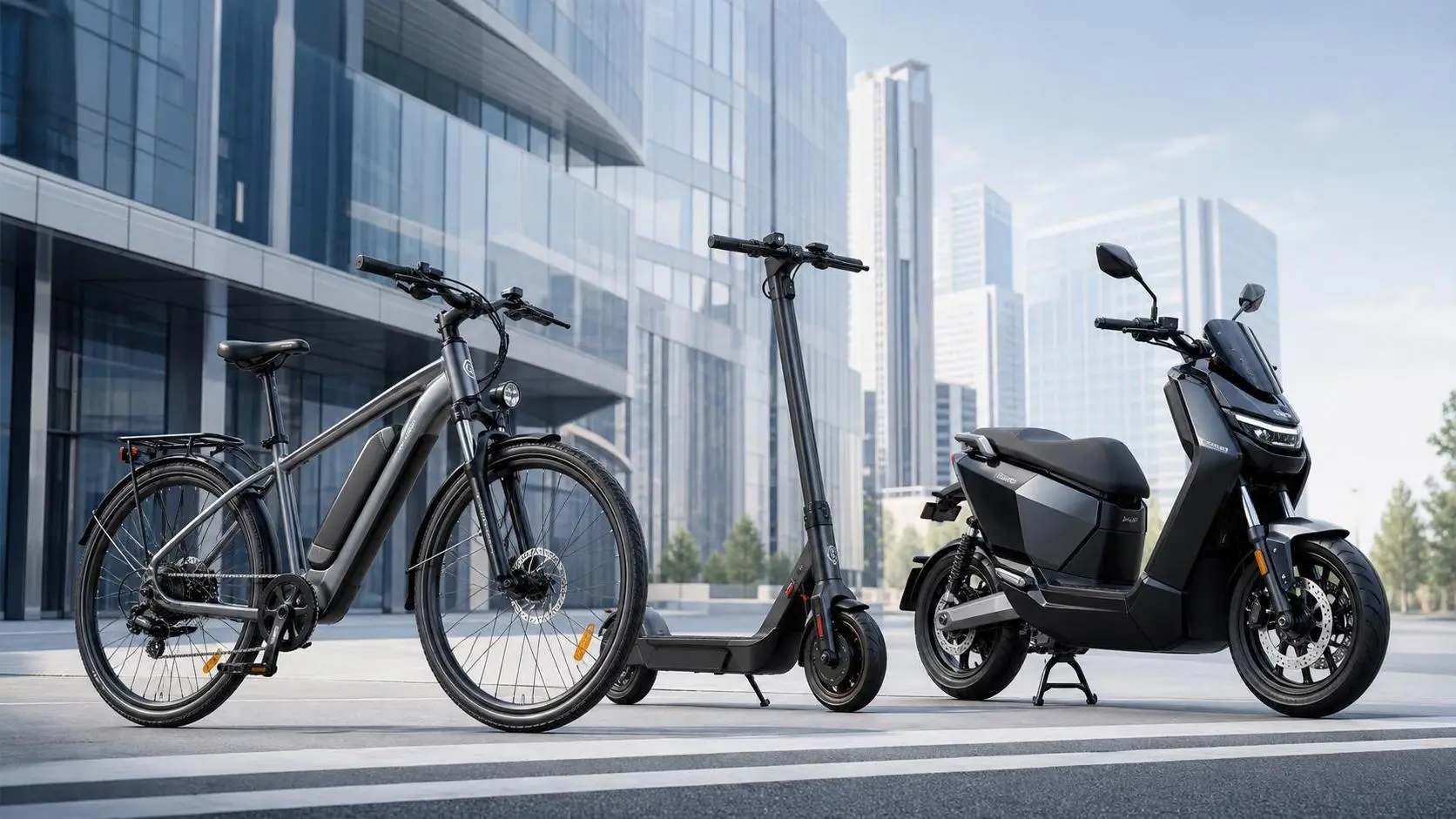
Smart Urban Travel Options Explained: Which Electric Commuter Setup Fits Daily City Use?
Smart urban travel made simple: compare e-bikes, smart e-scooters, and high-speed e-motorcycles to find the best fit for daily city commuting, cost, comfort, and convenience.
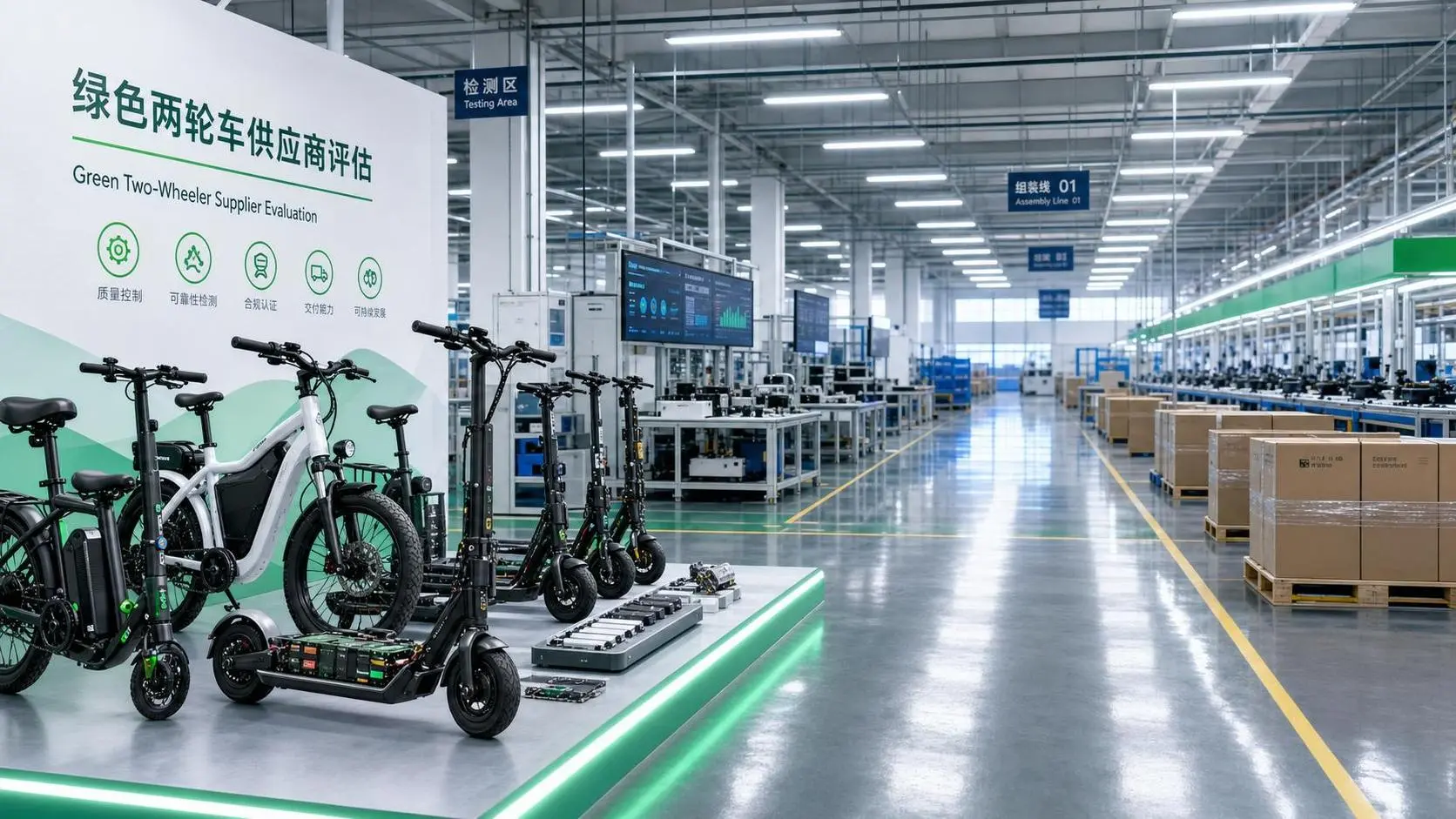
How to Evaluate a Green Two-Wheelers Supplier for Quality Control and Delivery Stability
Green two-wheelers supplier evaluation starts with quality control and delivery stability. Learn how to assess compliance, traceability, and factory reliability before you source.
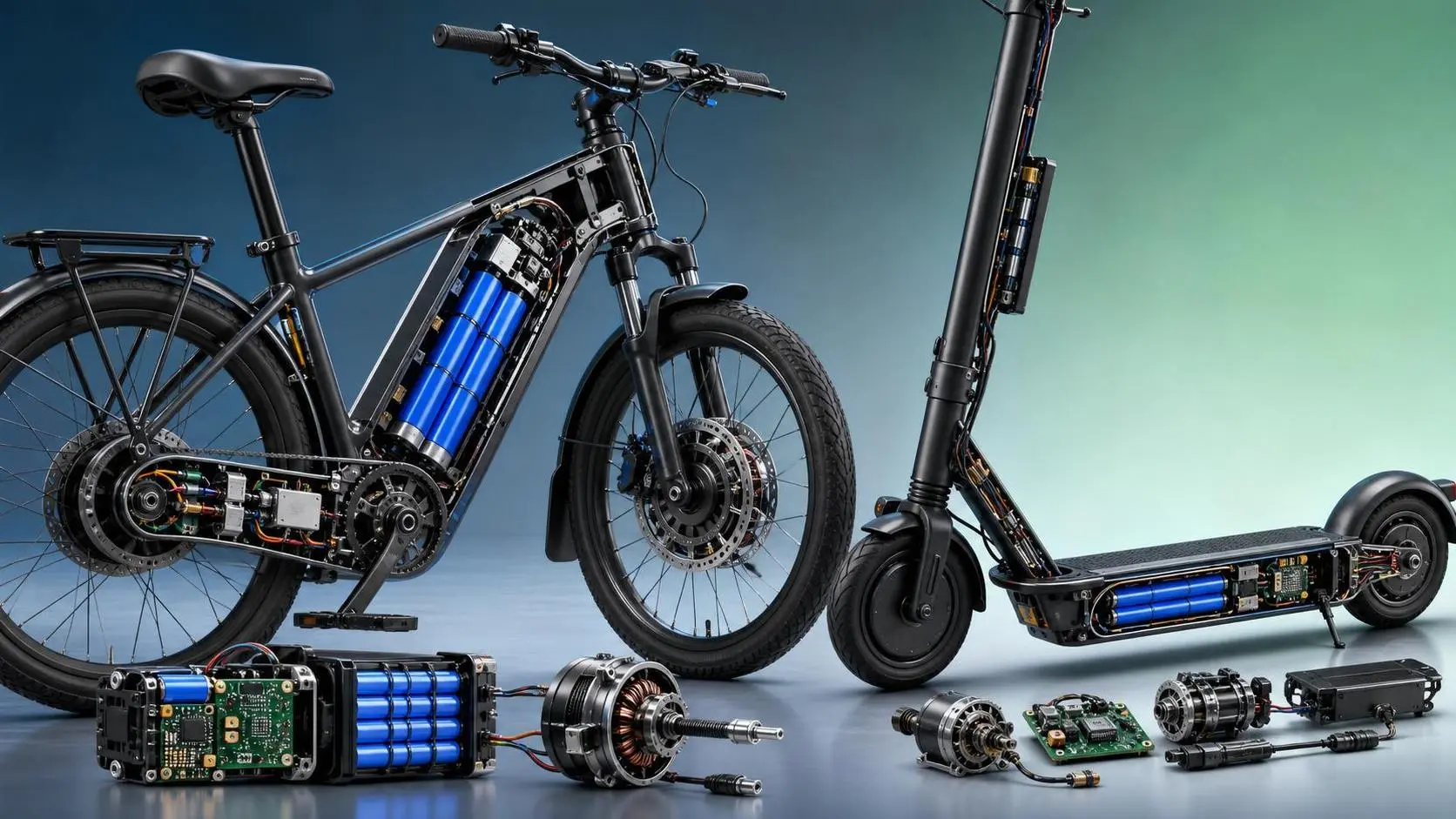
How Electric Mobility Components Shape Range, Reliability, and Maintenance Planning
Electric mobility components shape real-world range, reliability, and maintenance costs. Learn how batteries, motors, controllers, and sensors affect fleet uptime and smarter service planning.

Precision Drivetrain Market: What Buyers Should Track in Cost, Lead Times, and Supply Risk
Precision drivetrain market buyers must look beyond unit price. Learn how to track true cost, lead times, and supply risk to protect margins and choose more reliable suppliers.

Electric Drivetrain Technology Explained: Motors, Controllers, and Efficiency
Electric drivetrain technology explained clearly: compare motors, controllers, thermal management, and efficiency to choose smarter, longer-lasting e-bike, e-scooter, and e-motorcycle systems.
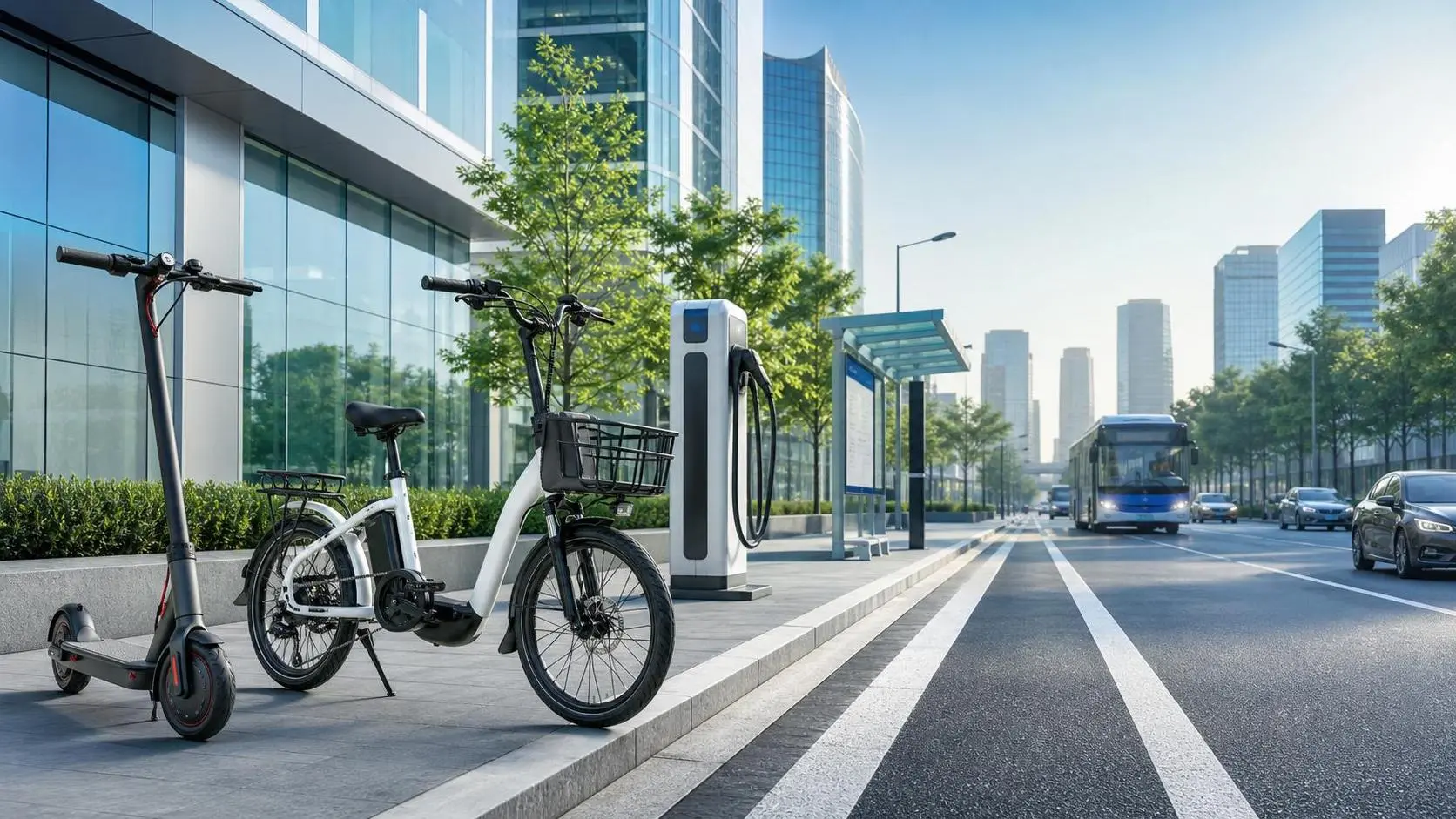
Urban Electric Vehicles Market Trends: Where Demand Is Rising Fastest
Urban electric vehicles market demand is rising fastest in dense cities with strong policy support, better infrastructure, and reliable e-mobility tech. Explore where growth is accelerating next.
Urban Electric Vehicles Market: Key Growth Drivers and Adoption Challenges
Urban electric vehicles market trends, growth drivers, and adoption challenges explained. Discover how policy, battery tech, safety, and urban mobility demand are shaping the next wave.
Battery Swapping Network Cost Breakdown: Hardware, Site Fees, and Maintenance
Battery swapping network cost explained: compare hardware, site fees, software, and maintenance to plan smarter rollouts, reduce downtime, and improve ROI.
Battery Swapping Network Cost: What Drives Setup and Operating Expenses?
Battery swapping network cost explained: discover what drives setup and operating expenses, from station hardware to battery inventory, and learn how to improve ROI and scale smarter.