
Related News
- 00
0000-00
How to Evaluate a Green Two-Wheelers Supplier for Quality Control and Delivery Stability - 00
0000-00
How Electric Mobility Components Shape Range, Reliability, and Maintenance Planning - 00
0000-00
Precision Drivetrain Market: What Buyers Should Track in Cost, Lead Times, and Supply Risk - 00
0000-00
Battery Swapping Network Cost Breakdown: Hardware, Site Fees, and Maintenance - 00
0000-00
How to Use a Market Intelligence Report to Evaluate EV Two-Wheeler Opportunities
Ms. Elena Rodriguez
Weekly Insights
Stay ahead with our curated technology reports delivered every Monday.
How Electric Mobility Components Shape Range, Reliability, and Maintenance Planning





How Electric Mobility Components Shape Range, Reliability, and Maintenance Planning
From battery systems and motors to controllers, sensors, and drivetrain assemblies, electric mobility components decide whether a fleet performs smoothly or becomes expensive to manage.
That matters even more in urban micro-mobility, where service windows are tight, usage is uneven, and component stress changes by route, weather, and rider behavior.
For teams building e-bikes, smart e-scooters, and high-speed e-motorcycles, the real question is not only performance on paper.
The practical question is how electric mobility components influence range, long-term reliability, and maintenance planning under real operating conditions.
A useful technical review starts by looking at the system, not isolated parts. Range loss, fault frequency, and service cost usually come from component interaction.
Why Electric Mobility Components Must Be Evaluated as a System
Many failures are not caused by a single bad part. They emerge when one component operates outside the stable window of another.
A battery may be healthy, yet poor controller mapping can create current spikes. Those spikes increase heat, shorten range, and accelerate connector fatigue.
Likewise, a high-efficiency motor can still deliver weak field performance if the drivetrain ratio, tire pressure, and regenerative logic are poorly matched.
This is why electric mobility components should be reviewed as a linked architecture covering energy storage, power conversion, mechanical transfer, sensing, and thermal control.
In practice, the most reliable programs define component compatibility early. They set operating thresholds before procurement, field deployment, and maintenance scheduling.
- Electrical compatibility between battery, BMS, controller, and charger
- Mechanical compatibility across drivetrain, frame loads, and wheel assembly
- Thermal compatibility under peak acceleration, hill climbing, and stop-start duty
- Data compatibility for fault logging, telematics, and service diagnostics
Battery Systems and the Real Limits of Range
When people discuss range, they usually focus on battery capacity. That is only the starting point.
Battery chemistry, cell matching, BMS calibration, and temperature behavior all shape usable energy, not just nominal watt-hours.
Two packs with similar rated capacity may deliver very different daily range. The difference often comes from voltage sag, thermal protection, and imbalance growth.
Among electric mobility components, the battery pack has the strongest effect on lifecycle cost because it influences both uptime and replacement timing.
A strong battery strategy usually includes the following checks:
- Track usable energy instead of rated energy alone.
- Measure performance across seasonal temperature ranges.
- Review charge-discharge profiles under actual route loads.
- Monitor cell deviation and connector resistance trends.
- Set replacement thresholds before visible range complaints appear.
For dense urban duty cycles, frequent partial charging may support uptime. However, the BMS must handle those patterns without creating misleading state-of-charge readings.
That is where component quality and software logic meet. Good electric mobility components are not only durable. They are predictable in how they age.
Motors, Controllers, and Drivetrain Efficiency
Motor selection affects more than acceleration. It shapes energy draw, heat buildup, rider feel, and service intervals.
Hub motors simplify packaging and reduce drivetrain complexity. Mid-drive systems can improve climbing efficiency and weight balance in demanding applications.
Still, the motor never works alone. Controller tuning determines torque delivery, regenerative behavior, and current stability.
Poor controller calibration can make good electric mobility components look unreliable in the field. Surging, thermal cutoff, and rough low-speed response are common signs.
Mechanical transmission also matters, especially for e-bikes and performance two-wheelers. Chain wear, derailleur alignment, and gear ratio selection directly affect energy efficiency.
This is where precision bicycle components become part of the electric story. A drivetrain with high friction steals range from every ride.
Sensors, Connectors, and Small Parts That Drive Big Failures
Not all critical electric mobility components are expensive or large. Sensors, harnesses, seals, and connectors often decide real-world reliability.
A degraded hall sensor can trigger unstable power output. A weak connector seal can introduce moisture faults that appear only after washing or rain exposure.
In shared scooter fleets, vibration is a major stress source. In e-motorcycles, peak current and heat are usually the bigger issues.
Different operating profiles create different weak points. That is why standard bill-of-material review is not enough.
Field teams should connect failure data to route type, user density, charging pattern, and local weather. The signal becomes clearer very quickly.
- Check ingress protection on exposed connectors and sensor housings
- Validate strain relief on cables near steering and folding points
- Review vibration resistance for telematics and display modules
- Set inspection frequency by operating environment, not fixed calendar only
How Reliability Data Should Shape Maintenance Planning
Maintenance planning becomes effective when it moves from reactive repair to condition-based scheduling.
That shift depends on how well electric mobility components report health status through logs, diagnostics, and serviceable data points.
Battery temperature drift, controller overcurrent events, brake sensor faults, and transmission wear should be treated as planning inputs, not afterthoughts.
A useful maintenance model combines mileage, ride intensity, environmental exposure, and fault recurrence. This produces more realistic service intervals.
Teams can structure maintenance planning around three layers:
- Preventive checks for high-wear electric mobility components
- Predictive replacement based on trend data and fault thresholds
- Root-cause review when repeated failures cluster by model or route
This approach improves spare parts planning too. Stocking decisions become tied to actual failure patterns instead of rough assumptions.
For growing urban programs, that is critical. Overstock increases capital lockup, while understock extends downtime and damages service availability.
Standards, Validation, and Procurement Decisions
Technical procurement should go beyond brochure specifications. Validation standards and test methods are where component risk becomes visible.
For electric mobility components, teams should compare lab data with route-specific duty cycles. A passing test does not always equal reliable field behavior.
Useful review areas include thermal cycling, vibration endurance, water resistance, connector retention force, charge efficiency, and firmware stability after updates.
It also helps to demand traceability. If a pack, controller batch, or drivetrain lot changes, service teams should know exactly what changed.
That level of control supports cleaner warranty analysis and faster containment when a failure pattern appears in the field.
- Request batch-level traceability for critical electric mobility components
- Link supplier approval to validation under realistic urban duty cycles
- Define firmware governance before large deployment
- Align service manuals with actual failure modes seen in operation
A Practical Framework for Better Component Decisions
The strongest micro-mobility programs do not chase isolated peak specifications. They prioritize balanced electric mobility components with stable system behavior.
That means asking a consistent set of questions before scaling a platform or refreshing a fleet.
- Which components most strongly affect usable range in real traffic?
- Which failure modes create the longest downtime per incident?
- Which parts show early drift before full failure?
- Which suppliers provide stable traceability and update control?
- Which maintenance intervals reflect actual duty, not assumed duty?
From a market perspective, this systems view is becoming more important. Urban demand is rising, but tolerance for downtime is shrinking.
That is especially true across e-bikes, smart e-scooters, and high-speed e-motorcycles, where user expectations now include reliability, safety, and predictable service.
In the end, electric mobility components shape more than vehicle performance. They influence planning accuracy, operating cost, and the credibility of every mobility program.
A disciplined review of component interaction, validation data, and maintenance signals is the most practical way to extend range, improve reliability, and plan service with confidence.
Related News

Why Green Scooter Demand Is Rising in Shared Mobility and Last-Mile Delivery
Green scooter demand is rising fast in shared mobility and last-mile delivery. See what drives this shift, how cities and fleets benefit, and where the biggest growth opportunities are.

Smart Urban Travel Options Explained: Which Electric Commuter Setup Fits Daily City Use?
Smart urban travel made simple: compare e-bikes, smart e-scooters, and high-speed e-motorcycles to find the best fit for daily city commuting, cost, comfort, and convenience.
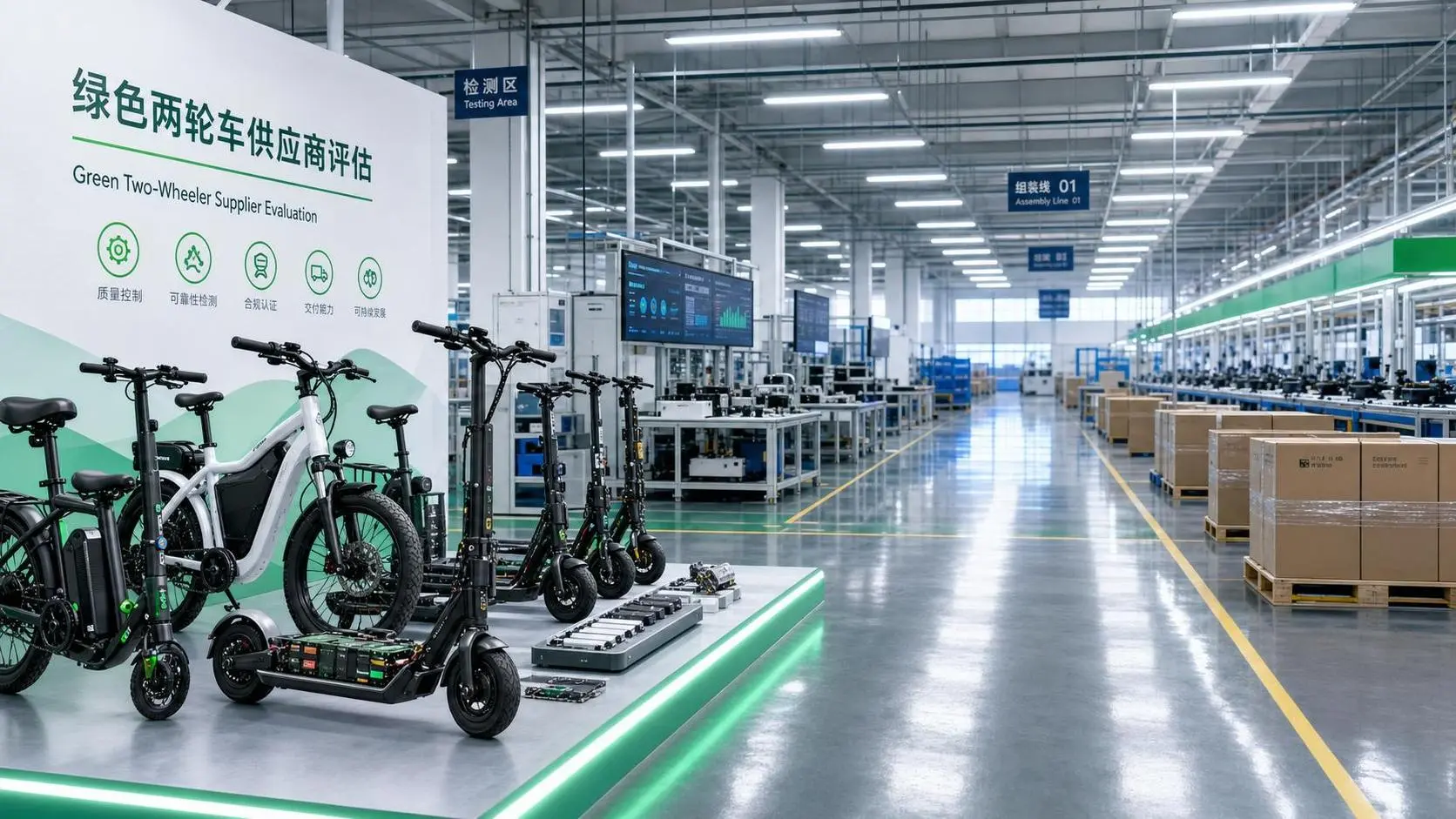
How to Evaluate a Green Two-Wheelers Supplier for Quality Control and Delivery Stability
Green two-wheelers supplier evaluation starts with quality control and delivery stability. Learn how to assess compliance, traceability, and factory reliability before you source.

Precision Drivetrain Market: What Buyers Should Track in Cost, Lead Times, and Supply Risk
Precision drivetrain market buyers must look beyond unit price. Learn how to track true cost, lead times, and supply risk to protect margins and choose more reliable suppliers.
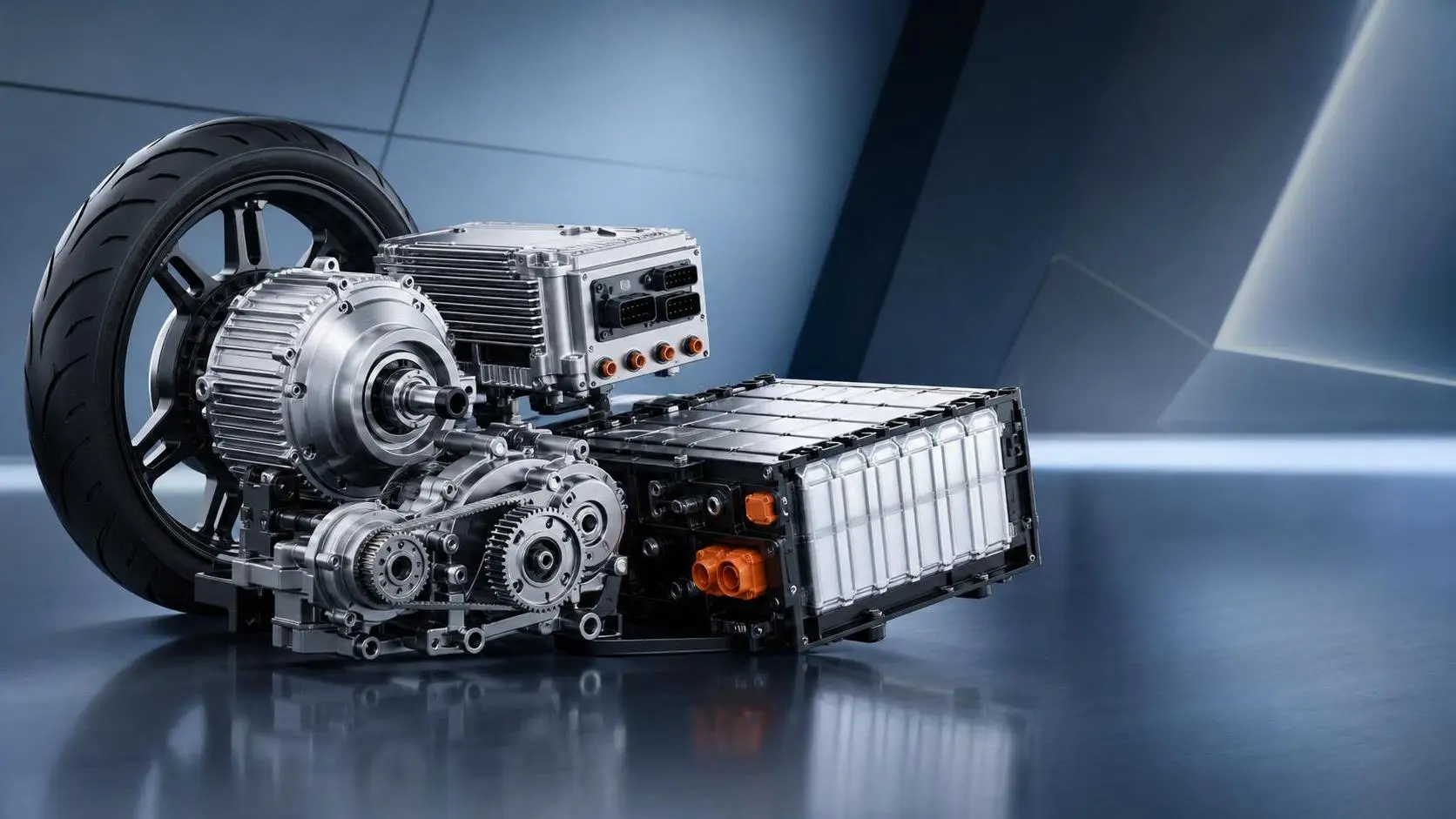
Electric Drivetrain Technology Explained: Motors, Controllers, and Efficiency
Electric drivetrain technology explained clearly: compare motors, controllers, thermal management, and efficiency to choose smarter, longer-lasting e-bike, e-scooter, and e-motorcycle systems.

Urban Electric Vehicles Market Trends: Where Demand Is Rising Fastest
Urban electric vehicles market demand is rising fastest in dense cities with strong policy support, better infrastructure, and reliable e-mobility tech. Explore where growth is accelerating next.

Urban Electric Vehicles Market: Key Growth Drivers and Adoption Challenges
Urban electric vehicles market trends, growth drivers, and adoption challenges explained. Discover how policy, battery tech, safety, and urban mobility demand are shaping the next wave.

Battery Swapping Network Cost Breakdown: Hardware, Site Fees, and Maintenance
Battery swapping network cost explained: compare hardware, site fees, software, and maintenance to plan smarter rollouts, reduce downtime, and improve ROI.

Battery Swapping Network Cost: What Drives Setup and Operating Expenses?
Battery swapping network cost explained: discover what drives setup and operating expenses, from station hardware to battery inventory, and learn how to improve ROI and scale smarter.