
Related News
- 00
0000-00
Smart Urban Travel Options Explained: Which Electric Commuter Setup Fits Daily City Use? - 00
0000-00
Green Scooter Demand: Which Buyer Segments and City Use Cases Are Growing Fast? - 00
0000-00
Urban Congestion E-Bike Solutions: What to Look for in Stop-and-Go City Commuting - 00
0000-00
E Bike Controllers Explained: How to Match Voltage, Current, and Riding Mode - 00
0000-00
Electric Bike Technology for Daily Commuting: Which Features Matter Most?
Micro-Mobility Strategist
Weekly Insights
Stay ahead with our curated technology reports delivered every Monday.
Smart Urban Travel Options Explained: Which Electric Commuter Setup Fits Daily City Use?





Urban commuting has changed from a simple trip between home and work into a daily exercise in time, flexibility, and cost control. That shift is why smart urban travel now matters beyond trend language. Electric commuter options are no longer niche tools for enthusiasts. They are practical mobility setups for crowded streets, short parking windows, and stricter low-emission policies. For anyone comparing e-bikes, smart e-scooters, and high-speed e-motorcycles, the real question is not which category looks most advanced. It is which setup fits the rhythm of daily city use without creating new friction.
The broader micro-mobility industry has been pushing this change for years. Platforms such as UMMS track how battery systems, lightweight frames, drivetrain precision, connected features, and urban regulations are reshaping two-wheeled transport. That wider perspective matters because smart urban travel is not only about speed. It sits at the intersection of energy efficiency, ride quality, safety, local access rules, and the practical realities of carrying a device through modern city life.
What smart urban travel really means in daily use
At a basic level, smart urban travel describes city mobility that uses compact, connected, and energy-efficient transport to reduce friction on short and medium daily trips. The “smart” part is not limited to apps or screens. It also includes how well a vehicle fits infrastructure, charging habits, storage limits, weather conditions, and personal range needs.
In practical terms, a smart setup should solve several problems at once. It should shorten door-to-door travel time, lower dependence on parking, cut fuel or transit expenses, and remain manageable in mixed traffic. It should also match local regulations, since access rules for bike lanes, sidewalks, and registration vary widely by city.
That is why electric commuter choices should be judged as systems, not gadgets. Motor power, battery logic, folding design, braking performance, and even component quality influence whether a vehicle works smoothly every weekday or becomes difficult after the novelty fades.
Why this category is getting more attention now
Several forces are pushing smart urban travel into the mainstream. Cities are becoming denser, parking is more expensive, and public transport remains uneven in many corridors. At the same time, battery technology and motor efficiency have improved enough to make electric commuting more dependable.
Policy also plays a role. Subsidies for e-bikes, low-emission goals, and lane-sharing rules continue to influence which products gain traction. UMMS often highlights these signals because the commuter decision is shaped as much by regulation and infrastructure as by hardware.
More importantly, expectations have matured. Early adopters focused on novelty. Today’s buyers look for reliability, weather readiness, theft deterrence, battery life, maintenance burden, and total cost over time. That shift makes smart urban travel a more serious consumer decision, closer to choosing a primary mobility tool than testing a lifestyle accessory.
How the main electric commuter setups differ
The easiest way to compare urban electric options is to look at the problem each one solves best. E-bikes, smart e-scooters, and high-speed e-motorcycles can all support smart urban travel, but they serve different patterns of movement.
E-bikes: the most balanced option for many cities
E-bikes tend to offer the broadest fit for smart urban travel because they combine electric assistance with familiar bicycle behavior. They handle stop-and-go traffic well, reduce sweat on commutes, and usually work across bike lanes, neighborhood streets, and short detours.
They also scale better with daily variation. A rider can carry groceries, climb bridges, or extend the route without a major energy penalty. Component quality matters here. Drivetrain efficiency, derailleur precision, braking response, and battery management all affect whether the ride feels smooth or tiring over time.
Smart e-scooters: compact convenience with limits
Smart e-scooters excel when portability matters as much as movement. They work well for short station-to-office travel, apartment residents with limited storage, and trips that combine transit and personal mobility.
Their connected features can be useful, especially app-based locking, ride data, and battery tracking. Still, the best smart urban travel choice is not always the smallest one. Scooters usually offer less comfort on poor pavement, less confidence in wet weather, and less carrying ability than e-bikes.
High-speed e-motorcycles: urban power with a different commitment
For commuters crossing large metro areas or using faster urban corridors, high-speed e-motorcycles can make sense. They provide stronger acceleration, better traffic flow matching, and more serious daily range.
But this is a different level of ownership. Licensing, insurance, charging planning, secure parking, and local road access become bigger parts of the equation. In other words, this setup supports smart urban travel only when the commute genuinely requires higher speed and road presence.
What matters more than top speed
Many first-time comparisons focus too heavily on headline range or maximum speed. Daily usability is usually shaped by smaller details. A good electric commuter setup should feel stable on imperfect roads, easy to charge, simple to lock, and realistic to store.
- Trip distance: actual round-trip range with traffic, weather, and rider weight included.
- Access conditions: elevators, hallway space, bike room access, and workplace charging rules.
- Road quality: smooth lanes favor scooters, while mixed surfaces often favor e-bikes.
- Weather exposure: rain, visibility, and braking performance matter more than spec-sheet acceleration.
- Maintenance profile: tires, brakes, chain wear, software updates, and battery replacement timing.
This is where a broader industry view helps. UMMS follows not only vehicles but the supporting technologies behind them, from battery management to precision drivetrain components and visibility systems. That perspective reinforces a simple point: reliable commuting depends on system quality, not isolated features.
Matching the setup to real city scenarios
Different urban patterns lead to different best-fit choices. A five-kilometer commute with two train transfers favors a different vehicle than a fifteen-kilometer trip across outer districts. Smart urban travel works best when the device matches the route structure, not just the rider’s initial preference.
For dense central districts, e-scooters often win on convenience. They fold quickly, fit under desks, and reduce the stress of limited parking. For medium-distance routes with variable terrain, e-bikes usually provide the strongest balance of comfort, cost, and flexibility.
For outer-ring commuters or riders who regularly merge with faster traffic, high-speed e-motorcycles offer a more complete replacement for conventional motor vehicles. The key is to avoid overbuying. More power does not automatically create better smart urban travel if most trips are short and slow.
A practical way to make the decision
A useful decision starts with routine, not product categories. Map the weekly trip pattern first. How far is the typical ride? How often is public transit part of the route? Is there secure storage at both ends? How often does the commute continue in rain or darkness?
Then compare the full ownership picture. Upfront price matters, but so do battery lifespan, charging convenience, replacement parts, accessories, software reliability, and theft protection. A lower-cost option can become expensive if it fails the daily-use test within months.
Finally, pay attention to local rules. Smart urban travel depends on legal fit as much as technical fit. Lane eligibility, speed caps, helmet requirements, registration rules, and parking restrictions can quickly change the value of a setup.
The best next step is to build a simple shortlist using route length, storage limits, weather exposure, and total monthly cost. From there, compare whether an e-bike, smart e-scooter, or high-speed e-motorcycle solves the commute with the least compromise. That approach leads to a more durable choice and a smarter urban travel routine overall.
Related News
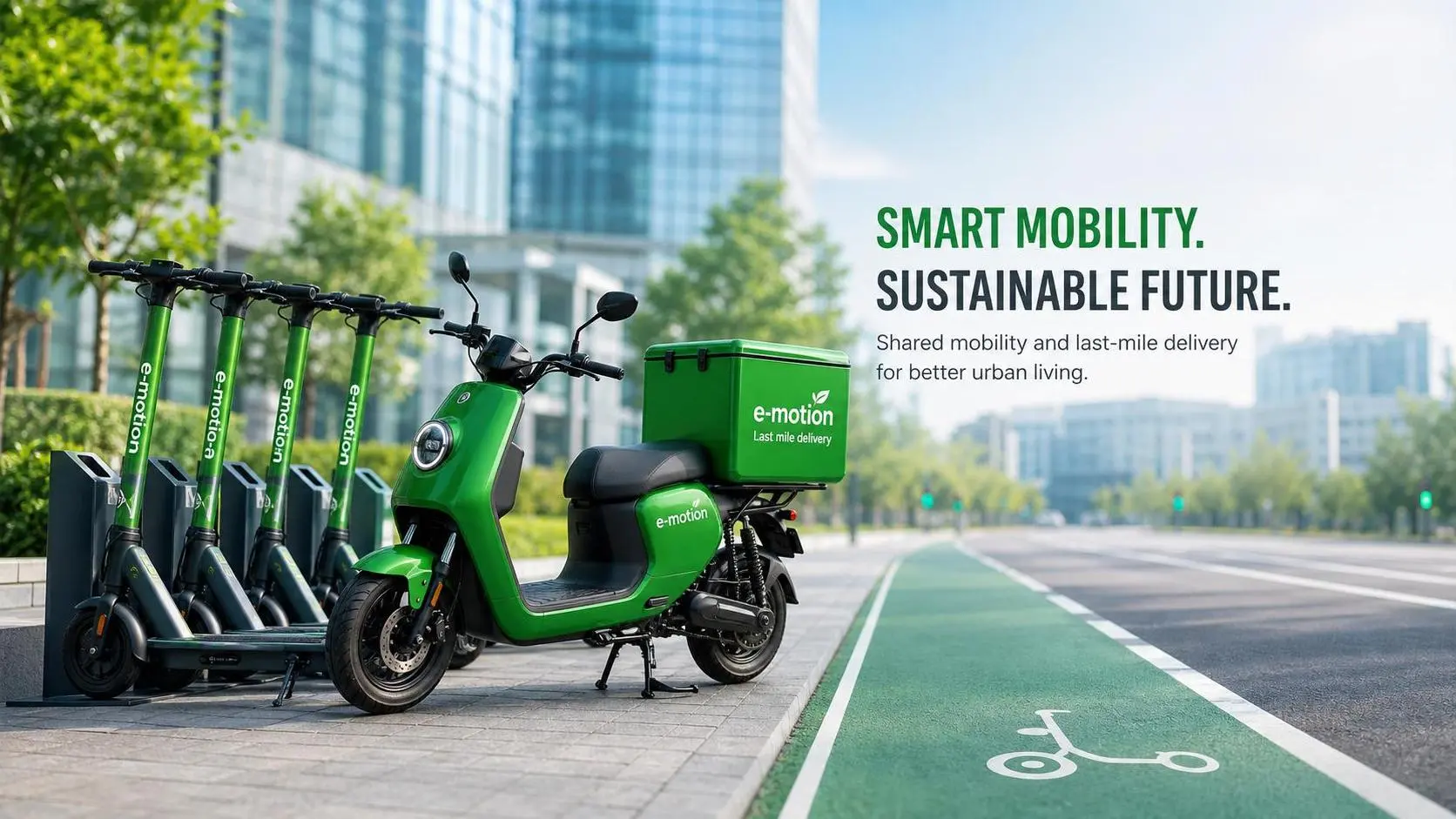
Why Green Scooter Demand Is Rising in Shared Mobility and Last-Mile Delivery
Green scooter demand is rising fast in shared mobility and last-mile delivery. See what drives this shift, how cities and fleets benefit, and where the biggest growth opportunities are.
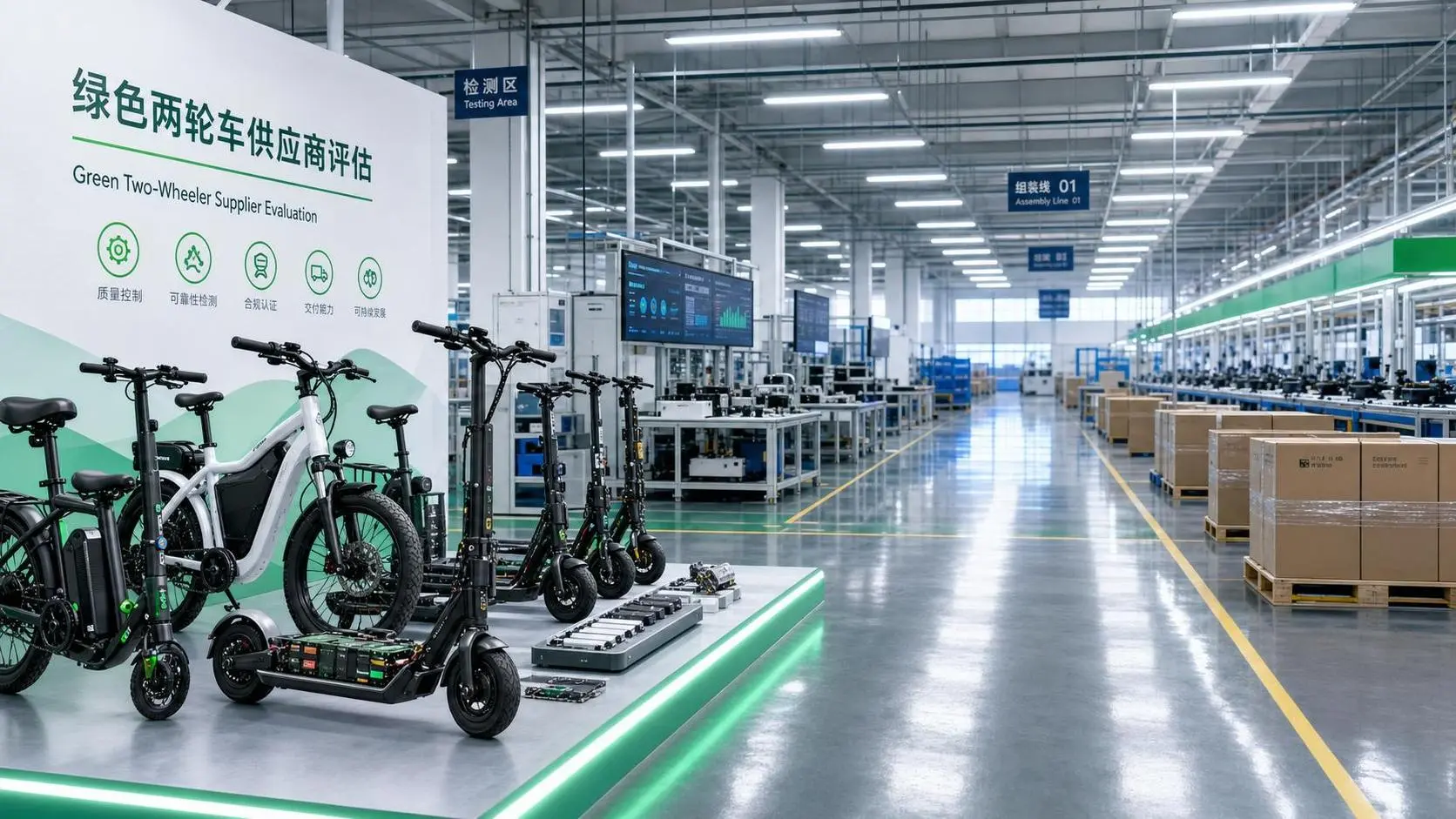
How to Evaluate a Green Two-Wheelers Supplier for Quality Control and Delivery Stability
Green two-wheelers supplier evaluation starts with quality control and delivery stability. Learn how to assess compliance, traceability, and factory reliability before you source.
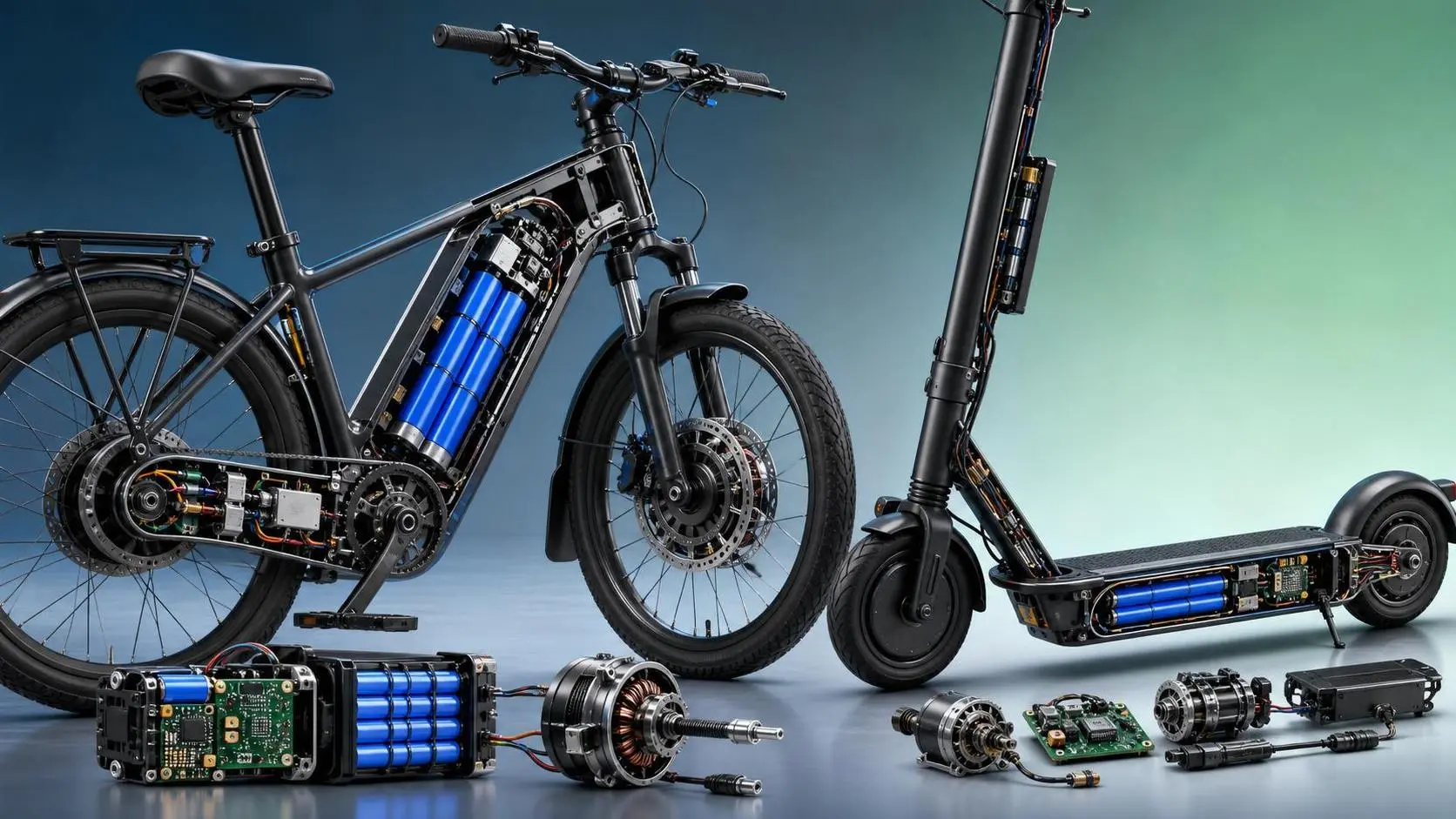
How Electric Mobility Components Shape Range, Reliability, and Maintenance Planning
Electric mobility components shape real-world range, reliability, and maintenance costs. Learn how batteries, motors, controllers, and sensors affect fleet uptime and smarter service planning.

Precision Drivetrain Market: What Buyers Should Track in Cost, Lead Times, and Supply Risk
Precision drivetrain market buyers must look beyond unit price. Learn how to track true cost, lead times, and supply risk to protect margins and choose more reliable suppliers.
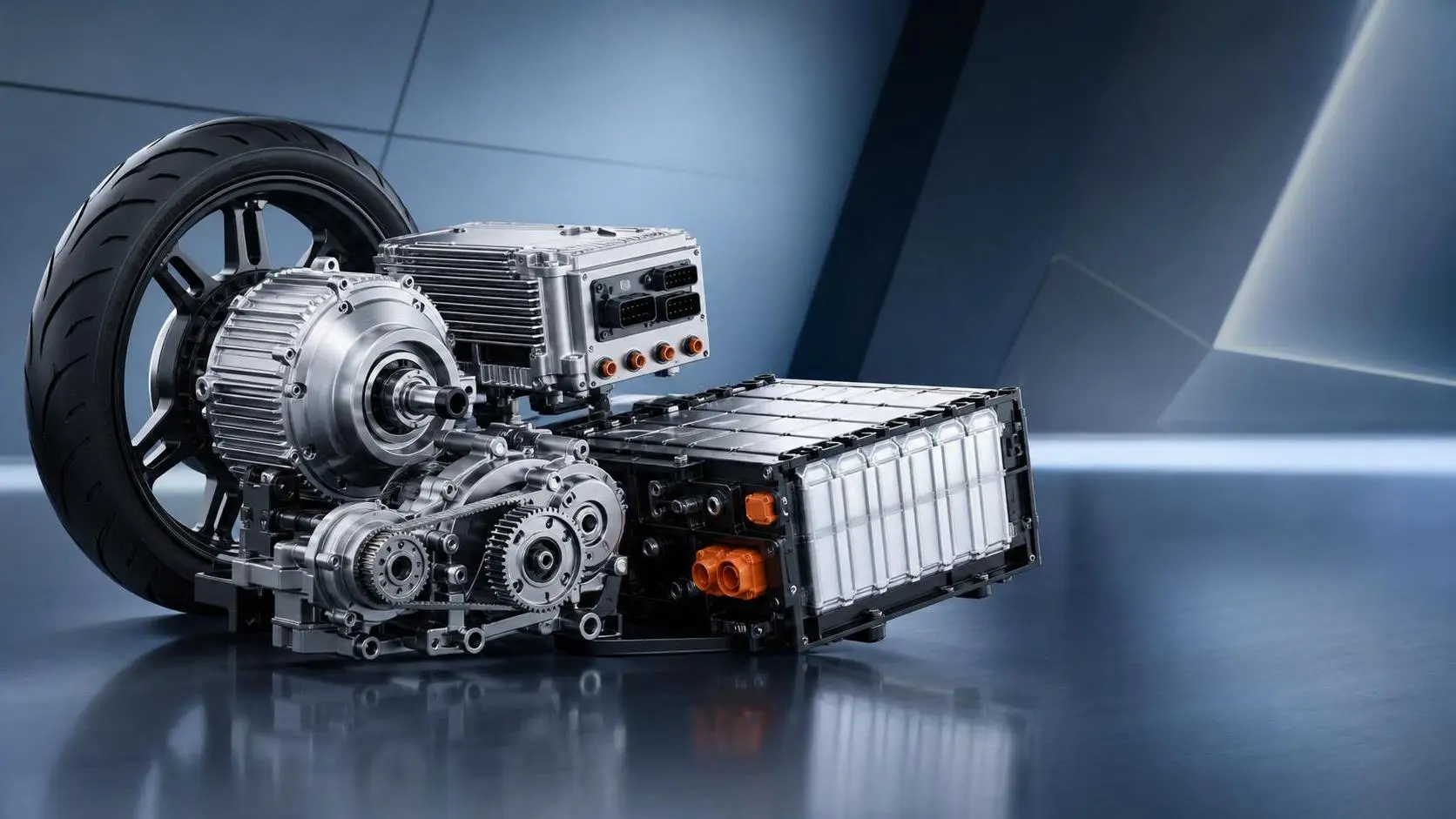
Electric Drivetrain Technology Explained: Motors, Controllers, and Efficiency
Electric drivetrain technology explained clearly: compare motors, controllers, thermal management, and efficiency to choose smarter, longer-lasting e-bike, e-scooter, and e-motorcycle systems.
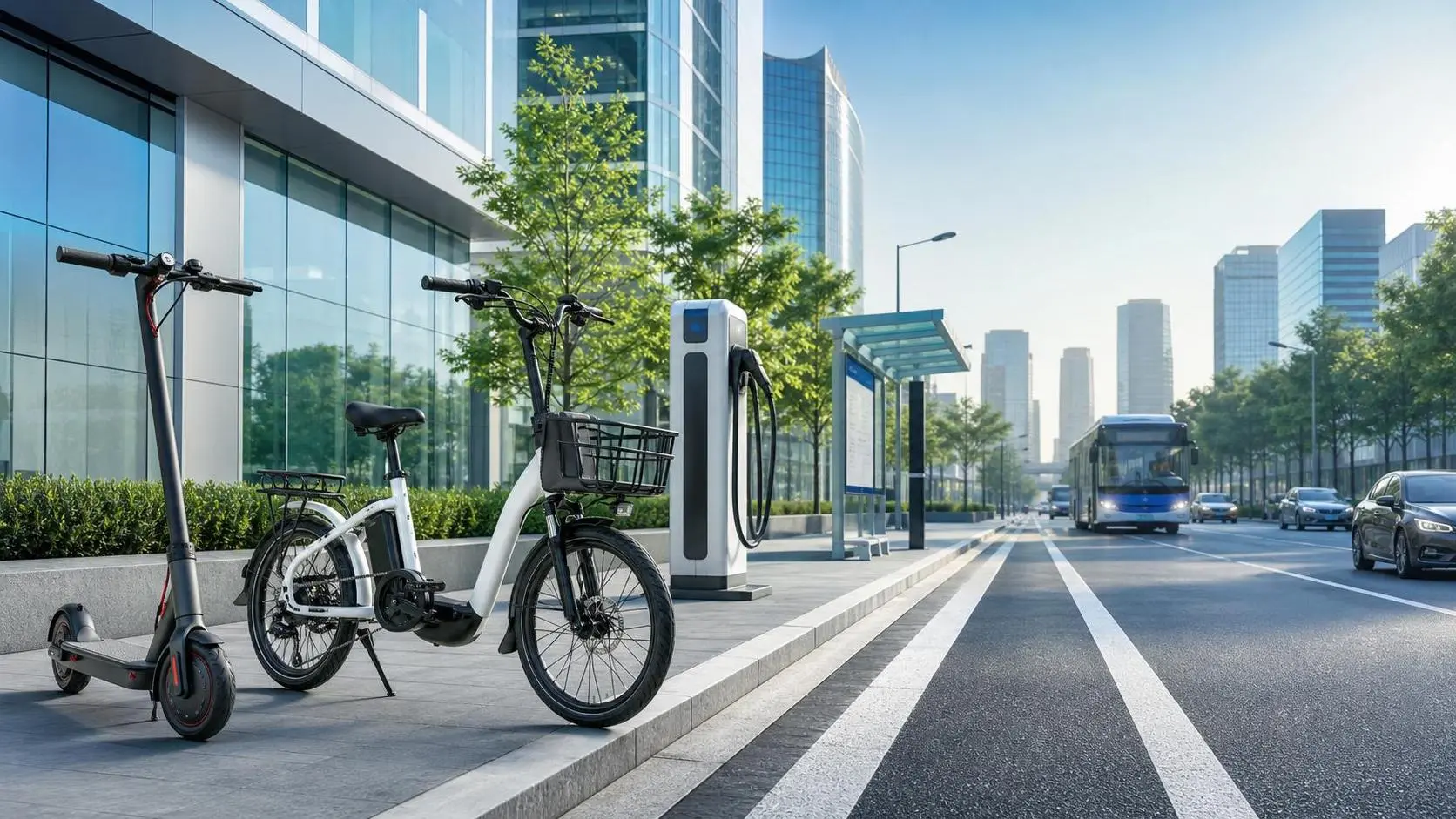
Urban Electric Vehicles Market Trends: Where Demand Is Rising Fastest
Urban electric vehicles market demand is rising fastest in dense cities with strong policy support, better infrastructure, and reliable e-mobility tech. Explore where growth is accelerating next.
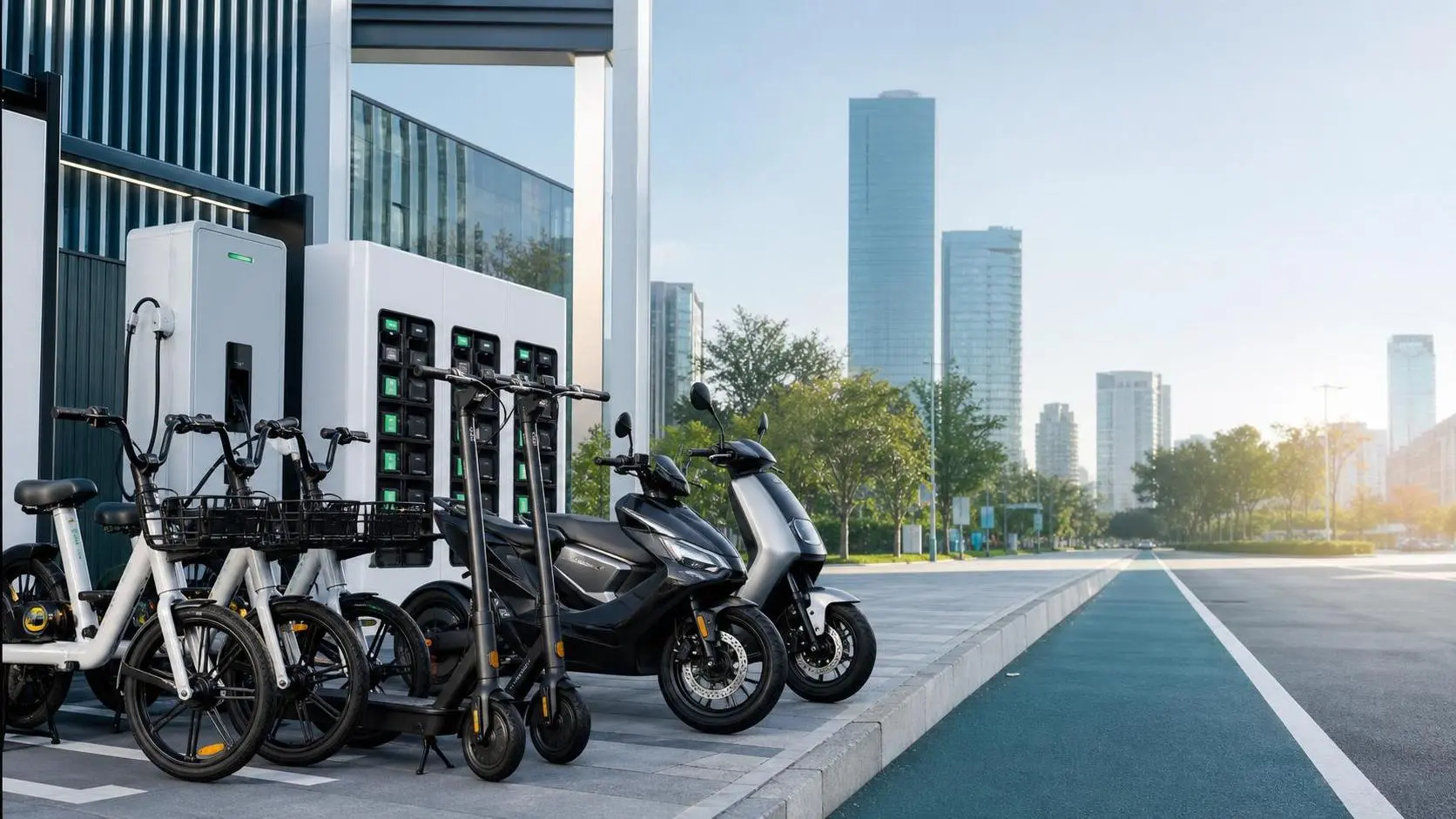
Urban Electric Vehicles Market: Key Growth Drivers and Adoption Challenges
Urban electric vehicles market trends, growth drivers, and adoption challenges explained. Discover how policy, battery tech, safety, and urban mobility demand are shaping the next wave.
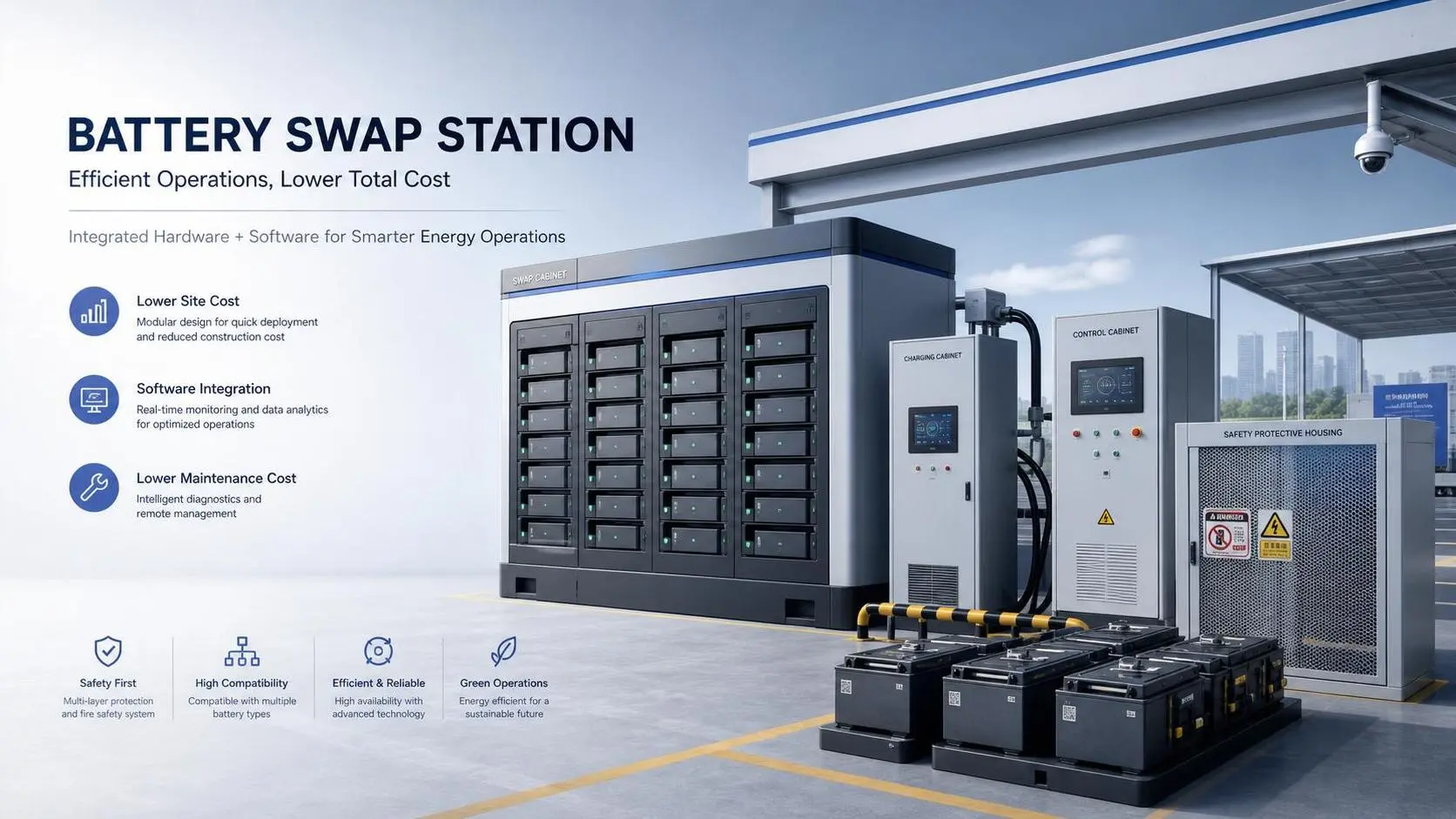
Battery Swapping Network Cost Breakdown: Hardware, Site Fees, and Maintenance
Battery swapping network cost explained: compare hardware, site fees, software, and maintenance to plan smarter rollouts, reduce downtime, and improve ROI.
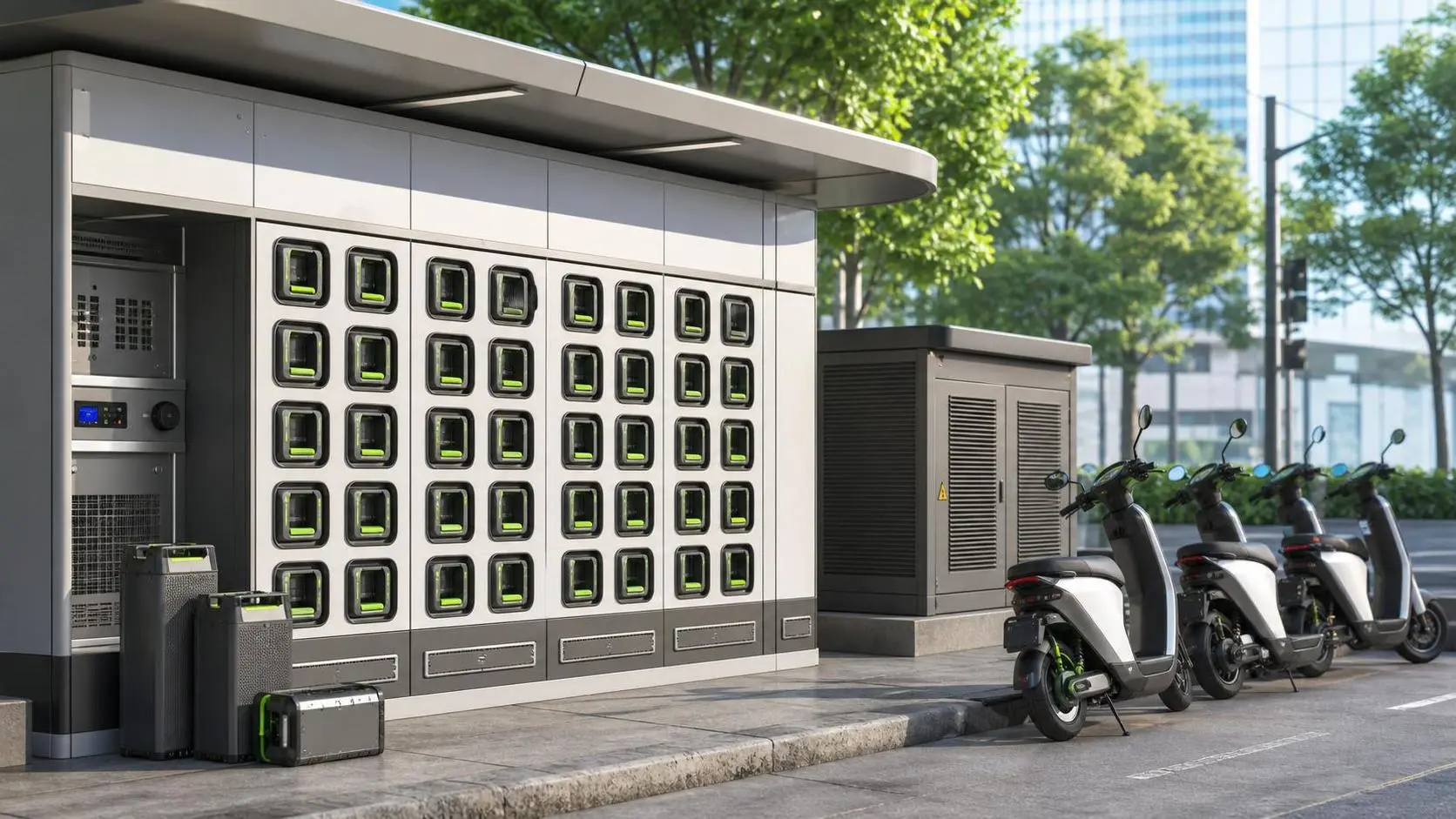
Battery Swapping Network Cost: What Drives Setup and Operating Expenses?
Battery swapping network cost explained: discover what drives setup and operating expenses, from station hardware to battery inventory, and learn how to improve ROI and scale smarter.