
Related News
- 00
0000-00
How to Evaluate a Green Two-Wheelers Supplier for Quality Control and Delivery Stability - 00
0000-00
How Electric Mobility Components Shape Range, Reliability, and Maintenance Planning - 00
0000-00
Precision Drivetrain Market: What Buyers Should Track in Cost, Lead Times, and Supply Risk - 00
0000-00
Battery Swapping Network Cost Breakdown: Hardware, Site Fees, and Maintenance - 00
0000-00
How to Use a Market Intelligence Report to Evaluate EV Two-Wheeler Opportunities
Ms. Elena Rodriguez
Weekly Insights
Stay ahead with our curated technology reports delivered every Monday.
How to Evaluate a Green Two-Wheelers Supplier for Quality Control and Delivery Stability





A reliable green two-wheelers supplier is no longer judged by price sheets alone. In micro-mobility, quality drift, certification gaps, or delayed shipments can interrupt launches, trigger claims, and weaken channel confidence. That matters even more as e-bikes, smart e-scooters, and high-speed e-motorcycles move deeper into regulated urban transport systems.
The practical question is how to separate a capable partner from a factory that only looks organized during a sales presentation. A sound evaluation connects product quality, process discipline, compliance readiness, and delivery stability into one view. That is where the real strength of a green two-wheelers supplier becomes visible.
Why supplier evaluation has become more demanding
Urban mobility demand is expanding under carbon reduction targets, congestion pressure, and policy support. At the same time, expectations for safety, traceability, and after-sales performance are becoming stricter across Europe, North America, and emerging markets.
That shift affects every product layer. Frames, controllers, battery packs, motors, IoT modules, braking systems, and precision drivetrain parts all carry different failure risks. One weak sub-supplier can compromise the entire vehicle program.
UMMS has tracked this pattern across electric bicycles, smart e-scooters, high-speed e-motorcycles, and precision bicycle components. The recurring lesson is clear: delivery stability starts long before shipping. It starts inside design control, supplier management, and production execution.
What quality control really means in green two-wheelers
For a green two-wheelers supplier, quality control is not a final inspection table. It is a system that prevents defects from entering the line, detects variation early, and keeps product performance consistent across batches.
In practice, that system should cover incoming materials, in-process checks, final inspection, test records, and corrective action loops. It should also show how the factory manages change when components, firmware, or sub-suppliers shift.
This is especially important in electrified two-wheelers. Battery management logic, thermal behavior, waterproofing, motor efficiency, and electronic communication can all fail in ways that are not obvious on a showroom sample.
Signals of a mature quality system
- Clear incoming inspection standards for batteries, cells, controllers, brakes, and structural parts.
- Documented process control points on welding, painting, assembly, torque setting, and electrical testing.
- Traceability from finished unit back to lot numbers, operators, and key components.
- Defined handling of nonconforming parts, rework limits, and root cause closure.
- Reliability testing tied to real use cases, not only cosmetic checks.
A green two-wheelers supplier with strong process evidence is usually easier to scale with. A supplier relying on manual judgment, verbal instructions, or scattered spreadsheets often becomes unstable under volume pressure.
How to judge technical reliability beyond the sample
Samples can be polished. Stable production is harder to fake. The evaluation should test whether the supplier can reproduce the same performance after procurement variation, labor turnover, and schedule compression.
A useful starting point is to compare sample validation with mass production controls. If the prototype passed vibration, range, waterproofing, EMC, or braking checks, ask how those conditions are protected during regular manufacturing.
Where UMMS market intelligence is useful is in linking technical evaluation to product category realities. An e-bike supplier may need stronger drivetrain durability evidence. A smart e-scooter supplier may need tighter IoT and controller validation. A high-speed model demands more serious thermal and safety testing.
Delivery stability is an operational discipline
Many sourcing failures come from assuming quality and delivery are separate topics. They are not. When incoming materials fluctuate, rework rises. When engineering changes are late, production plans slip. When sub-suppliers are weak, promised lead times stop meaning much.
A dependable green two-wheelers supplier should show credible control of capacity, materials, scheduling, and logistics. That means more than quoting monthly output. It means proving how orders move through the factory without constant firefighting.
Questions that expose delivery risk
- How much capacity is dedicated versus shared across customers?
- Which parts have the longest replenishment cycle?
- How often do battery, chip, or brake suppliers change?
- What is the recent on-time delivery rate by product family?
- How are forecast changes absorbed during peak season?
- What contingency exists for customs, port, or certification delays?
Stable delivery also depends on planning maturity. A supplier with rolling forecasts, safety stock logic for critical parts, and visible production scheduling will usually outperform one that builds only against urgent purchase orders.
Compliance, traceability, and market readiness
Green mobility products operate under increasing regulatory scrutiny. A green two-wheelers supplier may offer competitive pricing, yet still create risk if certifications are outdated, incomplete, or linked to a different bill of materials.
Verification should include safety standards, battery transport compliance, environmental documentation, labeling accuracy, and market-specific declarations. The main point is not just whether certificates exist, but whether the production version truly matches the certified configuration.
Traceability matters here as well. If a field issue appears, the supplier should isolate affected lots quickly. Without that capability, even a small defect can become a broad commercial problem.
Factory visits still matter, but they should be structured
A site audit remains one of the best ways to assess a green two-wheelers supplier. The value comes from observing routines, not showroom areas. Walk the line, the warehouse, the lab, the repair area, and the records flow.
Look for consistency between what managers say and what operators do. Check whether work instructions are current, gauges are calibrated, rejected material is separated, and test records can be retrieved without delay.
Small details often reveal more than polished presentations. Mixed component bins, unclear firmware labeling, missing torque marks, or vague answers on cell sourcing are useful warning signs.
Red flags that deserve closer review
- Heavy dependence on one unverified battery or electronics source.
- Testing equipment present, but little historical data available.
- Frequent engineering changes without documented approval flow.
- On-time shipment claims that cannot be linked to records.
- Certifications shown for samples only, not for production units.
Turning evaluation into a usable decision framework
The strongest sourcing decisions combine hard evidence with category context. A scorecard should not treat all items equally. Battery safety, drivetrain precision, software stability, or export compliance may deserve different weighting by product type.
For that reason, many evaluations work better when they use both factory evidence and market intelligence. UMMS follows this broader lens across micro-mobility, connecting technical design, policy change, and commercial expansion signals that influence supplier risk over time.
A practical framework usually covers five areas: process quality, technical reliability, compliance readiness, supply chain resilience, and response speed when problems emerge. That structure helps compare suppliers that look similar on the surface but behave differently under pressure.
Before moving forward, align the evaluation to the real business scenario. Review failure history, validate production records, stress-test delivery assumptions, and confirm that the green two-wheelers supplier can support growth without sacrificing consistency. That approach creates a more defensible shortlist and a stronger basis for the next round of audits, trials, or sourcing decisions.
Related News
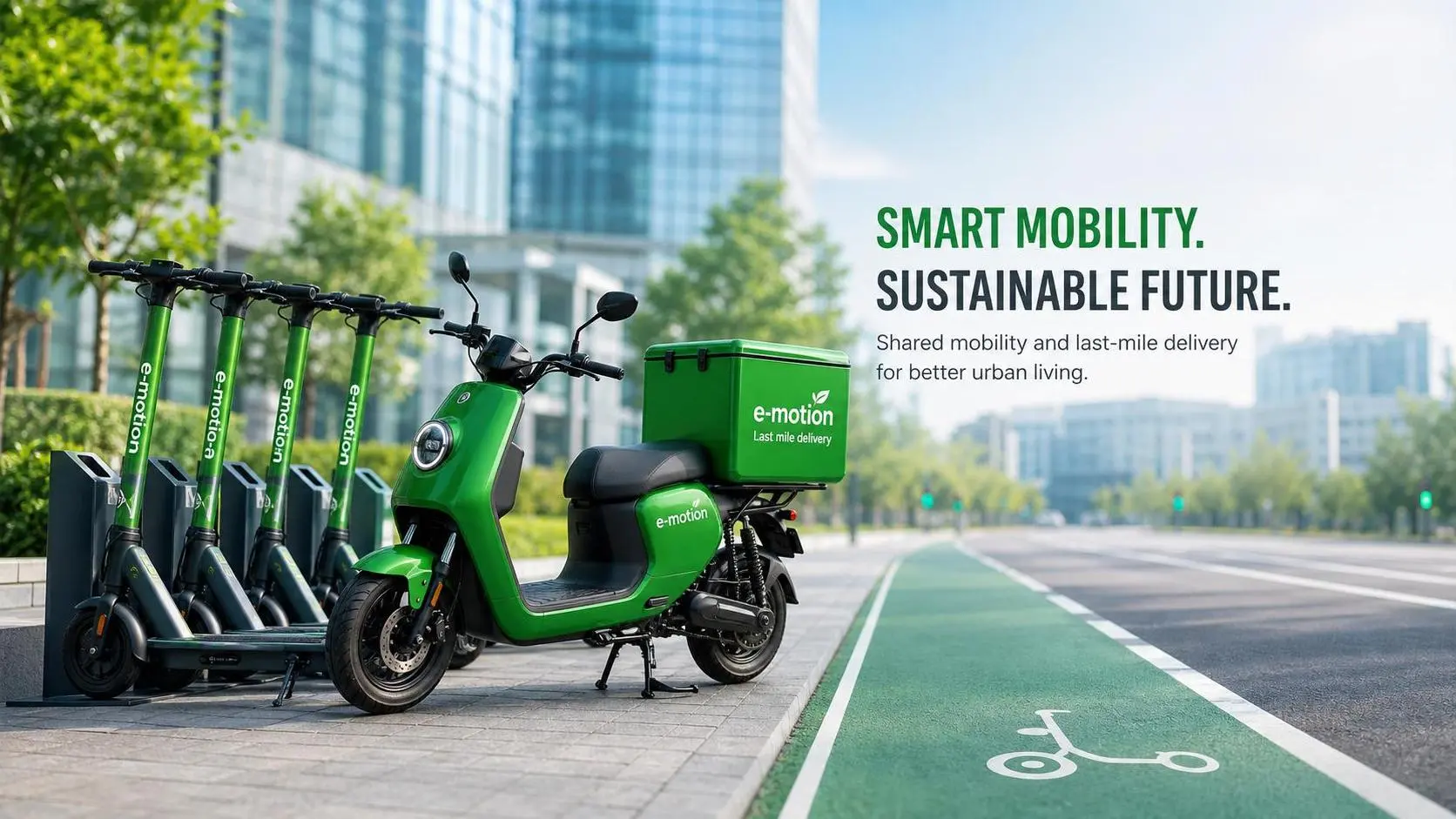
Why Green Scooter Demand Is Rising in Shared Mobility and Last-Mile Delivery
Green scooter demand is rising fast in shared mobility and last-mile delivery. See what drives this shift, how cities and fleets benefit, and where the biggest growth opportunities are.
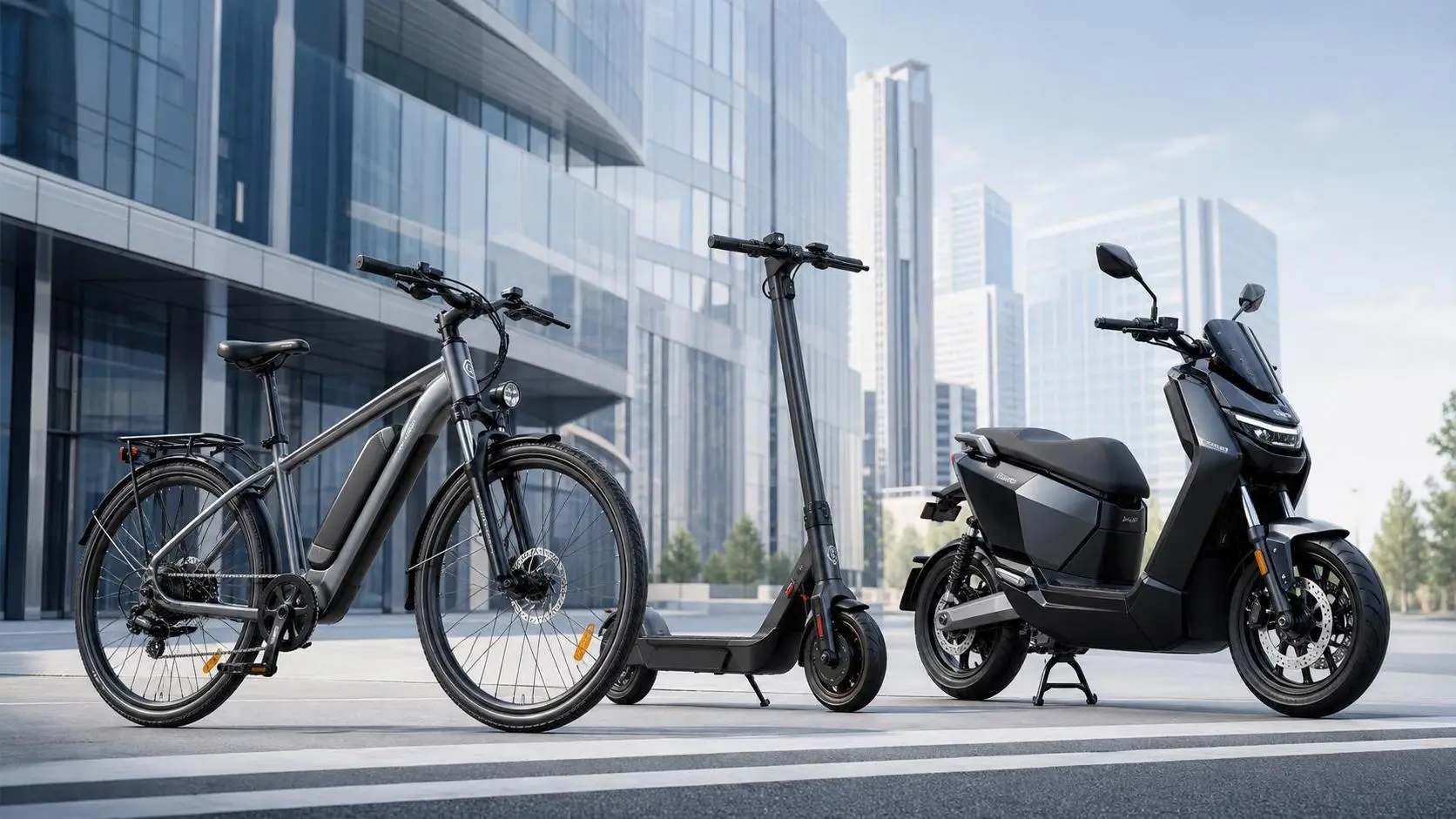
Smart Urban Travel Options Explained: Which Electric Commuter Setup Fits Daily City Use?
Smart urban travel made simple: compare e-bikes, smart e-scooters, and high-speed e-motorcycles to find the best fit for daily city commuting, cost, comfort, and convenience.
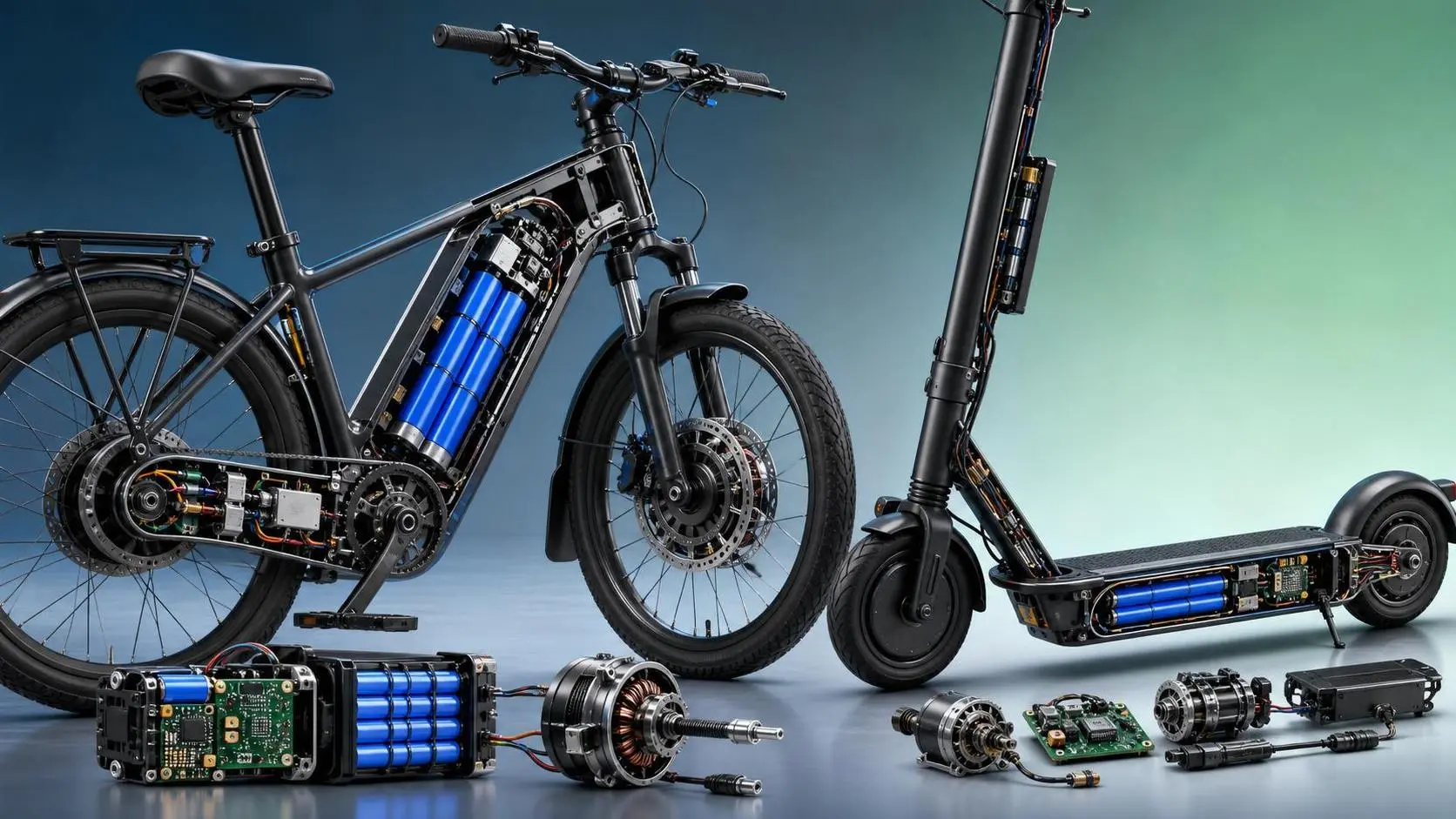
How Electric Mobility Components Shape Range, Reliability, and Maintenance Planning
Electric mobility components shape real-world range, reliability, and maintenance costs. Learn how batteries, motors, controllers, and sensors affect fleet uptime and smarter service planning.
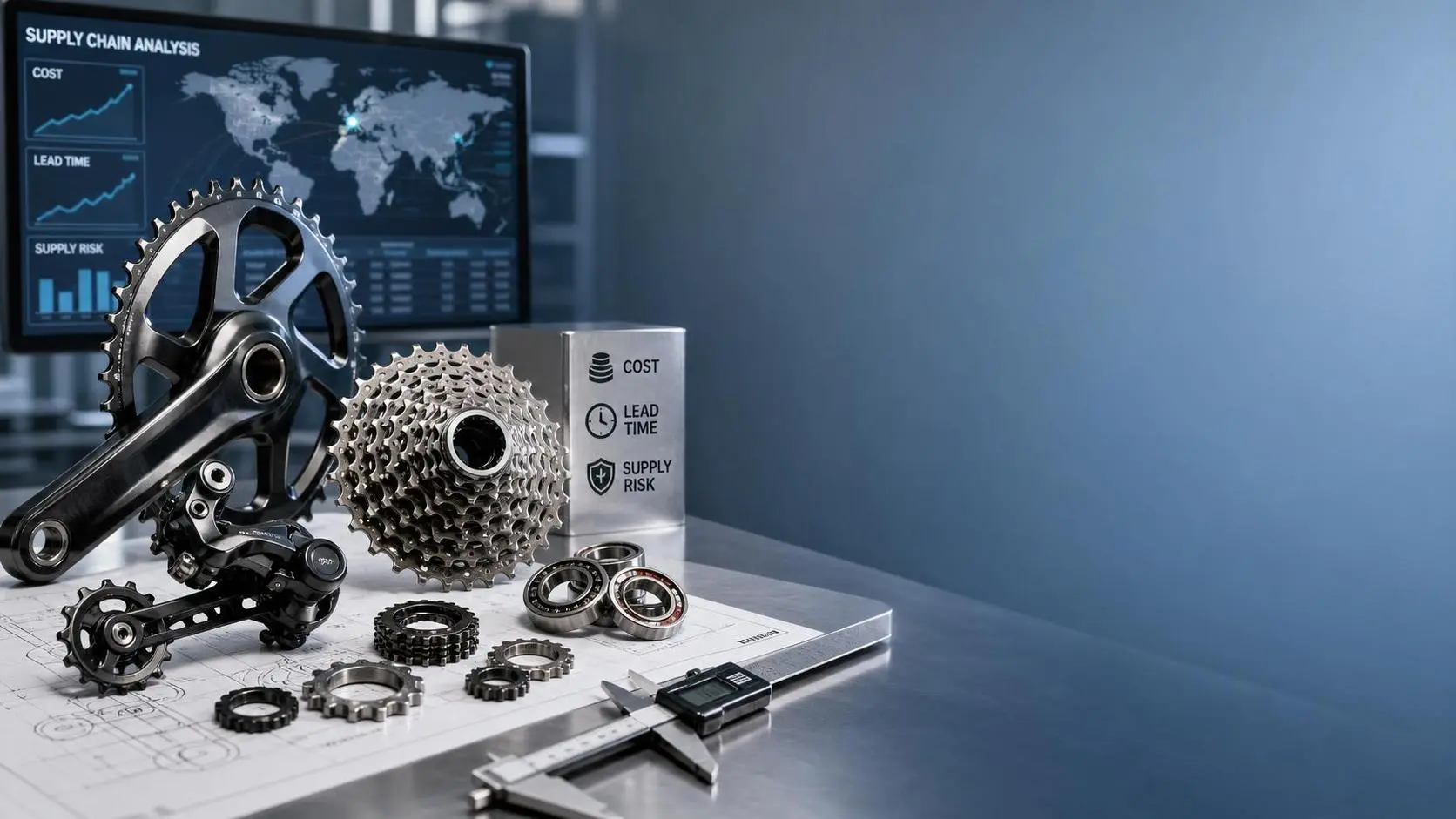
Precision Drivetrain Market: What Buyers Should Track in Cost, Lead Times, and Supply Risk
Precision drivetrain market buyers must look beyond unit price. Learn how to track true cost, lead times, and supply risk to protect margins and choose more reliable suppliers.
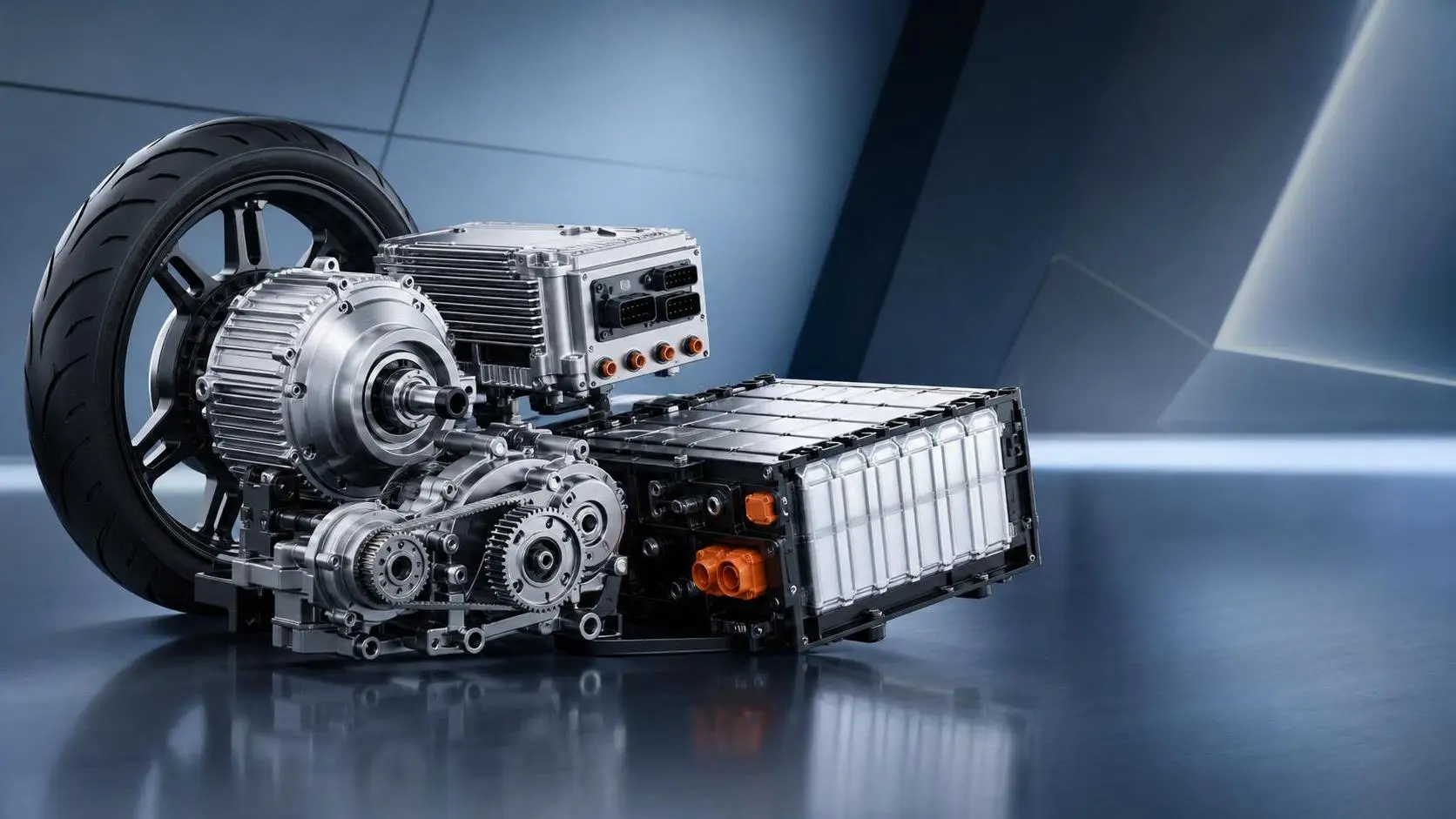
Electric Drivetrain Technology Explained: Motors, Controllers, and Efficiency
Electric drivetrain technology explained clearly: compare motors, controllers, thermal management, and efficiency to choose smarter, longer-lasting e-bike, e-scooter, and e-motorcycle systems.
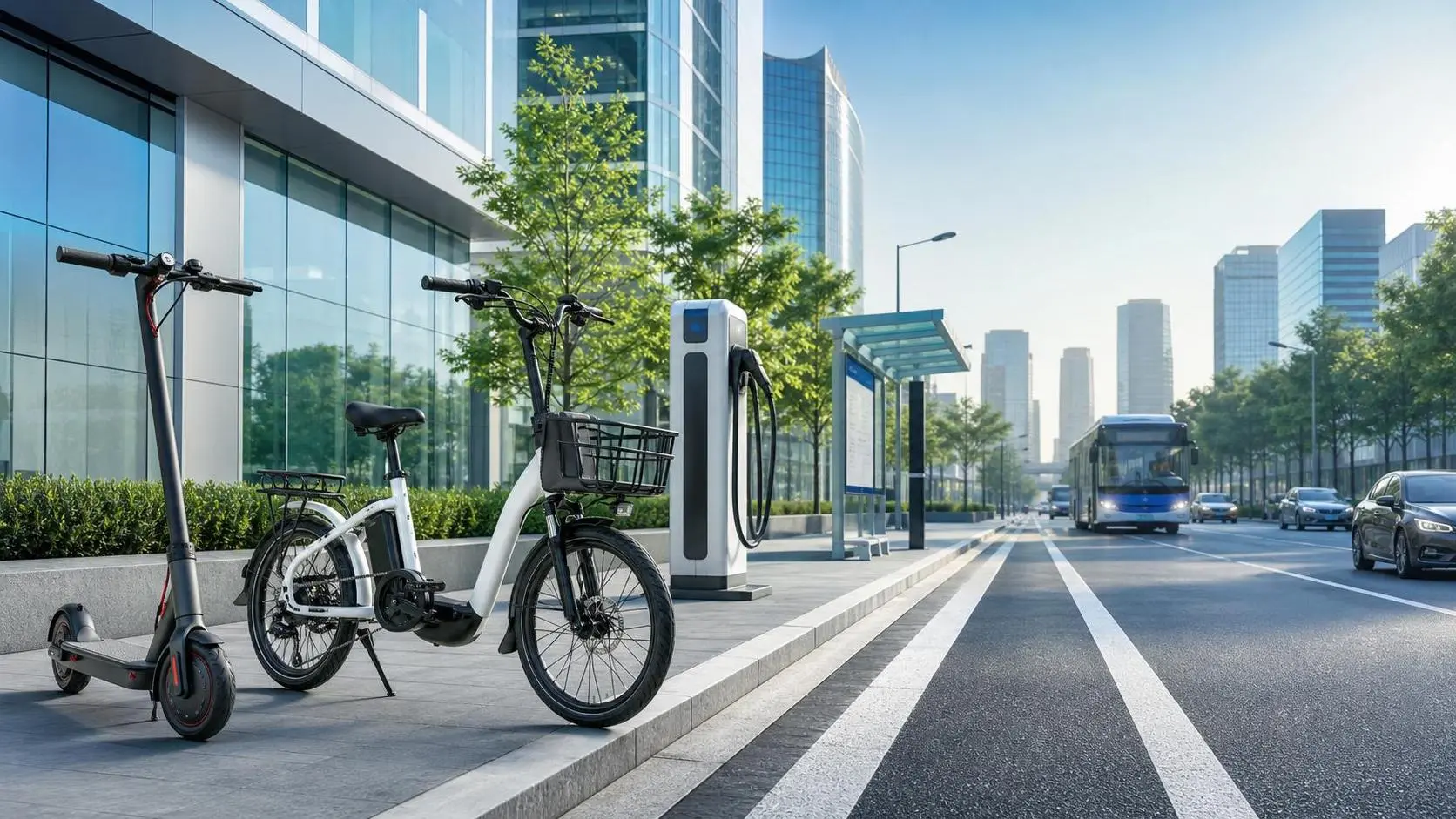
Urban Electric Vehicles Market Trends: Where Demand Is Rising Fastest
Urban electric vehicles market demand is rising fastest in dense cities with strong policy support, better infrastructure, and reliable e-mobility tech. Explore where growth is accelerating next.
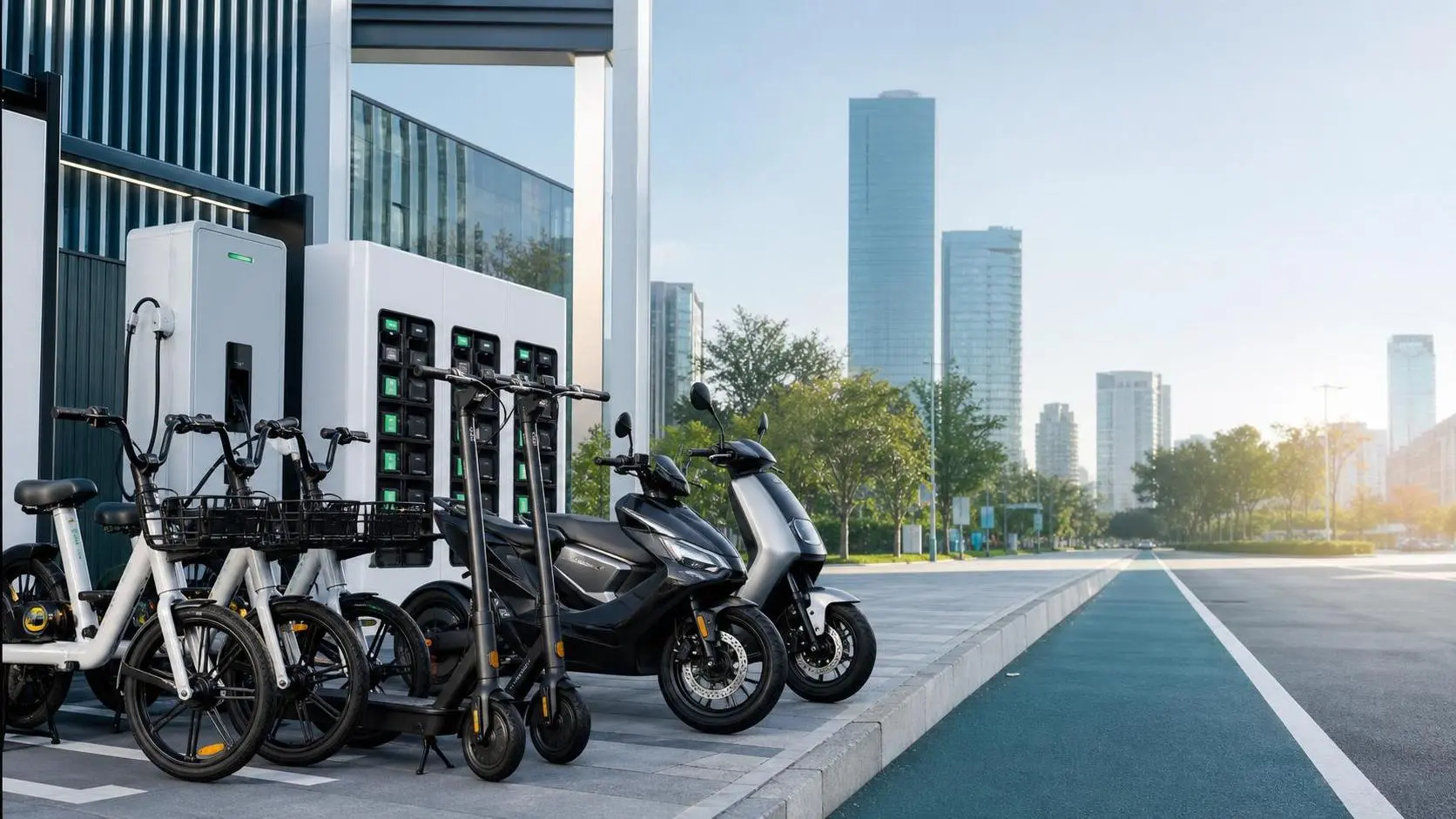
Urban Electric Vehicles Market: Key Growth Drivers and Adoption Challenges
Urban electric vehicles market trends, growth drivers, and adoption challenges explained. Discover how policy, battery tech, safety, and urban mobility demand are shaping the next wave.
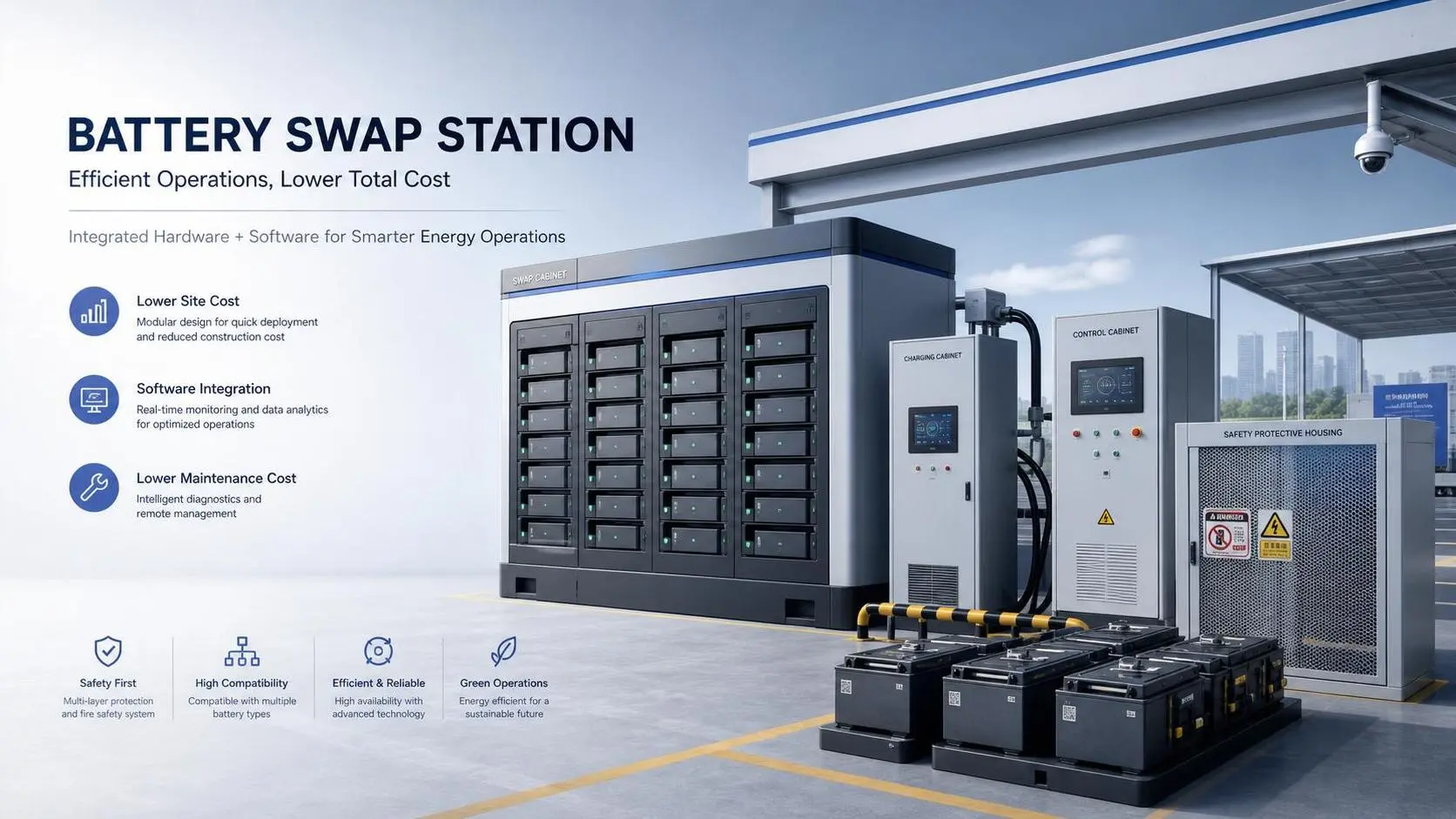
Battery Swapping Network Cost Breakdown: Hardware, Site Fees, and Maintenance
Battery swapping network cost explained: compare hardware, site fees, software, and maintenance to plan smarter rollouts, reduce downtime, and improve ROI.
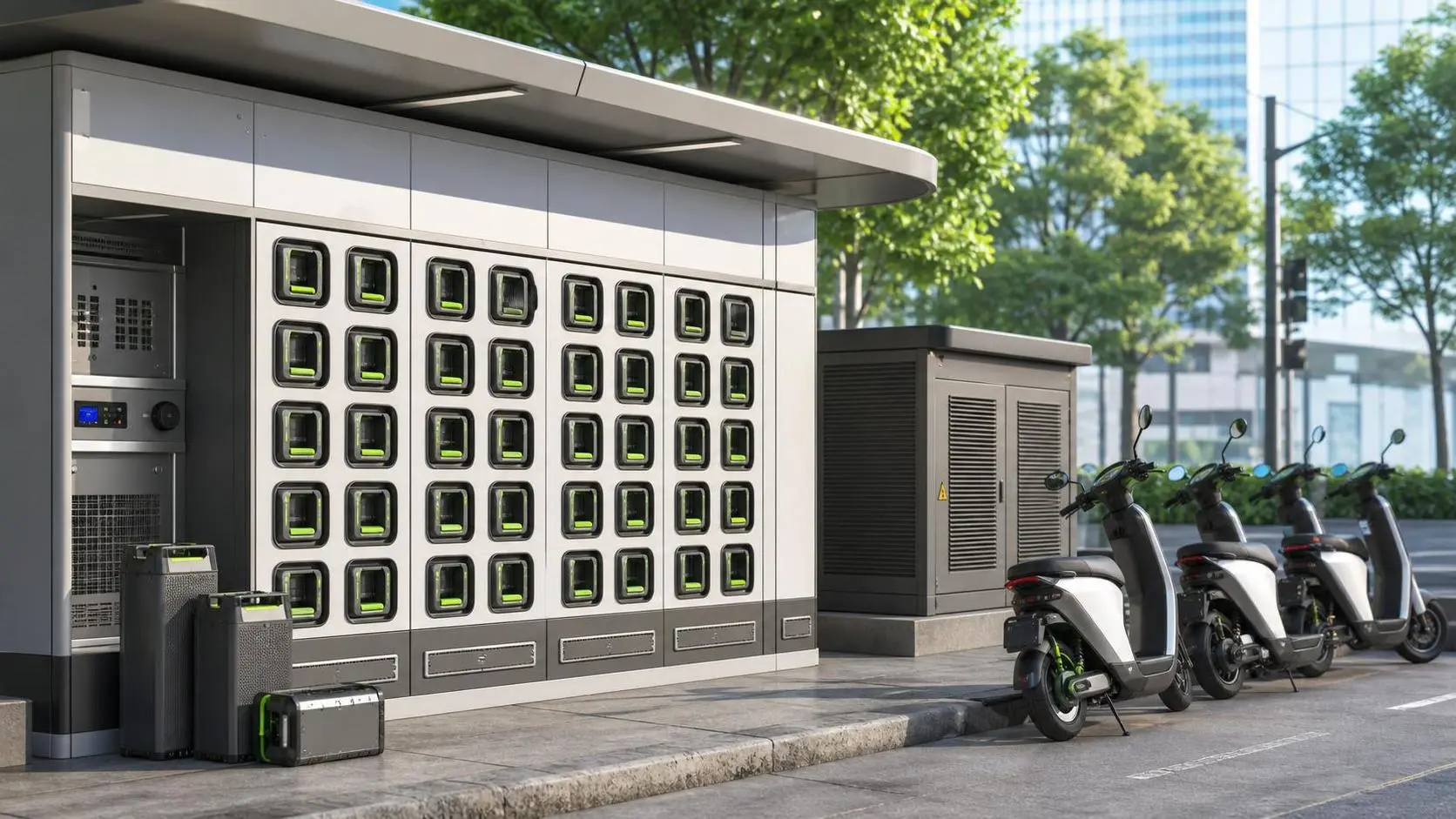
Battery Swapping Network Cost: What Drives Setup and Operating Expenses?
Battery swapping network cost explained: discover what drives setup and operating expenses, from station hardware to battery inventory, and learn how to improve ROI and scale smarter.