
Related News
- 00
0000-00
International Voice Building in Southeast Asia: What Brands Must Localize to Be Found - 00
0000-00
Urban Charging Infrastructure Costs: What Drives CAPEX, OPEX, and ROI by Deployment Type - 00
0000-00
Urban Traffic Solutions in Latin America: Which Models Fit Dense City Corridors? - 00
0000-00
Airport Smart Mobility Explained: Key Systems, Use Cases, and Planning Priorities - 00
0000-00
How to Evaluate an Electric Mobility Provider for Cost, Service Coverage, and Scalability
Ms. Elena Rodriguez
Weekly Insights
Stay ahead with our curated technology reports delivered every Monday.
International Voice Building in Southeast Asia: What Brands Must Localize to Be Found





In mobility markets shaped by regulation, language diversity, and fast product cycles, international voice building Southeast Asia starts with being found for the right reasons.
That means more than translating a website.
It means aligning technical claims, market language, and search intent so regional buyers can connect product relevance with commercial credibility.
For micro-mobility brands, this matters across e-bikes, smart e-scooters, high-speed e-motorcycles, wiper systems, and precision drivetrain components.
In Southeast Asia, discoverability is shaped by local use cases, public policy, climate conditions, infrastructure limits, and the vocabulary people use when evaluating supply options.
Why visibility in Southeast Asia has become more complex
The region is not a single market with one buying pattern.
Indonesia, Thailand, Vietnam, Malaysia, the Philippines, and Singapore differ in regulation, logistics maturity, rider behavior, and digital search habits.
A brand may rank well for global product terms and still remain invisible in regional commercial searches.
That is why international voice building Southeast Asia is closely tied to localization depth, not just content volume.
For business evaluation, the key question is simple.
Can a regional prospect quickly understand what the product is, whether it fits local requirements, and why the supplier should be trusted?
What localization really means in this context
In practical terms, localization operates on several layers.
Language is only the first layer.
The more important layer is market interpretation.
An e-bike motor page, for example, should not only explain torque, range, and battery efficiency.
It should also reflect terrain conditions, charging constraints, fleet economics, and the legal framing relevant to each market.
The same applies to smart e-scooters and connected components.
IoT modules, anti-theft systems, swappable batteries, and telematics may be central features globally, but local searchers often approach them through operational problems.
They search for uptime, weather resistance, fleet durability, or cost per kilometer.
This is where international voice building Southeast Asia becomes a structured content exercise.
It translates product engineering into local business meaning.
The localization areas that affect discoverability most
Brands usually underperform because they localize surface wording but leave decision-critical content untouched.
The following areas have the biggest effect on visibility and trust.
Technical messaging
Specifications must be accurate, readable, and tied to use cases.
Battery thermal management, wireless shifting response, braking reliability, waterproofing, and motor efficiency should be explained in operational terms.
This is especially relevant for UMMS-covered categories, where technical performance often determines market access and repeat orders.
Regulatory language
Search visibility improves when content reflects the way regulation shapes buying decisions.
Right-of-way rules, subsidy frameworks, battery safety standards, and vehicle classification language all influence what terms people use.
A page that ignores policy context often misses high-intent searches.
Commercial proof
Decision makers do not evaluate visibility alone.
They look for product consistency, supply capability, compliance readiness, and evidence that a supplier understands regional demand signals.
International voice building Southeast Asia therefore depends on local proof points, not generic global claims.
Search intent language
Many brands optimize for category keywords but ignore evaluation phrases.
Yet regional searches often include terms linked to sourcing, durability, fleet deployment, export suitability, aftermarket support, and certification readiness.
Why this matters especially in micro-mobility
Micro-mobility is a high-variation sector.
Products are exposed to dense traffic, tropical weather, uneven roads, changing import rules, and rapidly shifting platform economics.
As a result, regional buyers judge technical content very closely.
UMMS sits in a useful position here.
Its intelligence focus connects drivetrain precision, battery logic, safety systems, and policy shifts across the broader last-mile ecosystem.
That kind of sector stitching is valuable because discoverability is increasingly linked to market interpretation.
A high-speed e-motorcycle brand may need content around torque and thermal performance.
But it also needs language around battery swapping, urban delivery demand, and road-legality expectations.
A derailleur component supplier may need to localize wireless precision, interference resistance, and maintenance logic for performance-focused distributors.
A smart wiper system provider may need visibility around extreme weather safety and sensor reliability.
Each case requires a different search narrative.
How to assess whether current content is market-ready
A useful review starts with a blunt question.
Does the content reflect how the market buys, or only how the brand describes itself?
Several signs usually show where the gap is.
- Product pages repeat global terminology but omit local operating context.
- Compliance claims are broad and unsupported by region-specific language.
- Search terms focus on features while ignoring procurement and deployment concerns.
- Content does not connect policy shifts with product demand.
- Technical articles attract traffic but fail to support commercial evaluation.
When those gaps appear, international voice building Southeast Asia remains incomplete, even if the website is multilingual.
A practical framework for brands expanding regional reach
A workable approach usually combines market intelligence, technical content, and search structure.
That is where specialist industry portals and intelligence centers become useful reference points.
For a sector like micro-mobility, the best content strategy often follows five steps.
1. Map high-intent regional queries
Start with local demand language, not headquarters terminology.
Separate informational searches from sourcing and evaluation searches.
2. Rebuild core pages around decisions
Pages should answer fit, compliance, durability, and deployment questions clearly.
Technical depth matters, but only when tied to market outcomes.
3. Use regional policy and trend intelligence
Subsidy changes, right-of-way rules, electrification policy, and fleet regulations all reshape discoverability.
UMMS-style intelligence is valuable because it turns fragmented signals into content priorities.
4. Localize authority signals
Use references to test standards, reliability performance, engineering logic, and commercial use cases that regional evaluators can verify.
5. Review content as markets change
International voice building Southeast Asia is not a one-time translation project.
It needs regular updates as regulations, city mobility models, and buyer expectations evolve.
Where the strongest opportunities usually appear
The biggest gains often come from content areas that sit between engineering and commerce.
That includes battery safety interpretation, drivetrain efficiency comparisons, fleet uptime language, and policy-driven demand forecasting.
These topics do more than rank.
They help the market understand why a product belongs in a specific local context.
That is the real point of international voice building Southeast Asia.
Visibility without contextual fit brings weak traffic.
Visibility with localized technical meaning creates stronger evaluation pathways.
The next step is usually not publishing more pages at random.
It is reviewing which market signals, technical claims, and search terms are missing from existing content.
From there, brands can prioritize the pages that influence discoverability, trust, and regional fit most directly.
- e-bikes
- smart e-scooters
- high-speed e-motorcycles
- wiper systems
- thermal management
- precision drivetrain
- IoT modules
- international voice building
- battery swapping
- micro-mobility
- smart wiper system
- battery thermal management
- precision drivetrain components
- wireless shifting
- international voice building Southeast Asia
Related News
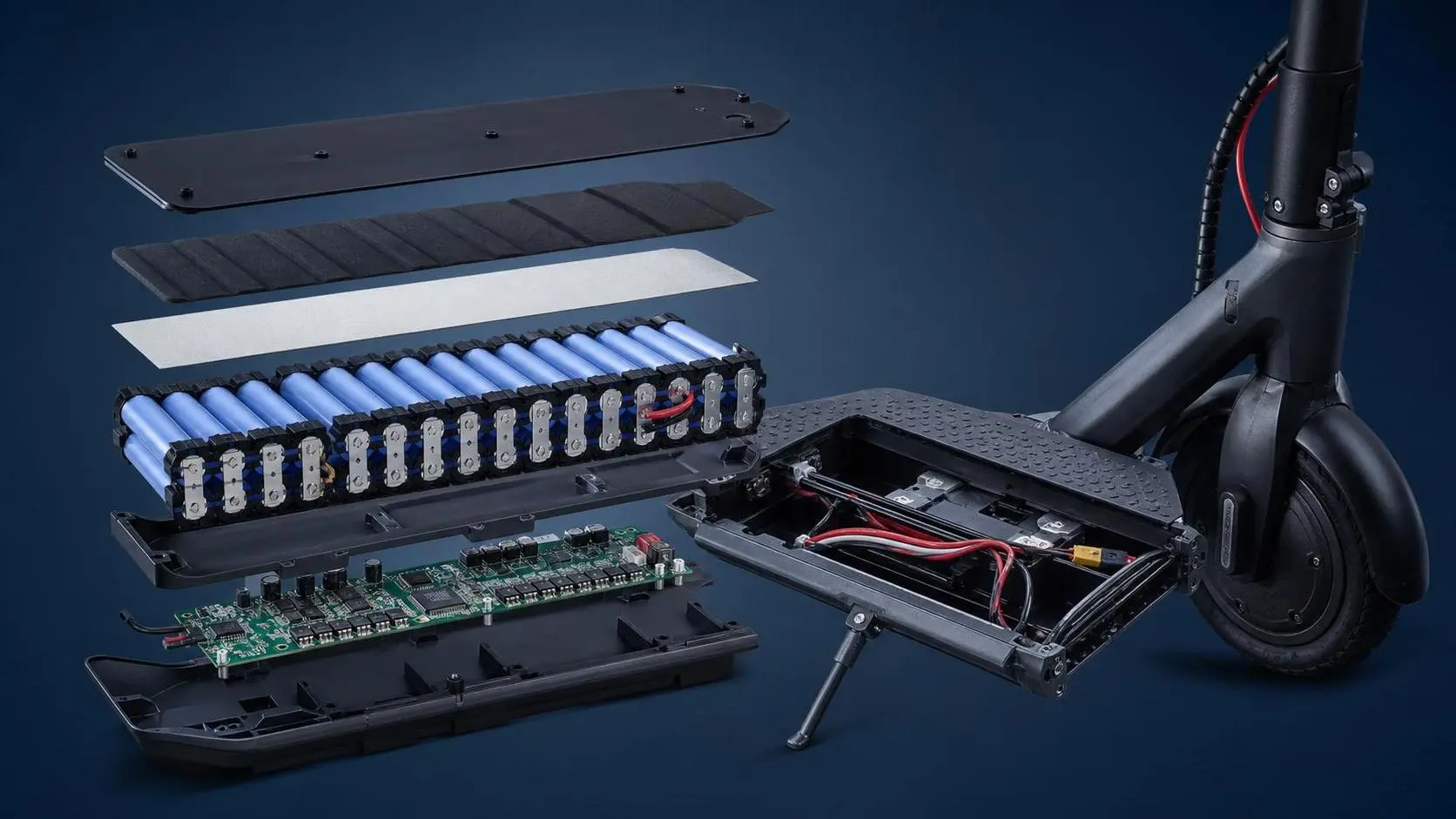
Component Selection for E-Scooters Battery Systems: Cells, BMS, and Thermal Protection
Component selection for e-scooters battery starts with the right cells, BMS, and thermal protection. Learn how to improve safety, range, lifecycle, and compliance.

Electric Bike Technology Solutions for Urban Fleets: Connectivity, BMS, and Service Data
Electric bike technology solutions for urban fleets: discover how connectivity, BMS, and service data improve uptime, battery safety, and maintenance efficiency.
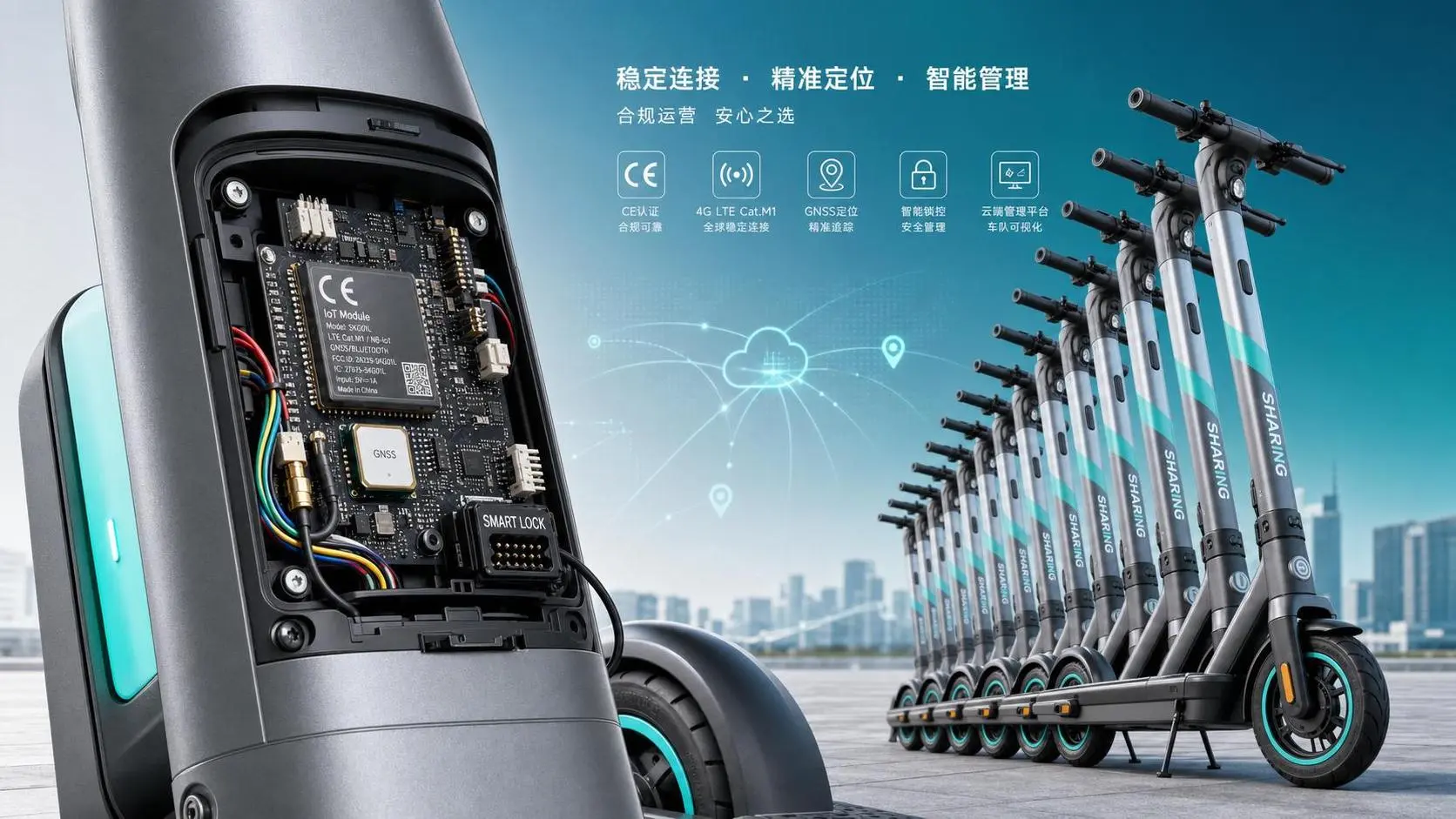
How to Choose CE-Certified IoT Scooter Modules for Shared Fleet Compliance
IoT scooter modules CE certified: learn how to verify compliance scope, documentation, and field performance for shared fleets to reduce risk, avoid downtime, and scale with confidence.

Electric Bicycles ODM: How to Evaluate Design, MOQ, and Customization Capabilities
Electric bicycles ODM evaluation starts with design, MOQ, and customization. Learn how to compare suppliers, reduce sourcing risk, and choose a partner that supports faster launches.

Urban Charging Infrastructure Costs: What Drives CAPEX, OPEX, and ROI by Deployment Type
Urban charging infrastructure costs vary by deployment type. Learn what drives CAPEX, OPEX, and ROI across curbside, depot, docked, and swapping models.

Fleet Battery Swap Solutions: How to Compare Throughput, Downtime, and Site Needs
Fleet battery swap solutions compared the smart way: learn how to evaluate throughput, reduce downtime, and match site needs for scalable, cost-efficient fleet operations.

Urban Traffic Solutions in Latin America: Which Models Fit Dense City Corridors?
Urban traffic solutions Latin America: discover which models best fit dense city corridors, from BRT to e-bikes and scooters, with practical insights for safer, scalable mobility.

Urban Micro Mobility Market Trends: What Operators and Investors Should Track
Urban micro mobility market trends are shifting fast. Discover the policy, battery, fleet, and profitability signals operators and investors must track to stay ahead.

Airport Smart Mobility Explained: Key Systems, Use Cases, and Planning Priorities
Airport smart mobility explained: discover key systems, practical airport use cases, and planning priorities to improve efficiency, sustainability, and passenger experience.