
Related News
- 00
0000-00
Component Selection for E-Scooters Battery Systems: Cells, BMS, and Thermal Protection - 00
0000-00
Low Carbon Commuting Options: E-bikes, Foldable Scooters, and Public Transit Compared - 00
0000-00
Micro-light Technology in Foldable Commuters Compared - 00
0000-00
Electrification strategies for foldable commuters: battery placement impact on folding durability - 00
0000-00
OEM market share erosion in foldable commuters: how Chinese brands undercut EU pricing without sacrificing IP protection
Urban Transit Fellow
Weekly Insights
Stay ahead with our curated technology reports delivered every Monday.
Component Selection for E-Scooters Battery Systems: Cells, BMS, and Thermal Protection





Component Selection for E-Scooters Battery Systems: Cells, BMS, and Thermal Protection
For technical evaluators, component selection for e-scooters battery systems drives safety, range, lifecycle, and certification readiness.
It is not a single parts decision.
It is a system-level choice linking electrochemistry, controls, thermal behavior, mechanical packaging, and compliance risk.
In practice, weak selection in one area usually cancels gains in another.
A high-energy cell cannot compensate for poor balancing logic.
Likewise, an advanced BMS cannot fully rescue an unstable thermal layout.
Why component selection for e-scooters battery matters early
Early battery decisions shape more than battery cost.
They affect charger compatibility, enclosure size, weight distribution, ingress protection, service strategy, and homologation timelines.
That is why component selection for e-scooters battery programs should start from use case definition, not cell catalog browsing.
From recent market changes, a clearer signal is emerging.
Shared fleets, commuter scooters, and premium private models no longer accept the same battery logic.
Duty cycle now decides architecture.
Start with the operating profile
Define average trip distance, peak current demand, ambient temperature, charging frequency, and expected service life.
Then map these values to battery stress.
- Frequent hill climbing raises discharge peaks and thermal load.
- Fast charging increases heat, lithium plating risk, and balancing requirements.
- Fleet usage amplifies cycle count and abuse exposure.
- Cold-weather starts reduce available power and voltage stability.
This step keeps component selection for e-scooters battery systems tied to measurable realities.
Cell selection: balancing energy, power, and durability
Cell choice is usually the first visible decision.
It is also where many teams become too optimistic about nominal capacity.
For component selection for e-scooters battery projects, usable power and aging behavior often matter more than nameplate energy.
Cell chemistry trade-offs
NMC and NCA chemistries support high energy density and lighter packs.
They fit premium range targets but demand tighter thermal and control discipline.
LFP offers better thermal stability and long cycle life.
Its lower energy density can challenge compact deck packaging.
For fleet platforms, that trade can still be favorable.
Form factor and sourcing stability
18650 and 21700 cylindrical cells remain common because they support scalable sourcing and proven manufacturing workflows.
Pouch cells can improve packing efficiency.
However, they usually ask more from compression design, swelling control, and field service procedures.
In actual procurement work, second-source viability deserves equal weight.
A high-performing cell with unstable supply can derail the whole program.
What to verify during cell evaluation
- DC internal resistance consistency across lots.
- Capacity retention after realistic cycle depth.
- High-rate discharge temperature rise.
- Abuse tolerance under overcharge and nail penetration data, where available.
- Supplier traceability, date-code control, and counterfeit mitigation.
BMS architecture: the control layer behind battery reliability
If cell selection defines the battery’s raw capability, the BMS decides how safely that capability is used.
This is why component selection for e-scooters battery systems must examine hardware and software together.
Core BMS functions to assess
- Accurate cell voltage measurement across temperature ranges.
- Reliable current sensing for charge and discharge events.
- State of charge estimation under dynamic loads.
- Passive or active balancing strategy matched to pack architecture.
- Protection thresholds for overvoltage, undervoltage, overcurrent, and short circuit.
- Data logging for warranty analysis and field diagnostics.
For connected scooters, CAN, UART, or BLE interfaces may also be necessary.
Still, telemetry should never come before protection integrity.
Hardware details that often separate strong and weak designs
Look closely at MOSFET thermal margins, fuse coordination, PCB creepage distances, connector quality, and sensor redundancy.
A BMS can pass bench tests yet fail in vibration, humidity, or repeated surge conditions.
That failure pattern is common in low-cost packs.
Software calibration matters more than many teams expect
Poor SOC estimation creates range anxiety, charge cut-off inconsistency, and unnecessary service returns.
Protection thresholds also need use-case tuning.
Thresholds that are too conservative reduce rideability, while loose limits increase safety exposure.
Thermal protection: the hidden driver of battery longevity
Thermal protection is often treated as a secondary layer.
In reality, it is central to component selection for e-scooters battery programs.
Heat accelerates resistance growth, capacity fade, connector aging, and sealing material degradation.
Thermal protection measures worth comparing
- NTC placement near the hottest expected cell groups.
- Thermal pads or gap fillers between cells and heat-spreading structures.
- Flame-retardant barriers that slow propagation.
- Vent routing that avoids pressure buildup inside sealed enclosures.
- Charge and discharge derating logic triggered by real temperature readings.
A compact scooter deck leaves little room for thermal mistakes.
That also means simulation should be backed by instrumented pack testing.
Common thermal blind spots
- Temperature sensing too far from peak hotspots.
- Ignoring charger heat contribution during enclosed charging.
- Assuming uniform airflow where none exists.
- Missing thermal interaction between controller, motor wiring, and battery housing.
Certification, reliability, and pack integration checks
Strong component selection for e-scooters battery systems should reduce downstream compliance surprises.
Relevant targets may include UN38.3, IEC standards, UL requirements, transport rules, and local market regulations.
The exact path depends on geography and product category.
More importantly, certification should not be treated as a final paperwork stage.
It should shape design reviews from the first prototype round.
Integration questions that deserve early answers
- Can the enclosure survive vibration without weld fatigue or connector loosening?
- Is the sealing strategy compatible with pressure equalization and vent safety?
- Can the pack be serviced, swapped, or diagnosed without damaging the housing?
- Will manufacturing tolerances affect compression, insulation, or thermal contact?
A practical decision framework for component selection for e-scooters battery
To make battery decisions more consistent, use a weighted evaluation matrix.
This keeps supplier claims from dominating the process.
This approach makes component selection for e-scooters battery platforms more defensible across engineering, sourcing, and quality teams.
Final selection priorities
The best battery system is rarely the one with the highest catalog specification.
It is the one whose cells, BMS, and thermal protection remain stable under real operating stress.
That is the central rule behind component selection for e-scooters battery decisions.
Start with duty cycle.
Validate cells beyond datasheets.
Audit BMS hardware and calibration in detail.
Model thermal risk, then confirm it with test data.
Finally, align every selection with certification and service realities.
That sequence leads to battery platforms that are safer, easier to scale, and far more credible in the market.
Related News
Electric Bike Technology Solutions for Urban Fleets: Connectivity, BMS, and Service Data
Electric bike technology solutions for urban fleets: discover how connectivity, BMS, and service data improve uptime, battery safety, and maintenance efficiency.
International Voice Building in Southeast Asia: What Brands Must Localize to Be Found
International voice building Southeast Asia requires more than translation. Learn what brands must localize in technical, regulatory, and search content to improve visibility, trust, and regional demand.
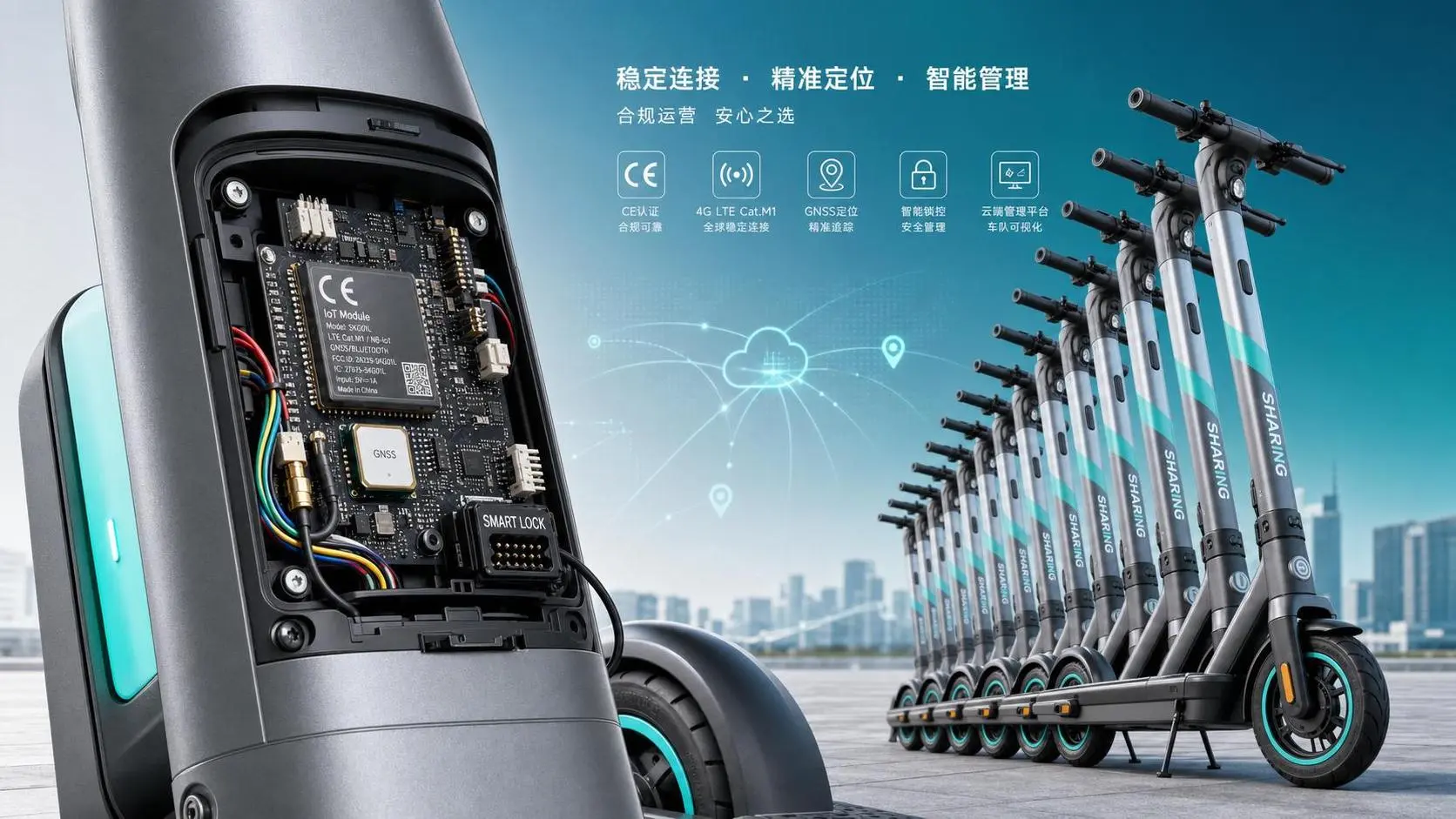
How to Choose CE-Certified IoT Scooter Modules for Shared Fleet Compliance
IoT scooter modules CE certified: learn how to verify compliance scope, documentation, and field performance for shared fleets to reduce risk, avoid downtime, and scale with confidence.
Electric Bicycles ODM: How to Evaluate Design, MOQ, and Customization Capabilities
Electric bicycles ODM evaluation starts with design, MOQ, and customization. Learn how to compare suppliers, reduce sourcing risk, and choose a partner that supports faster launches.
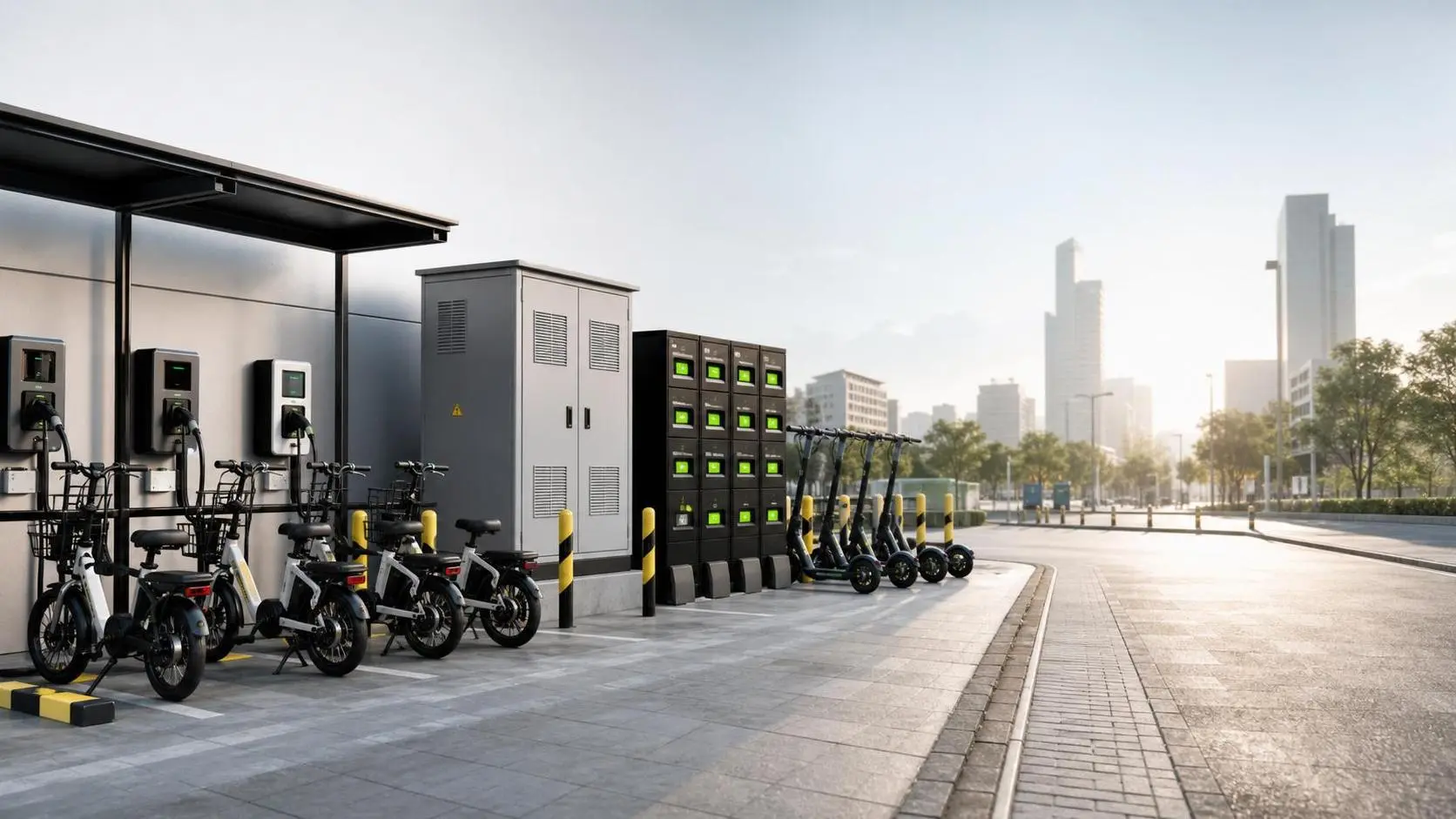
Urban Charging Infrastructure Costs: What Drives CAPEX, OPEX, and ROI by Deployment Type
Urban charging infrastructure costs vary by deployment type. Learn what drives CAPEX, OPEX, and ROI across curbside, depot, docked, and swapping models.
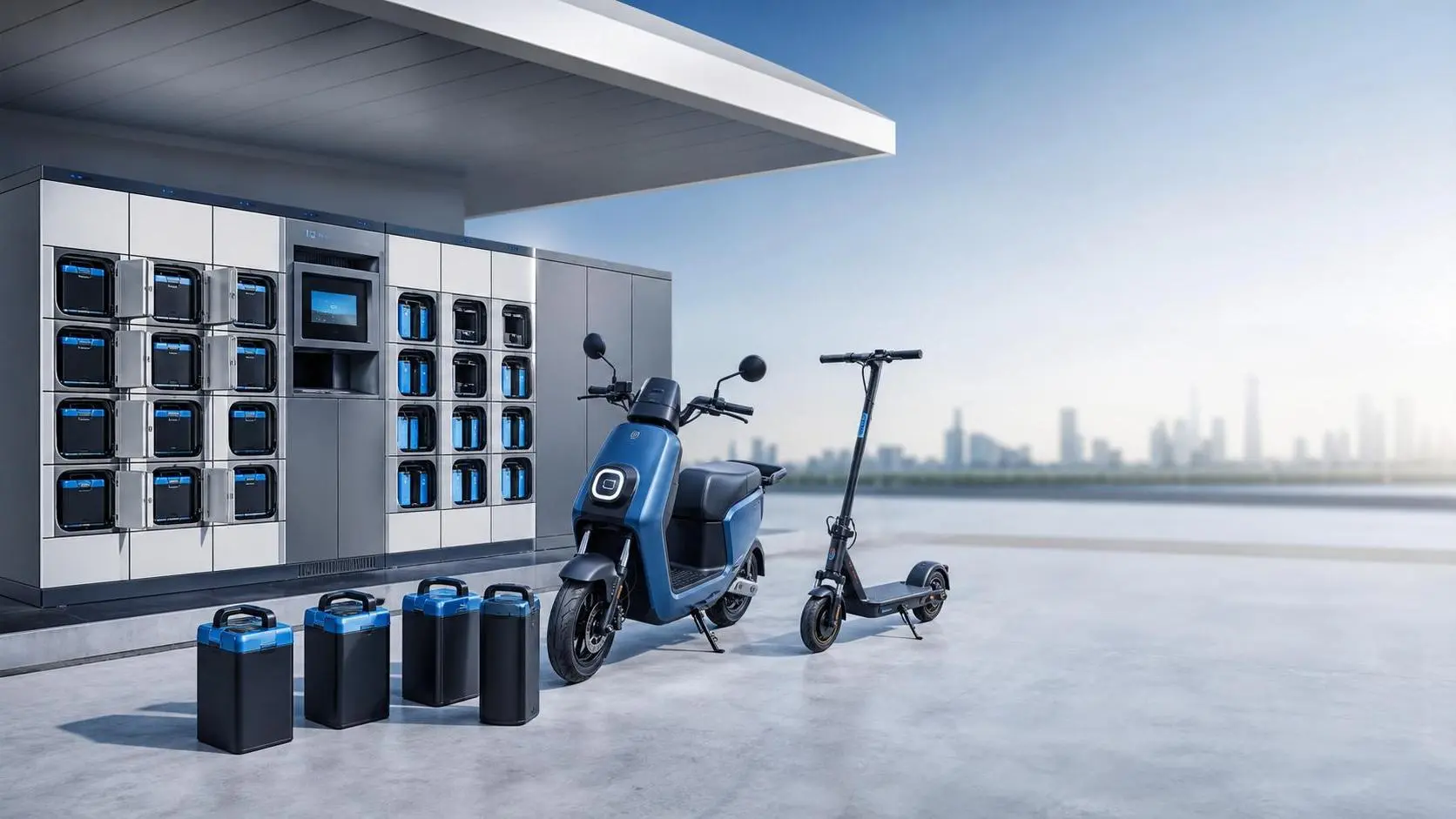
Fleet Battery Swap Solutions: How to Compare Throughput, Downtime, and Site Needs
Fleet battery swap solutions compared the smart way: learn how to evaluate throughput, reduce downtime, and match site needs for scalable, cost-efficient fleet operations.

Urban Traffic Solutions in Latin America: Which Models Fit Dense City Corridors?
Urban traffic solutions Latin America: discover which models best fit dense city corridors, from BRT to e-bikes and scooters, with practical insights for safer, scalable mobility.
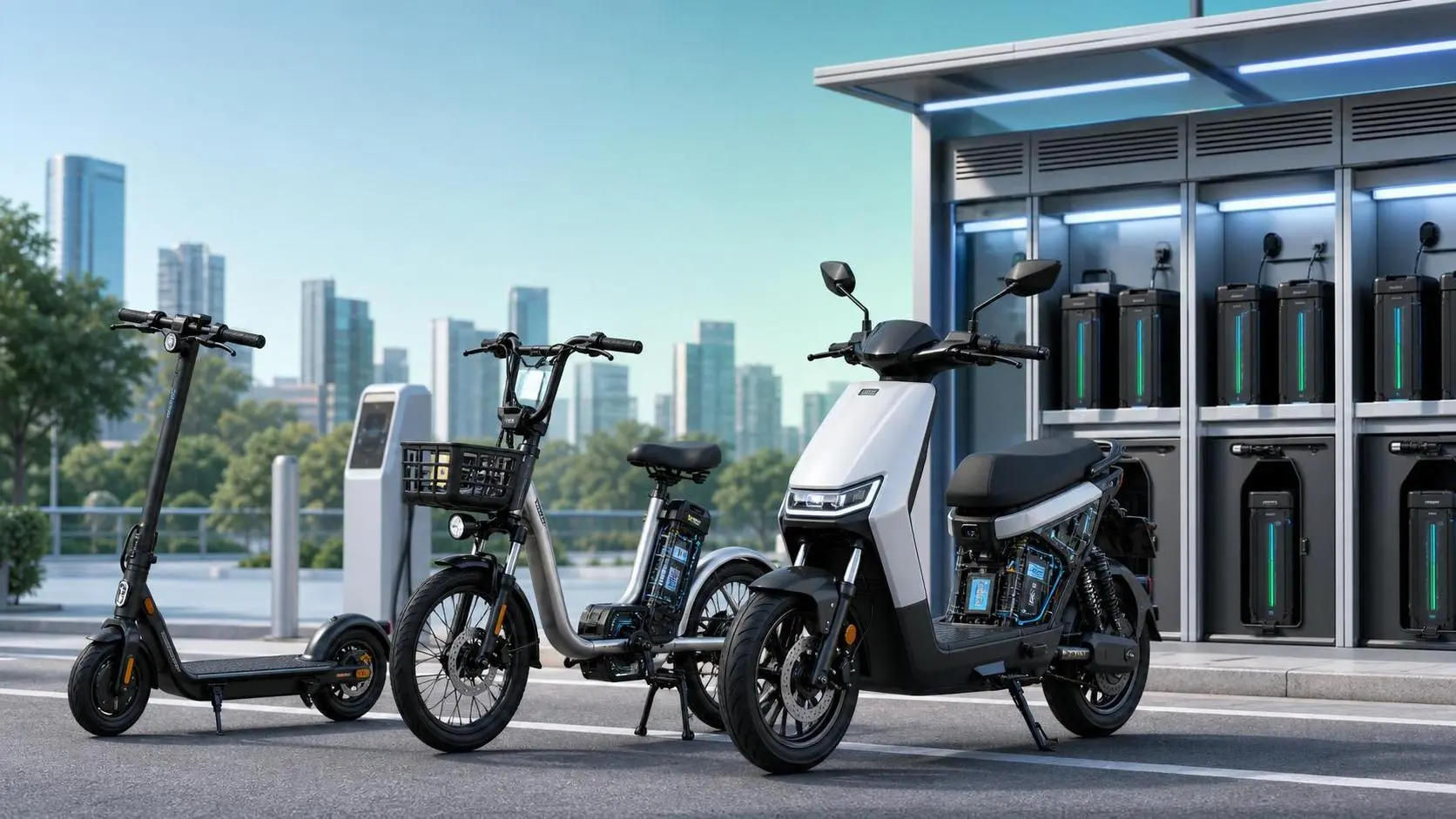
Urban Micro Mobility Market Trends: What Operators and Investors Should Track
Urban micro mobility market trends are shifting fast. Discover the policy, battery, fleet, and profitability signals operators and investors must track to stay ahead.

Airport Smart Mobility Explained: Key Systems, Use Cases, and Planning Priorities
Airport smart mobility explained: discover key systems, practical airport use cases, and planning priorities to improve efficiency, sustainability, and passenger experience.