
Related News
- 00
0000-00
Electric Bike Technology Solutions for Urban Fleets: Connectivity, BMS, and Service Data - 00
0000-00
Electric Bicycles ODM: How to Evaluate Design, MOQ, and Customization Capabilities - 00
0000-00
Smart Urban Travel Options Explained: Which Electric Commuter Setup Fits Daily City Use? - 00
0000-00
Green Scooter Demand: Which Buyer Segments and City Use Cases Are Growing Fast? - 00
0000-00
Urban Congestion E-Bike Solutions: What to Look for in Stop-and-Go City Commuting
Micro-Mobility Strategist
Weekly Insights
Stay ahead with our curated technology reports delivered every Monday.
Electric Bike Technology Solutions for Urban Fleets: Connectivity, BMS, and Service Data





Electric Bike Technology Solutions for Urban Fleets: Connectivity, BMS, and Service Data
For urban fleet operations, electric bike technology solutions now shape daily performance more than frame geometry or motor torque alone.
What matters is whether vehicles stay online, batteries stay healthy, and service teams can act before small faults become expensive failures.
That shift is changing procurement, deployment, and maintenance decisions across shared mobility, delivery programs, campus fleets, and municipal transport pilots.
In practice, strong electric bike technology solutions combine three layers: connectivity, battery management systems, and service data integration.
When these layers work together, operators gain better uptime, lower field costs, safer charging, and clearer planning signals.
That is especially relevant in dense cities, where fleet utilization is high and response windows are short.
Why Urban Fleets Need Integrated Electric Bike Technology Solutions
A disconnected fleet may still move, but it rarely scales cleanly.
One team tracks battery swaps in spreadsheets. Another checks faults manually. Operations reacts late because the system cannot surface patterns early enough.
This is where electric bike technology solutions become operational infrastructure, not just product features.
The strongest platforms connect vehicles, batteries, riders, workshops, and dispatch logic into one usable data loop.
From a project delivery standpoint, that means fewer blind spots during rollout and more predictable service quality after launch.
- Remote visibility into vehicle health and location
- Battery safety controls tied to actual operating conditions
- Service records linked to recurring fault behavior
- Faster root-cause analysis across mixed vehicle batches
- Better replacement planning for batteries and wear parts
More importantly, integrated electric bike technology solutions help teams move from reactive maintenance to managed performance.
Connectivity: The Control Layer Behind Fleet Visibility
Connectivity is usually the first capability urban operators look for, but basic GPS is not enough.
Useful electric bike technology solutions collect status data continuously and turn it into decisions that field teams can act on quickly.
That includes location, ride state, battery level, charging behavior, motor alerts, lock status, and unauthorized movement.
In urban fleets, the value of connectivity grows when it supports three practical outcomes.
1. Smarter dispatch and rebalancing
Vehicles can be routed based on battery range, demand peaks, and known service flags.
This reduces dead mileage and prevents sending weak assets into heavy-use zones.
2. Faster theft response and asset recovery
Urban fleets lose money when vehicles disappear, but they lose even more when recovery workflows are slow and fragmented.
Connected alerts, geofencing, and remote immobilization support stronger response procedures.
3. Earlier fault detection
A controller warning or abnormal power draw can trigger service before riders report a problem.
That is one of the most immediate returns from mature electric bike technology solutions.
BMS: The Safety and Cost Core of the Fleet
Battery management systems sit at the center of every serious electric bike technology solution.
They do much more than display state of charge.
A robust BMS monitors cell voltage, current, temperature, charge cycles, balancing behavior, and abnormal events.
For fleet programs, that data directly affects safety, warranty control, and replacement cost.
Recent market signals make this even more important.
Cities are tightening battery transport, charging, and storage expectations. Insurance providers are also paying closer attention to traceability.
This means electric bike technology solutions need a BMS that supports both engineering control and operational accountability.
- Thermal monitoring during heavy urban use and rapid charging
- Cell balancing to protect usable capacity over time
- Fault logging for warranty review and failure diagnosis
- Battery authentication to reduce misuse and unauthorized swaps
- Lifecycle forecasting for planned replacement budgets
Without these controls, fleet growth often creates hidden battery risk long before it appears in monthly reporting.
Service Data: Turning Maintenance Into a Repeatable System
Service data is where many deployments still fall short.
Vehicles may be connected and batteries may be monitored, yet workshop records remain isolated from operating data.
That creates an avoidable gap.
Well-designed electric bike technology solutions connect service tickets, parts history, technician notes, firmware status, and field alerts into one maintenance view.
Once that happens, recurring failures become easier to see.
For example, brake wear may spike in one district. Battery connector issues may cluster in a certain production lot. Firmware errors may follow a charging station update.
This is the practical side of electric bike technology solutions: data should shorten action time, not just fill dashboards.
What to Prioritize When Selecting a Solution Stack
Not every supplier offers the same depth, even when feature lists look similar.
The better question is whether the electric bike technology solutions can support real operational decisions across the full asset lifecycle.
- Check data ownership and API access. Closed systems create long-term dependency.
- Review BMS event granularity. Summary-level battery data is rarely enough.
- Confirm firmware management workflows for mixed hardware generations.
- Test service integration with actual technician processes, not idealized demos.
- Verify alert logic. Too many false alarms weaken response discipline.
- Map reporting outputs to uptime, safety, and cost targets before rollout.
This is also where cross-functional alignment matters.
Operations may want speed, engineering may want diagnostic depth, and procurement may focus on unit cost.
The right electric bike technology solutions balance all three without creating a support burden that the local team cannot sustain.
Common Deployment Risks and How to Reduce Them
Most failures in fleet technology projects are not caused by missing hardware.
They usually come from weak data governance, unclear responsibilities, or inconsistent operating rules.
Several risk points appear again and again in urban deployments.
- Battery data cannot be matched to individual pack history
- Vehicle alerts do not connect to technician work orders
- Different suppliers use incompatible fault codes
- Connectivity drops in underground or dense building zones
- Service teams lack thresholds for when to repair, swap, or retire assets
Reducing these issues starts with process discipline before scale.
Define battery IDs, fault taxonomies, escalation triggers, and maintenance decision rules early.
Then make sure the electric bike technology solutions reflect those rules consistently across software, hardware, and service partners.
A Practical Rollout Path for Urban Operators
A phased rollout usually delivers better results than a full-scale launch with incomplete controls.
Start with a pilot zone that includes mixed riding conditions, realistic charging patterns, and known service pressure.
Measure a small set of outcomes first: uptime, battery incident rate, average repair cycle, and fault recurrence.
From there, expand only after data quality and operational response are stable.
That approach helps electric bike technology solutions prove value in the field, not just on specification sheets.
For organizations tracking broader micro-mobility trends, this also aligns with the direction seen across the UMMS intelligence landscape.
Connectivity, battery intelligence, and service traceability are becoming baseline expectations for scalable low-carbon two-wheeler systems.
The near-term advantage will go to operators that treat electric bike technology solutions as a coordinated operating model.
That means selecting tools that can support faster decisions, cleaner maintenance workflows, and safer battery governance from day one.
In a crowded urban market, that level of control is often the difference between a fleet that grows smoothly and one that stays stuck in constant recovery mode.
Related News
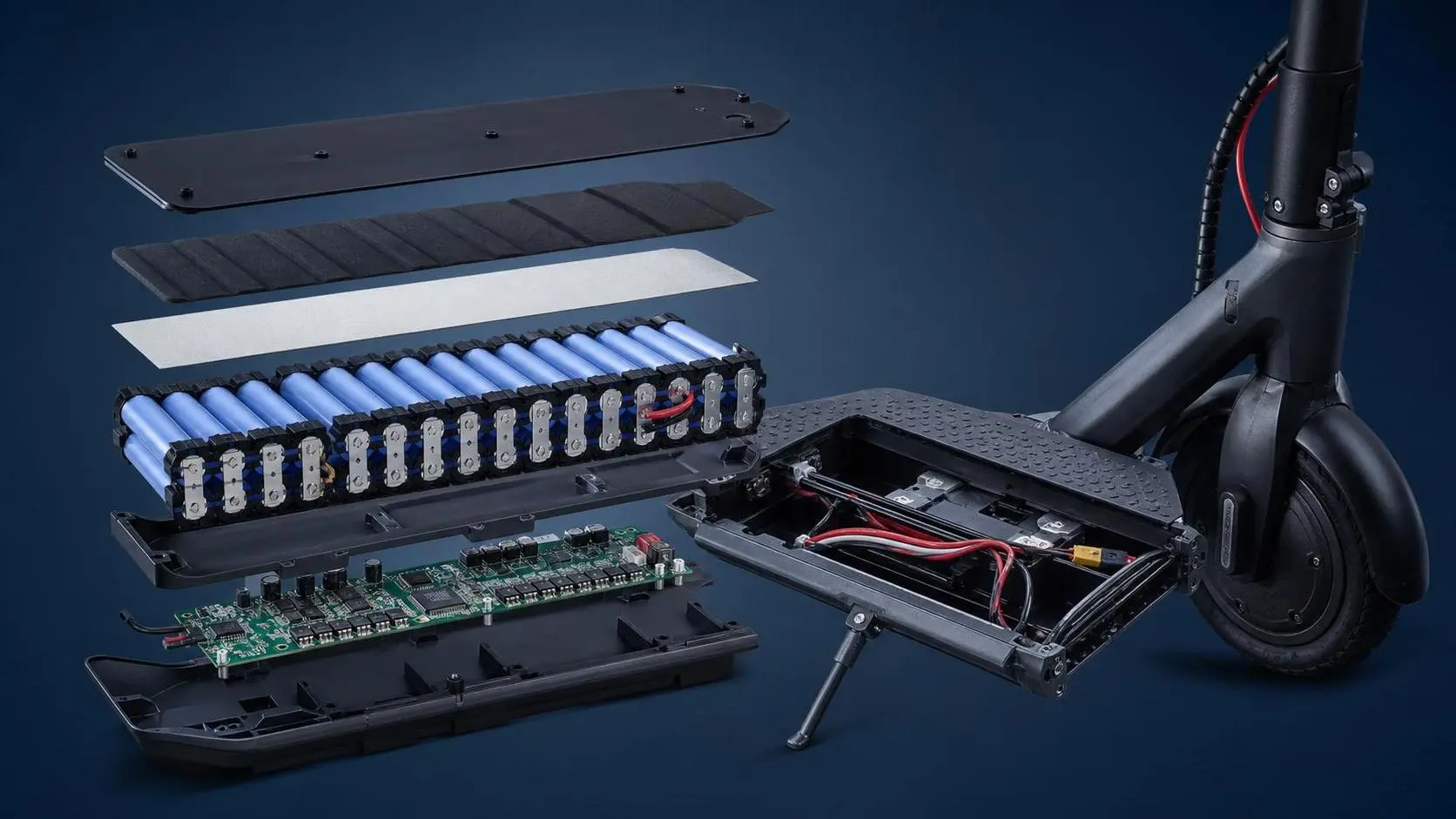
Component Selection for E-Scooters Battery Systems: Cells, BMS, and Thermal Protection
Component selection for e-scooters battery starts with the right cells, BMS, and thermal protection. Learn how to improve safety, range, lifecycle, and compliance.

International Voice Building in Southeast Asia: What Brands Must Localize to Be Found
International voice building Southeast Asia requires more than translation. Learn what brands must localize in technical, regulatory, and search content to improve visibility, trust, and regional demand.
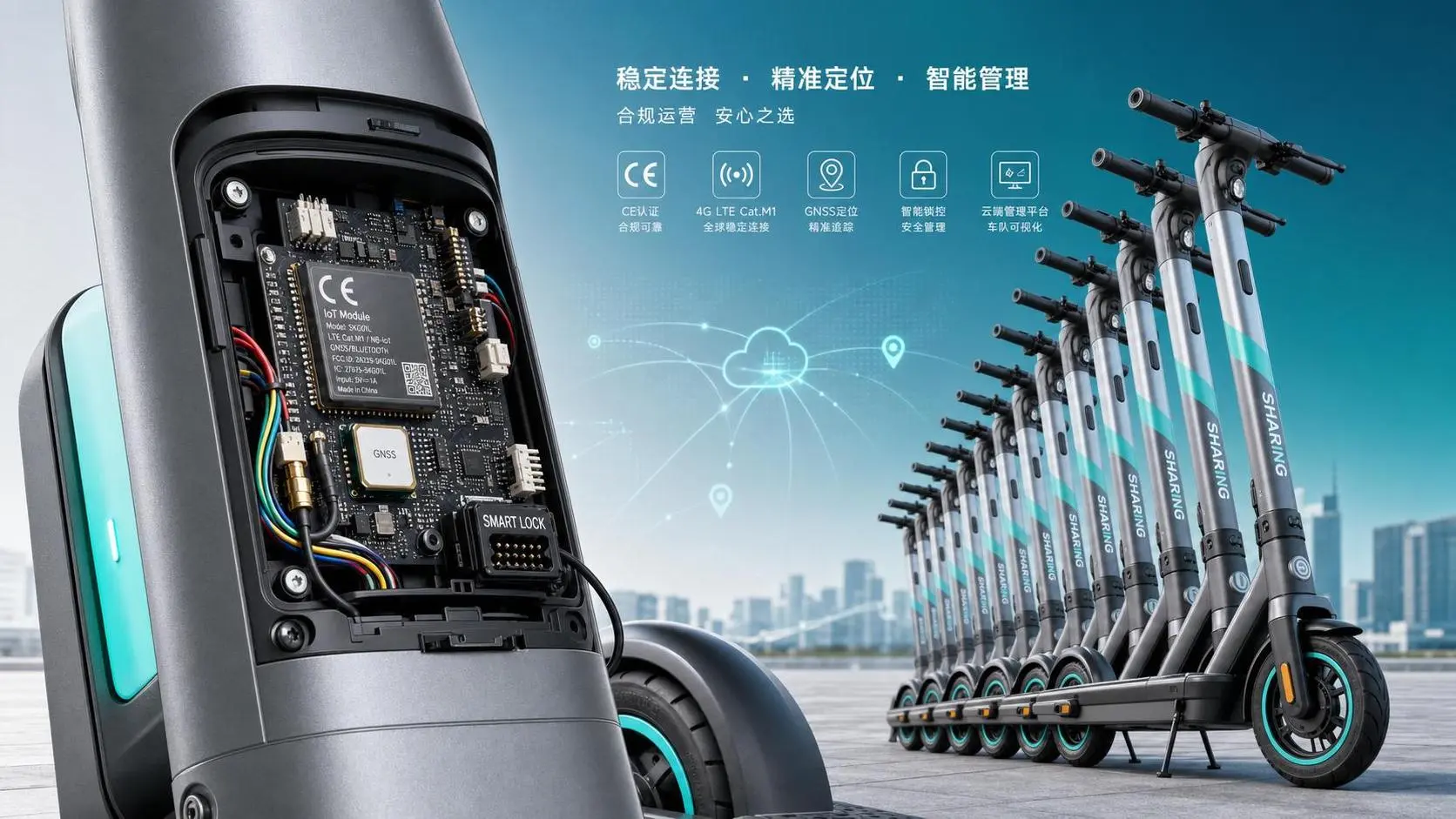
How to Choose CE-Certified IoT Scooter Modules for Shared Fleet Compliance
IoT scooter modules CE certified: learn how to verify compliance scope, documentation, and field performance for shared fleets to reduce risk, avoid downtime, and scale with confidence.
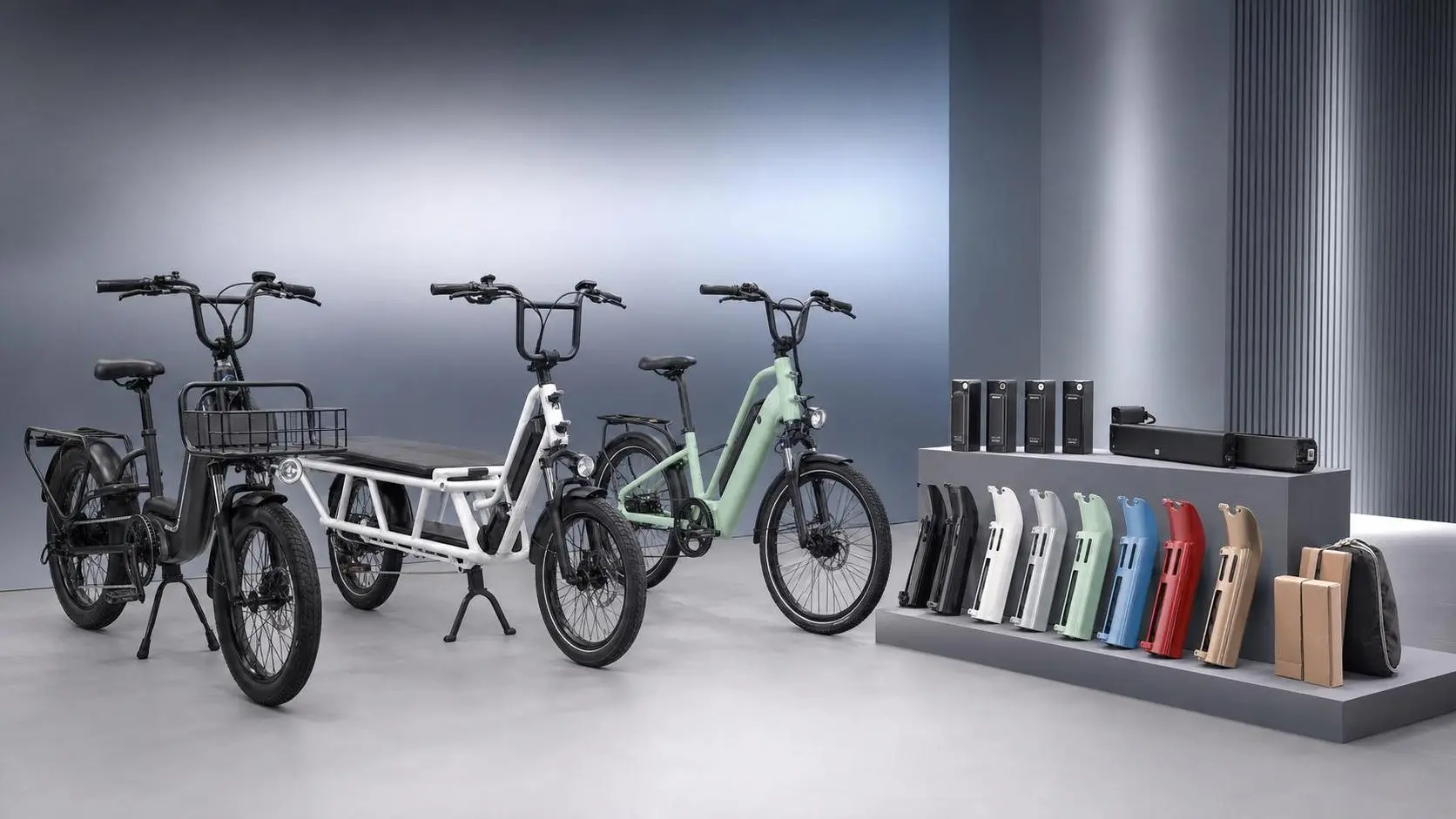
Electric Bicycles ODM: How to Evaluate Design, MOQ, and Customization Capabilities
Electric bicycles ODM evaluation starts with design, MOQ, and customization. Learn how to compare suppliers, reduce sourcing risk, and choose a partner that supports faster launches.

Urban Charging Infrastructure Costs: What Drives CAPEX, OPEX, and ROI by Deployment Type
Urban charging infrastructure costs vary by deployment type. Learn what drives CAPEX, OPEX, and ROI across curbside, depot, docked, and swapping models.

Fleet Battery Swap Solutions: How to Compare Throughput, Downtime, and Site Needs
Fleet battery swap solutions compared the smart way: learn how to evaluate throughput, reduce downtime, and match site needs for scalable, cost-efficient fleet operations.

Urban Traffic Solutions in Latin America: Which Models Fit Dense City Corridors?
Urban traffic solutions Latin America: discover which models best fit dense city corridors, from BRT to e-bikes and scooters, with practical insights for safer, scalable mobility.
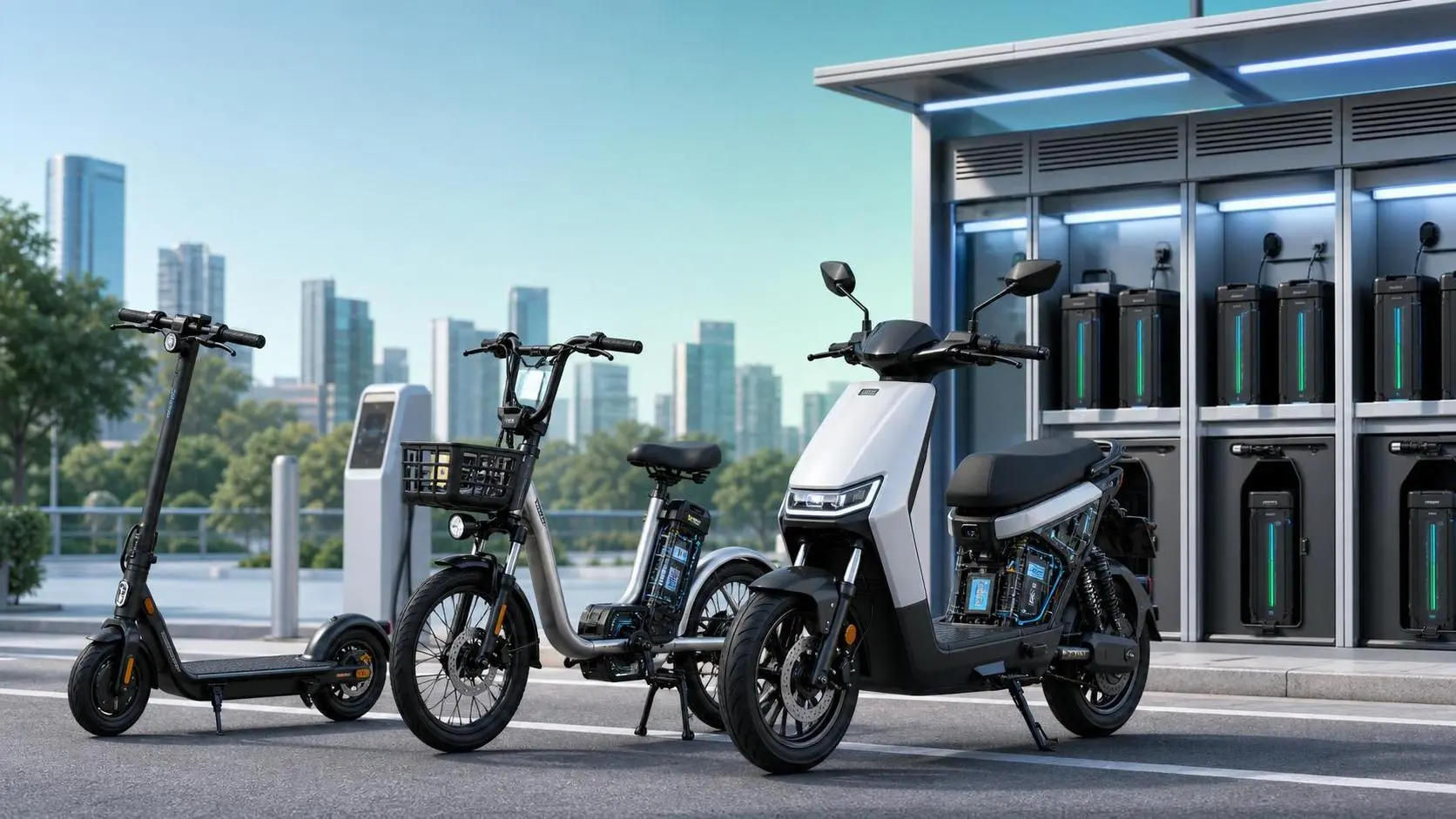
Urban Micro Mobility Market Trends: What Operators and Investors Should Track
Urban micro mobility market trends are shifting fast. Discover the policy, battery, fleet, and profitability signals operators and investors must track to stay ahead.

Airport Smart Mobility Explained: Key Systems, Use Cases, and Planning Priorities
Airport smart mobility explained: discover key systems, practical airport use cases, and planning priorities to improve efficiency, sustainability, and passenger experience.