
Related News
- 00
0000-00
Electric Bike Technology Solutions for Urban Fleets: Connectivity, BMS, and Service Data - 00
0000-00
Electric Bicycles ODM: How to Evaluate Design, MOQ, and Customization Capabilities - 00
0000-00
Smart Urban Travel Options Explained: Which Electric Commuter Setup Fits Daily City Use? - 00
0000-00
Green Scooter Demand: Which Buyer Segments and City Use Cases Are Growing Fast? - 00
0000-00
Urban Congestion E-Bike Solutions: What to Look for in Stop-and-Go City Commuting
Micro-Mobility Strategist
Weekly Insights
Stay ahead with our curated technology reports delivered every Monday.
Electric Bicycles ODM: How to Evaluate Design, MOQ, and Customization Capabilities





Electric Bicycles ODM: How to Evaluate Design, MOQ, and Customization Capabilities
Choosing the right electric bicycles ODM partner can shape launch speed, cost control, and future product expansion.
Price matters, but it is rarely the full story.
In practice, buyers need to assess design capability, MOQ flexibility, engineering depth, and customization execution at the same time.
That is especially true in a market where commuter e-bikes, cargo platforms, and urban leisure models are evolving fast.
A weak ODM may offer a low quote, yet create delays, quality drift, and hidden certification costs later.
A strong electric bicycles ODM partner reduces sourcing risk and improves product-market fit from the start.
Why Electric Bicycles ODM Selection Requires a Broader View
The electric bicycles ODM model is attractive because it shortens development cycles.
Instead of building everything from scratch, buyers can start from an existing platform and customize around real market needs.
This approach works well when demand is time-sensitive or category competition is rising.
Still, not all ODM suppliers operate at the same level.
Some are mainly assemblers with limited engineering ownership.
Others have strong industrial design, battery integration know-how, and mature validation systems.
From a procurement perspective, that difference directly affects landed cost and after-sales exposure.
The goal is not simply to find an electric bicycles ODM factory, but to identify one that fits the intended brand position and volume strategy.
Start With Design Capability, Not Just Factory Scale
Design strength is often the first filter that separates serious partners from commodity suppliers.
An electric bicycles ODM should show clear platform thinking, not only isolated samples.
Look at frame geometry, battery placement logic, cable routing, and component compatibility.
Those details reveal whether the supplier understands urban commuting, cargo loads, or sport-oriented usage.
Key design questions to ask
- Does the supplier own original frame and system designs?
- How many platforms are already commercialized in target regions?
- Can it adapt geometry for rider size, cargo need, or local regulation?
- Does the design support future battery or motor upgrades?
- Are there test records for durability, vibration, and waterproof performance?
A mature electric bicycles ODM should explain design tradeoffs in plain technical terms.
If every answer stays at brochure level, engineering ownership may be shallow.
That usually becomes visible later through repeated revisions and slow sampling.
How to Judge MOQ Beyond the Quoted Number
MOQ is one of the most sensitive topics in electric bicycles ODM sourcing.
However, the headline MOQ alone can be misleading.
Some suppliers offer a low starting quantity, yet lock buyers into expensive components or limited finish options.
Others present a higher MOQ, but allow mixed configurations under one platform.
That can create better inventory balance and lower risk in the first launch stage.
What MOQ should really cover
- MOQ by complete bike model
- MOQ by frame color or decal variation
- MOQ by battery specification
- MOQ by packaging design and manuals
- MOQ for spare parts and after-sales kits
In actual sourcing, the best electric bicycles ODM partner is often the one with transparent MOQ structure.
Transparency helps forecast cash flow, storage pressure, and slow-moving stock risk.
It also gives more room to test demand before committing to larger annual volumes.
Customization Capability Should Be Tested in Layers
Customization is where many electric bicycles ODM projects succeed or fail.
The issue is not whether a supplier says yes.
The real question is how deep that yes can go without breaking cost, timing, or compliance.
A capable electric bicycles ODM usually offers layered customization rather than unlimited promises.
Typical customization layers
- Visual customization: paint, decals, saddle, grips, display language, carton graphics.
- Functional customization: battery range, motor tuning, suspension, gearing, brake setup.
- Structural customization: frame changes, rack integration, accessory mounts, wheel size.
- Digital customization: app connection, controller logic, anti-theft modules, fleet readiness.
This layered view makes supplier comparison much easier.
For example, a supplier may be strong in cosmetic changes but weak in system-level engineering.
That is acceptable for low-risk retail programs.
It is less suitable for differentiated commuter fleets or premium brand positioning.
Engineering Depth Matters More Than Sample Appearance
A polished sample can hide weak engineering discipline.
That is why electric bicycles ODM evaluation should include development process review.
Ask how the supplier handles BOM control, change management, validation, and pilot production feedback.
A strong factory will have documented checkpoints and clear owners.
Important engineering indicators
- In-house testing for frame fatigue and electrical safety
- Battery and controller integration experience
- Knowledge of EN, UL, and local road-use requirements
- Supplier management for key components
- Root-cause analysis process for field failures
This is especially important for electric bicycles ODM programs entering Europe or North America.
Compliance gaps are expensive and often discovered too late.
A cheaper quote can quickly lose value if rework, retesting, or shipment holds appear.
Use a Simple Comparison Table During Supplier Screening
A table like this keeps electric bicycles ODM screening grounded in facts rather than sales language.
Common Mistakes That Increase ODM Sourcing Risk
Several mistakes appear repeatedly in electric bicycles ODM procurement.
- Selecting only by unit price without checking engineering responsibility
- Approving samples before full specification alignment
- Ignoring spare parts MOQ and service package planning
- Assuming certifications transfer automatically after customization
- Accepting broad customization promises without milestone control
These issues usually do not hurt at quotation stage.
They become expensive during pilot runs, shipping preparation, or early market claims.
That is why a disciplined electric bicycles ODM review process pays back quickly.
A Practical Shortlist Approach for Better Procurement Decisions
A practical electric bicycles ODM selection process can stay simple.
- Define the target market, use case, and expected annual volume.
- Screen suppliers by platform fit and compliance history.
- Compare MOQ structure, not only the opening order quantity.
- Test customization depth through one real sample brief.
- Audit engineering workflow and after-sales support readiness.
- Use a scorecard before commercial negotiation begins.
This method keeps the decision focused on total project performance.
It also helps separate suppliers that can grow with the brand from those that only fill short-term orders.
In a competitive micro-mobility market, that distinction matters more each year.
The strongest electric bicycles ODM partner is not always the cheapest or the biggest.
It is the one that can align design logic, MOQ realism, and customization control with a reliable engineering base.
When those elements are verified early, sourcing becomes more predictable and scaling becomes less painful.
For any team reviewing electric bicycles ODM options, the next useful step is a structured supplier scorecard built around these exact criteria.
Related News
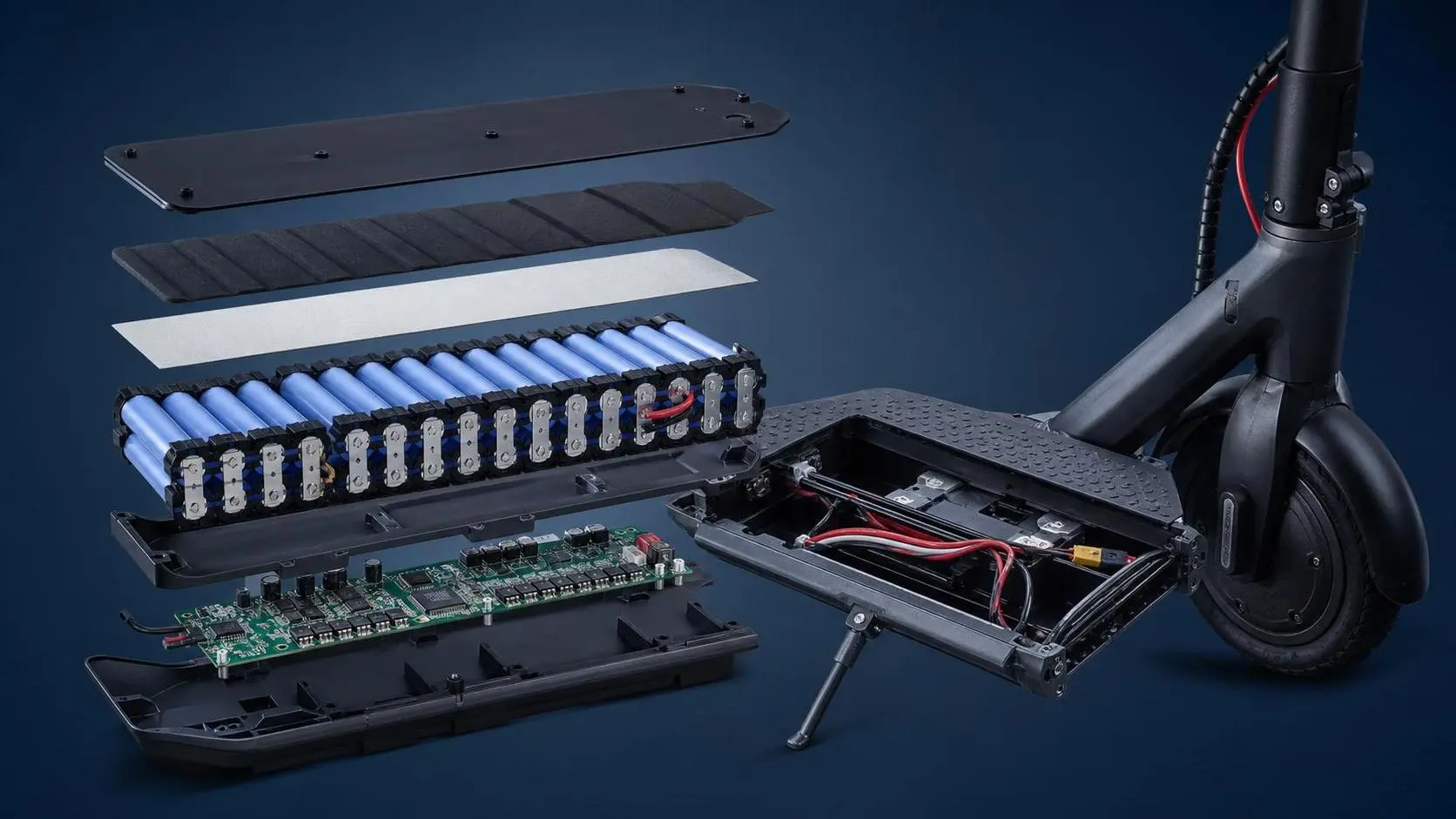
Component Selection for E-Scooters Battery Systems: Cells, BMS, and Thermal Protection
Component selection for e-scooters battery starts with the right cells, BMS, and thermal protection. Learn how to improve safety, range, lifecycle, and compliance.

Electric Bike Technology Solutions for Urban Fleets: Connectivity, BMS, and Service Data
Electric bike technology solutions for urban fleets: discover how connectivity, BMS, and service data improve uptime, battery safety, and maintenance efficiency.
International Voice Building in Southeast Asia: What Brands Must Localize to Be Found
International voice building Southeast Asia requires more than translation. Learn what brands must localize in technical, regulatory, and search content to improve visibility, trust, and regional demand.
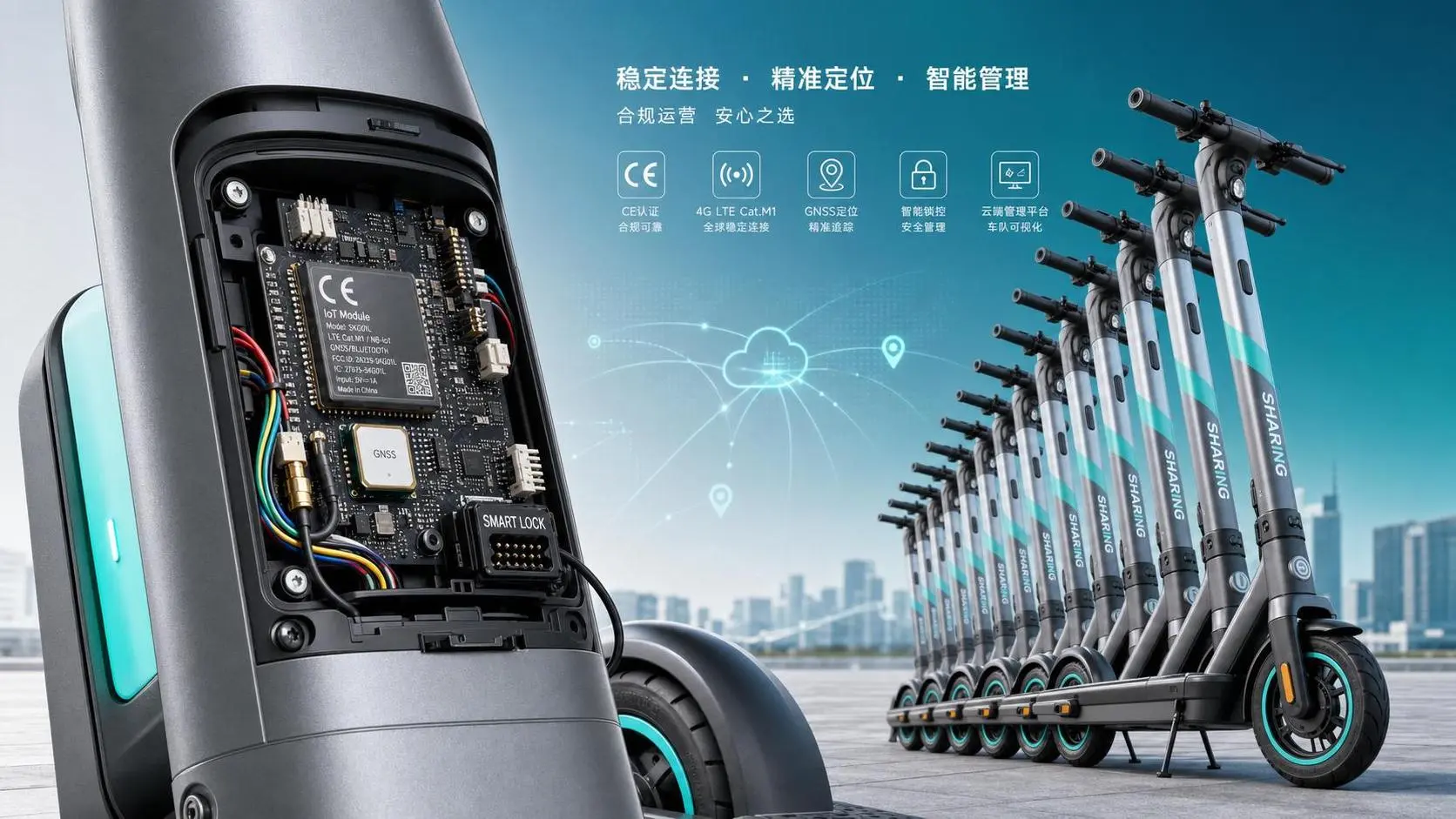
How to Choose CE-Certified IoT Scooter Modules for Shared Fleet Compliance
IoT scooter modules CE certified: learn how to verify compliance scope, documentation, and field performance for shared fleets to reduce risk, avoid downtime, and scale with confidence.

Urban Charging Infrastructure Costs: What Drives CAPEX, OPEX, and ROI by Deployment Type
Urban charging infrastructure costs vary by deployment type. Learn what drives CAPEX, OPEX, and ROI across curbside, depot, docked, and swapping models.
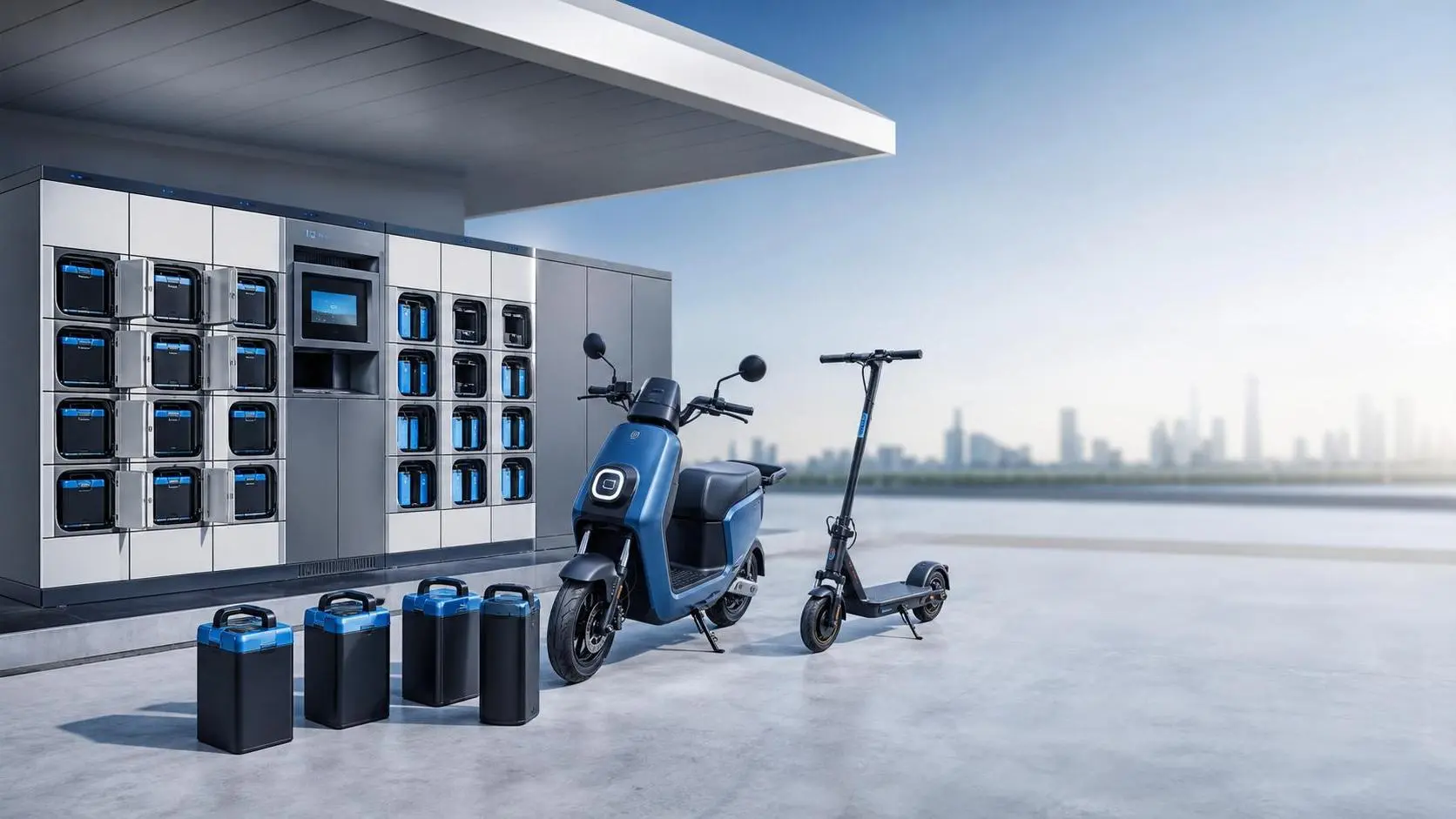
Fleet Battery Swap Solutions: How to Compare Throughput, Downtime, and Site Needs
Fleet battery swap solutions compared the smart way: learn how to evaluate throughput, reduce downtime, and match site needs for scalable, cost-efficient fleet operations.

Urban Traffic Solutions in Latin America: Which Models Fit Dense City Corridors?
Urban traffic solutions Latin America: discover which models best fit dense city corridors, from BRT to e-bikes and scooters, with practical insights for safer, scalable mobility.
Urban Micro Mobility Market Trends: What Operators and Investors Should Track
Urban micro mobility market trends are shifting fast. Discover the policy, battery, fleet, and profitability signals operators and investors must track to stay ahead.

Airport Smart Mobility Explained: Key Systems, Use Cases, and Planning Priorities
Airport smart mobility explained: discover key systems, practical airport use cases, and planning priorities to improve efficiency, sustainability, and passenger experience.