
Related News
- 00
0000-00
Vehicle Visibility Safety for Motorcycles: Common Blind-Spot Risks and Fixes - 00
0000-00
How to Use a Smart Mobility Supplier Directory to Compare OEM Partners - 00
0000-00
Bicycle Supplier Reference Guide: How to Compare OEM Capacity, QC, and Lead Times - 00
0000-00
What Makes a Last-Mile Revolution Provider Worth Evaluating for Urban Delivery Projects? - 00
0000-00
E Scooter Resort Applications: Best Use Cases for Guest Mobility and Staff Transport
Ms. Elena Rodriguez
Weekly Insights
Stay ahead with our curated technology reports delivered every Monday.
Vehicle Visibility Safety for Motorcycles: Common Blind-Spot Risks and Fixes





Why vehicle visibility safety for motorcycles changes with real riding conditions
Vehicle visibility safety for motorcycles becomes a business issue long before a crash report is filed.
In urban micro-mobility, blind-spot failures affect warranty exposure, compliance reviews, fleet uptime, and public trust.
That matters even more as high-speed electric motorcycles enter denser traffic corridors with quieter drivetrains and faster acceleration.
The core problem is simple.
Riders do not experience visibility as a fixed specification.
They experience it through lane filtering, wet weather, cargo loads, helmet position, urban glare, and vehicle vibration.
That is why vehicle visibility safety for motorcycles should be judged by operating context, not mirror size alone.
For UMMS, this fits a wider pattern across micro-mobility systems.
A component that looks acceptable in static inspection can underperform once speed, electronics, weather, and rider behavior interact.
In city traffic, the blind spot is rarely where teams expect it
Urban riding creates the most misunderstood vehicle visibility safety for motorcycles risks.
The issue is not only rearward vision.
It is the speed difference between a motorcycle and surrounding cars, buses, delivery vans, and shared scooters.
At intersections, one common failure appears when mirrors are adjusted for highway posture but used in upright stop-and-go traffic.
The rider sees too much shoulder and too little adjacent lane.
That leaves a gap exactly where cars drift during low-speed merges.
Another risk shows up during lane filtering.
Wide mirrors may improve field of view, but they can also hit obstacles or encourage folding habits that reduce usable coverage.
In practice, the better judgment is to balance mirror width, vibration control, and realistic rider head checks.
For urban fleets, convex mirror geometry and stable stalk mounting often outperform larger flat mirrors.
They sacrifice some distance accuracy, but they reduce hidden overlap during frequent lateral movement.
Where wet weather changes the equation
Rain does not only reduce sight distance ahead.
It also degrades mirror clarity, visor transparency, road marking contrast, and sensor confidence.
This is where vehicle visibility safety for motorcycles links closely with UMMS coverage of wiper systems and smart sensing logic.
Motorcycles do not use windshield wipers in the same way as cars, yet the same visibility engineering mindset applies.
Surface contamination, airflow, and water shedding all shape what the rider can actually detect.
Hydrophobic coatings, anti-fog visor systems, and mirror housings that resist spray turbulence are often more valuable than cosmetic mirror upgrades.
High-speed electric motorcycles need a different visibility strategy
Vehicle visibility safety for motorcycles changes again once electric performance rises.
High-speed e-motorcycles can close gaps quickly and silently.
That increases the risk of entering another vehicle's blind zone before the driver has updated situational awareness.
In this setting, mirror alignment is still necessary, but it is not enough.
The more useful approach combines three layers.
- Stable optical coverage at cruising speed, with minimal blur from handlebar vibration.
- Reliable signaling and lighting visibility during overtakes, especially in dusk conditions.
- Electronic alerts that support judgment without distracting the rider.
This is where blind-spot detection becomes attractive, but implementation must be disciplined.
Poorly tuned alerts create false confidence.
If radar or camera warnings trigger too late, or too often, riders stop trusting them.
A useful system should confirm adjacent presence early, remain visible in sunlight, and avoid masking mirror-based judgment.
Shared, commercial, and mixed-use fleets face different blind-spot pressure points
Not every motorcycle visibility problem comes from speed.
In mixed-use fleets, repeatability often matters more than peak performance.
One rider may prefer a narrow setup for filtering.
Another may need a wider rearward field due to delivery boxes or heavier protective gear.
That variation creates inspection difficulty.
A motorcycle can pass workshop checks and still be poorly configured for the next shift.
More consistent vehicle visibility safety for motorcycles usually comes from adjustable standards, not one universal setting.
The most common fixes are simple, but the judgment behind them is not
In actual programs, the best fixes are usually layered rather than expensive.
A basic mirror change can help, but only if it matches rider posture, vehicle width, and route profile.
A sensor upgrade can help, but only if the warning logic is tested in rain, glare, and stop-start traffic.
Useful corrective actions often include the following.
- Set mirror angles with the rider in normal gear, not in a workshop-only stance.
- Measure vibration at typical speed ranges before changing mirror shapes.
- Check how top boxes, side luggage, or battery enclosures alter rearward sightlines.
- Test blind-spot alerts against buses, barriers, and multi-lane traffic reflections.
- Reconfirm visibility after maintenance, because small alignment errors create large coverage gaps.
This is also where broader micro-mobility intelligence becomes useful.
The same data discipline used for drivetrain response or battery thermal management should be applied to visibility performance.
Where teams often misjudge vehicle visibility safety for motorcycles
One frequent mistake is treating similar two-wheelers as if they share the same visibility needs.
An e-bike, a smart e-scooter, and a high-speed e-motorcycle all occupy narrow road space.
Their closure speeds, rider posture, and signaling behaviors are still very different.
Another mistake is focusing on acquisition cost while ignoring recalibration, replacement, and training effort.
Low-cost mirrors that loosen under vibration can quietly erode vehicle visibility safety for motorcycles over weeks, not days.
A third blind spot appears in compliance thinking.
Passing a dimensional standard does not prove safe real-world visibility.
What matters is whether the rider can detect, interpret, and react in time under actual operating stress.
A practical next step is to build a scenario-based visibility standard
A workable visibility process starts by separating motorcycles by route type, speed band, weather exposure, and load condition.
Then define what acceptable coverage means in each case.
That may include mirror field targets, vibration tolerance, alert timing, and inspection intervals.
Vehicle visibility safety for motorcycles improves when these checks become repeatable instead of informal.
For organizations tracking the evolution of micro-mobility, this approach aligns with a larger shift.
Safety value now comes from how mechanical design, electronics, and real-road behavior work together.
The next useful move is to map blind-spot incidents by scenario, compare visibility setups across operating conditions, and update standards where field evidence shows recurring gaps.
- urban micro-mobility
- high-speed e-motorcycles
- wiper systems
- shared scooters
- thermal management
- micro-mobility intelligence
- vehicle visibility safety
- micro-mobility
- electric motorcycles
- battery thermal management
- high-speed electric motorcycles
- micro-mobility systems
- vehicle visibility safety for motorcycles
- windshield wipers
Related News

Smart E-Scooter Systems With GPS for Shared Fleets: Features That Matter Most
Smart e-scooter systems with GPS help shared fleets improve compliance, recovery, uptime, and battery planning. See which features matter most before you scale.
Flat Wiper Blades Europe: What to Check Before Choosing OEM or Aftermarket Options
Flat wiper blades Europe buyers should look beyond price. Learn how to compare OEM and aftermarket options by fit, compliance, durability, and supply consistency.
Automatic Smart Wiper Systems Explained: Sensors, Control Logic, and Failure Points
Automatic smart wiper systems explained clearly: explore sensors, control logic, key failure points, and what really determines safer, more reliable windshield visibility.

How to Use a Smart Mobility Supplier Directory to Compare OEM Partners
Smart mobility supplier directory guide: compare OEM partners beyond price by checking compliance, battery integration, lead times, and engineering strength to build a lower-risk shortlist.
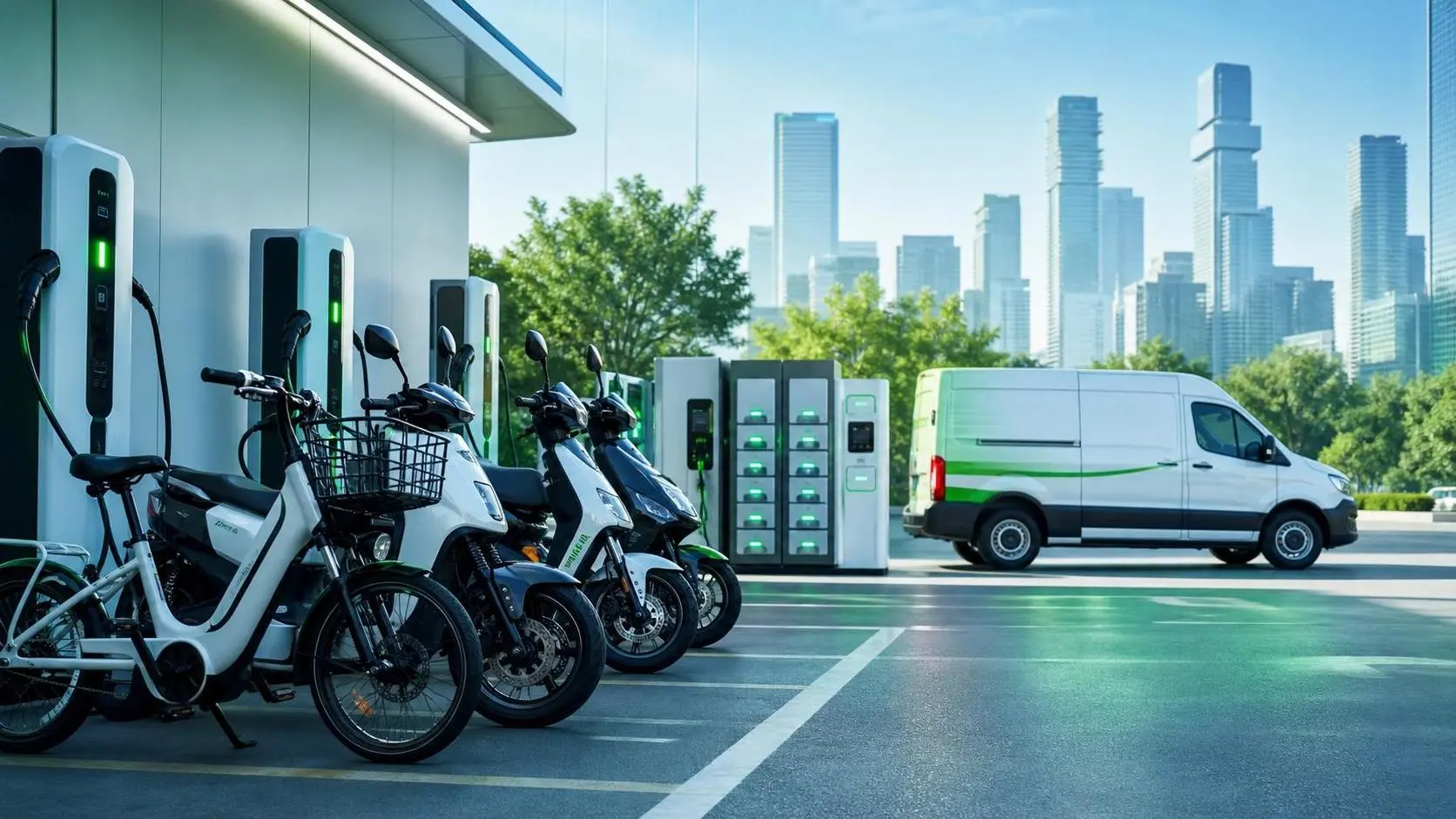
Carbon Neutrality for Fleets: How to Measure Emissions and Prioritize Upgrades
Carbon neutrality for fleets starts with accurate emissions measurement. Learn how to baseline data, uncover hidden energy losses, and prioritize upgrades that cut costs and carbon faster.
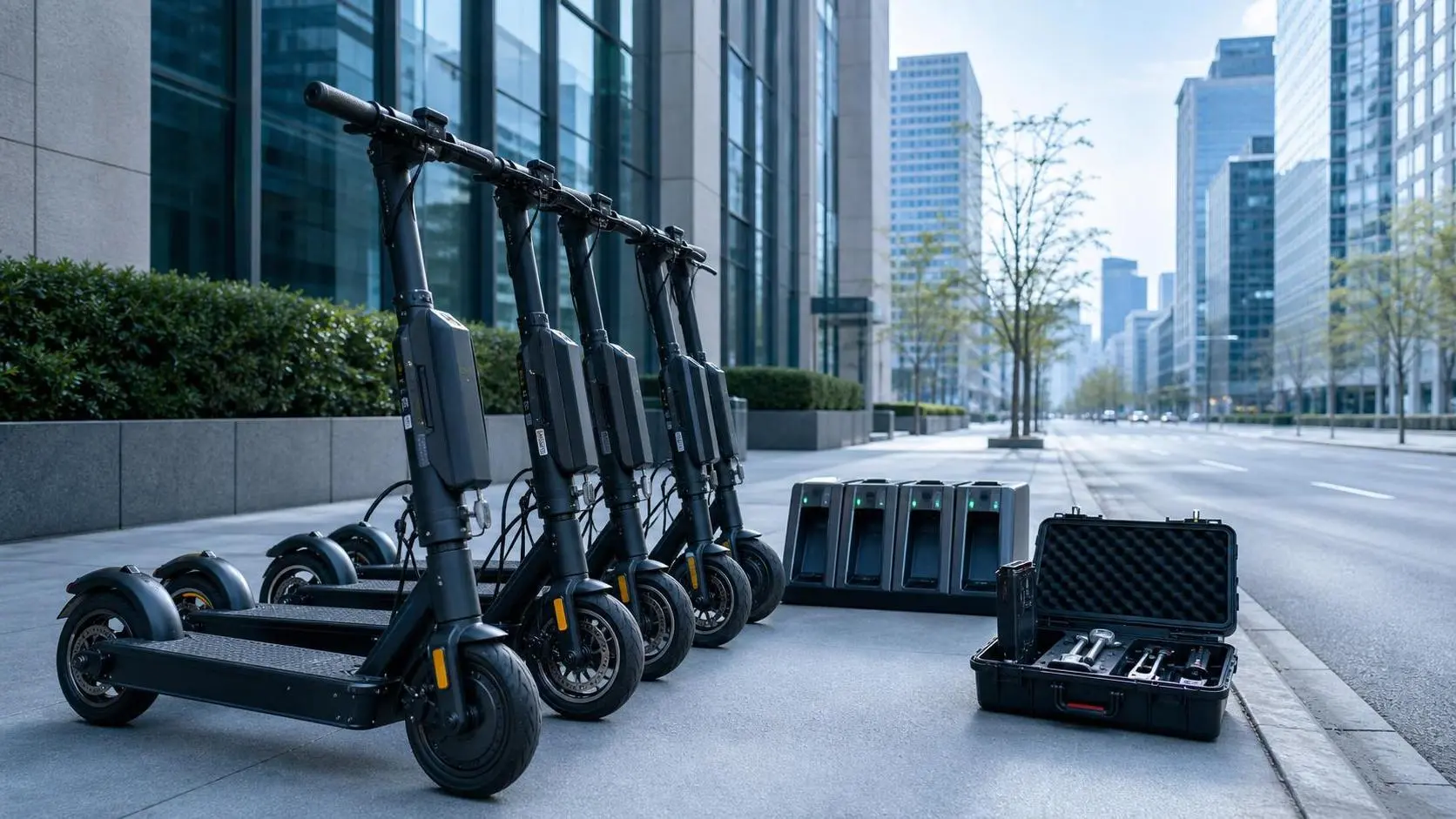
Smart E-Scooter Systems in North America: What Fleet Buyers Should Evaluate First
Smart e-scooter systems North America buyers should first assess connectivity, battery strategy, compliance, durability, and support to reduce risk and build scalable fleets.
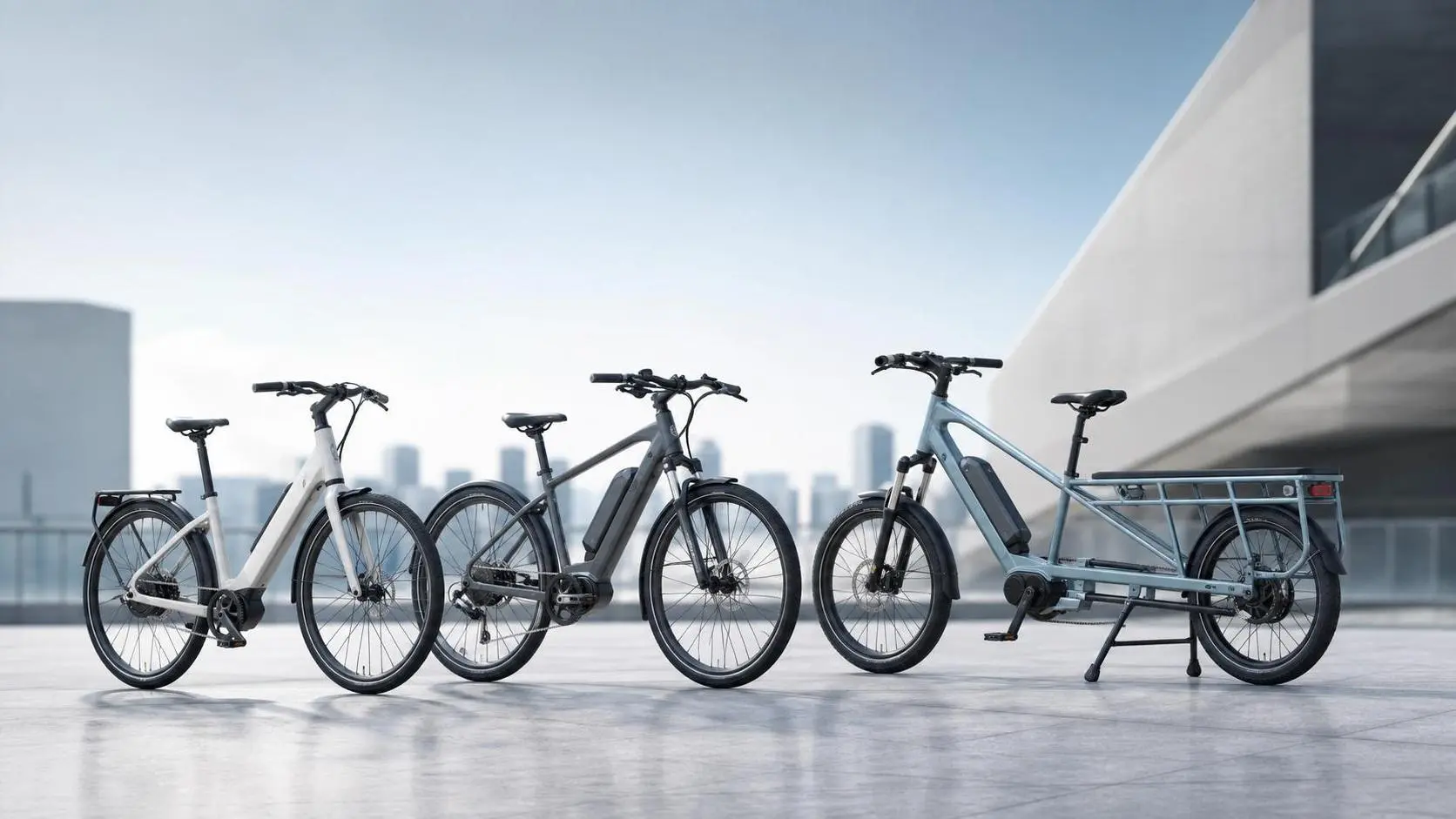
E-Bike Application Guide: Which Frame, Motor, and Battery Setup Fits Your Use Case?
E-bike application guide for choosing the right frame, motor, and battery by commute, hills, cargo, or mixed terrain. Find the setup that saves cost, weight, and hassle.
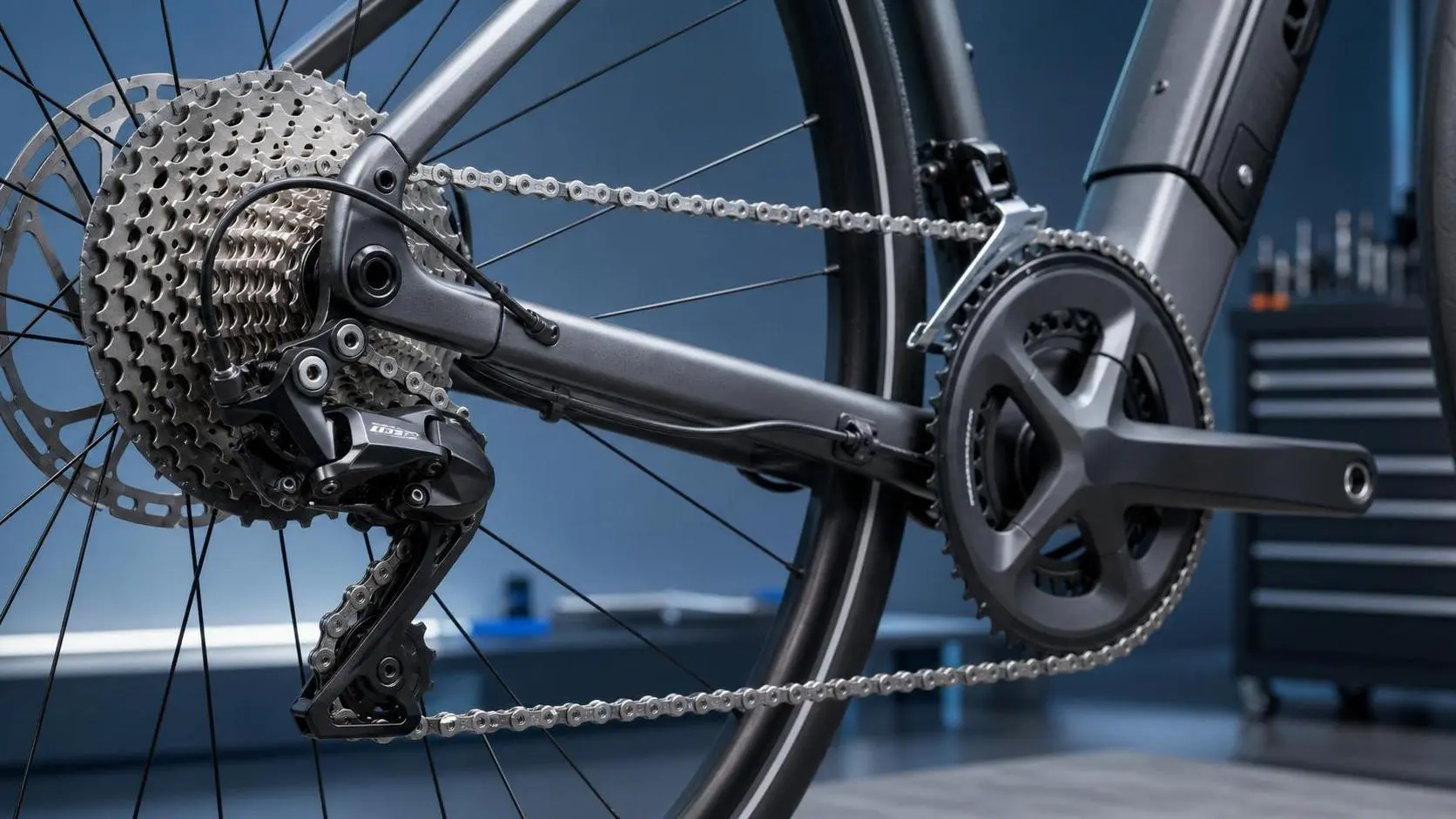
Precision Drivetrain Tuning Explained: Key Adjustments for Smoother Shifting
Precision drivetrain tuning explained: learn the key adjustments behind smoother shifting, fewer drivetrain issues, and better e-bike and urban bike performance.

Bicycle Supplier Reference Guide: How to Compare OEM Capacity, QC, and Lead Times
Bicycle supplier reference guide for sourcing teams: compare OEM capacity, QC systems, and lead-time reliability to reduce risk, improve vendor selection, and make smarter purchasing decisions.