
Related News
- 00
0000-00
Carbon Neutrality for Fleets: How to Measure Emissions and Prioritize Upgrades - 00
0000-00
Urban Traffic Micro-Circulation Providers: Key Models, Deployment Scenarios, and ROI Factors - 00
0000-00
Ebike Market USA: What Dealers Should Know About Demand Shifts, Pricing, and Product Mix - 00
0000-00
Urban Micro Mobility Market Trends: What Operators and Investors Should Track - 00
0000-00
Micro-Mobility Trends: How Battery Swapping Is Reshaping Shared Scooter Operations
Prof. Marcus Chen
Weekly Insights
Stay ahead with our curated technology reports delivered every Monday.
Carbon Neutrality for Fleets: How to Measure Emissions and Prioritize Upgrades





Why carbon neutrality for fleets has become a practical operations question
Carbon neutrality for fleets is no longer a branding exercise. It now affects vehicle selection, maintenance planning, route design, and capital timing.
That is especially true in urban mobility. E-bikes, smart e-scooters, and high-speed e-motorcycles operate inside policy-heavy, energy-sensitive environments.
In that setting, emissions are shaped by more than tailpipes. Electricity sourcing, battery losses, charging behavior, spare parts, and service intervals all matter.
A useful starting point is simple: measure what the fleet really emits, then upgrade what changes the number fastest without damaging reliability.
UMMS follows this logic closely across micro-mobility systems. Its industry coverage shows that drivetrain efficiency, battery management, and component design now sit inside the carbon discussion.
So when people ask about carbon neutrality for fleets, the better question is not whether to act. It is where to begin and what to sequence first.
What does carbon neutrality for fleets actually mean in day-to-day terms?
In practical terms, carbon neutrality for fleets means balancing or eliminating fleet-related greenhouse gas emissions across operations, energy use, and supporting activities.
Many teams start with direct fuel use. That is necessary, but incomplete. Electric fleets also carry carbon through purchased electricity and upstream energy generation.
For urban two-wheeler systems, the carbon profile often includes:
- Fuel burned by ICE support vehicles or legacy motorcycles
- Electricity consumed during charging
- Battery swap logistics and depot energy losses
- Maintenance travel and service van mileage
- Replacement rates for high-wear components
This is why carbon neutrality for fleets should be treated as an operational accounting framework, not just a vehicle replacement project.
In actual deployment, a fleet with efficient motors, better thermal management, and longer-life components may outperform a nominally cleaner fleet with poor energy discipline.
How should emissions be measured before any upgrade decisions?
Start with a baseline year and one clear boundary. Without that, carbon neutrality for fleets becomes impossible to compare across months, regions, or vehicle types.
Most operators use three layers. Direct vehicle fuel comes first. Purchased electricity comes next. Then come selected upstream or service-related emissions.
The measurement process usually works best in five steps.
- List every asset class, including e-bikes, scooters, motorcycles, charging points, and support vehicles.
- Collect activity data such as liters, kWh, mileage, charge cycles, utilization rates, and idle time.
- Apply emission factors by fuel type, grid mix, or region.
- Normalize results by vehicle, kilometer, delivery, or service hour.
- Document assumptions, especially around electricity sourcing and battery life.
For micro-mobility, telemetry improves accuracy. IoT-connected scooters and e-motorcycles often reveal hidden losses from charging habits, speed profiles, and route inefficiencies.
This is where industry intelligence helps. UMMS regularly tracks how powertrain architecture, battery management logic, and component efficiency affect system-level energy outcomes.
A baseline should also separate operational emissions from embodied emissions. They are related, but they drive different upgrade decisions.
A quick decision table for the first measurement pass
Before collecting perfect data, use a structured first pass. It prevents delays and exposes the largest emission sources early.
Which upgrades usually deserve priority first?
The best upgrade is not always full fleet replacement. More often, carbon neutrality for fleets improves through a sequence of high-impact operational changes.
A useful rule is to rank upgrades by four factors: emission reduction, operational risk, payback speed, and implementation complexity.
In urban micro-mobility, early priorities commonly include:
- Replacing high-use ICE units before low-use ones
- Improving charger efficiency and charging schedules
- Reducing battery overheating and avoidable degradation
- Upgrading to lower-loss drivetrains and better control systems
- Reducing service trips through stronger component durability
This is one reason precision parts matter. A better derailleur system, lower rolling resistance, or more efficient motor control may seem small in isolation.
Across thousands of rides, those improvements reduce wasted energy and maintenance frequency. That directly supports carbon neutrality for fleets.
For shared scooters and e-bikes, another frequent priority is repositioning efficiency. Fewer unnecessary collection and redistribution trips can reduce emissions quickly.
Is electrification enough, or do hidden factors change the carbon result?
Electrification helps, but it does not guarantee carbon neutrality for fleets. The final result depends on the entire operating system around the vehicle.
A poorly managed electric fleet can still carry a heavy carbon footprint if charging relies on a carbon-intensive grid or batteries degrade too fast.
There are also technical details that change outcomes more than expected.
Battery management is a carbon issue, not just a performance issue
Battery temperature control, charging windows, and cell balancing influence both energy loss and service life. Shorter battery life means more replacement and more embodied carbon.
Component efficiency can reshape urban fleet economics
UMMS has highlighted how drivetrain precision, electronic control quality, and lightweight structural design affect micro-mobility efficiency at scale.
That matters because carbon neutrality for fleets is often won through accumulated marginal gains, not one dramatic intervention.
Safety systems also influence emissions indirectly
Even systems like smart wipers or sensing modules can matter. Better visibility and reduced failure rates may lower incident-driven downtime, repairs, and replacement logistics.
What mistakes tend to delay carbon neutrality for fleets?
The first mistake is chasing offsets before fixing measurement. Offsets can support a strategy, but they should not replace operational emissions control.
Another common error is treating all vehicles as equal. High-mileage assets should usually move first because they deliver faster carbon reduction per decision.
Some teams also ignore maintenance-linked emissions. Repeated field service, spare battery transport, and low-durability parts can quietly expand the footprint.
A fourth issue is weak data governance. If energy meters, telematics, and workshop records do not align, upgrade priorities will be distorted.
More subtly, some organizations over-specify hardware. Larger batteries or higher-performance units are not always cleaner if the actual duty cycle does not require them.
The better approach is to match asset capability to route reality, utilization density, and charging infrastructure.
How can a fleet roadmap stay realistic over the next 12 to 36 months?
A realistic roadmap breaks carbon neutrality for fleets into measurable phases. That keeps investment decisions tied to evidence instead of aspiration.
A typical sequence looks like this:
- Months 1-3: establish boundaries, baseline data, and reporting rules
- Months 3-9: fix charging losses, route inefficiencies, and poor-performing assets
- Months 6-18: phase in electrification where utilization is highest
- Months 12-24: improve component durability, battery care, and software control logic
- Months 18-36: validate residual emissions and decide whether limited offsets are still needed
This phased view works well in micro-mobility because technology is evolving quickly. Grid conditions, subsidy rules, and right-of-way regulations may also shift during implementation.
That is why external intelligence matters. UMMS tracks technical and policy signals that can change the upgrade order, especially for e-bikes, shared scooters, and e-motorcycles.
The central lesson is straightforward. Carbon neutrality for fleets improves fastest when emissions are measured carefully, upgrades are ranked honestly, and system efficiency is treated as a strategic asset.
The next step is to build a baseline worksheet, identify the top three emission drivers, and test one upgrade package against real operating data before scaling.
Related News
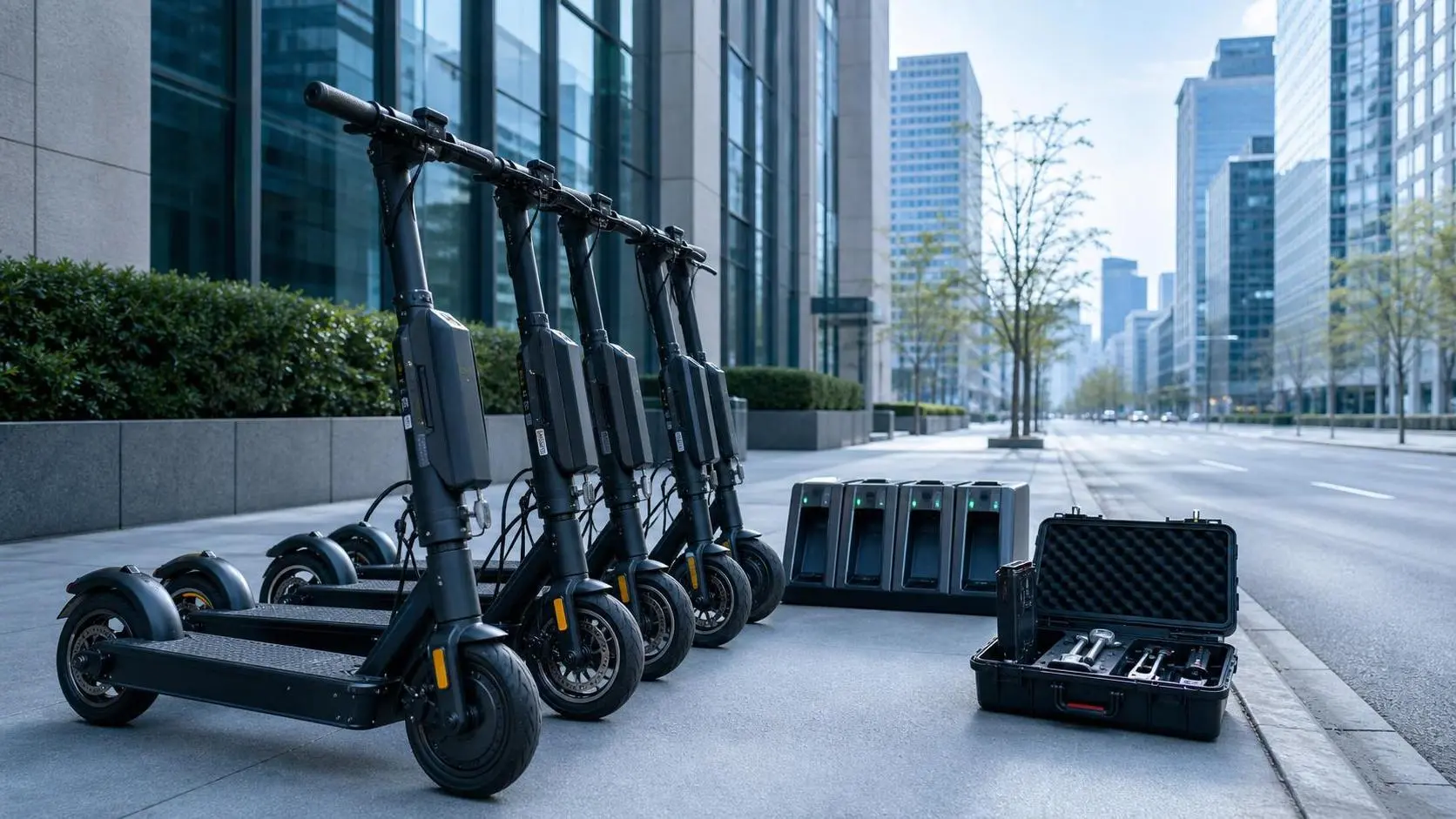
Smart E-Scooter Systems in North America: What Fleet Buyers Should Evaluate First
Smart e-scooter systems North America buyers should first assess connectivity, battery strategy, compliance, durability, and support to reduce risk and build scalable fleets.

E-Bike Application Guide: Which Frame, Motor, and Battery Setup Fits Your Use Case?
E-bike application guide for choosing the right frame, motor, and battery by commute, hills, cargo, or mixed terrain. Find the setup that saves cost, weight, and hassle.
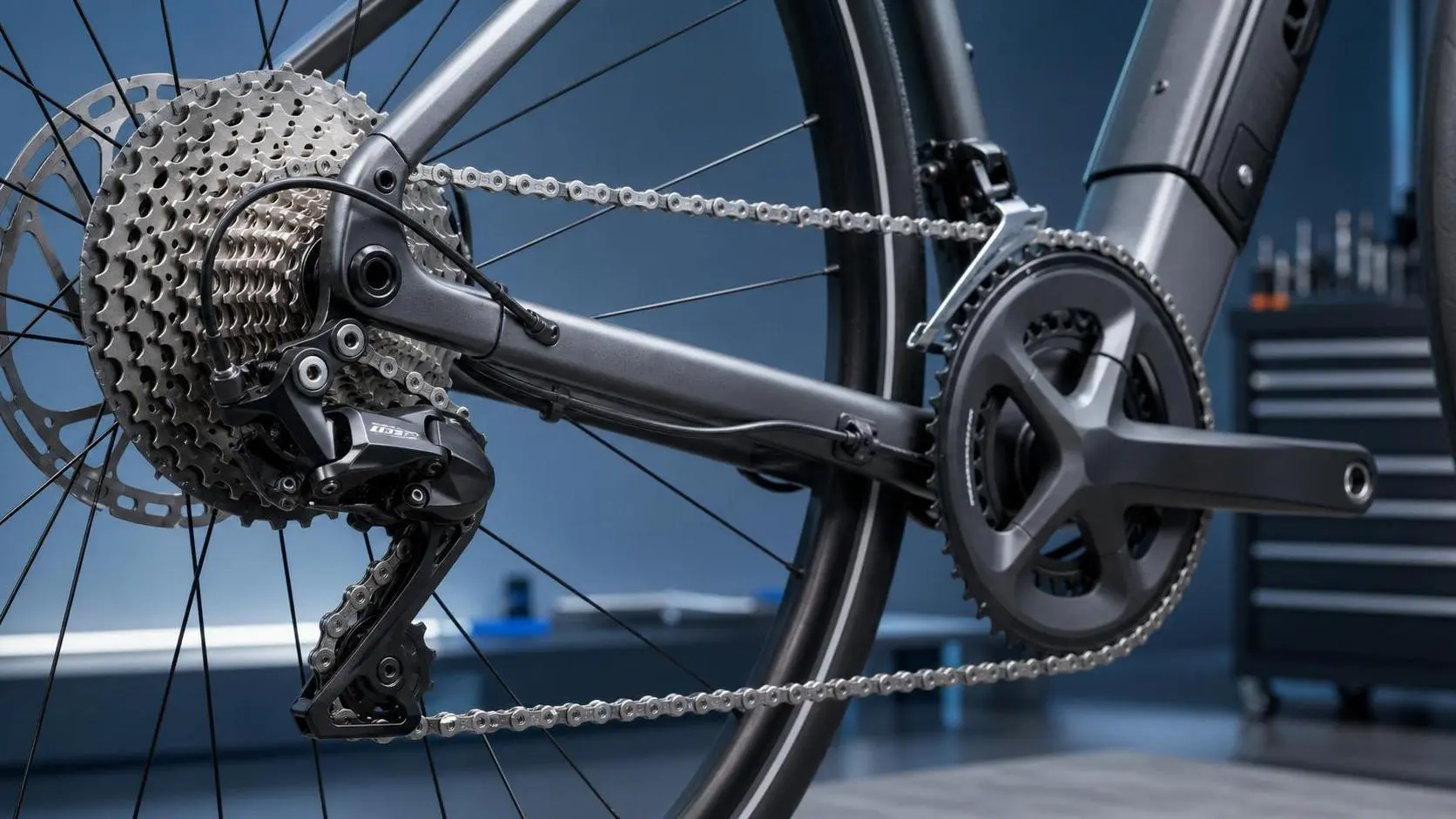
Precision Drivetrain Tuning Explained: Key Adjustments for Smoother Shifting
Precision drivetrain tuning explained: learn the key adjustments behind smoother shifting, fewer drivetrain issues, and better e-bike and urban bike performance.

Bicycle Supplier Reference Guide: How to Compare OEM Capacity, QC, and Lead Times
Bicycle supplier reference guide for sourcing teams: compare OEM capacity, QC systems, and lead-time reliability to reduce risk, improve vendor selection, and make smarter purchasing decisions.

Urban Traffic Micro-Circulation Providers: Key Models, Deployment Scenarios, and ROI Factors
Urban traffic micro-circulation provider guide: explore key models, deployment scenarios, and ROI factors to choose scalable, compliant solutions that improve urban mobility and returns.
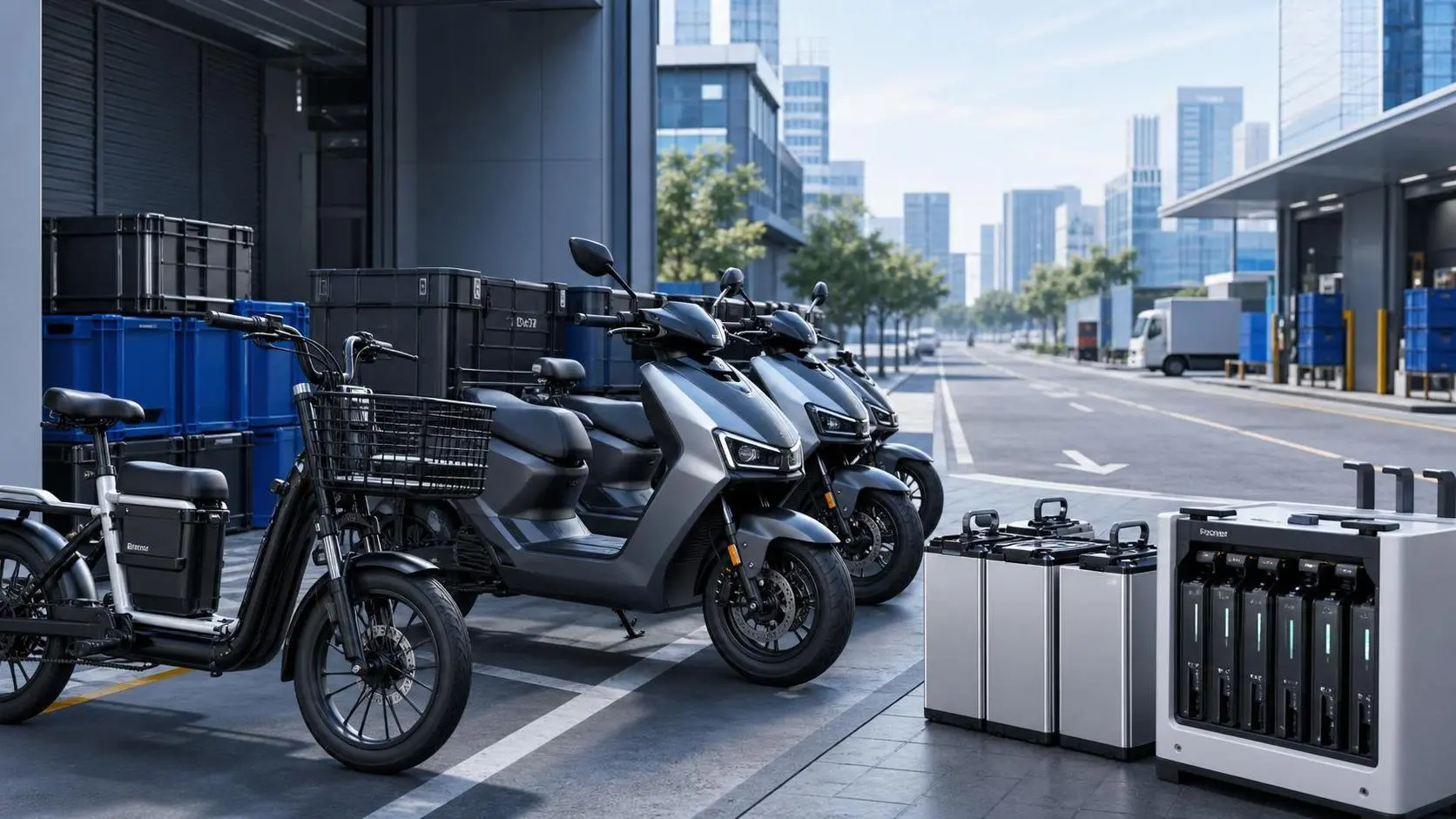
What Makes a Last-Mile Revolution Provider Worth Evaluating for Urban Delivery Projects?
Last-mile revolution provider evaluation starts with fleet fit, battery strategy, compliance, and uptime. Learn how to choose a partner that can scale urban delivery reliably.
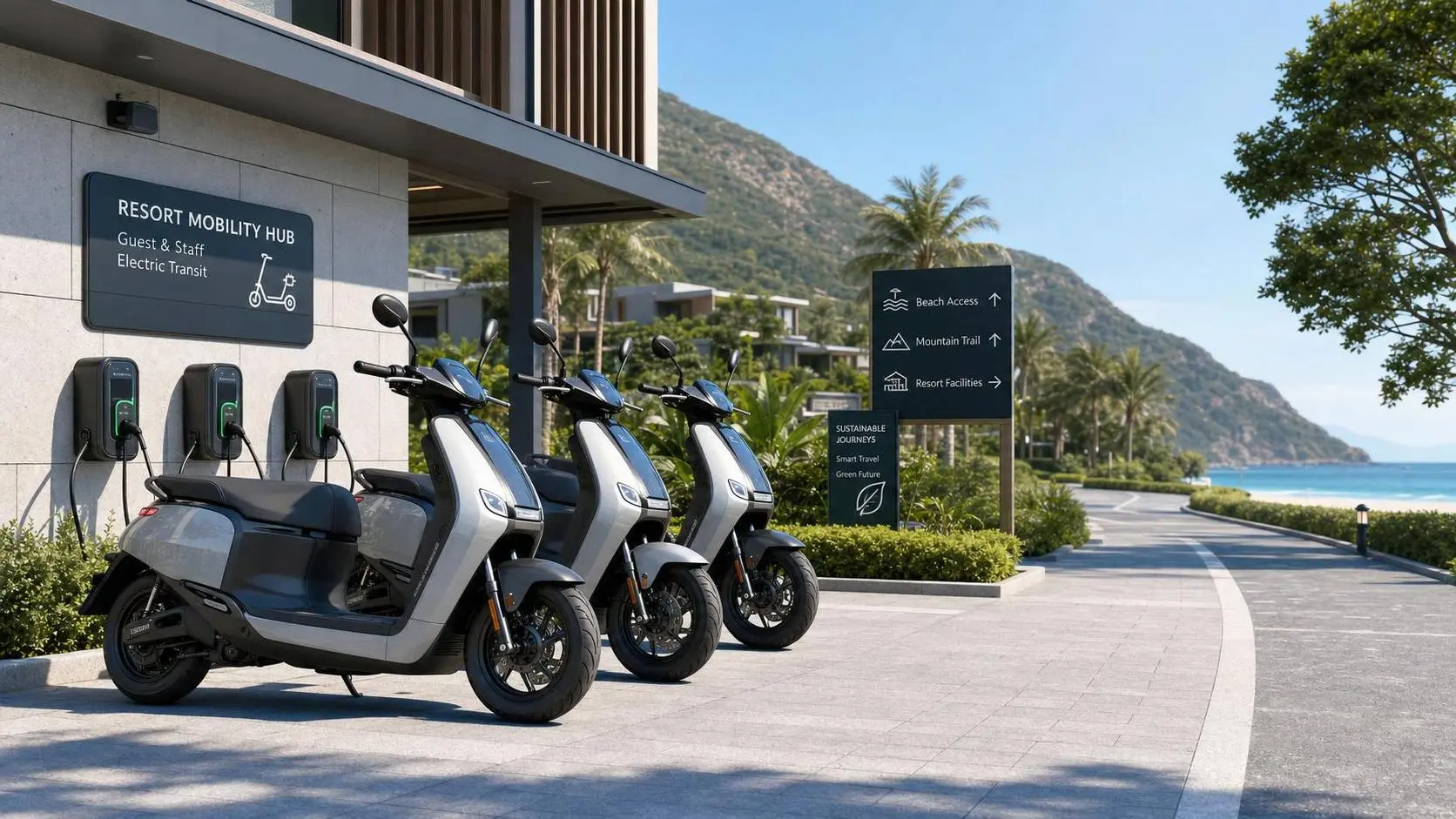
E Scooter Resort Applications: Best Use Cases for Guest Mobility and Staff Transport
E scooter resort applications work best when matched to layout, terrain, and operations. Explore the best guest mobility and staff transport use cases for resorts.
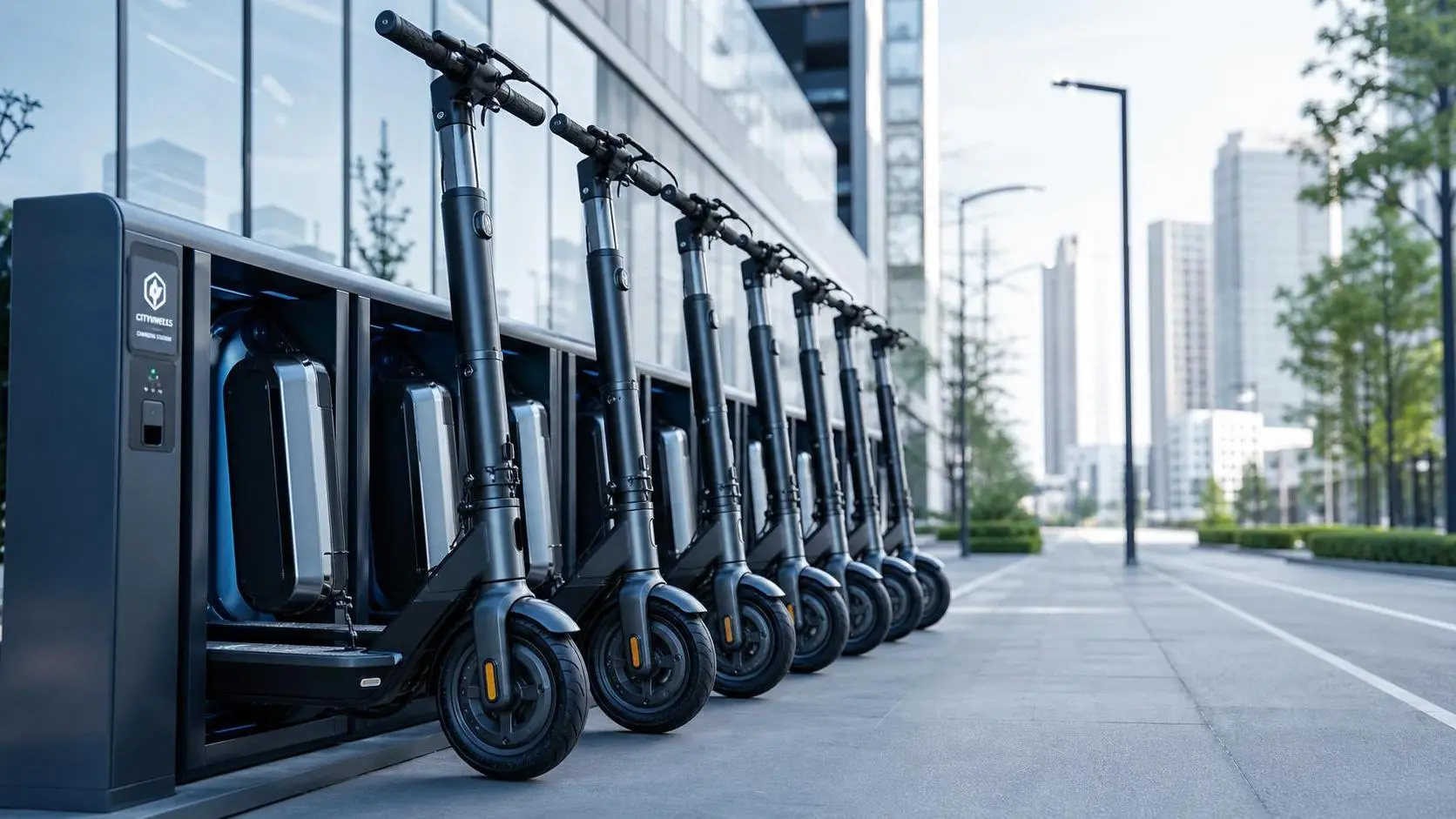
How to Choose Shared Fleet Scooters for Operators: Range, Durability, and Service Needs
Shared fleet scooter for operators: learn how to compare real-world range, durability, and service needs to reduce downtime, improve ROI, and choose fleet-ready models with confidence.
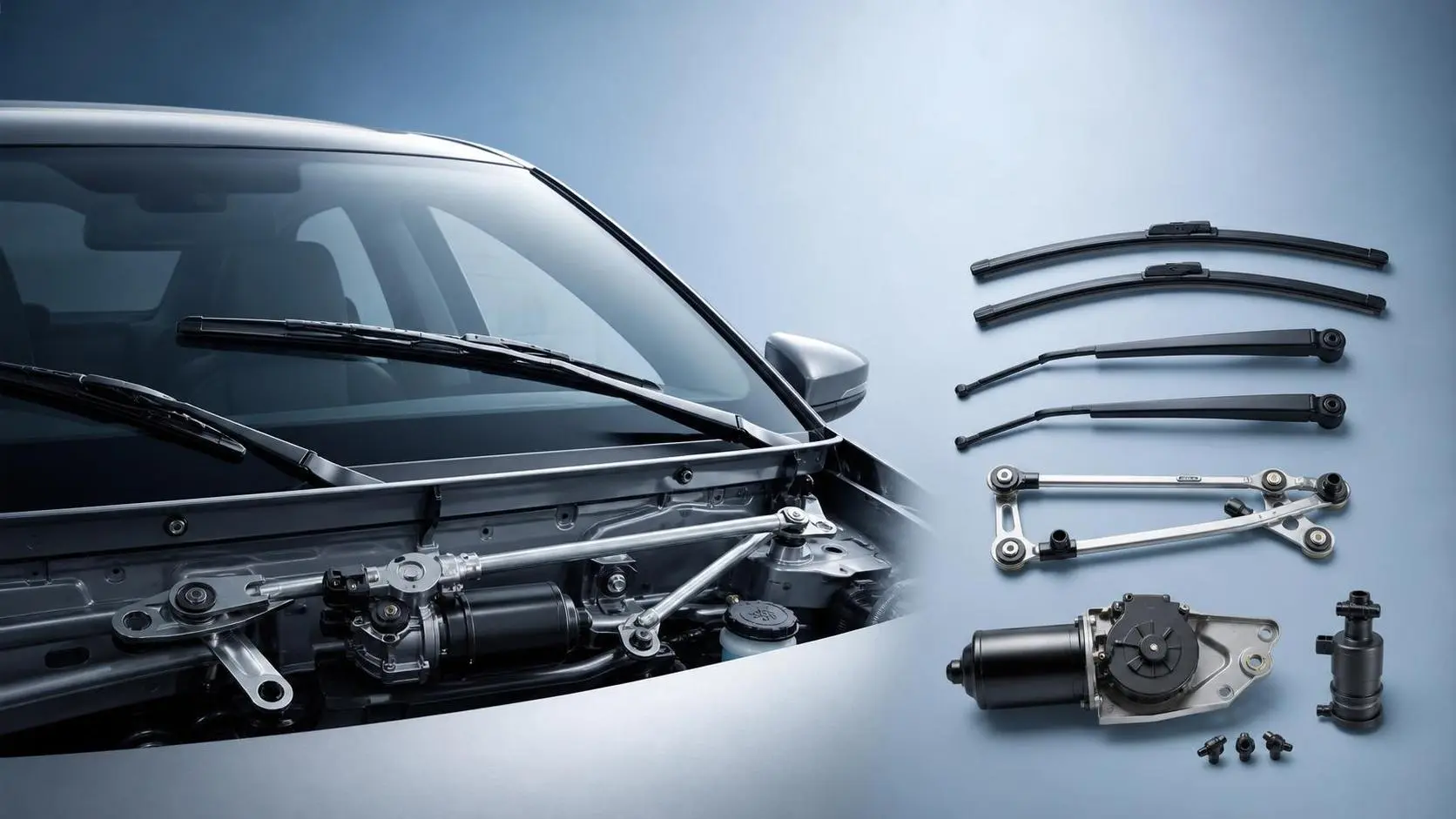
Replacement Wiper System Components Explained: Parts, Fitment, and When to Replace
Replacement wiper system components explained clearly: discover key parts, fitment checks, failure signs, and smart replacement tips to improve safety, reduce callbacks, and keep visibility reliable.