
Related News
- 00
0000-00
Smart E-Scooter Systems With GPS for Shared Fleets: Features That Matter Most - 00
0000-00
Smart E-Scooter Systems in North America: What Fleet Buyers Should Evaluate First - 00
0000-00
How to Choose Shared Fleet Scooters for Operators: Range, Durability, and Service Needs - 00
0000-00
How to Choose Micro-Mobility Docking Stations for Shared Fleets and Public Charging Hubs - 00
0000-00
Shared Mobility Compliance Checklist: Permits, Safety Rules, and Fleet Data Requirements
Urban Transit Fellow
Weekly Insights
Stay ahead with our curated technology reports delivered every Monday.
Smart E-Scooter Systems With GPS for Shared Fleets: Features That Matter Most





Why smart e-scooter systems with GPS now shape fleet performance
In shared mobility, visibility is no longer a reporting feature. It is part of daily operations, asset control, and city compliance.
That is why smart e-scooter systems with GPS matter most when fleets expand into denser, more regulated, and more competitive urban corridors.
The practical question is not whether GPS should be included. The real question is which GPS-linked functions actually improve uptime, safety, retrieval speed, and unit economics.
Within the wider UMMS view of micro-mobility, smart e-scooters sit beside e-bikes, high-speed electric two-wheelers, and precision components as part of one connected transport system.
That broader lens matters. A scooter fleet is not just hardware on sidewalks. It is an intersection of vehicle electronics, battery logic, policy rules, and real-world urban circulation.
Actual deployment conditions change what features matter most
In practice, not every city asks the same thing from smart e-scooter systems with GPS.
A compact downtown with strict parking enforcement values centimeter-level location confidence and fast geofence response. A university zone may care more about orderly returns and time-based availability.
Tourism-heavy districts often face short ride bursts, irregular parking patterns, and elevated theft risk. Residential commuter belts usually expose a different problem: battery imbalance, overnight idle time, and inefficient vehicle redistribution.
Because of that, smart e-scooter systems with GPS should be judged as an operating stack, not a single positioning module.
The strongest systems combine location data with lock status, ride state, battery health, tamper alerts, and firmware visibility. Otherwise, GPS only shows where a scooter was, not what condition it is in.
Dense city centers need control, not just tracking
City cores usually expose the first real test for smart e-scooter systems with GPS.
Vehicles move frequently, curb space is limited, and complaints escalate fast when scooters block access or drift outside permitted zones.
Here, the priority is geospatial precision tied to automated rules. Static tracking is not enough. Systems must support no-parking zones, slow-speed corridors, and instant ride termination logic.
A useful setup typically includes:
- Reliable geofencing with low delay between boundary crossing and action.
- Parking verification linked to exact drop-off coordinates.
- Remote immobilization for non-compliant or suspicious vehicle movement.
- Alert prioritization so operations teams do not drown in low-value notifications.
A common mistake is choosing smart e-scooter systems with GPS based on map visibility alone. In central districts, rule execution speed matters more than dashboard appearance.
Campus and closed-loop zones reward orderly turnover
Campuses, business parks, and large mixed-use properties often look simpler, but the operating logic is different.
Trips are shorter, repeat usage is higher, and there is usually more pressure on parking discipline than on long-distance retrieval.
In these environments, smart e-scooter systems with GPS perform best when paired with access control and usage pattern analysis.
The important features are not always the most advanced ones. Often, operators need designated parking return logic, dwell-time monitoring, and route heatmaps that reveal congestion around lecture halls, transit gates, or shift-change peaks.
This is also where battery planning becomes more strategic. Repeated short trips can hide weak charging cycles, especially when scooters appear active but spend too much time idle in high-demand pockets.
UMMS often emphasizes the link between mobility intelligence and vehicle systems. That link is visible here: location data becomes much more valuable when interpreted together with energy behavior.
Tourism corridors and event zones need faster exception handling
Not every fleet operates in a stable commuter pattern.
Tourism districts, waterfronts, stadium zones, and seasonal downtowns create sharp demand spikes. Riders are less predictable, parking discipline is weaker, and incident response must be faster.
In these cases, smart e-scooter systems with GPS should be judged by how quickly they support retrieval and recovery workflows.
That means live location updates, tamper sensing, after-hours motion alerts, and strong lost-asset history. If a scooter disappears into a basement garage or moves after lock status is confirmed, the system should flag the event as operationally meaningful.
A weaker platform may still show a last known point, but without movement history, battery state, and communication continuity, recovery becomes slower and more expensive.
Different scenarios do not prioritize the same GPS functions
A simple comparison usually makes the selection logic clearer.
This is why smart e-scooter systems with GPS should be matched to operational context before hardware scale-up begins.
The strongest systems connect GPS with vehicle intelligence
GPS alone does not explain fleet health.
The more mature approach is to treat smart e-scooter systems with GPS as part of a larger telemetry architecture.
That includes battery status, controller diagnostics, lock integrity, ride anomalies, and firmware behavior. Once these layers are linked, location data becomes actionable rather than descriptive.
For example, repeated parking violations at one curb may look like a user behavior issue. After deeper review, the root cause may be delayed geofence refresh or weak network handoff.
Likewise, frequent out-of-service events in one zone may point to battery thermal stress, not poor demand quality. This cross-system reading is central to how UMMS frames micro-mobility intelligence.
Where fleets often misjudge smart e-scooter systems with GPS
Several selection mistakes repeat across markets.
- Choosing by headline positioning accuracy without checking urban canyon performance.
- Comparing device cost without pricing data transmission, recovery labor, and firmware upkeep.
- Assuming e-bike and scooter deployment rules create identical location requirements.
- Ignoring local policy triggers, such as mandatory parking evidence or restricted riding corridors.
- Treating theft prevention and compliance control as separate modules when they rely on the same event logic.
Another blind spot is scalability. A system that performs well with a pilot fleet may degrade when thousands of scooters transmit simultaneously during rush periods.
So the decision should include server responsiveness, alert filtering, and API stability, not only the onboard module specification.
A practical way to match features with real operating needs
Before rollout, it helps to define a short scenario-based review standard.
- Map the actual service area by density, parking pressure, and signal complexity.
- Rank events that create the highest cost, such as missing assets, false parking closure, or failed retrieval.
- Test smart e-scooter systems with GPS under covered streets, narrow blocks, and peak network hours.
- Review whether location data can trigger useful operations, not just populate reports.
- Check how GPS data integrates with battery management, lock control, and maintenance workflows.
The best choice is usually the one that reduces friction across the entire fleet cycle, from deployment to parking compliance to end-of-life asset recovery.
For any fleet planning its next expansion, the next step is straightforward: sort deployment zones by operational risk, compare the GPS-linked actions required in each one, and validate those assumptions with live field tests before committing to scale.
Related News

Vehicle Visibility Safety for Motorcycles: Common Blind-Spot Risks and Fixes
Vehicle visibility safety for motorcycles explained: discover common blind-spot risks in city, wet, cargo, and high-speed riding, plus practical fixes that improve safety and fleet performance.

Flat Wiper Blades Europe: What to Check Before Choosing OEM or Aftermarket Options
Flat wiper blades Europe buyers should look beyond price. Learn how to compare OEM and aftermarket options by fit, compliance, durability, and supply consistency.
Automatic Smart Wiper Systems Explained: Sensors, Control Logic, and Failure Points
Automatic smart wiper systems explained clearly: explore sensors, control logic, key failure points, and what really determines safer, more reliable windshield visibility.
How to Use a Smart Mobility Supplier Directory to Compare OEM Partners
Smart mobility supplier directory guide: compare OEM partners beyond price by checking compliance, battery integration, lead times, and engineering strength to build a lower-risk shortlist.

Carbon Neutrality for Fleets: How to Measure Emissions and Prioritize Upgrades
Carbon neutrality for fleets starts with accurate emissions measurement. Learn how to baseline data, uncover hidden energy losses, and prioritize upgrades that cut costs and carbon faster.
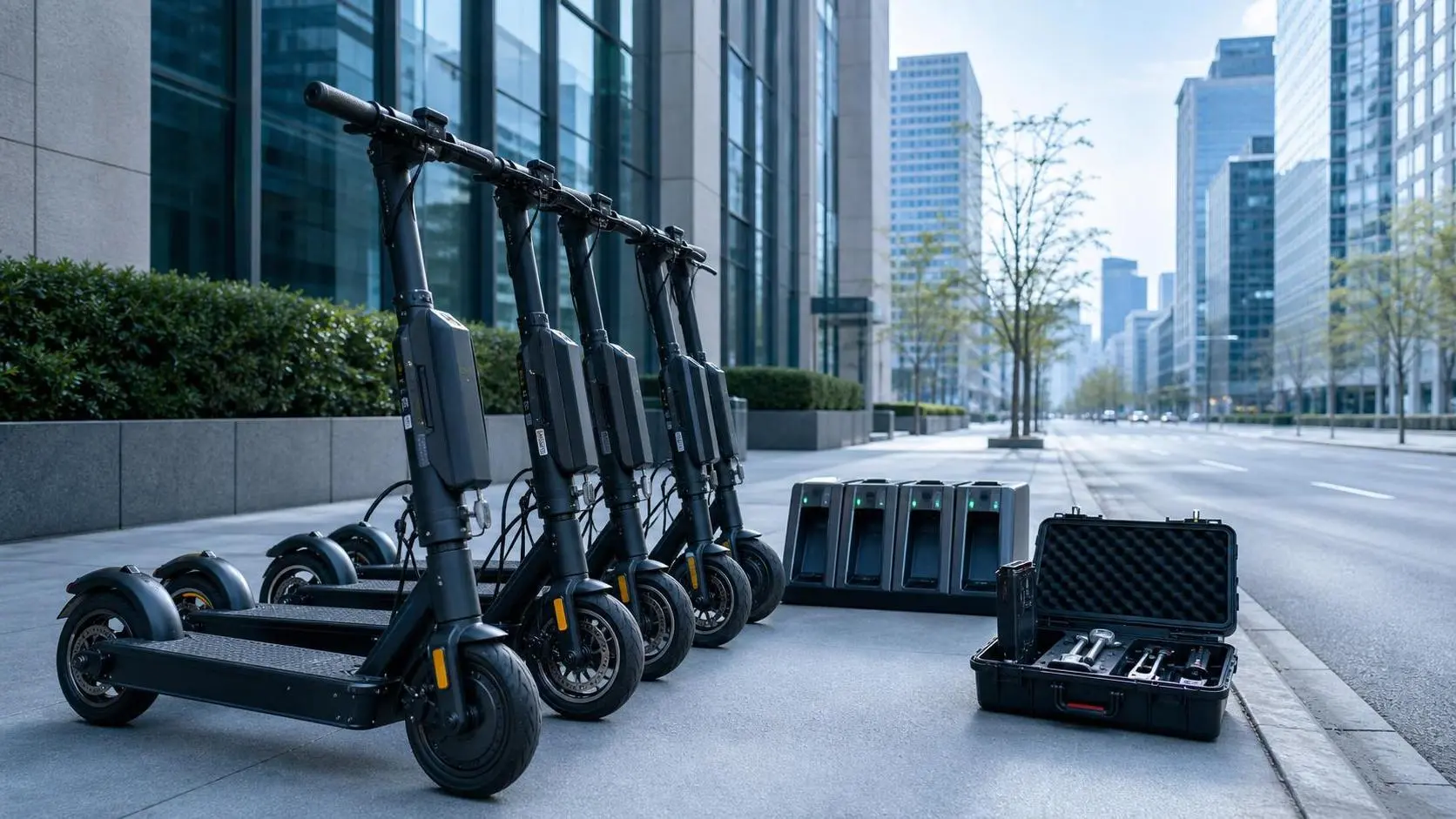
Smart E-Scooter Systems in North America: What Fleet Buyers Should Evaluate First
Smart e-scooter systems North America buyers should first assess connectivity, battery strategy, compliance, durability, and support to reduce risk and build scalable fleets.
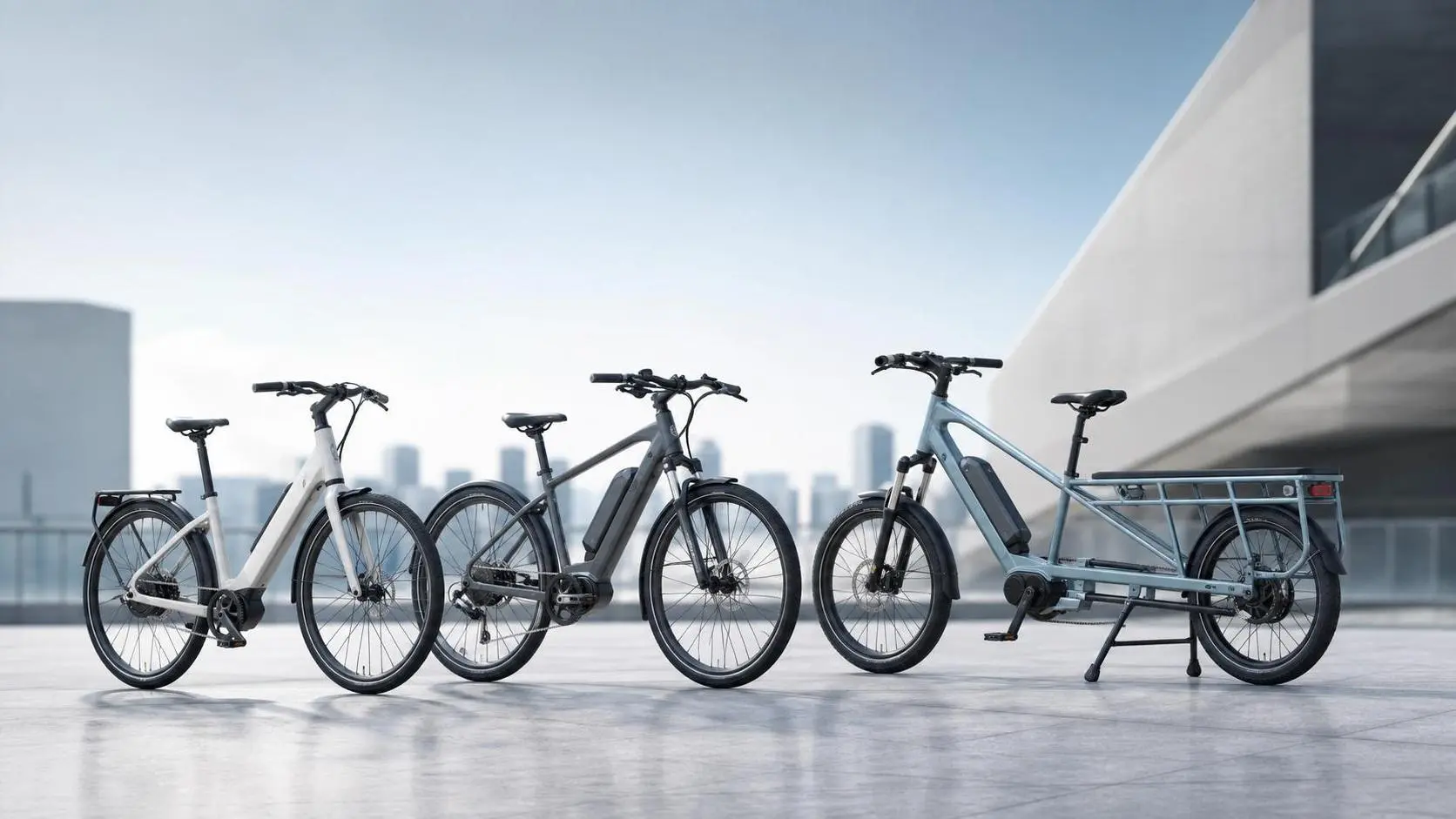
E-Bike Application Guide: Which Frame, Motor, and Battery Setup Fits Your Use Case?
E-bike application guide for choosing the right frame, motor, and battery by commute, hills, cargo, or mixed terrain. Find the setup that saves cost, weight, and hassle.
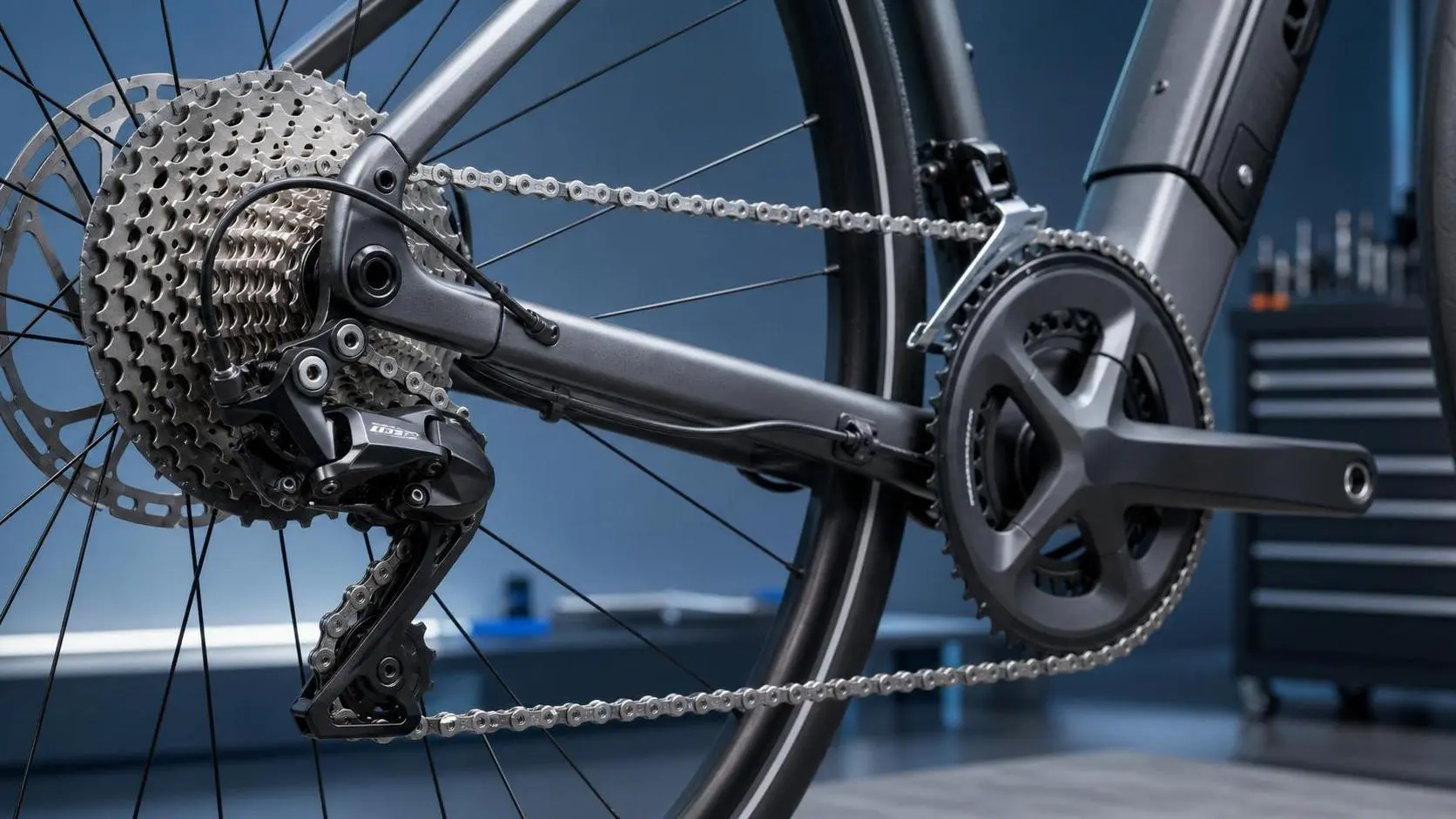
Precision Drivetrain Tuning Explained: Key Adjustments for Smoother Shifting
Precision drivetrain tuning explained: learn the key adjustments behind smoother shifting, fewer drivetrain issues, and better e-bike and urban bike performance.

Bicycle Supplier Reference Guide: How to Compare OEM Capacity, QC, and Lead Times
Bicycle supplier reference guide for sourcing teams: compare OEM capacity, QC systems, and lead-time reliability to reduce risk, improve vendor selection, and make smarter purchasing decisions.