
Related News
- 00
0000-00
E-Bike Application Guide: Which Frame, Motor, and Battery Setup Fits Your Use Case? - 00
0000-00
What Affects Ebike Energy Efficiency? Battery Size, Rider Weight, Terrain, and Speed - 00
0000-00
How to Choose an Electric Bicycle for City Commuting: Range, Motor, and Weight Explained - 00
0000-00
E-Bike Technology Explained: Motor Types, Battery Range, and Control Systems - 00
0000-00
Electric Bike Technology Solutions for Urban Fleets: Connectivity, BMS, and Service Data
Micro-Mobility Strategist
Weekly Insights
Stay ahead with our curated technology reports delivered every Monday.
E-Bike Application Guide: Which Frame, Motor, and Battery Setup Fits Your Use Case?





Why an e-bike application guide starts with real use conditions
An effective e-bike application guide begins with where and how the bike will actually be used.
Frame shape, motor response, and battery size do not perform the same way across dense city streets, steep neighborhoods, delivery loops, or weekend mixed-terrain riding.
That is why practical e-bike configuration decisions usually depend less on headline specs and more on route profile, stop frequency, payload, parking conditions, and charging routine.
Within the wider micro-mobility shift tracked by UMMS, e-bikes sit at the intersection of urban efficiency, powertrain logic, and low-carbon transport strategy.
The useful question is not simply which e-bike is powerful.
The better question is which frame, motor, and battery setup fits the application without adding unnecessary weight, cost, or maintenance complexity.
In practice, different routes create different e-bike priorities
Two riders may travel the same distance and still need very different setups.
A flat ten-kilometer commute with indoor charging rewards low weight and easy handling.
A similar distance with repeated climbs, rough pavement, and cargo demands more torque, braking confidence, and battery reserve.
The same pattern appears in shared fleets, campus mobility, hospitality operations, and utility transport.
Usage intensity changes replacement cycles, thermal stress, charging windows, and acceptable downtime.
A good e-bike application guide therefore compares conditions before recommending hardware.
For daily city commuting, lighter often beats bigger
In a common commuting scenario, the route is short to medium, stops are frequent, and storage space may be limited.
Here, oversized battery packs and heavy frames can solve a problem that does not exist.
A step-through or compact urban frame works well when riders handle the bike in elevators, apartment entries, or crowded bike rooms.
A rear hub motor is often enough for flatter cities.
It keeps the system simpler, quieter, and usually more affordable to maintain.
Battery sizing should follow actual weekly charging habits.
If charging is easy at home or work, a medium battery usually delivers better total usability than the heaviest possible pack.
This is one place where an e-bike application guide helps avoid overbuying.
Steep streets change the motor decision first
When gradients are consistent, motor type becomes the first real filter.
A hub motor can still work, but sustained climbing exposes its limits faster, especially with heavier riders or repeated stop-start traffic.
Mid-drive systems usually make more sense on hills because they use the bike’s gearing more effectively.
That improves torque delivery, keeps cadence more natural, and can reduce strain during long ascents.
Frame geometry matters too.
A more planted riding position and stronger braking setup are often more valuable than a small increase in top speed.
Battery capacity should include reserve, because climbing and headwinds drain energy much faster than catalog estimates suggest.
In this use case, the e-bike application guide points toward torque, thermal consistency, and control rather than minimum purchase price.
Cargo, shared use, and utility loops need a different frame logic
Once loads become part of the routine, frame choice stops being a comfort decision and becomes a stability decision.
Long-tail, front-load, or reinforced utility frames distribute weight better and stay calmer under braking.
This matters in family transport, urban service routes, hospitality campuses, and dense delivery zones.
The motor also needs low-speed authority.
A mid-drive motor usually gives better launch behavior when the bike starts loaded or turns through narrow spaces.
Battery decisions should consider duty cycle, not just trip distance.
Short routes with constant stops can consume surprising energy because acceleration repeats all day.
In higher-use systems, removable batteries and predictable charging windows often matter more than maximum claimed range.
What to confirm before choosing a utility setup
- Average payload, including accessories, tools, or child seating.
- Daily number of starts, stops, and curb interactions.
- Whether charging happens overnight, between shifts, or off-site.
- Storage exposure to rain, heat, or theft risk.
- Compatibility with replacement parts and local service support.
Longer mixed-terrain rides reward balance over raw power
For trekking, suburban greenways, canal paths, and broken pavement, the right answer usually sits between commuter simplicity and cargo durability.
A trekking or hardtail-style frame offers a more stable ride without becoming bulky in town.
Many riders in this category care about how naturally assist engages.
Torque-sensing systems often feel smoother than basic cadence-only support, especially on variable surfaces or rolling elevation.
Battery sizing should reflect weather, pace, and detours.
Cold temperatures, knobby tires, and mixed surfaces can move real range far below marketing claims.
A strong e-bike application guide treats those variables as normal rather than exceptional.
Common mistakes happen when similar use cases are treated as identical
One frequent mistake is choosing by wattage alone.
Peak power does not explain climbing behavior, efficiency under load, or drivetrain wear.
Another mistake is sizing the battery only for best-case range.
Real applications include cold mornings, headwinds, stop-start traffic, and aging cells.
Frame errors are just as common.
A sporty geometry may feel appealing in a showroom yet become tiring during daily starts, loaded rides, or repeated mounting and dismounting.
There is also a wider systems issue.
As UMMS regularly highlights across micro-mobility intelligence, component fit, battery management, and operating context must be read together.
A strong e-bike application guide is really a matching process, not a spec comparison sheet.
A practical e-bike application guide for making the final choice
A final decision becomes clearer when the application is reduced to a few measurable inputs.
- Map the route: distance, elevation, surface quality, and traffic rhythm.
- Define the load: body weight, cargo, accessories, and seasonal variation.
- Check the routine: storage, charging access, weather exposure, and service intervals.
- Prioritize the outcome: lower effort, higher range, easier handling, or heavier-duty transport.
When those conditions are clear, frame geometry, motor layout, and battery capacity stop looking like isolated features.
They become tools matched to a real operating pattern.
That is the real value of an e-bike application guide.
It helps build a configuration standard around actual use, expected maintenance, and long-term efficiency instead of assumptions.
The next step is simple: compare your most frequent route, heaviest load, and least convenient charging day, then choose the setup that still works well under those conditions.
Related News

Carbon Neutrality for Fleets: How to Measure Emissions and Prioritize Upgrades
Carbon neutrality for fleets starts with accurate emissions measurement. Learn how to baseline data, uncover hidden energy losses, and prioritize upgrades that cut costs and carbon faster.
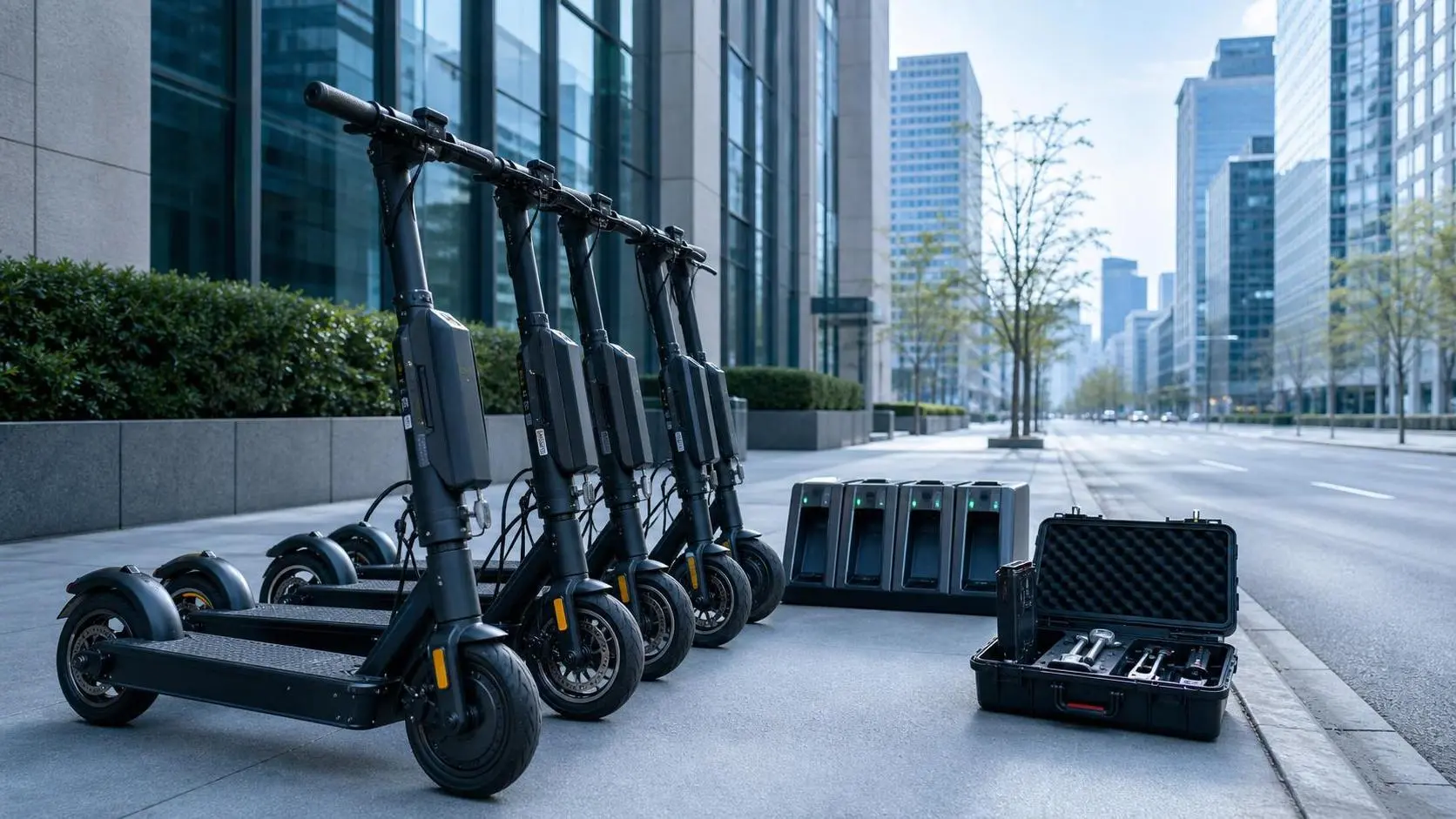
Smart E-Scooter Systems in North America: What Fleet Buyers Should Evaluate First
Smart e-scooter systems North America buyers should first assess connectivity, battery strategy, compliance, durability, and support to reduce risk and build scalable fleets.
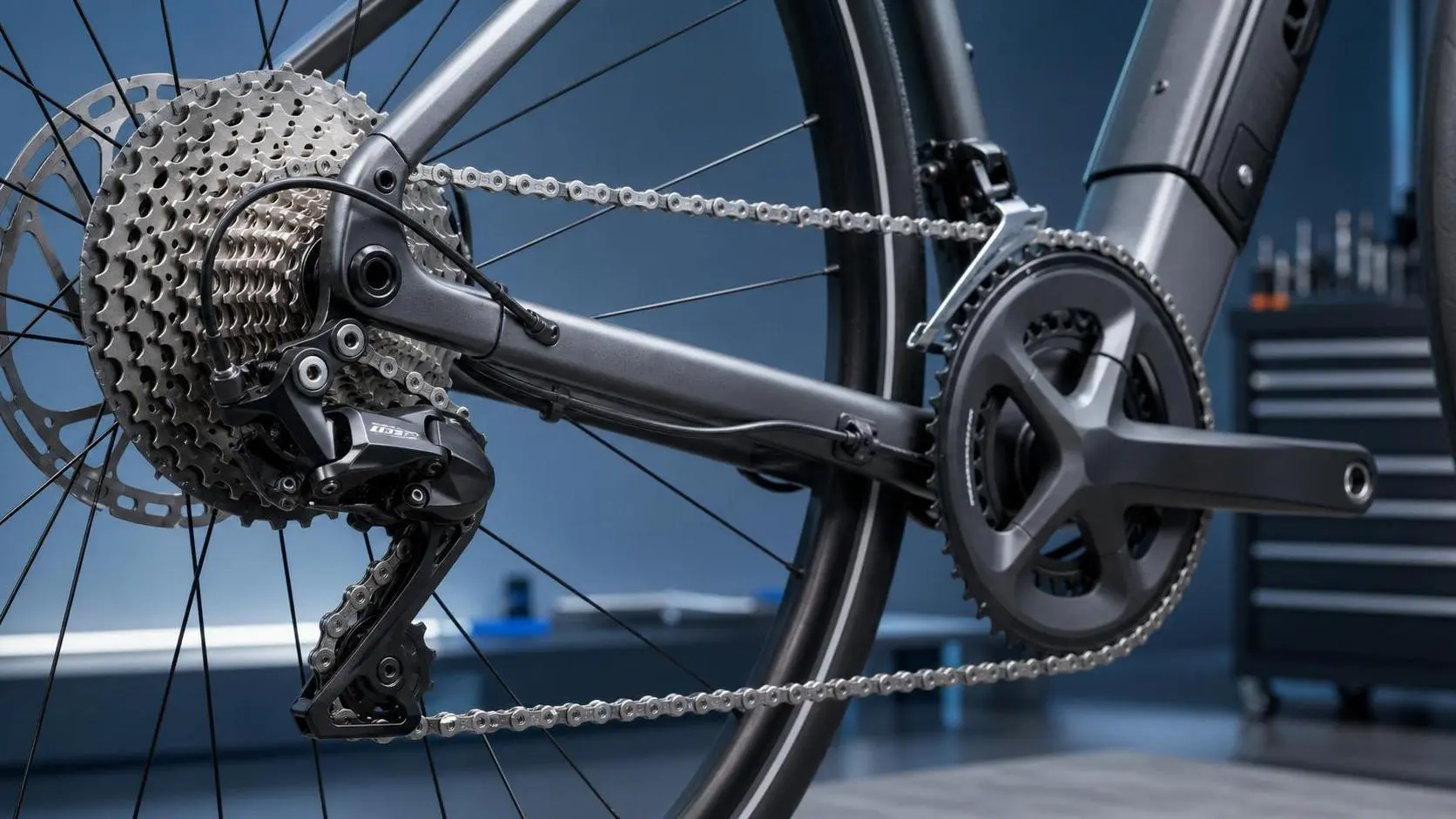
Precision Drivetrain Tuning Explained: Key Adjustments for Smoother Shifting
Precision drivetrain tuning explained: learn the key adjustments behind smoother shifting, fewer drivetrain issues, and better e-bike and urban bike performance.

Bicycle Supplier Reference Guide: How to Compare OEM Capacity, QC, and Lead Times
Bicycle supplier reference guide for sourcing teams: compare OEM capacity, QC systems, and lead-time reliability to reduce risk, improve vendor selection, and make smarter purchasing decisions.

Urban Traffic Micro-Circulation Providers: Key Models, Deployment Scenarios, and ROI Factors
Urban traffic micro-circulation provider guide: explore key models, deployment scenarios, and ROI factors to choose scalable, compliant solutions that improve urban mobility and returns.
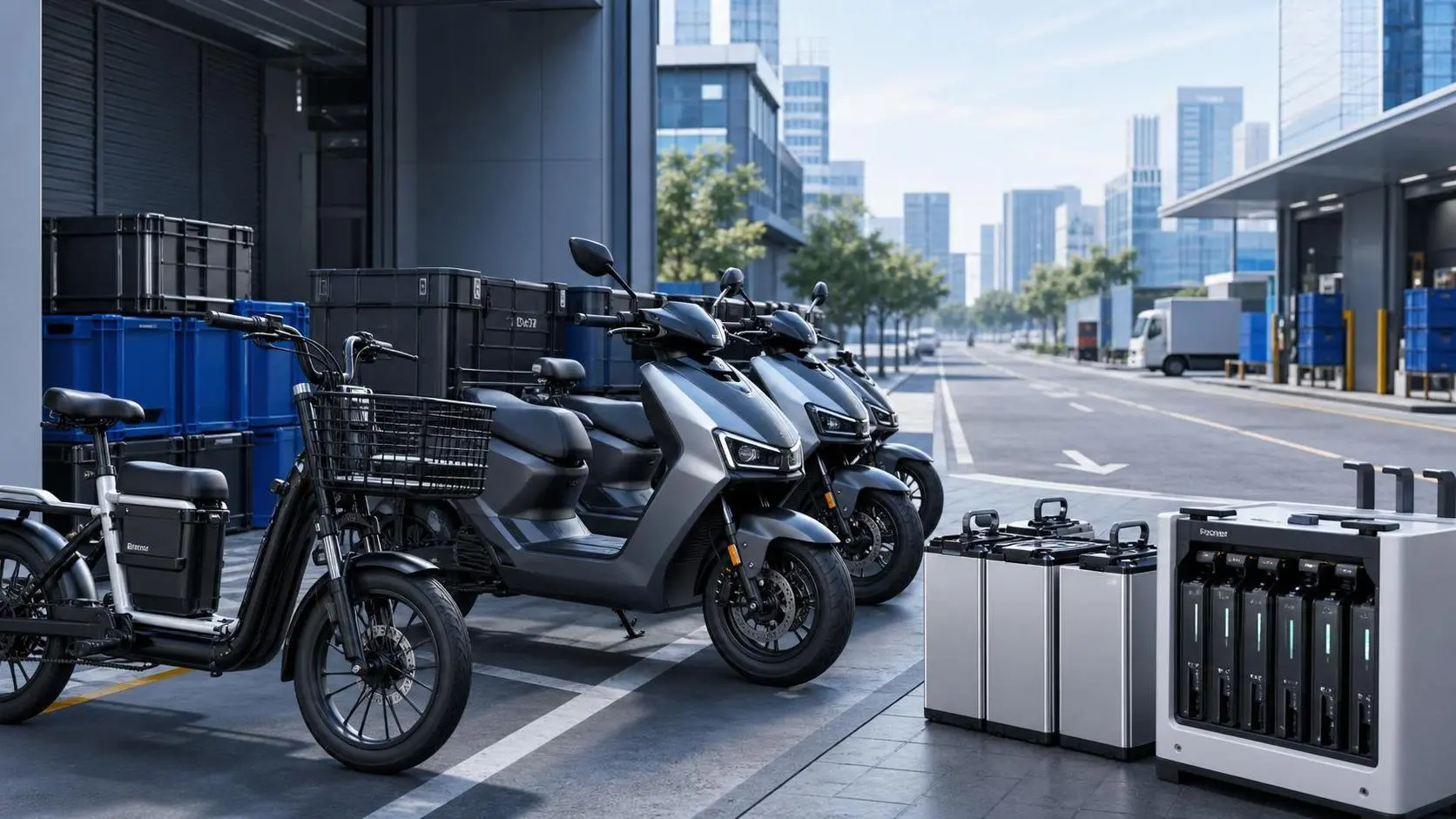
What Makes a Last-Mile Revolution Provider Worth Evaluating for Urban Delivery Projects?
Last-mile revolution provider evaluation starts with fleet fit, battery strategy, compliance, and uptime. Learn how to choose a partner that can scale urban delivery reliably.
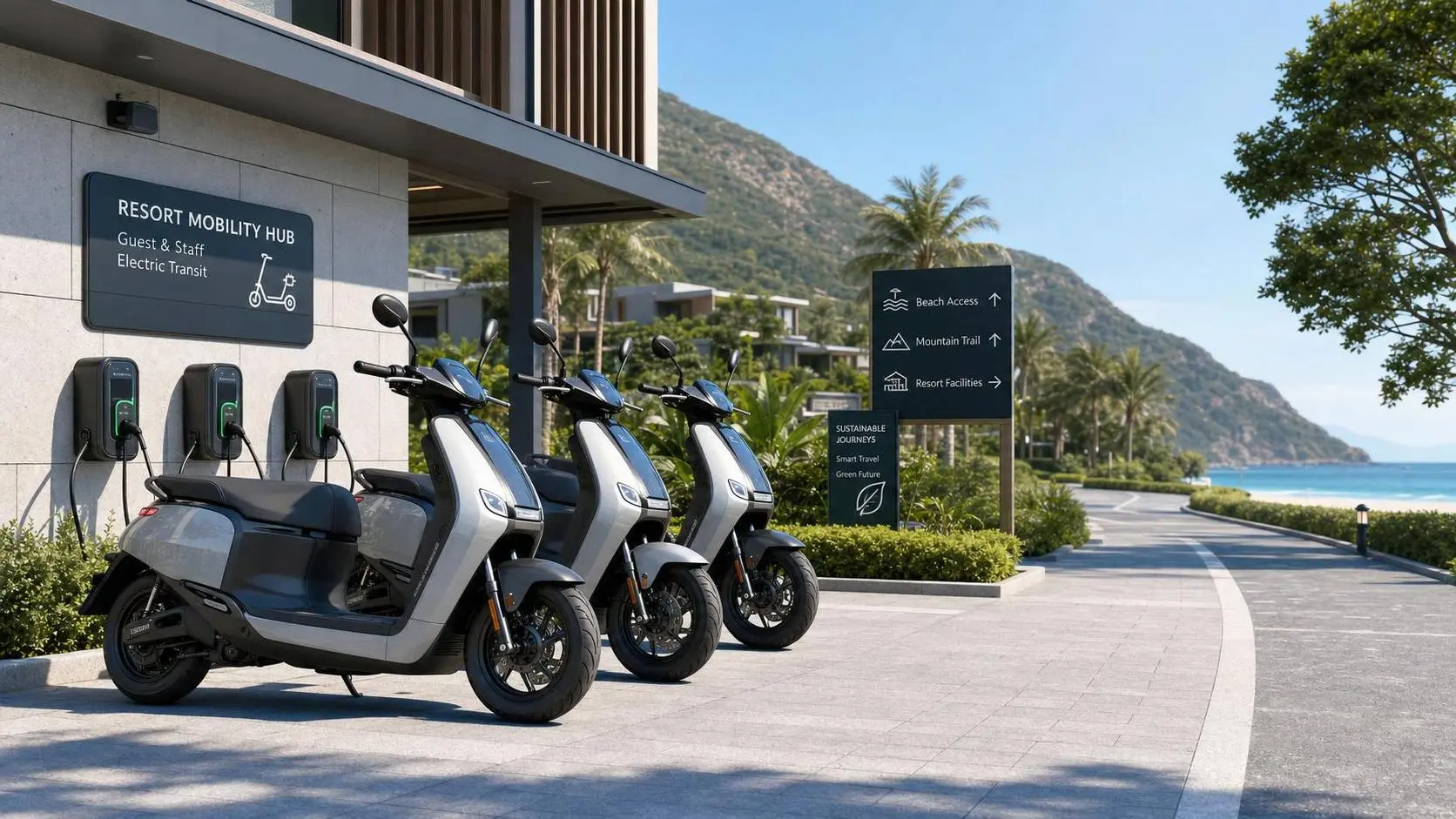
E Scooter Resort Applications: Best Use Cases for Guest Mobility and Staff Transport
E scooter resort applications work best when matched to layout, terrain, and operations. Explore the best guest mobility and staff transport use cases for resorts.
How to Choose Shared Fleet Scooters for Operators: Range, Durability, and Service Needs
Shared fleet scooter for operators: learn how to compare real-world range, durability, and service needs to reduce downtime, improve ROI, and choose fleet-ready models with confidence.
Replacement Wiper System Components Explained: Parts, Fitment, and When to Replace
Replacement wiper system components explained clearly: discover key parts, fitment checks, failure signs, and smart replacement tips to improve safety, reduce callbacks, and keep visibility reliable.