
Related News
- 00
0000-00
Bicycle Supplier Reference Guide: How to Compare OEM Capacity, QC, and Lead Times - 00
0000-00
What Makes a Last-Mile Revolution Provider Worth Evaluating for Urban Delivery Projects? - 00
0000-00
E Scooter Resort Applications: Best Use Cases for Guest Mobility and Staff Transport - 00
0000-00
Urban Mobility Market Analysis: Demand Drivers, Policy Risks, and Revenue Models Compared - 00
0000-00
What Affects Urban Traffic Innovation Price in Smart City Transport Projects?
Ms. Elena Rodriguez
Weekly Insights
Stay ahead with our curated technology reports delivered every Monday.
Bicycle Supplier Reference Guide: How to Compare OEM Capacity, QC, and Lead Times





Bicycle Supplier Reference Guide: How to Compare OEM Capacity, QC, and Lead Times
This bicycle supplier reference guide helps procurement teams compare OEM production capacity, quality control systems, and lead-time reliability before making sourcing decisions.
In the current bicycle market, price alone is a weak filter.
A low quote can hide unstable output, loose process control, or missed delivery windows.
That matters even more across urban mobility categories, where demand can change quickly.
This bicycle supplier reference guide sets out a practical evaluation framework.
The goal is simple: reduce sourcing risk, improve consistency, and support better vendor selection.
Why a Bicycle Supplier Reference Guide Matters Now
Recent market shifts have made bicycle sourcing more complex than it looks.
OEMs now serve traditional bikes, e-bikes, cargo platforms, and shared mobility fleets.
That mix affects tooling schedules, material allocation, and engineering support.
A supplier may look strong on paper but still struggle under a changing production mix.
A solid bicycle supplier reference guide helps separate claimed capacity from usable capacity.
It also makes supplier comparison more consistent across factories and regions.
In practice, the best supplier is rarely the cheapest or the largest.
The better choice is the factory that can repeat quality and hit committed dates.
Start with OEM Capacity, Not Nameplate Numbers
Capacity is often the first data point buyers request.
But monthly output claims can be misleading without context.
Ask how much of that capacity is already reserved by existing programs.
Then check whether bicycle frames, wheelsets, painting, and final assembly share bottlenecks.
A useful bicycle supplier reference guide should examine real production flow, not brochure output.
Key capacity questions to verify
- How many lines are dedicated to bicycle or e-bike assembly?
- What is the current utilization rate by month and by peak season?
- Which processes are in-house and which rely on outside partners?
- How quickly can the factory absorb forecast upside?
- What is the minimum efficient batch size for your product mix?
These questions reveal whether the supplier can support stable replenishment.
They also show if your orders will compete with higher-volume customers for line time.
Red flags on capacity
- The factory quotes large output but cannot share line balancing data.
- Capacity depends on subcontractors with weak traceability.
- Engineering changes regularly interrupt production planning.
- Peak season allocation is handled informally rather than contractually.
If these issues appear early, delivery risk usually follows later.
Compare Quality Control Beyond Certifications
Most suppliers can present certificates.
That is useful, but it is not enough for a serious bicycle supplier reference guide.
What matters is how the QC system performs when output rises or parts vary.
Look at incoming inspection, in-process checks, final audits, and corrective action speed.
For bicycle assemblies, process discipline often matters more than final inspection volume.
QC areas worth checking on site
- Torque control records for handlebars, stems, cranksets, and brake systems.
- Weld inspection standards and rework handling for frames and forks.
- Paint adhesion, salt spray, and surface consistency checks.
- Wheel truing, spoke tension control, and bearing play verification.
- Traceability from component lot to finished bicycle serial number.
A reliable supplier should show actual records, not sample documents only.
Ask for recent defect trends and how the factory closed root causes.
This gives a better signal than a polished factory tour.
What good QC looks like
Good QC is visible in routines.
Operators know checkpoints, supervisors escalate quickly, and quality data is easy to retrieve.
In a strong bicycle supplier reference guide, QC maturity should carry real scoring weight.
Lead Times: Measure Reliability, Not Just Promised Days
Lead time is often discussed as a single number.
In reality, it is a chain of dependent steps.
Raw material booking, component readiness, production scheduling, inspection, and shipping all affect delivery.
That is why a bicycle supplier reference guide should track lead-time reliability over multiple orders.
Break lead time into measurable parts
- Sample lead time for first validation.
- Material lead time for key bought-in parts.
- Production lead time after PO release.
- Buffer time for rework or engineering changes.
- Logistics lead time from factory gate to destination.
This structure makes supplier comparison more realistic.
It also helps identify whether delays come from the factory or the supply base.
Questions that expose lead-time risk
- What parts have the longest replenishment cycle?
- How often does the factory ship late against confirmed dates?
- Is there a formal S&OP or weekly planning review?
- How are urgent orders inserted without disrupting existing programs?
Suppliers with stable planning can explain delays before they happen.
Suppliers with weak planning usually explain them after shipment slips.
Use a Simple Scorecard for Supplier Comparison
A practical bicycle supplier reference guide needs a repeatable scoring model.
Without one, internal reviews drift back to quote price and personal impressions.
The exact weighting can change by project.
Still, this approach keeps the bicycle supplier reference guide grounded in operational facts.
How to Apply This Guide in Real Sourcing Work
In real sourcing work, timing matters as much as framework quality.
Use this bicycle supplier reference guide before RFQ closure, not after supplier nomination.
That creates room to challenge assumptions while options are still open.
- Pre-screen suppliers using capacity, product scope, and export experience.
- Run a structured factory audit focused on QC and planning control.
- Request evidence, including production records, defect data, and shipment history.
- Score each supplier using the same criteria and the same thresholds.
- Negotiate commercial terms only after operational feasibility is confirmed.
This order prevents cost pressure from masking supplier weakness.
It also supports better long-term cost control, because disruption is expensive.
Final Takeaway
A useful bicycle supplier reference guide should make decisions clearer, not heavier.
Focus on three checks first: actual OEM capacity, working QC discipline, and proven lead-time reliability.
When these three areas are verified well, cost analysis becomes more meaningful.
That is especially true in bicycle and micro-mobility supply chains, where volatility is normal.
A disciplined bicycle supplier reference guide gives sourcing teams a stronger basis for supplier selection, risk control, and more dependable purchasing outcomes.
Related News

Carbon Neutrality for Fleets: How to Measure Emissions and Prioritize Upgrades
Carbon neutrality for fleets starts with accurate emissions measurement. Learn how to baseline data, uncover hidden energy losses, and prioritize upgrades that cut costs and carbon faster.
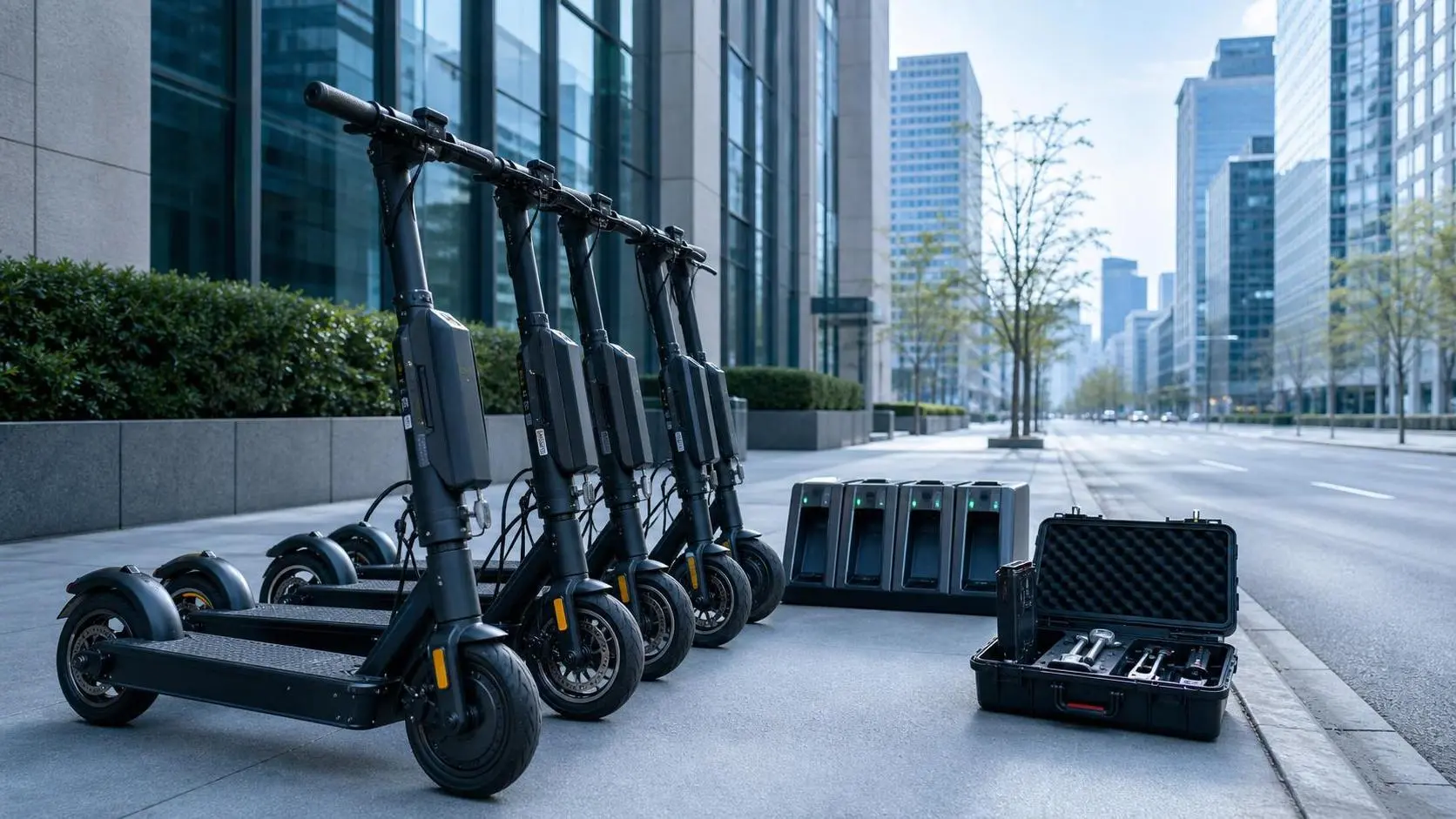
Smart E-Scooter Systems in North America: What Fleet Buyers Should Evaluate First
Smart e-scooter systems North America buyers should first assess connectivity, battery strategy, compliance, durability, and support to reduce risk and build scalable fleets.
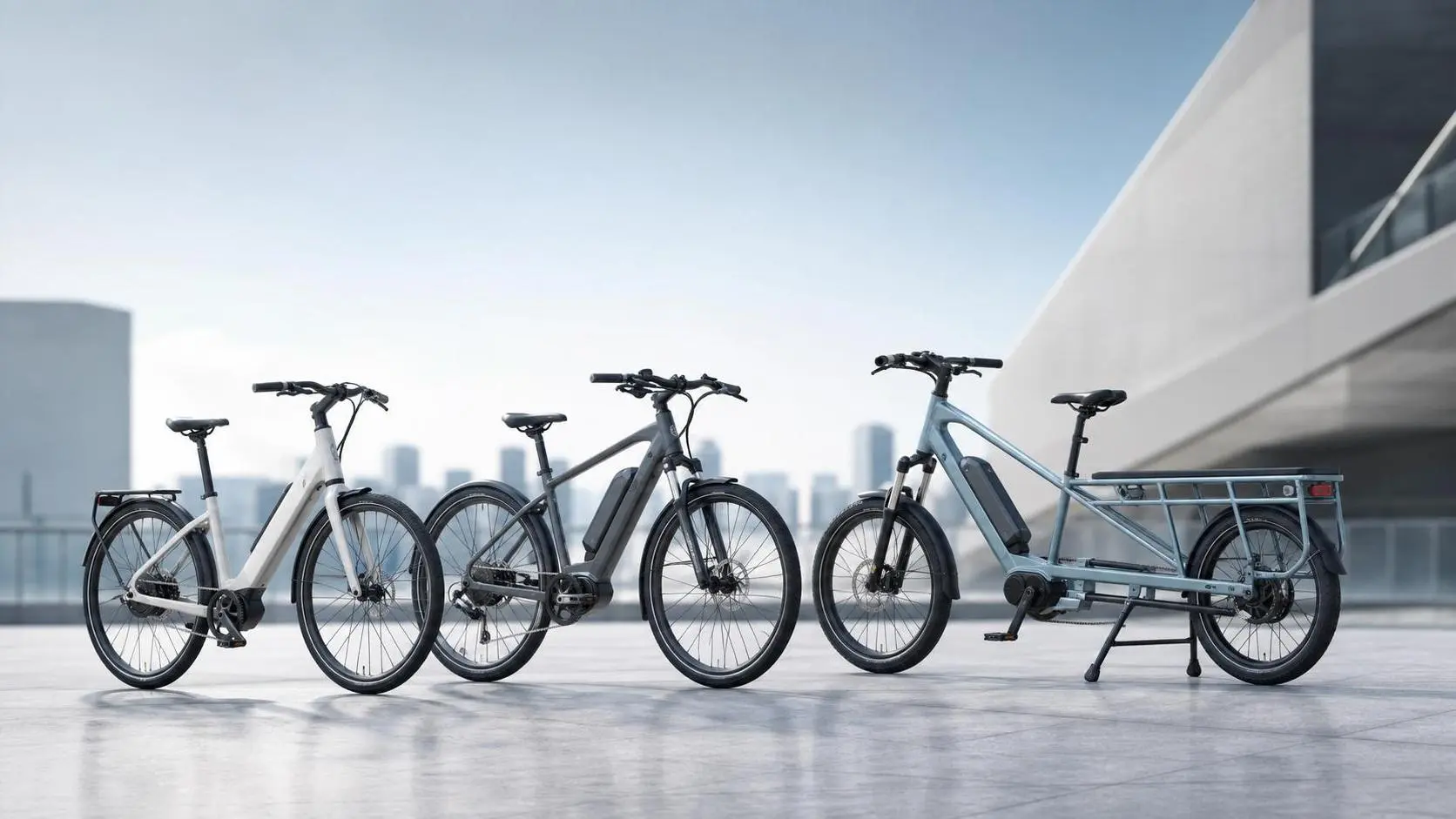
E-Bike Application Guide: Which Frame, Motor, and Battery Setup Fits Your Use Case?
E-bike application guide for choosing the right frame, motor, and battery by commute, hills, cargo, or mixed terrain. Find the setup that saves cost, weight, and hassle.
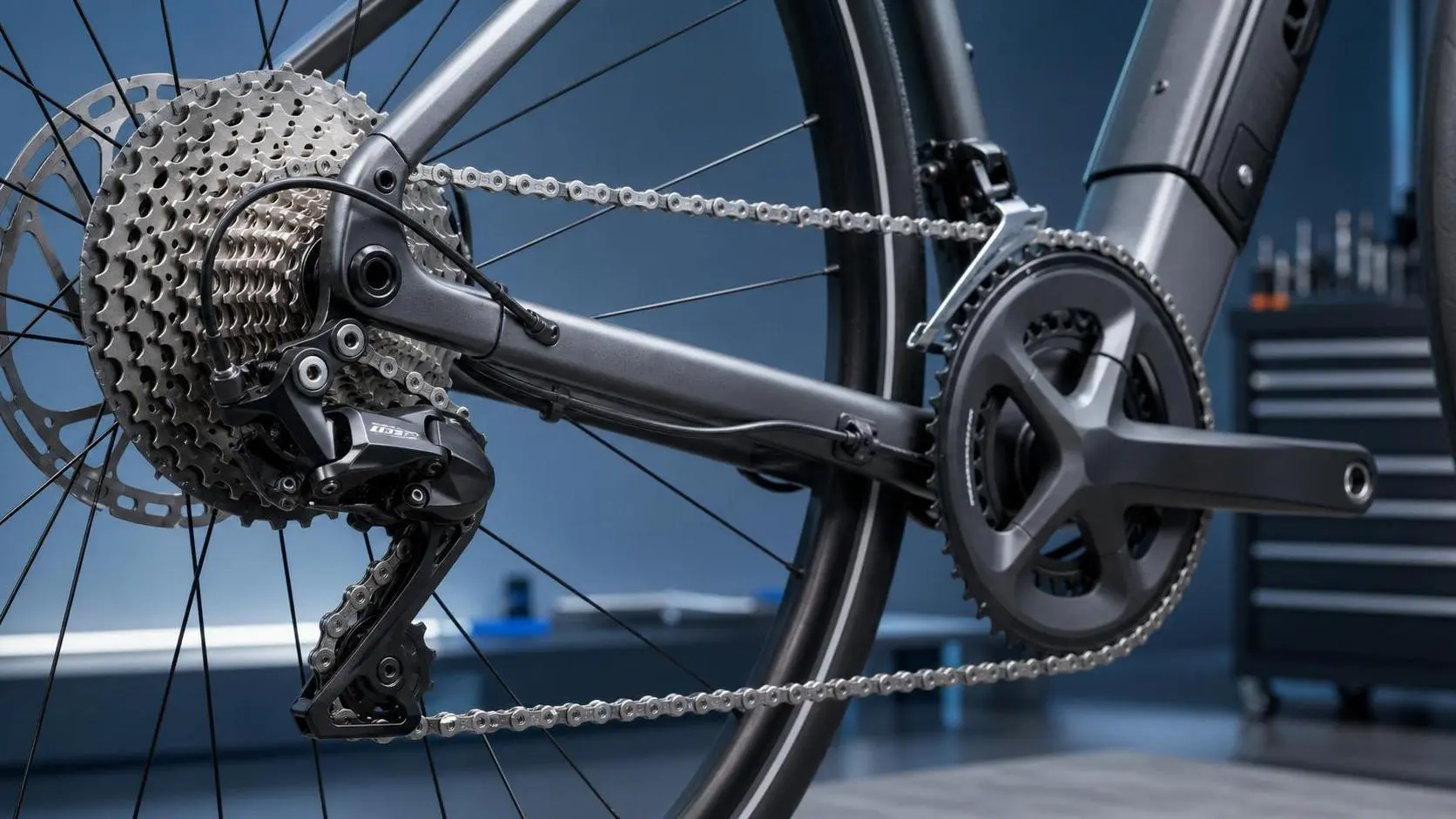
Precision Drivetrain Tuning Explained: Key Adjustments for Smoother Shifting
Precision drivetrain tuning explained: learn the key adjustments behind smoother shifting, fewer drivetrain issues, and better e-bike and urban bike performance.

Urban Traffic Micro-Circulation Providers: Key Models, Deployment Scenarios, and ROI Factors
Urban traffic micro-circulation provider guide: explore key models, deployment scenarios, and ROI factors to choose scalable, compliant solutions that improve urban mobility and returns.
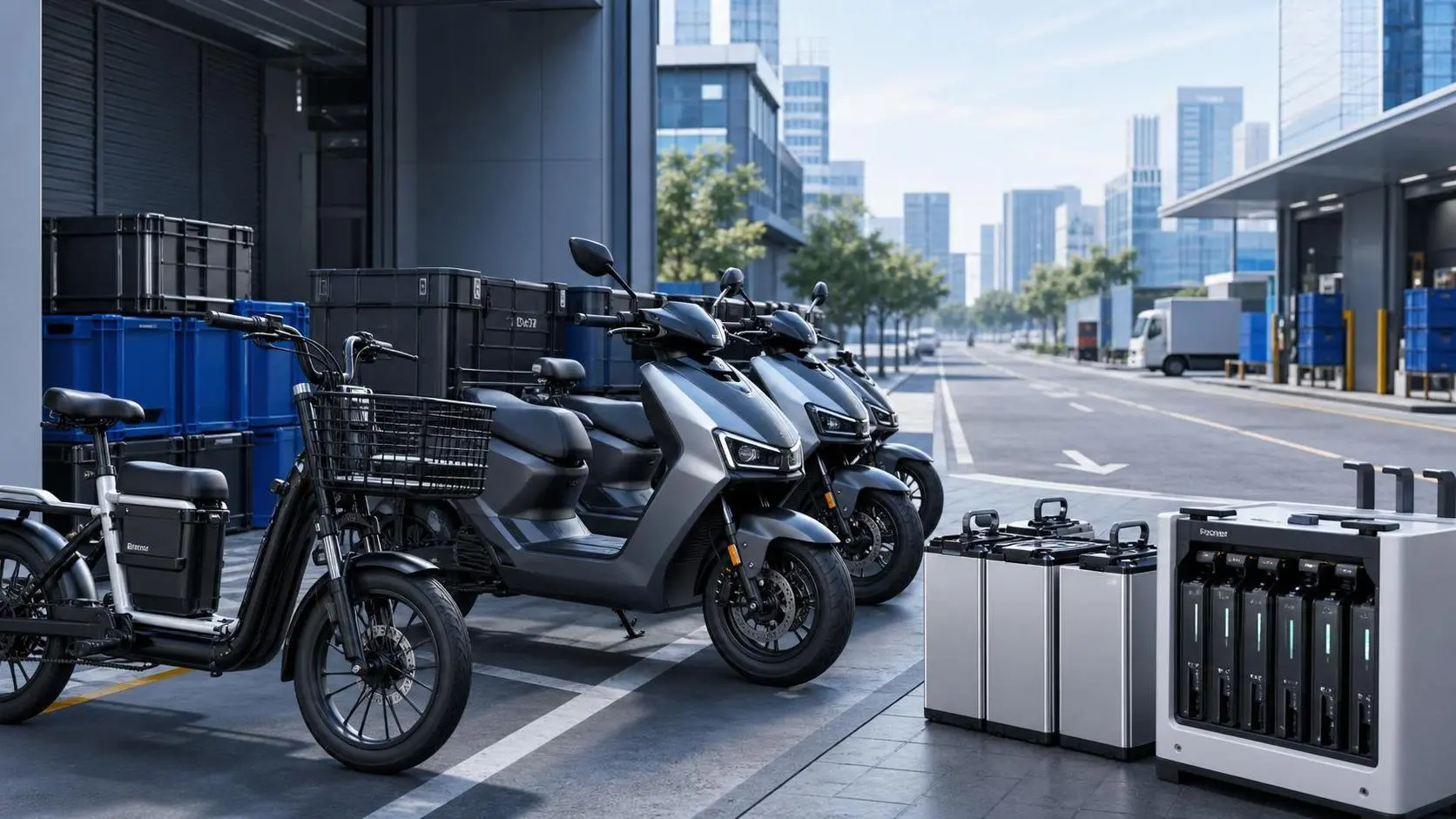
What Makes a Last-Mile Revolution Provider Worth Evaluating for Urban Delivery Projects?
Last-mile revolution provider evaluation starts with fleet fit, battery strategy, compliance, and uptime. Learn how to choose a partner that can scale urban delivery reliably.

E Scooter Resort Applications: Best Use Cases for Guest Mobility and Staff Transport
E scooter resort applications work best when matched to layout, terrain, and operations. Explore the best guest mobility and staff transport use cases for resorts.
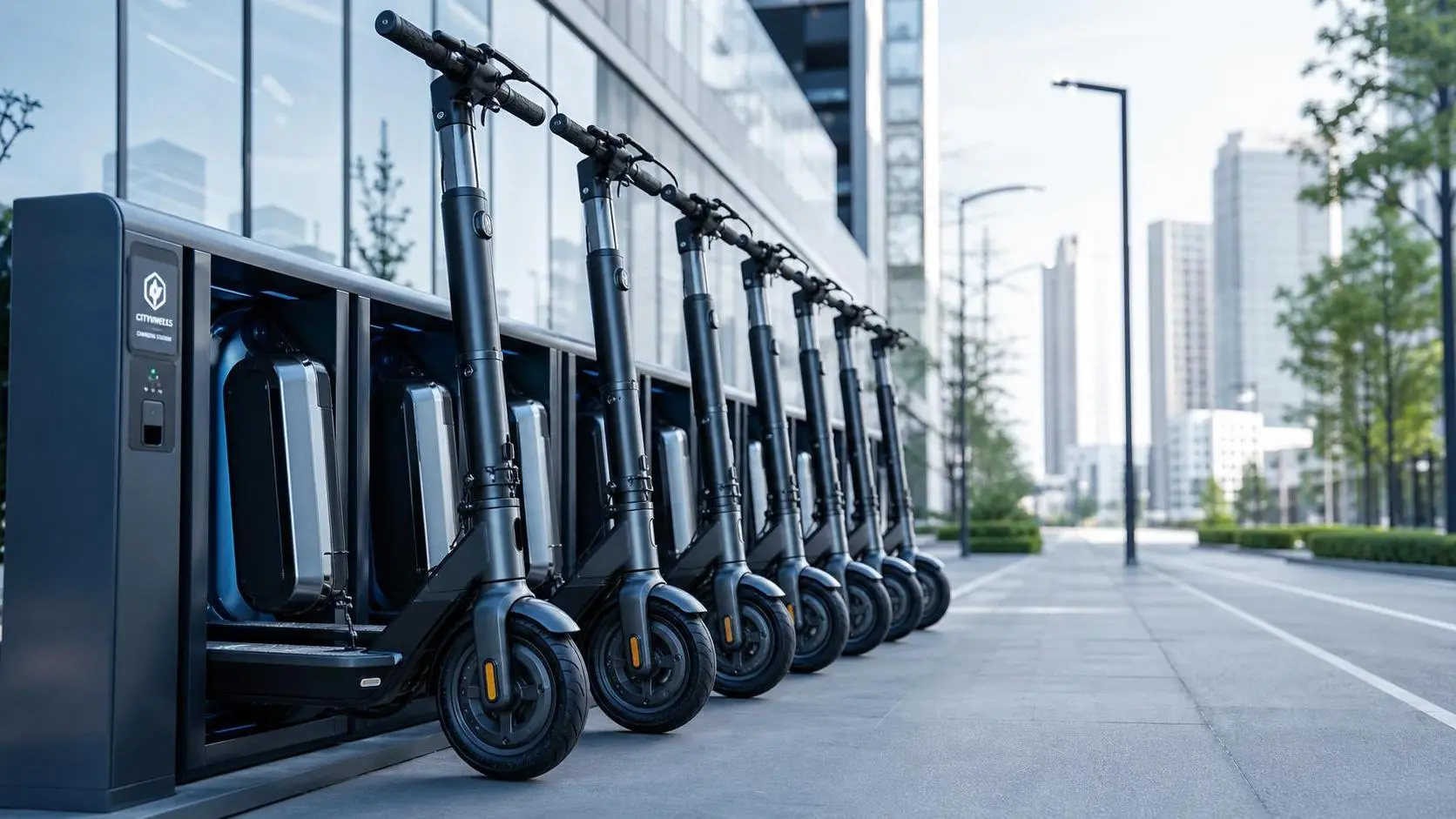
How to Choose Shared Fleet Scooters for Operators: Range, Durability, and Service Needs
Shared fleet scooter for operators: learn how to compare real-world range, durability, and service needs to reduce downtime, improve ROI, and choose fleet-ready models with confidence.
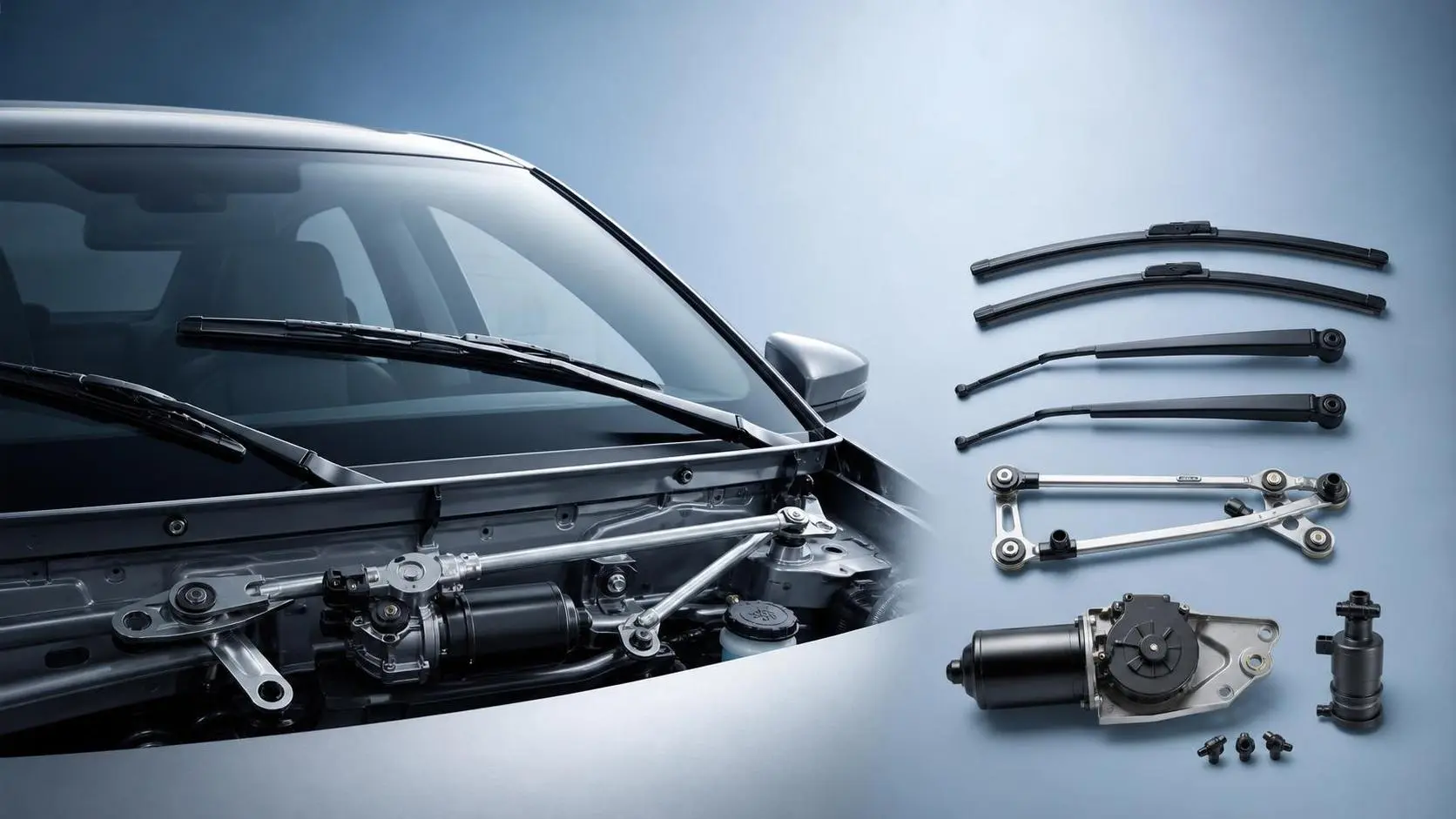
Replacement Wiper System Components Explained: Parts, Fitment, and When to Replace
Replacement wiper system components explained clearly: discover key parts, fitment checks, failure signs, and smart replacement tips to improve safety, reduce callbacks, and keep visibility reliable.