
Related News
- 00
0000-00
What Makes a Last-Mile Revolution Provider Worth Evaluating for Urban Delivery Projects? - 00
0000-00
E Scooter Resort Applications: Best Use Cases for Guest Mobility and Staff Transport - 00
0000-00
Urban Mobility Market Analysis: Demand Drivers, Policy Risks, and Revenue Models Compared - 00
0000-00
What Affects Urban Traffic Innovation Price in Smart City Transport Projects? - 00
0000-00
How to Evaluate a Battery Management Systems Exporter for Quality, Compliance, and Support
Ms. Elena Rodriguez
Weekly Insights
Stay ahead with our curated technology reports delivered every Monday.
What Makes a Last-Mile Revolution Provider Worth Evaluating for Urban Delivery Projects?





Why does a last-mile revolution provider matter more now?
Urban delivery projects have changed. Speed still matters, but speed alone no longer explains long-term performance.
A strong last-mile revolution provider must connect vehicles, batteries, routing logic, compliance, and service support into one workable operating system.
That is especially true in dense cities, where curb access, charging time, weather exposure, and fleet uptime shape project economics every day.
In practical terms, evaluation should move beyond a simple vehicle quote. The better question is whether the provider can support a reliable delivery ecosystem.
This is where market intelligence becomes useful. Platforms such as UMMS track e-bikes, smart e-scooters, high-speed e-motorcycles, and component evolution across global mobility markets.
That broader view helps separate vendors selling hardware from a last-mile revolution provider that understands urban delivery as a living infrastructure challenge.
What should a last-mile revolution provider actually deliver?
The label sounds ambitious, so it helps to define it clearly.
A credible last-mile revolution provider should deliver more than scooters, e-bikes, or fleet software. It should solve operational friction at the street level.
That usually includes vehicle-platform matching, battery strategy, maintenance design, telematics, safety logic, and deployment planning across different city rules.
For example, an urban food delivery network may favor lightweight e-bikes with efficient motor tuning and fast battery swaps.
A parcel operation with wider routes may need high-speed e-motorcycles, stronger thermal management, and tighter powertrain durability controls.
In mixed-weather cities, even peripheral systems matter. Visibility, sensor quality, braking response, and weather-safe component design can affect fleet availability.
UMMS often frames this correctly. Micro-mobility performance is shaped by electromechanical efficiency, battery intelligence, and precision components working together, not separately.
How do you tell whether the provider is fit for your delivery model?
The best evaluation starts with route reality, not brochure language.
Ask whether the last-mile revolution provider can map its solution to delivery distance, payload, road quality, charging windows, rider behavior, and city restrictions.
A provider may look advanced on paper, yet fail when stop frequency is high or battery turnaround is too slow.
More useful signals usually include the following:
- Can it support different vehicle classes without forcing one standard onto every route?
- Does it offer battery management logic matched to real shift patterns?
- Can telematics report battery health, fault codes, and usage anomalies in near real time?
- Are parts and service designed for quick urban turnaround rather than workshop-heavy maintenance?
- Can the system adapt to local right-of-way rules and permit conditions?
The more mature providers answer these questions with operating data, pilot references, and failure-rate history, not just product claims.
That matters because two projects with similar fleet sizes can have very different success rates once terrain, climate, and rider turnover are included.
A practical evaluation table
A simple comparison table often exposes gaps faster than long proposal documents.
Which capabilities separate a serious provider from a basic vendor?
The difference usually appears in the details that influence daily operating resilience.
A basic vendor can ship units. A serious last-mile revolution provider can explain how its architecture performs under pressure.
Battery management is one of the clearest examples. It is not enough to quote range under ideal conditions.
Useful evaluation looks at thermal stability, charge consistency, degradation under repeated short cycles, and monitoring accuracy across mixed fleets.
Drivetrain efficiency also matters. In urban delivery, repeated starts and stops punish weak power transmission and poor calibration.
This is why UMMS pays attention to precision drivetrain architecture and component response, including electronic shifting and power allocation behavior.
Another useful signal is whether the provider understands connected operations. Smart e-scooters and e-bikes depend on telematics that are clear, actionable, and stable.
If dashboards are shallow, fault alerts are delayed, or data exports are weak, management decisions become guesswork.
Good providers also account for safety design in poor visibility and extreme weather, where sensor quality, braking control, and even wiper system logic can affect continuity.
Where do most evaluations go wrong?
The most common mistake is buying the cheapest mobility asset and assuming software can fix the gaps later.
In reality, poor hardware selection creates service delays, battery stress, rider dissatisfaction, and higher replacement frequency.
Another mistake is treating all urban routes as equal. Downtown meal delivery, suburban parcel work, and campus logistics rarely need the same fleet logic.
Some teams also overlook policy volatility. Access rules, speed limits, parking controls, and subsidy structures can shift the economics of the same project.
This is where intelligence sources matter. A last-mile revolution provider worth evaluating should track regulatory change, not react after deployment problems appear.
One more blind spot is maintenance design. If repairs require specialist tools, imported parts, or long diagnostics, even a well-built vehicle can become a weak business choice.
More reliable evaluation usually includes a pilot with failure logging, charge-cycle review, and local service response testing.
Risk checks worth keeping on one page
- Do not accept quoted range without loaded-route testing.
- Check whether spare batteries are included in uptime modeling.
- Verify software ownership, data access rights, and integration limits.
- Review weather exposure assumptions for motors, connectors, and sensors.
- Ask for failure data from comparable urban density, not generic global averages.
How should you compare cost, rollout time, and long-term value?
A last-mile revolution provider should be judged on operating value, not just acquisition price.
Lower entry cost can hide weak batteries, poor diagnostics, fragmented service, or a short component life.
A more useful model compares five elements together: deployment speed, uptime, maintenance burden, battery replacement timing, and compliance stability.
Rollout time also deserves closer inspection. Fast shipment is not the same as fast implementation.
The real timeline includes registration, rider onboarding, charging setup, software integration, and local service readiness.
In many cases, the better provider is the one with a slower quote response but a cleaner implementation path.
That is especially relevant in cross-border projects, where technical credibility and regulatory awareness reduce hidden delays later.
UMMS covers these market signals well, especially where policy, battery logic, and vehicle evolution meet real commercial expansion decisions.
What is the smartest next step before shortlisting a last-mile revolution provider?
Start by defining the delivery environment in operational terms, not marketing terms.
Write down route length, payload bands, slope profile, stop density, climate stress, charging windows, and local compliance constraints.
Then compare each last-mile revolution provider against those conditions using the same scorecard.
It also helps to separate must-have requirements from expansion-phase preferences. That keeps early decisions grounded.
A useful shortlist usually includes providers with clear vehicle fit, strong battery intelligence, proven telematics, and realistic service commitments.
The strongest choices are rarely the loudest. They are the ones that can show how urban micro-mobility systems perform over time.
When the goal is durable urban delivery, evaluating a last-mile revolution provider means testing technical depth, policy awareness, and execution discipline together.
From there, the next move is practical: run a pilot, compare failure patterns, and refine the selection standard before scaling city by city.
Related News

Urban Traffic Micro-Circulation Providers: Key Models, Deployment Scenarios, and ROI Factors
Urban traffic micro-circulation provider guide: explore key models, deployment scenarios, and ROI factors to choose scalable, compliant solutions that improve urban mobility and returns.

E Scooter Resort Applications: Best Use Cases for Guest Mobility and Staff Transport
E scooter resort applications work best when matched to layout, terrain, and operations. Explore the best guest mobility and staff transport use cases for resorts.

How to Choose Shared Fleet Scooters for Operators: Range, Durability, and Service Needs
Shared fleet scooter for operators: learn how to compare real-world range, durability, and service needs to reduce downtime, improve ROI, and choose fleet-ready models with confidence.
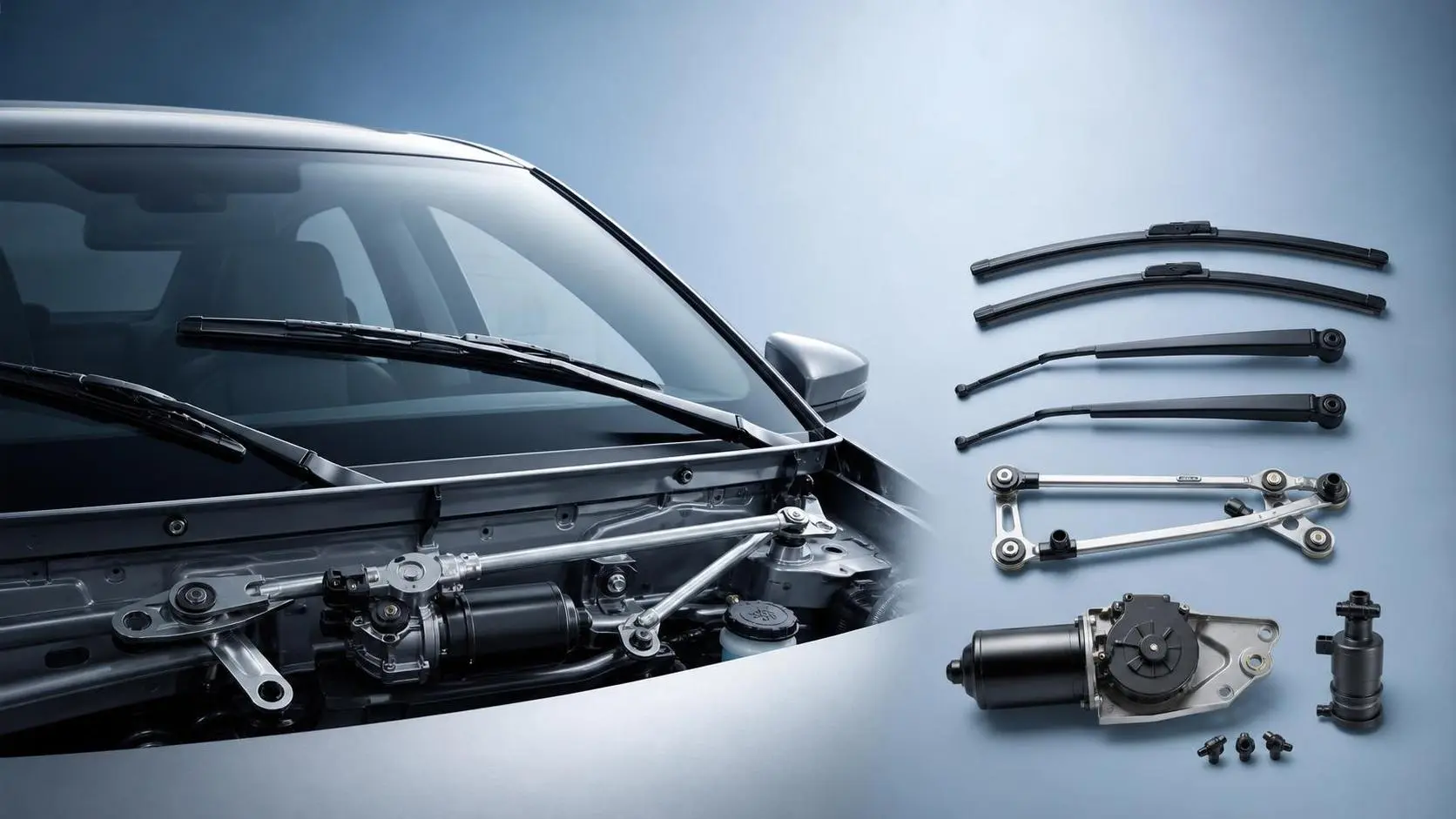
Replacement Wiper System Components Explained: Parts, Fitment, and When to Replace
Replacement wiper system components explained clearly: discover key parts, fitment checks, failure signs, and smart replacement tips to improve safety, reduce callbacks, and keep visibility reliable.
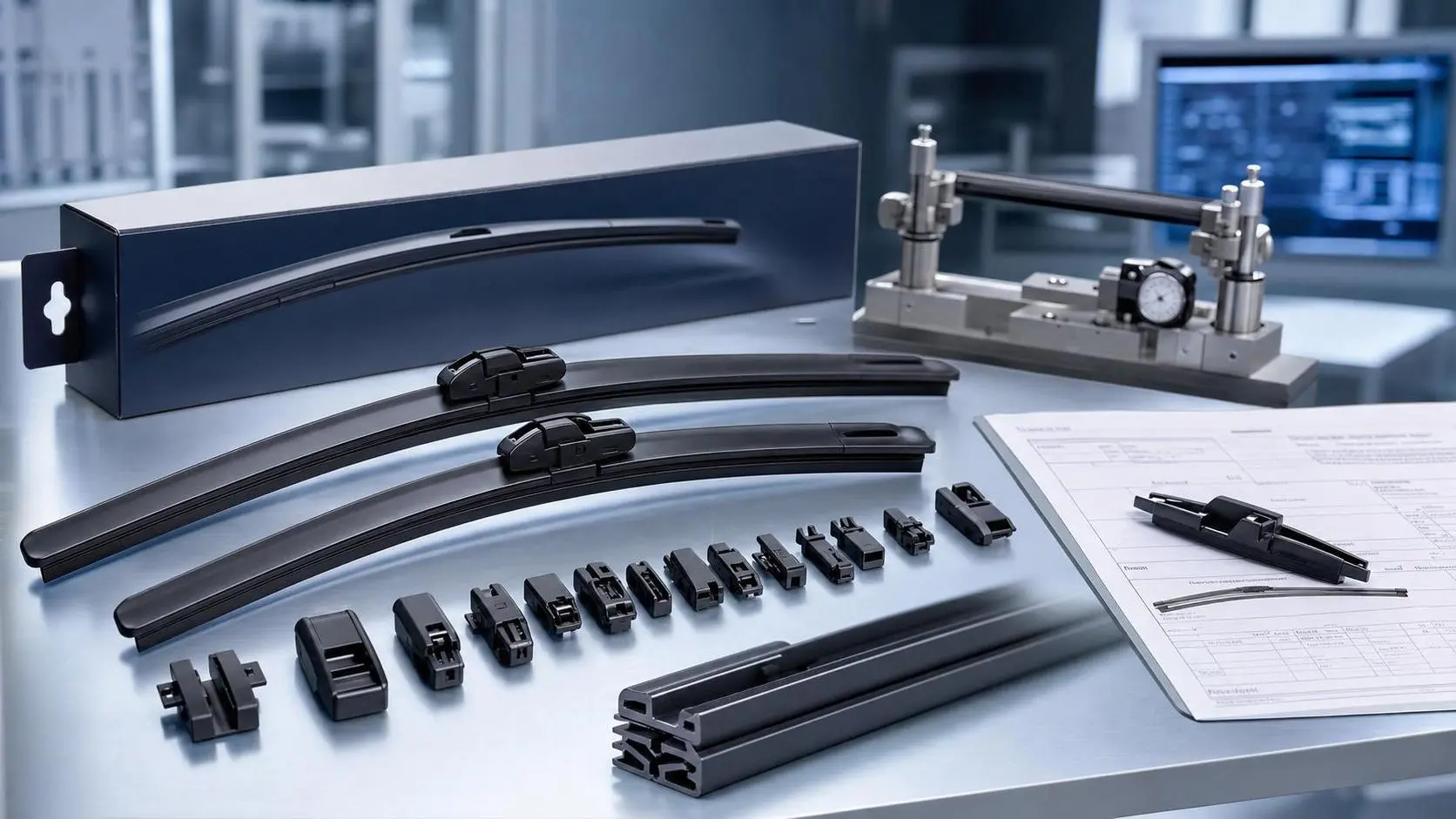
Flat Wiper Blades Wholesale Buying Guide: MOQ, Rubber Quality, Fitment, and Supplier Checks
Flat wiper blades wholesale buying guide covering MOQ, rubber quality, fitment accuracy, and supplier checks to reduce risk, improve margins, and choose reliable bulk partners.

Ebike Market USA: What Dealers Should Know About Demand Shifts, Pricing, and Product Mix
ebike market USA is shifting fast. Discover how demand segmentation, pricing pressure, and smarter product mix decisions can help dealers protect margins and grow.

Wiper Systems for Scooters: Common Failure Points, Maintenance Tips, and Replacement Signs
Wiper systems for scooters: learn the most common failure points, smart maintenance tips, and clear replacement signs to improve visibility, reduce repeat repairs, and keep riders safer.

How to Choose Micro-Mobility Docking Stations for Shared Fleets and Public Charging Hubs
Micro-mobility docking stations: learn how to compare charging, locking, software, and site-fit factors to choose safer, smarter hubs for shared fleets and public use.

Powertrain Heat Management Explained: Key Design Factors for EV Efficiency and Battery Life
Powertrain heat management explained for EVs: discover how thermal design boosts efficiency, protects battery life, improves safety, and sustains real-world performance.