
Related News
- 00
0000-00
Flat Wiper Blades Europe: What to Check Before Choosing OEM or Aftermarket Options - 00
0000-00
Replacement Wiper System Components Explained: Parts, Fitment, and When to Replace - 00
0000-00
Flat Wiper Blades Wholesale Buying Guide: MOQ, Rubber Quality, Fitment, and Supplier Checks - 00
0000-00
Wiper System Price Breakdown: What Changes Cost Across OEM, Aftermarket, and Fleet Orders - 00
0000-00
How do smart wiper sensors reduce safety risks on roads?
Visibility Safety Expert
Weekly Insights
Stay ahead with our curated technology reports delivered every Monday.
Flat Wiper Blades Europe: What to Check Before Choosing OEM or Aftermarket Options





In Europe’s replacement and OE supply chain, flat wiper blades are a small component with outsized consequences. For any review of flat wiper blades Europe options, cost matters, but it rarely decides long-term value on its own.
Performance in rain, sleet, dust, and winter salt affects safety, warranty exposure, and brand confidence. That is why flat wiper blades Europe buyers assess through a wider lens: fit, compliance, climate durability, supplier discipline, and lifecycle consistency.
This matters even more in mobility ecosystems shaped by electrification and urban density. UMMS tracks wiper systems alongside e-bikes, smart scooters, and other precision mobility categories because visibility hardware remains a core reliability issue in modern transport.
Why flat blades draw closer scrutiny in Europe
Flat blades differ from conventional framed designs by using an integrated spring structure and aerodynamic profile. The result is more even pressure, quieter wiping, and better high-speed stability when matched correctly to the vehicle glass.
In Europe, those benefits are judged under demanding operating conditions. Motorways, coastal moisture, alpine winters, urban stop-start traffic, and long service intervals all test blade quality in different ways.
The category also sits between automotive replacement logic and broader mobility system thinking. As UMMS often highlights, safety components are no longer isolated parts; they support connected, low-carbon, high-usage transport networks where uptime matters.
OEM and aftermarket are not simple quality labels
One common mistake is treating OEM as automatically superior and aftermarket as automatically risky. In practice, both channels can deliver excellent or poor outcomes depending on engineering control, validation standards, and supply discipline.
OEM supply usually prioritizes exact fit, traceability, approval pathways, and stable production documentation. It often aligns well with new vehicle programs, fleet contracts, or branded service networks that require low variability.
Aftermarket options may provide broader SKU coverage, faster commercial flexibility, and stronger price competitiveness. They can also respond well to aging vehicle populations, mixed fleets, and regional stocking realities across Europe.
The useful question is not which label sounds safer. It is whether the chosen source can prove consistent wiping performance, secure attachment, durable rubber formulation, and repeatable supply quality.
Compatibility checks should come before price discussions
Many flat wiper blades Europe sourcing issues begin with fitment oversimplification. A blade that matches nominal length may still fail because of connector mismatch, windshield curvature, arm geometry, or pressure distribution limits.
Vehicle coverage data should be reviewed as a technical asset, not just a sales sheet. Clean mapping by make, model, year, arm type, and regional variation reduces returns and protects service efficiency.
It also helps to confirm whether the blade platform supports both driver-side and passenger-side requirements without compromise. Some low-cost ranges cover many applications on paper but lose performance at the edge cases.
- Check connector families and locking security under vibration.
- Review windshield curvature compatibility, not only blade length.
- Confirm pressure uniformity at low and high operating speeds.
- Validate coverage data against real European vehicle parc needs.
Compliance and testing deserve practical attention
Regulatory compliance in Europe is not only a paperwork exercise. Buyers should look at how a supplier documents material safety, product traceability, packaging conformity, and test evidence relevant to the intended sales channel.
For flat wiper blades Europe programs, the stronger suppliers usually provide a clear record of endurance testing, salt exposure, temperature cycling, wipe quality validation, and connector retention performance.
This is especially relevant when products are supplied into private label, multi-country distribution, or vehicle service groups. A compliance gap may not appear at first shipment, but it often surfaces during claims, audits, or market surveillance.
Climate durability is where differences become visible
Europe is not one weather market. Northern frost, central motorway use, southern UV exposure, and maritime humidity create very different stress patterns for rubber elements and structural carriers.
A flat blade that performs well in mild testing may streak early in low temperatures or chatter after heat aging. That is why blade compound, coating, spoiler stability, and spring steel retention all deserve attention.
In practical terms, flat wiper blades Europe decisions should include a map of regional climate exposure. This helps avoid assuming that one performance claim covers every route-to-market equally well.
Signals worth checking in sample evaluation
- Streaking after repeated wash cycles.
- Edge lifting at highway speeds.
- Rubber hardening after cold storage.
- Noise increase after UV or salt exposure.
- Connector looseness after installation repetition.
Supply consistency often outweighs nominal unit savings
A blade with attractive pricing can become expensive when fill rates slip or quality drifts between batches. In flat wiper blades Europe distribution, consistency across seasons is often more important than the opening quote.
This is where supplier maturity becomes visible. Stronger partners usually maintain tooling discipline, raw material control, stable packaging standards, and realistic lead-time communication.
They also handle SKU rationalization more carefully. Too many overlapping references create stocking inefficiency, while too few create fitment gaps and emergency substitutions.
For businesses operating across mobility categories, this logic is familiar. UMMS applies the same lens to batteries, drivetrains, sensors, and wiper systems: reliability depends on repeatable execution, not only nominal specification.
Where OEM supply fits, and where aftermarket may work better
OEM sourcing tends to make sense when brand protection, exact vehicle integration, or warranty alignment carries the highest weight. It also suits programs where documentation depth is part of the commercial requirement.
Aftermarket supply often fits better where fleet diversity, broad vehicle age range, and inventory agility matter more. In many flat wiper blades Europe channels, this flexibility is commercially necessary rather than optional.
The best choice depends on channel economics, claims tolerance, target vehicle parc, and how much technical variance the business can absorb. There is no universal answer, only a stronger or weaker match.
A useful comparison frame
How to build a better decision process
A strong evaluation model for flat wiper blades Europe choices starts with end-use clarity. Define vehicle groups, route conditions, climate regions, service expectations, and acceptable claim thresholds before comparing offers.
Then compare samples and documentation together. A blade that wipes well in a short test but comes with weak traceability or unstable lead times is not a lower-risk option.
It also helps to score suppliers on total lifecycle value. That includes fit accuracy, return rate, shelf presentation, complaint handling, and consistency between pilot order and scaled delivery.
- Start with vehicle parc and route-to-market realities.
- Use sample testing that reflects regional climate exposure.
- Review compliance files before commercial rollout.
- Measure supplier responsiveness during the quoting phase.
- Track total cost through returns, claims, and replenishment speed.
The most reliable flat wiper blades Europe decision usually comes from narrowing assumptions, not expanding product lists. When compatibility, compliance, durability, and supply consistency are tested together, OEM and aftermarket choices become easier to judge on business terms that hold up over time.
A sensible next step is to build a comparison sheet around actual operating conditions, then validate two or three candidates with the same criteria. That approach produces clearer decisions than price-led screening alone.
Related News

Smart E-Scooter Systems With GPS for Shared Fleets: Features That Matter Most
Smart e-scooter systems with GPS help shared fleets improve compliance, recovery, uptime, and battery planning. See which features matter most before you scale.

Vehicle Visibility Safety for Motorcycles: Common Blind-Spot Risks and Fixes
Vehicle visibility safety for motorcycles explained: discover common blind-spot risks in city, wet, cargo, and high-speed riding, plus practical fixes that improve safety and fleet performance.
Automatic Smart Wiper Systems Explained: Sensors, Control Logic, and Failure Points
Automatic smart wiper systems explained clearly: explore sensors, control logic, key failure points, and what really determines safer, more reliable windshield visibility.
How to Use a Smart Mobility Supplier Directory to Compare OEM Partners
Smart mobility supplier directory guide: compare OEM partners beyond price by checking compliance, battery integration, lead times, and engineering strength to build a lower-risk shortlist.

Carbon Neutrality for Fleets: How to Measure Emissions and Prioritize Upgrades
Carbon neutrality for fleets starts with accurate emissions measurement. Learn how to baseline data, uncover hidden energy losses, and prioritize upgrades that cut costs and carbon faster.

Smart E-Scooter Systems in North America: What Fleet Buyers Should Evaluate First
Smart e-scooter systems North America buyers should first assess connectivity, battery strategy, compliance, durability, and support to reduce risk and build scalable fleets.
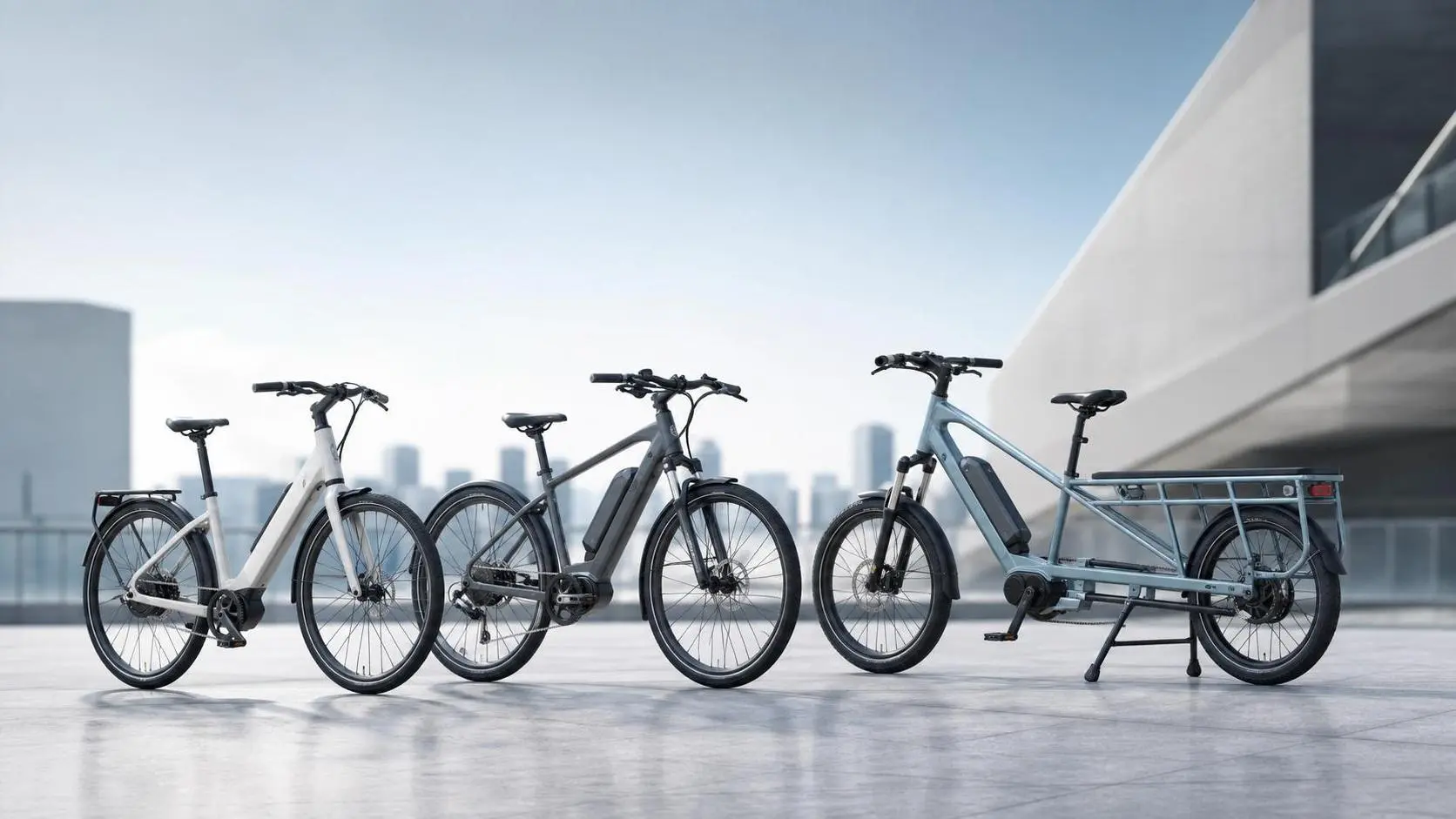
E-Bike Application Guide: Which Frame, Motor, and Battery Setup Fits Your Use Case?
E-bike application guide for choosing the right frame, motor, and battery by commute, hills, cargo, or mixed terrain. Find the setup that saves cost, weight, and hassle.
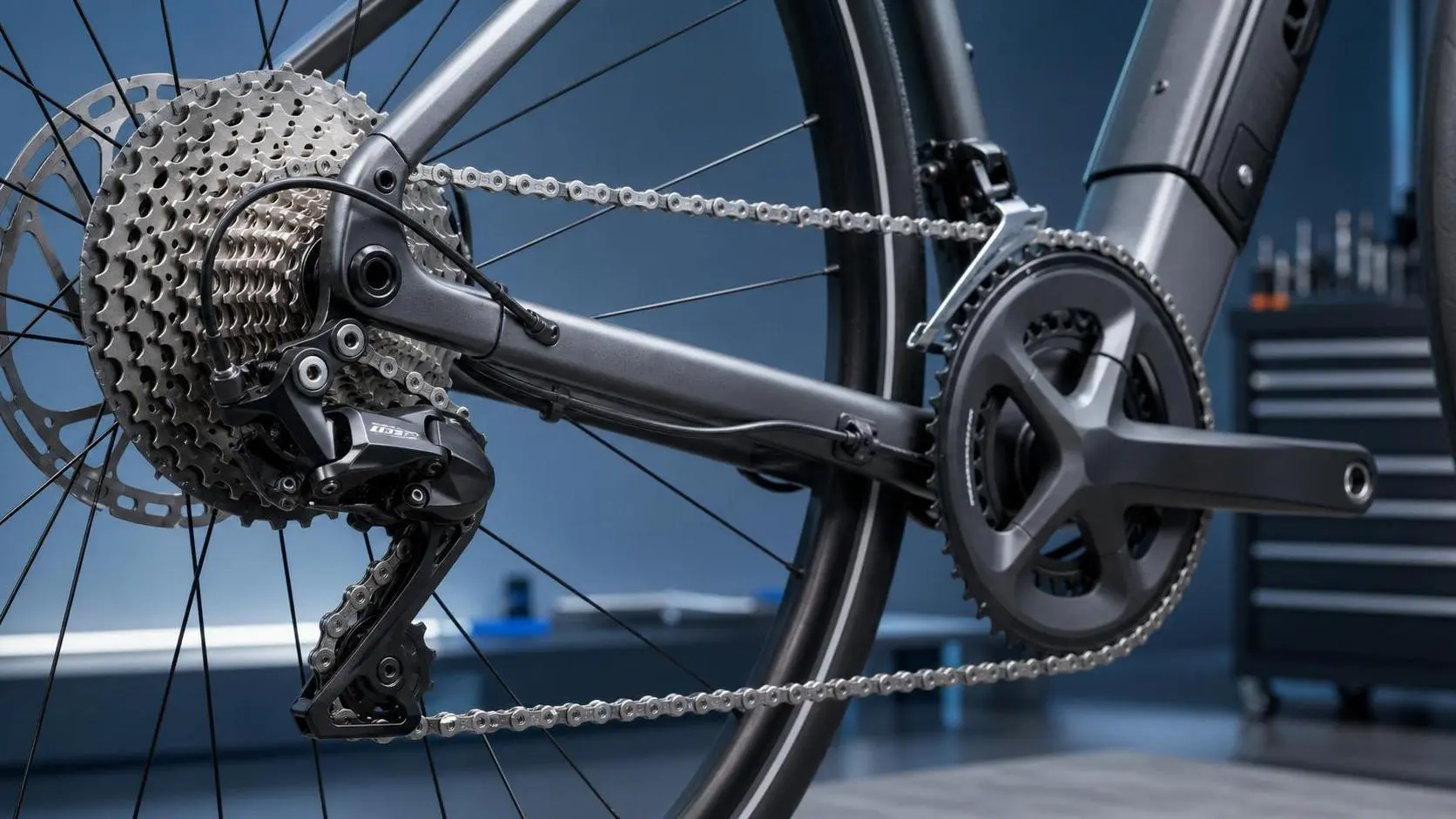
Precision Drivetrain Tuning Explained: Key Adjustments for Smoother Shifting
Precision drivetrain tuning explained: learn the key adjustments behind smoother shifting, fewer drivetrain issues, and better e-bike and urban bike performance.
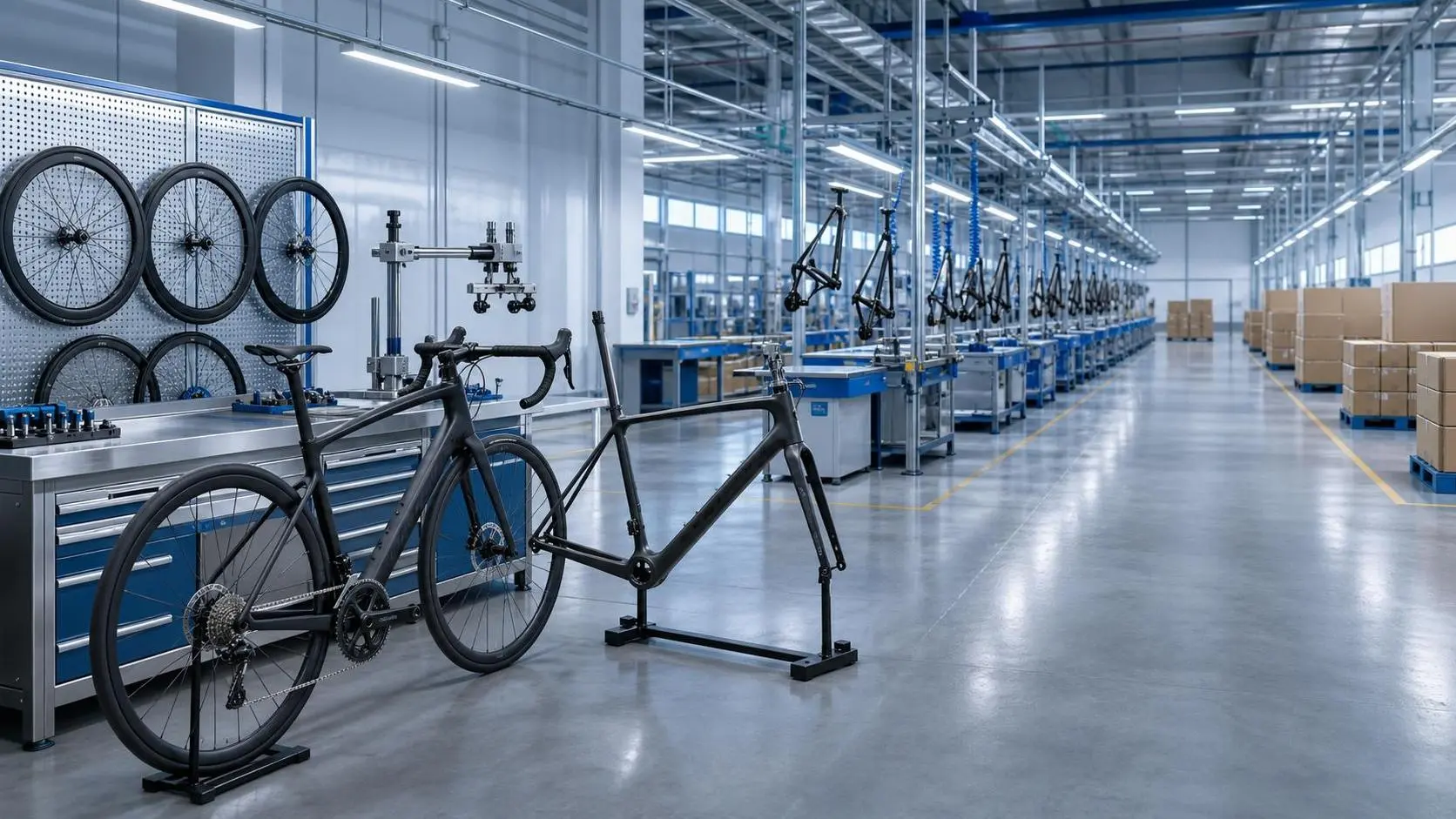
Bicycle Supplier Reference Guide: How to Compare OEM Capacity, QC, and Lead Times
Bicycle supplier reference guide for sourcing teams: compare OEM capacity, QC systems, and lead-time reliability to reduce risk, improve vendor selection, and make smarter purchasing decisions.