
Related News
- 00
0000-00
What Makes a Last-Mile Revolution Provider Worth Evaluating for Urban Delivery Projects? - 00
0000-00
E Scooter Resort Applications: Best Use Cases for Guest Mobility and Staff Transport - 00
0000-00
Urban Mobility Market Analysis: Demand Drivers, Policy Risks, and Revenue Models Compared - 00
0000-00
What Affects Urban Traffic Innovation Price in Smart City Transport Projects? - 00
0000-00
How to Evaluate a Battery Management Systems Exporter for Quality, Compliance, and Support
Ms. Elena Rodriguez
Weekly Insights
Stay ahead with our curated technology reports delivered every Monday.
E Scooter Resort Applications: Best Use Cases for Guest Mobility and Staff Transport





Why e scooter resort applications vary so much by property layout
E scooter resort applications work best when on-site mobility is treated as an operational system, not a novelty amenity.
A compact urban hotel, a beachfront resort, and a mountain lodge may all use scooters, but their decision logic is different.
Distance, slope, weather exposure, guest turnover, and service routing shape how useful scooters really become.
That is why strong e scooter resort applications depend on route design, charging rhythm, fleet visibility, and daily handling discipline.
From the UMMS perspective, this is a micro-mobility deployment question rather than a simple vehicle choice.
The same intelligence used to assess urban last-mile systems also applies inside resorts, where circulation patterns are predictable but operational pressure is constant.
Guest movement looks simple until the property gets larger
On wide beach properties, guests often need to move between rooms, pools, dining zones, spas, and activity areas several times a day.
Walking remains part of the leisure experience, but long internal distances quickly become friction when heat, luggage, or time-sensitive reservations are involved.
Here, e scooter resort applications are most effective as short-hop transport for optional convenience rather than full-property replacement of walking.
The key judgment is not maximum speed. It is smooth starts, intuitive controls, visible parking points, and stable riding on mixed pavement.
In family-oriented resorts, low-speed geofenced settings matter more than aggressive range claims.
In adults-only or wellness destinations, quieter drivetrains and cleaner docking presentation may carry more value than raw fleet size.
Where guest-facing use usually fits best
- Transfers between room clusters and central amenities
- Travel to beachfront, marina, or golf-adjacent service nodes
- Mobility support for late check-in and heavy bag movement
- Optional circulation during hot, humid, or sprawling layouts
Staff transport often delivers faster value than guest fleets
Many properties first look at guest experience, yet staff movement usually produces the clearest early return.
Housekeeping supervisors, engineering teams, security patrols, and guest-service runners travel repeated routes all day.
Those trips are less visible than leisure circulation, but they directly affect response time and labor efficiency.
This is where e scooter resort applications become a service-performance tool.
A scooter assigned to maintenance in a hillside resort has different needs than one used by concierge runners in a flat tropical property.
Load tolerance, puncture resistance, and easy battery swap access become more important than premium styling.
UMMS often emphasizes drivetrain efficiency and battery management logic in broader mobility analysis, and those same factors matter here.
A fleet that is easy to monitor, recharge, and return to service will outperform a more powerful fleet with poor operational visibility.
Beach resorts, mountain lodges, and all-inclusive sites do not need the same setup
The most common mistake is assuming similar room counts create similar scooter demand.
In practice, terrain and weather exposure reshape the entire use case.
This is why the best e scooter resort applications start with route mapping, not brochure specifications.
If surfaces change from decorative stone to service asphalt to boardwalk, ride stability and maintenance intervals change with them.
The best use cases usually sit between convenience and time-critical service
Not every trip inside a resort should be shifted onto scooters.
The strongest e scooter resort applications appear where walking is inefficient, carts are oversized, and full vehicle circulation feels excessive.
Examples include room-readiness checks, technical inspections, minibar restocking support, and escort service for distant room categories.
They also fit well for back-of-house movement between laundry, engineering, staff dining, and perimeter facilities.
For guest use, the strongest cases are selective and controlled.
A destination with broad internal roads and visible wayfinding can support wider access.
A heritage property with narrow pathways, mixed pedestrian density, and decorative gradients may only suit guided or staff-only use.
A practical filter before expanding deployment
- Is the route repeated often enough to justify dedicated micro-mobility?
- Does the path remain safe during peak pedestrian periods?
- Can charging happen without disrupting front-of-house presentation?
- Will the vehicle carry light tools, radios, or small service loads?
- Can local rules and insurance terms support the intended use?
What gets overlooked before e scooter resort applications go live
A frequent misread is focusing on battery range while ignoring daily fleet turnover.
In many resorts, scooters do not fail because range is too short.
They fail because charging access is awkward, parking becomes messy, or damaged units sit offline too long.
Another weak assumption is treating guest and staff demand as interchangeable.
Guest fleets need clearer onboarding, stronger visual order, and stricter speed governance.
Staff fleets need uptime, spare-part availability, and maintenance routines that match operational peaks.
Weather is also easy to underestimate.
Salt air, sudden rain, dusty service roads, and steep drainage transitions all shorten component life if the fleet is chosen too lightly.
This is where UMMS-style attention to systems thinking matters.
Micro-mobility performance depends on the interaction between battery behavior, mechanical stress, terrain, and service policy.
A better way to match the fleet to the site
A useful rollout starts with a narrow pilot tied to real routes.
Map the longest daily staff loops, the most requested guest transfers, and the periods with the highest congestion.
Then compare those findings against charging windows, surface conditions, and supervision capacity.
If the pilot proves consistent, expand by function rather than by headline fleet size.
In many cases, the right sequence is staff operations first, controlled guest use second, and broader amenity positioning only after procedures stabilize.
That reduces risk while showing where e scooter resort applications create measurable value.
Key matching criteria
- Terrain profile and braking demand
- Exposure to rain, salt, dust, and heat
- Expected rider mix and supervision level
- Charging method, battery access, and downtime tolerance
- Repair workflow and spare-part availability
- Operational fit with broader sustainability goals
Where the next decision should focus
The real value of e scooter resort applications is not that scooters look modern.
It is that they can compress internal travel time, improve service responsiveness, and support lower-impact transport inside complex properties.
The best decisions come from separating guest convenience routes from staff-critical routes, then testing each under actual site conditions.
Before scaling, clarify route types, operating limits, maintenance rhythm, and charging discipline.
That gives e scooter resort applications a stronger business case and a more durable operational fit.
For ongoing evaluation, it helps to track resort use the same way advanced micro-mobility platforms track urban fleets: by utilization, downtime, route stress, and energy efficiency.
That is the point where mobility convenience becomes a managed system rather than an isolated amenity.
Related News

Urban Traffic Micro-Circulation Providers: Key Models, Deployment Scenarios, and ROI Factors
Urban traffic micro-circulation provider guide: explore key models, deployment scenarios, and ROI factors to choose scalable, compliant solutions that improve urban mobility and returns.
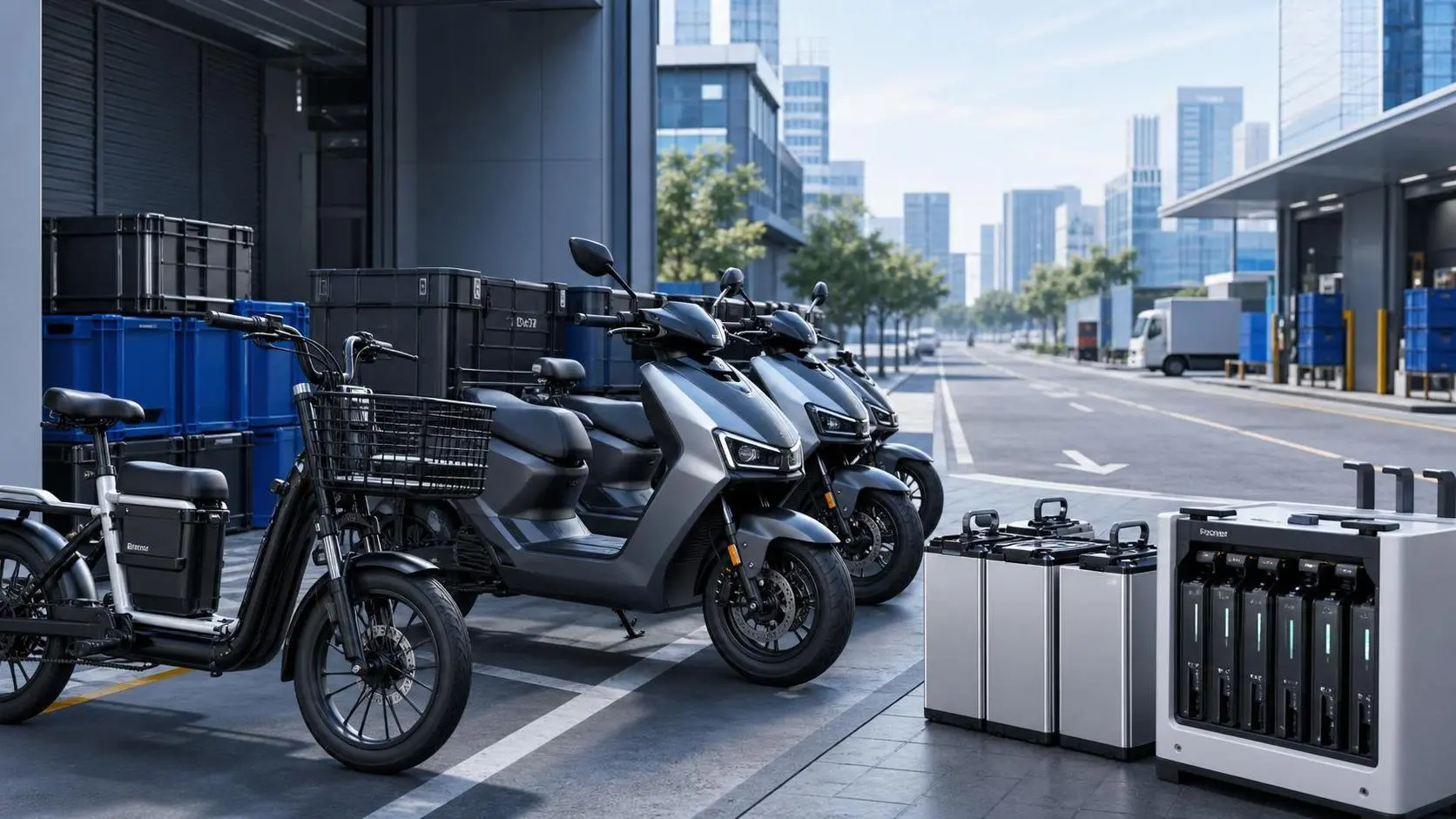
What Makes a Last-Mile Revolution Provider Worth Evaluating for Urban Delivery Projects?
Last-mile revolution provider evaluation starts with fleet fit, battery strategy, compliance, and uptime. Learn how to choose a partner that can scale urban delivery reliably.
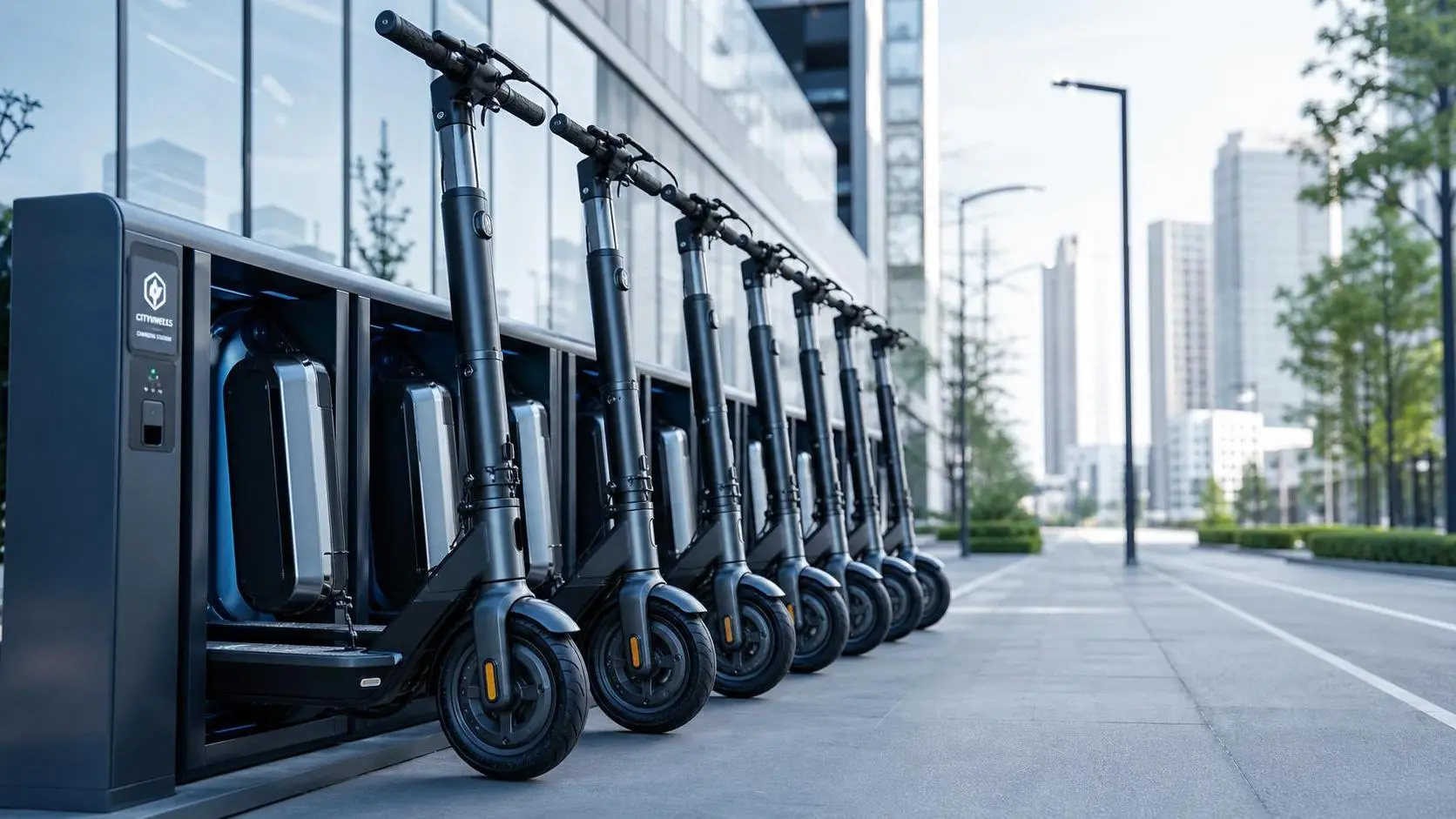
How to Choose Shared Fleet Scooters for Operators: Range, Durability, and Service Needs
Shared fleet scooter for operators: learn how to compare real-world range, durability, and service needs to reduce downtime, improve ROI, and choose fleet-ready models with confidence.
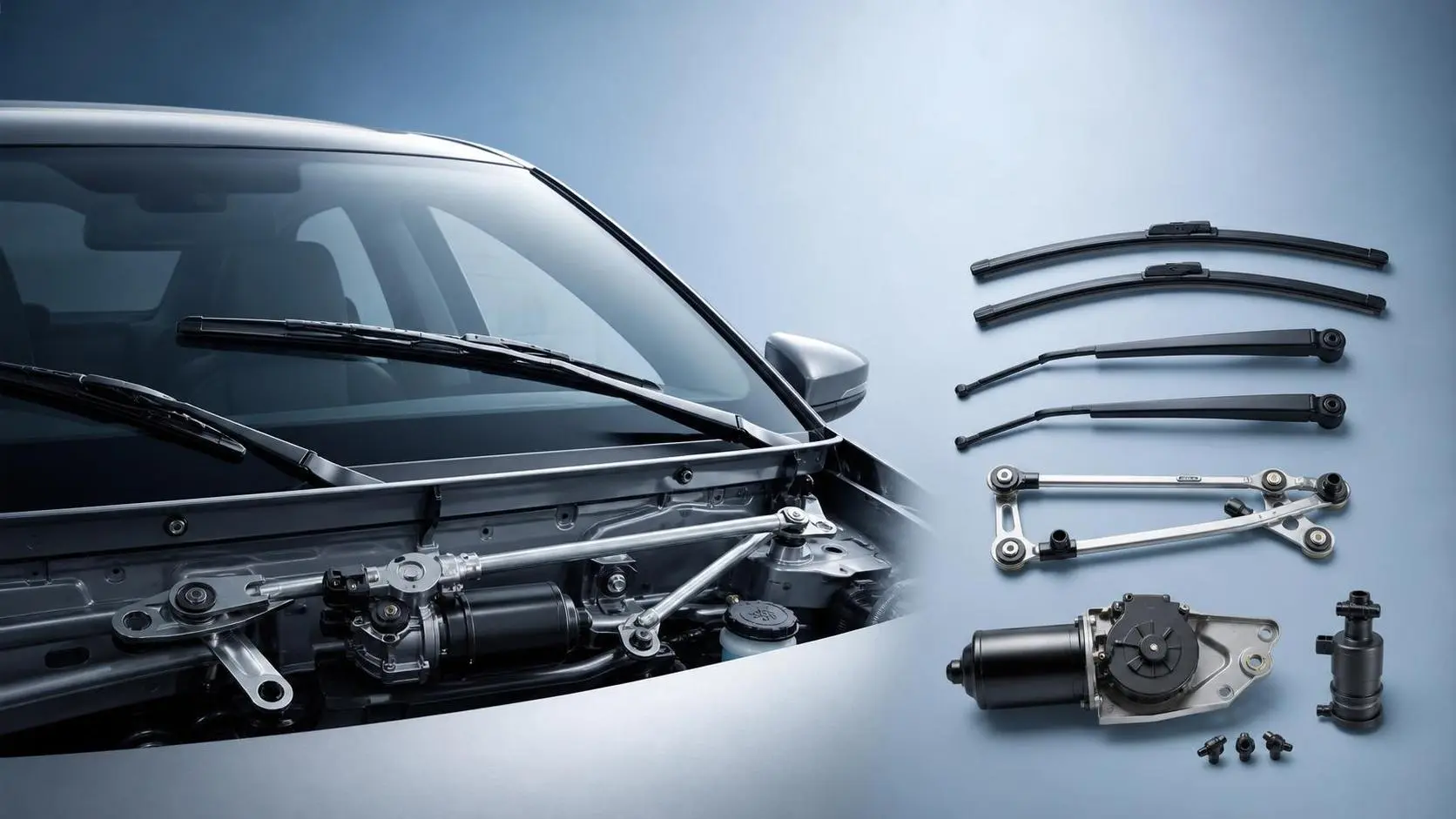
Replacement Wiper System Components Explained: Parts, Fitment, and When to Replace
Replacement wiper system components explained clearly: discover key parts, fitment checks, failure signs, and smart replacement tips to improve safety, reduce callbacks, and keep visibility reliable.
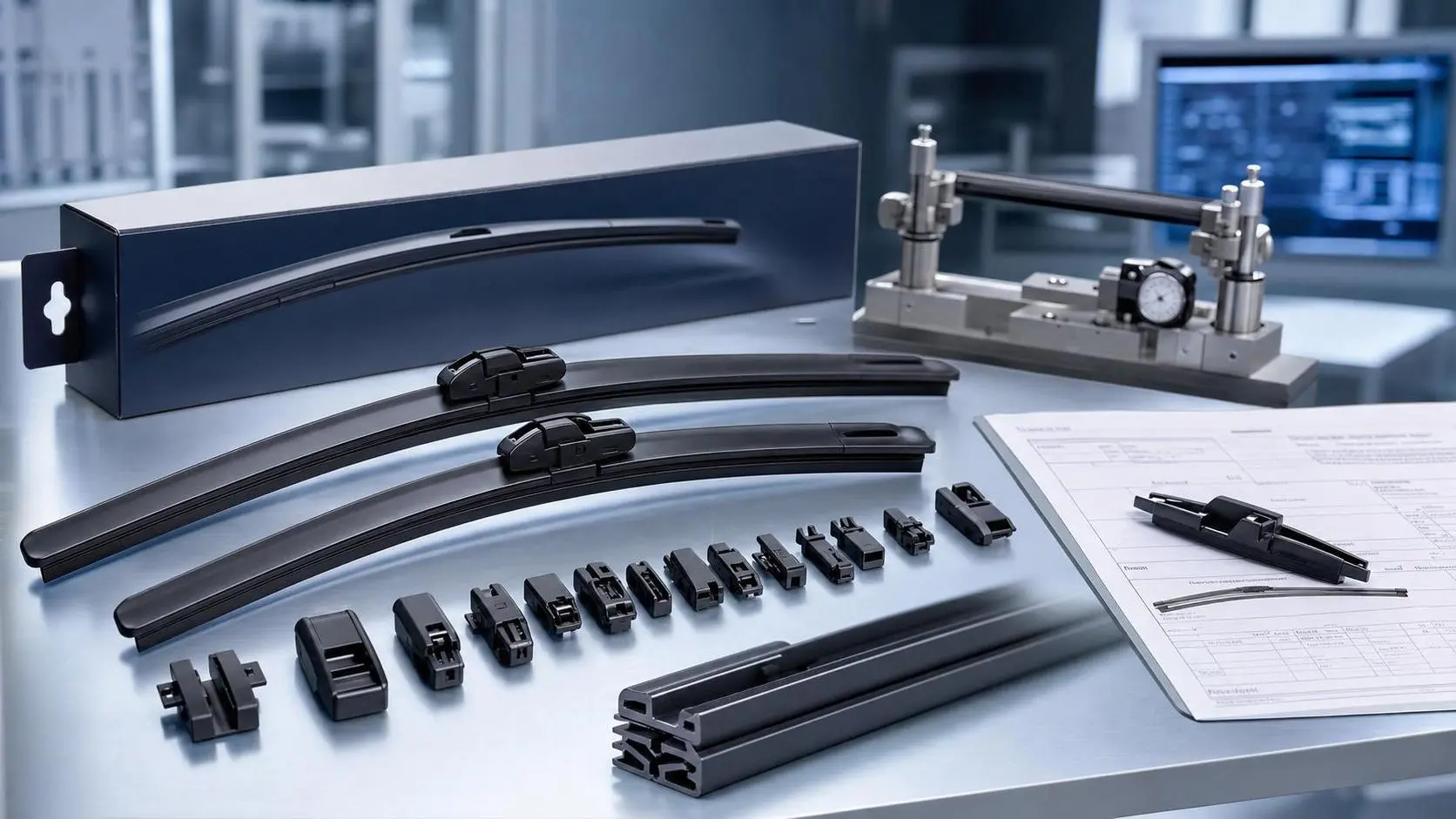
Flat Wiper Blades Wholesale Buying Guide: MOQ, Rubber Quality, Fitment, and Supplier Checks
Flat wiper blades wholesale buying guide covering MOQ, rubber quality, fitment accuracy, and supplier checks to reduce risk, improve margins, and choose reliable bulk partners.
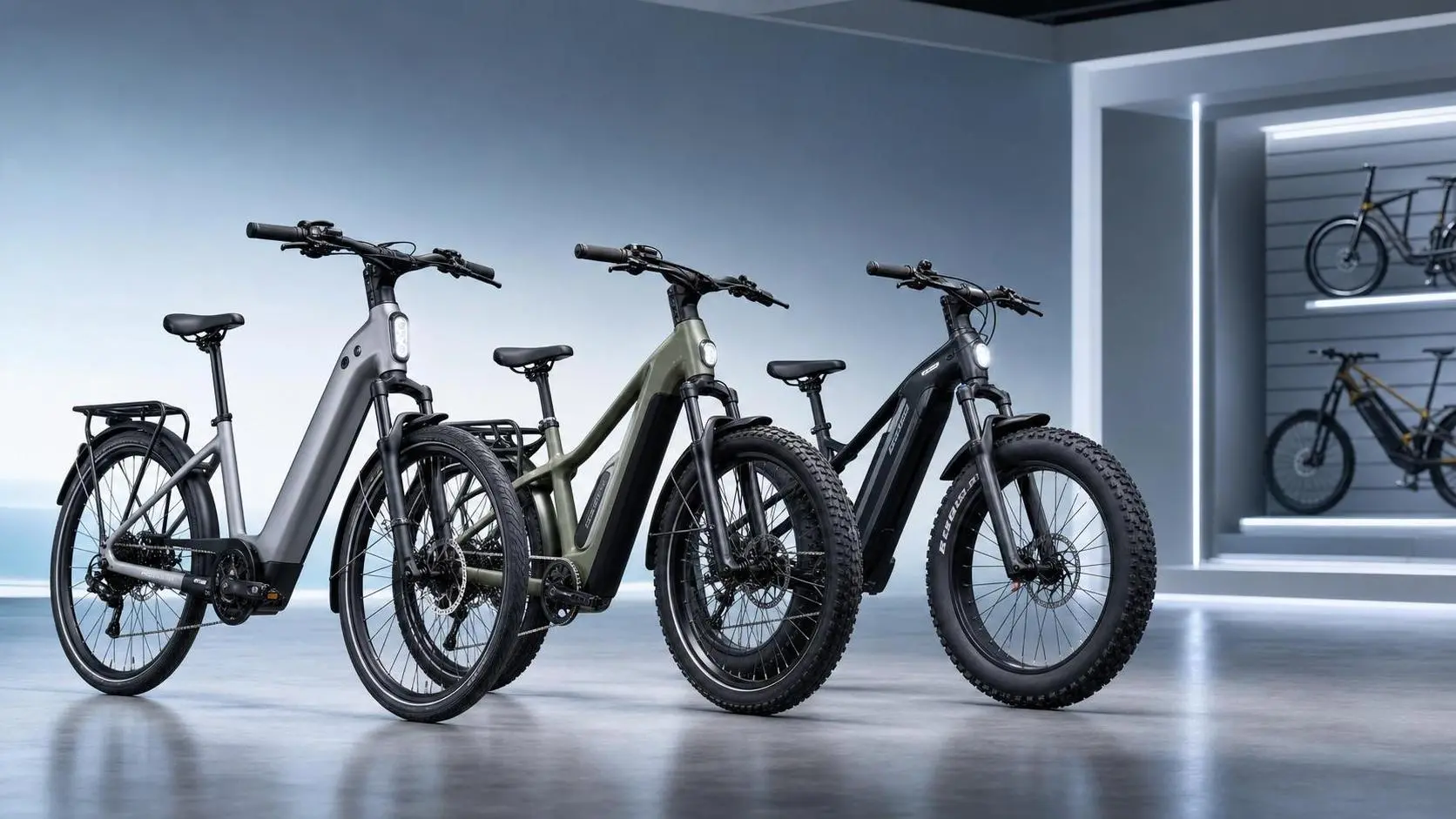
Ebike Market USA: What Dealers Should Know About Demand Shifts, Pricing, and Product Mix
ebike market USA is shifting fast. Discover how demand segmentation, pricing pressure, and smarter product mix decisions can help dealers protect margins and grow.
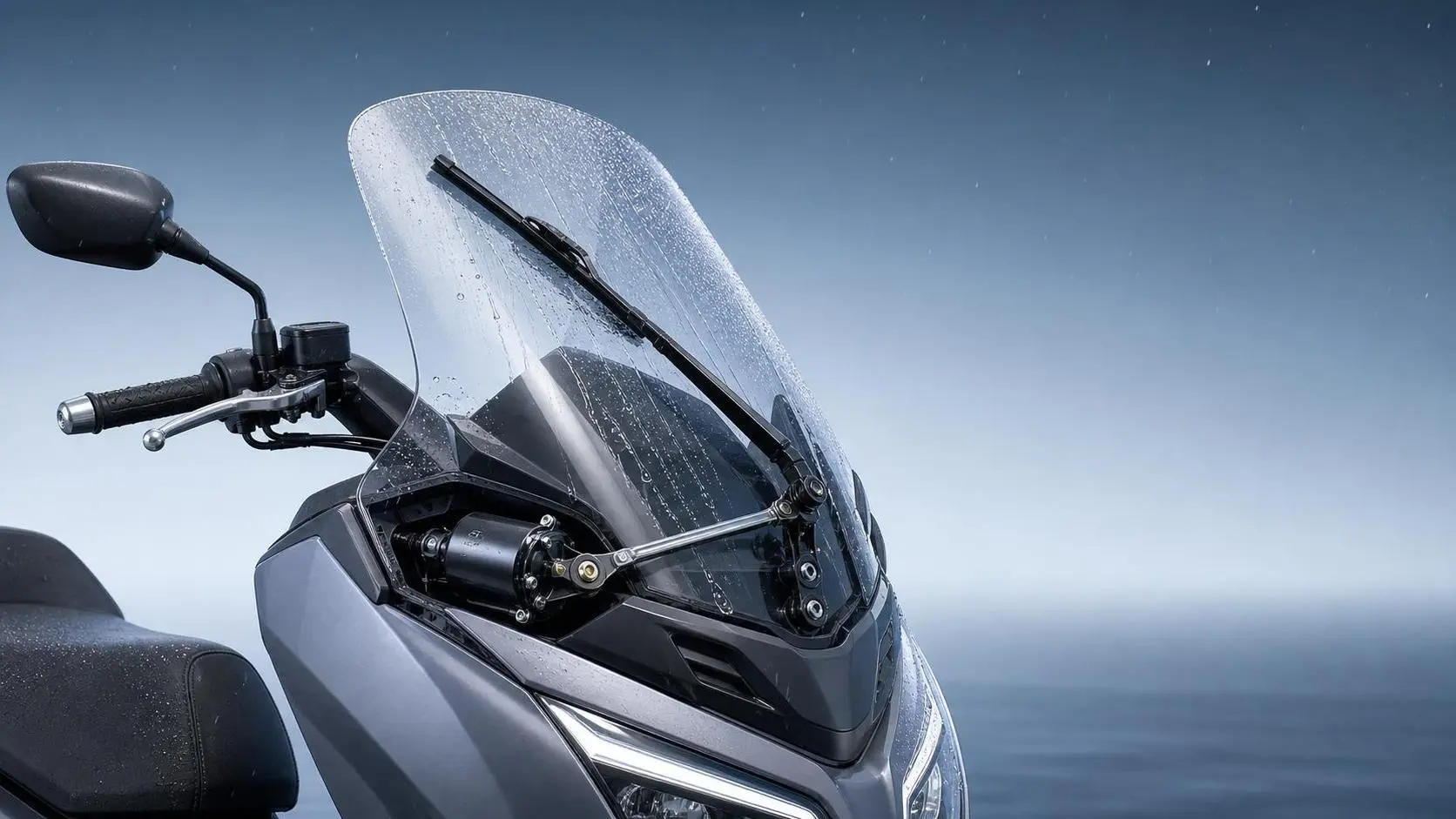
Wiper Systems for Scooters: Common Failure Points, Maintenance Tips, and Replacement Signs
Wiper systems for scooters: learn the most common failure points, smart maintenance tips, and clear replacement signs to improve visibility, reduce repeat repairs, and keep riders safer.
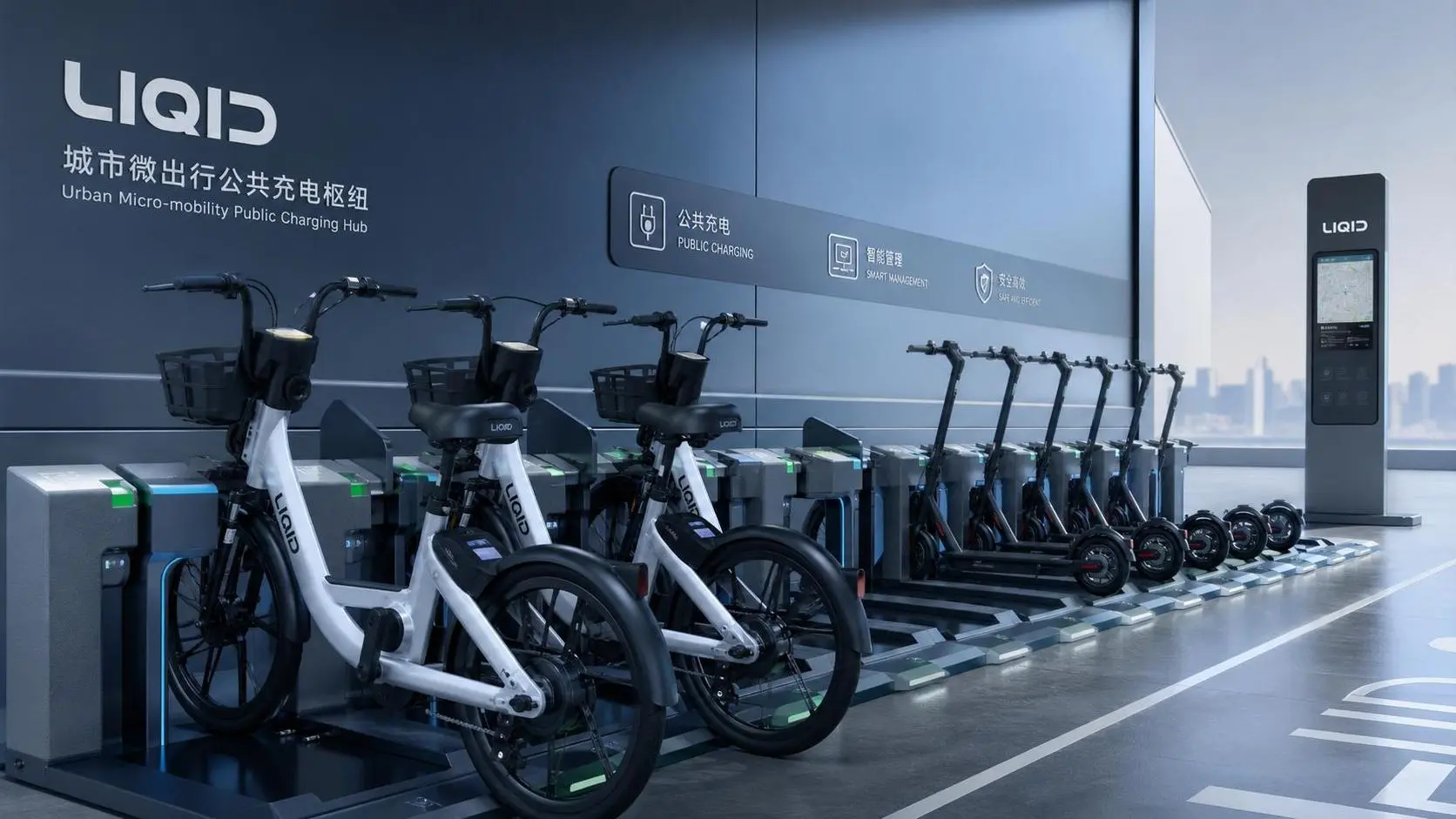
How to Choose Micro-Mobility Docking Stations for Shared Fleets and Public Charging Hubs
Micro-mobility docking stations: learn how to compare charging, locking, software, and site-fit factors to choose safer, smarter hubs for shared fleets and public use.
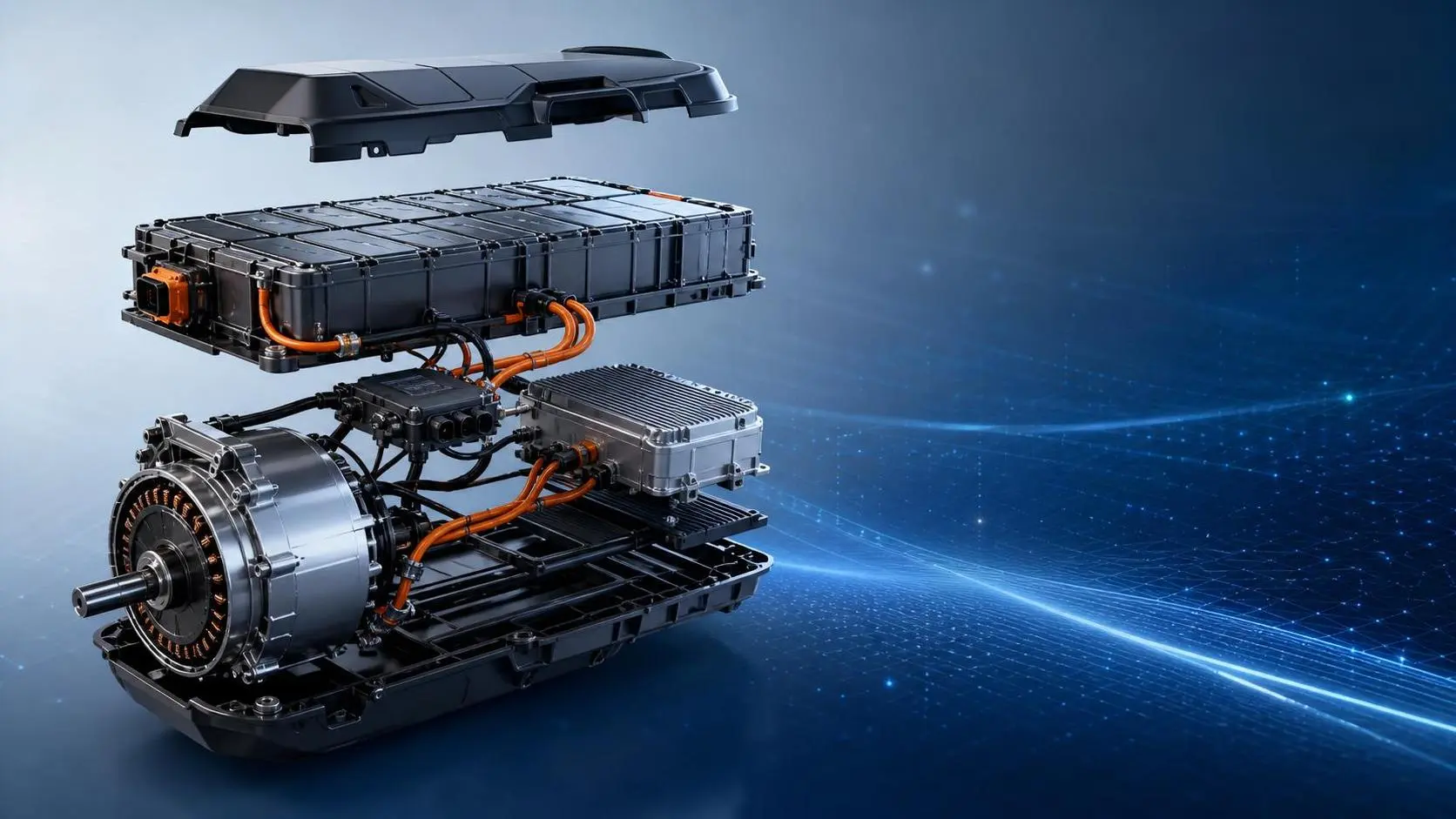
Powertrain Heat Management Explained: Key Design Factors for EV Efficiency and Battery Life
Powertrain heat management explained for EVs: discover how thermal design boosts efficiency, protects battery life, improves safety, and sustains real-world performance.