
Related News
- 00
0000-00
Low Carbon Commuting Options: E-bikes, Foldable Scooters, and Public Transit Compared - 00
0000-00
Micro-light Technology in Foldable Commuters Compared - 00
0000-00
Electrification strategies for foldable commuters: battery placement impact on folding durability - 00
0000-00
OEM market share erosion in foldable commuters: how Chinese brands undercut EU pricing without sacrificing IP protection
Urban Transit Fellow
Weekly Insights
Stay ahead with our curated technology reports delivered every Monday.
OEM market share erosion in foldable commuters: how Chinese brands undercut EU pricing without sacrificing IP protection





OEM market share in Europe’s foldable commuter segment is shrinking—fast. As Chinese e-bike and smart scooter brands deploy aggressive, EU-compliant pricing strategies backed by robust IP licensing frameworks and localized R&D partnerships, legacy OEMs face unprecedented margin pressure. This isn’t race-to-the-bottom commoditization: it’s precision-engineered cost optimization fused with enforceable intellectual property safeguards. For enterprise decision makers navigating the Last-Mile Revolution, understanding how China’s vertically integrated micro-mobility players are reshaping competitive dynamics—without eroding technical credibility—is no longer optional. It’s strategic imperative.
How Are Chinese Brands Capturing OEM Market Share—Without Triggering IP Litigation?
The erosion of OEM market share in foldable commuters stems not from copycat manufacturing, but from a new operating model: modular IP licensing + regional co-development + tariff-optimized supply chain orchestration. Leading Chinese OEMs now license core drivetrain firmware (e.g., torque-sensing assist logic), battery BMS algorithms, and IoT connectivity stacks under EU-compliant bilateral agreements—avoiding direct infringement while accelerating time-to-market.
This strategy bypasses traditional OEM bottlenecks: no need for in-house motor control software teams, no multi-year certification cycles for proprietary firmware, and no exposure to unenforceable cross-border IP disputes. Instead, they embed certified, white-labeled modules—validated against EN 15194, UN38.3, and CE RED Directive—into purpose-built frames engineered for urban folding ergonomics and shared-use durability.
What Pricing Leverage Enables EU-Compliant Cost Advantage?
Price competitiveness is not achieved through labor arbitrage alone—it’s driven by vertical integration across three critical layers: battery cell sourcing (LFP cathode chemistry standardization), motor-controller co-design (SiC MOSFET integration reducing thermal overhead), and over-the-air (OTA) update infrastructure reuse across scooter, e-bike, and wiper sensor platforms.
These figures reflect landed costs—including customs duties under EU’s Generalized Scheme of Preferences (GSP) for select Chinese exporters—and exclude R&D amortization. Crucially, all components meet EN 15194:2017+A1:2022, IEC 62133-2:2017, and ETSI EN 300 328 V2.2.2 compliance—verified via EU Notified Bodies such as TÜV Rheinland and SGS.
Which OEM Market Share Metrics Actually Matter for Strategic Response?
Enterprise decision makers must shift focus from headline “unit volume” share to value-weighted indicators:
- IP-Licensed Module Penetration Rate: % of units shipped with certified third-party firmware stacks (e.g., torque-sensing logic, battery health prediction models)—a proxy for technical dependency risk.
- Regulatory Certification Velocity: Median days from design freeze to full EN/CE/RED certification—directly correlates with go-to-market agility and working capital efficiency.
- After-Sales Firmware Update Uptime: Measured % of devices receiving mandatory safety patches within 72 hours—critical for shared fleet operators facing liability exposure.
Why Standardized IP Licensing Is Now a Supply Chain Requirement—not a Risk
Chinese OEMs no longer treat IP as monolithic ownership. They offer tiered licensing: core safety-critical firmware (e.g., brake-light auto-activation logic) is bundled with hardware; non-safety features (e.g., ride analytics dashboards) are licensed separately on a per-device annual basis. This enables EU partners to retain brand control while offloading high-risk development cycles.
For enterprise buyers, this means predictable TCO modeling: no hidden firmware revalidation costs post-EC type approval, no forced obsolescence due to closed-source updates, and clear audit trails for ISO 26262-aligned functional safety documentation.
What Should Enterprise Buyers Prioritize in Their Next Sourcing Cycle?
Move beyond price sheet comparisons. Focus procurement evaluation on three enforceable criteria:
- EU Notified Body Traceability: Confirm every firmware version referenced in the Declaration of Conformity maps to an auditable test report issued by an EU-accredited body—not just internal lab data.
- Local R&D Co-Location Evidence: Verify presence of joint engineering centers (e.g., Berlin or Warsaw-based firmware adaptation labs) handling real-time regulatory updates—especially for upcoming AI-powered traffic recognition modules.
- IP Escrow Terms: Require source code escrow for all safety-critical firmware, held by a neutral EU-based trustee with release triggers tied to material breach or insolvency.
Why Partner with UMMS Intelligence for OEM Market Share Strategy?
UMMS delivers actionable intelligence—not aggregated press releases. Our Strategic Intelligence Center provides:
- Real-time OEM market share tracking across 12 EU markets, segmented by vehicle class (foldable e-bikes vs. shared scooters), distribution channel (B2B fleet vs. D2C), and IP licensing model.
- Custom firmware compliance gap analysis: We benchmark your current suppliers’ firmware stacks against EN 15194 Annex ZA, ISO/IEC 17065 accreditation scope, and upcoming EU AI Act requirements for rider-assist logic.
- IP licensing negotiation playbooks: Including clause-by-clause review of liability caps, territorial exclusivity, and post-termination support obligations.
Request a confidential OEM market share diagnostic—covering your specific foldable commuter portfolio, target geographies, and current IP licensing exposure. We’ll deliver a prioritized action plan: which modules to renegotiate, where to introduce dual-sourcing, and how to align firmware roadmaps with EU regulatory timelines.
Related News

Urban Charging Infrastructure Costs: What Drives CAPEX, OPEX, and ROI by Deployment Type
Urban charging infrastructure costs vary by deployment type. Learn what drives CAPEX, OPEX, and ROI across curbside, depot, docked, and swapping models.
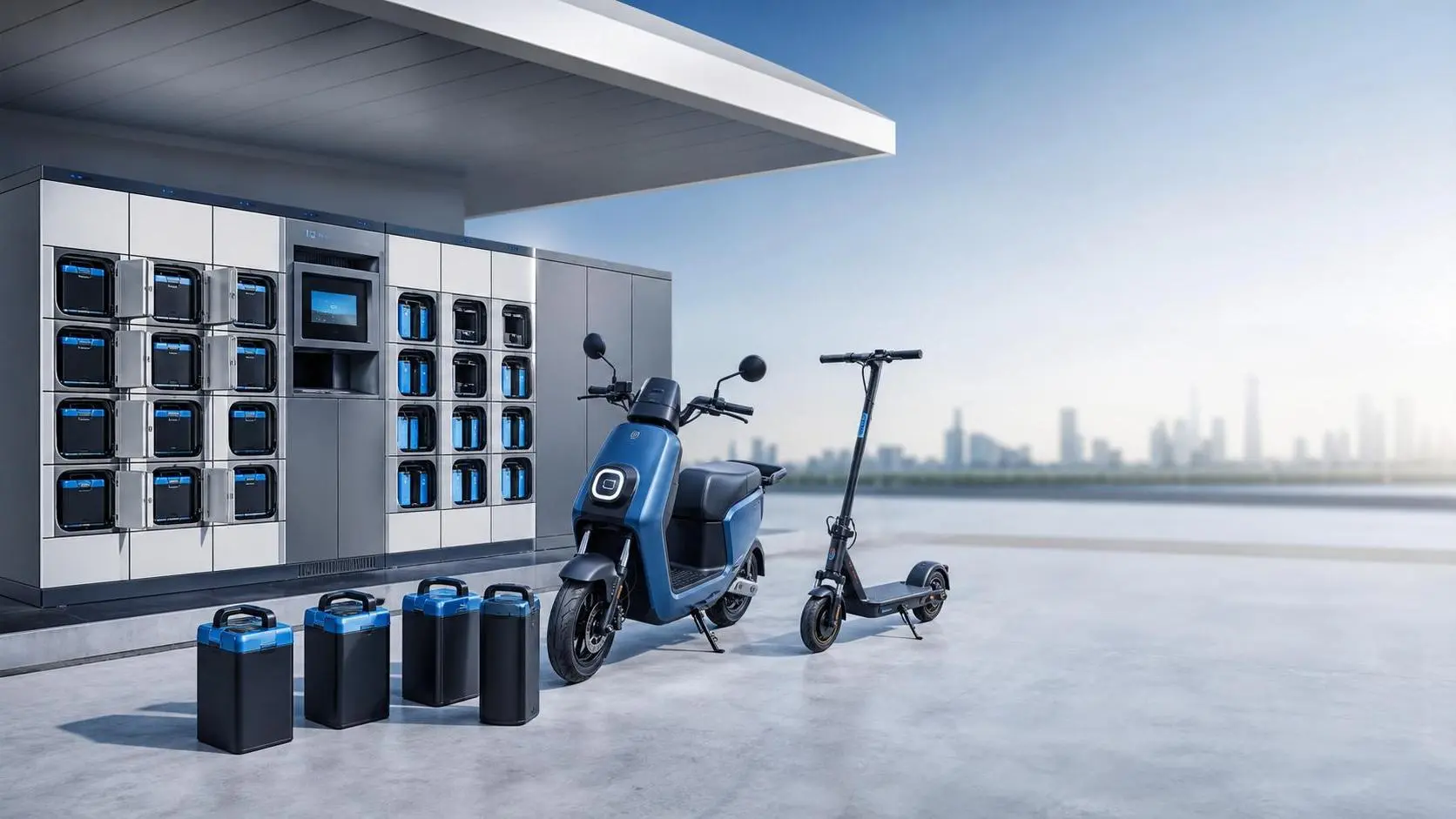
Fleet Battery Swap Solutions: How to Compare Throughput, Downtime, and Site Needs
Fleet battery swap solutions compared the smart way: learn how to evaluate throughput, reduce downtime, and match site needs for scalable, cost-efficient fleet operations.

Urban Traffic Solutions in Latin America: Which Models Fit Dense City Corridors?
Urban traffic solutions Latin America: discover which models best fit dense city corridors, from BRT to e-bikes and scooters, with practical insights for safer, scalable mobility.
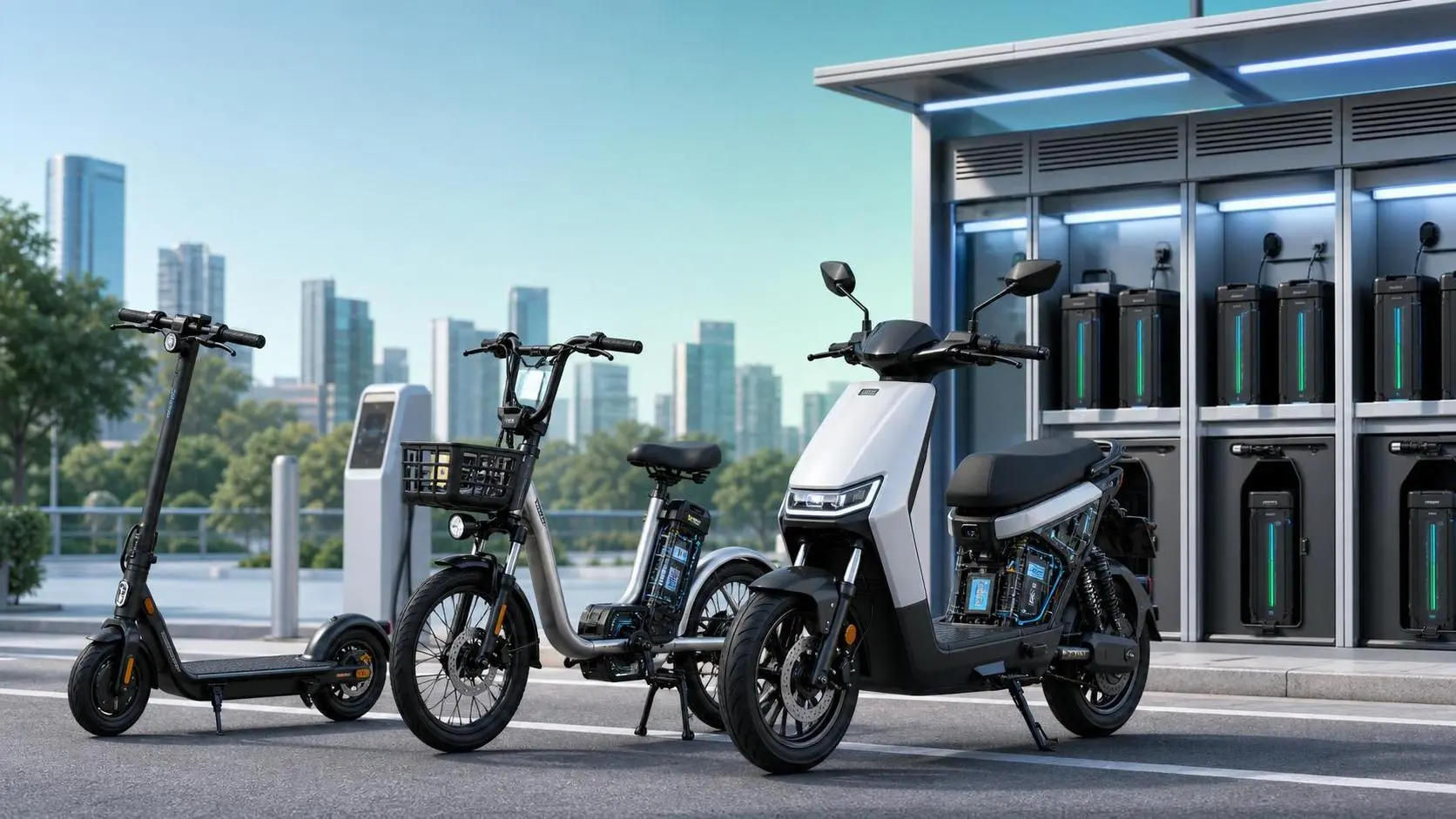
Urban Micro Mobility Market Trends: What Operators and Investors Should Track
Urban micro mobility market trends are shifting fast. Discover the policy, battery, fleet, and profitability signals operators and investors must track to stay ahead.

Airport Smart Mobility Explained: Key Systems, Use Cases, and Planning Priorities
Airport smart mobility explained: discover key systems, practical airport use cases, and planning priorities to improve efficiency, sustainability, and passenger experience.
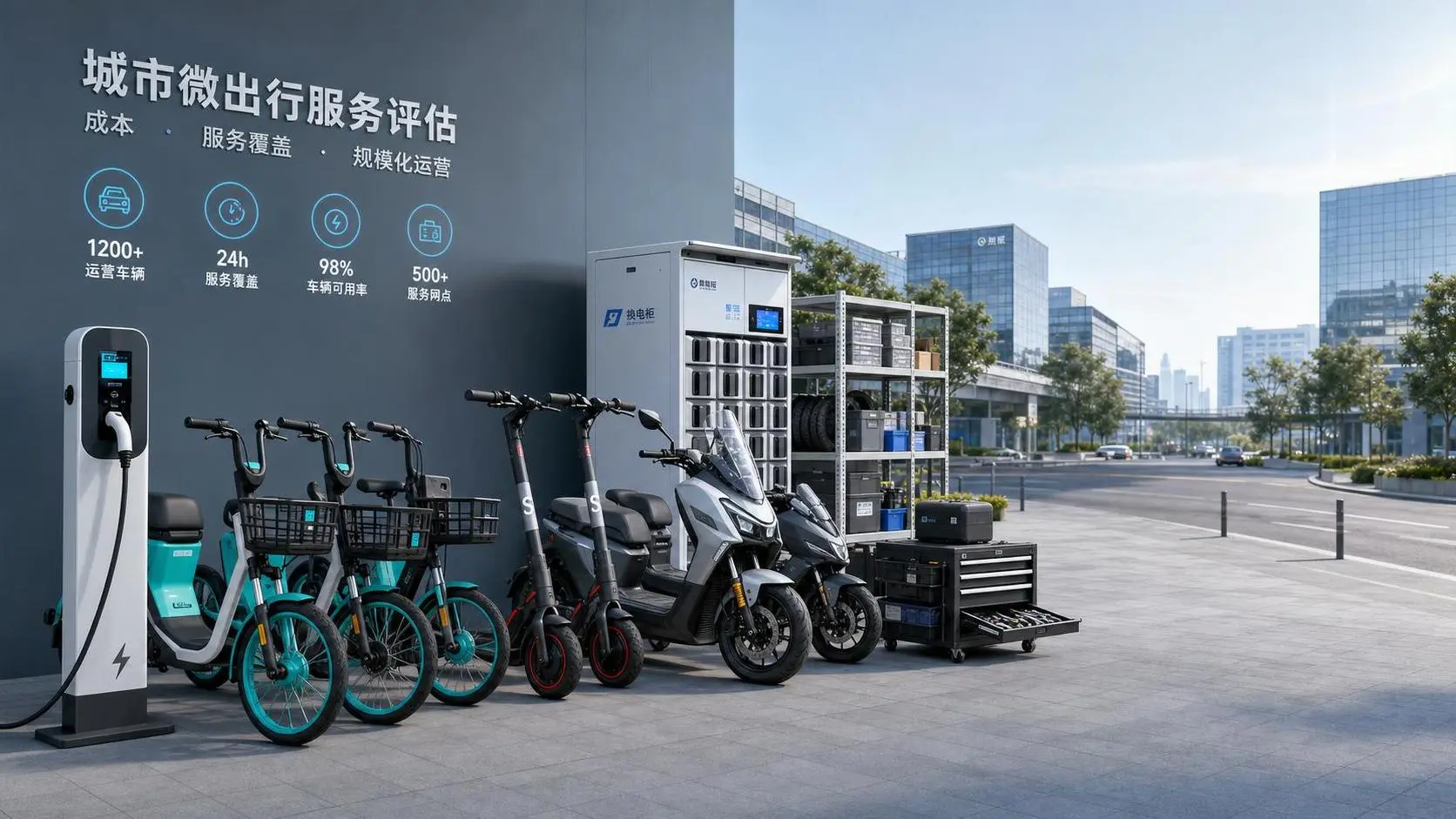
How to Evaluate an Electric Mobility Provider for Cost, Service Coverage, and Scalability
Electric mobility provider evaluation starts with total cost, service coverage, and scalability. Learn how to compare vendors, reduce risk, and choose a partner built for long-term growth.

Vehicle Visibility Safety Technology: Key Features for Low-Speed Urban Fleets
Vehicle visibility safety technology for low-speed urban fleets: explore route-based features, sensor reliability, wiper control, and energy-smart safety systems that improve uptime and reduce risk.
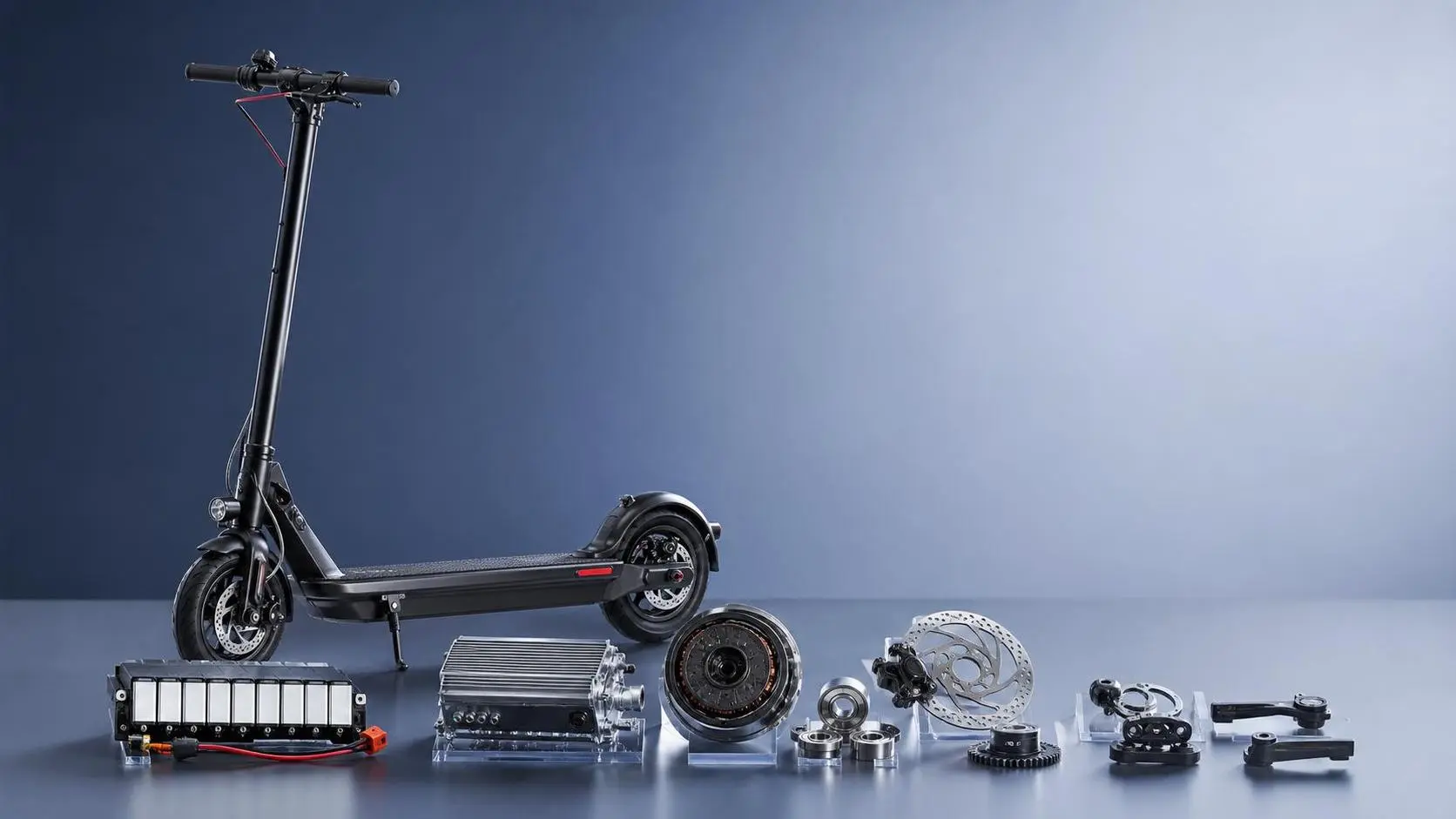
How to Use a Micro Mobility Supplier Directory to Compare OEMs and Component Partners
Micro mobility supplier directory guide to compare OEMs and component partners by certifications, compatibility, lead time, and supply risk—build a smarter shortlist faster.
Smart Mobility Telematics Explained: Which Data Points Matter for Fleet Performance?
Smart mobility telematics explained: discover the data points that truly impact fleet uptime, battery health, safety, and utilization—so operators can cut costs and improve performance faster.