
Related News
- 00
0000-00
How to Choose Lightweight Scooter Frames in Europe: Materials, Standards, and Use Cases - 00
0000-00
Private Label Electric Scooters in Europe: Compliance, MOQ, and Supplier Checks - 00
0000-00
Component Selection for E-Scooters Battery Systems: Cells, BMS, and Thermal Protection - 00
0000-00
Low Carbon Commuting Options: E-bikes, Foldable Scooters, and Public Transit Compared - 00
0000-00
Micro-light Technology in Foldable Commuters Compared
Urban Transit Fellow
Weekly Insights
Stay ahead with our curated technology reports delivered every Monday.
Micro-light Technology in Foldable Commuters Compared





For technical evaluators comparing foldable commuters, micro-light technology has become a defining benchmark. It now shapes portability, energy use, control accuracy, and lifecycle value across urban two-wheeler platforms.
In practice, micro-light technology is not only about shaving grams. It connects frame architecture, battery packaging, motor tuning, compact electronics, and safety logic into one integrated commuting system.
For the broader micro-mobility sector observed by UMMS, this shift matters because foldable commuters increasingly sit between bicycles, smart e-scooters, and light electric platforms in daily city circulation.
Micro-light technology is moving from design preference to urban performance standard
The market signal is clear. Riders expect a foldable vehicle to be lighter, smarter, and stronger without sacrificing range, stability, or serviceability.
That expectation pushes micro-light technology into the center of commuter evaluation. Weight reduction now affects carrying effort, train access, apartment storage, acceleration, and battery efficiency.
The strongest designs no longer chase minimum mass alone. They pursue functional lightness, where every saved gram improves mobility, stiffness balance, and urban reliability.
This is especially relevant in foldable commuters. Hinges, latches, telescoping parts, and compact wheels introduce complexity that traditional full-size platforms do not face.
The current shift is visible in how foldable commuters are being compared
Older comparisons focused on top speed, nominal range, and folding time. Today, micro-light technology changes the scorecard toward system-level efficiency.
Key comparison points now include
- mass-to-stiffness ratio in folding frames
- battery energy density versus thermal stability
- motor output smoothness under compact packaging limits
- controller efficiency at stop-start urban duty cycles
- portability under stairs, elevators, and transit transfers
- maintenance access despite integrated lightweight construction
As a result, micro-light technology now influences not only handling but also infrastructure compatibility. Urban commuting success increasingly depends on seamless transitions between riding and carrying.
Why micro-light technology is advancing so quickly
Several forces are accelerating adoption. Some come from materials science, while others come from regulations, commuting behavior, and digital vehicle expectations.
These drivers explain why micro-light technology is spreading across e-bikes, smart e-scooters, and hybrid commuter concepts. Foldable products sit at the center of this convergence.
A useful comparison starts with four technical layers
1. Structural lightness
The best foldable commuters reduce weight where it matters most. They optimize hinge zones, steering columns, and load paths instead of thinning every tube equally.
Micro-light technology succeeds here when stiffness remains predictable during cornering, braking, and curb impacts. Ultralight frames that flex excessively create poor confidence and faster wear.
2. Electrical lightness
A lighter commuter is not automatically more efficient. Battery chemistry, wiring layout, BMS logic, and charging heat all determine whether reduced mass translates into real urban range.
Strong micro-light technology uses compact packs without unstable temperature behavior. It also supports repeated short-charge patterns common in office and apartment routines.
3. Drivetrain lightness
Motor placement and transmission strategy matter. Hub motors simplify packaging, while mid-drive systems may improve weight distribution depending on the folding geometry.
In both cases, micro-light technology should deliver responsive torque without jerky starts. Compact commuting requires balance, especially in wet intersections and crowded bike lanes.
4. Operational lightness
True portability includes the folded center of gravity, latch security, one-hand handling, and storage footprint. This is where many products underperform despite low headline weight.
Micro-light technology should therefore be judged during real transfers, not showroom lifts. Station stairs reveal more than specification sheets ever will.
The impact reaches beyond product design into the wider mobility chain
The rise of micro-light technology affects multiple business and operational links. It changes component priorities, service expectations, logistics planning, and platform positioning.
- Frame suppliers face tighter tolerance demands around hinges and compact joints.
- Battery developers must deliver density gains without compromising safety margins.
- Control system teams need efficient firmware for stop-start city patterns.
- Aftermarket service must handle integrated parts without excessive disassembly.
- Urban mobility platforms gain value from lighter assets that move and store easily.
For intelligence-led sectors like those covered by UMMS, this means technical credibility now depends on measurable integration, not isolated feature claims.
What deserves the closest attention when evaluating micro-light technology
A credible review should test the technology under realistic daily stress. Lab numbers matter, but commuter value is decided by repeatability in constrained urban settings.
Priority checkpoints
- folding joint fatigue after repeated cycles
- battery output consistency under partial charge
- controller thermal behavior during slow traffic
- braking stability with lightweight front assemblies
- cable routing durability in compact steering movement
- spare part access for integrated lightweight modules
If micro-light technology lowers serviceability too far, long-term ownership weakens. Good engineering reduces weight while keeping diagnostics and replacement practical.
A practical judgment framework helps separate genuine progress from marketing shorthand
The next phase will reward integrated micro-light technology, not extreme minimalism
Looking ahead, foldable commuters will likely combine lighter structural systems with smarter control software and safer energy management.
The winning direction is not radical weight cutting at any cost. It is optimized lightness that improves rider confidence, storage flexibility, and dependable urban duty cycles.
That is why micro-light technology should be treated as a platform capability. It links materials, electronics, drivetrain logic, and maintenance planning into one market-ready architecture.
What to do next with this comparison
Build an evaluation matrix that measures micro-light technology across weight, stiffness, battery behavior, ride control, portability, and repair access.
Then validate each foldable commuter in real transfer scenarios. Test stairs, elevator turns, wet starts, repeated folds, and partial-charge commuting loops.
For deeper market intelligence on evolving commuter architectures, battery logic, drivetrain trends, and urban micro-mobility direction, follow UMMS to connect technical signals with actionable decisions.
Related News
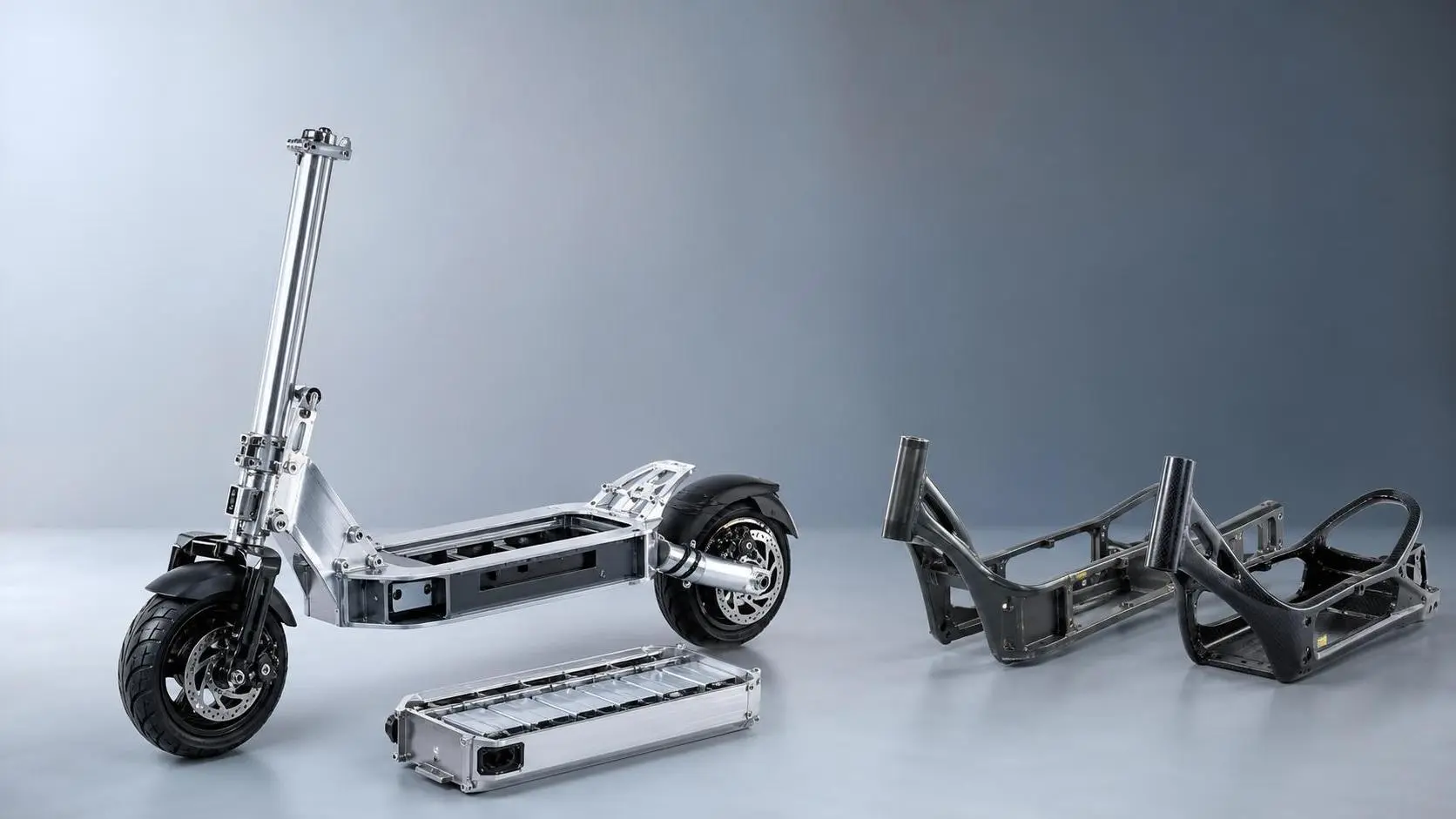
How to Choose Lightweight Scooter Frames in Europe: Materials, Standards, and Use Cases
Lightweight scooter frames Europe buyers need should balance materials, EN standards, durability, and real use cases. Discover how to choose safer, smarter, compliant frames.
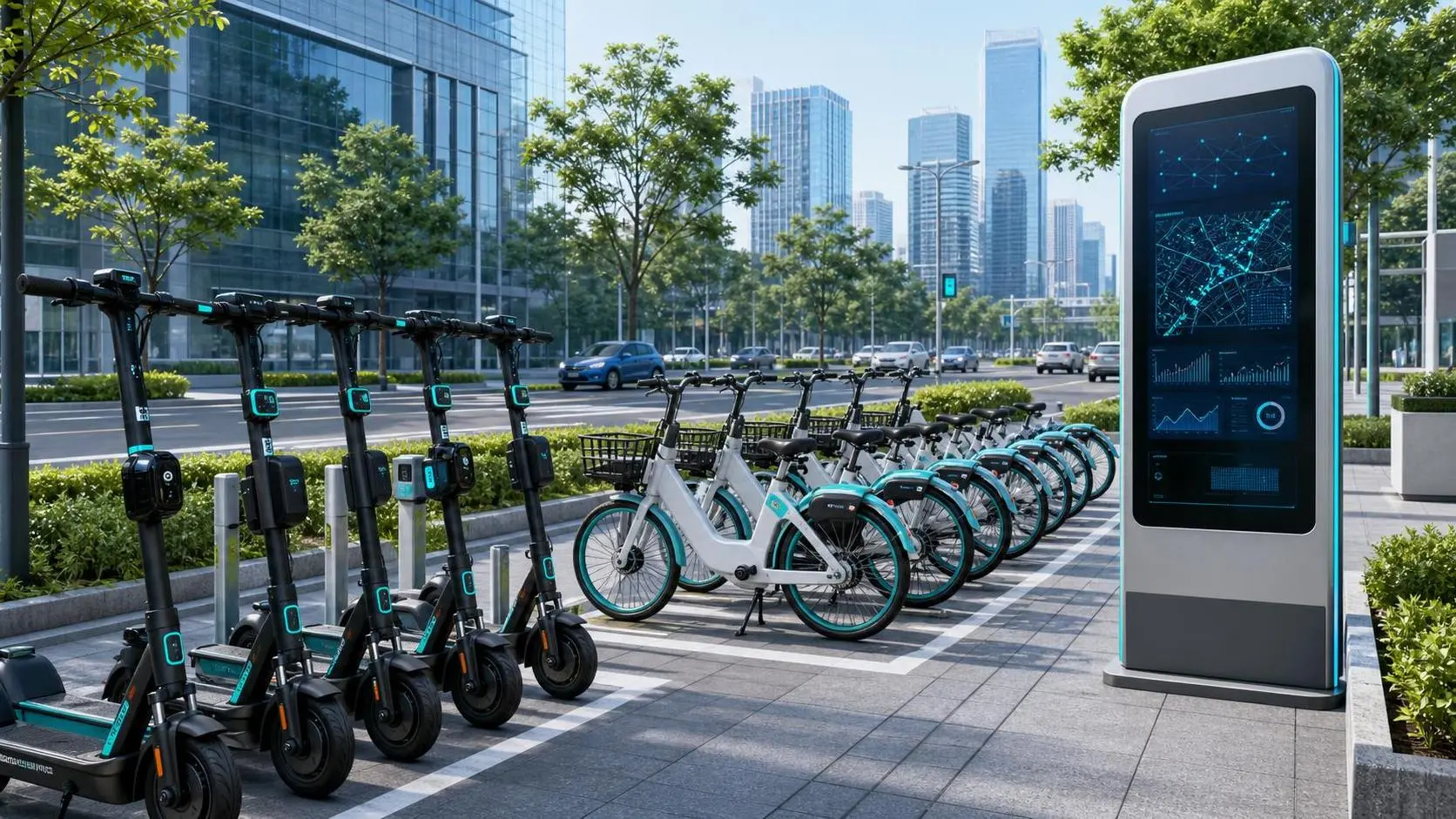
What Is the Intellectualization of Mobility Platform and How Is It Applied in Shared Fleets?
Intellectualization of mobility platform is reshaping shared fleets with real-time data, predictive maintenance, and smarter compliance—learn how it boosts safety, uptime, and urban mobility efficiency.
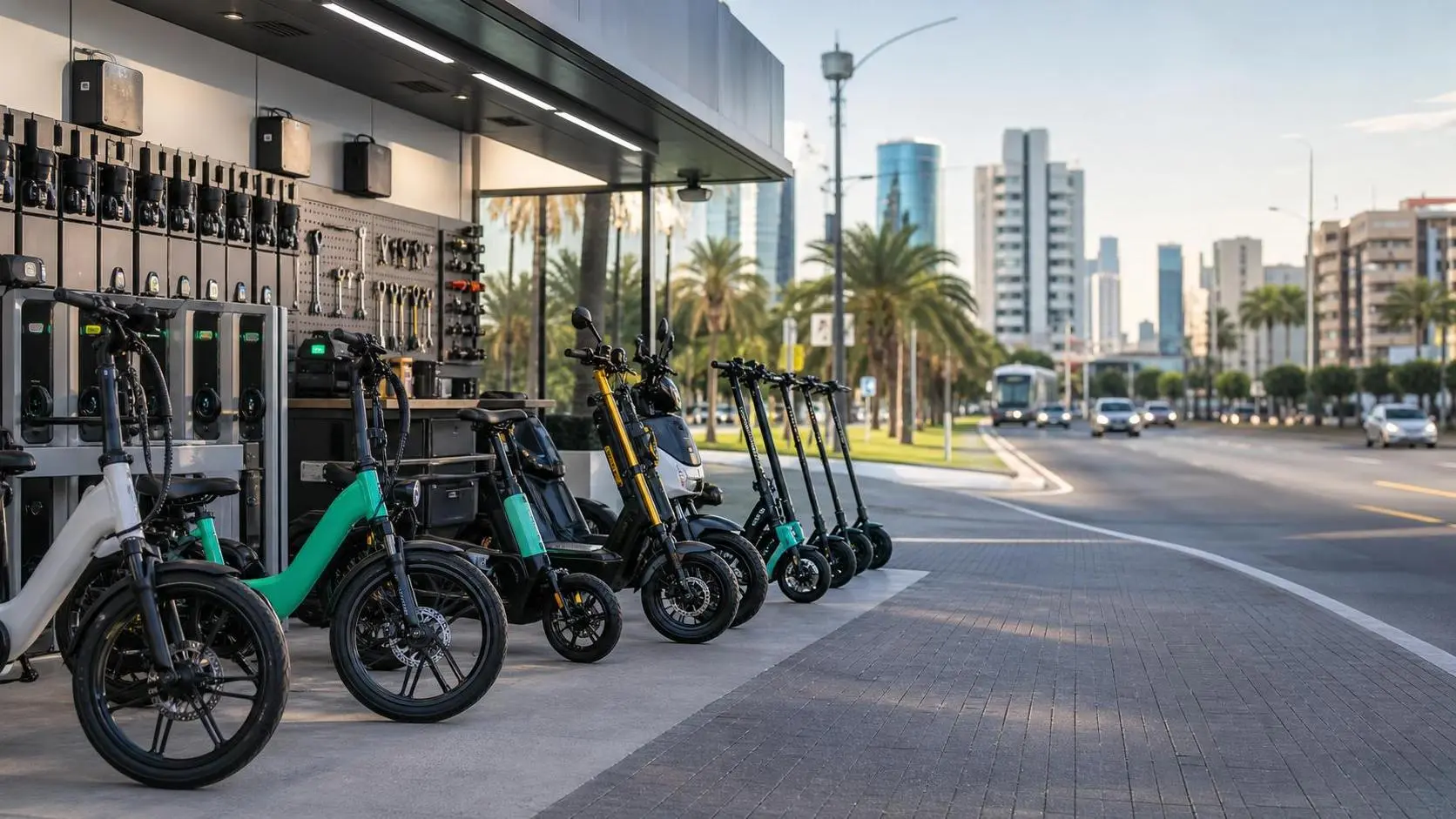
Urban Micro-Mobility Systems in Latin America: Key Market Drivers, Barriers, and Growth Segments
Urban micro-mobility systems Latin America are reshaping city transport. Explore key drivers, barriers, and high-growth segments to spot the region’s most investable opportunities.
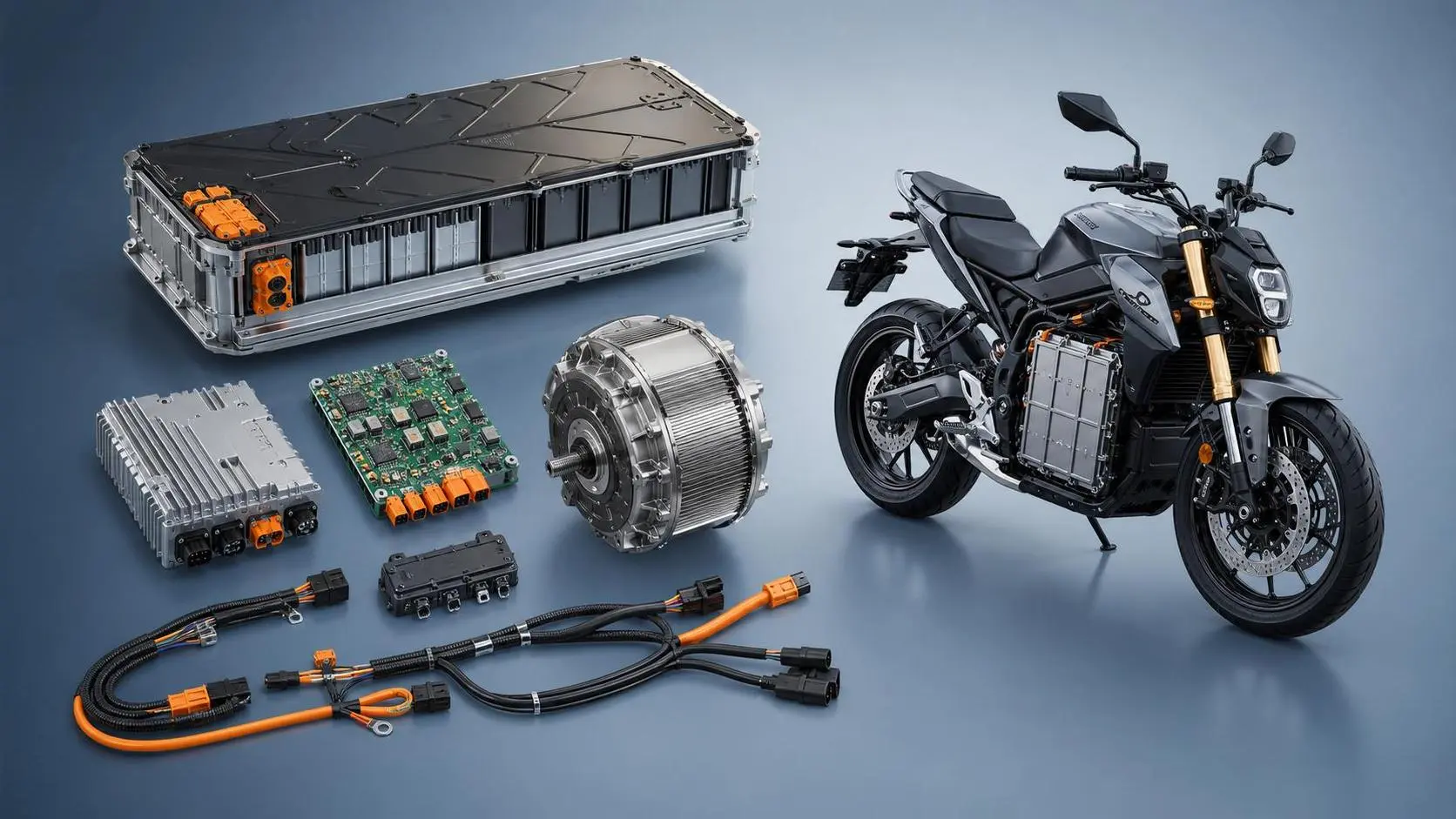
Electric Motorcycle Systems Price Breakdown: What Affects Cost From Battery to Controller?
Electric motorcycle systems price explained: see how battery, controller, motor, BMS, and wiring affect total cost, reliability, and sourcing value before you buy.
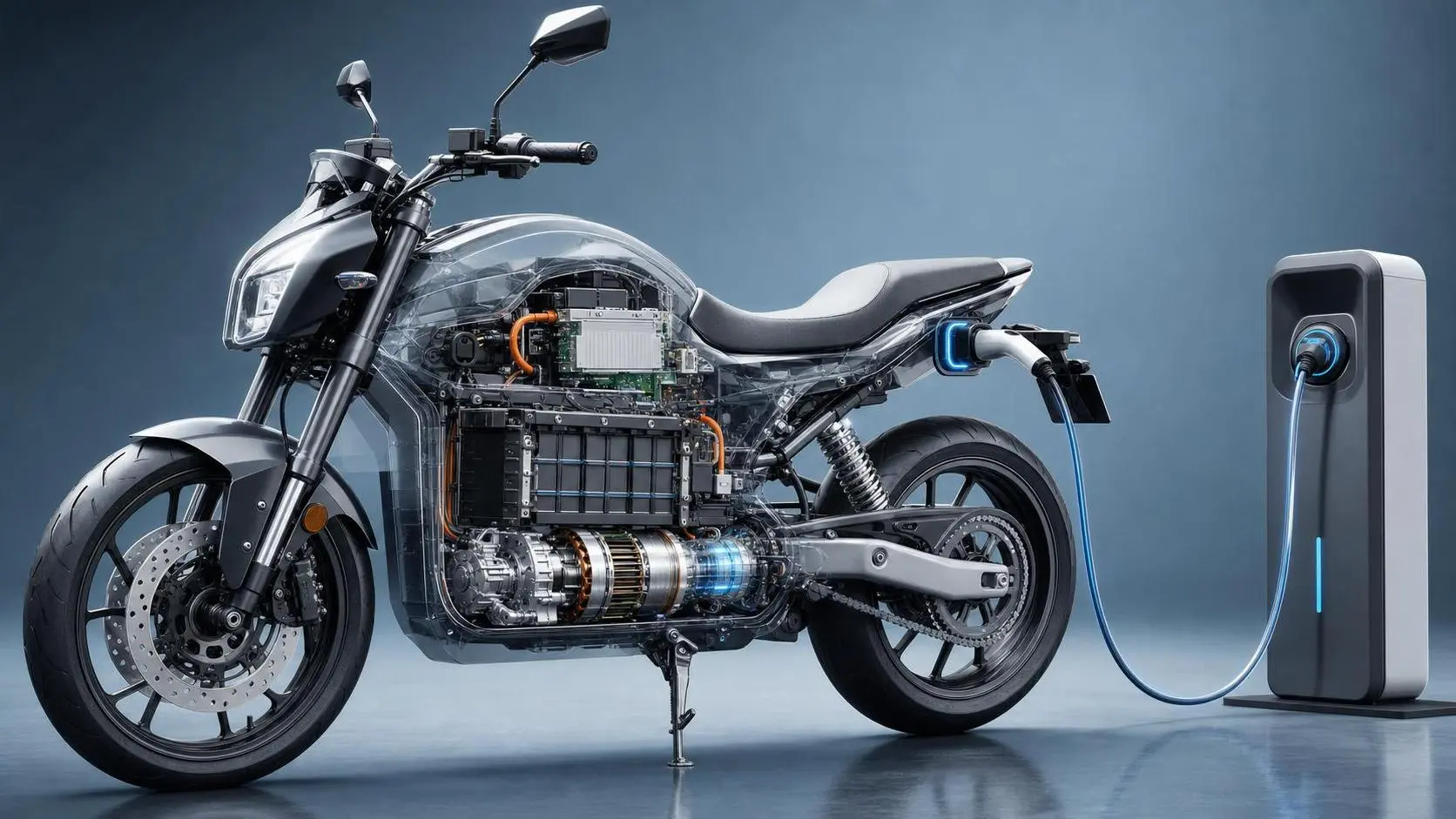
72V Electric Motorcycle Technology Explained: Motors, Controllers, Range, and Charging
Electric motorcycle technology 72V explained clearly: compare motors, controllers, range, battery design, and charging to choose a smoother, stronger, and smarter electric ride.
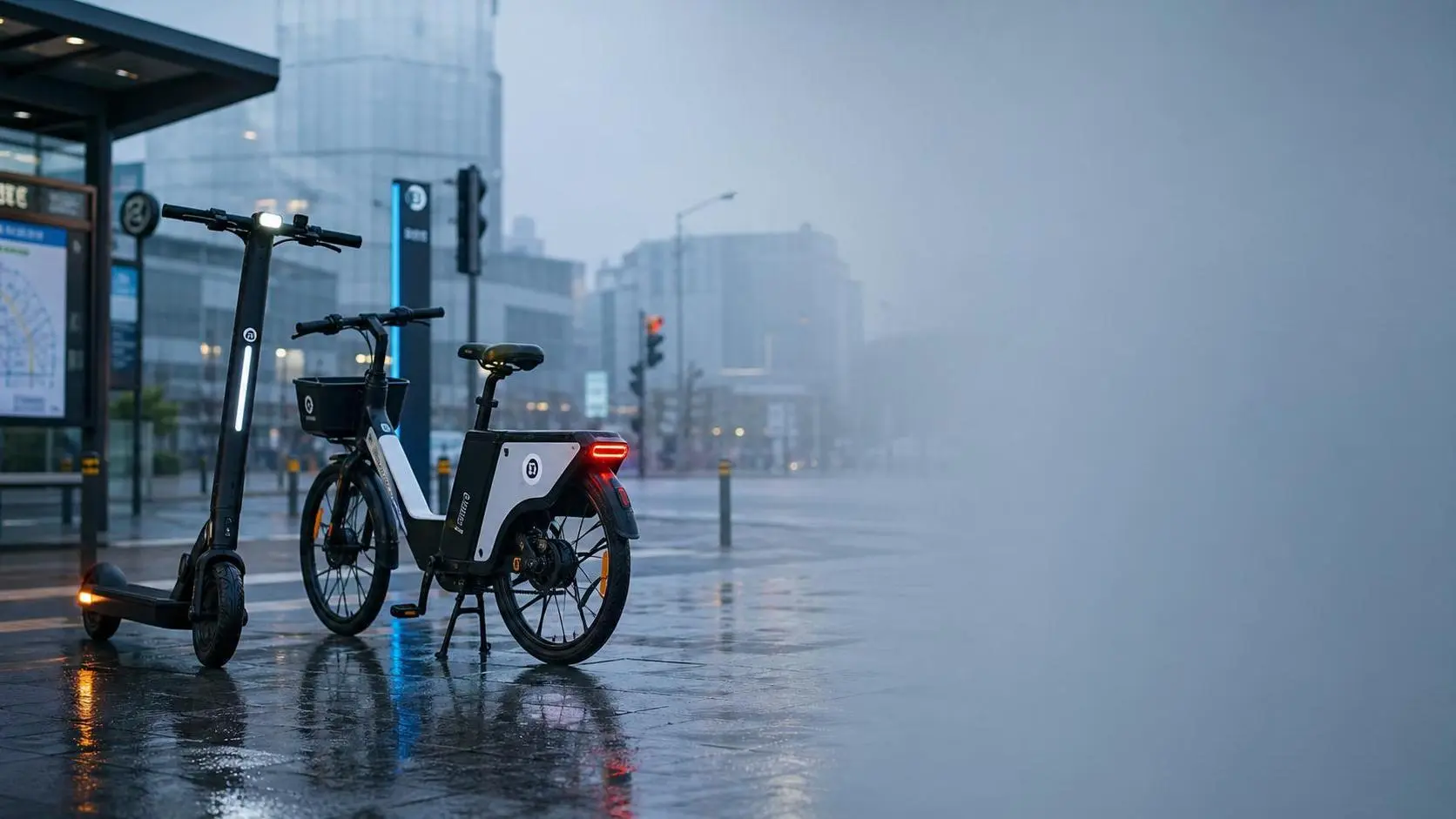
Where LED Urban Visibility Safety Systems Fit Best in Shared Scooters and City E-bikes
LED urban visibility safety systems deliver the most value in shared scooters and city e-bikes by improving multi-angle safety, fleet durability, and urban compliance across real-world routes.
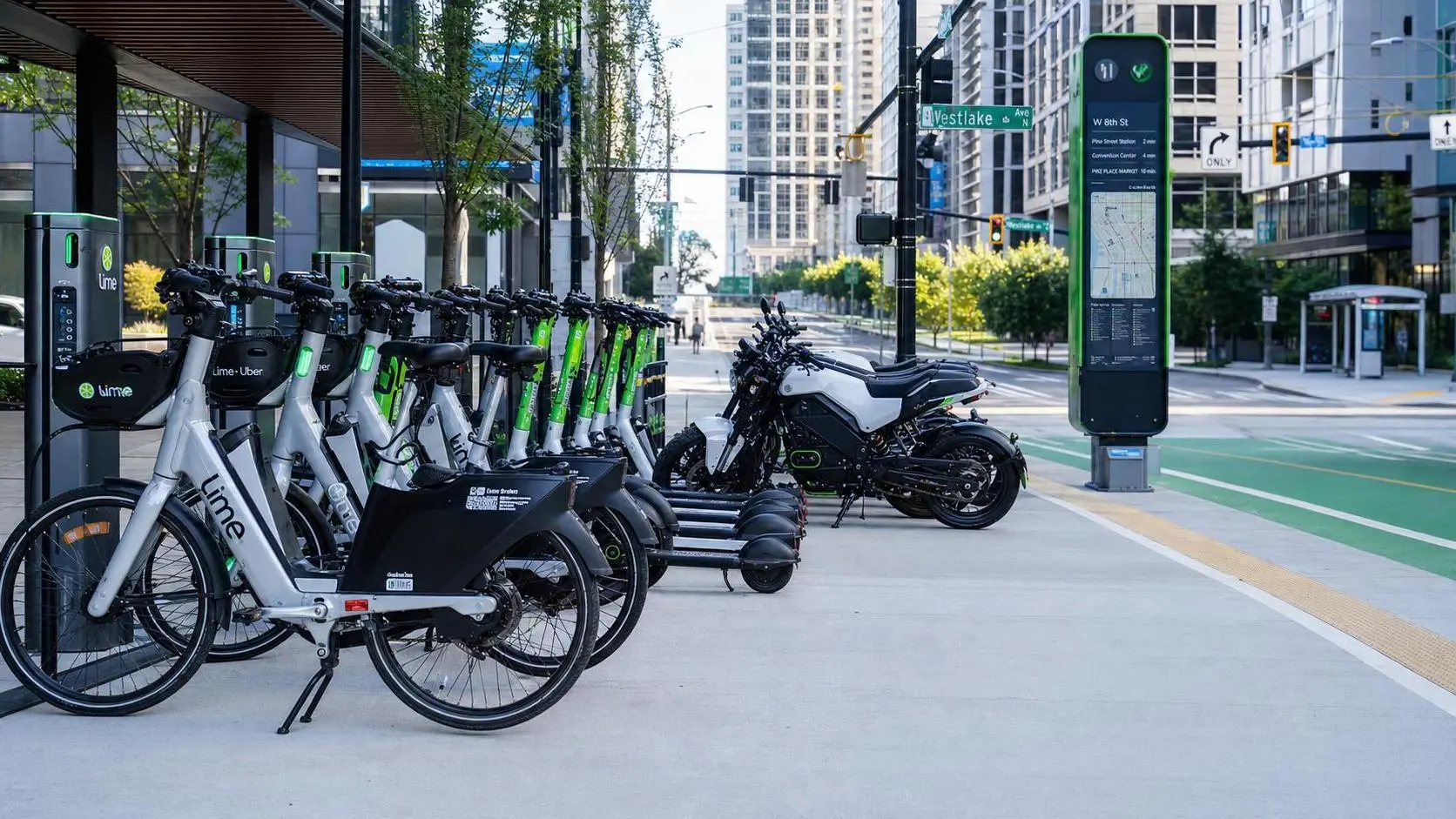
Intellectualization of Mobility in North America: What Is Driving Adoption Across Urban Transport?
Intellectualization of mobility North America is reshaping urban transport through data, smart fleets, and battery intelligence. Explore what is driving adoption and why cities and operators are accelerating now.
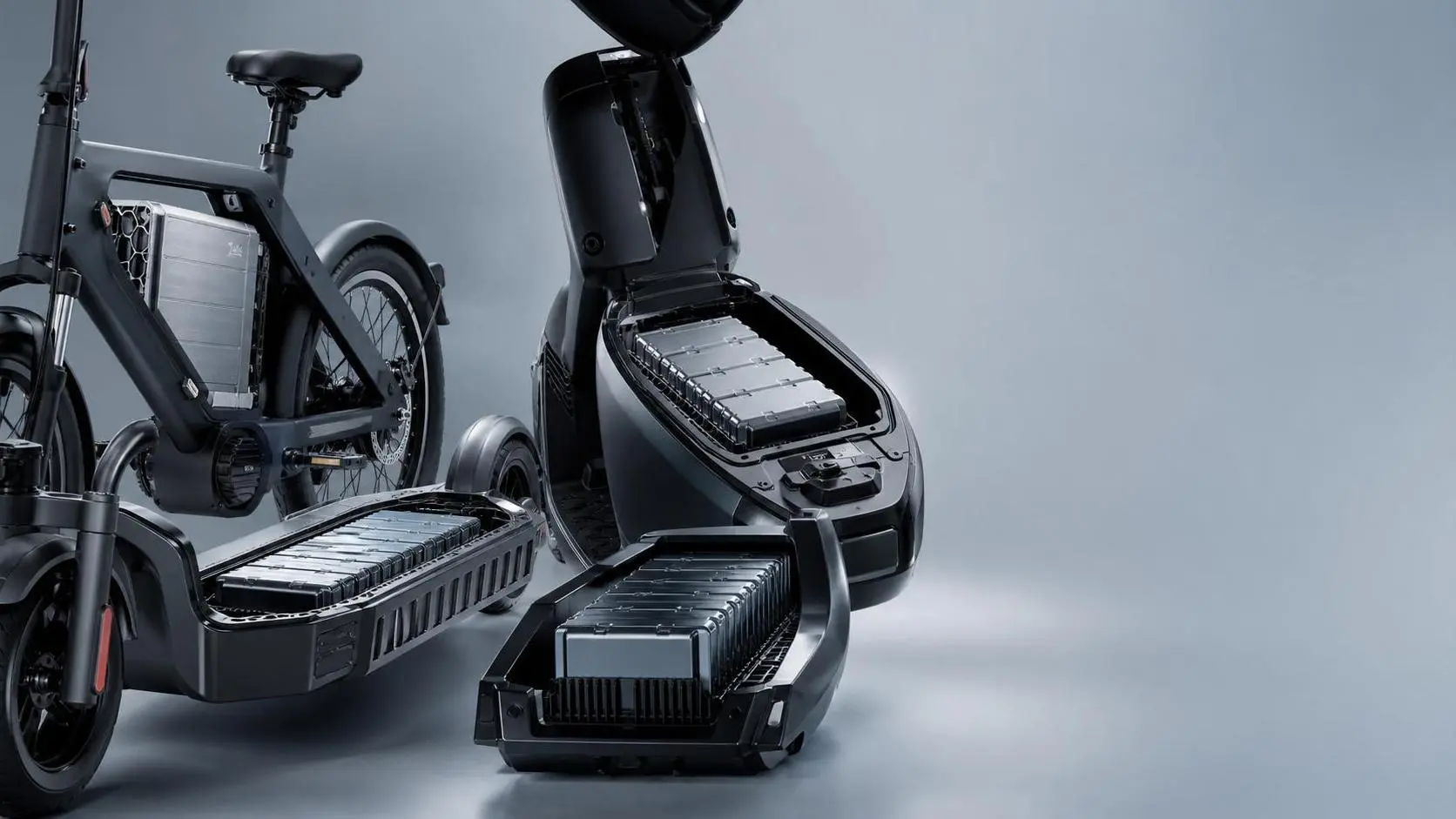
How to Choose a Compact Battery Pack: Size, Energy Density, Thermal Design, and Cycle Life
Compact battery pack selection starts with more than size. Learn how energy density, thermal design, and cycle life shape range, safety, and long-term value.
What Is Driving Green Two-wheelers Demand in Europe? Policy, Fuel Costs, and Buyer Segments
Green two-wheelers demand Europe is rising as policy support, fuel cost pressure, and diverse buyer segments reshape urban mobility. Explore the trends driving the next growth wave.