
Related News
- 00
0000-00
Low Carbon Commuting Options: E-bikes, Foldable Scooters, and Public Transit Compared - 00
0000-00
Micro-light Technology in Foldable Commuters Compared - 00
0000-00
Electrification strategies for foldable commuters: battery placement impact on folding durability - 00
0000-00
OEM market share erosion in foldable commuters: how Chinese brands undercut EU pricing without sacrificing IP protection
Urban Transit Fellow
Weekly Insights
Stay ahead with our curated technology reports delivered every Monday.
Low Carbon Commuting Options: E-bikes, Foldable Scooters, and Public Transit Compared





Low carbon commuting is no longer a niche idea tied to early adopters or policy debates. It has become a daily transportation decision shaped by city design, energy costs, commute distance, weather, and the need for reliable last-mile travel.
That shift explains why e-bikes, foldable scooters, and public transit are now compared side by side. Each offers a different balance of flexibility, emissions reduction, operating cost, and time efficiency in crowded urban environments.
From the broader mobility industry perspective, this comparison matters even more. Platforms such as UMMS track how electrified two-wheelers, lightweight frames, battery systems, and urban policy are reshaping practical low carbon commuting across global cities.
Why this commuting choice matters now
Urban transportation is under pressure from several directions at once. Congestion keeps getting worse, parking remains expensive, fuel costs stay unpredictable, and local governments face stronger carbon reduction targets.
Against that background, low carbon commuting has moved from a values-based preference to a practical urban tool. People want shorter door-to-door travel times, lower monthly expenses, and fewer surprises during routine trips.
The current industry focus is not only on cleaner vehicles. It also centers on system efficiency: battery range, folding design, public transit integration, charging convenience, traffic rules, and safe operation in mixed urban conditions.
That is where micro-mobility intelligence becomes useful. UMMS follows the technical and regulatory details behind e-bikes and smart scooters, helping urban travel decisions feel less abstract and more measurable.
Three routes to low carbon commuting
E-bikes, foldable scooters, and public transit all support lower-emission travel, but they do not solve the same problem in the same way. Their real value appears when matched to distance, storage space, and trip complexity.
E-bikes: range and everyday versatility
E-bikes combine pedal power with electric assist, making them one of the most balanced low carbon commuting options. They reduce effort on hills, extend practical range, and often replace short car trips without sacrificing independence.
They also suit mixed-purpose travel well. A commute can include work, grocery stops, school drop-offs, or an evening detour without requiring a new ticket, transfer, or wait time.
In market terms, e-bikes have become a major post-pandemic mobility category, especially in Europe. Their popularity reflects a wider demand for efficient personal transport that feels cleaner than driving and more flexible than fixed-route transit.
Foldable scooters: compact and highly mobile
Foldable electric scooters excel in short trips and multi-modal travel. They are easy to carry into offices, apartments, and transit stations, which solves one of the biggest barriers in low carbon commuting: secure parking.
Their strength is convenience rather than broad utility. A foldable scooter works best for short urban hops, smooth pavement, and predictable weather. It is usually less capable than an e-bike for cargo, rough roads, or long routes.
UMMS closely monitors this segment because smart e-scooters increasingly depend on lightweight materials, IoT modules, braking refinement, and city rule changes. Those factors directly affect user trust and long-term adoption.
Public transit: low emissions at system scale
Public transit remains one of the most important low carbon commuting solutions because it spreads energy use across many passengers. Buses, metro lines, and regional trains reduce road traffic and support wider city decarbonization goals.
Its main limits are familiar. Fixed schedules, walking transfers, service delays, and crowding can make the experience less convenient than personal micro-mobility, especially when the final destination is not close to a station.
That is why transit often works best as the backbone of a trip, while e-bikes or foldable scooters solve the first or last mile.
A practical comparison across key factors
For everyday decisions, the most useful comparison is not theoretical carbon savings alone. What matters is whether a commuting mode fits real routines without adding friction.
Seen this way, low carbon commuting is less about choosing a universal winner and more about matching a mobility tool to a specific urban pattern.
Where each option fits best
Different commuting environments reward different choices. The best option often depends on how many transitions happen between home, street, station, and destination.
- Choose an e-bike when the route is too long to walk comfortably, but short enough to avoid car dependence.
- Choose a foldable scooter when storage is tight and the commute includes elevators, trains, or office entry restrictions.
- Choose public transit when the main route is long, traffic is severe, or city infrastructure strongly supports rail or bus priority.
- Combine modes when a single option leaves a weak link, especially in the first-mile or last-mile segment.
In actual use, blended travel is increasingly common. A rider may take transit across the city, then use a scooter for the final kilometer, or rely on an e-bike for the entire trip when transfer time feels inefficient.
What deserves closer attention before choosing
A smart low carbon commuting decision should go beyond headline price and advertised range. Real-world usability depends on details that are easy to overlook.
Infrastructure and rules
Protected bike lanes, pavement quality, charging access, train carriage policies, and local scooter regulations can quickly change the practicality of a mode. A good vehicle in a poor network still creates friction.
Safety and weather readiness
Wet roads, poor visibility, and seasonal temperatures matter. Industry analysis from UMMS often highlights how component quality, braking confidence, and visibility systems influence everyday reliability in real conditions.
Battery and maintenance reality
Battery health, charging cycles, tire wear, and drivetrain upkeep affect total value. This is especially important for e-bikes, where motor efficiency and transmission quality influence comfort and long-term ownership costs.
Time, not just emissions
Low carbon commuting succeeds when it becomes routine. If a lower-emission option adds too much uncertainty or delay, people drift back to higher-carbon habits. Convenience remains part of sustainability.
How to make the decision more practical
The most reliable way to compare options is to map a real week, not an ideal trip. Count distance, transfer points, parking risks, weather exposure, and how often the route changes.
Then compare three questions:
- Which option keeps travel time predictable on most days?
- Which option has the lowest hassle across charging, storage, and security?
- Which option reduces car use without creating new barriers?
That approach usually reveals whether full personal micro-mobility is best, whether transit should remain the base mode, or whether a hybrid setup offers the strongest low carbon commuting outcome.
A clearer path forward
E-bikes, foldable scooters, and public transit each play a meaningful role in low carbon commuting, but their strengths appear in different urban contexts. E-bikes bring range and versatility, scooters deliver compact convenience, and transit provides scale.
The more useful question is not which mode is best in general. It is which one fits the route, the city, and the daily pattern with the least resistance.
For anyone evaluating cleaner mobility, the next step is simple: review the full trip chain, compare infrastructure support, and pay attention to the technical details that shape real performance. That is where low carbon commuting becomes a durable habit rather than a temporary experiment.
Related News
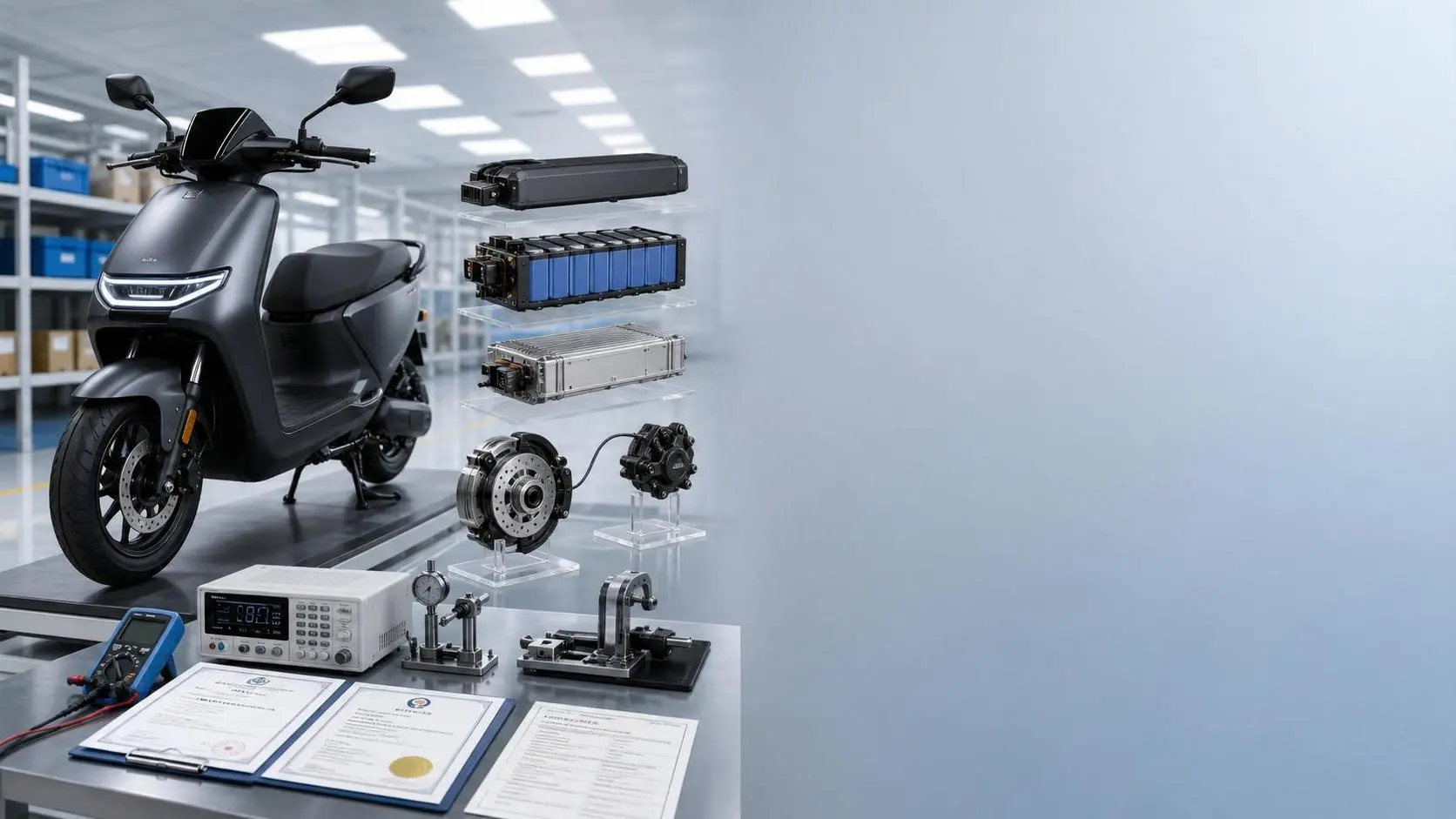
How to Evaluate an Electric Two-Wheeler Market Manufacturer for Supply and Compliance
Electric two-wheeler market manufacturer evaluation guide: learn how to assess supply stability, compliance systems, quality risk, and total cost to choose a reliable partner.
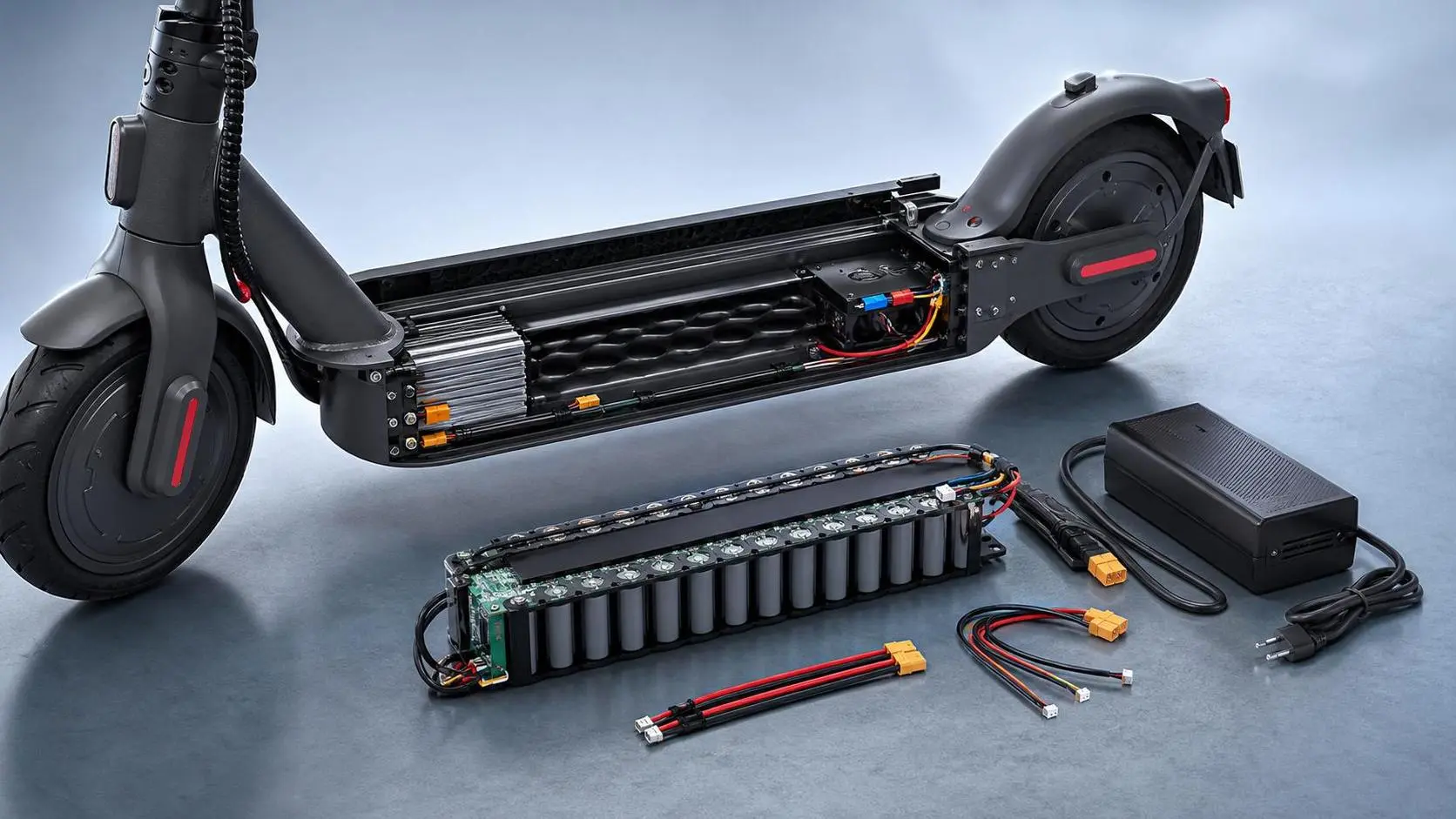
Common Scooter Battery Issues and How to Troubleshoot Range Drop, Heat, and Charging Faults
Scooter battery issues explained: learn how to troubleshoot range drop, overheating, and charging faults with practical checks that help riders and fleets diagnose faster and avoid costly replacements.
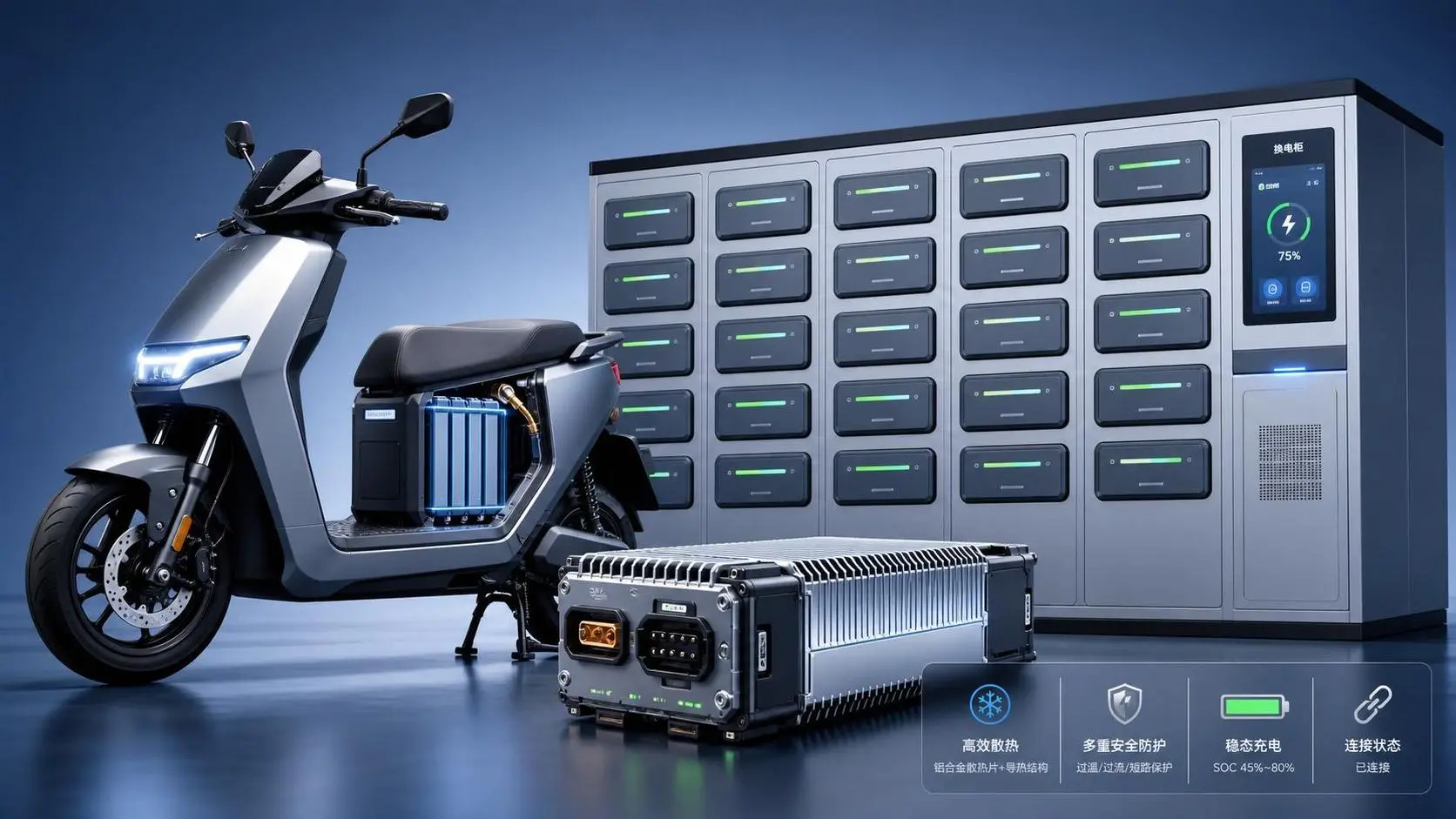
Thermal Management for Swappable Battery Scooters: Key Design Factors to Compare
Thermal management is the key factor when comparing swappable battery scooters. Discover how cooling, BMS logic, charging behavior, and pack design impact safety, uptime, and fleet ROI.
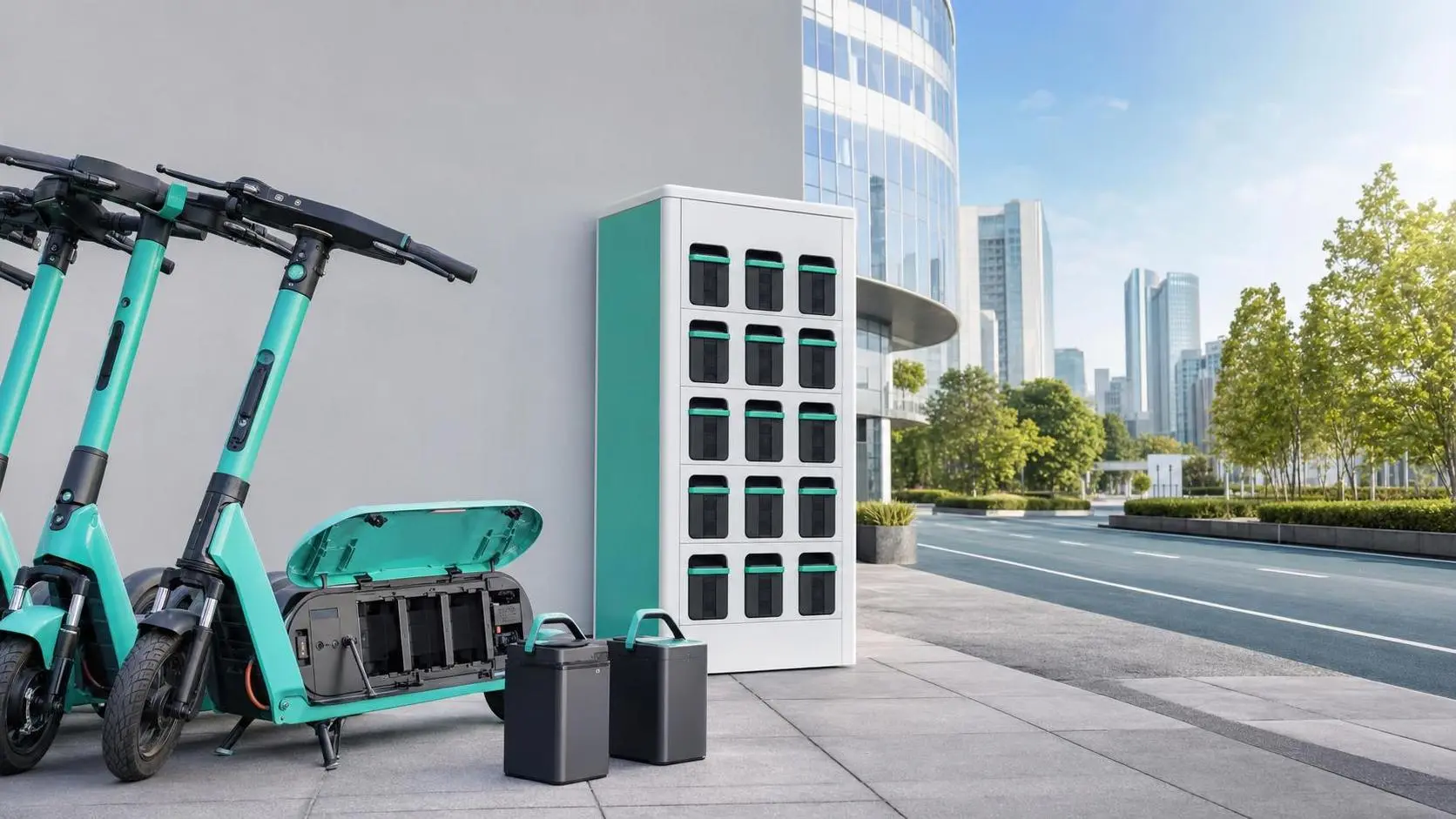
How Battery-Swapping Networks Work for Shared Fleet Scooters
Battery-swapping networks keep shared fleet scooters running with less downtime, smarter dispatch, and safer battery management. See how they boost uptime and urban fleet efficiency.
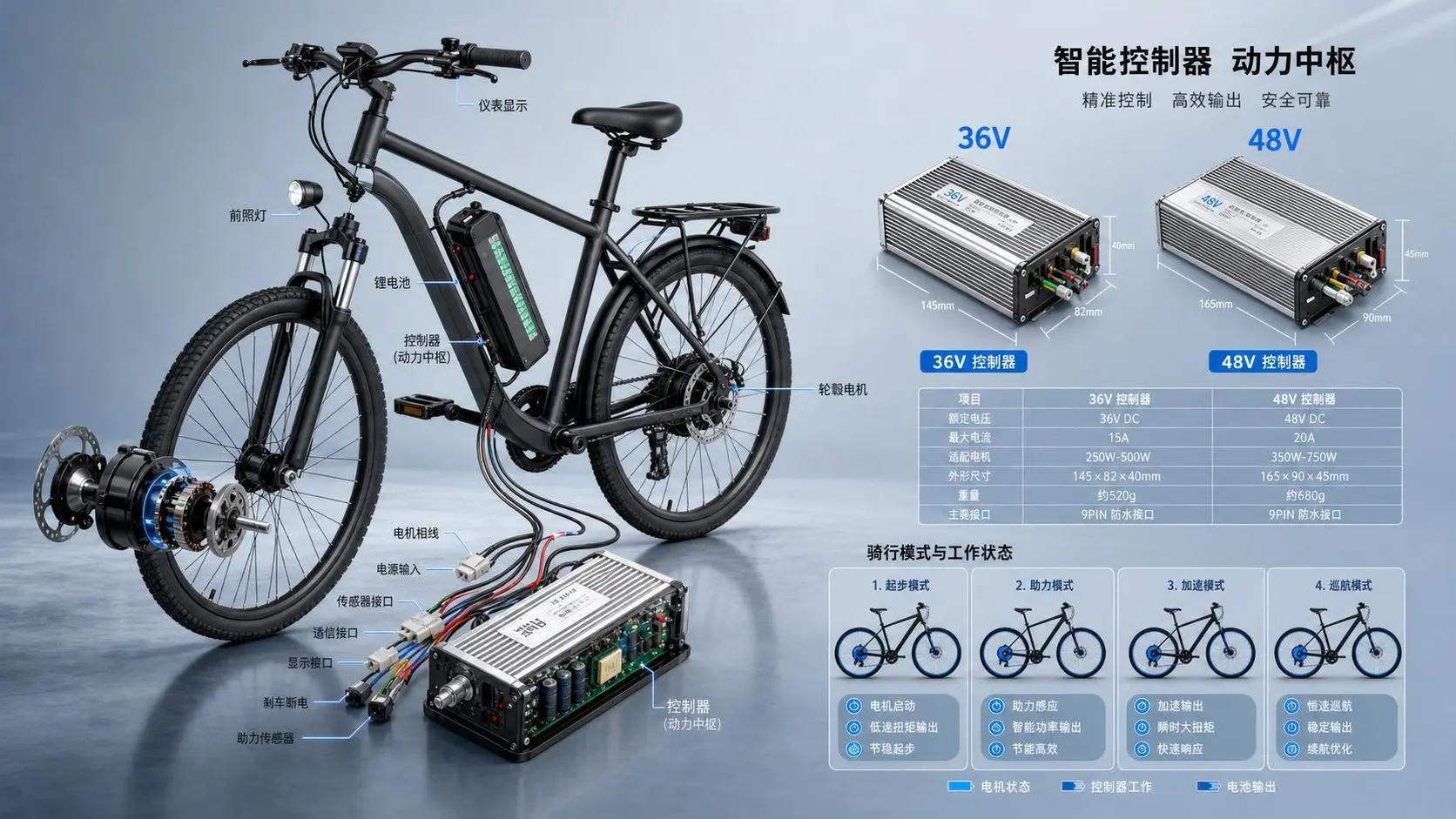
E Bike Controllers Explained: How to Match Voltage, Current, and Riding Mode
E bike controllers explained: learn how to match voltage, current, and riding mode for smoother power, safer compatibility, better efficiency, and more confident e-bike upgrades.
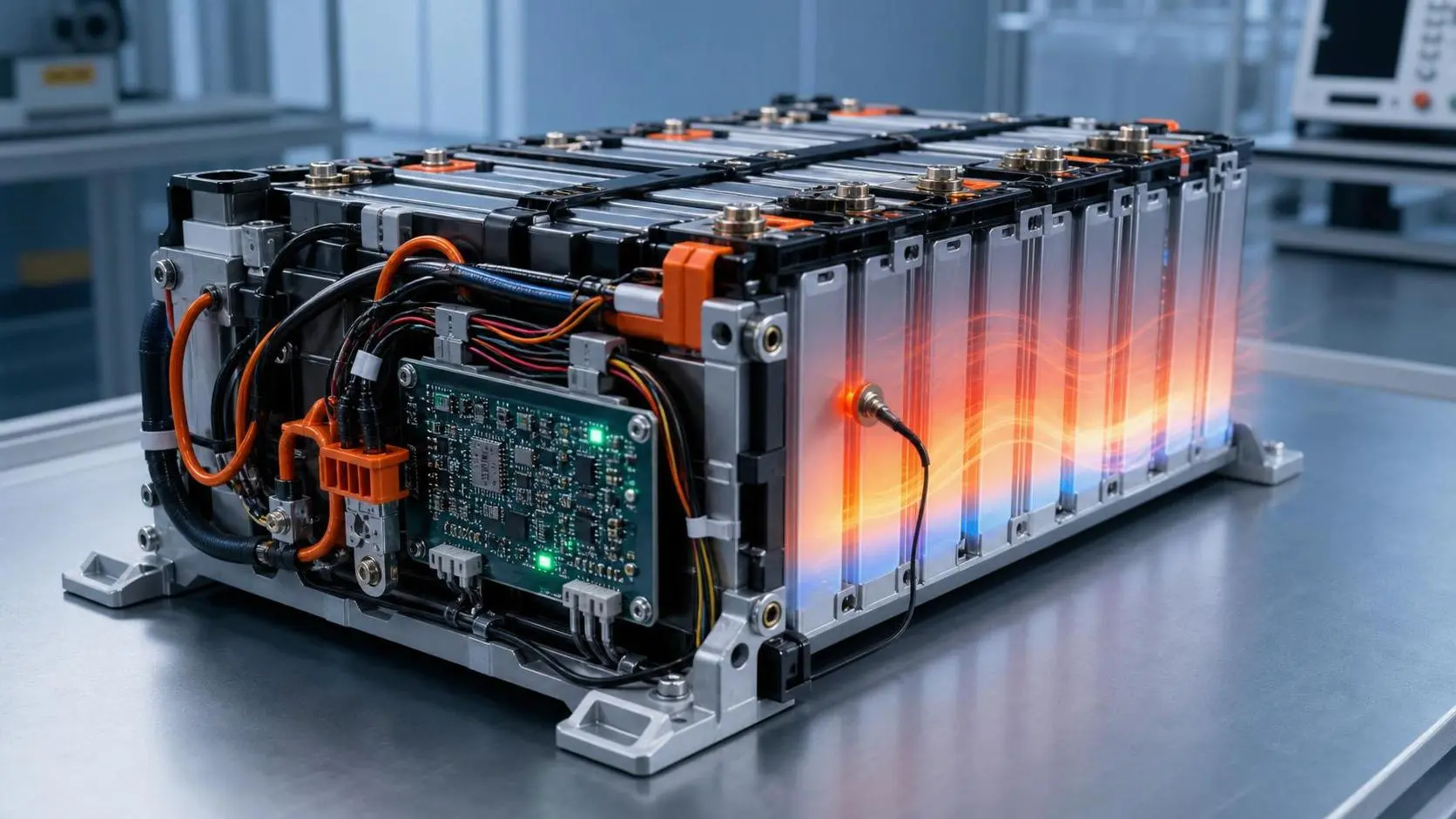
Battery Overheating Management in Light EVs: Causes, Sensors, and Control Strategies
Battery overheating management in light EVs: learn the main causes, key sensors, and proven control strategies to improve safety, reliability, and thermal compliance.
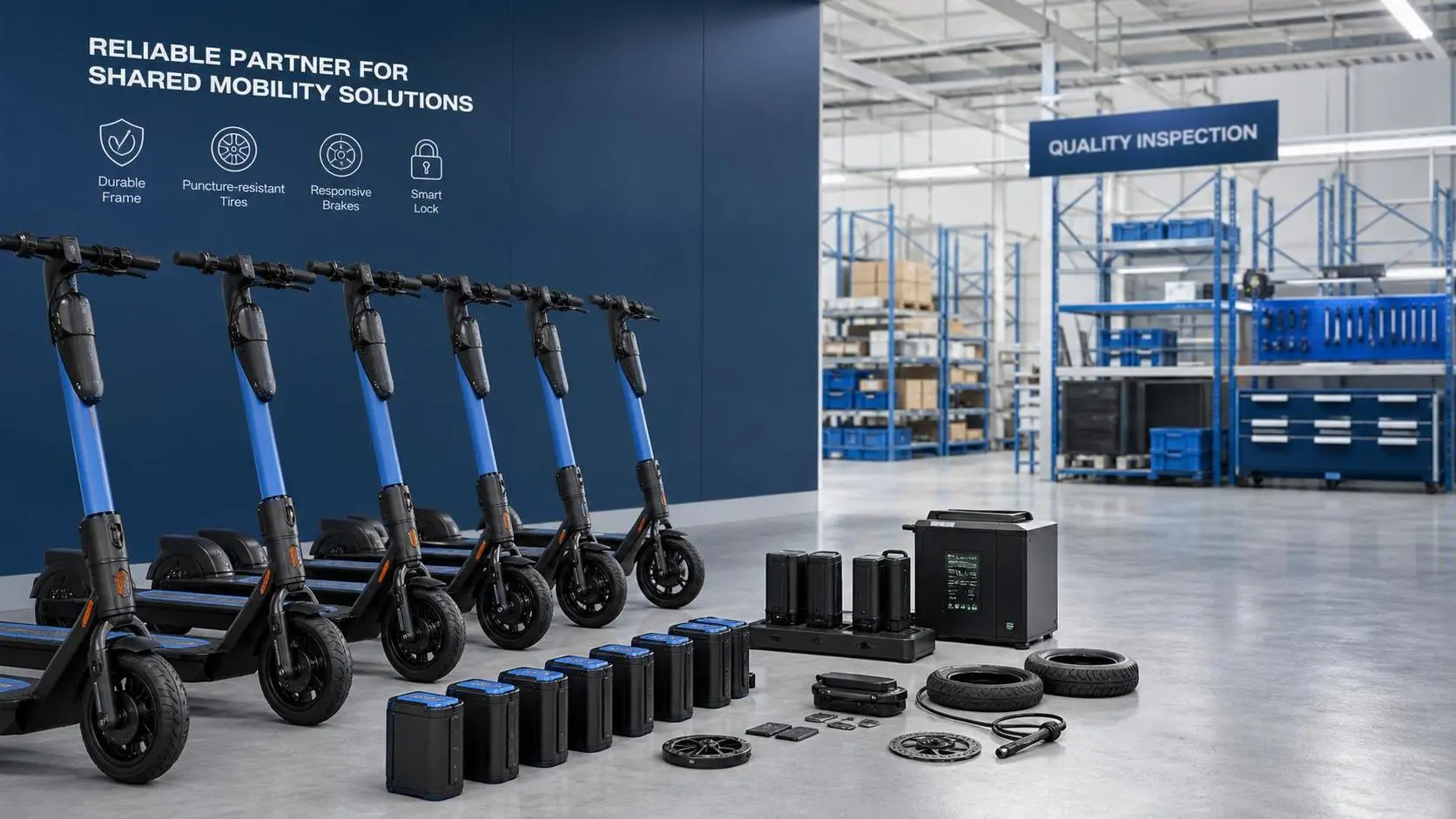
Shared Scooters Supplier Checklist: What to Compare Before Fleet Procurement
Shared scooters supplier checklist: compare total cost, durability, battery strategy, IoT, compliance, and support before fleet procurement to reduce risk and improve long-term ROI.
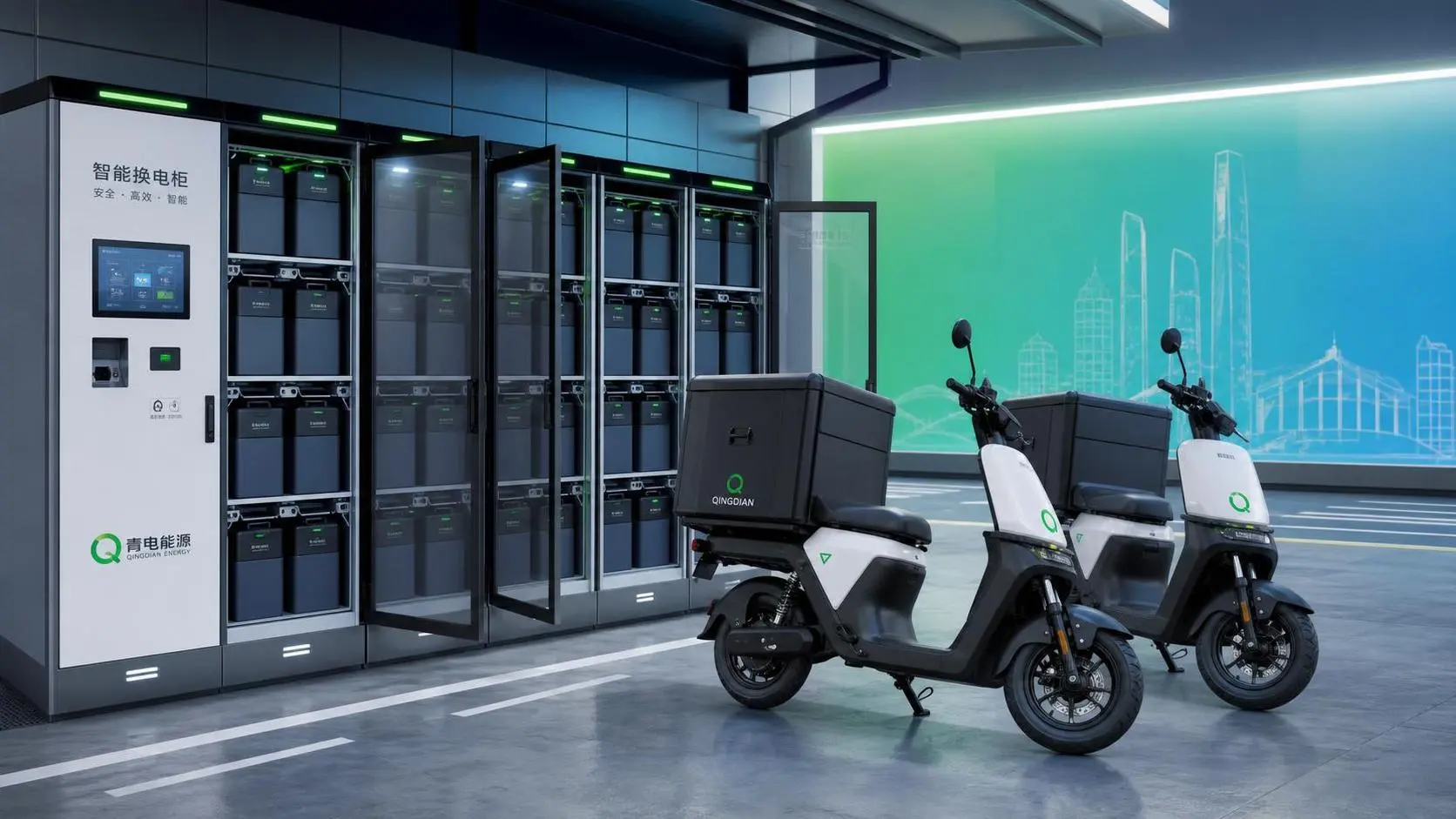
Battery-Swapping Networks for Motorcycles: Key Cost Drivers and Deployment Models
Battery-swapping networks motorcycles explained: explore key cost drivers, utilization risks, and deployment models shaping profitable electric two-wheeler infrastructure.
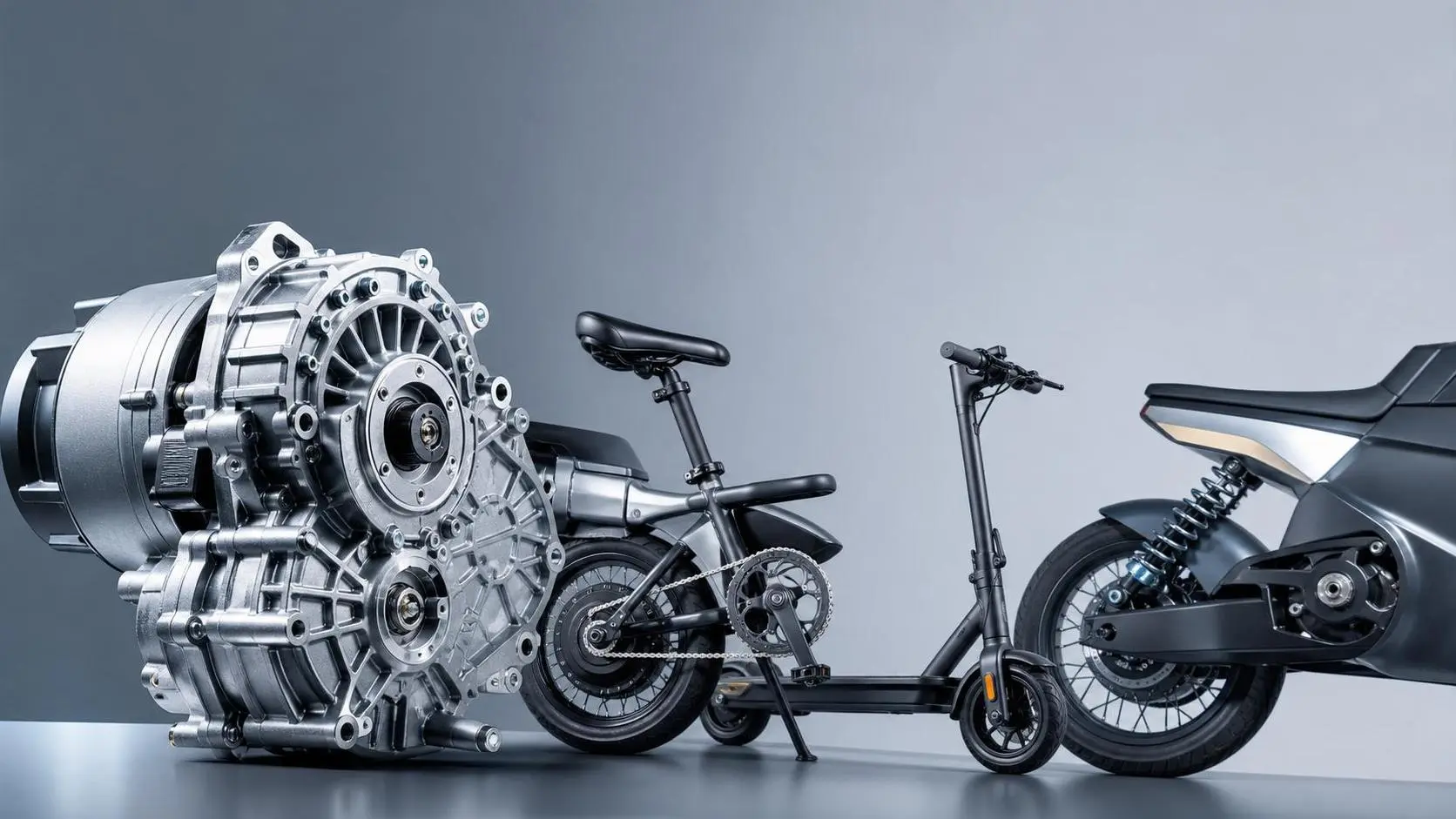
How to Choose an Electromechanical Transmission Manufacturer for E-Mobility Projects
Electromechanical transmission manufacturer selection can make or break e-mobility projects. Learn how to compare suppliers for performance, quality, compliance, and long-term value.