
Related News
- 00
0000-00
IoT Scooter Tracking System Explained: GPS Accuracy, Battery Use, and Data Integration - 00
0000-00
Urban Transport Scooters for Campuses: What to Consider for Safety, Charging, and Fleet Size - 00
0000-00
How to Evaluate an E Scooter Sourcing Factory for OEM Quality and Lead Time - 00
0000-00
Utility Maximization for Shared Fleets: Which Data Inputs Matter Most? - 00
0000-00
Smart E-Scooter Systems With GPS for Shared Fleets: Features That Matter Most
Urban Transit Fellow
Weekly Insights
Stay ahead with our curated technology reports delivered every Monday.
How to Evaluate an E Scooter Sourcing Factory for OEM Quality and Lead Time





How to Evaluate an E Scooter Sourcing Factory for OEM Quality and Lead Time
Choosing the right e scooter sourcing factory can shape the success of an OEM program from day one.
Price matters, but procurement decisions rarely fail because of price alone.
They fail when quality drifts, schedules slip, or compliance gaps appear too late.
That is why evaluating an e scooter sourcing factory needs a structured and practical approach.
In real sourcing work, the strongest supplier is not always the cheapest quote on the table.
It is usually the factory that can repeat quality, manage changes, and ship on time under pressure.
For OEM buyers in micro-mobility, that distinction is critical.
A scooter launch often depends on batteries, controllers, firmware, frames, and certification moving together.
If one part of the system breaks, the entire lead time model becomes unreliable.
Start with Factory Fit, Not Just Factory Scale
The first question is simple: is this e scooter sourcing factory actually built for your product category?
Some suppliers produce many light electric products, but lack depth in scooters.
Others understand scooter architecture, folding systems, vibration loads, and battery integration in detail.
That difference shows up quickly in defect rates and engineering response speed.
Ask what percentage of revenue comes from smart e-scooters.
Review their main export markets, customer mix, and typical annual volume.
A capable e scooter sourcing factory should show relevant OEM projects, not only generic mobility references.
What to confirm early
- Core product focus in commuter, sharing, or performance scooter segments.
- Experience with OEM, ODM, or private label development.
- Familiarity with destination market rules such as CE, UL, or local road requirements.
- Ability to manage mixed mechanical and electronic supply chains.
Check Engineering Capability Before You Compare Quotes
A low quote from an e scooter sourcing factory can hide engineering weakness.
That usually becomes visible during prototype revisions, testing failures, or firmware issues.
Stronger factories can explain why a design choice affects cost, durability, or assembly time.
Weaker ones simply say yes and push the risk downstream.
Review the engineering team structure in detail.
Look for mechanical, electrical, battery, and firmware support inside the factory or through stable partners.
An experienced e scooter sourcing factory should also have a documented new product introduction process.
Useful questions during evaluation
- How are design changes tracked and approved?
- Who owns BOM control and version management?
- How are battery and controller compatibility issues validated?
- What testing happens before pilot production?
In practice, these answers tell you more than a polished presentation ever will.
Audit the Quality System on the Shop Floor
When evaluating an e scooter sourcing factory, documents are useful, but process discipline matters more.
A factory may hold certifications and still struggle with repeatability.
That is why on-site verification is so important.
Focus on incoming inspection, in-process controls, final testing, and traceability.
Pay attention to battery handling, torque control, wiring standards, and cosmetic inspection criteria.
More importantly, ask how nonconforming products are isolated and corrected.
A reliable e scooter sourcing factory should show closed-loop action, not verbal promises.
Key quality checkpoints
- IQC standards for cells, motors, controllers, tires, and chargers.
- Process control for welding, painting, assembly, and waterproofing.
- End-of-line testing for braking, lighting, communication, and battery performance.
- Serial number traceability linked to parts and test records.
If the factory cannot produce records quickly, traceability may be weaker than claimed.
Evaluate Lead Time as a System, Not a Single Number
Lead time is one of the most misunderstood parts of choosing an e scooter sourcing factory.
Many suppliers quote a headline number that looks competitive.
The real issue is whether that number survives material shortages, order changes, and peak season pressure.
A serious e scooter sourcing factory will break lead time into components.
That includes sample build, tooling, certification support, long-lead materials, assembly, testing, and shipment release.
Battery packs, semiconductors, and custom molds often drive the longest delays.
This also means the best lead time analysis always includes sub-supplier risk.
What to request from the factory
Recent market shifts make this even more important as electronics supply remains uneven.
Look Closely at Compliance and Market Readiness
For many OEM programs, compliance issues create bigger costs than unit pricing.
An e scooter sourcing factory may build a good product, yet still miss market entry requirements.
That can delay launches, trigger rework, or increase liability exposure.
Review how the factory manages certification files, test plans, labeling, and technical documentation.
Check whether they understand market differences across Europe, North America, and other target regions.
A strong e scooter sourcing factory treats compliance as part of product development, not a final checkbox.
Areas to verify
- Battery transport and safety documentation.
- EMC, electrical safety, and durability test coordination.
- User manual, warning label, and carton marking accuracy.
- Change control after certification approval.
Compare Total Sourcing Cost, Not Unit Cost Alone
Procurement decisions often begin with a price sheet, but they should not end there.
The right e scooter sourcing factory lowers total cost through fewer defects, better yield, and steadier supply.
A lower unit price can become more expensive after claims, returns, line stops, and urgent freight.
That is why commercial comparison should include operational cost drivers.
Review tooling terms, MOQ flexibility, payment conditions, warranty handling, and spare parts support.
A disciplined e scooter sourcing factory usually gives clearer cost visibility over the full program lifecycle.
Build a Shortlist with Evidence
The final decision should come from evidence, not from the strongest sales pitch.
A practical sourcing process usually combines document review, technical meetings, factory audits, sample testing, and reference checks.
Score each e scooter sourcing factory across quality, engineering, compliance, responsiveness, and lead time resilience.
Then compare the scores against your launch priorities.
For example, a sharing fleet project may value durability and service parts more heavily.
A branded retail launch may place greater weight on finish quality and certification readiness.
That context matters because not every e scooter sourcing factory is optimized for the same outcome.
The most reliable sourcing decisions come from matching factory strengths to commercial reality.
In today’s micro-mobility market, that level of discipline is becoming a competitive advantage.
Before placing volume orders, validate the e scooter sourcing factory with a pilot run, clear KPIs, and a written escalation path. That step often separates a manageable supplier from a risky one.
Related News
IoT Scooter Tracking System Explained: GPS Accuracy, Battery Use, and Data Integration
IoT scooter tracking system guide covering GPS accuracy, battery efficiency, connectivity, and data integration—learn what drives reliable micro-mobility performance.
Urban Transport Scooters for Campuses: What to Consider for Safety, Charging, and Fleet Size
Urban transport scooters for campuses require more than the right vehicle. Learn how to improve safety, plan charging, and size fleets for reliable, scalable campus mobility.
Electric Mountain Bike Buying Guide: Motor Torque, Battery Range, and Trail Fit
Electric mountain bike buying guide covering motor torque, battery range, and trail fit. Compare key specs, avoid costly mistakes, and choose the right e-MTB for your riding style.

Urban Transport Planning Basics: How Cities Match Mobility Options to Trip Demand
Urban transport planning explained: learn how cities match buses, rail, e-bikes, and scooters to real trip demand, cut congestion, and improve last-mile mobility.
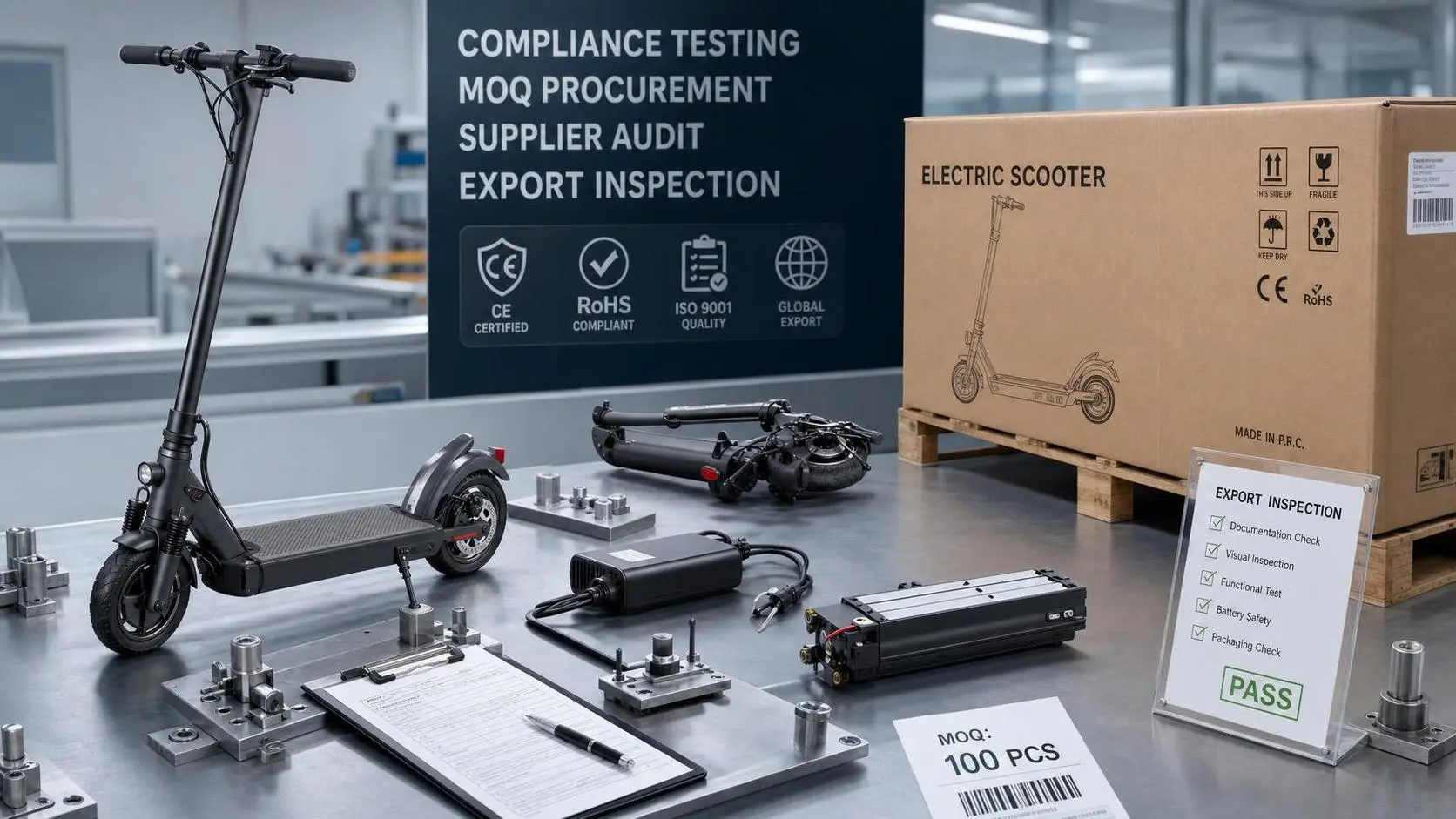
Private Label Electric Scooters in Europe: Compliance, MOQ, and Supplier Checks
Private label electric scooters Europe: learn compliance checks, realistic MOQ structures, and supplier screening tips to reduce risk, protect margins, and launch with confidence.
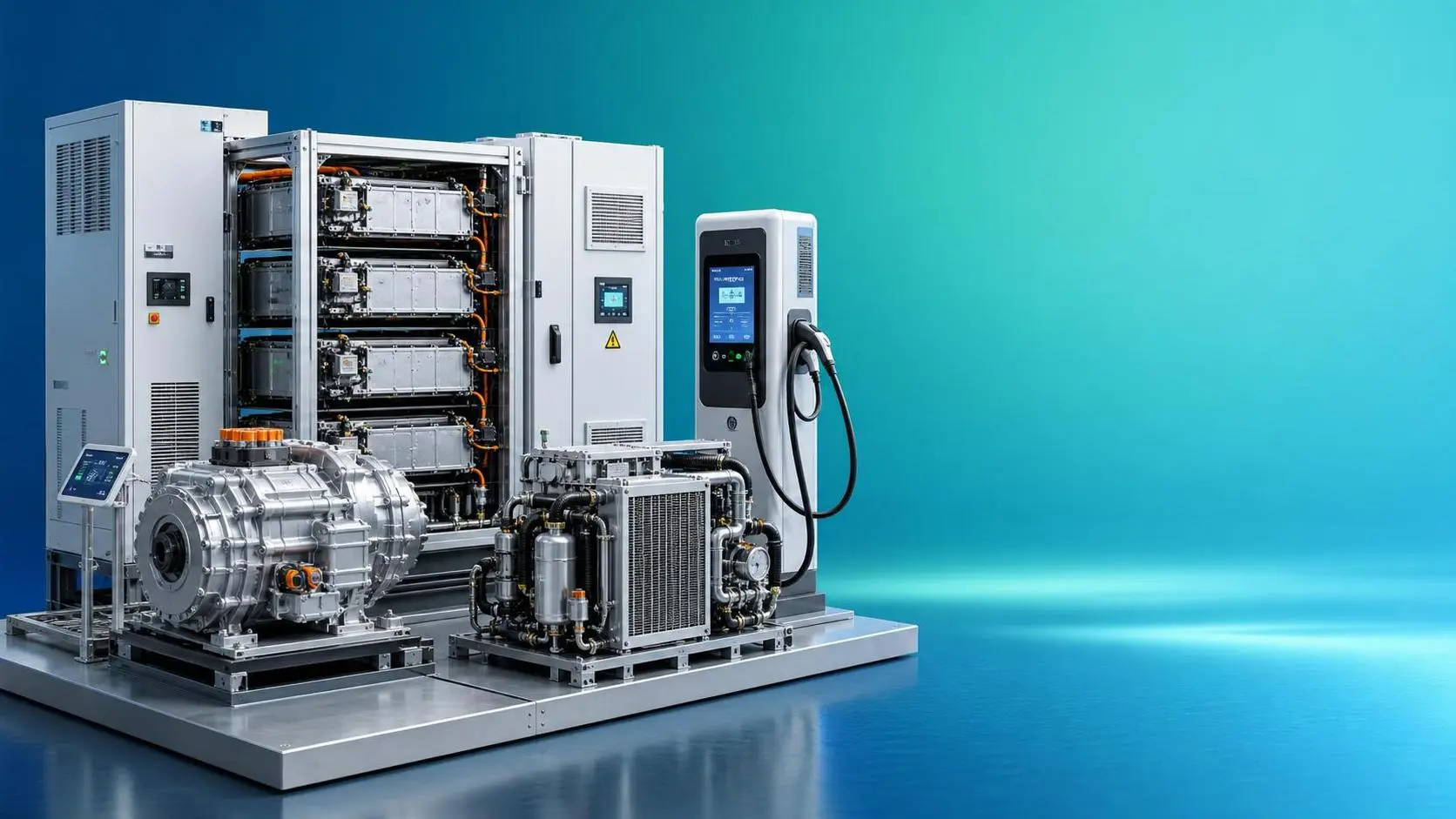
How to Evaluate Decarbonization Technology Suppliers for Industrial Projects
Decarbonization technology suppliers can make or break industrial projects. Learn how to assess technical fit, emissions credibility, delivery risk, and lifecycle value.
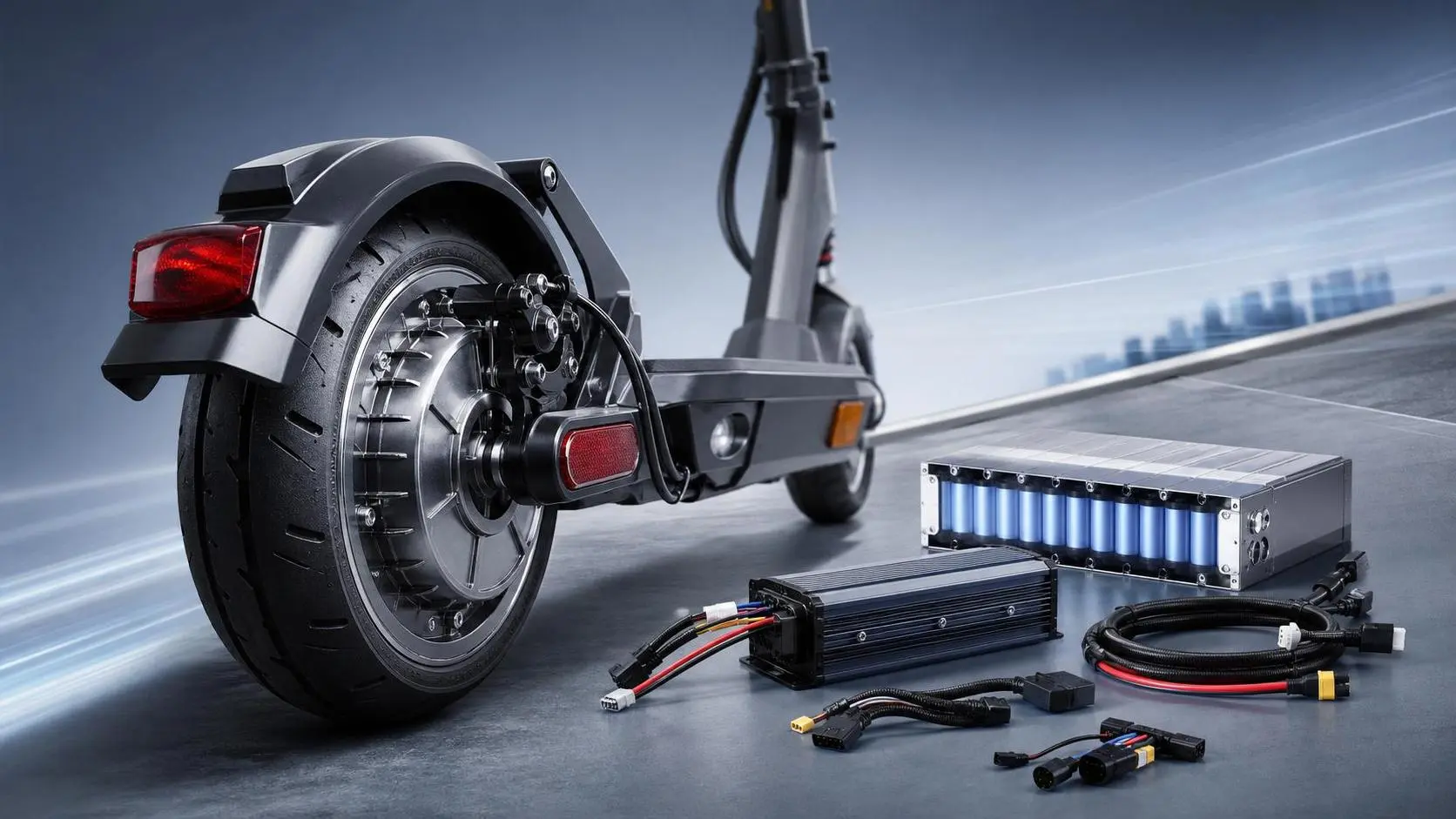
Brushless Motor for Scooters: How to Compare Power, Torque, and Efficiency
Brushless motor for scooters comparison made simple: learn how to evaluate power, torque, and efficiency for better range, stronger climbs, and smarter urban performance.
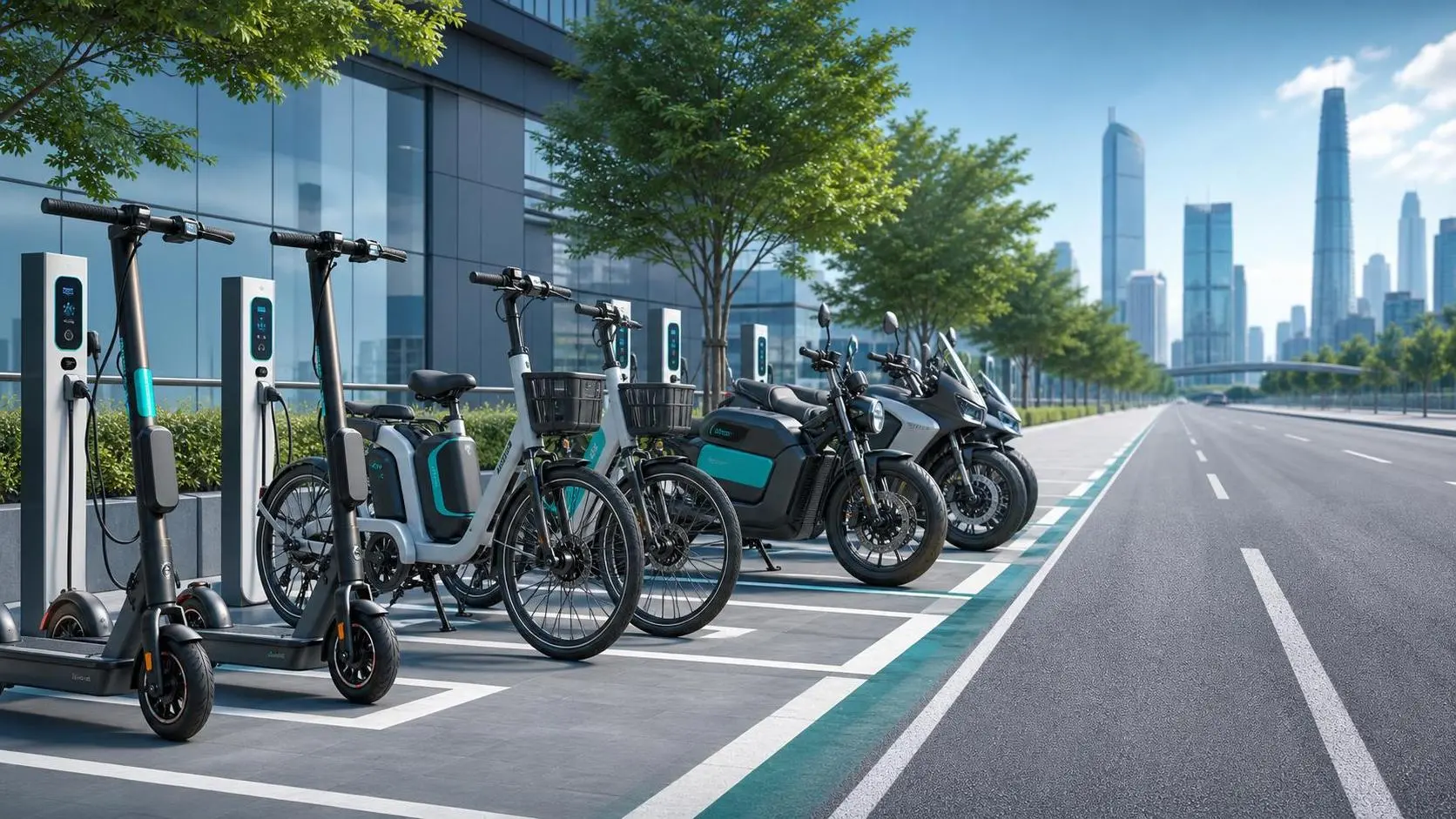
Utility Maximization for Shared Fleets: Which Data Inputs Matter Most?
Utility maximization for shared fleets starts with the right data. Learn which inputs improve allocation, charging, maintenance, and margins in shared mobility.
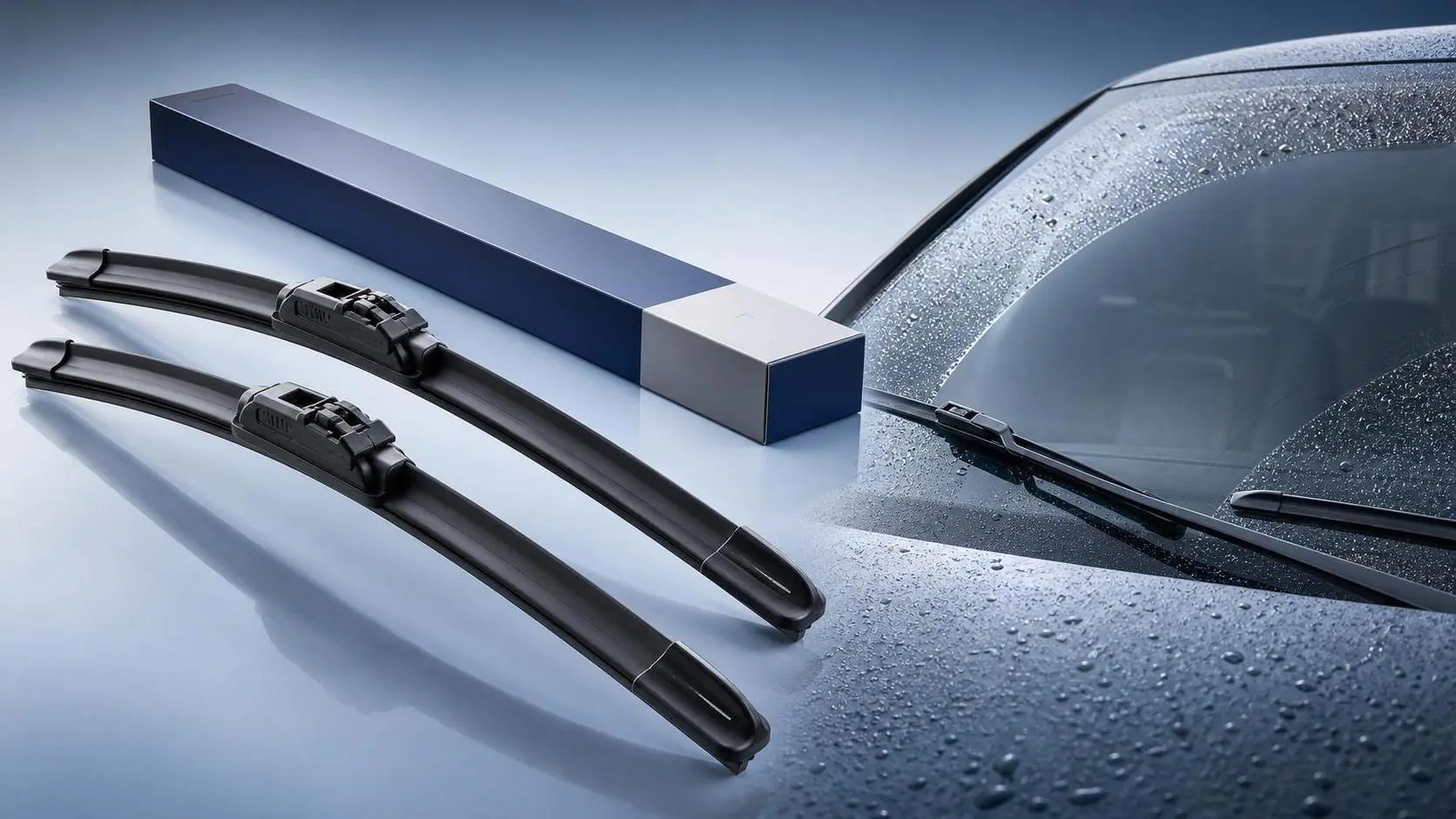
How to Choose OEM Windshield Wipers for Private Label Auto Parts Programs
OEM windshield wipers buying guide for private label auto parts: compare fitment, materials, testing, supplier reliability, and hidden cost risks to build a safer, higher-margin program.