
Related News
- 00
0000-00
Electric Mountain Bike Buying Guide: Motor Torque, Battery Range, and Trail Fit - 00
0000-00
Two-wheeled mobility tools in cold climates: lithium-ion performance drop below -10°C and mitigation - 00
0000-00
Global mobility landscape volatility: import tariff changes affecting e-MTB frame shipments to Canada - 00
0000-00
Vehicle thermal management in e-MTBs: heat dissipation differences between hub and mid-drive motors during descent
Micro-Mobility Strategist
Weekly Insights
Stay ahead with our curated technology reports delivered every Monday.
Electric Mountain Bike Buying Guide: Motor Torque, Battery Range, and Trail Fit





Electric Mountain Bike Buying Guide: Motor Torque, Battery Range, and Trail Fit
Choosing the right electric mountain bike can feel overwhelming when motor torque, battery range, and trail geometry all affect performance.
This guide breaks down the features that matter most for real-world riding, helping you compare models with confidence.
Whether you want better climbing power, longer adventures, or a bike that matches local terrain, the best choice starts with fit and use case.
A good electric mountain bike should feel balanced, predictable, and efficient, not just powerful on a spec sheet.
Start With How and Where You Ride
Before comparing motors and batteries, define your riding style.
That sounds basic, but it changes everything.
A rider using an electric mountain bike for mellow forest loops needs something very different from someone riding steep rock gardens every weekend.
Think in terms of terrain, ride length, climbing frequency, and how much technical handling matters to you.
- Smooth trails and gravel connectors: lower travel and lighter weight often work best.
- Steep climbs and loose surfaces: higher torque and strong traction become more important.
- Long backcountry rides: battery size, efficiency, and comfort matter more than peak power.
- Technical descents: geometry, suspension quality, and braking control take priority.
This first step keeps you from overbuying or choosing an electric mountain bike that feels impressive in a showroom but awkward on your usual trails.
Motor Torque: What It Really Tells You
Motor torque is one of the most searched electric mountain bike specs, and for good reason.
It affects how strongly the bike supports you on climbs, starts, and low-speed technical sections.
Most electric mountain bike systems fall between 50Nm and 90Nm.
More torque does not always mean a better ride.
A 85Nm motor can climb brutally steep grades, but it may feel heavier, drain the battery faster, and deliver power more abruptly.
A 55Nm to 65Nm setup often feels smoother and more natural on rolling terrain.
Use Torque Ranges as a Filter
- 50Nm to 60Nm: good for lighter trail use, fitness-oriented rides, and riders who still want a close-to-analog feel.
- 65Nm to 75Nm: the broad middle ground for mixed trail riding and balanced climbing support.
- 80Nm to 90Nm: better for steep grades, heavier riders, loaded riding, and aggressive mountain terrain.
Also pay attention to power delivery, not just the number.
A refined motor with smart cadence support can feel better than a higher-torque unit with harsh engagement.
When test riding an electric mountain bike, try a slow uphill start, a loose climb, and a tight switchback. Those moments reveal real behavior fast.
Battery Range: Bigger Is Not the Whole Story
Battery capacity is usually shown in watt-hours, or Wh.
Common electric mountain bike batteries range from about 400Wh to 800Wh.
It is tempting to assume that the largest battery is always the smartest buy.
In practice, range depends on much more than battery size.
Rider weight, elevation gain, tire pressure, assist mode, cadence, temperature, and surface resistance all shape how far an electric mountain bike can go.
A Practical Range Framework
For many riders, a mid-size battery is the sweet spot.
It keeps the electric mountain bike easier to handle while still giving enough range for normal weekend rides.
If your rides regularly include long fire-road climbs or remote loops, then a larger battery or range extender makes more sense.
Trail Fit Matters More Than Many Buyers Expect
An electric mountain bike can have an excellent motor and battery, yet still feel wrong on the trail.
That usually comes down to geometry, suspension, tire choice, and total bike weight.
For trail fit, ask one simple question: does the bike suit the terrain you ride most, not the terrain you imagine riding once a year?
Key Trail-Fit Points
- Travel: 120mm to 140mm works well for many mixed trails; 150mm+ suits rougher descending.
- Head angle: slacker angles improve downhill confidence but may feel slower in tight, tame terrain.
- Chainstay length: shorter stays can feel playful; longer stays often climb more steadily.
- Wheel setup: 29-inch wheels roll well; mullet setups can add agility.
- Weight: heavier bikes feel planted, but lighter bikes usually corner and maneuver more easily.
This is where many first-time buyers misjudge an electric mountain bike.
They focus on peak motor specs and ignore how the frame behaves when the trail gets awkward, narrow, or unpredictable.
Full Suspension or Hardtail?
This choice has a major effect on price, comfort, and handling.
A hardtail electric mountain bike is lighter, simpler, and usually less expensive.
It works well for smoother trails, gravel-heavy routes, and riders who value efficiency.
A full-suspension electric mountain bike adds comfort, traction, and control on rough terrain.
It usually makes more sense for rooty trails, frequent descending, and technical riding.
If local trails are fast but not especially rough, a hardtail may be the better value.
If your routes are rough enough to shake your line choice apart, full suspension earns its price quickly.
The Overlooked Buying Factors
A strong electric mountain bike decision also includes the details buyers often skip.
- Brakes: four-piston brakes with larger rotors are worth prioritizing on heavier e-MTBs.
- Tires: stock tires may be fast, but weak casings can hurt control and puncture resistance.
- Display and controls: simple bar controls are often easier to manage on technical trails.
- Charging logistics: removable batteries are more convenient for apartment living or workplace charging.
- Service network: local support matters when firmware, motors, or battery systems need attention.
These details shape ownership more than many online comparisons suggest.
A well-supported electric mountain bike with sensible parts can be a better buy than a flashier model with poor service access.
A Simple Decision Framework
If you are narrowing down options, use this quick filter.
- Match the electric mountain bike category to your actual trails.
- Choose the motor torque range based on climbing needs, not ego.
- Pick battery capacity based on average ride time and elevation.
- Check geometry and suspension before comparing accessories.
- Confirm service, battery replacement path, and warranty support.
- Test ride at low speed and on climbs if possible.
That order matters.
It keeps the electric mountain bike buying process grounded in riding experience instead of marketing noise.
Final Thoughts on Choosing the Right Electric Mountain Bike
The best electric mountain bike is rarely the one with the biggest motor or battery.
It is the model that fits your trails, supports your riding style, and stays practical over time.
When comparing electric mountain bike options, focus first on trail fit, then torque, then realistic range.
That sequence usually leads to a smarter decision and a better ride.
Use your next shortlist to test feel, climbing response, and handling in real terrain. That is where the right electric mountain bike becomes obvious.
Related News
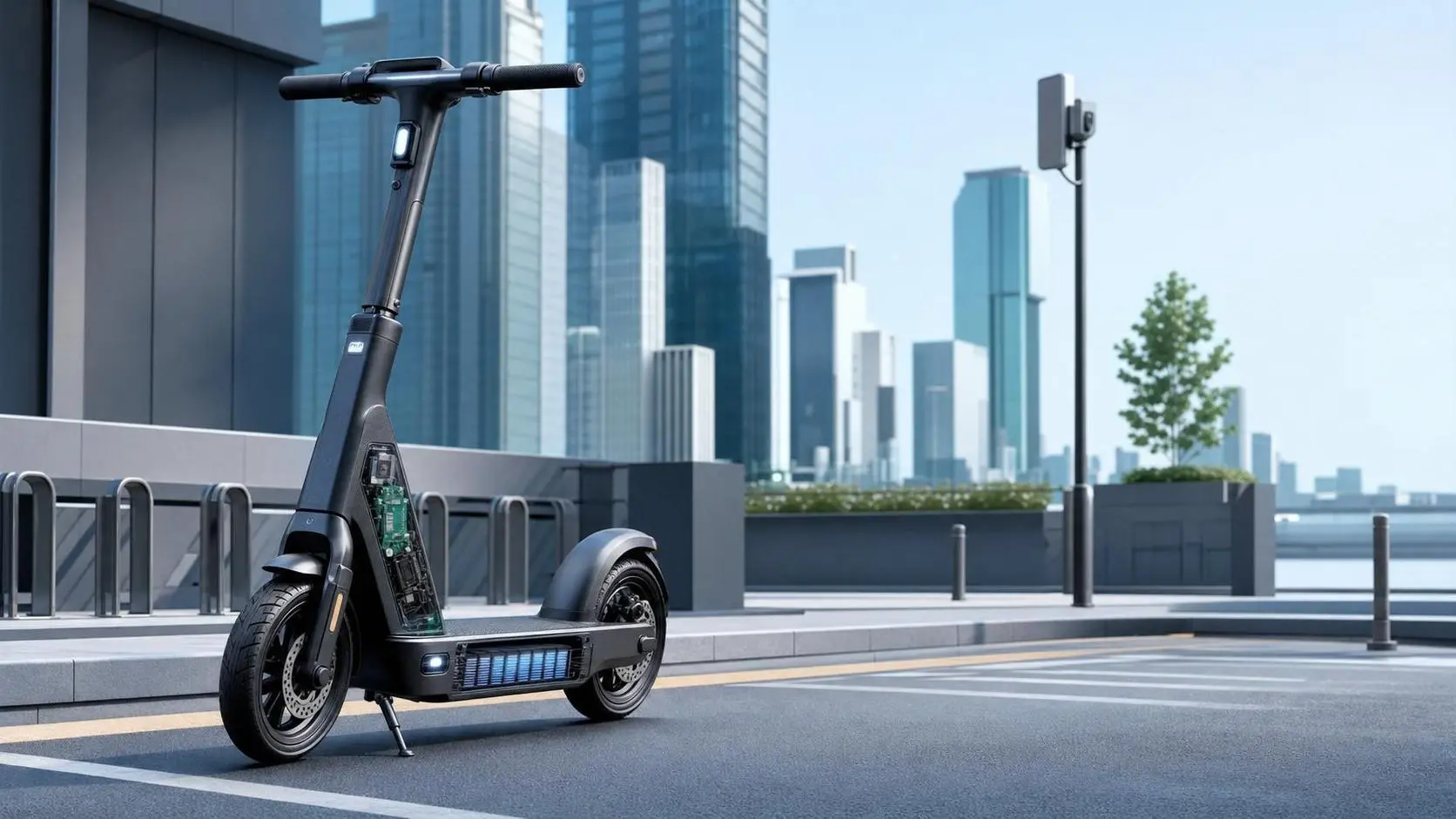
IoT Scooter Tracking System Explained: GPS Accuracy, Battery Use, and Data Integration
IoT scooter tracking system guide covering GPS accuracy, battery efficiency, connectivity, and data integration—learn what drives reliable micro-mobility performance.
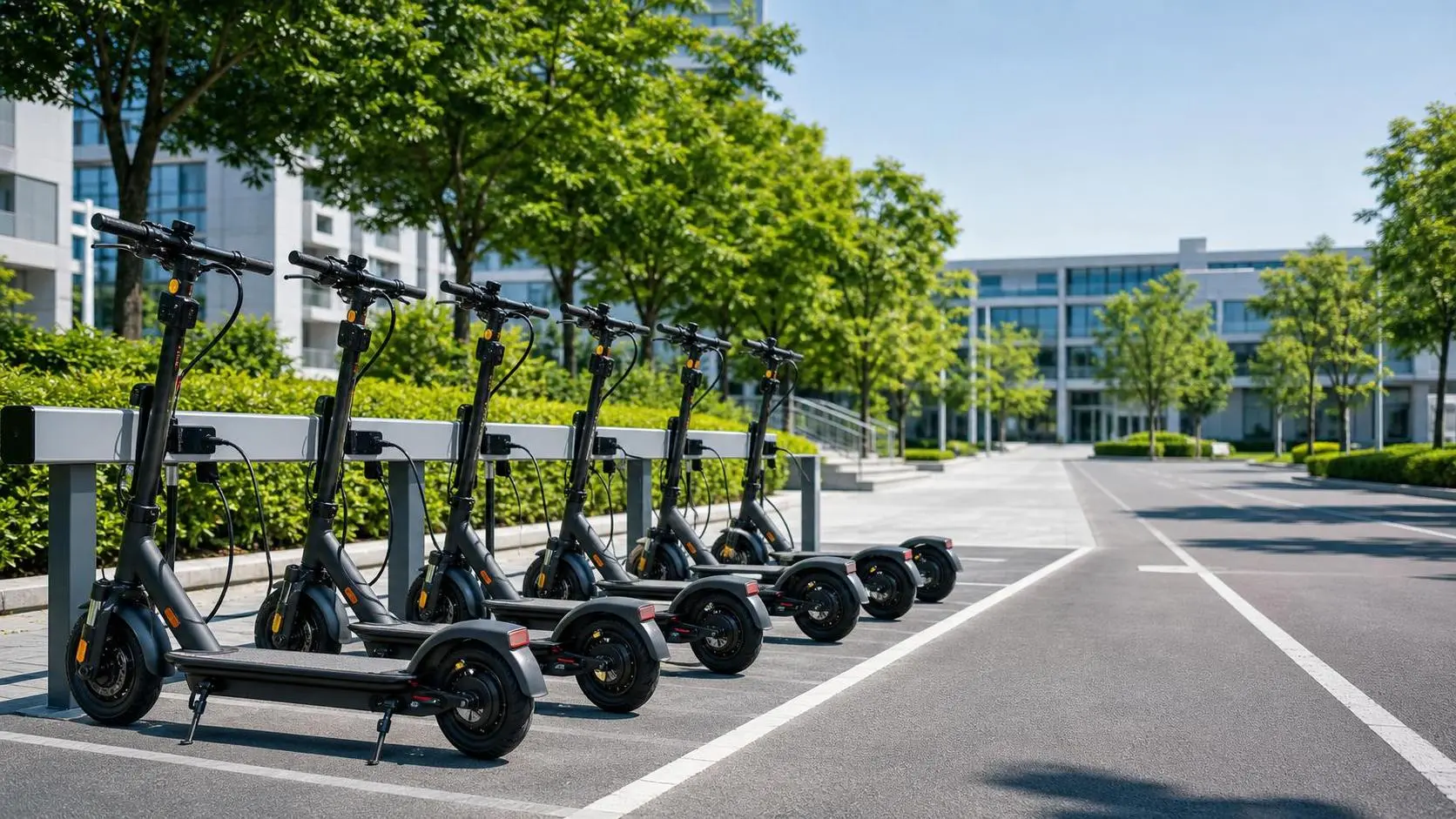
Urban Transport Scooters for Campuses: What to Consider for Safety, Charging, and Fleet Size
Urban transport scooters for campuses require more than the right vehicle. Learn how to improve safety, plan charging, and size fleets for reliable, scalable campus mobility.
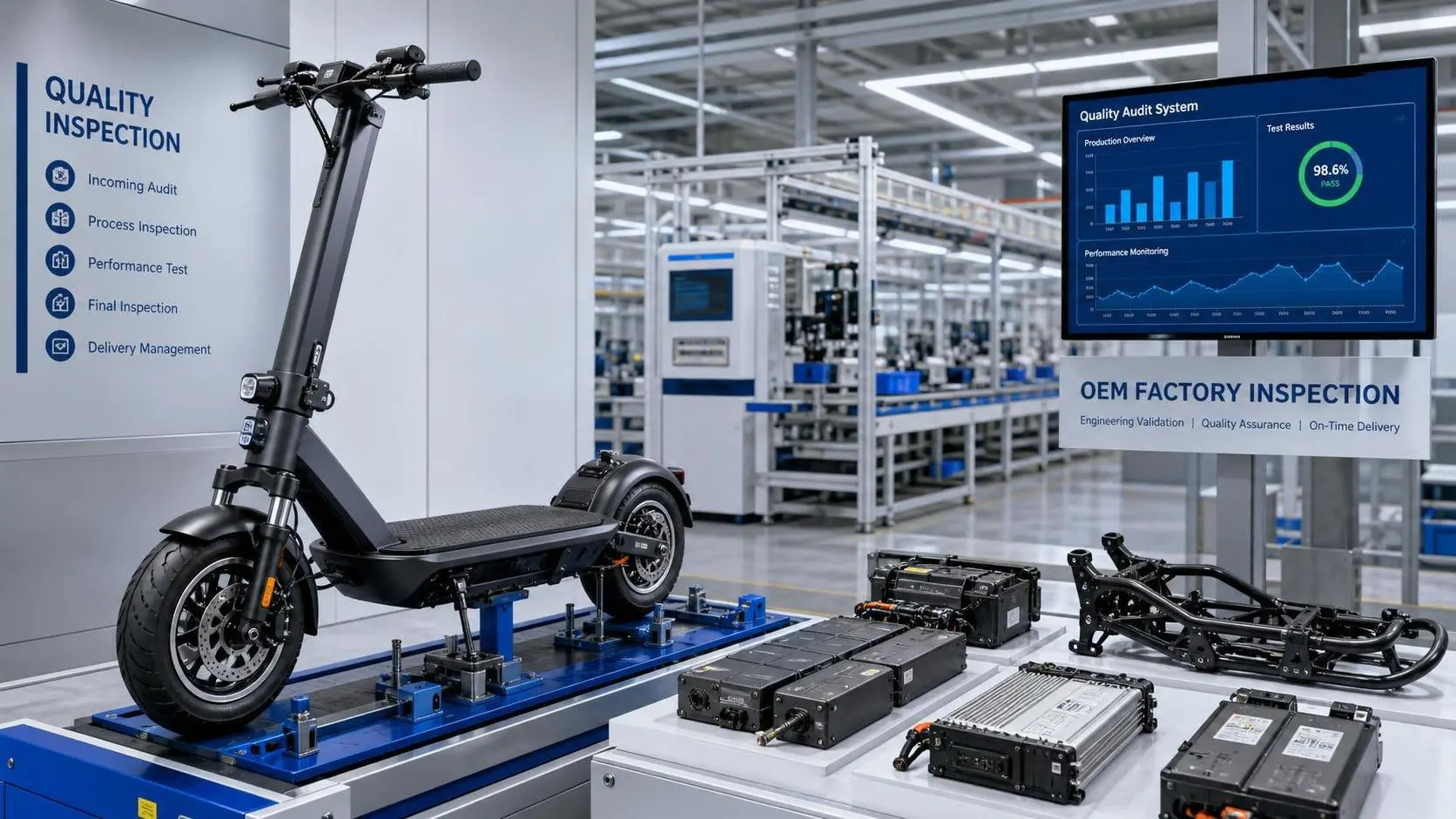
How to Evaluate an E Scooter Sourcing Factory for OEM Quality and Lead Time
e scooter sourcing factory evaluation guide for OEM buyers: learn how to verify quality systems, engineering strength, compliance, and lead time reliability before placing volume orders.

Urban Transport Planning Basics: How Cities Match Mobility Options to Trip Demand
Urban transport planning explained: learn how cities match buses, rail, e-bikes, and scooters to real trip demand, cut congestion, and improve last-mile mobility.
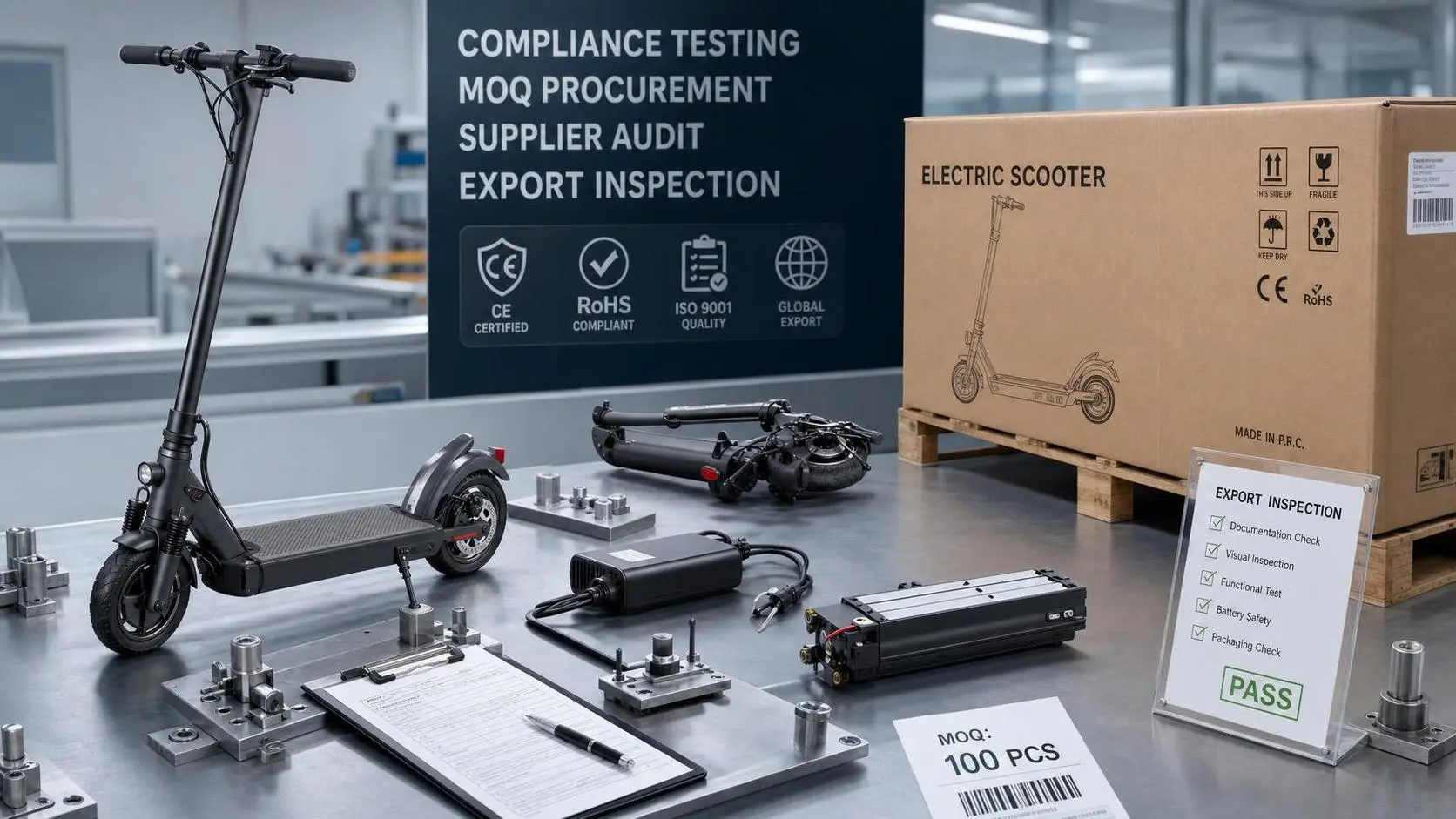
Private Label Electric Scooters in Europe: Compliance, MOQ, and Supplier Checks
Private label electric scooters Europe: learn compliance checks, realistic MOQ structures, and supplier screening tips to reduce risk, protect margins, and launch with confidence.
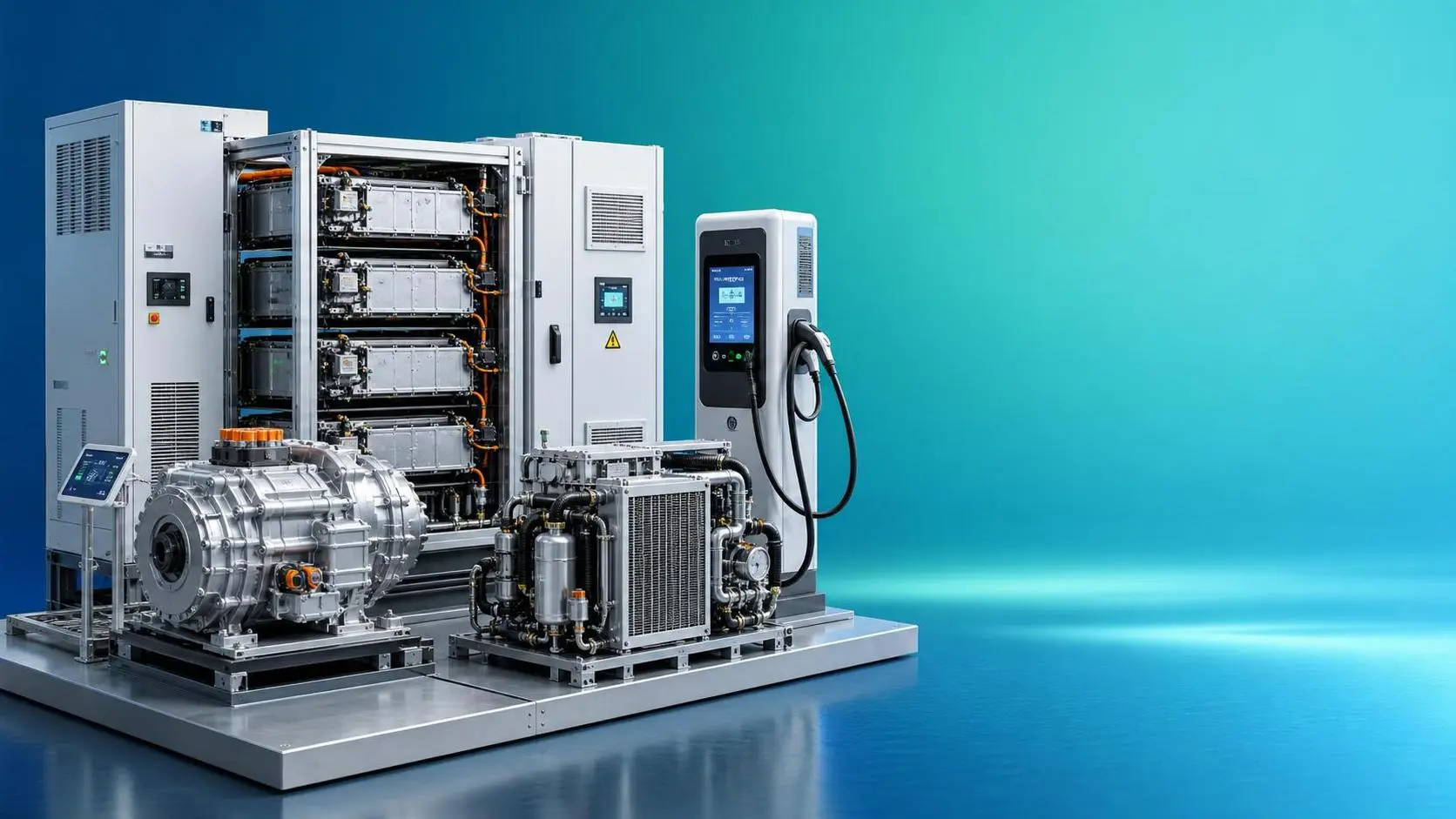
How to Evaluate Decarbonization Technology Suppliers for Industrial Projects
Decarbonization technology suppliers can make or break industrial projects. Learn how to assess technical fit, emissions credibility, delivery risk, and lifecycle value.
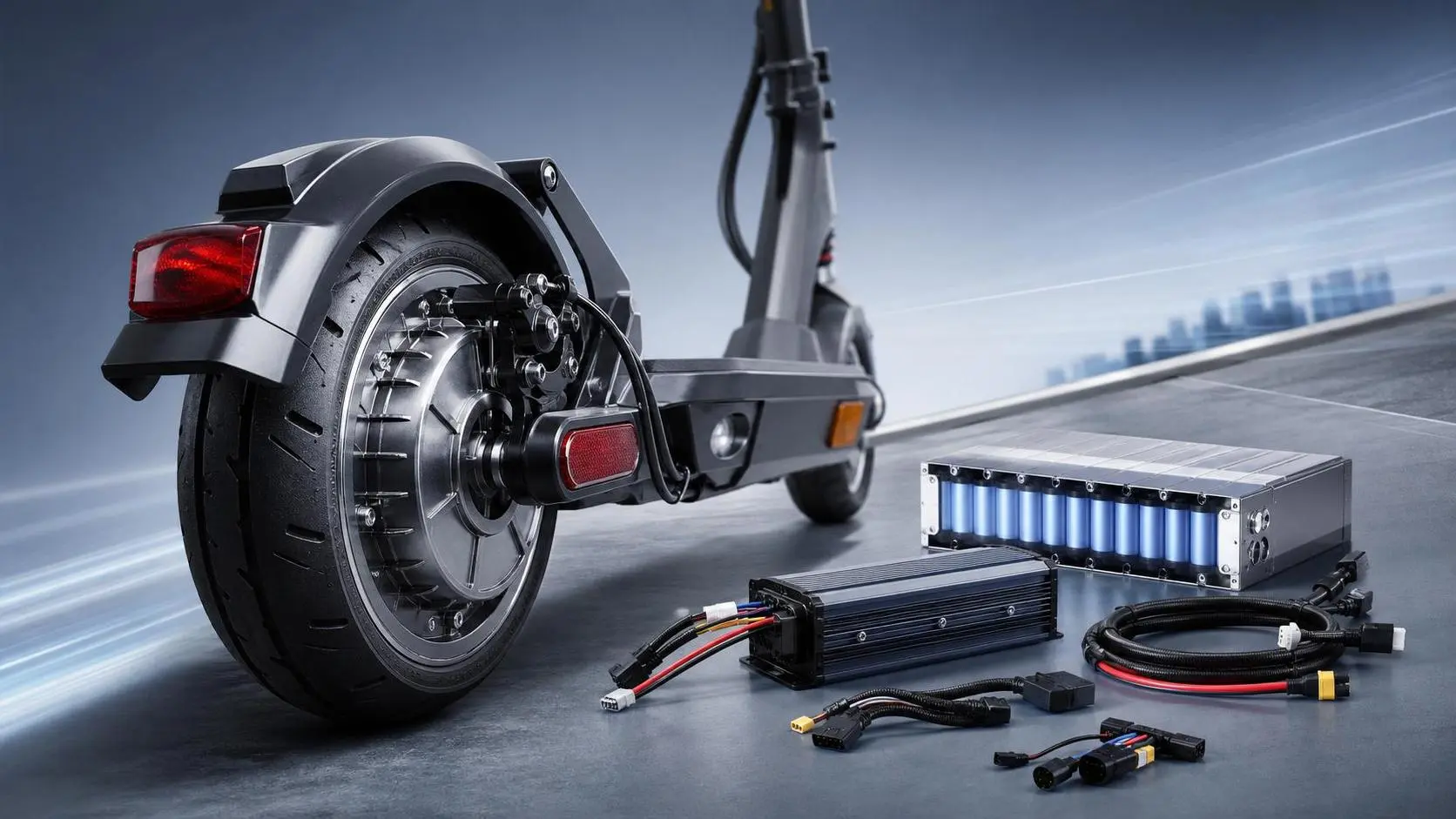
Brushless Motor for Scooters: How to Compare Power, Torque, and Efficiency
Brushless motor for scooters comparison made simple: learn how to evaluate power, torque, and efficiency for better range, stronger climbs, and smarter urban performance.
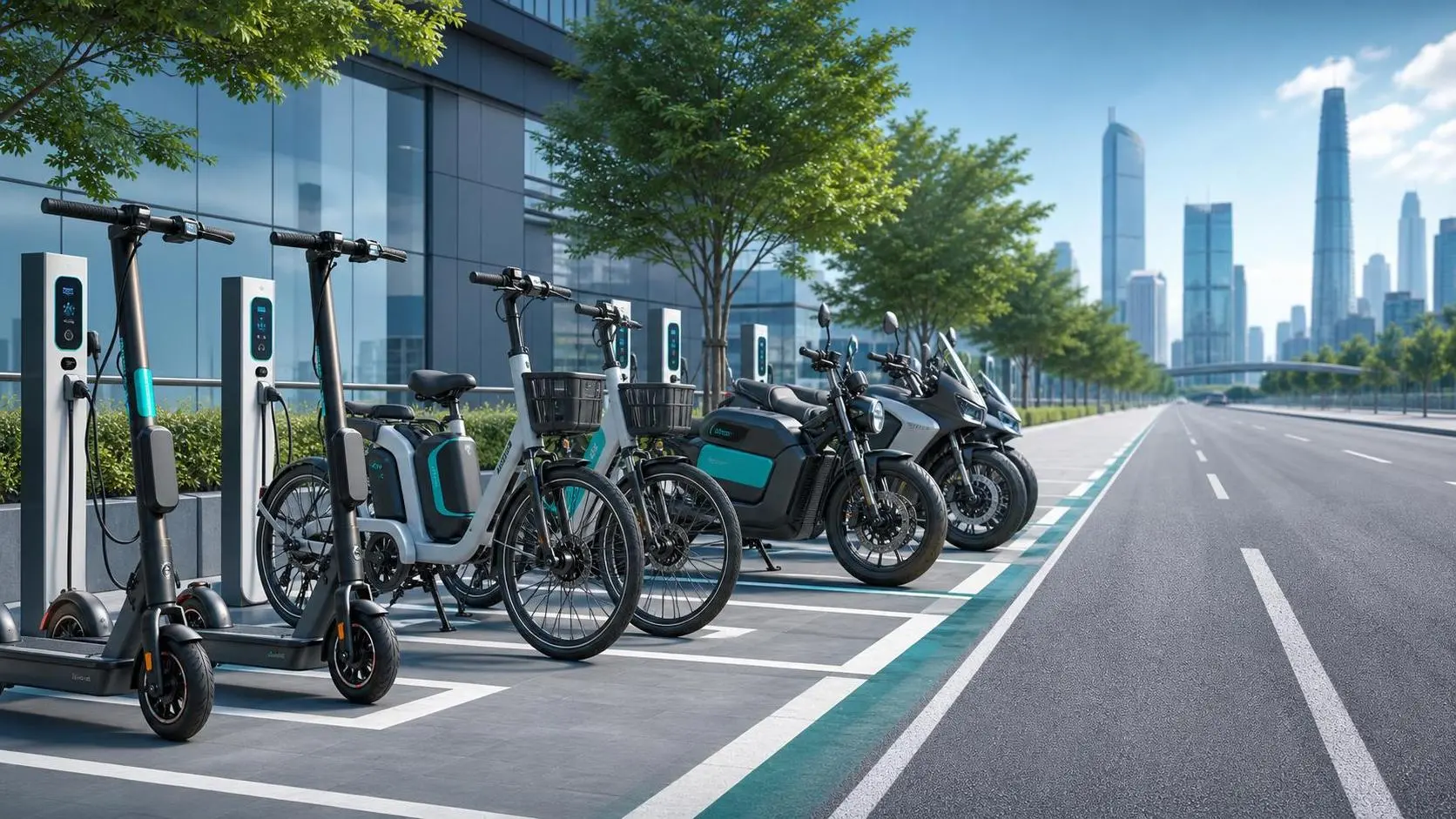
Utility Maximization for Shared Fleets: Which Data Inputs Matter Most?
Utility maximization for shared fleets starts with the right data. Learn which inputs improve allocation, charging, maintenance, and margins in shared mobility.
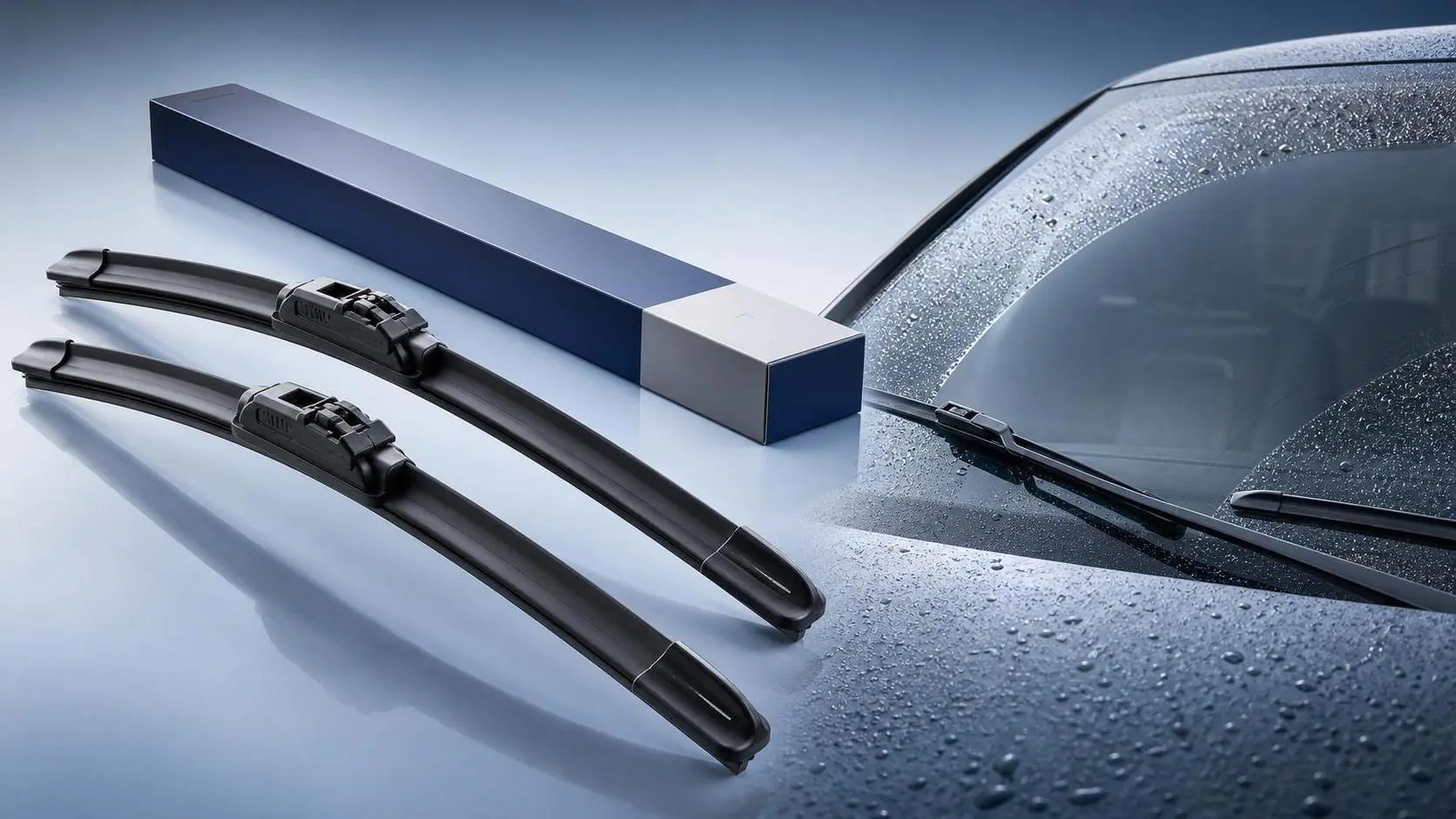
How to Choose OEM Windshield Wipers for Private Label Auto Parts Programs
OEM windshield wipers buying guide for private label auto parts: compare fitment, materials, testing, supplier reliability, and hidden cost risks to build a safer, higher-margin program.