
Related News
- 00
0000-00
Private Label Electric Scooters in Europe: Compliance, MOQ, and Supplier Checks - 00
0000-00
Component Selection for E-Scooters Battery Systems: Cells, BMS, and Thermal Protection - 00
0000-00
Low Carbon Commuting Options: E-bikes, Foldable Scooters, and Public Transit Compared - 00
0000-00
Micro-light Technology in Foldable Commuters Compared - 00
0000-00
Electrification strategies for foldable commuters: battery placement impact on folding durability
Urban Transit Fellow
Weekly Insights
Stay ahead with our curated technology reports delivered every Monday.
Private Label Electric Scooters in Europe: Compliance, MOQ, and Supplier Checks





Why is private label electric scooters Europe a serious sourcing topic now?
Private label electric scooters Europe is no longer a simple branding exercise. It sits at the intersection of regulation, urban mobility demand, and margin control.
In practice, the strongest opportunities come from operators that understand both product and policy. European buyers rarely judge scooters on price alone.
They look at battery safety, speed settings, spare parts continuity, and post-sale liability. A cheap unit can become expensive after one customs delay or warranty surge.
That is why private label electric scooters Europe often requires a more structured review than generic consumer electronics sourcing.
UMMS follows this space closely because smart e-scooters are part of a wider last-mile transformation. The same market logic shaping e-bikes and electric powertrains also affects scooter procurement.
A workable sourcing decision usually connects three things: legal access to the market, realistic order economics, and confidence that the factory can deliver repeatable quality.
What compliance points matter most before placing an order?
This is often the first question, and it should be. For private label electric scooters Europe, compliance risk can erase the benefit of a good factory price.
The exact requirements vary by product configuration and destination market. Still, several checks appear again and again in real transactions.
- CE-related conformity documentation should be complete, traceable, and consistent with the exact model offered.
- Battery transport paperwork must match the battery pack actually installed, not just a similar platform.
- User manual, labels, charger markings, and warning language need to reflect European use conditions.
- Declared speed, power, and riding mode settings should fit local market expectations and legal thresholds.
- RoHS, REACH, and recycling-related obligations may enter the discussion depending on the market channel.
A common mistake is reviewing certificates as isolated files. More useful is checking whether the report names, product photos, battery specs, and labeling all point to the same scooter.
Another point is product classification. Some scooters are marketed as casual urban devices, while others approach moped-like territory in performance or use case.
When power, speed, or seat options change, the compliance path may also change. That is where many private label electric scooters Europe projects become slower than expected.
The safer approach is to confirm the target country, intended sales channel, and final technical configuration before artwork and packaging are frozen.
A quick compliance check table
The table below helps separate paperwork that looks acceptable from documentation that is genuinely decision-ready.
How high is the MOQ for private label electric scooters Europe?
MOQ is rarely one number. It usually has three layers: product MOQ, color MOQ, and packaging MOQ.
For private label electric scooters Europe, a supplier may accept a modest total order but still require higher quantities for custom deck graphics, cartons, chargers, or app branding.
More common than expected is a mixed answer such as this: standard product from 100 to 200 units, private label color from 300 units, and fully custom mold changes far above that.
That matters because many first orders are meant to test channel response, not maximize volume. If the MOQ structure is misunderstood, inventory pressure rises quickly.
A practical way to discuss MOQ is to divide customization into stages.
- Stage one: logo application, standard carton, standard firmware.
- Stage two: custom color, manual, carton design, accessory bundle.
- Stage three: battery upgrade, controller tuning, frame changes, app integration.
This phased structure keeps private label electric scooters Europe commercially manageable. It also reveals whether the supplier understands launch sequencing or only pushes for a larger factory run.
Tooling cost, compliance refresh, and spare parts stock should be discussed alongside MOQ. The order quantity alone does not show the real starting cost.
When does a supplier look reliable, and when is the risk still too high?
A polished quotation is not enough. For private label electric scooters Europe, supplier checks should focus on consistency, not only presentation.
The first check is factory ownership of key processes. Some suppliers assemble final units but outsource frames, controllers, batteries, and firmware management.
Outsourcing is not automatically bad. The problem appears when nobody clearly controls engineering changes or traceability after parts are substituted.
The second check is spare parts discipline. European after-sales performance depends heavily on brake components, throttles, displays, folding locks, fenders, chargers, and battery availability.
The third check is communication around exceptions. A reliable supplier usually answers difficult questions directly, especially on warranty exclusions, firmware limits, and lead time during battery shortages.
In actual sourcing, these questions help surface risk earlier:
- Can the supplier provide bill of materials control for the quoted version?
- Who supplies the cells, controller, charger, and IoT module, if any?
- What failure rate data exists for batteries, controllers, and folding systems?
- How are warranty claims handled, with parts, credit, or replacement units?
- Can pre-shipment inspection cover firmware, charging, and serial number traceability?
UMMS often emphasizes system thinking in micro-mobility. That is relevant here because scooter reliability is not just frame strength. It is the interaction of battery logic, motor control, connectors, and field serviceability.
Is the cheapest quote usually the best route into Europe?
Usually not. The lowest quote may hide weaker cells, lower-grade waterproofing, unstable firmware, or limited replacement stock.
For private label electric scooters Europe, landed cost should be separated from ownership cost. The difference becomes obvious after the first season of returns and service claims.
It helps to compare quotations across five cost areas rather than one unit price.
A better comparison asks which quote remains viable after compliance, service parts, and warranty assumptions are added.
What should be confirmed before signing the final private label deal?
By this stage, the main task is turning assumptions into written controls. Verbal alignment is not enough for private label electric scooters Europe.
The purchase file should clearly lock the technical version, approved artwork, speed settings, charger specification, battery capacity, carton marks, and inspection method.
It is also worth defining what happens if a critical component becomes unavailable. A substitution clause without approval language can create serious problems later.
Another useful step is a small pilot order with a post-arrival review. That review should measure assembly quality, carton durability, charging behavior, and defect categories.
For projects tied to long-term channel growth, a simple launch checklist keeps the process grounded:
- Confirm the exact compliance path for the destination market.
- Break MOQ into product, color, packaging, and firmware layers.
- Audit the supplier’s component traceability and warranty workflow.
- Model total cost using logistics and service assumptions.
- Run a pilot shipment before scaling the private label program.
Private label electric scooters Europe can be a strong category when the groundwork is disciplined. The more structured the checks, the easier it becomes to protect margin and avoid avoidable surprises.
The next practical move is to map your target specification, compliance needs, and launch volume on one page, then compare suppliers against that framework instead of comparing quotes in isolation.
Related News
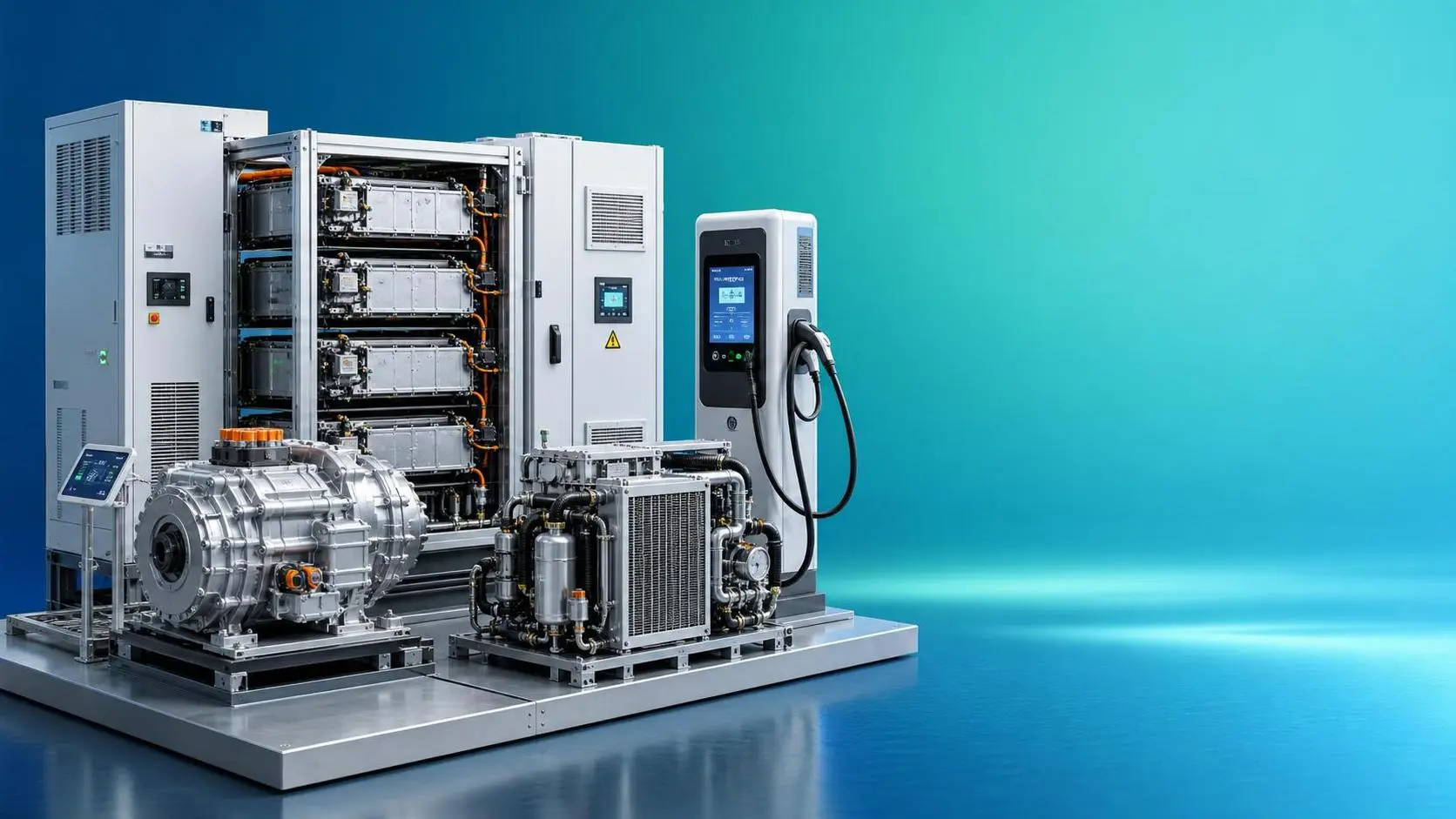
How to Evaluate Decarbonization Technology Suppliers for Industrial Projects
Decarbonization technology suppliers can make or break industrial projects. Learn how to assess technical fit, emissions credibility, delivery risk, and lifecycle value.
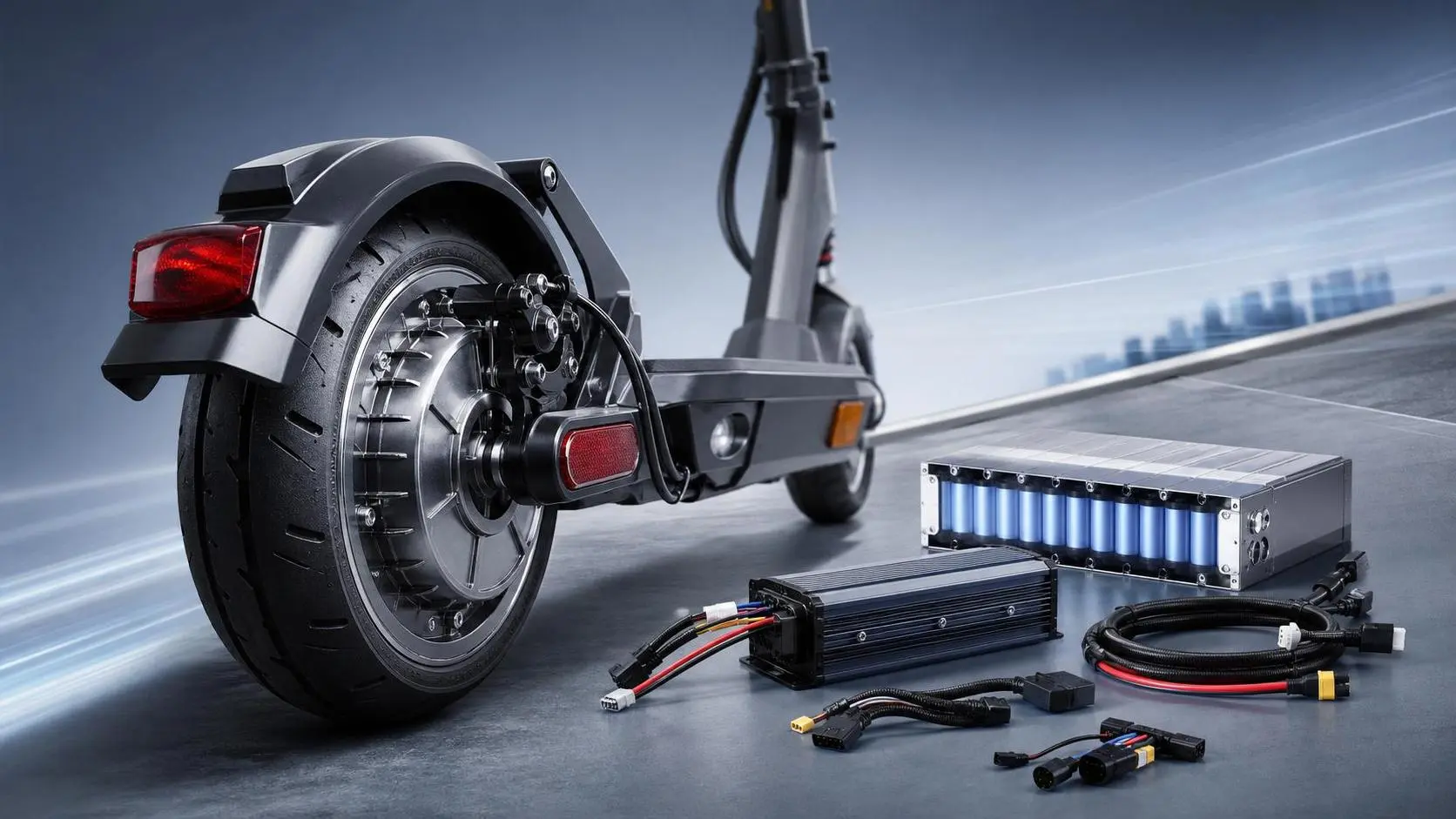
Brushless Motor for Scooters: How to Compare Power, Torque, and Efficiency
Brushless motor for scooters comparison made simple: learn how to evaluate power, torque, and efficiency for better range, stronger climbs, and smarter urban performance.
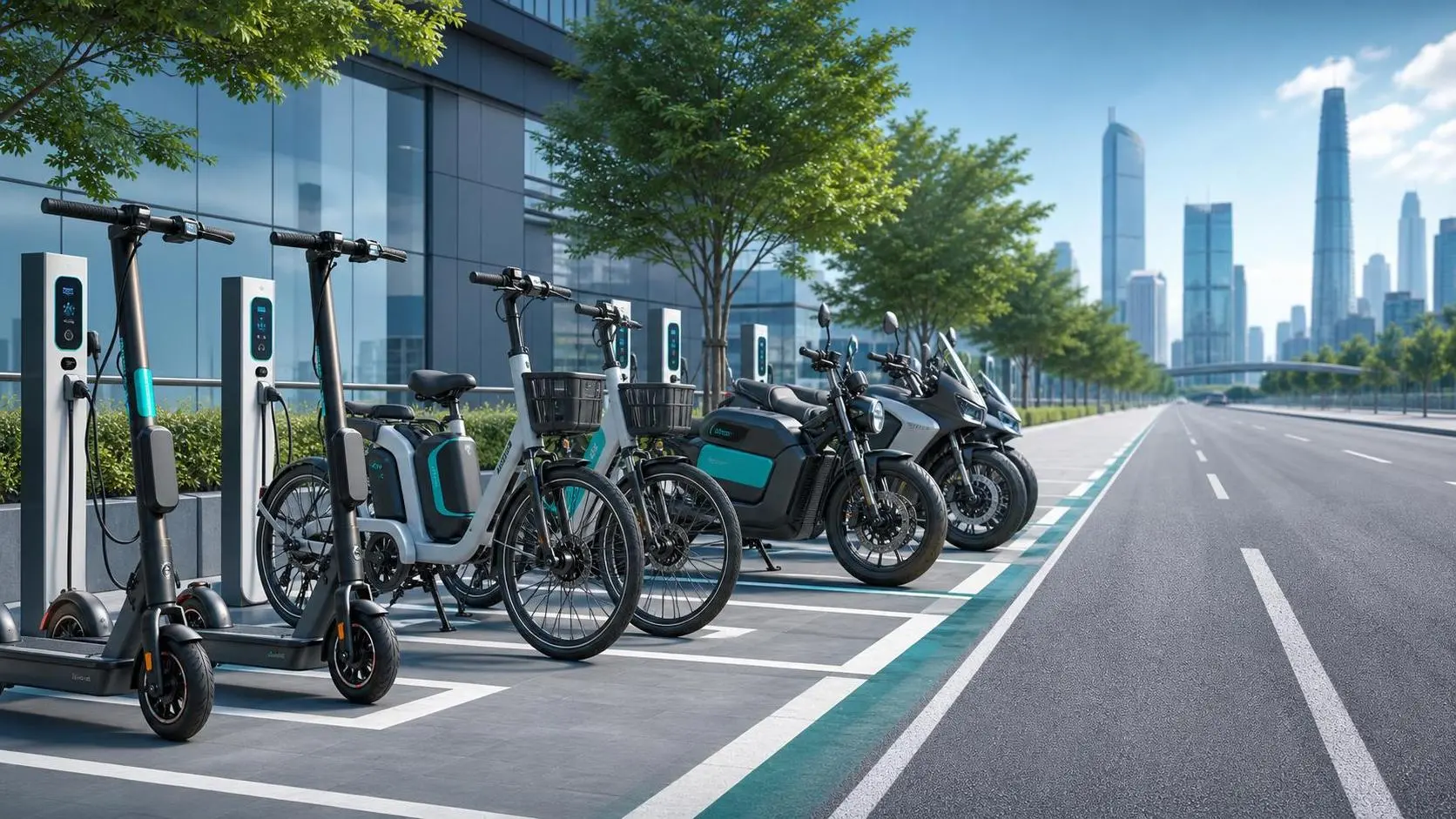
Utility Maximization for Shared Fleets: Which Data Inputs Matter Most?
Utility maximization for shared fleets starts with the right data. Learn which inputs improve allocation, charging, maintenance, and margins in shared mobility.
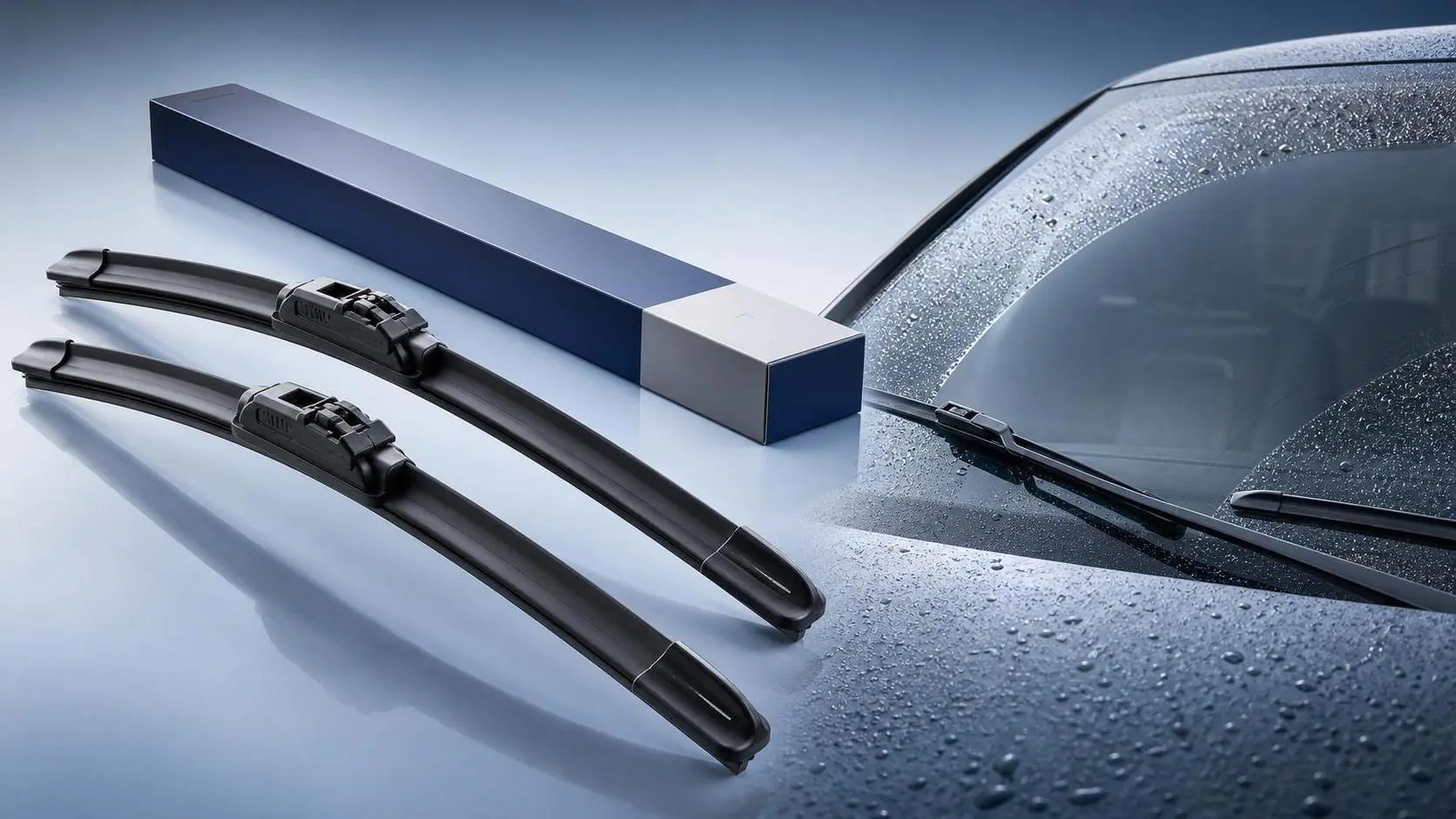
How to Choose OEM Windshield Wipers for Private Label Auto Parts Programs
OEM windshield wipers buying guide for private label auto parts: compare fitment, materials, testing, supplier reliability, and hidden cost risks to build a safer, higher-margin program.

Smart E-Scooter Systems With GPS for Shared Fleets: Features That Matter Most
Smart e-scooter systems with GPS help shared fleets improve compliance, recovery, uptime, and battery planning. See which features matter most before you scale.

Vehicle Visibility Safety for Motorcycles: Common Blind-Spot Risks and Fixes
Vehicle visibility safety for motorcycles explained: discover common blind-spot risks in city, wet, cargo, and high-speed riding, plus practical fixes that improve safety and fleet performance.
Flat Wiper Blades Europe: What to Check Before Choosing OEM or Aftermarket Options
Flat wiper blades Europe buyers should look beyond price. Learn how to compare OEM and aftermarket options by fit, compliance, durability, and supply consistency.
Automatic Smart Wiper Systems Explained: Sensors, Control Logic, and Failure Points
Automatic smart wiper systems explained clearly: explore sensors, control logic, key failure points, and what really determines safer, more reliable windshield visibility.
How to Use a Smart Mobility Supplier Directory to Compare OEM Partners
Smart mobility supplier directory guide: compare OEM partners beyond price by checking compliance, battery integration, lead times, and engineering strength to build a lower-risk shortlist.