
Related News
- 00
0000-00
Brushless Motor for Scooters: How to Compare Power, Torque, and Efficiency - 00
0000-00
E-Bike Application Guide: Which Frame, Motor, and Battery Setup Fits Your Use Case? - 00
0000-00
What Affects Ebike Energy Efficiency? Battery Size, Rider Weight, Terrain, and Speed - 00
0000-00
How to Choose an Electric Bicycle for City Commuting: Range, Motor, and Weight Explained - 00
0000-00
E-Bike Technology Explained: Motor Types, Battery Range, and Control Systems
Micro-Mobility Strategist
Weekly Insights
Stay ahead with our curated technology reports delivered every Monday.
Brushless Motor for Scooters: How to Compare Power, Torque, and Efficiency





A brushless motor for scooters is rarely judged well by rated wattage alone. In real urban use, the better choice depends on how power, torque, thermal stability, and efficiency work together across starts, slopes, stoplights, and repeated short trips.
That is why this topic matters across the wider micro-mobility sector. For platforms tracking e-bikes, smart e-scooters, e-motorcycles, and drivetrain systems, motor evaluation sits at the center of ride quality, battery range, reliability, and product competitiveness.
Within the UMMS view of urban electrification, the motor is not an isolated part. It is linked to controller logic, battery discharge behavior, thermal design, vehicle mass, and the practical demands of low-carbon city transport.
Why scooter motor comparison has become more demanding
The market for electric scooters has matured. Entry-level claims no longer settle technical decisions, because riders and fleet operators expect more than basic movement from a compact drive system.
A brushless motor for scooters now has to support stronger hill starts, quieter operation, predictable acceleration, and better energy use. It also has to survive heat buildup from dense traffic, shared-use abuse, and frequent charge cycles.
Regulation adds another layer. Power limits, top-speed caps, and safety rules vary by region, so the most suitable motor is often the one that delivers usable performance inside legal and thermal boundaries.
This is where technical comparison becomes strategic. The right motor can improve vehicle positioning, reduce warranty exposure, and create a stronger balance between performance headline and everyday operating cost.
What a brushless motor for scooters really needs to deliver
Most scooter drive units use BLDC or PMSM architecture, usually in a hub motor layout. The practical goal is simple: convert battery energy into smooth wheel torque with minimal loss, limited heat, and stable control.
In evaluation work, three questions matter more than brochure language. How much force is available when moving off, how long can that output be sustained, and how much battery energy is consumed doing it?
A strong brushless motor for scooters should therefore be assessed as part of a drive system. Motor constants, winding design, magnet quality, controller tuning, battery voltage sag, and wheel diameter all change the final riding result.
Power is only one layer of the picture
Rated power tells you the continuous output a motor can usually maintain under specified conditions. Peak power indicates short bursts. Neither figure alone explains launch feel, climbing behavior, or efficiency during mixed traffic cycles.
Two scooters can share the same nominal wattage and feel completely different. One may accelerate cleanly from zero, while the other only feels strong after speed rises and current demand stabilizes.
Torque defines usable performance
For urban riding, starting torque and low-speed climbing torque often matter more than top-end output. They determine whether the scooter pulls away confidently with payload, handles ramps, and maintains control in repeated stop-and-go use.
Torque should be read together with wheel radius and controller current limits. A motor with promising torque potential can still feel weak if the controller restricts phase current too aggressively.
Efficiency protects battery value
Efficiency is not just a lab number. For a brushless motor for scooters, it directly affects range, heat generation, battery stress, and charging frequency. In fleets, these factors quickly become operating cost issues.
More important, efficiency changes across the speed and load map. A motor that looks efficient at one test point may lose its advantage under frequent starts, moderate inclines, and partial throttle operation.
How to compare power, torque, and efficiency together
The most useful comparisons come from matched conditions rather than isolated values. Voltage, tire size, payload, ambient temperature, controller settings, and test duration should stay controlled when reviewing different motors.
A practical comparison framework looks like this:
This combined view helps expose tradeoffs. One brushless motor for scooters may deliver impressive launch force, yet suffer early thermal derating. Another may look modest on peak output, but return better range and steadier continuous performance.
Real duty cycles matter more than headline specifications
Scooters rarely operate in a clean, single-point condition. Urban riding means repeated acceleration, brief coasting, light braking, varied rider weight, rough pavement, and changing gradients.
That is why duty-cycle testing is essential. A motor that performs well in a short bench run may behave differently after ten uphill launches, a warm battery enclosure, and current-limited control logic.
For a brushless motor for scooters, realistic validation should include:
- Zero-start acceleration with rider and cargo load.
- Grade climbing at fixed slope and ambient temperature.
- Repeated stop-start cycles over a timed urban route.
- Battery voltage drop behavior at low state of charge.
- Thermal recovery between high-current events.
These tests connect motor data to commercial reality. They reveal how the system behaves when range expectations, rider comfort, and reliability targets all compete at once.
Where system integration changes the answer
The best brushless motor for scooters can underperform in a poorly matched platform. Controller firmware, battery chemistry, BMS current limits, and even tire compound can shift the result enough to change a sourcing decision.
Voltage selection is one example. A higher-voltage system may reduce current for the same power, helping heat management and wiring efficiency. But it also changes cost structure, component selection, and compliance strategy.
Thermal design is another. Hub motors are compact and packaging-friendly, yet they can struggle with heat rejection during extended climbing or fleet abuse. Without proper thermal margins, peak performance becomes a short-lived marketing number.
UMMS often frames this as an intelligence problem, not only a component problem. Strong decisions come from reading motor performance together with battery management logic, urban regulation, and the operating profile of the target vehicle class.
Typical comparison priorities by scooter use case
Different scooters reward different motor characteristics. The same brushless motor for scooters is not ideal for every application, even inside the same city.
This use-case lens prevents overbuying and under-specifying. It is common to see projects chase more peak power when the real issue is low-speed torque, battery sag, or inconsistent heat control.
Practical checks before locking a motor choice
Before final selection, the comparison should move beyond nominal specs and sample impressions. A short checklist helps keep the decision grounded:
- Confirm test conditions behind every published power and torque figure.
- Review efficiency at the speeds most often used in city traffic.
- Check sustained output after heat soak, not only at cold start.
- Match the motor to controller current strategy and battery discharge limits.
- Verify legal speed and power compliance in target markets.
- Assess serviceability, sealing quality, and long-term bearing durability.
When these checks are done well, the selected brushless motor for scooters usually supports more than performance. It strengthens range claims, lowers thermal risk, and makes the full vehicle architecture easier to optimize.
A clearer next step for evaluation
Comparing a brushless motor for scooters is really an exercise in system judgment. Power shows capability, torque shows usability, and efficiency shows whether that capability is sustainable in real operating conditions.
For stronger decisions, build a comparison matrix around actual duty cycles, not sales labels. Use the target vehicle mass, route profile, battery window, controller limits, and thermal environment as the baseline for every review.
That approach fits the broader UMMS perspective on micro-mobility intelligence: better vehicles emerge when electromechanical performance, battery logic, and urban use patterns are assessed as one connected system.
The next useful move is to define the scooter’s real mission profile, then compare motor candidates against the same route, load, slope, and temperature assumptions. That is where meaningful differences start to appear.
Related News
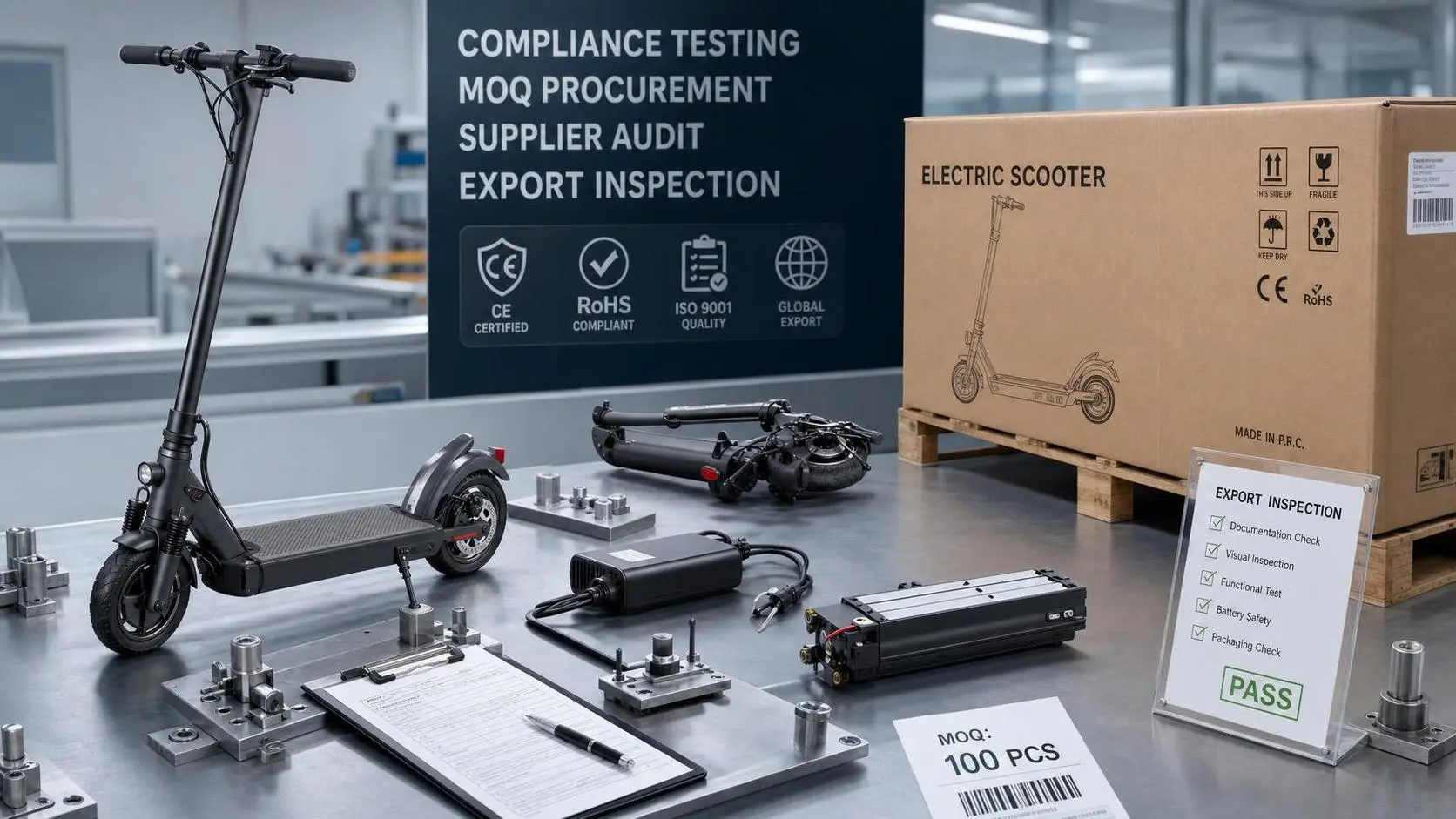
Private Label Electric Scooters in Europe: Compliance, MOQ, and Supplier Checks
Private label electric scooters Europe: learn compliance checks, realistic MOQ structures, and supplier screening tips to reduce risk, protect margins, and launch with confidence.
How to Evaluate Decarbonization Technology Suppliers for Industrial Projects
Decarbonization technology suppliers can make or break industrial projects. Learn how to assess technical fit, emissions credibility, delivery risk, and lifecycle value.
Utility Maximization for Shared Fleets: Which Data Inputs Matter Most?
Utility maximization for shared fleets starts with the right data. Learn which inputs improve allocation, charging, maintenance, and margins in shared mobility.
How to Choose OEM Windshield Wipers for Private Label Auto Parts Programs
OEM windshield wipers buying guide for private label auto parts: compare fitment, materials, testing, supplier reliability, and hidden cost risks to build a safer, higher-margin program.

Smart E-Scooter Systems With GPS for Shared Fleets: Features That Matter Most
Smart e-scooter systems with GPS help shared fleets improve compliance, recovery, uptime, and battery planning. See which features matter most before you scale.

Vehicle Visibility Safety for Motorcycles: Common Blind-Spot Risks and Fixes
Vehicle visibility safety for motorcycles explained: discover common blind-spot risks in city, wet, cargo, and high-speed riding, plus practical fixes that improve safety and fleet performance.
Flat Wiper Blades Europe: What to Check Before Choosing OEM or Aftermarket Options
Flat wiper blades Europe buyers should look beyond price. Learn how to compare OEM and aftermarket options by fit, compliance, durability, and supply consistency.
Automatic Smart Wiper Systems Explained: Sensors, Control Logic, and Failure Points
Automatic smart wiper systems explained clearly: explore sensors, control logic, key failure points, and what really determines safer, more reliable windshield visibility.
How to Use a Smart Mobility Supplier Directory to Compare OEM Partners
Smart mobility supplier directory guide: compare OEM partners beyond price by checking compliance, battery integration, lead times, and engineering strength to build a lower-risk shortlist.