
Related News
- 00
0000-00
Urban Transport Planning Basics: How Cities Match Mobility Options to Trip Demand - 00
0000-00
How to Evaluate Decarbonization Technology Suppliers for Industrial Projects - 00
0000-00
Vehicle Visibility Safety for Motorcycles: Common Blind-Spot Risks and Fixes - 00
0000-00
How to Use a Smart Mobility Supplier Directory to Compare OEM Partners - 00
0000-00
Bicycle Supplier Reference Guide: How to Compare OEM Capacity, QC, and Lead Times
Ms. Elena Rodriguez
Weekly Insights
Stay ahead with our curated technology reports delivered every Monday.
Urban Transport Planning Basics: How Cities Match Mobility Options to Trip Demand





Urban transport planning is the practical work of matching how people need to move with the modes a city can support. That sounds simple, but real trip demand is uneven, time-sensitive, and shaped by cost, distance, weather, street design, and policy. When the match is good, cities move more people with less congestion. When the match is poor, even expensive infrastructure underperforms.
This topic matters more now because travel demand is fragmenting. Commuters still rely on buses, rail, and cars, yet short urban trips are increasingly shifting toward e-bikes, smart e-scooters, walking, and other low-emission options. In that context, urban transport planning is no longer only about major corridors. It is also about the last mile, curb access, charging, safety, and how smaller modes connect with larger systems.
What Cities Are Really Planning For
At its core, urban transport planning is demand management through network design. Cities are not just choosing vehicles. They are choosing how streets, stations, lanes, sidewalks, signals, and regulations work together.
Trip demand varies by purpose. Work commutes need reliability at peak hours. Shopping trips need flexible access. School trips require safety. Leisure travel often tolerates slower speeds but values comfort and convenience.
That is why one mode cannot solve every movement need. Heavy rail can absorb large passenger volumes. Buses spread access more widely. Cycling covers short and medium distances efficiently. Shared micro-mobility can fill access gaps that fixed-route transit cannot cover well.
The logic of mode matching
The most useful question is not which mode is best in general. It is which mode performs best for a specific trip pattern. Distance, density, topography, speed expectation, and transfer tolerance all affect that answer.
A dense corridor with predictable flows may justify bus rapid transit or metro investment. A neighborhood with scattered origins and short trips may benefit more from protected bike lanes and e-scooter access points.
Why Micro-Mobility Has Moved to the Center
For years, urban transport planning treated small vehicles as peripheral. That view is changing. E-bikes and smart e-scooters are now credible tools for short-distance commuting, feeder trips, and replacing some low-occupancy car journeys.
Their value is strongest where the gap between origin and transit is too far to walk comfortably, but too short to justify driving. This is the operating space of the last-mile economy.
UMMS tracks this shift closely through its focus on e-bikes, smart e-scooters, high-speed e-motorcycles, and precision drivetrain systems. That perspective is useful because mode planning increasingly depends on technical details once considered secondary, such as battery management, component durability, vehicle visibility, and connected control systems.
Technology now affects planning outcomes
Urban transport planning used to separate infrastructure decisions from component technology. In practice, they now interact. Better batteries extend practical range. Smarter IoT modules improve fleet management. More reliable braking, shifting, and power delivery affect safety and user confidence.
Even systems like advanced wiper solutions matter in all-weather urban fleets. Poor visibility reduces service reliability, especially in delivery and shared mobility operations. Technical performance can therefore influence mode adoption at street level.
How Demand Patterns Shape Mode Choice
Cities do not face one single travel market. They manage overlapping demand layers. Understanding those layers is basic to effective urban transport planning.
This is where urban transport planning becomes less ideological and more operational. The aim is not to force every traveler into one preferred mode. The aim is to reduce mismatch.
Common Failure Points in Urban Networks
Many transport systems struggle not because the main mode is wrong, but because the connections around it are weak. A rail line can be fast, yet lose riders if station access is unsafe or inconvenient.
The same applies to micro-mobility. Shared scooters may launch successfully, then fail if parking rules are vague, riding space is inconsistent, or charging logistics are poorly managed. Urban transport planning has to account for operational friction, not just deployment counts.
Issues that often distort demand
- Infrastructure is designed for average demand, while peak demand drives user experience.
- Travel models underestimate short trips that could shift to e-bikes or scooters.
- Policies treat vehicles and street space separately, creating regulatory conflict.
- Weather resilience, visibility, and maintenance are ignored in fleet planning.
- Component reliability is overlooked, even though downtime reduces effective supply.
These issues explain why some cities expand mobility choices without improving mobility outcomes. More modes do not automatically create better access.
Where Business Intelligence Becomes Useful
Urban transport planning now sits closer to industrial and technical decision-making than before. Vehicle specifications, battery safety, drivetrain efficiency, sharing regulations, and subsidy structures all shape what can scale.
That is why intelligence platforms such as UMMS have practical relevance beyond product news. Their value lies in linking policy shifts, component evolution, and real-world urban demand. An e-bike boom in one market may reflect not only consumer preference, but also lane provision, import rules, and charging patterns.
The same applies to high-speed e-motorcycles. In some cities, they fit longer suburban corridors better than scooters. In others, right-of-way limits, safety standards, or parking constraints reduce their role. Urban transport planning has to read these local signals carefully.
A Practical Way to Read a City’s Mobility Mix
A useful assessment starts with trip length and street conditions, then moves into regulation and operating economics. This keeps urban transport planning grounded in behavior rather than assumption.
Key questions to test
- What share of trips are under five kilometers?
- Where do first-mile and last-mile gaps reduce transit use?
- Which corridors have demand for protected cycling or scooter lanes?
- How do weather, slope, and road quality affect vehicle choice?
- Are charging, swapping, and parking systems mature enough to support growth?
- Do local rules encourage integration or create friction between modes?
This framework helps separate genuine demand from temporary hype. It also clarifies where micro-mobility is a core transport layer and where it remains a niche supplement.
What to Watch Next
The next phase of urban transport planning will be shaped by integration quality. The strongest systems will not be those with the most modes on paper. They will be the ones that coordinate infrastructure, software, vehicle engineering, and policy with fewer gaps.
For that reason, the most useful next step is to map demand with more precision. Look at short-trip volumes, transfer pain points, fleet reliability, and low-carbon policy signals together. Then compare how buses, cycling, e-bikes, smart e-scooters, and higher-speed electric two-wheelers fit those conditions.
Urban transport planning works best when it treats mobility as a connected system rather than a list of vehicles. That perspective makes it easier to judge investments, understand market direction, and identify where new micro-mobility solutions can create durable value.
Related News
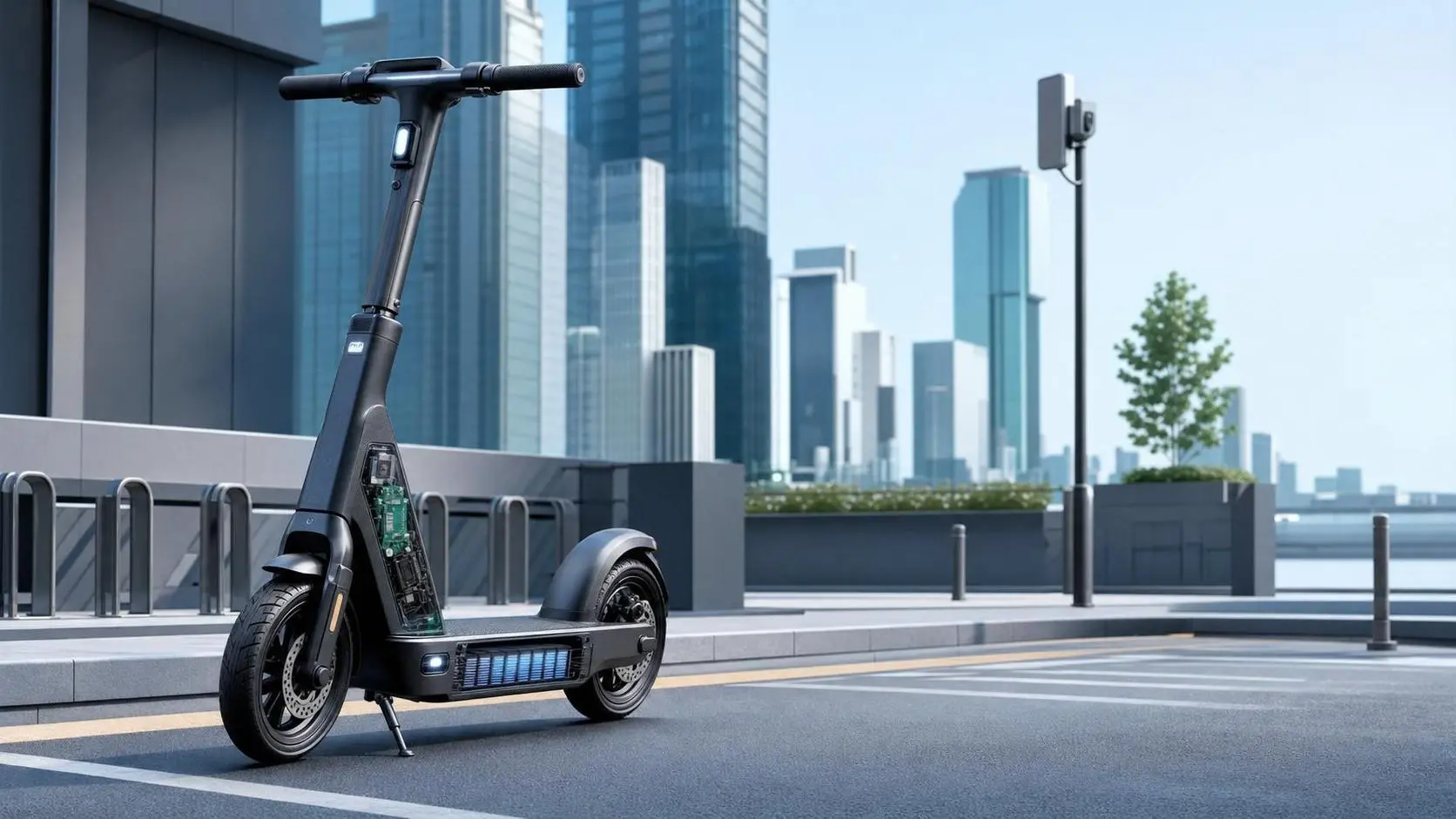
IoT Scooter Tracking System Explained: GPS Accuracy, Battery Use, and Data Integration
IoT scooter tracking system guide covering GPS accuracy, battery efficiency, connectivity, and data integration—learn what drives reliable micro-mobility performance.
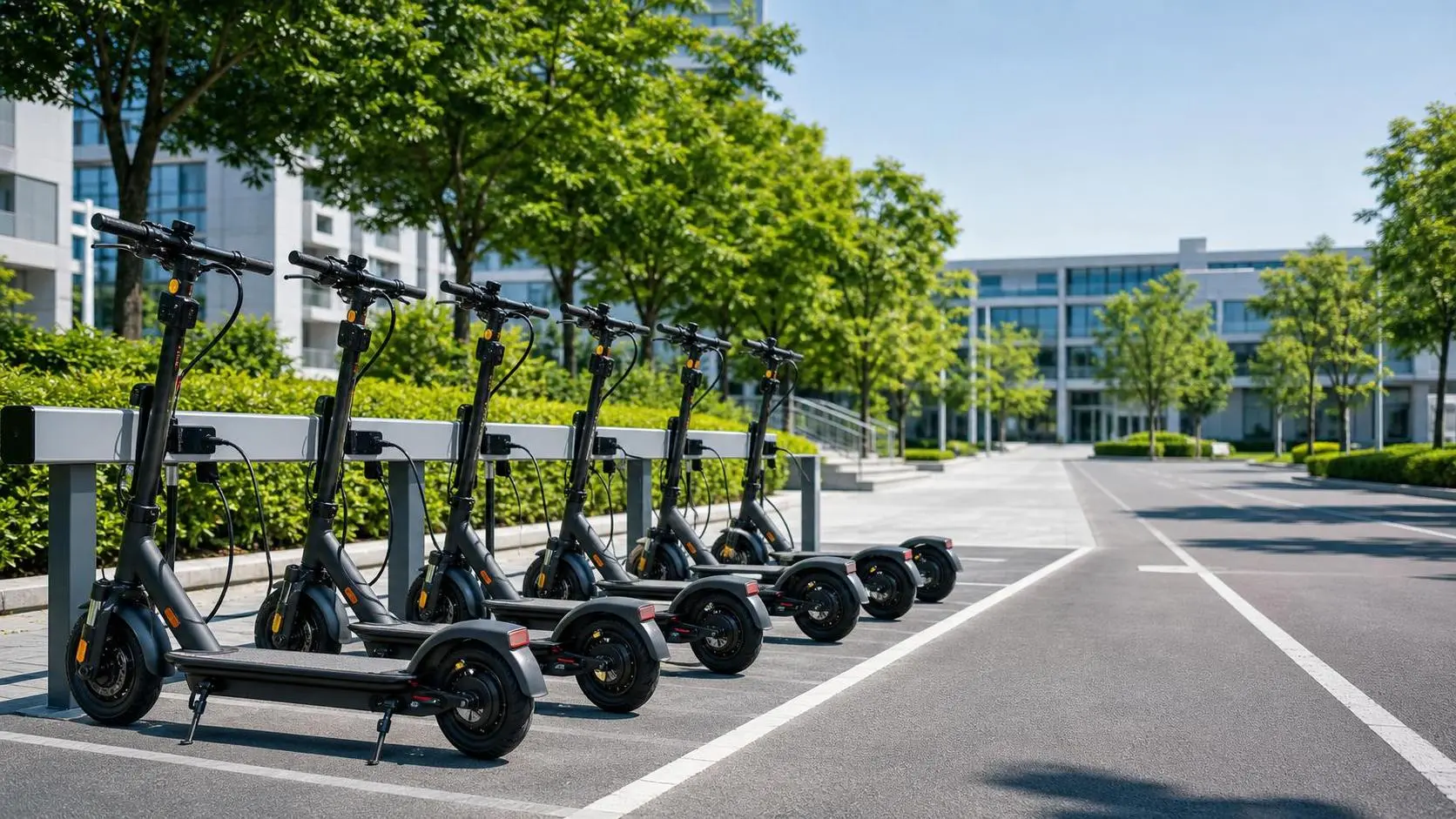
Urban Transport Scooters for Campuses: What to Consider for Safety, Charging, and Fleet Size
Urban transport scooters for campuses require more than the right vehicle. Learn how to improve safety, plan charging, and size fleets for reliable, scalable campus mobility.
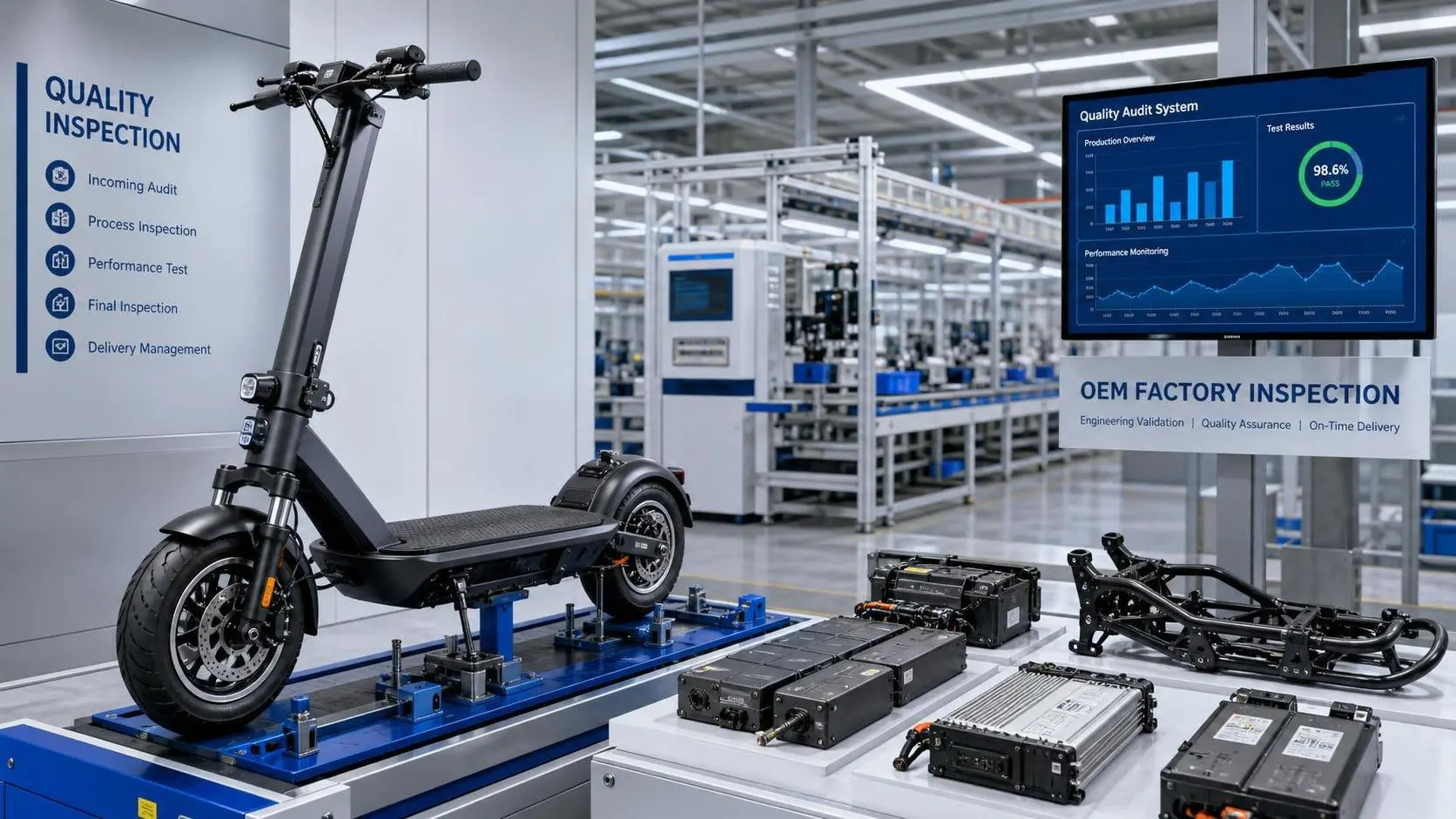
How to Evaluate an E Scooter Sourcing Factory for OEM Quality and Lead Time
e scooter sourcing factory evaluation guide for OEM buyers: learn how to verify quality systems, engineering strength, compliance, and lead time reliability before placing volume orders.
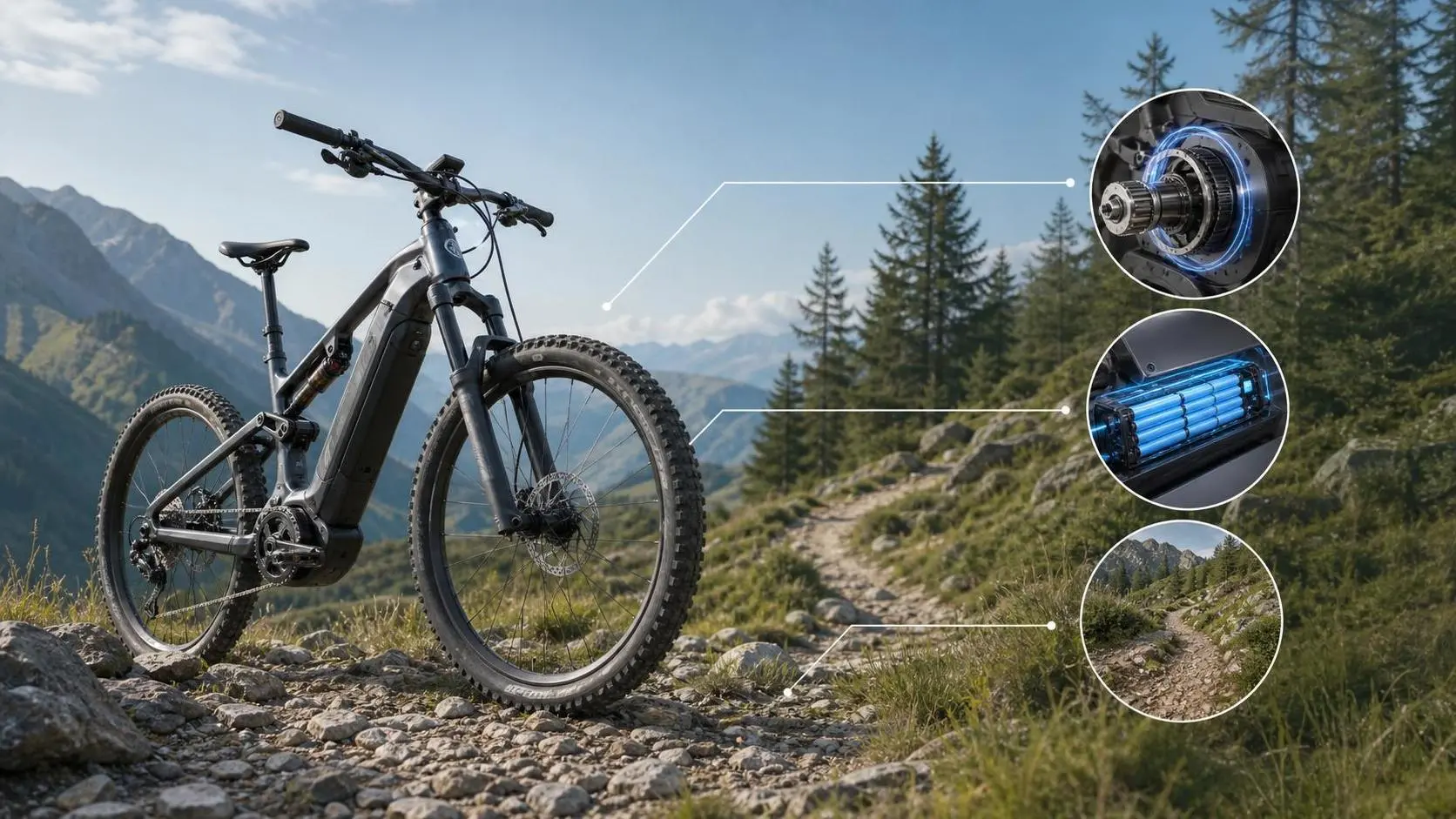
Electric Mountain Bike Buying Guide: Motor Torque, Battery Range, and Trail Fit
Electric mountain bike buying guide covering motor torque, battery range, and trail fit. Compare key specs, avoid costly mistakes, and choose the right e-MTB for your riding style.
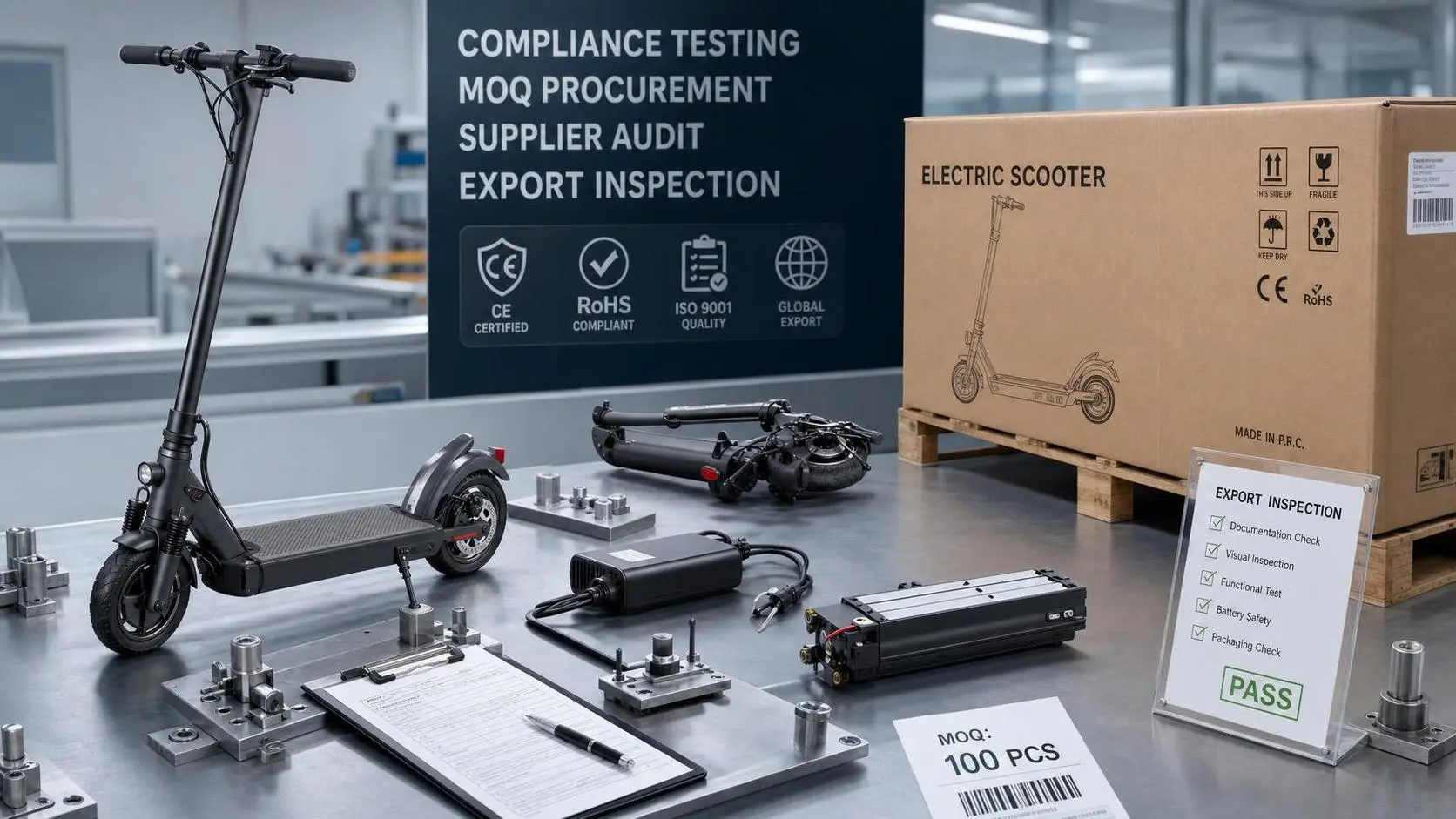
Private Label Electric Scooters in Europe: Compliance, MOQ, and Supplier Checks
Private label electric scooters Europe: learn compliance checks, realistic MOQ structures, and supplier screening tips to reduce risk, protect margins, and launch with confidence.
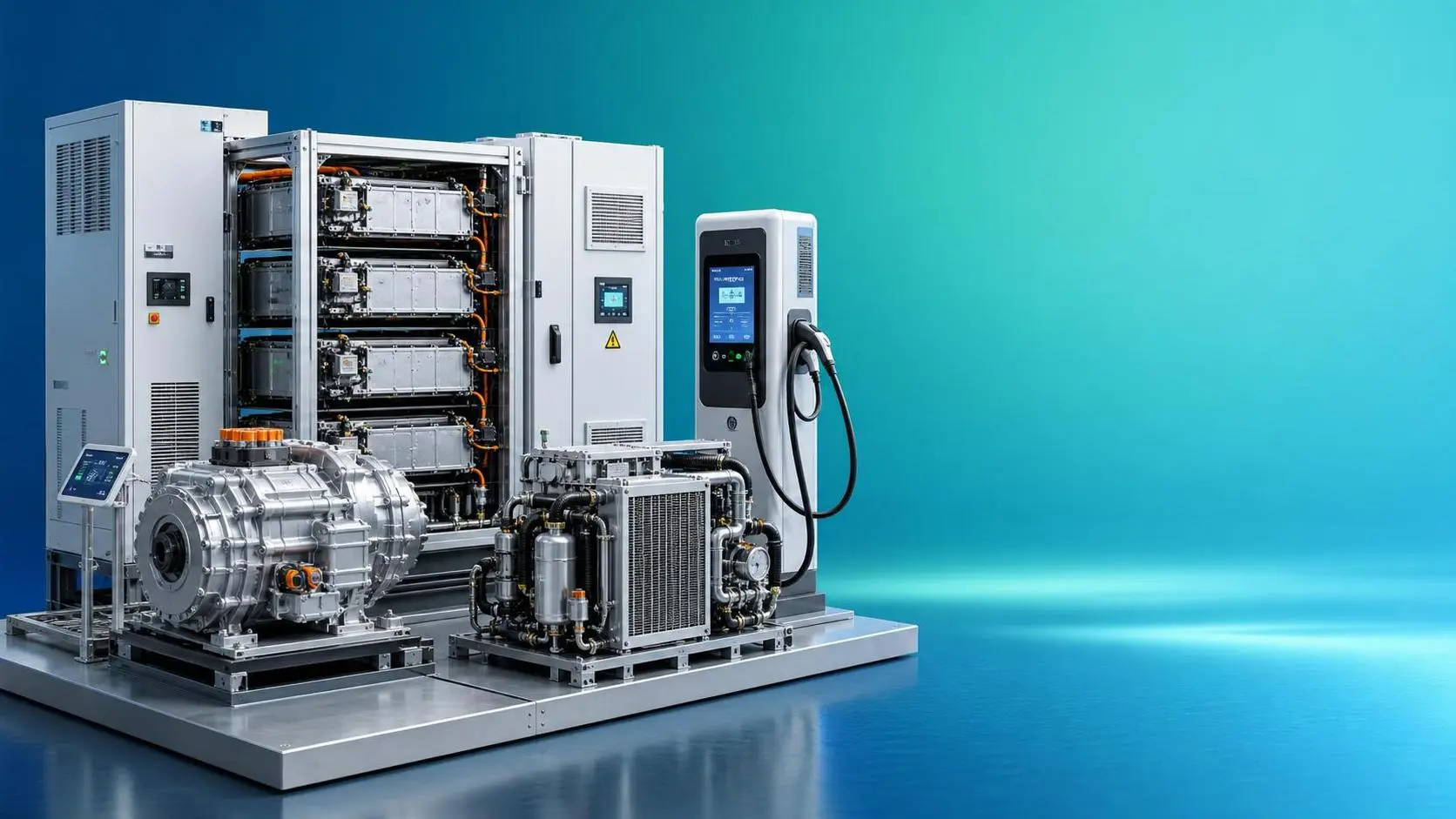
How to Evaluate Decarbonization Technology Suppliers for Industrial Projects
Decarbonization technology suppliers can make or break industrial projects. Learn how to assess technical fit, emissions credibility, delivery risk, and lifecycle value.
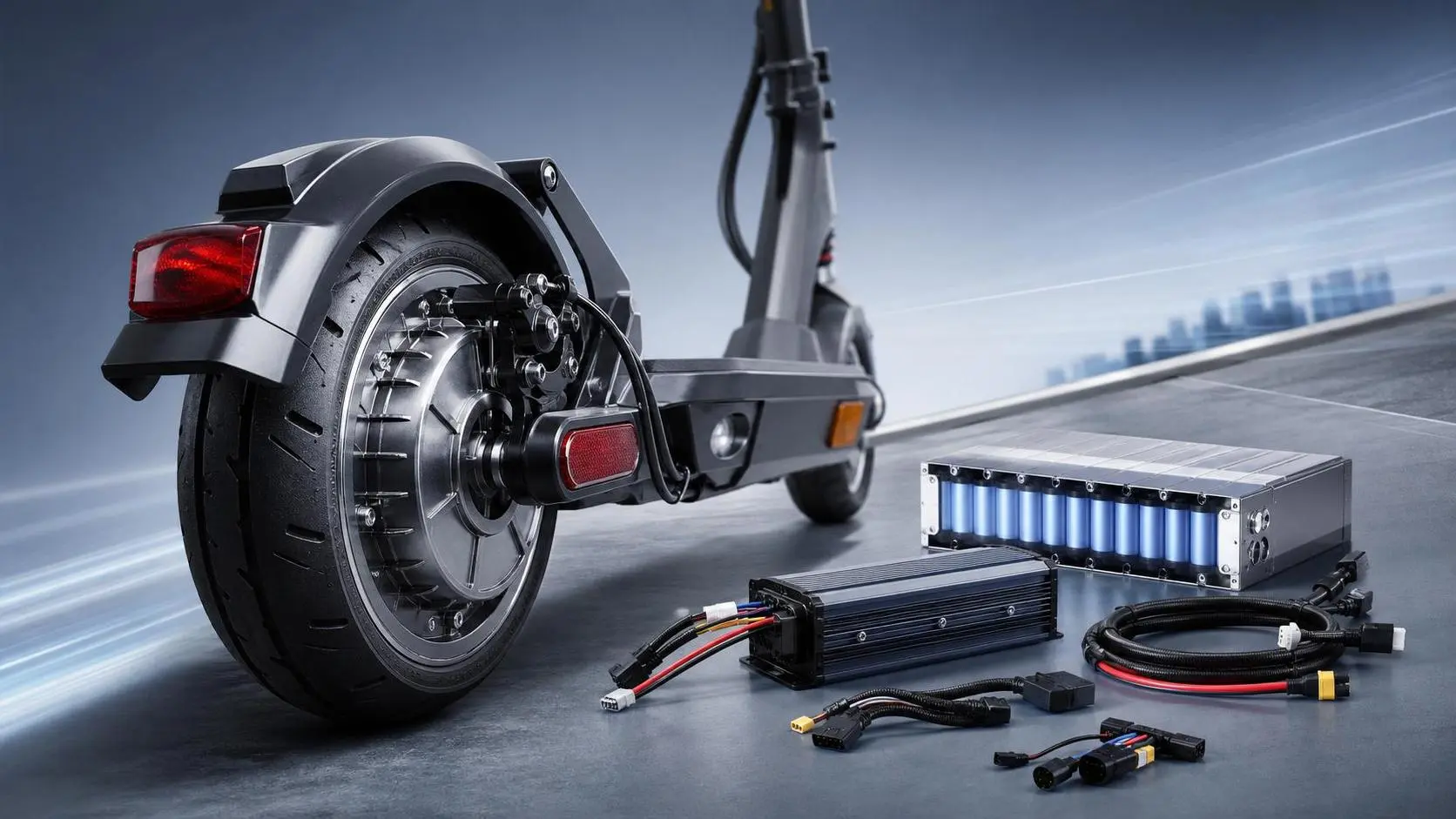
Brushless Motor for Scooters: How to Compare Power, Torque, and Efficiency
Brushless motor for scooters comparison made simple: learn how to evaluate power, torque, and efficiency for better range, stronger climbs, and smarter urban performance.
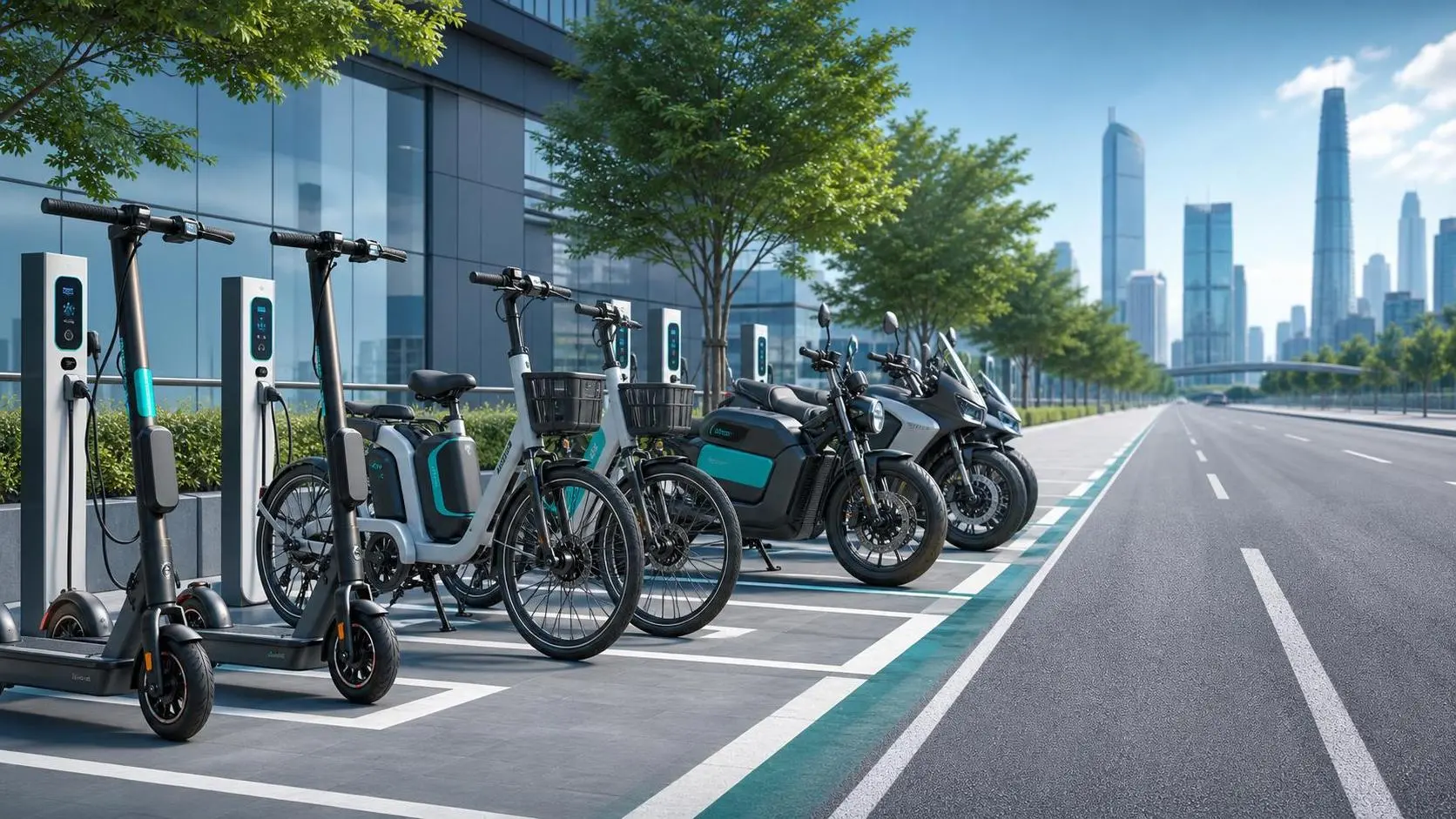
Utility Maximization for Shared Fleets: Which Data Inputs Matter Most?
Utility maximization for shared fleets starts with the right data. Learn which inputs improve allocation, charging, maintenance, and margins in shared mobility.

How to Choose OEM Windshield Wipers for Private Label Auto Parts Programs
OEM windshield wipers buying guide for private label auto parts: compare fitment, materials, testing, supplier reliability, and hidden cost risks to build a safer, higher-margin program.