
Related News
- 00
0000-00
How to Evaluate Decarbonization Technology Suppliers for Industrial Projects - 00
0000-00
Vehicle Visibility Safety for Motorcycles: Common Blind-Spot Risks and Fixes - 00
0000-00
How to Use a Smart Mobility Supplier Directory to Compare OEM Partners - 00
0000-00
Bicycle Supplier Reference Guide: How to Compare OEM Capacity, QC, and Lead Times - 00
0000-00
What Makes a Last-Mile Revolution Provider Worth Evaluating for Urban Delivery Projects?
Ms. Elena Rodriguez
Weekly Insights
Stay ahead with our curated technology reports delivered every Monday.
How to Evaluate Decarbonization Technology Suppliers for Industrial Projects





Choosing among decarbonization technology suppliers has become a core project decision, not a late-stage procurement task. In industrial programs, the supplier choice now shapes capex, commissioning speed, permit confidence, and the credibility of reported emissions outcomes. That is especially true in fast-evolving low-carbon sectors such as micro-mobility, where battery systems, electric drivetrains, thermal management, and digital control layers must work as one operating system rather than as isolated components.
For organizations tracking electrified transport and urban systems, this shift is already visible. UMMS follows how e-bikes, smart e-scooters, high-speed e-motorcycles, and precision drivetrain components are being pushed by policy, congestion, and carbon targets. In that environment, evaluating decarbonization technology suppliers means looking beyond product claims and asking whether a supplier can support a bankable, durable industrial result.
Why supplier evaluation now carries more weight
Decarbonization projects used to be judged mainly by nameplate performance. Today, that is too narrow. Most industrial sites are balancing energy efficiency, compliance reporting, grid constraints, digital integration, and long-term operating economics at the same time.
A motor upgrade, battery pack line, charging platform, heat recovery system, or process electrification package may all promise lower emissions. The real question is whether the chosen supplier can deliver those results under actual operating conditions.
This matters across sectors, but it is highly visible in two-wheeler electrification. A strong battery management supplier, for example, affects range stability, thermal safety, warranty exposure, and carbon intensity across the asset lifecycle.
What counts as a decarbonization technology supplier
The term covers more than clean-energy equipment vendors. Decarbonization technology suppliers may provide hardware, software, engineering services, controls, analytics, or integrated systems that reduce emissions directly or improve energy productivity.
In industrial projects, common categories include electrification systems, battery platforms, thermal management solutions, lightweight materials, power electronics, charging infrastructure, energy monitoring tools, and process optimization software.
In the UMMS context, the list expands naturally. Suppliers may support e-bike motors, electronic shifting, smart sensor modules, brushless wiper systems, connected scooter fleets, or high-speed e-motorcycle battery-swapping architecture. Each category has a different risk profile.
Start with technical fit, not marketing fit
The first screen should be technical compatibility with the project scope. A supplier can have a strong brand, good financing, and polished case studies, yet still be wrong for the duty cycle, operating environment, or integration architecture.
Questions that expose technical fit
- Can the system meet required output under real load, not only lab conditions?
- Does it integrate with existing SCADA, ERP, MES, telematics, or fleet platforms?
- How does performance change across temperature, vibration, humidity, or usage extremes?
- Are key subsystems modular, repairable, and upgradeable?
- What are the known failure modes and how are they monitored?
For micro-mobility and electric powertrain projects, this step is critical. Thermal behavior, charging logic, electromagnetic interference, and software response times can be as important as rated efficiency.
Check whether emissions claims are measurable
Not all decarbonization technology suppliers measure carbon impact with the same discipline. Some provide robust baselines, operating assumptions, and verification methods. Others rely on generic reductions that weaken once the project reaches audit, subsidy, or investor review.
A credible supplier should explain how emissions reductions are calculated, what boundary conditions are used, and which variables can erode the forecast. That includes power source assumptions, utilization rates, maintenance intervals, and replacement cycles.
This discipline is increasingly relevant where subsidy programs, public tenders, and ESG disclosures are linked to measurable decarbonization performance.
Delivery capability often decides the real project outcome
A technically capable supplier can still create project risk if delivery is unstable. Industrial schedules are sensitive to long-lead components, firmware revisions, certification delays, and upstream material shortages.
That is why supplier evaluation should include operational readiness. The review should cover manufacturing capacity, quality control maturity, spare parts planning, field service coverage, and escalation speed during commissioning.
Signals worth checking early
- Reference projects with similar scale and complexity
- Documented FAT, SAT, and commissioning procedures
- Clear ownership of software updates and cybersecurity patches
- Regional service response and multilingual support depth
- Supplier visibility into tier-two and tier-three component risk
For global mobility supply chains, this is not a minor detail. Battery cells, semiconductors, magnets, precision bearings, and sensor modules can all become schedule bottlenecks.
Look at lifecycle value, not just acquisition cost
The cheapest proposal can become the most expensive after deployment. Strong decarbonization technology suppliers usually present a more complete cost picture, including downtime risk, maintenance burden, efficiency decay, software support, warranty structure, and replacement timing.
This is especially important in electrified mobility systems. A lower upfront battery solution may underperform in cycle life, thermal resilience, or charging speed, which then affects fleet availability and total carbon performance.
A practical comparison should combine total cost of ownership with total emissions effect. That allows decision-makers to avoid false savings that weaken both operating margins and carbon targets.
Sector context changes the evaluation criteria
There is no universal scorecard for all decarbonization technology suppliers. The right framework depends on the industrial setting, regulatory path, and performance sensitivity of the asset being installed.
In urban micro-mobility, several issues deserve extra scrutiny. Battery management logic affects safety and usable energy. Lightweight material choices influence range and manufacturability. Connected controls shape predictive maintenance, fleet uptime, and policy compliance.
UMMS tracks these intersections because low-carbon mobility is no longer only a vehicle story. It is also a systems story involving data, thermal design, drivetrain efficiency, urban policy, and service infrastructure.
Examples of sector-specific checks
- E-bikes: motor efficiency curve, controller reliability, battery certification path
- Smart e-scooters: IoT stability, tamper resistance, fleet diagnostics quality
- High-speed e-motorcycles: thermal management, fast charging impact, swap readiness
- Precision components: durability tolerance, electronic response, material traceability
Build a supplier review process that can survive scrutiny
A useful evaluation process should be simple enough to run, but structured enough to defend. That usually means combining technical review, commercial review, and decarbonization review into one decision record.
Scoring models help, but only when criteria are tied to project reality. Weighted categories often work well when they reflect integration complexity, emissions materiality, schedule risk, and lifecycle economics.
Shortlisting decarbonization technology suppliers should also include a proof layer. This can be a pilot, digital twin simulation, audited case data, or a staged performance guarantee linked to measured outcomes.
A practical decision sequence
- Define the emissions, performance, and schedule targets together
- Screen suppliers for technical fit and certification readiness
- Validate carbon methodology and data transparency
- Stress-test delivery, service, and supply chain resilience
- Compare lifecycle value using common assumptions
- Use a pilot or milestone-based guarantee where uncertainty remains
What to do next
The most effective next step is to turn supplier evaluation into a disciplined project workstream. Start with the operating scenario, not the brochure. Then map which claims must be proven before final award.
For teams working around electrified transport, energy systems, and low-carbon urban infrastructure, market intelligence also matters. Supplier quality is shaped by regulation, subsidy design, component trends, and technology maturity across regions.
That is where sector-focused insight becomes valuable. Tracking how decarbonization technology suppliers perform across e-bikes, e-scooters, e-motorcycles, connected components, and supporting systems can sharpen assumptions before capital is committed.
A strong evaluation framework will not remove every project risk. It will, however, make tradeoffs visible early, reveal weak claims quickly, and improve the odds that the selected supplier can meet both industrial and decarbonization objectives.
- urban micro-mobility
- e-bikes
- smart e-scooters
- high-speed e-motorcycles
- two-wheeler electrification
- wiper systems
- electric powertrain
- battery management
- low-carbon mobility
- thermal management
- precision drivetrain
- decarbonization technology
- electronic shifting
- micro-mobility
- precision drivetrain components
- thermal management solutions
- battery management supplier
- decarbonization technology suppliers
Related News
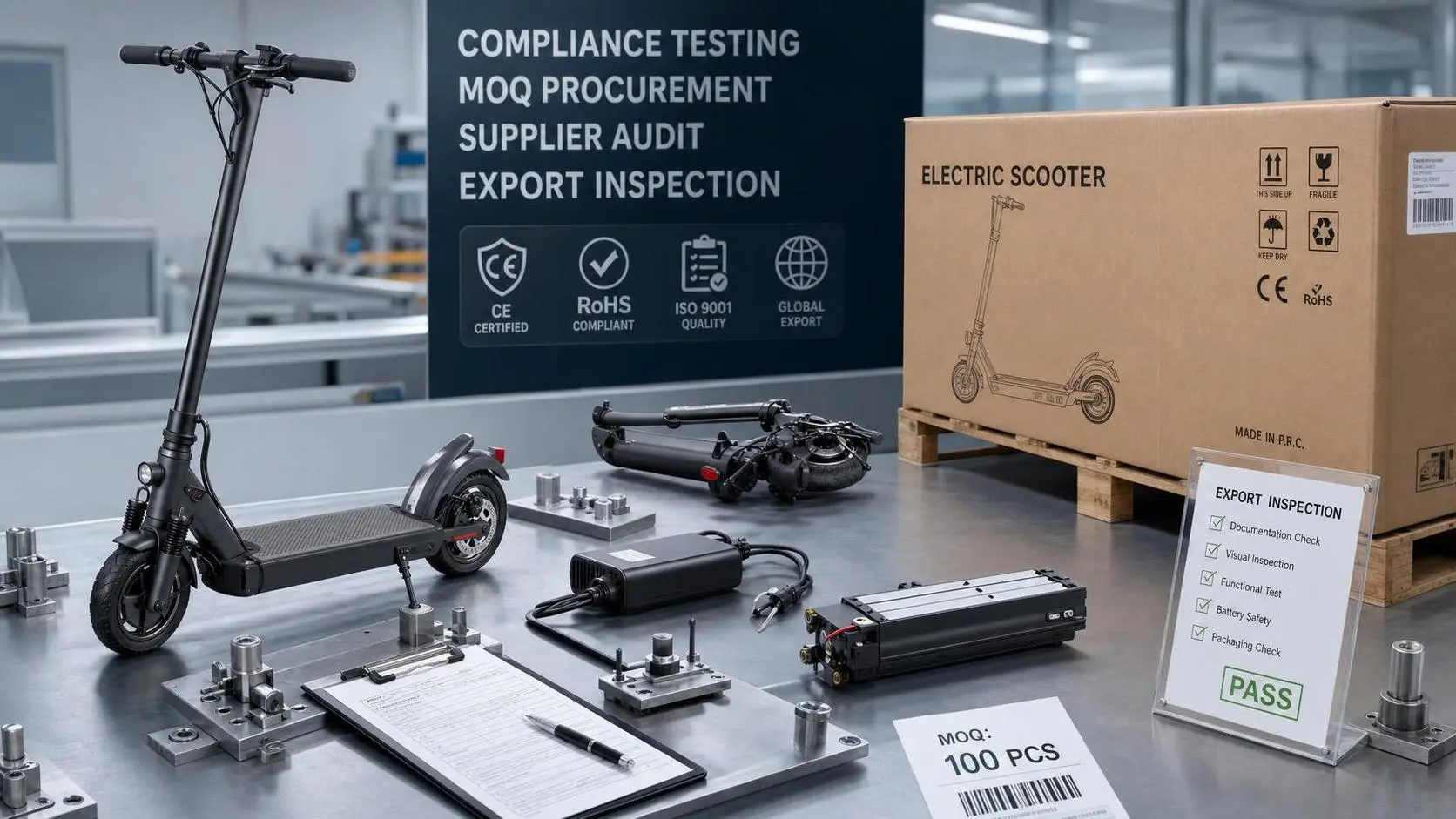
Private Label Electric Scooters in Europe: Compliance, MOQ, and Supplier Checks
Private label electric scooters Europe: learn compliance checks, realistic MOQ structures, and supplier screening tips to reduce risk, protect margins, and launch with confidence.
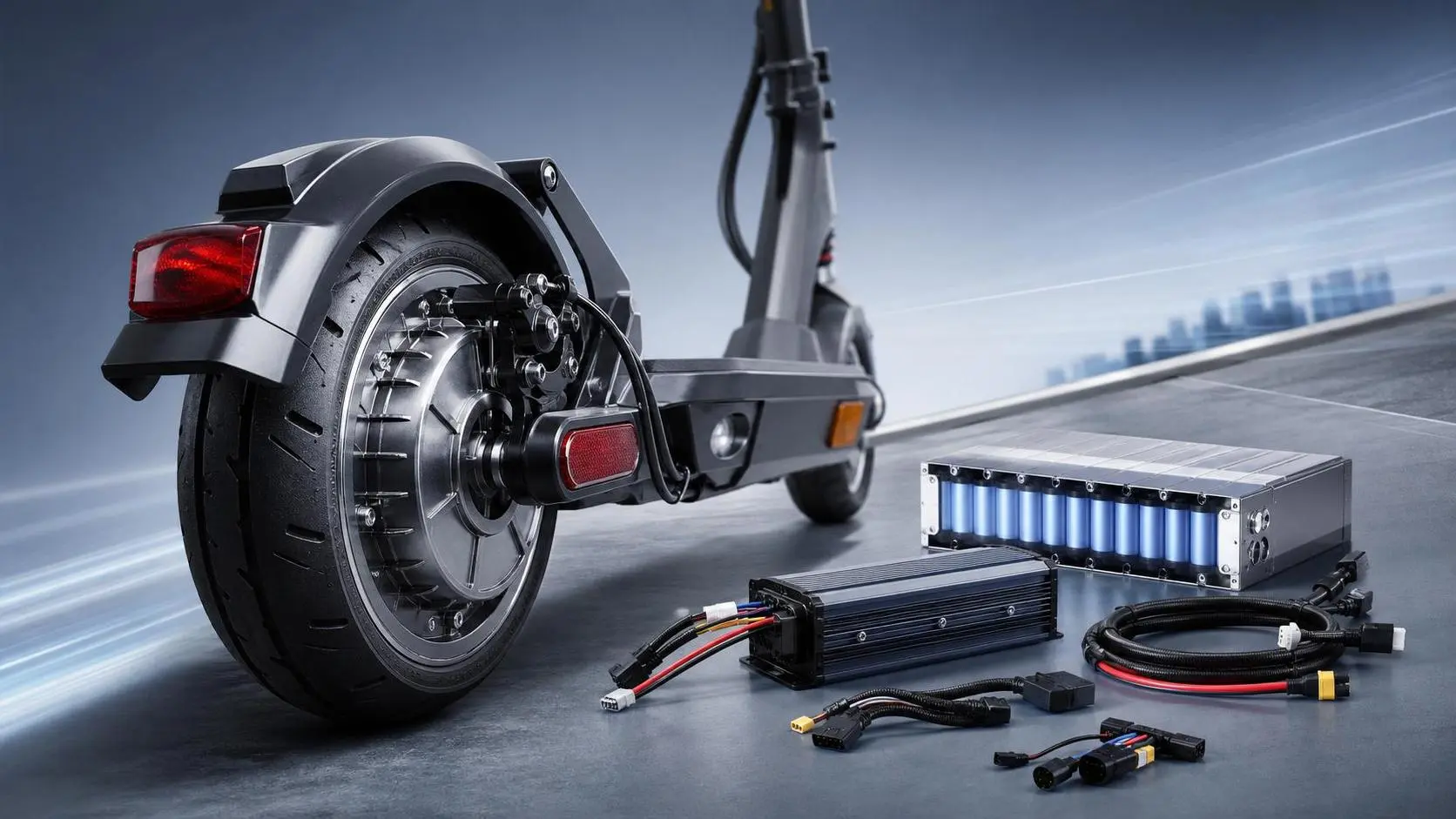
Brushless Motor for Scooters: How to Compare Power, Torque, and Efficiency
Brushless motor for scooters comparison made simple: learn how to evaluate power, torque, and efficiency for better range, stronger climbs, and smarter urban performance.
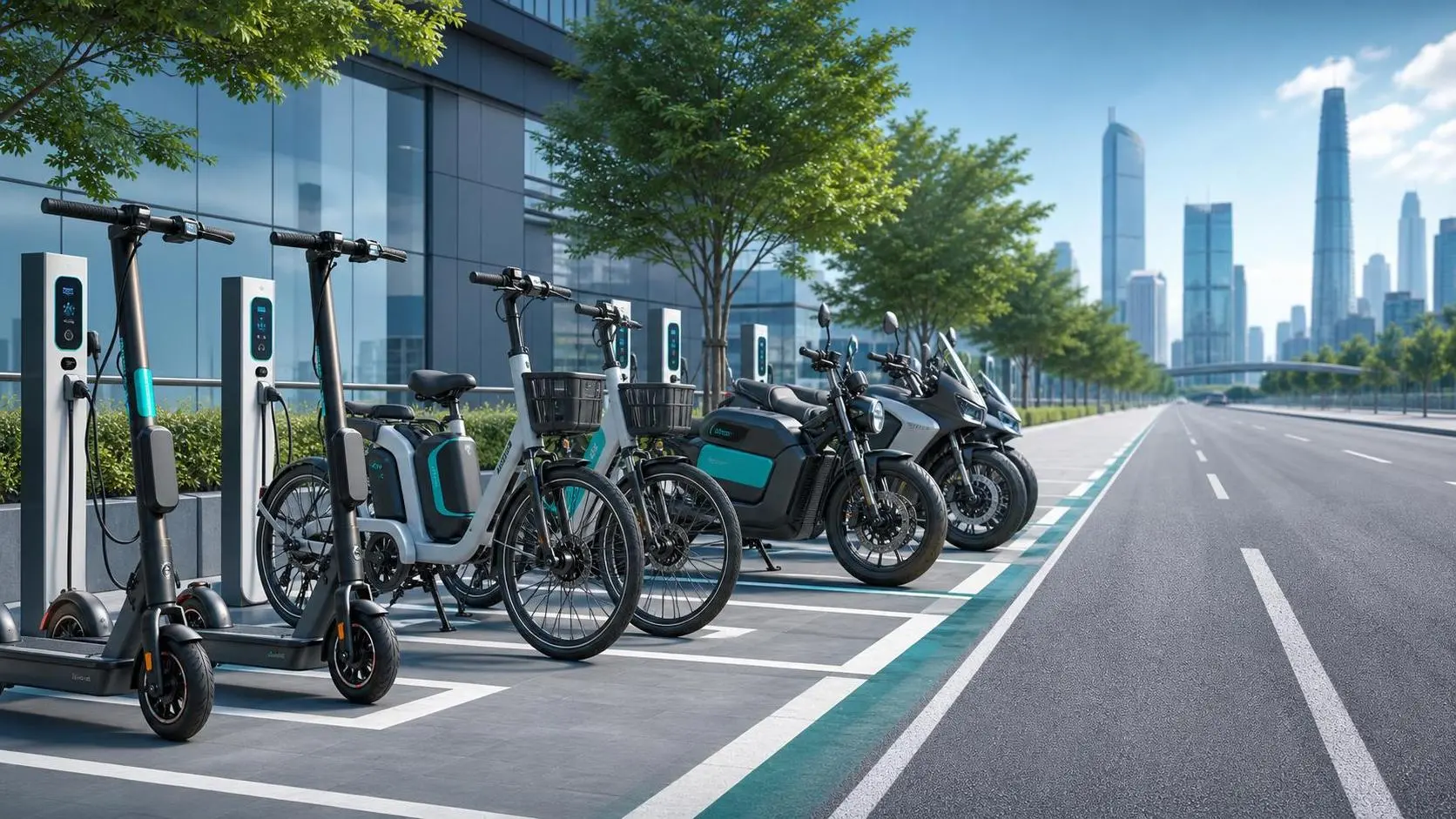
Utility Maximization for Shared Fleets: Which Data Inputs Matter Most?
Utility maximization for shared fleets starts with the right data. Learn which inputs improve allocation, charging, maintenance, and margins in shared mobility.
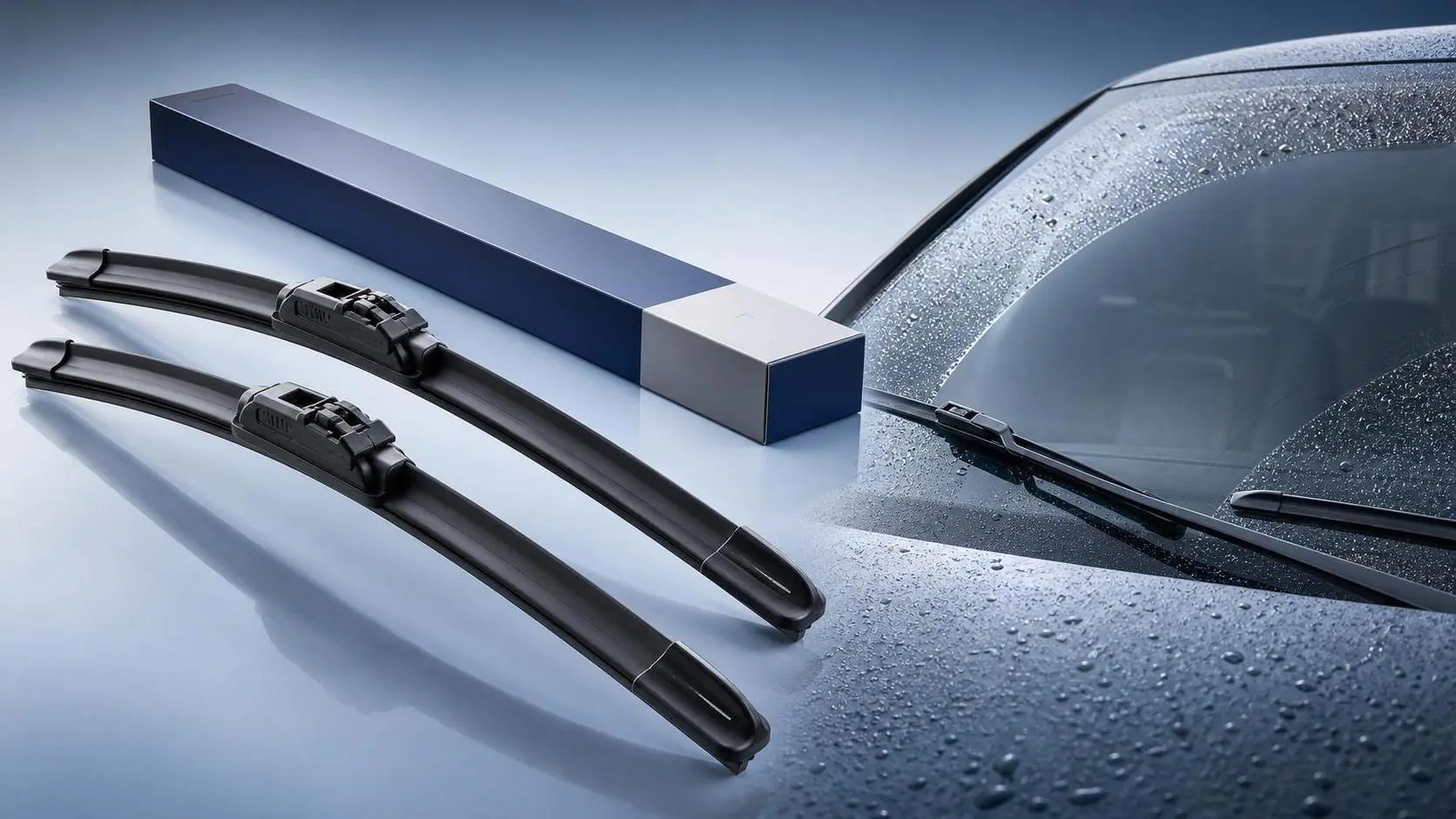
How to Choose OEM Windshield Wipers for Private Label Auto Parts Programs
OEM windshield wipers buying guide for private label auto parts: compare fitment, materials, testing, supplier reliability, and hidden cost risks to build a safer, higher-margin program.

Smart E-Scooter Systems With GPS for Shared Fleets: Features That Matter Most
Smart e-scooter systems with GPS help shared fleets improve compliance, recovery, uptime, and battery planning. See which features matter most before you scale.

Vehicle Visibility Safety for Motorcycles: Common Blind-Spot Risks and Fixes
Vehicle visibility safety for motorcycles explained: discover common blind-spot risks in city, wet, cargo, and high-speed riding, plus practical fixes that improve safety and fleet performance.
Flat Wiper Blades Europe: What to Check Before Choosing OEM or Aftermarket Options
Flat wiper blades Europe buyers should look beyond price. Learn how to compare OEM and aftermarket options by fit, compliance, durability, and supply consistency.
Automatic Smart Wiper Systems Explained: Sensors, Control Logic, and Failure Points
Automatic smart wiper systems explained clearly: explore sensors, control logic, key failure points, and what really determines safer, more reliable windshield visibility.
How to Use a Smart Mobility Supplier Directory to Compare OEM Partners
Smart mobility supplier directory guide: compare OEM partners beyond price by checking compliance, battery integration, lead times, and engineering strength to build a lower-risk shortlist.