
Related News
- 00
0000-00
How to Choose Micro-Mobility Docking Stations for Shared Fleets and Public Charging Hubs - 00
0000-00
Shared Mobility Compliance Checklist: Permits, Safety Rules, and Fleet Data Requirements - 00
0000-00
Photoelectric Recognition for Scooters: How It Improves Detection in Urban Riding - 00
0000-00
How to Evaluate a Micro-Mobility Supplier for Shared Fleet Reliability - 00
0000-00
How to Choose CE-Certified IoT Scooter Modules for Shared Fleet Compliance
Urban Transit Fellow
Weekly Insights
Stay ahead with our curated technology reports delivered every Monday.
How to Choose Micro-Mobility Docking Stations for Shared Fleets and Public Charging Hubs





Choosing micro-mobility docking stations for shared fleets and public charging hubs is not a minor equipment decision. It shapes vehicle uptime, charging rhythm, site safety, rider convenience, maintenance workload, and the economics of network expansion.
That is why the topic now sits at the center of urban mobility planning. For operators, cities, campuses, retail sites, and transport interchanges, the dock is no longer a passive rack. It is part charging asset, part fleet-control point, and part public infrastructure.
From the UMMS perspective, this matters because the last-mile market is being reshaped by electrification, tighter right-of-way rules, battery management demands, and stronger expectations around reliability. Docking infrastructure now has to support smarter e-bikes, connected e-scooters, and, in some cases, higher-power two-wheeler platforms without creating operational friction.
What a docking station really needs to do
At a basic level, micro-mobility docking stations secure vehicles and organize parking. In practice, the better systems do much more than that.
They may deliver charging, confirm vehicle return, monitor battery condition, connect with fleet software, reduce sidewalk clutter, and create a predictable handoff between rider use and operator control.
For public charging hubs, the role is even broader. The station must support mixed user behavior, exposure to weather, uncertain dwell time, and repeated use by people with little patience for confusing interfaces.
A poor design can produce stranded vehicles, blocked bays, damaged connectors, slow charging cycles, and expensive field service. A strong design turns the dock into a stabilizing layer for the whole network.
Why the selection process has become more technical
Earlier deployments often focused on simple parking control. Today, micro-mobility docking stations sit inside a more complex operating environment.
Vehicle types are diversifying. E-bikes, smart e-scooters, cargo variants, and high-performance electric two-wheelers do not share the same geometry, charging profile, or abuse tolerance.
Power expectations are changing as well. Higher fleet utilization means faster turnaround is valuable, but faster charging increases thermal and electrical design demands.
Policy pressure is also stronger. Cities increasingly want tidy parking, auditable charging, reduced fire risk, and better control over where fleets begin and end trips. Docking strategy is now tied to compliance as much as convenience.
UMMS tracks this shift closely because docking hardware now connects battery logic, software visibility, and street-level operations. It is one of the places where urban mobility strategy becomes physical.
Core criteria for evaluating micro-mobility docking stations
Vehicle compatibility comes first
Start with the fleet, not the dock brochure. Wheel size, frame shape, kickstand design, charging port location, and center of gravity all affect fit.
A station that works for commuter e-bikes may fail with heavier shared scooters. Mixed-fleet sites need either modular adapters or clearly segmented bays.
Charging architecture needs careful review
Not every site requires integrated charging. Some networks benefit from secure parking only, while others depend on opportunity charging throughout the day.
Check charging voltage, connector durability, battery communication compatibility, and load balancing logic. If the station cannot manage power intelligently, energy costs and battery stress will rise together.
Locking reliability matters more than advertised features
Lock failure can disable a bay, trap a vehicle, or create theft exposure. Mechanical simplicity, corrosion resistance, override procedures, and tamper detection deserve more attention than decorative interface elements.
Software integration determines control quality
Micro-mobility docking stations should feed clean data into the operator platform. Real-time dock status, charge state, occupancy, fault alerts, and session history support better dispatch and faster maintenance decisions.
If integration is shallow, the station becomes an operational blind spot. That is especially risky in public charging hubs with variable traffic and limited on-site supervision.
Site planning often decides success before installation
Even capable micro-mobility docking stations perform badly when placed in the wrong environment. Site design needs the same rigor as hardware selection.
Access paths should be obvious from the street or facility entrance. Users should not need to make sharp turns, lift vehicles, or reverse awkwardly into the bay.
Power availability and civil works should be assessed early. Retrofitting electrical capacity after procurement often delays projects and changes total cost more than the station itself.
Drainage, lighting, surface slope, curb interface, and snow or debris exposure also matter. Many station failures are really site failures expressed through hardware.
Different scenarios call for different docking logic
A transit hub, university, tourist district, and residential development may all need micro-mobility docking stations, but not in the same form.
High-turnover commuter sites usually need fast access, simple locking, strong visibility, and quick fault recovery. Dwell time is short, so user flow outweighs extended charging.
Campus and mixed-use environments often need a balance between charging, security, and orderly parking across longer usage windows. Integration with access control can be valuable here.
Retail and hospitality locations usually benefit from intuitive public charging hubs. The station should be legible to occasional users and resilient against rough handling.
Fleet depots are different again. Public-facing design matters less than service efficiency, connector longevity, spare-part access, and dense charging capacity.
Where projects commonly go wrong
Several recurring mistakes show up across deployments, especially when procurement moves faster than operational modeling.
- Selecting micro-mobility docking stations based on vehicle count alone, without modeling daily charging cycles.
- Underestimating connector wear in exposed public environments.
- Treating software compatibility as a future phase rather than a launch requirement.
- Ignoring retrieval and service workflows when bays are full or power is offline.
- Assuming the same dock design can serve e-bikes, scooters, and heavier electric platforms equally well.
These issues usually appear later as poor utilization, rider complaints, battery bottlenecks, or unnecessary truck rolls. Fixing them after rollout is far more expensive than screening them during selection.
A practical framework for comparing options
A useful comparison process starts with three filters: fleet fit, site fit, and system fit. If one fails, the station is not the right choice, regardless of price.
Fleet fit covers geometry, battery behavior, charging needs, and expected abuse. Site fit covers layout, utilities, climate, and user circulation. System fit covers data integration, serviceability, and expansion logic.
It also helps to score vendors against operational questions, not just technical specifications.
- How quickly can a failed bay return to service?
- Can charging continue safely during partial communication loss?
- What happens when a vehicle is misaligned or docked with a damaged connector?
- How easily can the layout scale from pilot to citywide deployment?
- What evidence exists from comparable climate and usage conditions?
That kind of discipline aligns with the UMMS view of infrastructure selection: better decisions come from linking hardware detail, battery logic, and real operating context.
What to evaluate before the final decision
Before signing off on micro-mobility docking stations, it is worth running a short final review across engineering, operations, and deployment risk.
Check whether the dock supports the actual growth path, not just the pilot. Confirm spare-part strategy, field repair process, and software support commitments. Review power assumptions against local utility realities.
Then test one more thing: user behavior. A station can look excellent on paper and still fail if docking is awkward, charging feedback is unclear, or occupancy status is hard to read.
The strongest choice usually comes from combining technical validation with a real site trial. That is the point where specifications meet usage patterns, and where hidden weaknesses usually surface.
For the next step, build a decision matrix around fleet type, charging logic, site conditions, integration depth, and service model. With that structure in place, comparing micro-mobility docking stations becomes a strategic evaluation rather than a hardware purchase.
Related News
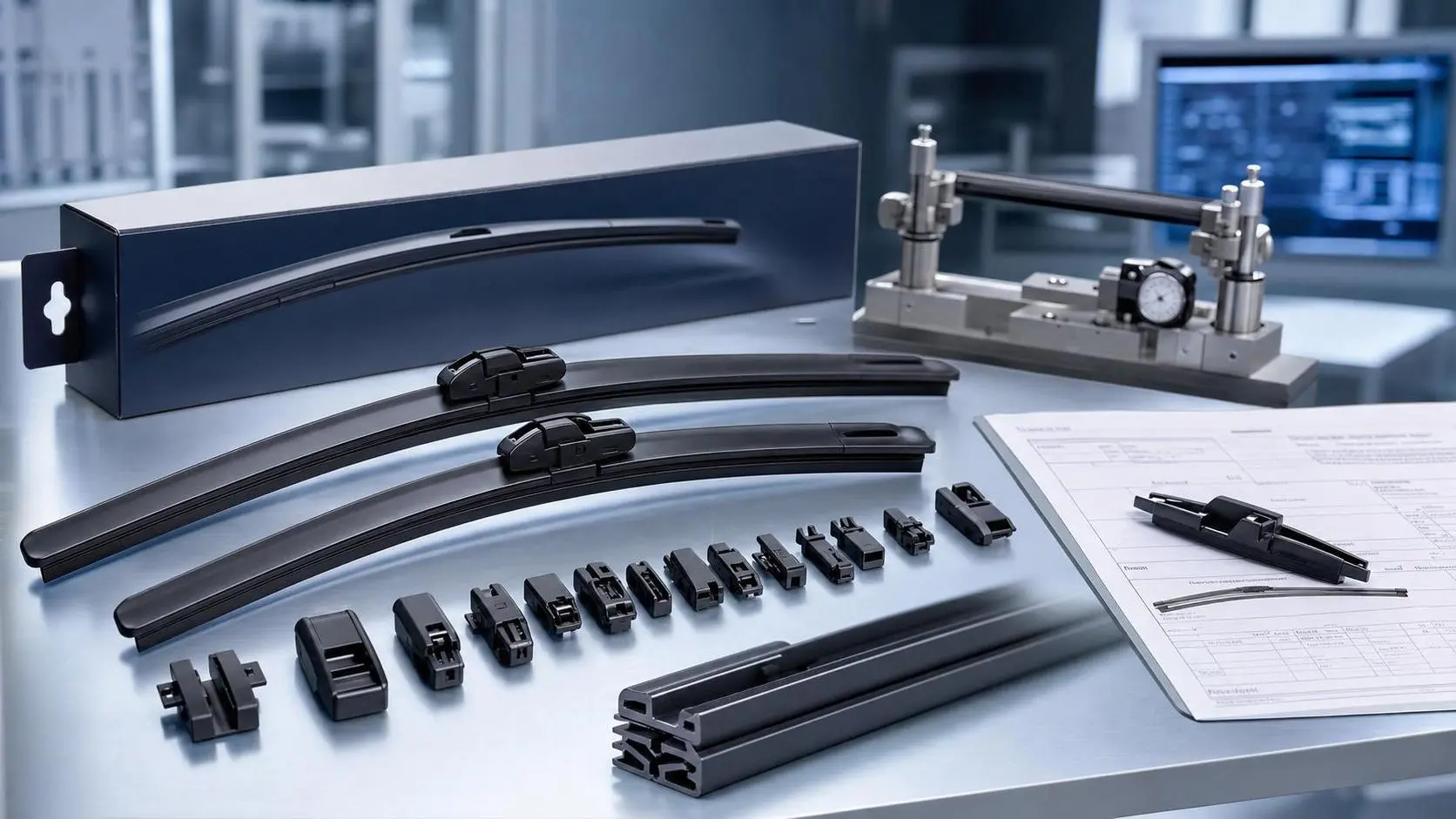
Flat Wiper Blades Wholesale Buying Guide: MOQ, Rubber Quality, Fitment, and Supplier Checks
Flat wiper blades wholesale buying guide covering MOQ, rubber quality, fitment accuracy, and supplier checks to reduce risk, improve margins, and choose reliable bulk partners.

Ebike Market USA: What Dealers Should Know About Demand Shifts, Pricing, and Product Mix
ebike market USA is shifting fast. Discover how demand segmentation, pricing pressure, and smarter product mix decisions can help dealers protect margins and grow.

Wiper Systems for Scooters: Common Failure Points, Maintenance Tips, and Replacement Signs
Wiper systems for scooters: learn the most common failure points, smart maintenance tips, and clear replacement signs to improve visibility, reduce repeat repairs, and keep riders safer.
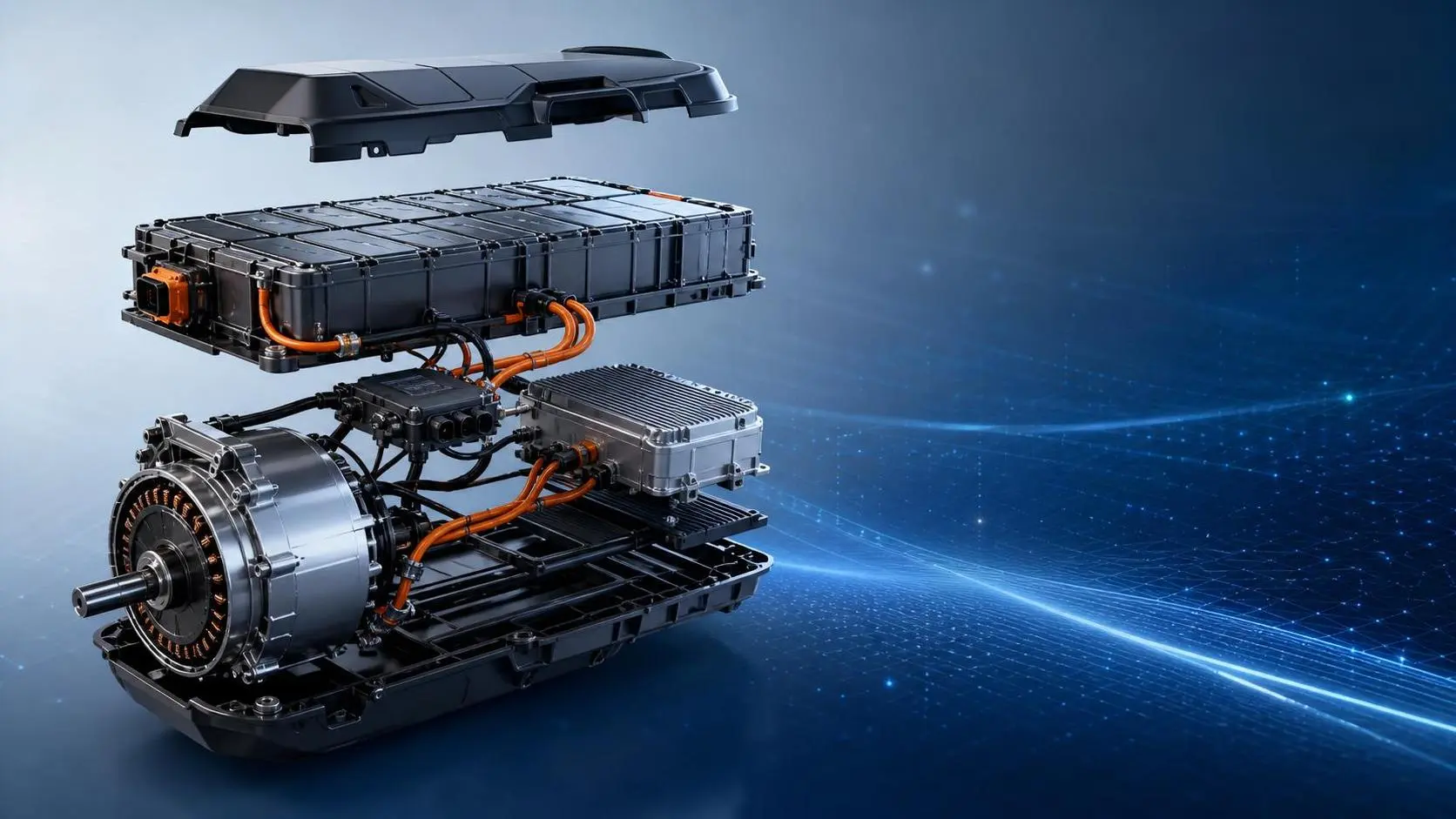
Powertrain Heat Management Explained: Key Design Factors for EV Efficiency and Battery Life
Powertrain heat management explained for EVs: discover how thermal design boosts efficiency, protects battery life, improves safety, and sustains real-world performance.

Urban Mobility Market Analysis: Demand Drivers, Policy Risks, and Revenue Models Compared
Urban mobility market analysis compares demand drivers, policy risks, and revenue models across e-bikes, scooters, and e-motorcycles to reveal where growth is durable.

Shared Mobility Compliance Checklist: Permits, Safety Rules, and Fleet Data Requirements
Shared mobility compliance made simple: explore a practical checklist for permits, safety rules, and fleet data requirements to launch faster, reduce risk, and stay audit-ready.

What Affects Ebike Energy Efficiency? Battery Size, Rider Weight, Terrain, and Speed
Ebike energy efficiency explained: learn how battery size, rider weight, terrain, and speed shape real-world range, lower Wh/km, and smarter buying or commuting decisions.

Wireless Electronic Shifting in North America: Compatibility, Standards, and Upgrade Limits
Wireless electronic shifting North America explained: compare compatibility, FCC/ISED standards, retrofit limits, and upgrade risks before choosing the right platform.
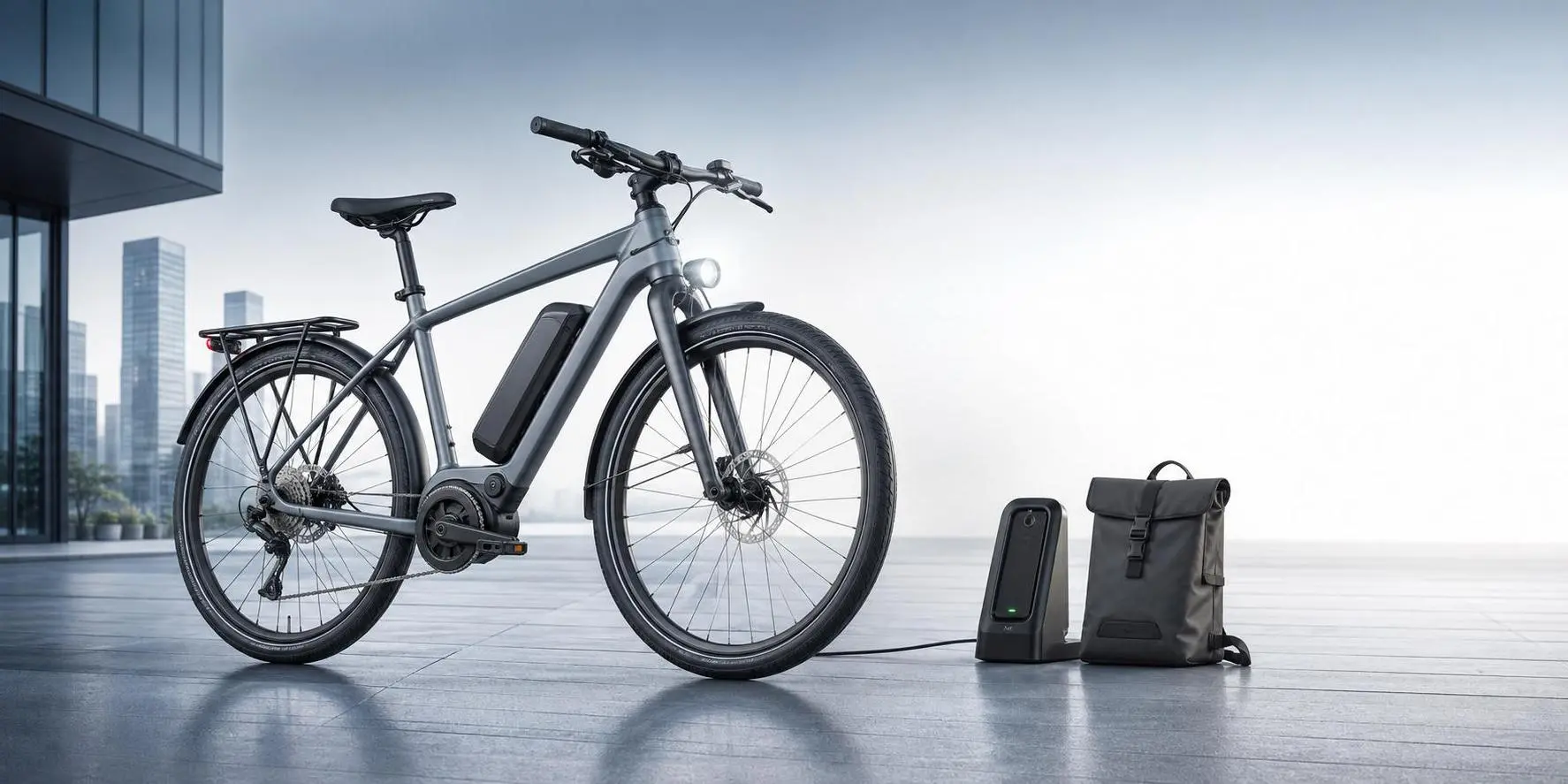
How to Choose an Electric Bicycle for City Commuting: Range, Motor, and Weight Explained
Electric bicycle buying guide for city commuting: learn how range, motor type, torque, and weight affect comfort, storage, and daily efficiency before you choose.