
Related News
- 00
0000-00
How to Choose Shared Fleet Scooters for Operators: Range, Durability, and Service Needs - 00
0000-00
How to Choose Micro-Mobility Docking Stations for Shared Fleets and Public Charging Hubs - 00
0000-00
Shared Mobility Compliance Checklist: Permits, Safety Rules, and Fleet Data Requirements - 00
0000-00
Photoelectric Recognition for Scooters: How It Improves Detection in Urban Riding - 00
0000-00
How to Evaluate a Micro-Mobility Supplier for Shared Fleet Reliability
Urban Transit Fellow
Weekly Insights
Stay ahead with our curated technology reports delivered every Monday.
How to Choose Shared Fleet Scooters for Operators: Range, Durability, and Service Needs





Why fleet scooter selection has become a strategic decision
Choosing a shared fleet scooter for operators now shapes far more than launch cost. It affects uptime, repair cycles, rider confidence, battery logistics, and the economics of every deployed vehicle.
That shift is easy to understand in today’s micro-mobility market. Cities want cleaner transport, users expect reliable short trips, and regulators increasingly examine vehicle quality, parking behavior, and safety outcomes.
In that context, a shared fleet scooter for operators must work as a business asset, not just a consumer device adapted for rental use.
This is also where UMMS provides useful industry perspective. Its focus on smart e-scooters, powertrain intelligence, battery management logic, and regulatory tracking reflects the real factors shaping fleet decisions globally.
What makes a scooter truly fleet-ready
A fleet-ready scooter is built for repeated use by different riders, under changing weather, road quality, and charging schedules. That sounds obvious, but many procurement mistakes start with treating shared hardware like retail hardware.
For a shared fleet scooter for operators, the core test is operational resilience. The vehicle should keep performing after thousands of unlocks, hard braking events, curb impacts, and daily exposure to dust, vibration, and moisture.
Range, durability, and service needs sit at the center of this evaluation because they determine total usable days per scooter, not just headline specifications.
Range is an operating variable, not a brochure number
Advertised range often reflects ideal speed, rider weight, road surface, and ambient temperature. Shared operations rarely match those conditions.
A more useful question is this: how much practical riding can the scooter deliver before retrieval, charging, or battery swap becomes necessary?
Urban stop-and-go riding, steep grades, poor pavement, frequent acceleration, and mixed rider profiles can reduce real-world range sharply. Cold weather and battery aging deepen that gap.
For that reason, a shared fleet scooter for operators should be assessed on effective daily service coverage, not maximum laboratory distance.
How to judge range in a practical way
Range should be mapped to route density, ride duration, collection radius, and energy recovery processes. A scooter with slightly lower nominal range may still perform better if charging and battery handling are simpler.
Battery architecture matters here. High-density packs, robust battery management systems, and stable thermal behavior often matter more than nominal capacity alone.
UMMS regularly highlights the growing importance of battery management logic across two-wheeled electrification. For shared fleets, that is not a technical side note. It directly influences cycle life, safety margins, and asset availability.
In procurement reviews, it is useful to model range after six and twelve months, not only at day one.
Durability is where ownership cost is won or lost
A shared fleet scooter for operators lives in a harsh environment. It is ridden by beginners and experienced users, parked outdoors, and exposed to impacts that retail products rarely face.
Frame strength is the starting point. High-strength lightweight materials can reduce handling burden without sacrificing structural life, but actual weld quality and fatigue resistance deserve close attention.
Suspension components, stem joints, folding mechanisms, kickstands, brake housings, and deck surfaces often become failure points in shared use. Small weaknesses turn into repeated service events.
Ingress protection also matters more than many teams expect. Water exposure affects connectors, controllers, sensors, and battery compartments. Rain performance is not just a rider issue. It is a fleet reliability issue.
The durability signals worth checking early
- Frame fatigue testing under repeated urban load cases
- Motor and controller sealing quality
- Brake component life under frequent stop cycles
- Tire puncture resistance and replacement simplicity
- Deck grip retention after prolonged outdoor exposure
- Tamper resistance for IoT modules, fasteners, and battery access points
A strong durability profile reduces both direct repair spend and indirect losses from unavailable units.
Service needs should be designed out where possible
Many buyers focus on whether parts are available. That matters, but service design begins earlier. The better question is how often intervention is required and how quickly it can be completed.
A shared fleet scooter for operators should allow fast diagnosis, straightforward parts access, and repeatable field procedures. Service complexity raises labor cost even when component prices seem reasonable.
Modular construction usually helps. So does a clear spare parts strategy covering tires, brakes, throttles, connectors, lighting units, fenders, and battery locks.
Digital diagnostics are increasingly important. IoT-connected scooters can report battery health, fault codes, crash events, and geofenced behavior issues before they become expensive breakdowns.
That matches the broader UMMS view that intelligence systems are becoming central to micro-mobility performance, not just optional add-ons.
Matching the scooter to operating scenarios
There is no universal shared fleet scooter for operators. The right choice depends on terrain, trip length, climate, vandalism exposure, and local charging workflows.
Dense inner-city networks usually prioritize compact retrieval operations, high uptime, and durable parking behavior. University zones may place more weight on easy riding, lower speed management, and rapid turnover.
Tourism-heavy districts often require stronger weather resilience and cosmetic durability because appearance affects user trust. Suburban deployments may need larger practical range and better ride comfort over uneven pavement.
A useful evaluation framework before committing volume
Shortlisting by unit price alone often produces expensive corrections later. A better approach is to compare each shared fleet scooter for operators against a weighted operational score.
- Real-world range across temperature bands
- Mean time between service events
- Battery cycle retention and replacement cost
- Average field repair time per common fault
- IoT reliability and data visibility
- Parts lead time and standardization across models
- Compliance fit with local speed, parking, and right-of-way rules
Pilot programs remain one of the strongest decision tools. Even a limited trial can reveal charging bottlenecks, repair patterns, and rider misuse trends that are invisible in technical sheets.
This is especially relevant in a market where policy shifts and operational rules can move quickly. UMMS tracks those regulatory signals because vehicle selection increasingly depends on city-specific operating conditions.
What to do next with the shortlist
The most effective next step is to turn product comparison into an operating model comparison. Estimate uptime, field labor, battery handling, and replacement cycles over the first year.
From there, refine the shortlist around the shared fleet scooter for operators that best fits local terrain, climate, service capacity, and regulatory realities.
A durable decision usually comes from combining test data, service assumptions, and market intelligence. In micro-mobility, that mix is far more valuable than chasing the most attractive headline specification.
When the evaluation is structured this way, range, durability, and service needs stop competing with each other. They become the basis for a fleet that can scale with fewer surprises.
Related News

Urban Traffic Micro-Circulation Providers: Key Models, Deployment Scenarios, and ROI Factors
Urban traffic micro-circulation provider guide: explore key models, deployment scenarios, and ROI factors to choose scalable, compliant solutions that improve urban mobility and returns.
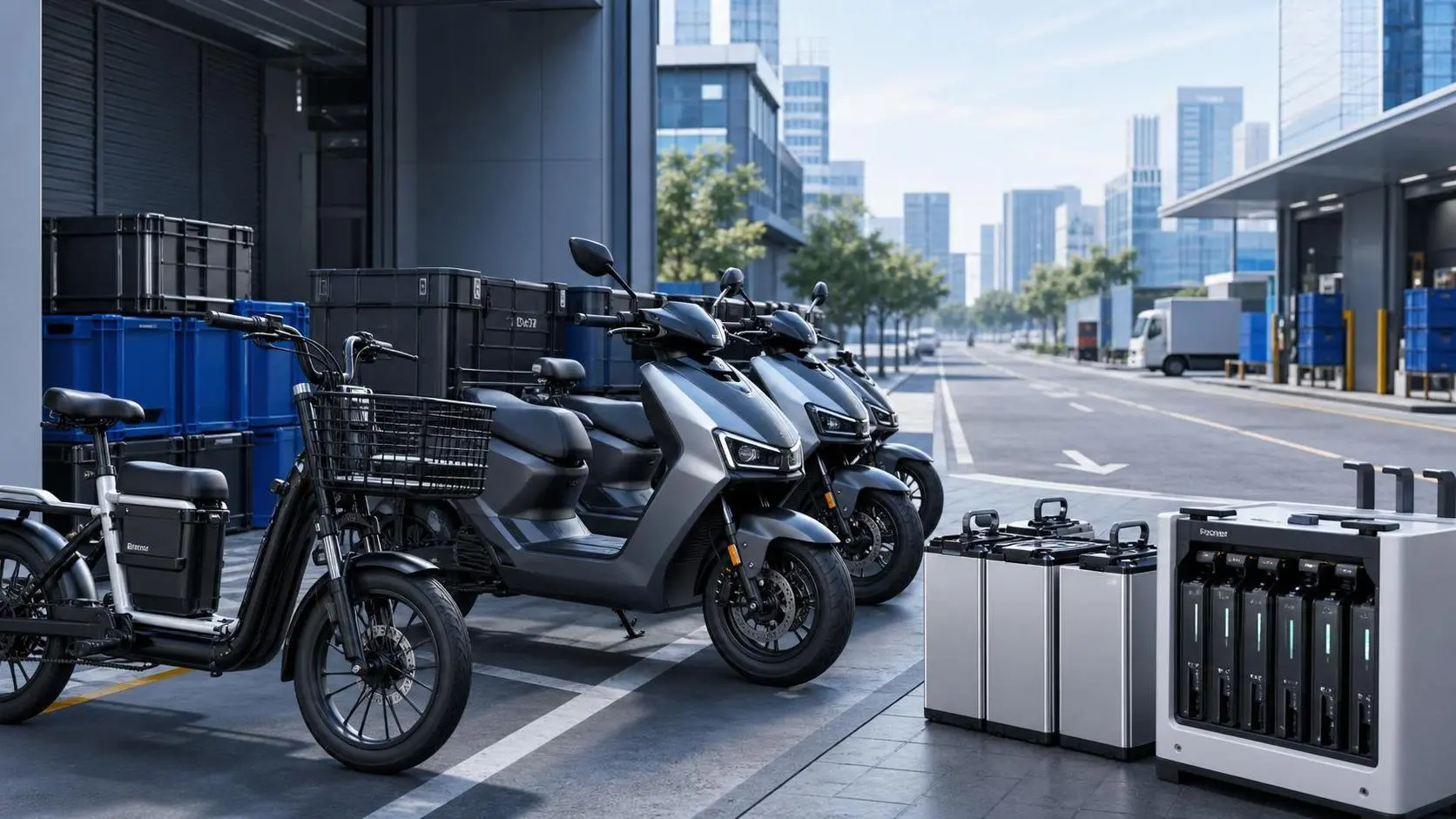
What Makes a Last-Mile Revolution Provider Worth Evaluating for Urban Delivery Projects?
Last-mile revolution provider evaluation starts with fleet fit, battery strategy, compliance, and uptime. Learn how to choose a partner that can scale urban delivery reliably.
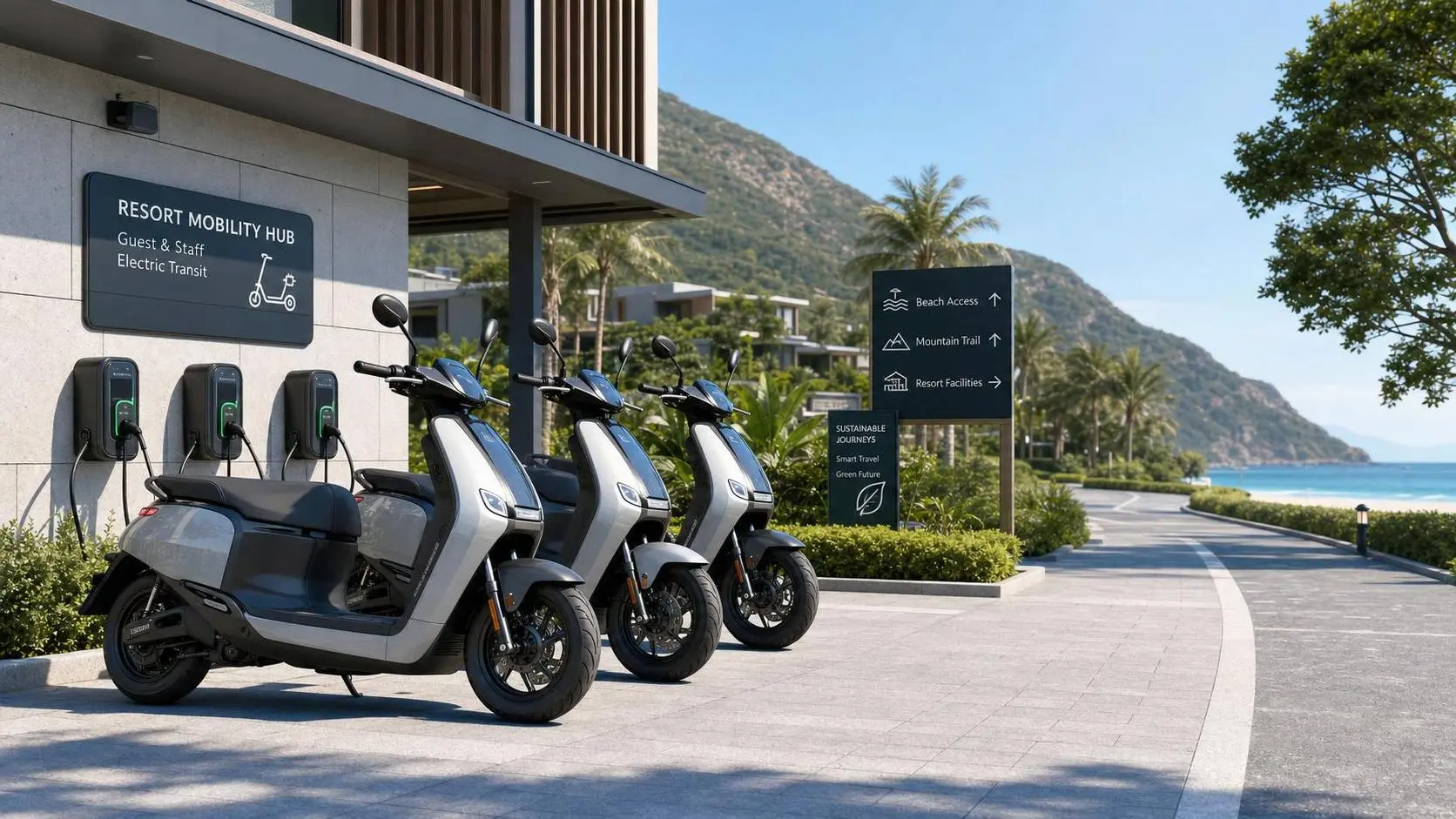
E Scooter Resort Applications: Best Use Cases for Guest Mobility and Staff Transport
E scooter resort applications work best when matched to layout, terrain, and operations. Explore the best guest mobility and staff transport use cases for resorts.
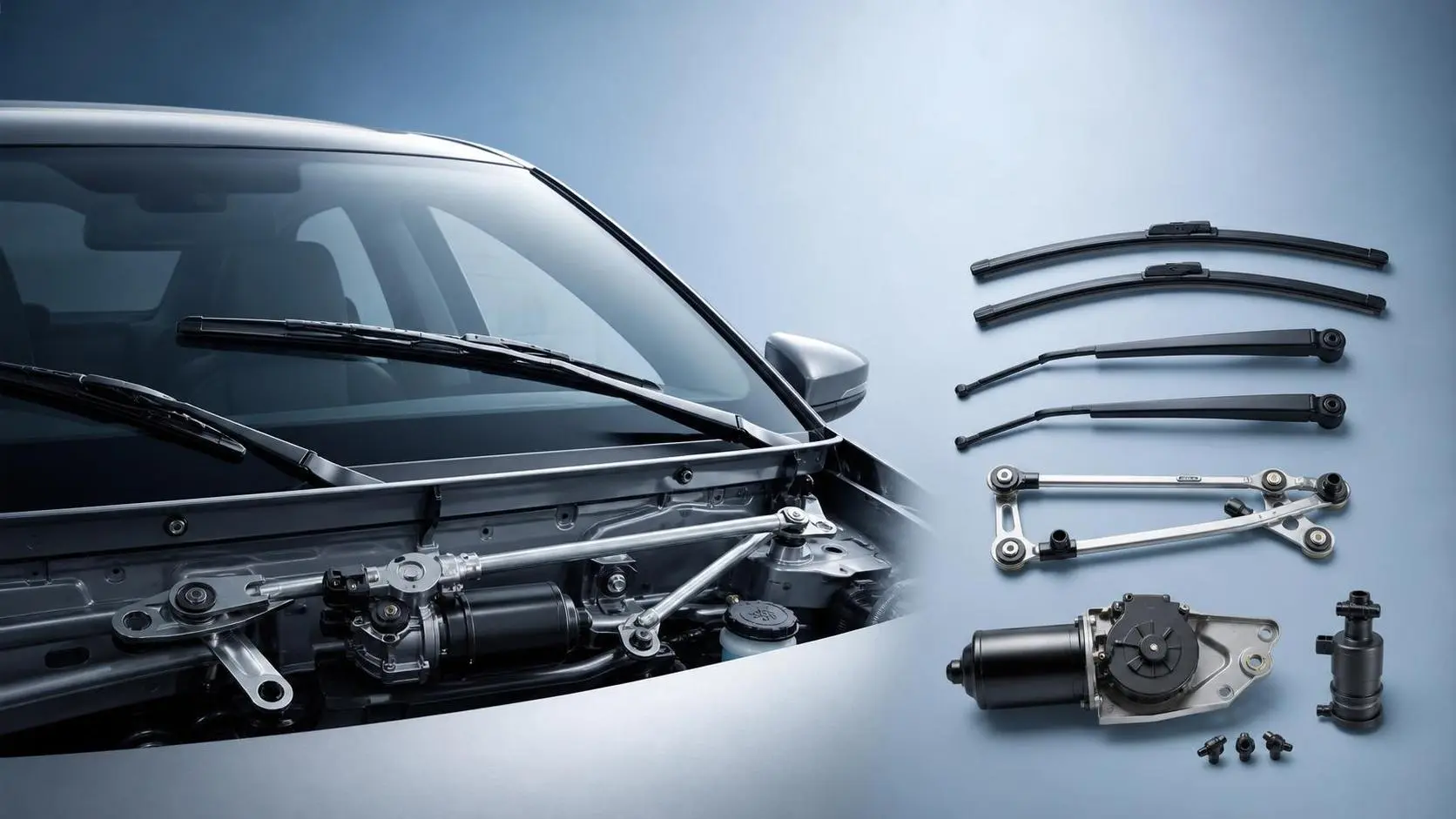
Replacement Wiper System Components Explained: Parts, Fitment, and When to Replace
Replacement wiper system components explained clearly: discover key parts, fitment checks, failure signs, and smart replacement tips to improve safety, reduce callbacks, and keep visibility reliable.
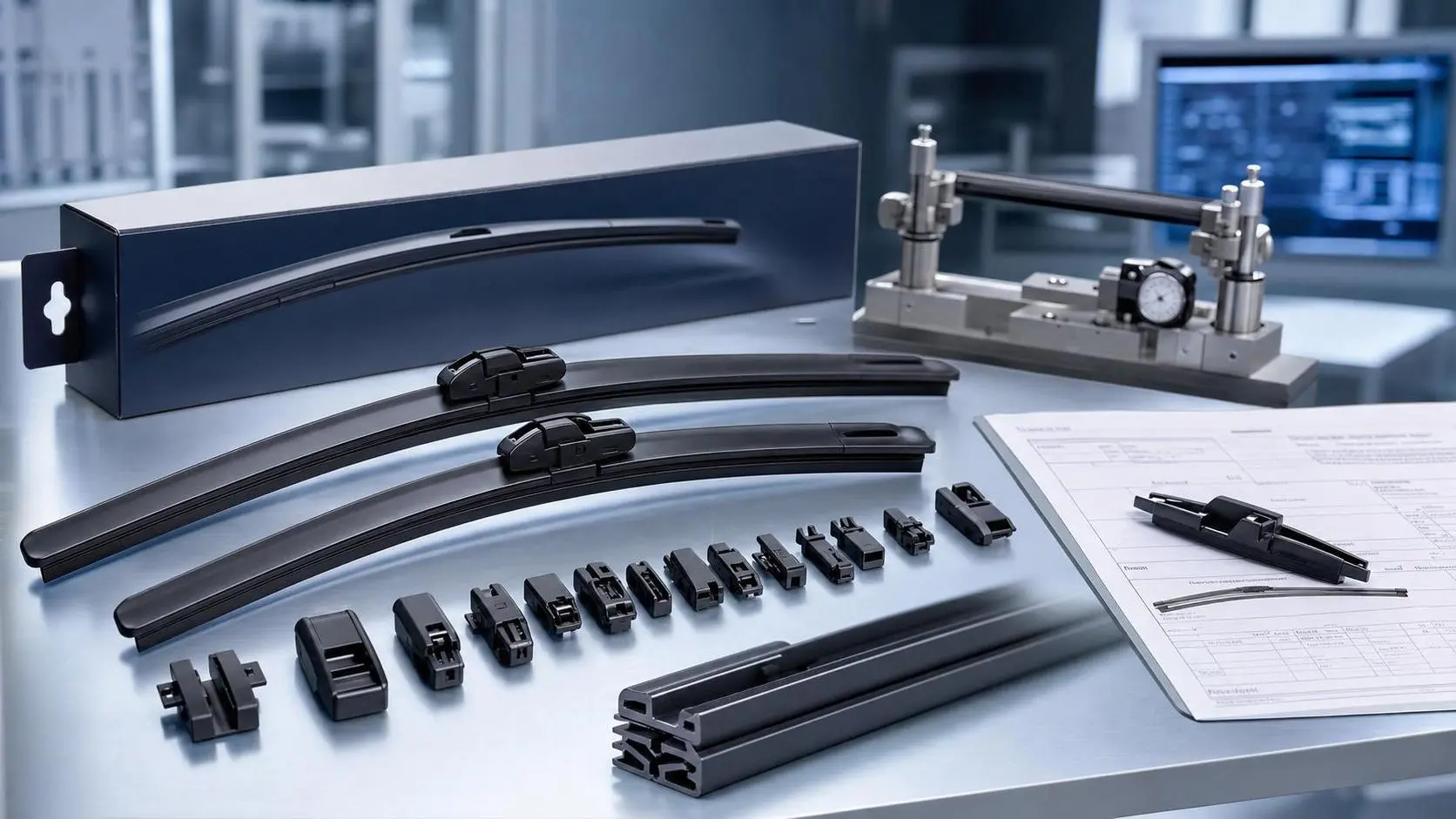
Flat Wiper Blades Wholesale Buying Guide: MOQ, Rubber Quality, Fitment, and Supplier Checks
Flat wiper blades wholesale buying guide covering MOQ, rubber quality, fitment accuracy, and supplier checks to reduce risk, improve margins, and choose reliable bulk partners.

Ebike Market USA: What Dealers Should Know About Demand Shifts, Pricing, and Product Mix
ebike market USA is shifting fast. Discover how demand segmentation, pricing pressure, and smarter product mix decisions can help dealers protect margins and grow.
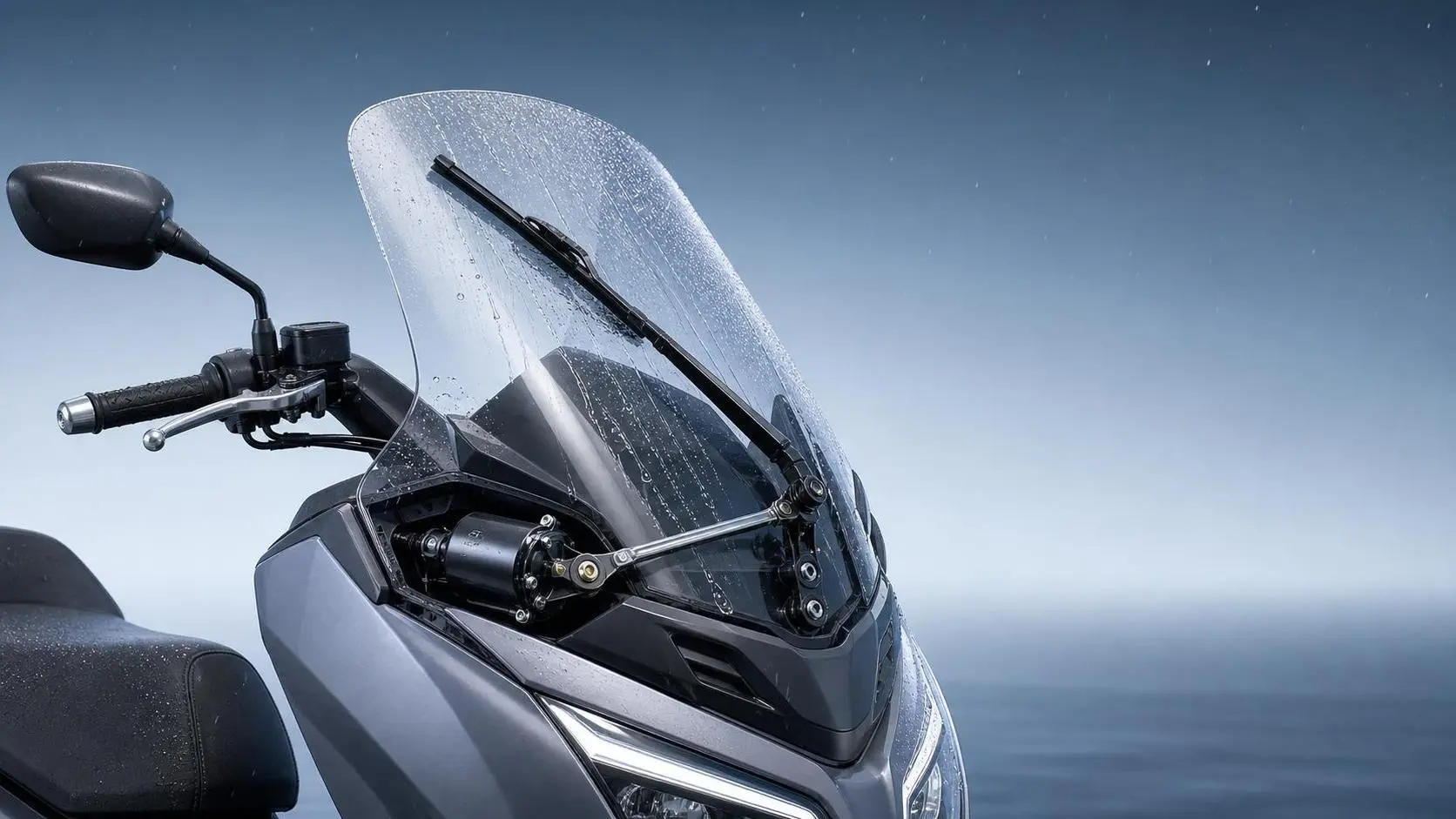
Wiper Systems for Scooters: Common Failure Points, Maintenance Tips, and Replacement Signs
Wiper systems for scooters: learn the most common failure points, smart maintenance tips, and clear replacement signs to improve visibility, reduce repeat repairs, and keep riders safer.

How to Choose Micro-Mobility Docking Stations for Shared Fleets and Public Charging Hubs
Micro-mobility docking stations: learn how to compare charging, locking, software, and site-fit factors to choose safer, smarter hubs for shared fleets and public use.

Powertrain Heat Management Explained: Key Design Factors for EV Efficiency and Battery Life
Powertrain heat management explained for EVs: discover how thermal design boosts efficiency, protects battery life, improves safety, and sustains real-world performance.