
Related News
- 00
0000-00
Urban Mobility Market Analysis: Demand Drivers, Policy Risks, and Revenue Models Compared - 00
0000-00
What Affects Urban Traffic Innovation Price in Smart City Transport Projects? - 00
0000-00
How to Evaluate a Battery Management Systems Exporter for Quality, Compliance, and Support - 00
0000-00
What Drives Urban Mobility Adoption in Congested Cities: Cost, Convenience, and Policy - 00
0000-00
How to Verify Micro Mobility Technical Credibility Before Supplier Approval
Ms. Elena Rodriguez
Weekly Insights
Stay ahead with our curated technology reports delivered every Monday.
Urban Mobility Market Analysis: Demand Drivers, Policy Risks, and Revenue Models Compared





Urban mobility market analysis now starts with micro-mobility economics
Urban mobility market analysis has moved beyond ridership counts and city pilot announcements. The market now turns on whether operators, component suppliers, and platform builders can convert dense urban demand into durable unit economics.
That shift is especially visible across e-bikes, smart e-scooters, high-speed e-motorcycles, and precision bicycle systems. Each category still benefits from congestion, decarbonization goals, and changing commuting habits, but growth is no longer interpreted the same way.
The more relevant question is where demand remains resilient after subsidies fluctuate, compliance costs rise, and infrastructure investment becomes uneven. In practice, urban mobility market analysis now sits closer to risk management than simple demand forecasting.
This is why intelligence platforms such as UMMS matter in the current cycle. The value is not promotional visibility. It is the ability to connect policy signals, drivetrain efficiency, battery logic, safety systems, and downstream commercial behavior into one working view.
What has changed is not demand alone, but the shape of demand
Recent demand has become more selective. Cities still need low-carbon transport, yet buyers and operators increasingly distinguish between convenience demand and system-level necessity.
E-bikes continue to benefit from short-distance commuting and flexible recreation. Smart e-scooters remain relevant in tightly packed urban zones. High-speed e-motorcycles gain attention where fuel replacement and delivery efficiency intersect.
More notable is the rising importance of components once treated as secondary. Precision derailleur systems, battery thermal management, connected controls, and even visibility-related modules increasingly influence product selection, maintenance cost, and fleet reliability.
In a serious urban mobility market analysis, these details are not side notes. They often decide whether a product scales, survives regulation, or becomes too expensive to operate at city level.
Why this shift is becoming more obvious
- Urban congestion keeps pushing commuters toward compact transport formats.
- Carbon targets support electrification, but policy support is becoming more conditional.
- Insurance, safety, and right-of-way rules now affect deployment speed.
- Battery performance and maintenance intervals increasingly shape lifetime value.
- Connected hardware creates recurring service possibilities beyond one-time sales.
Demand drivers are broad, but they do not reward every category equally
A useful urban mobility market analysis compares the drivers behind each segment instead of assuming a single rising tide. The market is expanding, but the reasons differ by use case, speed profile, and infrastructure fit.
This comparison shows why headline volume can mislead. Two categories may both grow, yet one depends on public permission while another depends on engineering credibility and after-sales durability.
From that perspective, urban mobility market analysis must examine what kind of demand is expanding: discretionary, regulated, infrastructure-linked, or operationally essential.
Policy risk is no longer a background variable
The next phase of growth will be shaped by regulation as much as consumer adoption. Cities want cleaner movement, but they also want safer sidewalks, better parking discipline, traceable batteries, and clearer liability frameworks.
That creates an uneven policy map. One market may expand e-bike incentives while tightening shared scooter caps. Another may allow electric motorcycle adoption but impose stricter homologation, charging, or recycling requirements.
For this reason, urban mobility market analysis cannot rely on national headlines alone. Local rules on speed limits, lane access, fleet permits, import certification, and fire safety often have stronger commercial impact than macro demand estimates.
UMMS-style intelligence becomes useful here because technical and regulatory issues increasingly overlap. Wireless shifting interference, thermal management, sensor performance, and weather safety are no longer purely engineering topics. They influence compliance readiness and insurance confidence.
The policy risks worth watching most closely
- Subsidy tapering that exposes weak standalone demand.
- Shared fleet restrictions tied to parking and public complaints.
- Battery transport, recycling, and fire safety mandates.
- Connectivity and data governance rules for smart vehicles.
- Technical standard shifts affecting cross-border market entry.
Revenue models are separating the durable players from the temporary ones
The most revealing part of urban mobility market analysis now lies in revenue structure. Hardware sales still matter, but they rarely tell the full story.
In shared mobility, revenue strength depends on ride frequency, asset uptime, and maintenance discipline. In premium personal mobility, margin often comes from system performance, software integration, and trusted service networks.
High-speed e-motorcycles introduce another layer. Where battery swapping or managed charging exists, revenue can extend into energy services, fleet contracts, and lifecycle support.
Component businesses are also changing. Precision drivetrain parts, intelligent control modules, and safety subsystems can support recurring value through upgrades, diagnostics, replacement cycles, and platform compatibility.
A practical comparison of model resilience
The common lesson is straightforward. Revenue models become more defensible when hardware, data, maintenance, and regulatory fit reinforce each other.
The impact reaches beyond vehicles into systems and component strategy
One underappreciated outcome of current urban mobility market analysis is how much value is migrating into enabling systems. Better batteries, efficient transmissions, smart sensing, and durable weather safety modules now influence city acceptance and operator margins.
This matters because urban mobility is becoming a systems market. A technically advanced e-bike motor without dependable control electronics creates friction. A connected scooter without robust frame durability loses value quickly. A performance e-motorcycle without thermal logic struggles under real fleet intensity.
Even adjacent modules such as intelligent wiper systems deserve attention in broader mobility architecture. In harsher weather conditions, visibility reliability increasingly affects safety expectations, certification pathways, and total operating confidence.
That is why the UMMS view of the market feels timely. It treats micro-mobility not as isolated vehicles, but as a technical and commercial ecosystem where electromechanical efficiency and market access increasingly move together.
What deserves closer attention over the next cycle
The next round of urban mobility market analysis should focus less on broad enthusiasm and more on proof points. The strongest signals usually appear before annual volume data confirms them.
- Track where repeat usage persists after promotional incentives fade.
- Compare policy friendliness at city level, not only country level.
- Test whether battery, drivetrain, and connectivity design reduce service events.
- Measure revenue contribution from software, maintenance, and energy services.
- Watch standards and safety requirements that can reshape market entry timing.
In practical terms, the market is entering a more selective growth phase. Demand is still real, but it is rewarding operational discipline, technical depth, and policy awareness more than category excitement alone.
A grounded urban mobility market analysis therefore should not end with a market size estimate. It should lead to a working map of where demand is durable, where policy can interrupt scale, and which revenue model can absorb that uncertainty.
The sensible next step is to build a market watchlist around city regulation, component reliability, battery economics, and recurring service potential. That is where sustainable advantage is becoming easier to identify, and harder to imitate.
- e-bikes
- smart e-scooters
- high-speed e-motorcycles
- wiper systems
- thermal management
- precision drivetrain
- shared mobility
- bicycle components
- battery swapping
- micro-mobility
- engineering credibility
- battery thermal management
- wireless shifting interference
- urban mobility market analysis
- wireless shifting
- precision bicycle components
Related News
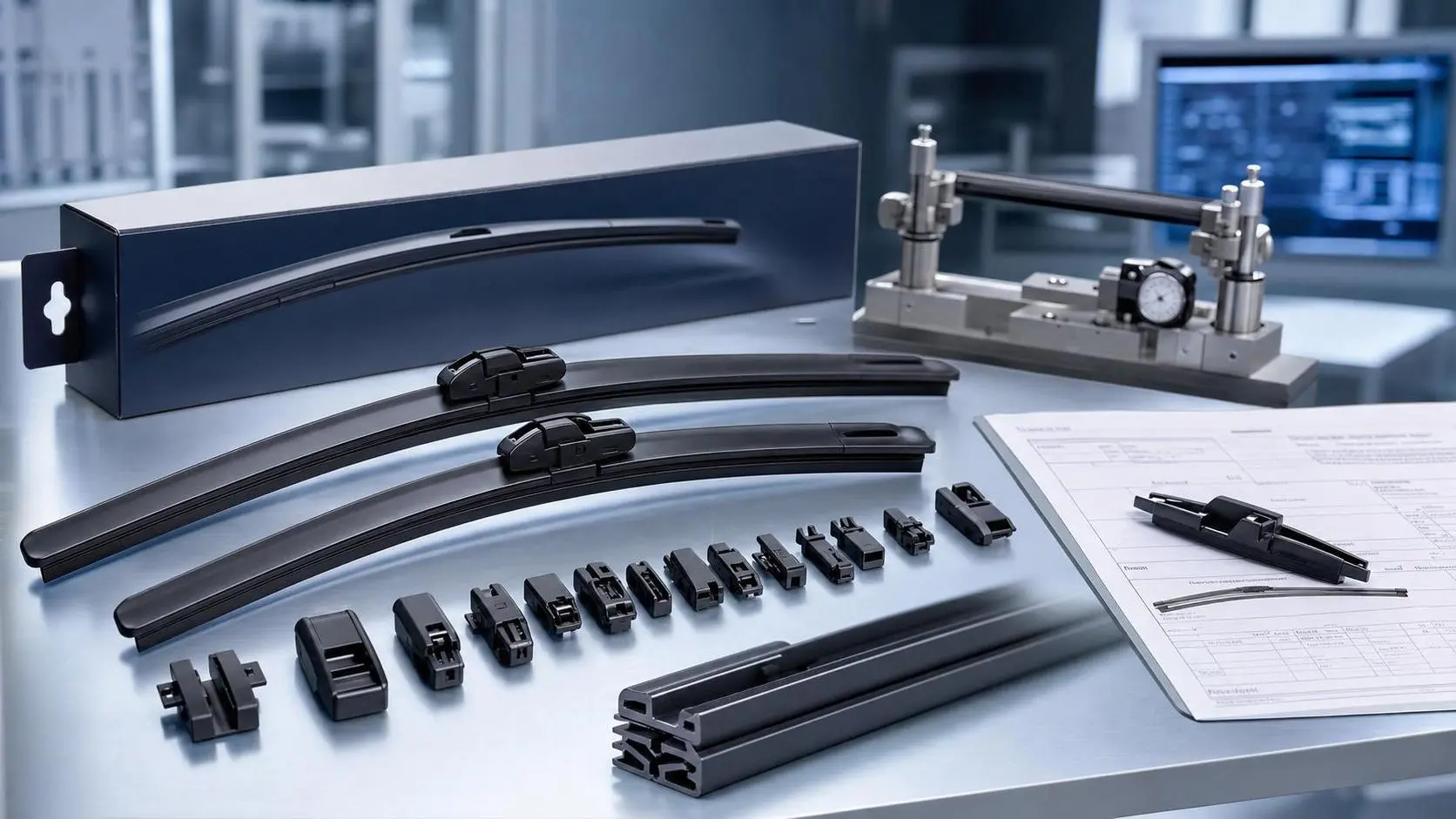
Flat Wiper Blades Wholesale Buying Guide: MOQ, Rubber Quality, Fitment, and Supplier Checks
Flat wiper blades wholesale buying guide covering MOQ, rubber quality, fitment accuracy, and supplier checks to reduce risk, improve margins, and choose reliable bulk partners.
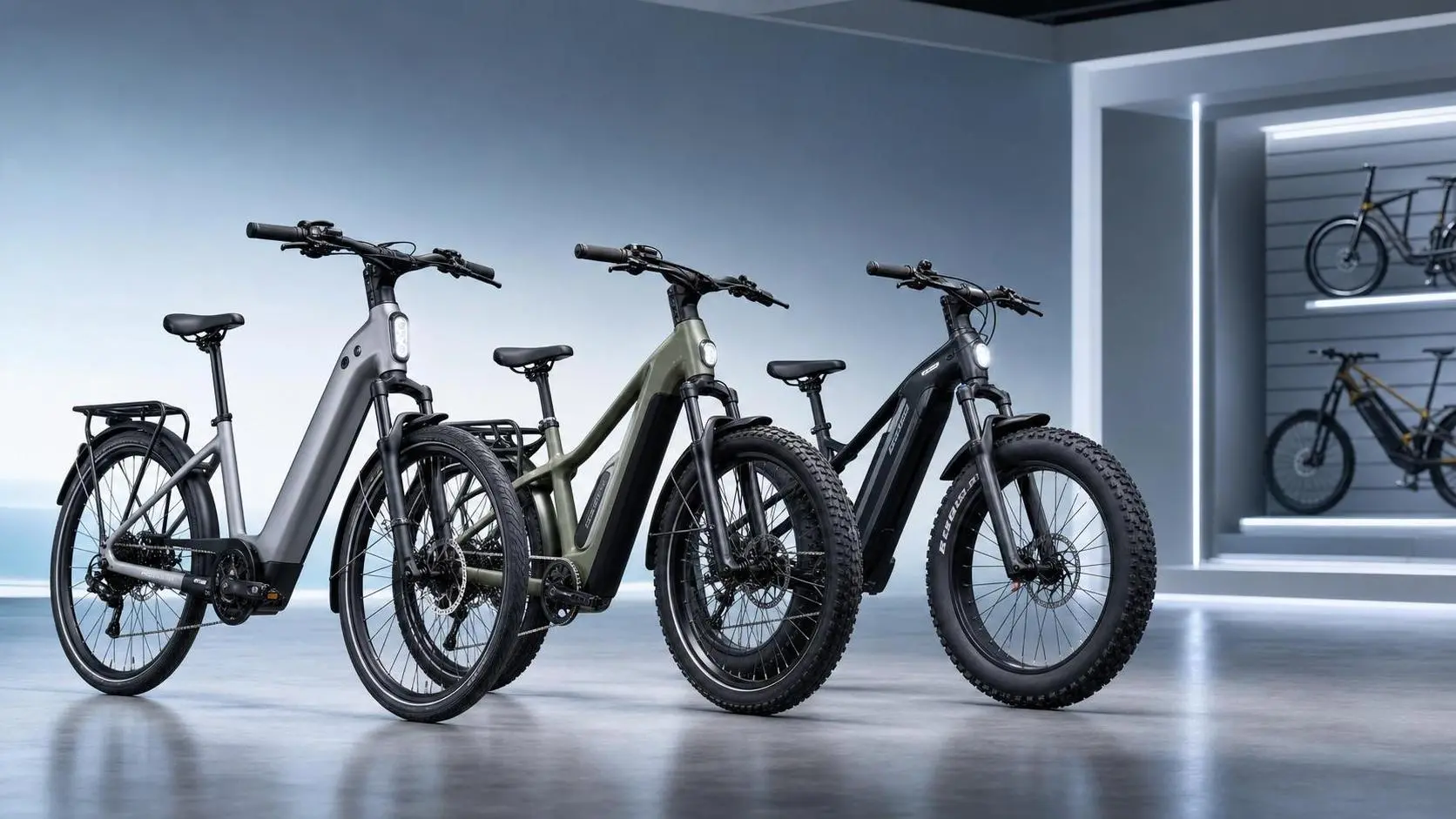
Ebike Market USA: What Dealers Should Know About Demand Shifts, Pricing, and Product Mix
ebike market USA is shifting fast. Discover how demand segmentation, pricing pressure, and smarter product mix decisions can help dealers protect margins and grow.

Wiper Systems for Scooters: Common Failure Points, Maintenance Tips, and Replacement Signs
Wiper systems for scooters: learn the most common failure points, smart maintenance tips, and clear replacement signs to improve visibility, reduce repeat repairs, and keep riders safer.
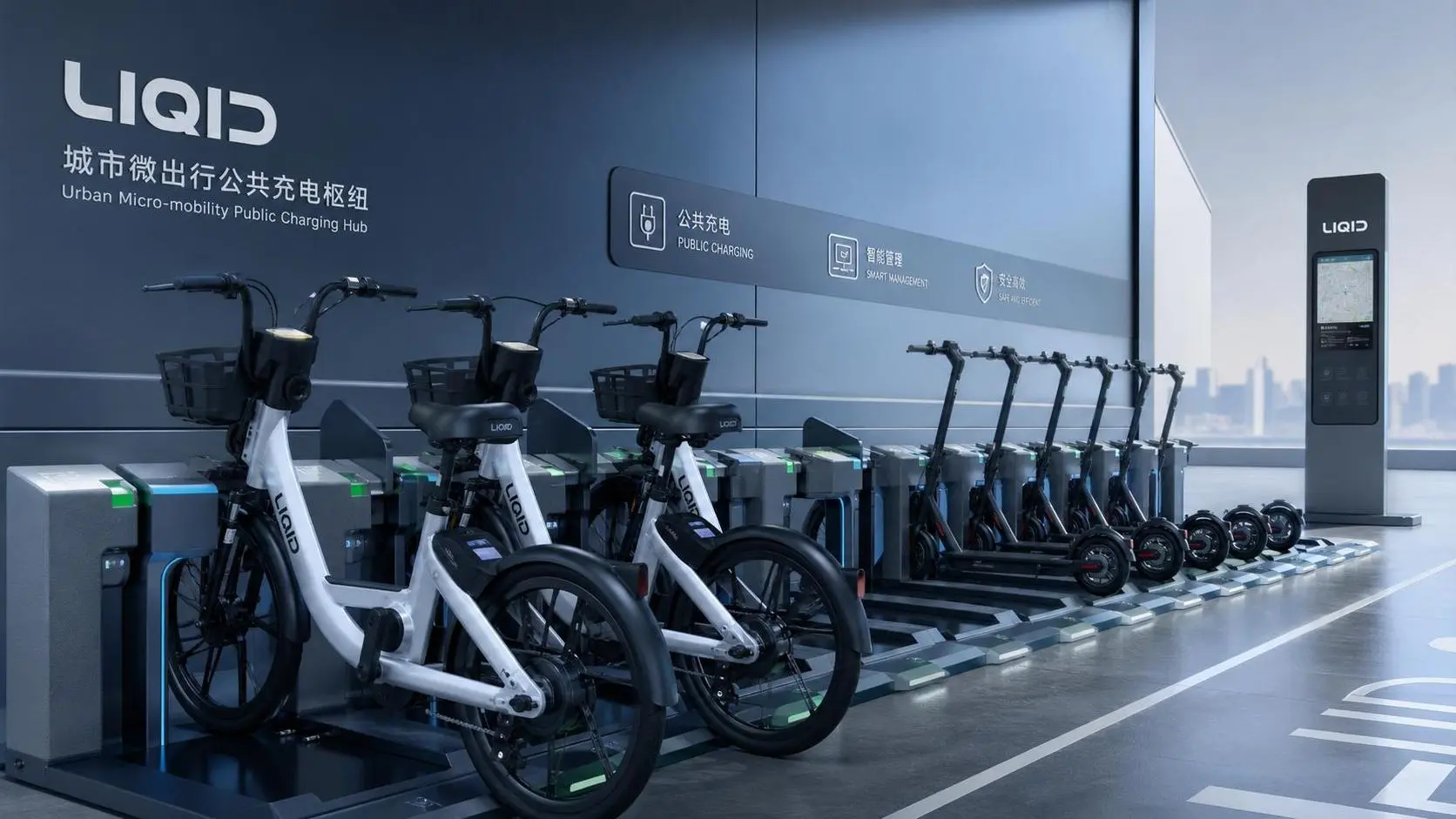
How to Choose Micro-Mobility Docking Stations for Shared Fleets and Public Charging Hubs
Micro-mobility docking stations: learn how to compare charging, locking, software, and site-fit factors to choose safer, smarter hubs for shared fleets and public use.

Powertrain Heat Management Explained: Key Design Factors for EV Efficiency and Battery Life
Powertrain heat management explained for EVs: discover how thermal design boosts efficiency, protects battery life, improves safety, and sustains real-world performance.

Shared Mobility Compliance Checklist: Permits, Safety Rules, and Fleet Data Requirements
Shared mobility compliance made simple: explore a practical checklist for permits, safety rules, and fleet data requirements to launch faster, reduce risk, and stay audit-ready.

What Affects Ebike Energy Efficiency? Battery Size, Rider Weight, Terrain, and Speed
Ebike energy efficiency explained: learn how battery size, rider weight, terrain, and speed shape real-world range, lower Wh/km, and smarter buying or commuting decisions.

Wireless Electronic Shifting in North America: Compatibility, Standards, and Upgrade Limits
Wireless electronic shifting North America explained: compare compatibility, FCC/ISED standards, retrofit limits, and upgrade risks before choosing the right platform.
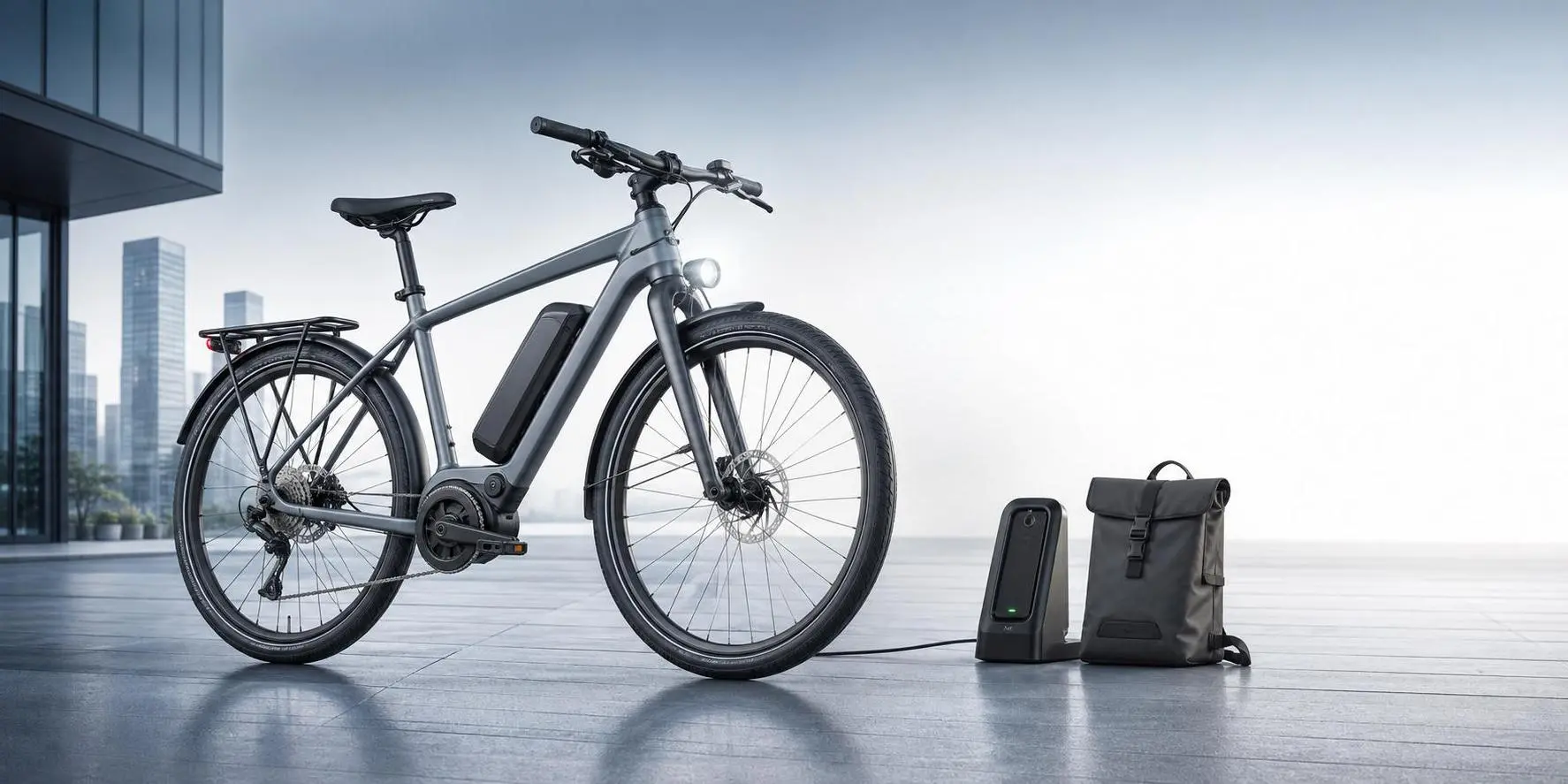
How to Choose an Electric Bicycle for City Commuting: Range, Motor, and Weight Explained
Electric bicycle buying guide for city commuting: learn how range, motor type, torque, and weight affect comfort, storage, and daily efficiency before you choose.