
Related News
- 00
0000-00
Replacement Wiper System Components Explained: Parts, Fitment, and When to Replace - 00
0000-00
Flat Wiper Blades Wholesale Buying Guide: MOQ, Rubber Quality, Fitment, and Supplier Checks - 00
0000-00
Wiper System Price Breakdown: What Changes Cost Across OEM, Aftermarket, and Fleet Orders - 00
0000-00
How do smart wiper sensors reduce safety risks on roads? - 00
0000-00
Smart Wiper Sensors: Failure Risks and Fix Priorities
Visibility Safety Expert
Weekly Insights
Stay ahead with our curated technology reports delivered every Monday.
Replacement Wiper System Components Explained: Parts, Fitment, and When to Replace





Clear visibility depends on more than a fresh blade insert. In service practice, replacement wiper system components include every part that guides, powers, supports, and feeds the wiping cycle. When one piece is mismatched or worn, the result is usually noise, streaking, skipped arcs, or repeat comebacks.
That matters even more in today’s mobility market. UMMS tracks wiper systems as a critical safety layer alongside electrified transport, smart sensing, and precision drivetrain technology. In that context, fitment accuracy and failure diagnosis are not minor details. They are part of keeping vehicles reliable in dense urban use and harsh weather exposure.
What falls under replacement wiper system components
The term covers more than blades. A complete view includes the contact parts, moving structure, drive unit, and washer circuit that support windshield cleaning.
Most replacement wiper system components fit into six groups:
- Wiper blades, including conventional, beam, and hybrid designs
- Wiper arms, springs, mounts, and caps
- Linkage assemblies and transmission pivots
- Wiper motors and motor modules
- Washer pumps, hoses, nozzles, and reservoirs
- Control-related parts such as relays, switches, and rain sensor interfaces
Simple blade replacement solves many complaints, but not all. Poor pressure, erratic sweep, and slow return often point to arm fatigue, linkage wear, or electrical faults instead.
Why fitment has become more critical
Modern wiping systems are less forgiving than older layouts. Blade geometry, spoiler shape, arm curvature, and connector style are increasingly vehicle-specific.
At higher speeds, aerodynamic lift can reduce glass contact. On vehicles with advanced driver assistance features, washer spray coverage and sweep angle also affect camera visibility.
UMMS often highlights this convergence of mechanics, electronics, and sensor logic. Wiper systems now sit closer to the broader trend seen across micro-mobility: better efficiency, tighter packaging, and smarter control.
That is why choosing replacement wiper system components by size alone is risky. Connector type, park position, arm offset, motor torque, and vehicle software behavior can all matter.
Core parts and what they affect in service
Blades
Blades are the most visible wear item. Rubber hardens from UV, ozone, heat, and contamination. Once the edge loses flexibility, wiping quality falls quickly.
Beam blades usually provide better pressure distribution on curved glass. Conventional frames can still perform well, but hinge corrosion and uneven support are common failure points.
Arms and springs
A good blade cannot compensate for a weak arm spring. Low contact pressure causes chatter, missed edges, and poor reversal at the top of the sweep.
Bent arms also create uneven blade loading. After winter damage or manual lifting, alignment should be checked before installing new blades.
Linkage and pivots
Linkage wear often shows up as lost synchronization, reduced travel, or knocking under load. In some systems, pivot play also changes park position.
If a motor has failed after operating with seized pivots, replacing only the motor may lead to another early failure.
Motor and control unit
The motor supplies torque and timing. Slow operation, intermittent function, blown fuses, or overheating can point to internal wear or excessive mechanical resistance.
Some assemblies include integrated park circuits or electronic modules. In those cases, part number accuracy matters as much as physical mounting.
Washer-side components
Poor wiping is not always a wiping fault. Weak pump output, blocked nozzles, split hoses, or contaminated fluid can leave the glass dry and abrasive.
That shortens blade life and can scratch the windshield, creating a larger repair issue than the original complaint.
How to confirm compatibility before replacement
Fitment checks should begin with the vehicle record, but they should not end there. Catalog matches are useful, though physical verification remains essential.
For replacement wiper system components, park position deserves extra attention. Even a correct motor can create wrong sweep angles if installed without indexing the linkage properly.
Signs that a component should be replaced
Wear patterns usually tell a clearer story than age alone. Service intervals vary by climate, vehicle use, and cleaning habits.
- Streaks across the same band after blade cleaning
- Chatter during light rain or cold starts
- Blade edge splits, hardened rubber, or torn end caps
- Arms that bounce, under-wipe, or fail to hold pressure
- Linkage noise, delayed movement, or one arm lagging behind
- Motor slowdown, thermal smell, or fuse-related shutoff
- Washer spray that is weak, misdirected, or completely absent
Repeated blade changes without lasting improvement usually signal that deeper replacement wiper system components are at fault.
Where service decisions often go wrong
One common mistake is treating every visibility complaint as a blade issue. Windshield contamination, damaged glass coatings, and washer chemistry can all mimic blade failure.
Another mistake is mixing premium blades with worn arms. That raises material cost without correcting pressure loss or poor geometry.
Electrical diagnosis can also be rushed. A weak motor may be a true motor fault, but it may also be a motor struggling against seized pivots or ice-related overload history.
In broader mobility fleets, that diagnostic discipline matters. Whether the vehicle is a compact city car, support van, or specialized urban service platform, downtime from repeat repairs affects utilization and operating cost.
A practical way to evaluate the system
A structured inspection helps separate symptoms from causes. It also improves the quality of part selection.
- Inspect the glass surface for contamination, chips, and abrasion.
- Check blade condition, refill design, and connector security.
- Measure arm pressure and verify arm alignment on the glass.
- Run the system through all speeds and washer functions.
- Listen for linkage play, binding, or motor strain.
- Confirm part numbers, handedness, and parked position before final assembly.
This workflow keeps replacement wiper system components tied to actual failure evidence, not assumption. It also reduces the risk of replacing one visible part while leaving the root cause behind.
What to watch next
The direction of travel is clear. Wiper systems are becoming more integrated with sensors, aerodynamics, and electronic control strategies.
UMMS follows that shift because it reflects the same pattern seen across modern mobility hardware: tighter tolerances, smarter components, and higher expectations for reliability under real operating stress.
When reviewing replacement wiper system components, the next useful step is to build a fitment checklist around the vehicles or platforms being serviced most often. Include blade architecture, arm pressure, motor indexing, washer coverage, and known climate-related failure modes.
That approach turns routine parts replacement into a more dependable service standard. Clear glass is the immediate result, but lower callbacks and better safety consistency are the real long-term gains.
Related News

Urban Traffic Micro-Circulation Providers: Key Models, Deployment Scenarios, and ROI Factors
Urban traffic micro-circulation provider guide: explore key models, deployment scenarios, and ROI factors to choose scalable, compliant solutions that improve urban mobility and returns.

What Makes a Last-Mile Revolution Provider Worth Evaluating for Urban Delivery Projects?
Last-mile revolution provider evaluation starts with fleet fit, battery strategy, compliance, and uptime. Learn how to choose a partner that can scale urban delivery reliably.

E Scooter Resort Applications: Best Use Cases for Guest Mobility and Staff Transport
E scooter resort applications work best when matched to layout, terrain, and operations. Explore the best guest mobility and staff transport use cases for resorts.

How to Choose Shared Fleet Scooters for Operators: Range, Durability, and Service Needs
Shared fleet scooter for operators: learn how to compare real-world range, durability, and service needs to reduce downtime, improve ROI, and choose fleet-ready models with confidence.
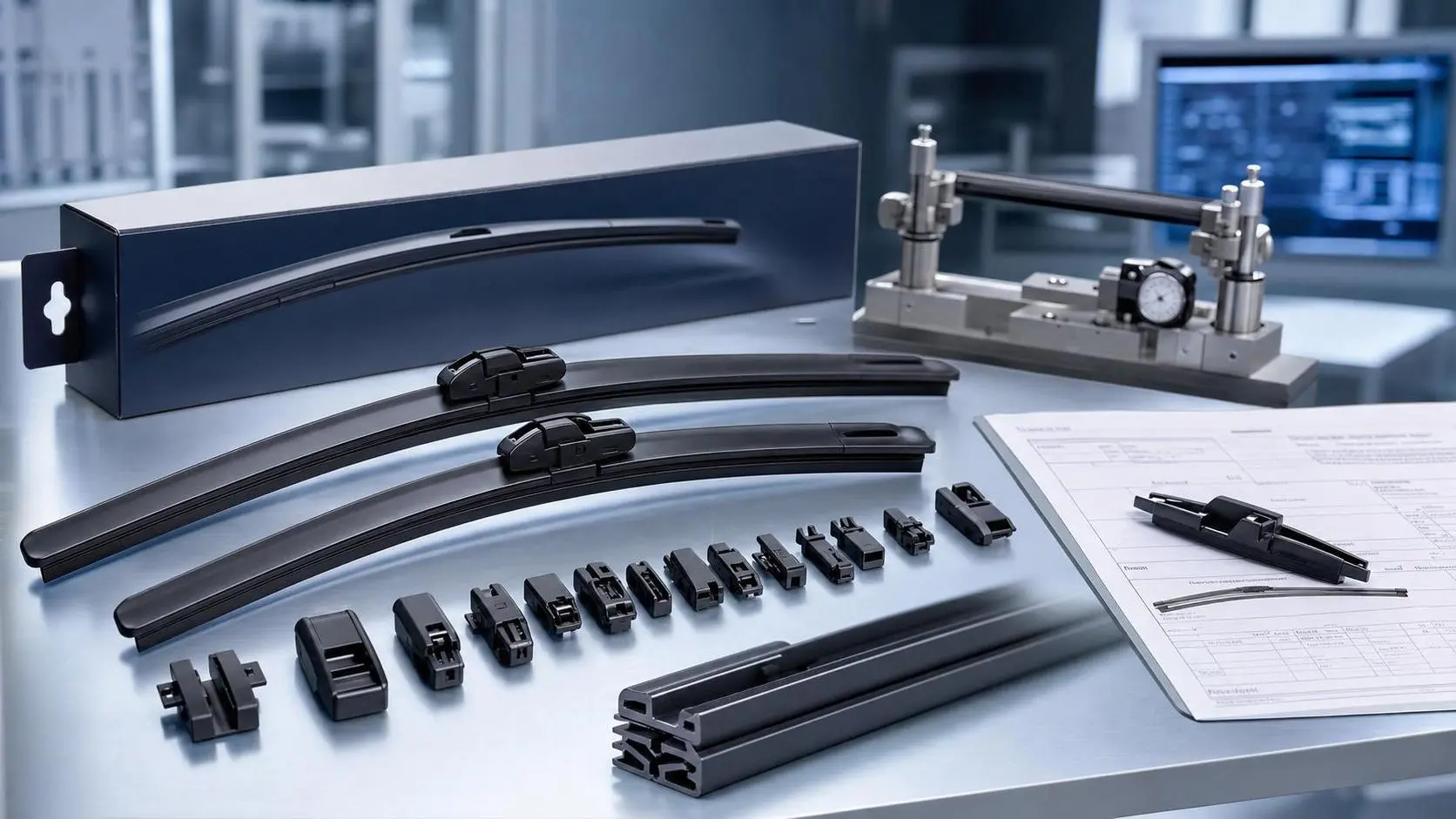
Flat Wiper Blades Wholesale Buying Guide: MOQ, Rubber Quality, Fitment, and Supplier Checks
Flat wiper blades wholesale buying guide covering MOQ, rubber quality, fitment accuracy, and supplier checks to reduce risk, improve margins, and choose reliable bulk partners.

Ebike Market USA: What Dealers Should Know About Demand Shifts, Pricing, and Product Mix
ebike market USA is shifting fast. Discover how demand segmentation, pricing pressure, and smarter product mix decisions can help dealers protect margins and grow.
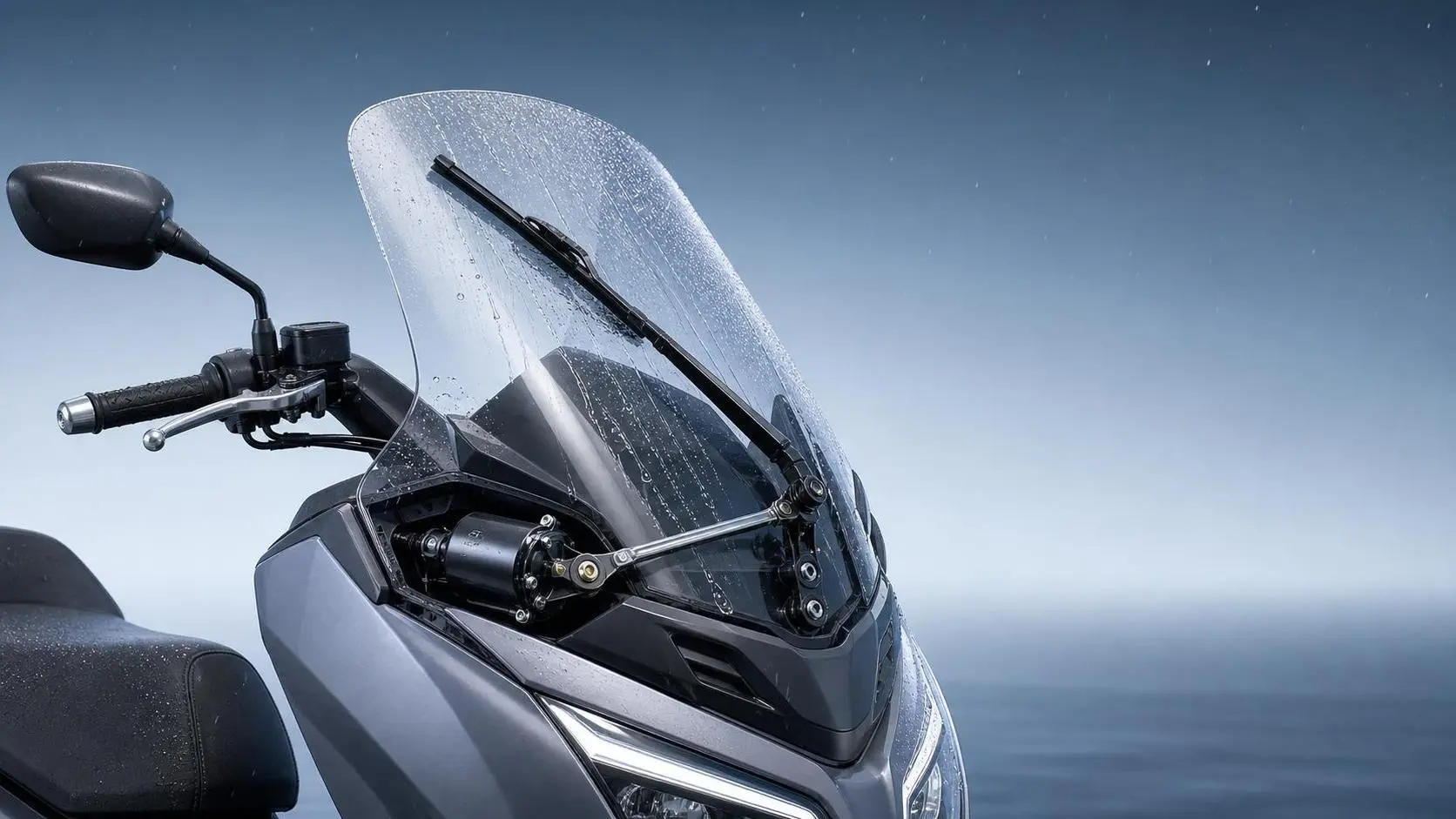
Wiper Systems for Scooters: Common Failure Points, Maintenance Tips, and Replacement Signs
Wiper systems for scooters: learn the most common failure points, smart maintenance tips, and clear replacement signs to improve visibility, reduce repeat repairs, and keep riders safer.

How to Choose Micro-Mobility Docking Stations for Shared Fleets and Public Charging Hubs
Micro-mobility docking stations: learn how to compare charging, locking, software, and site-fit factors to choose safer, smarter hubs for shared fleets and public use.
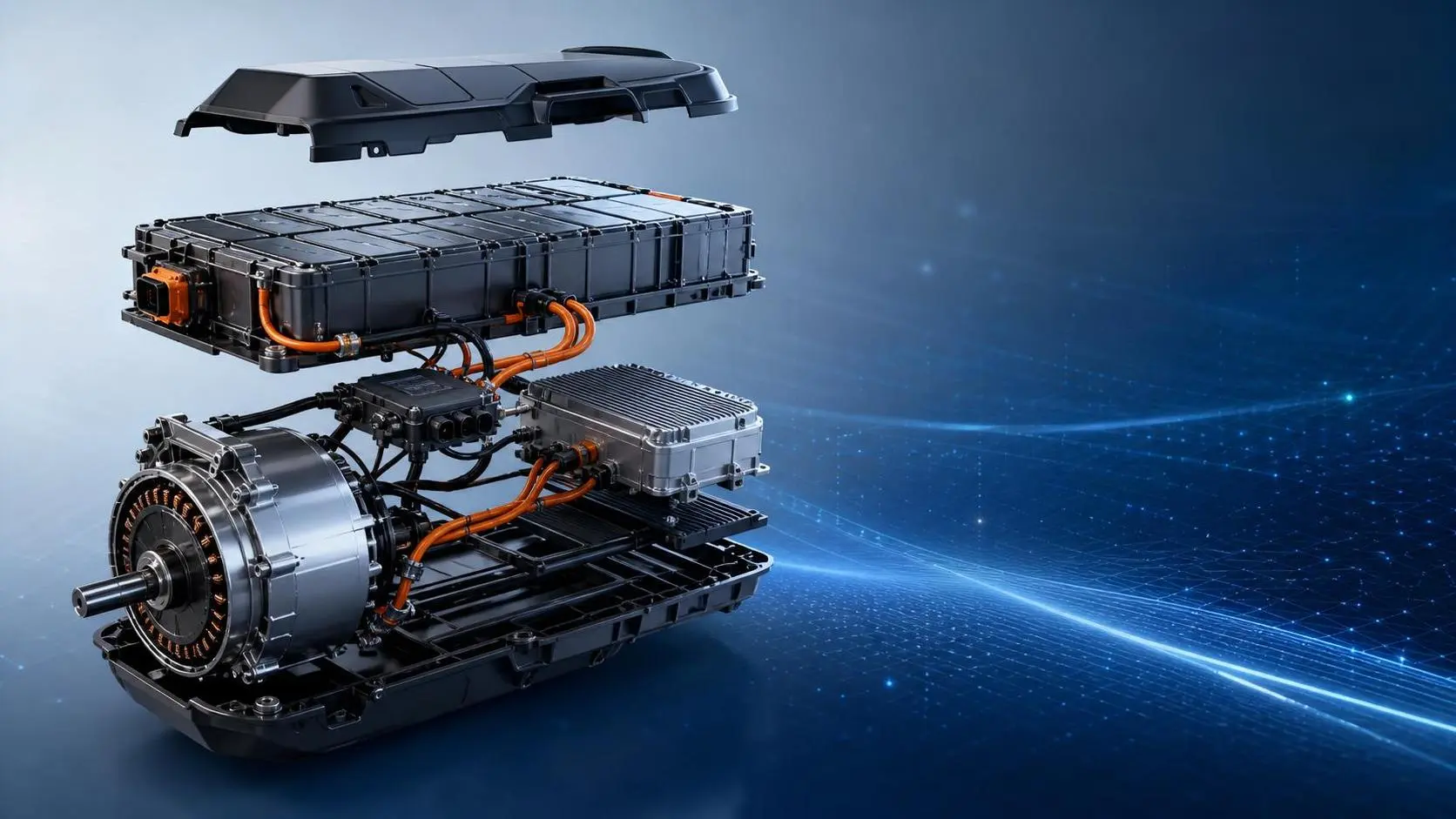
Powertrain Heat Management Explained: Key Design Factors for EV Efficiency and Battery Life
Powertrain heat management explained for EVs: discover how thermal design boosts efficiency, protects battery life, improves safety, and sustains real-world performance.