
Related News
- 00
0000-00
Urban Traffic Micro-Circulation Providers: Key Models, Deployment Scenarios, and ROI Factors - 00
0000-00
Ebike Market USA: What Dealers Should Know About Demand Shifts, Pricing, and Product Mix - 00
0000-00
Urban Micro Mobility Market Trends: What Operators and Investors Should Track - 00
0000-00
Micro-Mobility Trends: How Battery Swapping Is Reshaping Shared Scooter Operations - 00
0000-00
Urban Electric Vehicles Market: Key Growth Drivers and Adoption Challenges
Prof. Marcus Chen
Weekly Insights
Stay ahead with our curated technology reports delivered every Monday.
Urban Traffic Micro-Circulation Providers: Key Models, Deployment Scenarios, and ROI Factors





An urban traffic micro-circulation provider sits at the intersection of mobility hardware, digital operations, and city-scale transport planning. For organizations assessing these providers, the real question is not simply who can supply vehicles, but who can support reliable deployment, controllable risk, and measurable return across the full operating lifecycle.
That matters now because urban congestion, decarbonization targets, and short-distance travel demand are reshaping transport investment. E-bikes, smart e-scooters, and high-speed electric two-wheelers are no longer fringe options. They are becoming practical layers within broader urban traffic micro-circulation systems.
In this context, the urban traffic micro-circulation provider has become a strategic partner. The strongest providers combine vehicles, software, battery logic, safety engineering, and local compliance knowledge into a deployment model that can scale without eroding service quality or cost discipline.
Why micro-circulation now carries more strategic weight
Urban micro-circulation refers to short-range movement within dense areas, usually linking homes, transit stations, campuses, business districts, industrial parks, and commercial streets. It fills the gap between walking and conventional public transport.
The operational value is easy to see. A well-designed network reduces transfer friction, lowers parking pressure, and improves access to destinations that are too far to walk, yet inefficient for car use.
What has changed is the technical maturity of the sector. Vehicles are lighter, battery systems are smarter, connected control platforms are more stable, and city regulators are developing clearer operating frameworks.
This is also where UMMS offers useful market context. Its coverage of e-bikes, smart e-scooters, high-speed e-motorcycles, and precision drivetrain components reflects how micro-mobility is evolving from simple hardware sales into an integrated performance and intelligence market.
What an urban traffic micro-circulation provider actually delivers
A credible urban traffic micro-circulation provider does more than deliver fleets. It typically brings together vehicle platforms, telematics, charging or battery-swapping solutions, maintenance workflows, rider safety controls, and operating data.
In practical terms, the provider becomes responsible for connecting engineering reliability with daily field performance. That includes uptime, weather resilience, battery health, spare parts planning, and software visibility across the fleet.
The provider category is also broad. Some focus on shared mobility operations. Others support enterprise campuses, logistics parks, tourism zones, universities, or municipal pilot programs. Their value proposition changes with the use case.
Three common provider models
Many leading companies now blend these models. That hybrid approach is often more resilient, especially when deployment requires both physical assets and continuous digital oversight.
Deployment scenarios that change provider requirements
Choosing an urban traffic micro-circulation provider starts with scenario clarity. The same fleet architecture rarely works equally well across all environments.
Transit-linked first and last mile
Here, vehicle availability and station proximity matter more than top speed. E-bikes and smart e-scooters usually perform well, provided parking logic and right-of-way compliance are tightly managed.
Closed or semi-closed campuses
Universities, factories, hospitals, and business parks need predictable routing, easy maintenance access, and strong user control. Docked fleets or geofenced systems often outperform free-floating models in these environments.
Commercial delivery corridors
For light logistics, the provider must support heavier duty cycles. Battery swapping, drivetrain durability, payload balance, and thermal management become more important than consumer-style user experience.
Tourism and mixed-use districts
In these areas, seasonal demand and safety visibility can dominate economics. Vehicle design, rider onboarding, braking performance, and weather-readiness deserve closer review.
This is where component insight becomes relevant. UMMS tracks not only vehicle categories, but also drivetrain precision, battery behavior, and even visibility-related subsystems such as advanced wiper technologies for harsh operating conditions.
The ROI factors that matter more than headline fleet cost
A low purchase price can look attractive, yet weak uptime or poor battery durability quickly reverses the economics. A proper ROI review needs to cover operating reality, not just procurement terms.
Utilization and asset turnover
The first ROI question is whether the fleet will be used often enough. Route density, rebalancing speed, charging cycles, and daily availability shape utilization more than vehicle count.
Infrastructure burden
Some urban traffic micro-circulation provider models require docks, charging cabinets, swapping stations, or dedicated service points. Others reduce site work but increase field operations complexity. The tradeoff should be modeled early.
Lifecycle maintenance
Maintenance is often underestimated. Brake wear, tire replacement, frame fatigue, battery degradation, controller failure, and spare parts lead time all affect total cost of ownership.
Safety and compliance exposure
Poorly controlled deployments generate hidden costs through accidents, improper parking, theft, vandalism, and regulatory friction. Those issues can erase the expected gain from fast rollout.
Data visibility
Without operational data, it becomes difficult to adjust routes, charging strategy, fleet mix, or service intervals. A strong urban traffic micro-circulation provider should expose actionable data, not just dashboard cosmetics.
What to examine before selecting a provider
The provider assessment should combine technical review with deployment realism. Several areas usually separate scalable programs from expensive pilots.
- Vehicle-platform fit: e-bike, smart e-scooter, or high-speed e-motorcycle must match route length, terrain, and traffic rules.
- Battery architecture: fixed charging and battery swapping support different labor models and uptime targets.
- Control system maturity: geofencing, fault alerts, anti-tamper logic, and remote diagnostics should work at fleet scale.
- Service network depth: spare parts access and local maintenance response usually matter more than brochure specifications.
- Regulatory adaptability: local rules on speed, parking, data sharing, and right-of-way can change deployment economics.
- Component quality: drivetrain precision, braking stability, lighting, and weather durability affect both safety and replacement cycles.
This is another reason intelligence sources matter. UMMS tracks subsidy policy, regulatory shifts, battery management trends, and component evolution, giving decision teams a wider basis for provider comparison.
How the market is evolving
The urban traffic micro-circulation provider market is moving away from simple fleet rollout. Buyers increasingly expect integrated performance across hardware, software, energy systems, and compliance reporting.
Battery intelligence is becoming central. Thermal control, charging efficiency, and battery health forecasting increasingly shape both uptime and residual asset value.
Precision components are also gaining importance. Better drivetrain systems improve efficiency, reduce maintenance interruptions, and make electric assistance more responsive in stop-and-go urban use.
At the same time, public authorities and private operators want cleaner evidence of value. They need to see whether micro-circulation actually reduces congestion, supports low-carbon mobility, and improves user access without creating new operational disorder.
A practical next step for evaluation
A useful starting point is to map the operating scenario before comparing brands. Define trip distance, demand peaks, charging constraints, parking rules, terrain, and maintenance expectations.
Then compare each urban traffic micro-circulation provider against a short list of measurable criteria: fleet uptime, infrastructure burden, safety controls, battery lifecycle, component reliability, and data transparency.
Where the program has strategic importance, it is worth pairing provider evaluation with sector intelligence. Signals from UMMS on e-bike regulation, smart scooter operations, electric powertrain development, and component trends can sharpen that judgment.
The strongest decisions usually come from treating micro-circulation as a system, not a vehicle purchase. Once the operating model, scenario fit, and ROI drivers are clear, the right provider becomes easier to identify and scale with confidence.
- e-bikes
- smart e-scooters
- high-speed e-motorcycles
- electric powertrain
- battery management
- low-carbon mobility
- thermal management
- precision drivetrain
- urban traffic micro-circulation
- electric two-wheelers
- shared mobility
- battery swapping
- micro-mobility
- urban traffic micro-circulation systems
- precision drivetrain components
- urban traffic micro-circulation provider
Related News
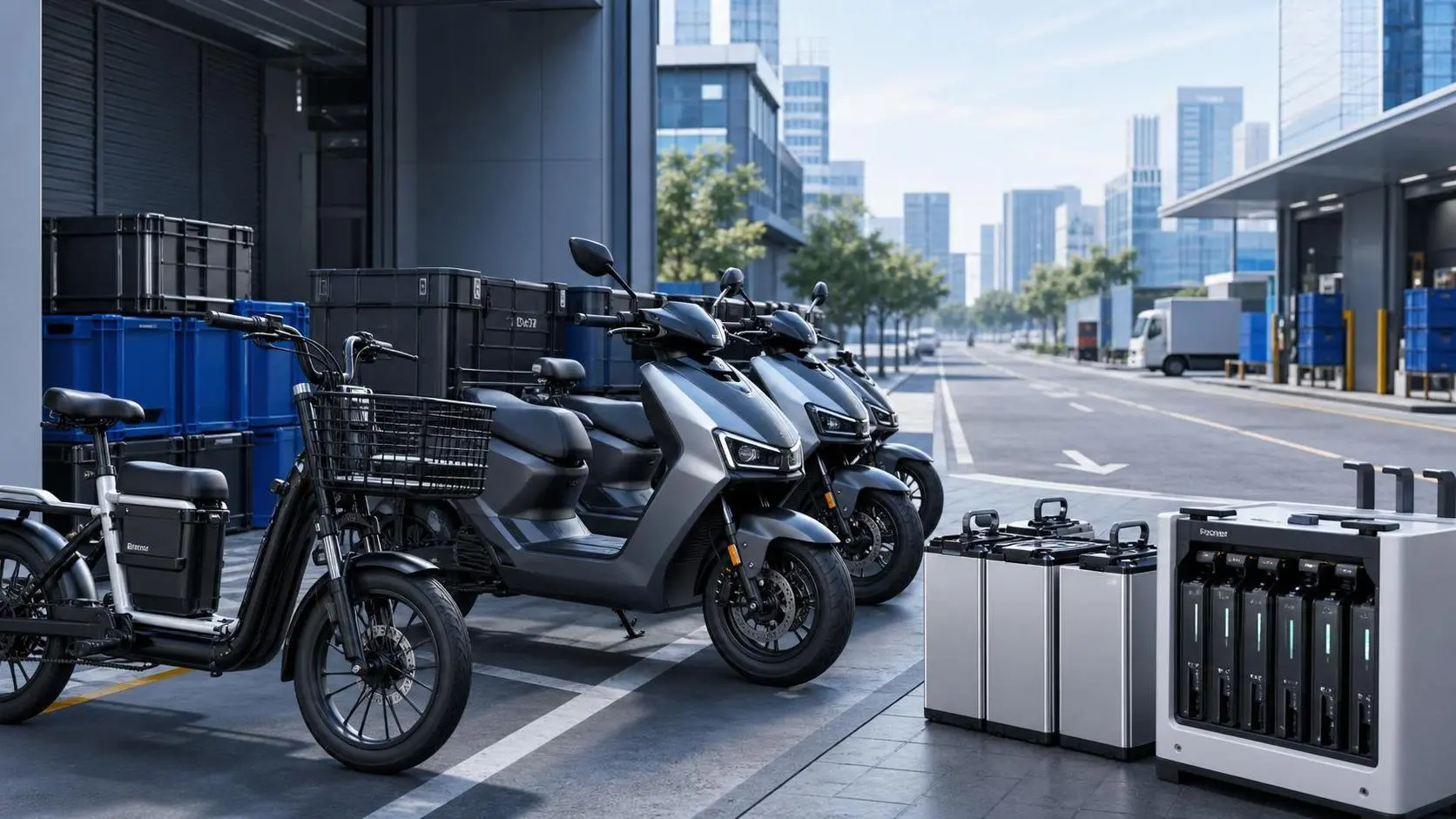
What Makes a Last-Mile Revolution Provider Worth Evaluating for Urban Delivery Projects?
Last-mile revolution provider evaluation starts with fleet fit, battery strategy, compliance, and uptime. Learn how to choose a partner that can scale urban delivery reliably.

E Scooter Resort Applications: Best Use Cases for Guest Mobility and Staff Transport
E scooter resort applications work best when matched to layout, terrain, and operations. Explore the best guest mobility and staff transport use cases for resorts.

How to Choose Shared Fleet Scooters for Operators: Range, Durability, and Service Needs
Shared fleet scooter for operators: learn how to compare real-world range, durability, and service needs to reduce downtime, improve ROI, and choose fleet-ready models with confidence.
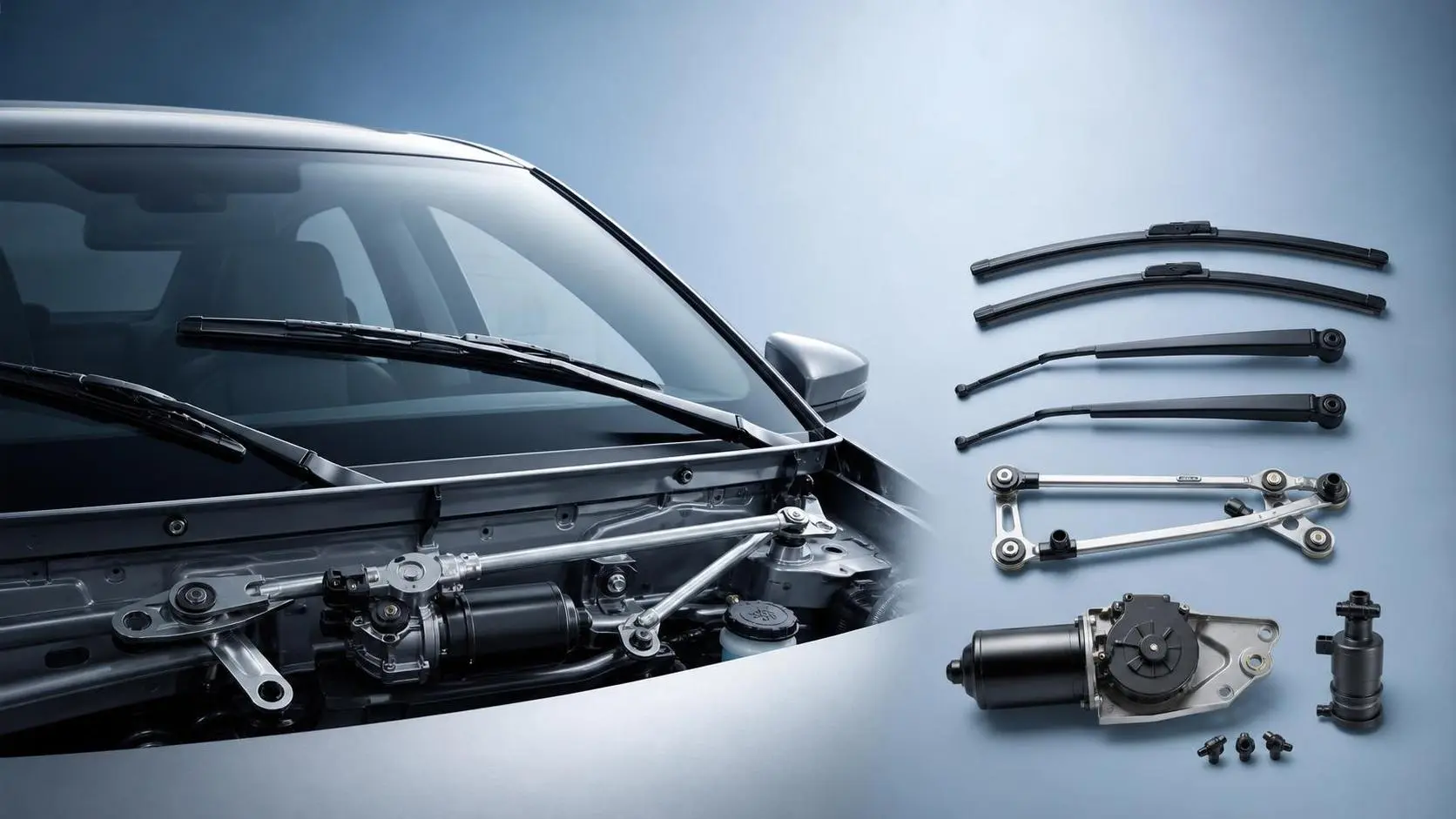
Replacement Wiper System Components Explained: Parts, Fitment, and When to Replace
Replacement wiper system components explained clearly: discover key parts, fitment checks, failure signs, and smart replacement tips to improve safety, reduce callbacks, and keep visibility reliable.
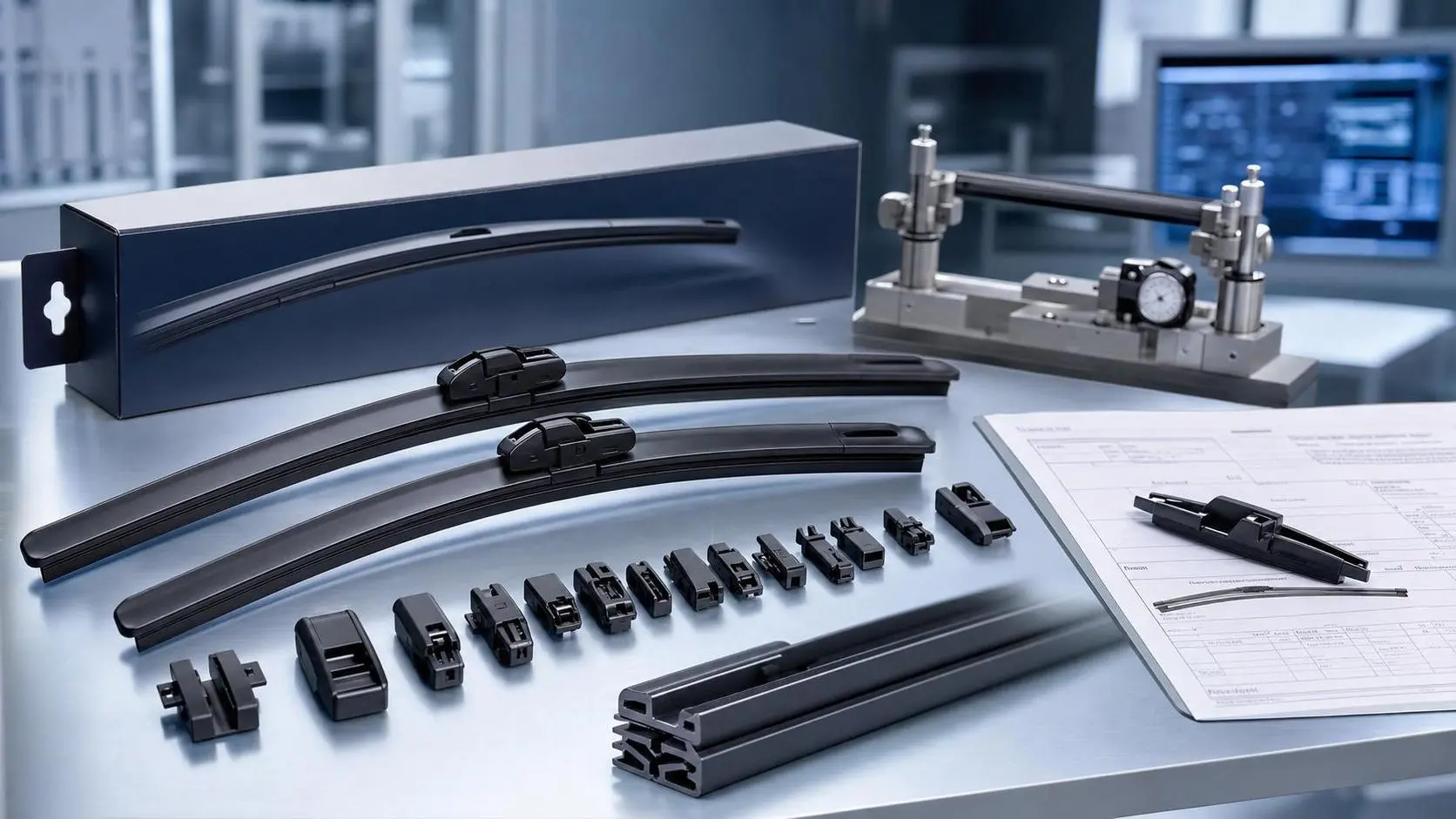
Flat Wiper Blades Wholesale Buying Guide: MOQ, Rubber Quality, Fitment, and Supplier Checks
Flat wiper blades wholesale buying guide covering MOQ, rubber quality, fitment accuracy, and supplier checks to reduce risk, improve margins, and choose reliable bulk partners.

Ebike Market USA: What Dealers Should Know About Demand Shifts, Pricing, and Product Mix
ebike market USA is shifting fast. Discover how demand segmentation, pricing pressure, and smarter product mix decisions can help dealers protect margins and grow.

Wiper Systems for Scooters: Common Failure Points, Maintenance Tips, and Replacement Signs
Wiper systems for scooters: learn the most common failure points, smart maintenance tips, and clear replacement signs to improve visibility, reduce repeat repairs, and keep riders safer.
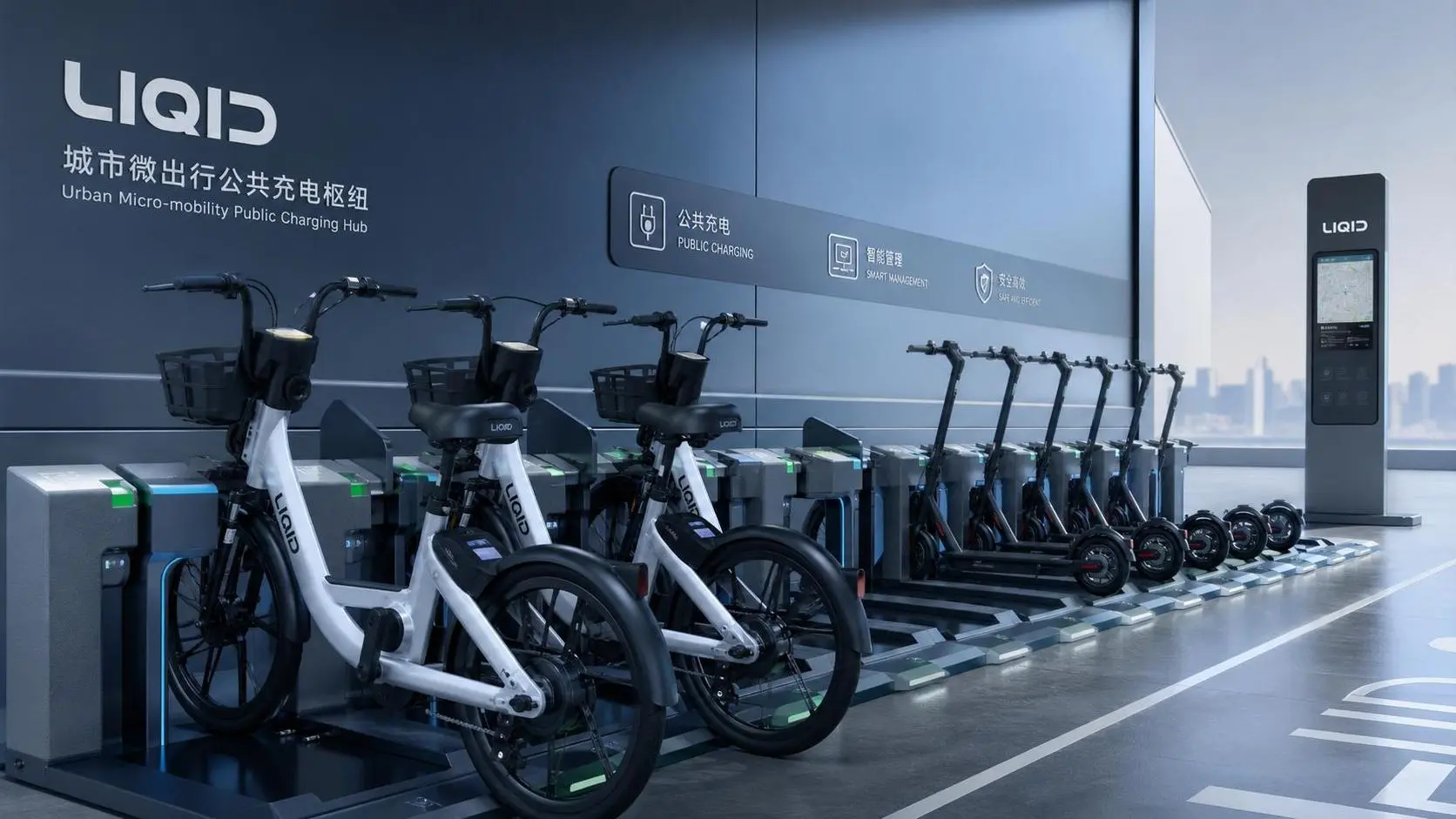
How to Choose Micro-Mobility Docking Stations for Shared Fleets and Public Charging Hubs
Micro-mobility docking stations: learn how to compare charging, locking, software, and site-fit factors to choose safer, smarter hubs for shared fleets and public use.
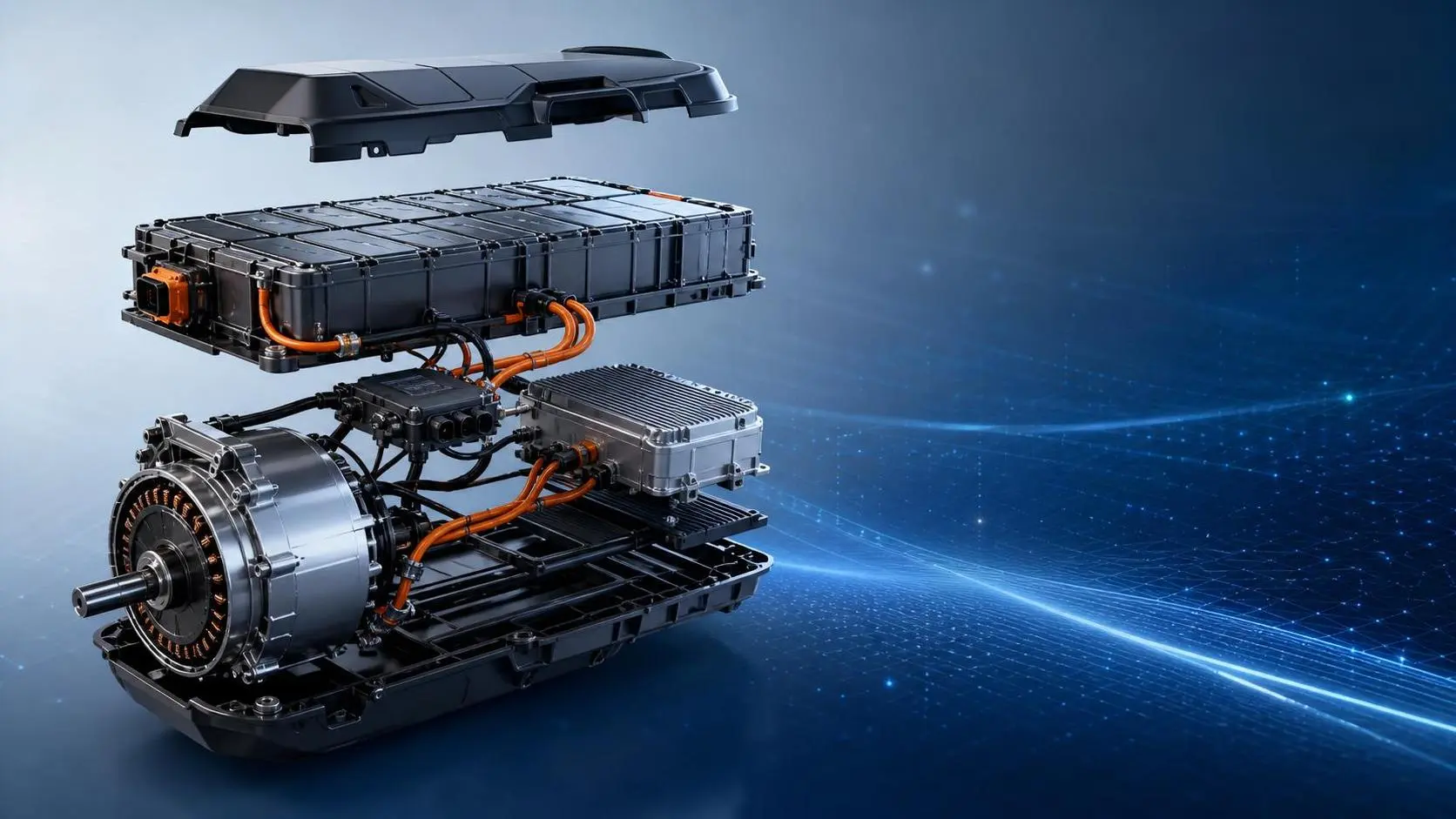
Powertrain Heat Management Explained: Key Design Factors for EV Efficiency and Battery Life
Powertrain heat management explained for EVs: discover how thermal design boosts efficiency, protects battery life, improves safety, and sustains real-world performance.