
Related News
- 00
0000-00
What Affects Urban Traffic Innovation Price in Smart City Transport Projects? - 00
0000-00
How to Evaluate a Battery Management Systems Exporter for Quality, Compliance, and Support - 00
0000-00
What Drives Urban Mobility Adoption in Congested Cities: Cost, Convenience, and Policy - 00
0000-00
How to Verify Micro Mobility Technical Credibility Before Supplier Approval - 00
0000-00
Urban Electric Vehicles Fleet Planning: Key Cost and Maintenance Factors to Compare
Ms. Elena Rodriguez
Weekly Insights
Stay ahead with our curated technology reports delivered every Monday.
What Affects Urban Traffic Innovation Price in Smart City Transport Projects?





What Affects Urban Traffic Innovation Price in Smart City Transport Projects?
For finance-led project reviews, urban traffic innovation price is rarely a simple hardware quote.
It reflects system scope, operating risk, rollout timing, data needs, and long-term maintenance obligations.
In smart city transport projects, that matters even more when micro-mobility is involved.
E-bikes, smart e-scooters, battery systems, fleet software, and safety modules all change the cost structure.
The practical question is not only how much a project costs today.
It is whether the urban traffic innovation price supports durable value, policy fit, and efficient scaling.
1. Project Scope Is the First Cost Multiplier
Scope defines the baseline urban traffic innovation price more than any single component.
A pilot with 300 connected scooters is very different from a citywide network with charging, geofencing, and integrated traffic analytics.
Costs rise quickly when projects move from asset deployment to coordinated mobility management.
Typical scope elements include vehicle fleets, docking or parking control, IoT connectivity, software platforms, payment integration, and user safety systems.
In actual procurement work, three scope questions usually shape price:
- Is the project a pilot, phased expansion, or full deployment?
- Does the supplier provide only equipment or a full operating ecosystem?
- Will the system serve one district or multiple transport corridors?
When these answers stay vague, urban traffic innovation price often looks competitive upfront but expands later through change orders.
2. Hardware Quality Changes Lifetime Economics
Not all vehicles or transport devices carry the same useful life.
That is why urban traffic innovation price should be read against total service durability.
For e-bikes and smart e-scooters, pricing shifts with frame strength, motor efficiency, battery chemistry, braking design, and waterproofing grade.
Higher-grade parts usually raise acquisition cost, yet they often reduce downtime and replacement frequency.
The most common hardware cost drivers are:
- Battery capacity and cycle life
- Motor efficiency and thermal performance
- Anti-theft locks and onboard sensors
- Weather resistance for urban outdoor use
- Precision drivetrain and braking assemblies
For budget approval, the key is to compare replacement-adjusted cost, not just unit price.
3. Software and Data Platforms Add Strategic Value and Cost
A large share of urban traffic innovation price now sits in software rather than steel.
Fleet control dashboards, predictive maintenance tools, route optimization engines, and rider behavior analytics all carry license or development costs.
More advanced platforms also support policy enforcement.
That includes speed zones, parking compliance, battery status tracking, and integration with public transport systems.
From a finance perspective, this layer deserves close scrutiny.
A cheaper platform may create hidden costs if it lacks API flexibility, cybersecurity controls, or reporting depth.
In other words, urban traffic innovation price is increasingly tied to data governance and operational intelligence.
4. Battery Infrastructure Often Moves the Budget More Than Expected
Battery systems are one of the clearest variables in smart mobility cost analysis.
Projects using high-volume e-bikes, e-scooters, or high-speed e-motorcycles must plan for charging or swapping infrastructure.
That affects the urban traffic innovation price through equipment, power upgrades, land use, fire safety, and service labor.
Battery-related cost factors usually include:
- Central charging versus distributed charging
- Swapping cabinet density and uptime targets
- Battery management system sophistication
- Thermal control and safety compliance
- End-of-life recycling obligations
Recent market shifts show that battery infrastructure can decide whether a project remains financially stable after launch.
5. Safety and Compliance Requirements Raise Price but Reduce Exposure
Safety features directly influence urban traffic innovation price, especially in public or shared environments.
The requirement may cover lighting systems, advanced braking, sensor-based visibility tools, rider authentication, or tamper alerts.
It can also include weather resilience features.
For projects linked to road safety, visibility technologies such as smart sensing and support systems can push initial budgets higher.
Still, the tradeoff is often favorable when liability, accident reduction, and public acceptance are considered.
Compliance with local rules, data privacy standards, and product certifications also shapes the final urban traffic innovation price.
6. Integration With Existing City Systems Is a Major Budget Variable
Standalone hardware is easier to price than interoperable urban systems.
When smart transport projects must connect with transit cards, municipal dashboards, enforcement systems, or traffic signals, integration effort expands.
This part of the urban traffic innovation price is often underestimated during early planning.
Custom APIs, middleware, testing cycles, and interoperability support can consume a meaningful share of the total budget.
A practical review should ask whether integration is included in the bid or billed later.
That one distinction often separates a realistic cost model from an optimistic one.
7. Supplier Capability Changes Risk Pricing
Vendor maturity has a direct effect on urban traffic innovation price.
Established suppliers usually charge more because they bring tested platforms, global compliance experience, and stronger after-sales networks.
Lower-cost vendors may still be viable, but only if operational risk is understood clearly.
In procurement reviews, useful checkpoints include:
- Reference projects in similar urban environments
- Warranty structure and spare parts response time
- Software upgrade roadmap
- Battery and component sourcing stability
- Ability to support scaling across multiple zones
This also means the lowest urban traffic innovation price is not always the lowest-risk decision.
8. Operating Model and Contract Structure Influence Total Cost
How the project is contracted changes the real urban traffic innovation price.
A purchase-only model looks different from a managed service or revenue-sharing arrangement.
CapEx may fall under service contracts, but lifecycle cost can rise through recurring fees and performance clauses.
That is why cost comparison should use a common horizon, usually three to seven years.
How to Evaluate Urban Traffic Innovation Price More Accurately
A stronger review process usually improves budget accuracy more than aggressive negotiation alone.
Use this short checklist before approval:
- Separate one-time deployment cost from annual operating cost.
- Model battery replacement, software fees, and spare parts over time.
- Check whether integration and compliance work are fully included.
- Compare suppliers on uptime, warranty, and expansion readiness.
- Test price assumptions against a pilot-to-scale scenario.
That process gives a more realistic view of urban traffic innovation price and expected return.
It also helps identify where advanced micro-mobility systems truly create value.
For example, reliable e-bike fleets, smart e-scooters, and connected battery infrastructure may cost more initially.
Yet they often outperform cheaper systems through lower failure rates, better user compliance, and stronger planning data.
In the end, urban traffic innovation price should be judged as a strategic operating investment, not only a procurement line item.
When the scope, technology stack, safety layer, and service model are evaluated together, approval decisions become faster, cleaner, and far more defensible.
Related News
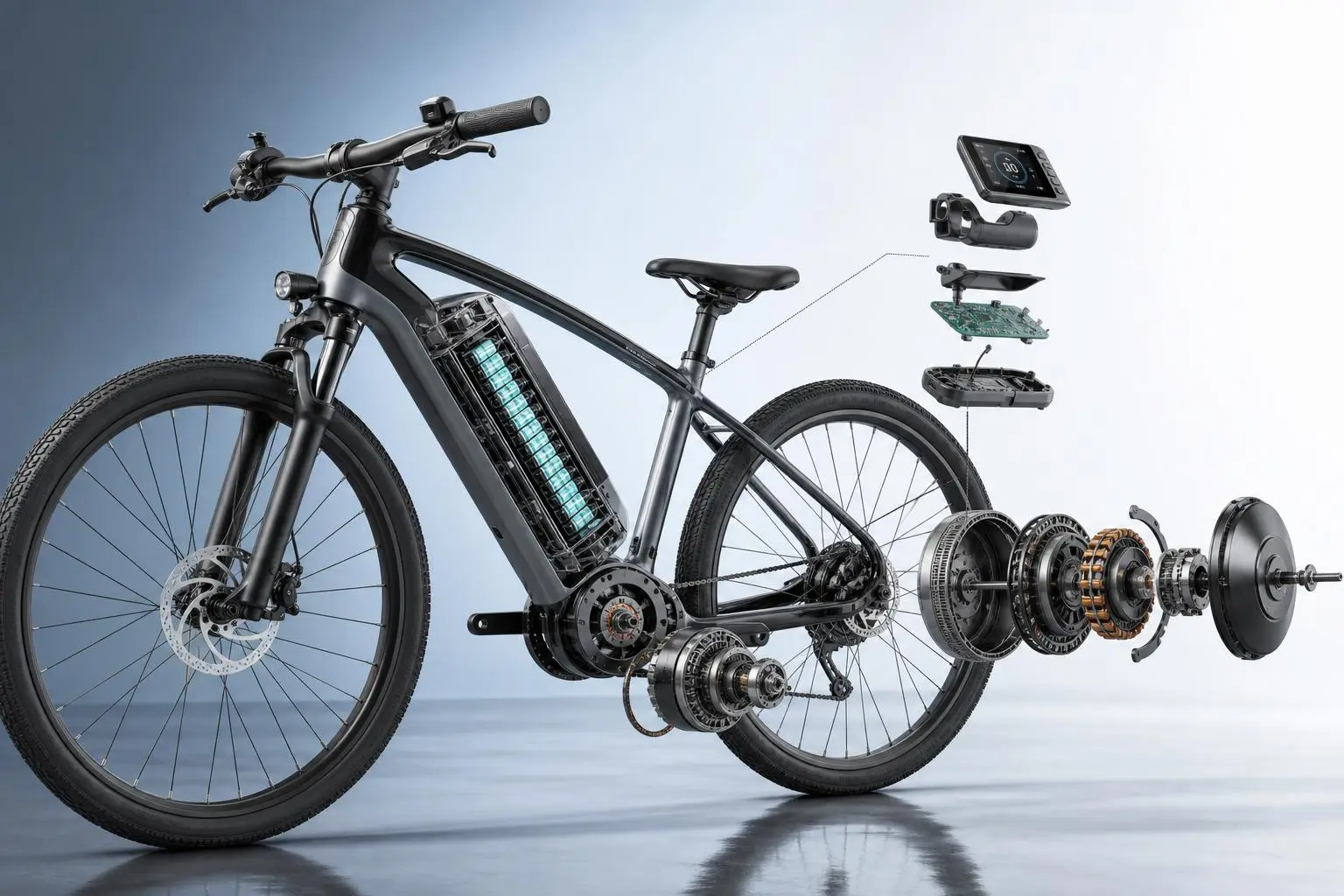
E-Bike Technology Explained: Motor Types, Battery Range, and Control Systems
E-bike technology explained: compare motor types, battery range, and control systems to understand real-world performance, smarter buying decisions, and urban mobility value.
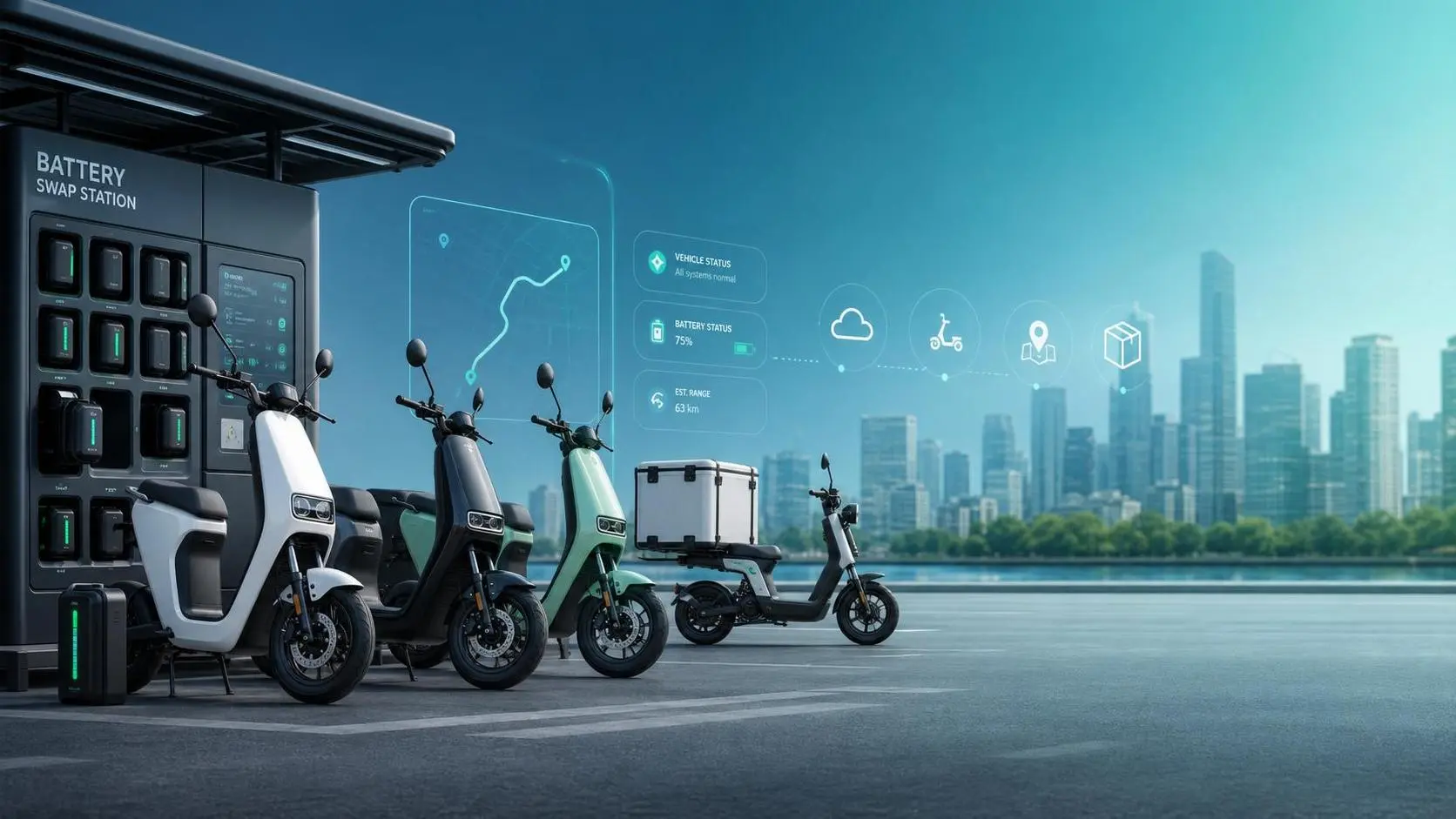
Swappable Battery Scooter Market: Key Growth Segments and Fleet Demand Signals
Swappable battery scooter market trends reveal where growth is accelerating, which fleet segments lead demand, and how swapping improves uptime, cost control, and urban mobility efficiency.
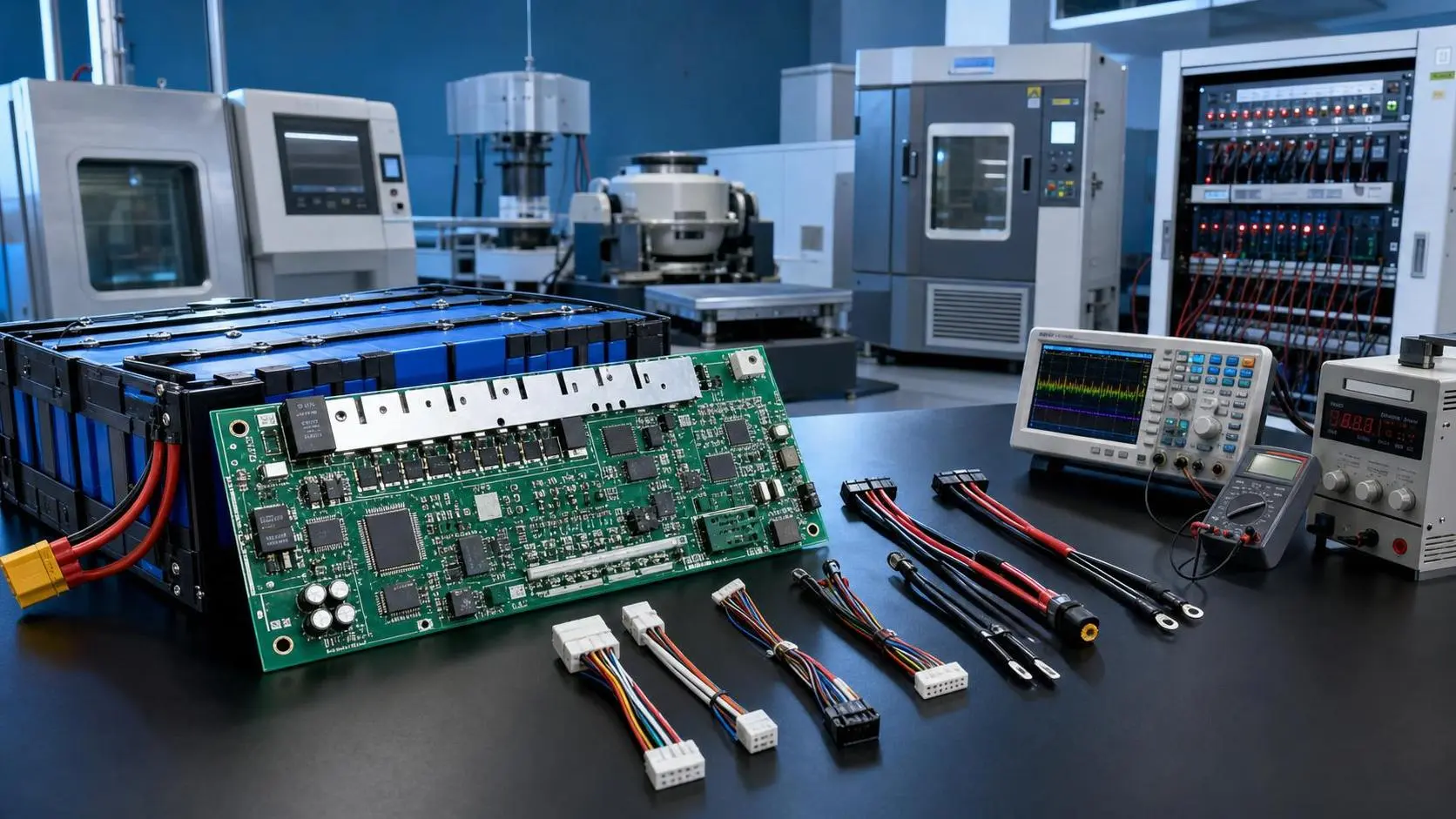
How to Evaluate a Battery Management Systems Exporter for Quality, Compliance, and Support
Battery management systems exporter selection affects safety, compliance, and uptime. Learn how to compare quality records, certification readiness, and support before you buy.
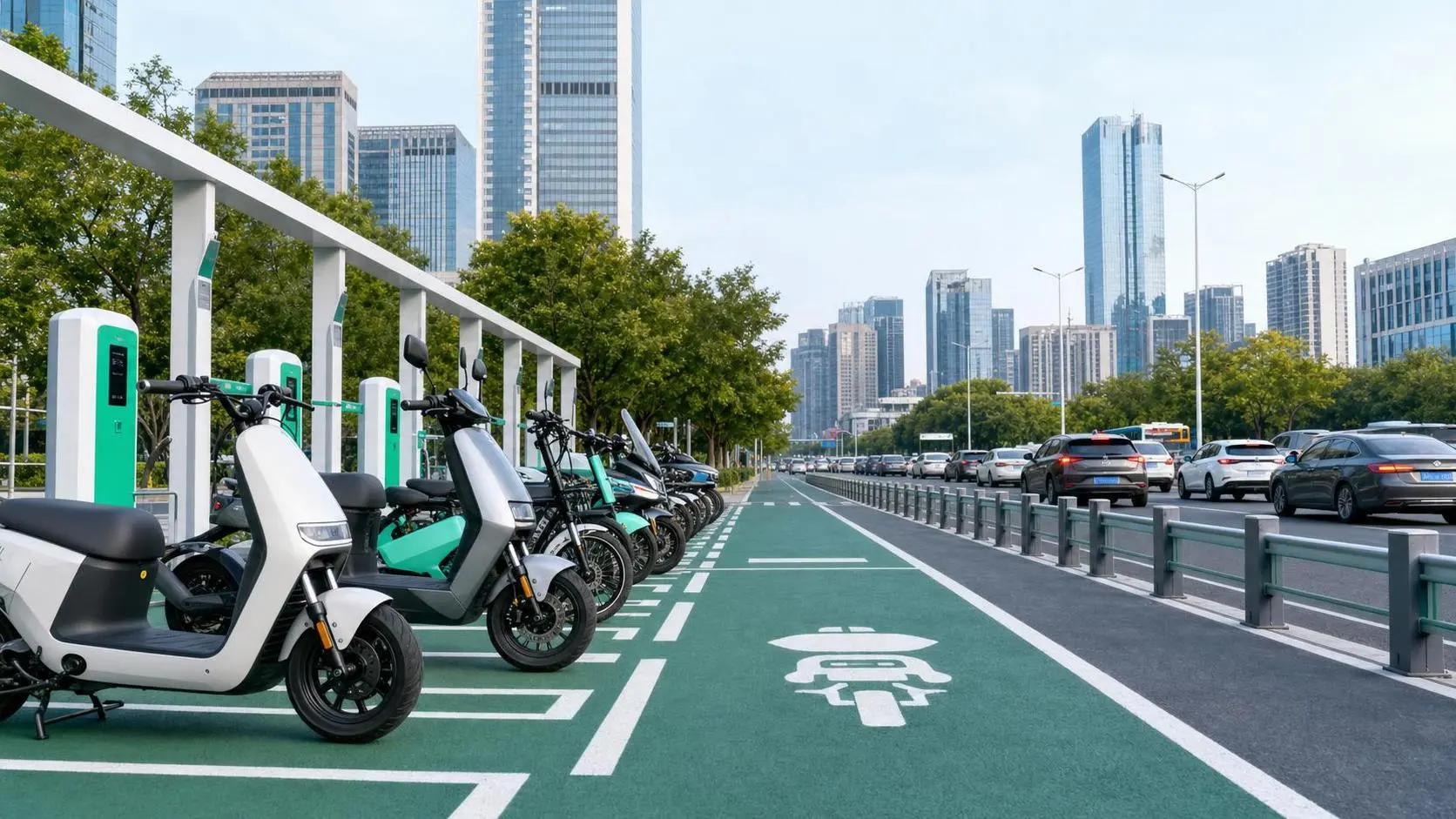
What Drives Urban Mobility Adoption in Congested Cities: Cost, Convenience, and Policy
Urban mobility adoption is accelerating in congested cities as cost savings, daily convenience, and smart policy reshape commuting. Discover what drives faster adoption and long-term market growth.
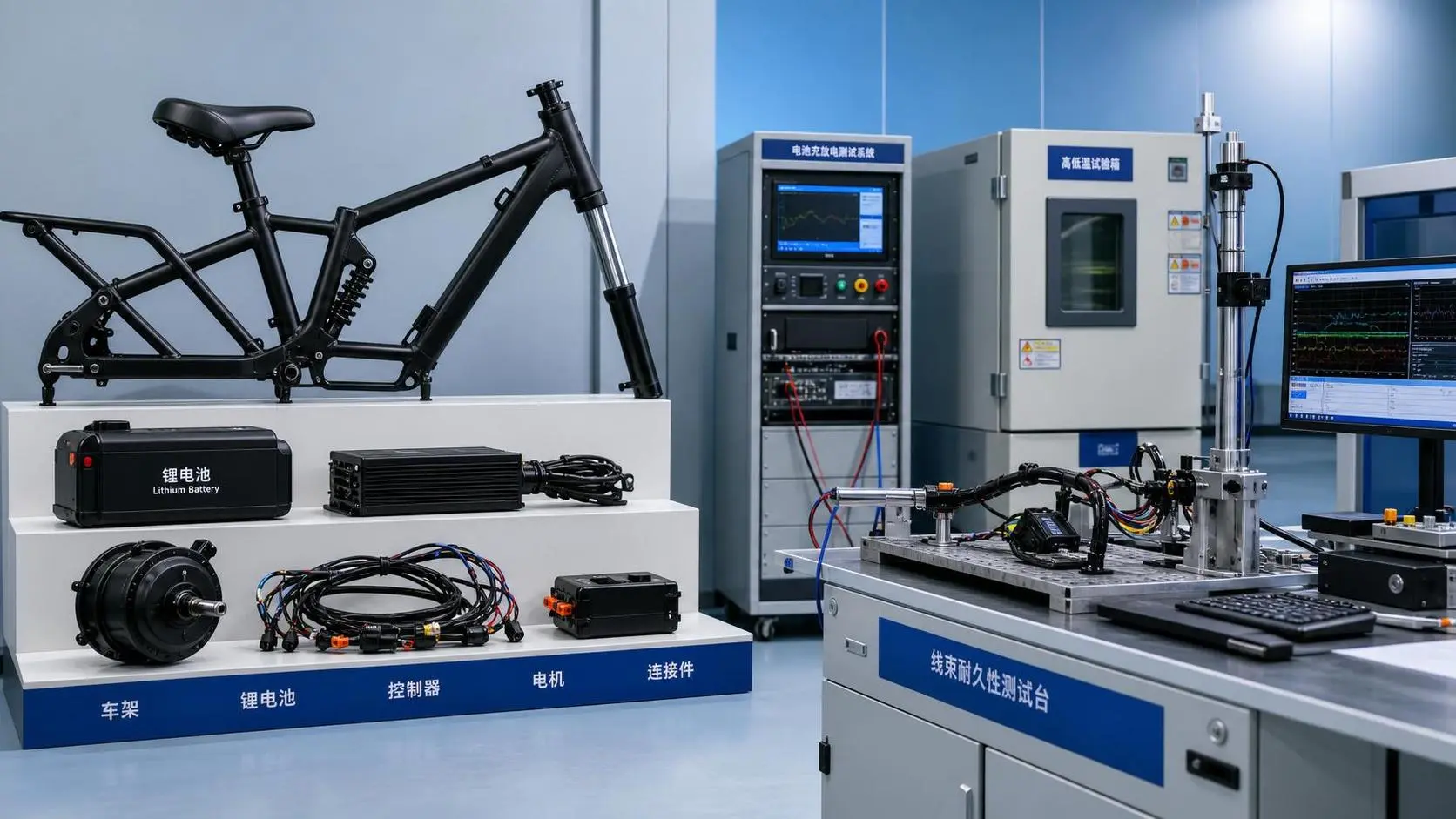
How to Verify Micro Mobility Technical Credibility Before Supplier Approval
Micro mobility technical credibility starts with proof, not promises. Learn how to verify tests, compliance, field data, and supplier controls before approval.
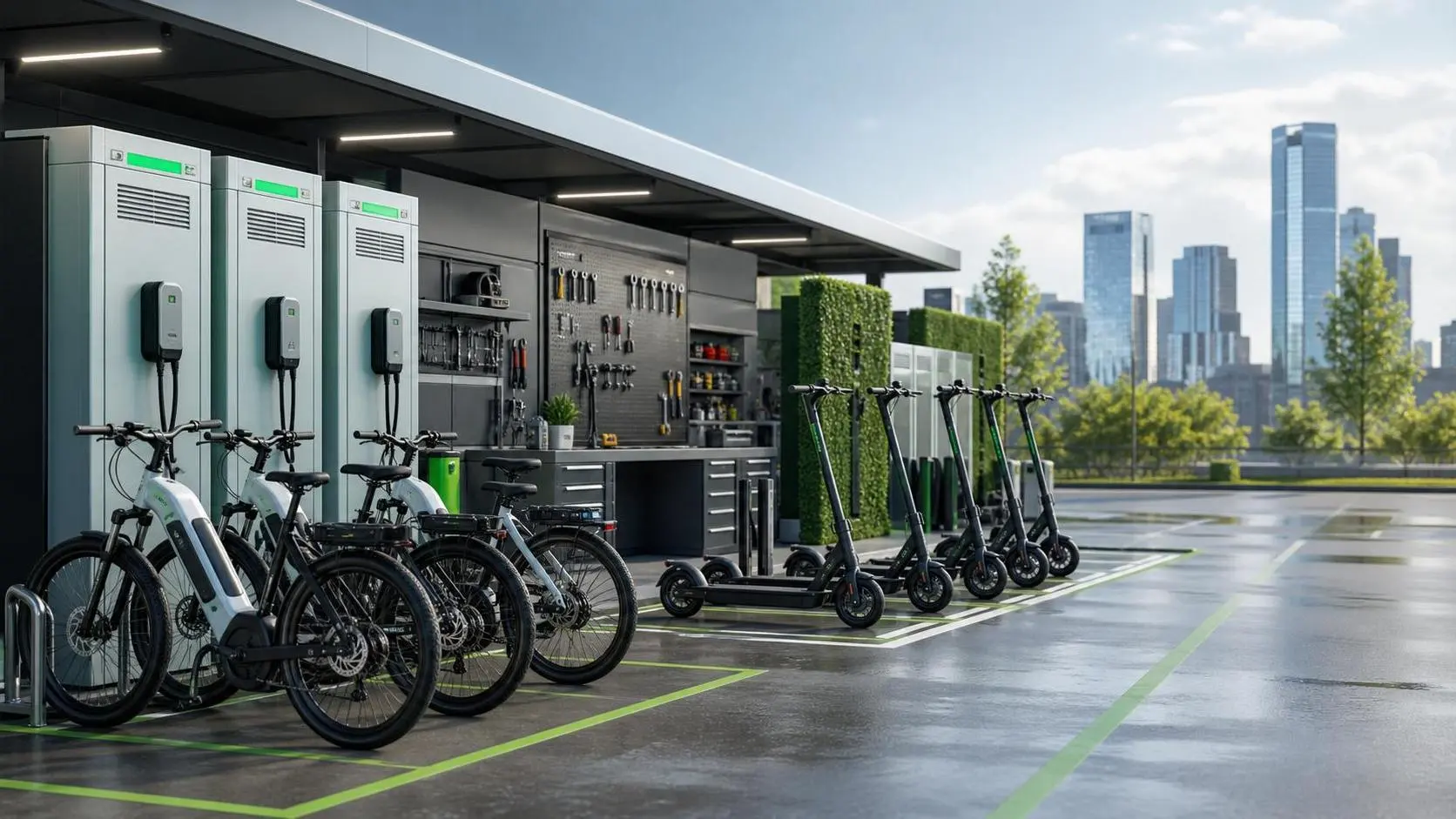
Urban Electric Vehicles Fleet Planning: Key Cost and Maintenance Factors to Compare
Urban electric vehicles fleet planning goes beyond purchase price. Compare battery life, charging, maintenance, uptime, and TCO to choose a smarter, more scalable fleet.
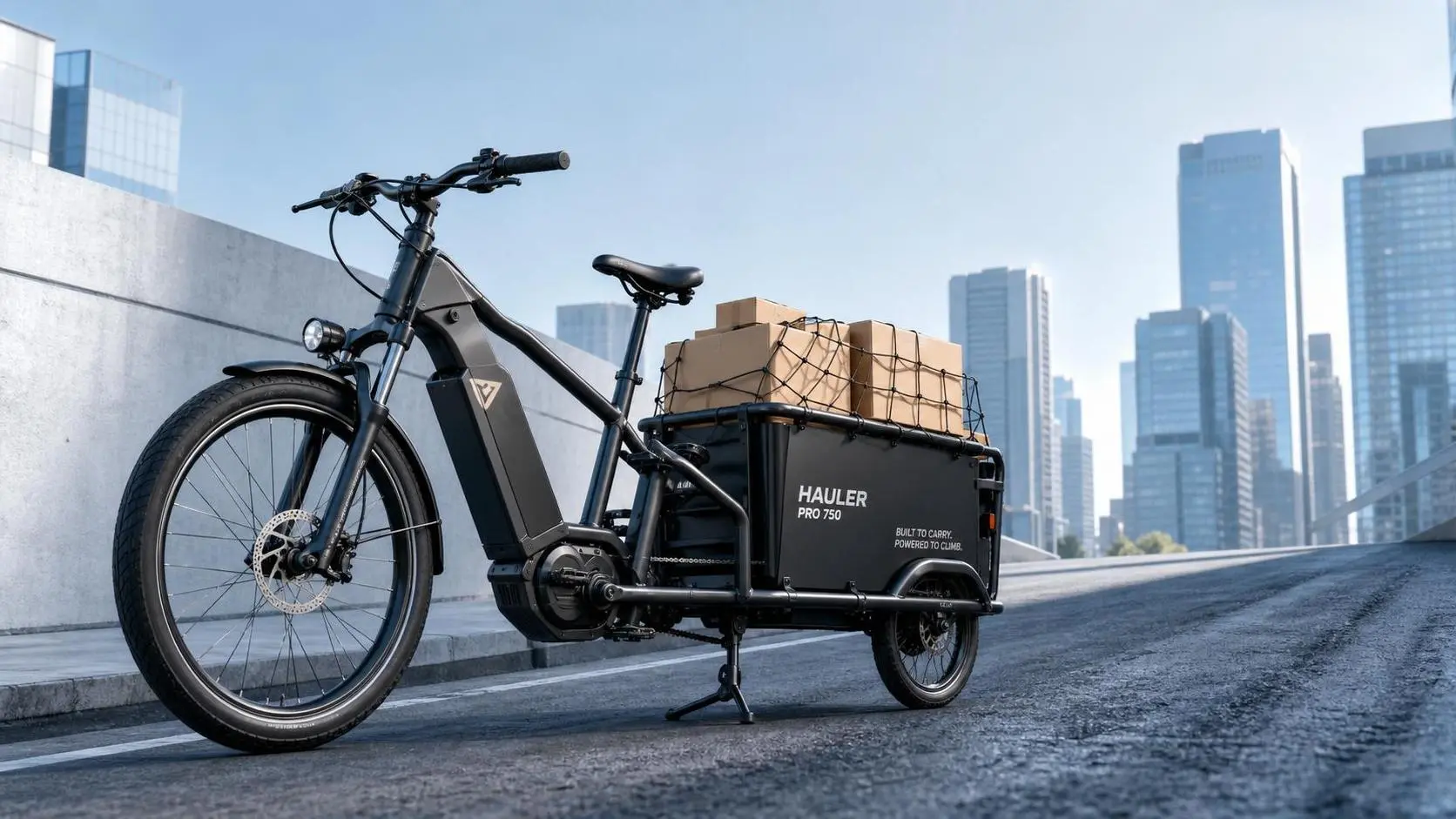
Electric Torque for Ebikes Explained: What Power Delivery Means for Climbing and Cargo
Electric torque for ebikes explained: learn how torque shapes hill climbing, cargo hauling, smoother starts, and real-world commuting performance before you buy.
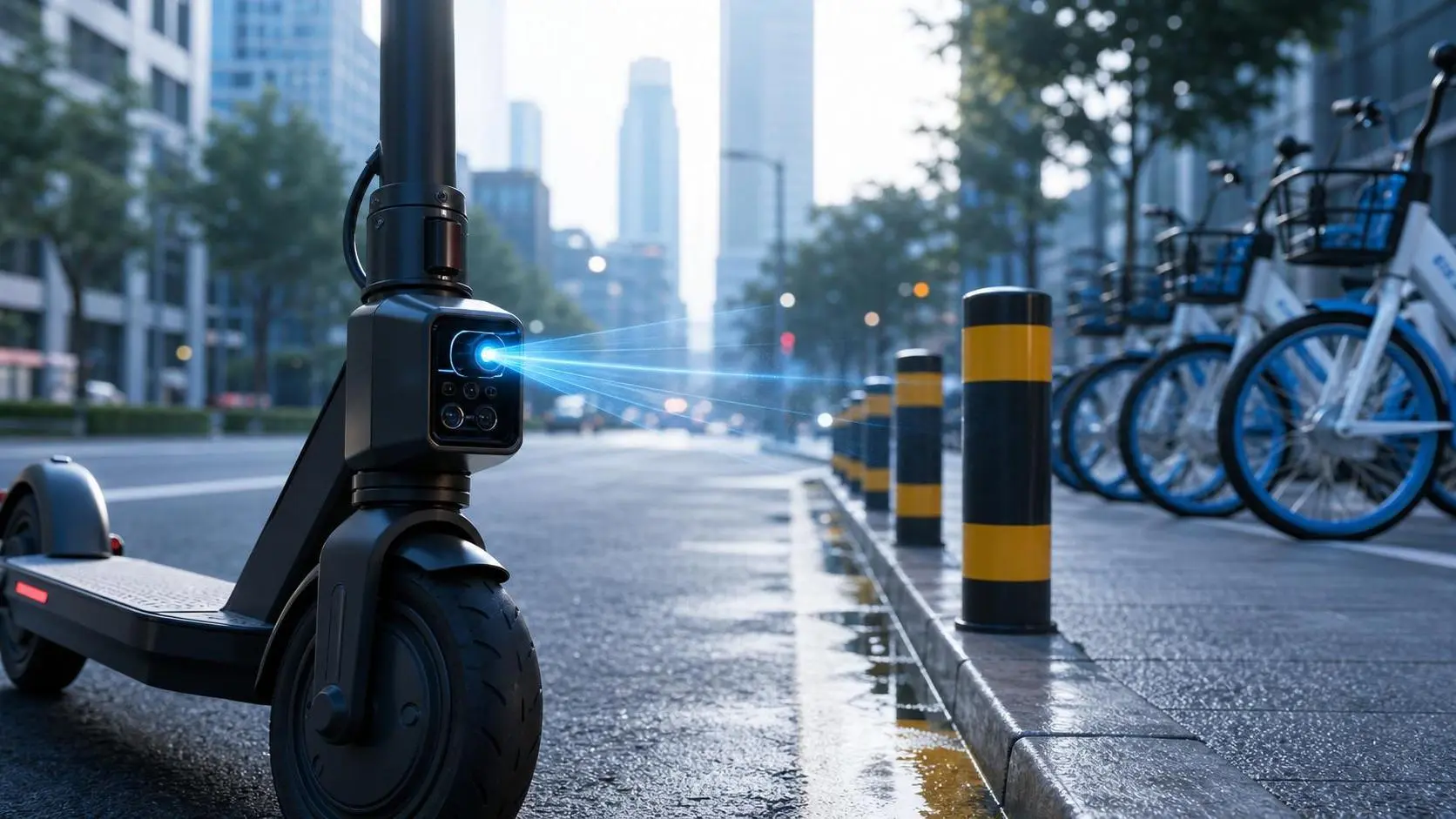
Photoelectric Recognition for Scooters: How It Improves Detection in Urban Riding
Photoelectric recognition for scooters improves obstacle detection, edge awareness, and rider safety in urban traffic. Discover how it boosts smarter, more reliable city riding.
How to Evaluate a Micro-Mobility Supplier for Shared Fleet Reliability
Micro-mobility supplier selection directly shapes fleet uptime, maintenance costs, and rider trust. Learn how to evaluate durability, batteries, software, and service support for reliable shared fleet growth.