
Related News
- 00
0000-00
What Affects Urban Traffic Innovation Price in Smart City Transport Projects? - 00
0000-00
How to Evaluate a Battery Management Systems Exporter for Quality, Compliance, and Support - 00
0000-00
What Drives Urban Mobility Adoption in Congested Cities: Cost, Convenience, and Policy - 00
0000-00
How to Verify Micro Mobility Technical Credibility Before Supplier Approval - 00
0000-00
Urban Electric Vehicles Fleet Planning: Key Cost and Maintenance Factors to Compare
Ms. Elena Rodriguez
Weekly Insights
Stay ahead with our curated technology reports delivered every Monday.
How to Evaluate a Battery Management Systems Exporter for Quality, Compliance, and Support





Choosing a battery management systems exporter is rarely just a price decision. In micro-mobility, it shapes pack safety, vehicle uptime, certification speed, and field service costs.
That matters even more for e-bikes, smart e-scooters, and high-speed e-motorcycles, where battery behavior directly affects range, thermal stability, and user trust.
From the UMMS view of the last-mile and two-wheeler electrification market, the strongest suppliers are not only electronics vendors. They are compliance-aware engineering partners.
So what should be checked before shortlisting a battery management systems exporter? The practical answer starts with product fit, then moves quickly into validation evidence, export readiness, and support discipline.
What separates a capable battery management systems exporter from a basic component seller?
A basic seller can quote voltage, current, and lead time. A capable battery management systems exporter can explain cell chemistry behavior, failure logic, and integration limits.
That difference becomes obvious in real programs. An e-bike pack has different balancing, communication, and thermal expectations than a swap-ready high-speed e-motorcycle battery.
Good exporters usually discuss more than PCB layout. They ask about charger strategy, enclosure sealing, riding profile, ambient temperature, vibration, and legal market destination.
In practice, the first screening question is simple: can the supplier connect BMS design logic to vehicle use conditions without relying on vague claims?
- Do they support Li-ion chemistry variants with clear parameter limits?
- Can they describe protection thresholds and recovery behavior?
- Do they offer CAN, UART, Bluetooth, or IoT communication options when needed?
- Can they explain how firmware changes are validated before release?
If those answers stay generic, the exporter may still be usable for low-risk projects. For export-oriented mobility programs, that is usually not enough.
Which quality documents and test evidence actually matter?
Many buyers receive thick document packs. The useful part is not document volume. It is whether the records prove consistent process control and product traceability.
A reliable battery management systems exporter should be ready to show controlled specifications, revision history, incoming inspection methods, functional test coverage, and shipment traceability.
For micro-mobility applications, test evidence should also reflect rough usage realities. Vibration, temperature cycling, moisture exposure, connector durability, and overcurrent response are not optional topics.
More importantly, ask whether test reports are linked to the exact hardware revision being quoted. Old reports from a similar model can create expensive confusion.
This kind of evidence gives a clearer picture than marketing claims. It also makes supplier comparisons far more objective.
How should compliance be checked when the target market is global?
A battery management systems exporter does not certify the whole vehicle alone, but their design decisions strongly influence whether certification becomes smooth or painful.
That is especially relevant in Europe and North America, where e-bike and e-scooter programs often face layered requirements covering batteries, chargers, transport, and electromagnetic behavior.
The better question is not, “Do you have certificates?” It is, “Which standards has this exact platform been designed to support, and what proof is available?”
Depending on the project, common checkpoints may include UN38.3 transport relevance, RoHS, REACH, EMC-related considerations, and battery pack safety frameworks tied to destination markets.
Needless delays often come from incomplete compliance files, uncontrolled component substitutions, or communication protocols that interfere with other vehicle electronics.
UMMS regularly tracks how regulation, subsidy policy, and product enforcement affect two-wheeler exports. That market context matters because a compliant design on paper may still fail in customs or local testing if records are weak.
- Ask for the compliance matrix by target region, not a generic certificate folder.
- Confirm whether critical components are approved from fixed vendors only.
- Check if shipment documentation supports dangerous goods handling.
- Review how firmware updates are controlled after certification testing.
Can the exporter support your application, or only sell a standard board?
This is where many sourcing decisions go wrong. A standard board may look attractive, but micro-mobility vehicles rarely behave like lab samples.
An e-scooter fleet may require remote diagnostics and abuse tolerance. A performance e-motorcycle may need stronger current sensing, thermal modeling, and fast fault isolation.
A capable battery management systems exporter should discuss system architecture, not only unit price. That includes charger matching, motor controller communication, sleep current, and enclosure constraints.
One useful sign is whether the supplier asks for real operating data. Current peaks, regenerative braking patterns, temperature history, and charging habits reveal far more than a nominal spec sheet.
Another sign is prototype discipline. Strong exporters define sample goals, validation checkpoints, and approval gates before moving into volume production.
A quick fit-check before sampling
- Battery chemistry, series count, and pack capacity are confirmed.
- Peak and continuous current profiles are documented.
- Communication protocol matches the controller or telematics system.
- Environmental limits reflect the actual riding region.
- Mechanical layout, connectors, and harness routing are frozen early.
Without that alignment, even a technically good battery management systems exporter may become a poor fit for the program.
What support questions reveal future risk before the first order?
After-sales support is often treated as a later issue. In reality, it should influence vendor selection from the start.
The reason is simple. Battery field issues are rarely solved by replacing a board blindly. They require log review, fault pattern analysis, and structured corrective action.
Ask how the battery management systems exporter handles RMAs, firmware bug reports, and quality alerts. The response speed matters, but the process matters more.
A mature supplier can define response windows, failure reporting templates, spare policy, and escalation contacts. They also know how to separate pack issues from charger or controller faults.
Pay attention to language around engineering support. If every answer points back to sales staff, technical follow-through may become slow once orders scale.
Where do sourcing teams misjudge a battery management systems exporter most often?
The first mistake is overvaluing quote speed. Fast quotation is useful, but it says very little about engineering depth or export discipline.
The second mistake is assuming that a working sample guarantees stable mass production. Sample success without process control often creates trouble later.
Another common issue is ignoring lifecycle support. Components, chips, and connectors can change faster than vehicle platforms, especially in electrified mobility categories.
There is also a hidden cost issue. A cheaper battery management systems exporter may increase debugging time, certification retesting, or field failure handling.
More careful sourcing usually balances five variables at once: technical fit, compliance readiness, delivery stability, support depth, and total cost over the program lifecycle.
For UMMS-tracked sectors, that balanced view is increasingly important. Urban mobility products move quickly, but regulatory and safety consequences move even faster when something fails in the field.
What should the next evaluation step look like?
A practical shortlist begins with a structured comparison sheet. Keep it simple, but force each battery management systems exporter to answer the same technical and compliance questions.
Then validate with samples tied to real use conditions, not ideal bench tests only. Include communication stability, thermal response, charging behavior, and fault recovery.
It also helps to review support responsiveness before nomination. A supplier that answers clearly during evaluation usually stays easier to work with after launch.
In short, the right battery management systems exporter should strengthen safety, certification confidence, and long-term serviceability at the same time.
The next move is to define application priorities, build a compliance checklist by market, and compare suppliers against evidence rather than presentation quality. That approach usually exposes the right choice quickly.
Related News
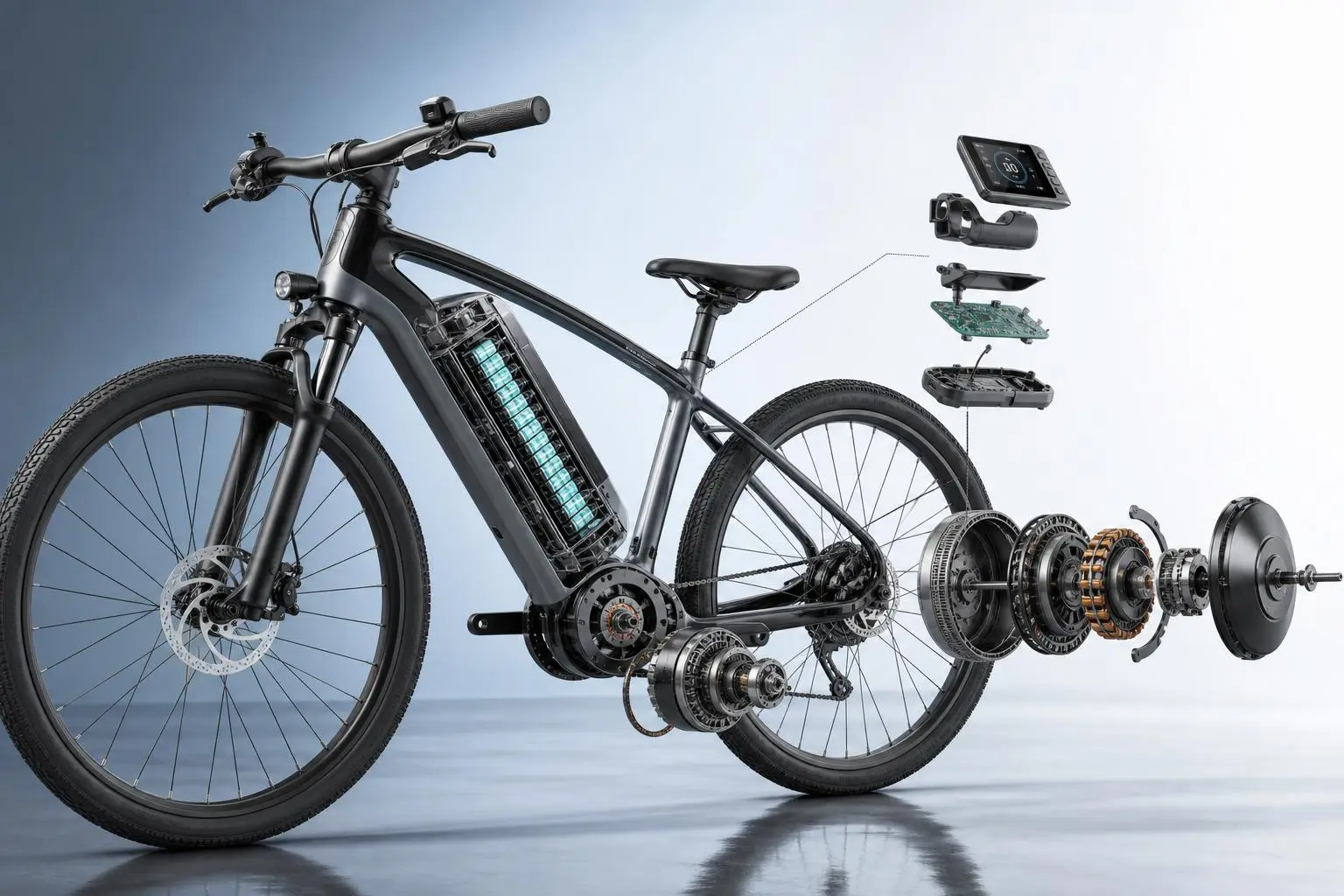
E-Bike Technology Explained: Motor Types, Battery Range, and Control Systems
E-bike technology explained: compare motor types, battery range, and control systems to understand real-world performance, smarter buying decisions, and urban mobility value.

What Affects Urban Traffic Innovation Price in Smart City Transport Projects?
Urban traffic innovation price depends on project scope, software, battery infrastructure, safety, and integration. Discover the real cost drivers behind scalable smart city transport projects.

Swappable Battery Scooter Market: Key Growth Segments and Fleet Demand Signals
Swappable battery scooter market trends reveal where growth is accelerating, which fleet segments lead demand, and how swapping improves uptime, cost control, and urban mobility efficiency.

What Drives Urban Mobility Adoption in Congested Cities: Cost, Convenience, and Policy
Urban mobility adoption is accelerating in congested cities as cost savings, daily convenience, and smart policy reshape commuting. Discover what drives faster adoption and long-term market growth.
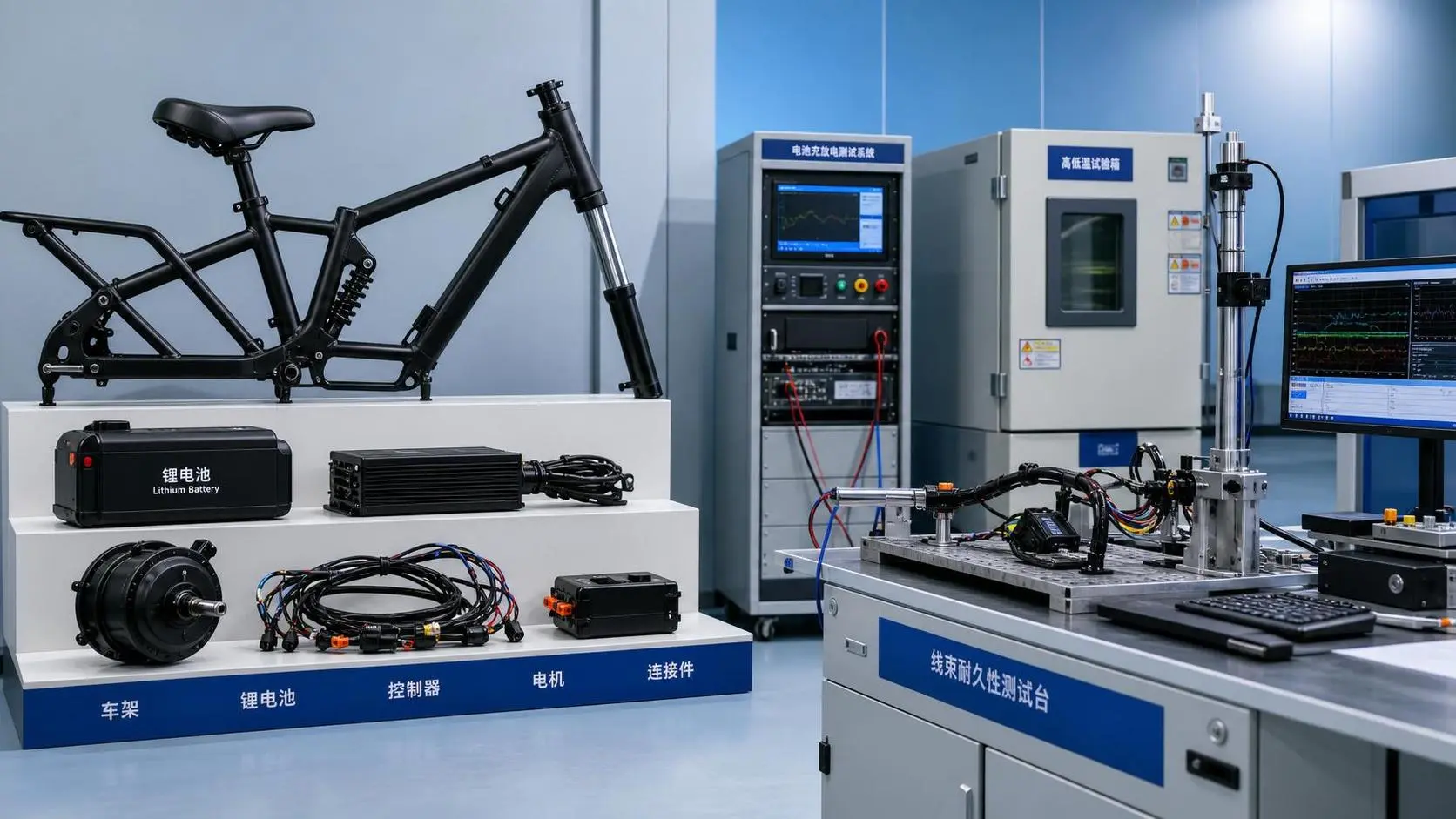
How to Verify Micro Mobility Technical Credibility Before Supplier Approval
Micro mobility technical credibility starts with proof, not promises. Learn how to verify tests, compliance, field data, and supplier controls before approval.

Urban Electric Vehicles Fleet Planning: Key Cost and Maintenance Factors to Compare
Urban electric vehicles fleet planning goes beyond purchase price. Compare battery life, charging, maintenance, uptime, and TCO to choose a smarter, more scalable fleet.
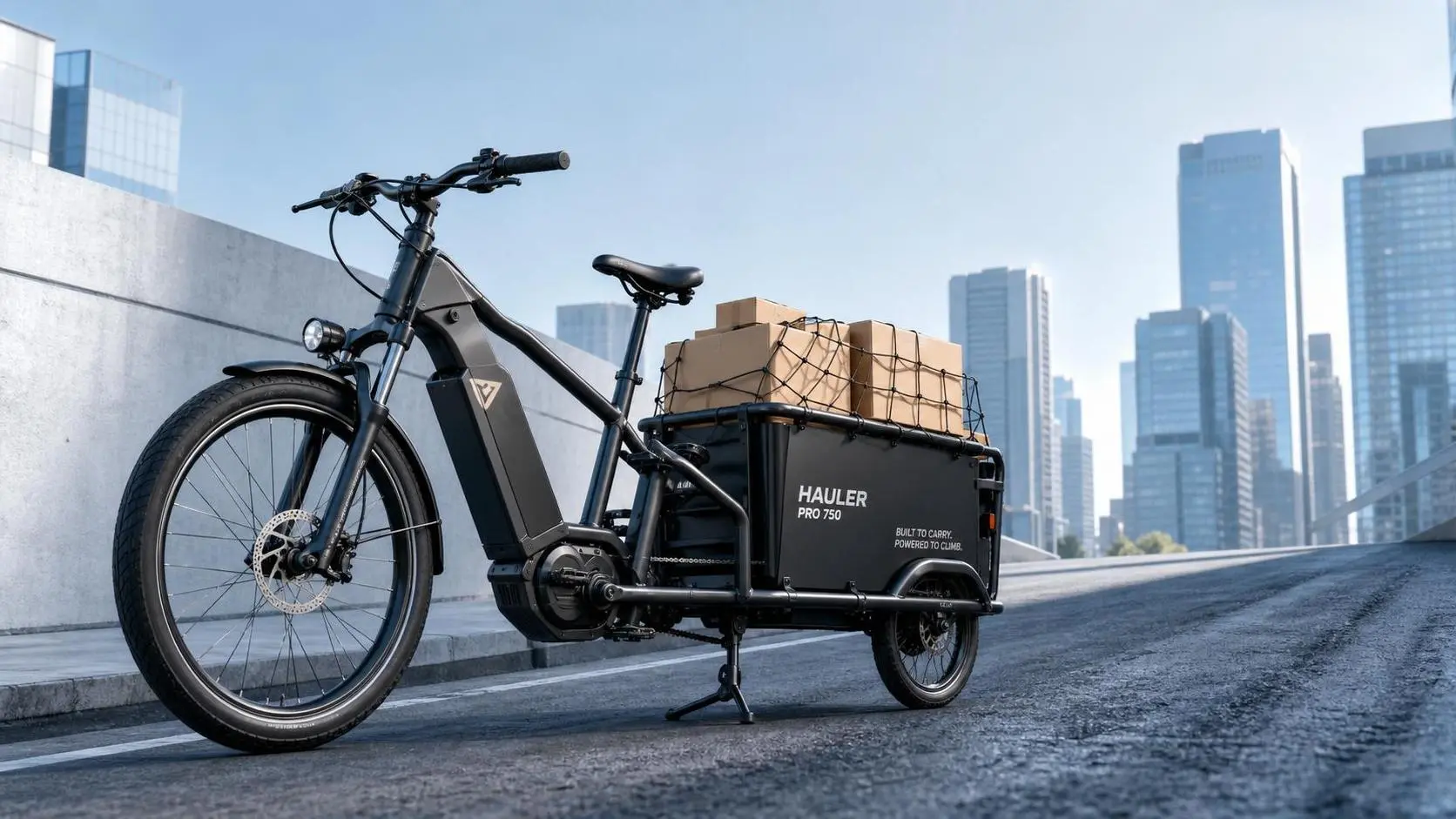
Electric Torque for Ebikes Explained: What Power Delivery Means for Climbing and Cargo
Electric torque for ebikes explained: learn how torque shapes hill climbing, cargo hauling, smoother starts, and real-world commuting performance before you buy.

Photoelectric Recognition for Scooters: How It Improves Detection in Urban Riding
Photoelectric recognition for scooters improves obstacle detection, edge awareness, and rider safety in urban traffic. Discover how it boosts smarter, more reliable city riding.
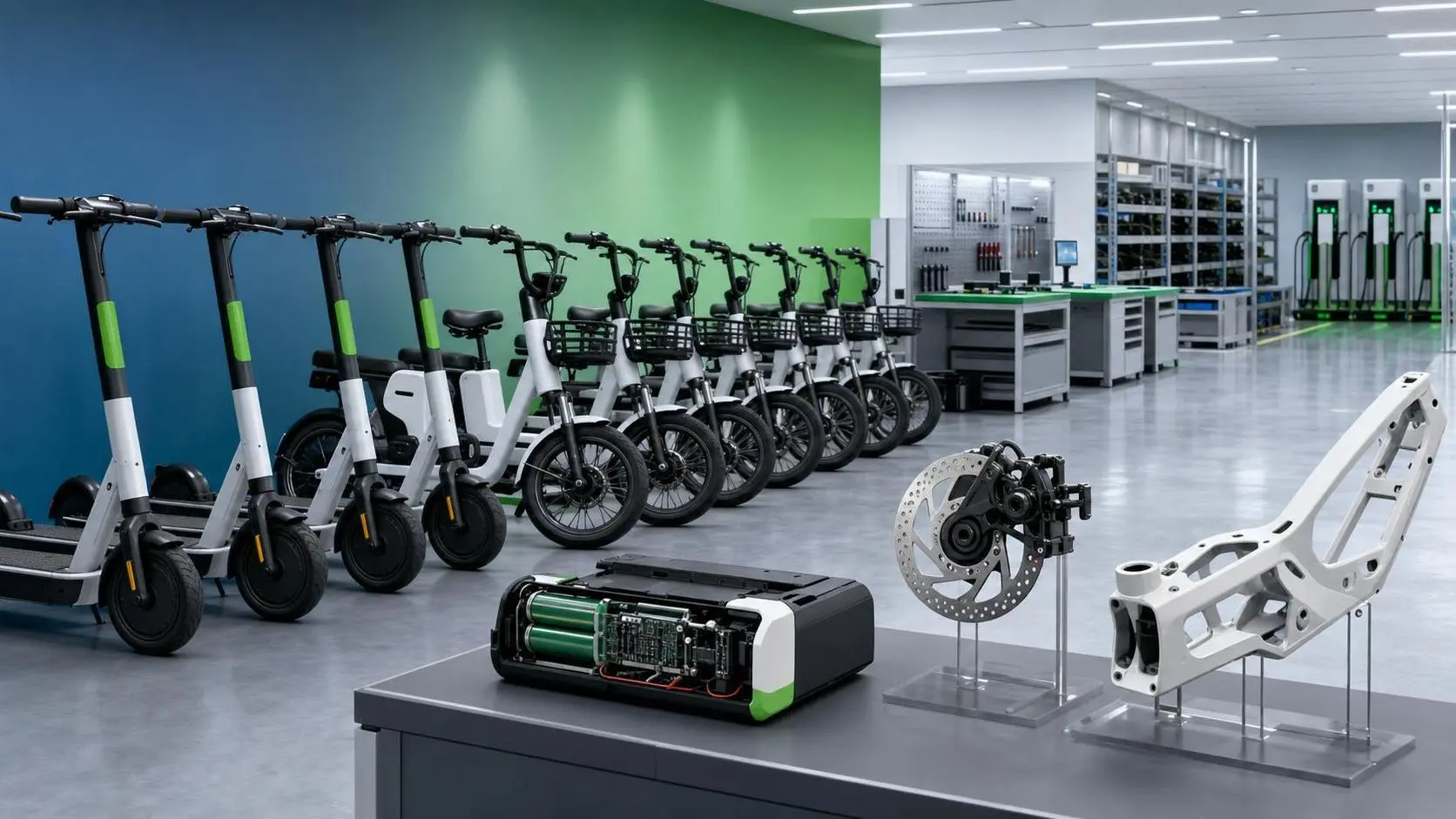
How to Evaluate a Micro-Mobility Supplier for Shared Fleet Reliability
Micro-mobility supplier selection directly shapes fleet uptime, maintenance costs, and rider trust. Learn how to evaluate durability, batteries, software, and service support for reliable shared fleet growth.