
Related News
- 00
0000-00
How to Verify Micro Mobility Technical Credibility Before Supplier Approval - 00
0000-00
Urban Electric Vehicles Fleet Planning: Key Cost and Maintenance Factors to Compare - 00
0000-00
International Voice Building in Southeast Asia: What Brands Must Localize to Be Found - 00
0000-00
Urban Charging Infrastructure Costs: What Drives CAPEX, OPEX, and ROI by Deployment Type - 00
0000-00
Urban Traffic Solutions in Latin America: Which Models Fit Dense City Corridors?
Ms. Elena Rodriguez
Weekly Insights
Stay ahead with our curated technology reports delivered every Monday.
How to Verify Micro Mobility Technical Credibility Before Supplier Approval





Why does micro mobility technical credibility matter before supplier approval?
In micro-mobility, a weak supplier rarely fails on paper first. It fails in heat, vibration, rain, charging cycles, and field returns.
That is why micro mobility technical credibility is not just a compliance topic. It is a safety, durability, and approval discipline.
For e-bikes, smart e-scooters, high-speed e-motorcycles, and precision bicycle components, technical claims must survive real operating conditions.
A motor may pass bench testing yet overheat in climbing duty. A battery pack may look certified yet show unstable cell balancing.
A smart controller may function in a lab but fail under electromagnetic interference from nearby systems.
The more electrified and connected the vehicle becomes, the more important micro mobility technical credibility becomes during supplier approval.
UMMS follows this reality closely across the last-mile ecosystem. Its industry coverage shows that modern approval decisions depend on evidence, not polished presentations.
In practice, the review should connect compliance records, engineering validation, field data, and process control into one judgment.
That approach reduces sourcing risk and improves confidence before any supplier enters a critical mobility program.
What does real technical credibility look like in this sector?
A credible supplier can explain how its product works, how it fails, how it was tested, and how issues are contained.
This sounds simple, but many approval problems start when documentation is broad and engineering evidence is thin.
Real micro mobility technical credibility usually includes several layers that support each other.
- Clear product specifications with revision control and traceable material data.
- Validation reports tied to recognized standards, duty cycles, and environmental conditions.
- Failure analysis methods, corrective actions, and evidence that lessons were closed out.
- Stable manufacturing controls for torque, sealing, welding, firmware, and final inspection.
- Field performance data from comparable vehicle classes and use cases.
The key point is consistency. One test report or one certificate does not prove long-term technical credibility.
More often, credibility appears in the links between design, validation, production, and service records.
For example, battery suppliers should show thermal behavior, abuse test logic, BMS protection thresholds, and pack traceability.
Drivetrain and derailleur component suppliers should show wear mapping, shift accuracy stability, and contamination resistance.
For smart e-scooter systems, connected modules must also prove firmware reliability, communication stability, and update control.
Which documents and test evidence deserve the closest attention?
The best review starts with documents, but it should not end there. Paperwork is only useful when it matches technical reality.
A practical way to assess micro mobility technical credibility is to sort evidence into approval-critical categories.
This table matters because supplier files often look complete at first glance. The real question is whether the evidence is current and product-specific.
In actual approval work, mismatched report scope is one of the most frequent reasons technical credibility is overstated.
UMMS often highlights the same pattern across two-wheeler systems. The market is moving faster than many validation files are updated.
How can you judge whether lab validation matches real-world use?
This is where many approvals become too optimistic. A supplier may test the part correctly, but not under the right use profile.
Micro mobility technical credibility improves when validation reflects city hills, repeated stops, curb impact, water ingress, and charging behavior.
For e-bikes and scooters, urban service is rarely smooth or uniform. Loads change quickly, riders vary, and maintenance habits differ.
That means test plans should answer a few practical questions.
- Was the product tested at realistic ambient temperatures and humidity levels?
- Did the vibration profile include connector movement and fastener loosening risk?
- Were software faults simulated during charging, riding, and regenerative events?
- Was battery aging evaluated after repeated fast charge or partial charge cycles?
- Did drivetrain testing include dirt, spray, misalignment, and wear progression?
The stronger suppliers can explain why a test method represents actual urban mobility conditions. That explanation matters almost as much as the result.
For high-speed e-motorcycles, thermal management and sustained power behavior deserve especially close review.
For wiper systems and sensing modules, weather exposure, motor endurance, and recognition accuracy under contamination should be checked together.
What are the usual red flags when micro mobility technical credibility is weak?
Weak credibility often appears as small gaps rather than one dramatic failure. The pattern matters more than any single missing file.
A common red flag is excellent presentation material with limited raw test data behind it.
Another is unclear ownership between design, battery integration, software control, and final assembly responsibility.
Several warning signs deserve extra caution during approval:
- Repeated use of third-party reports without direct link to the exact supplied model.
- No structured response when asked for failure rate, return mode, or warranty root causes.
- Late engineering changes with weak revision tracking.
- Battery and controller interfaces described as proprietary, but poorly documented.
- Factory audits showing limited traceability below finished-goods level.
In real sourcing programs, the most costly issue is often not immediate nonconformance. It is hidden instability that appears after launch.
That is why micro mobility technical credibility should include evidence of issue recurrence control, not only first-pass qualification.
How much time should approval teams allow, and what should happen next?
Approval timelines vary by component risk. A simple bracket is not reviewed like a battery pack, motor controller, or connected vehicle module.
Still, one practical rule holds: the higher the safety impact, the more evidence should be verified through cross-checking.
Rushed approval usually shifts time from validation to field correction. That trade is rarely worth it.
A disciplined workflow for micro mobility technical credibility often includes document screening, engineering review, audit follow-up, sample testing, and gated approval.
Where the supplier supports several categories, such as e-bikes and smart scooters, evidence should be checked by application rather than reused broadly.
This is also where sector intelligence helps. UMMS tracks technical evolution across batteries, drivetrains, electronics, and policy shifts affecting operating conditions.
That wider view is useful because supplier credibility is shaped not only by today’s standards, but by the next wave of urban mobility requirements.
A strong next step is to build an approval checklist that ranks evidence by safety criticality, validation depth, field relevance, and change-control maturity.
Done well, that process turns micro mobility technical credibility from a vague claim into a measurable approval standard.
Related News

Urban Electric Vehicles Fleet Planning: Key Cost and Maintenance Factors to Compare
Urban electric vehicles fleet planning goes beyond purchase price. Compare battery life, charging, maintenance, uptime, and TCO to choose a smarter, more scalable fleet.

Electric Torque for Ebikes Explained: What Power Delivery Means for Climbing and Cargo
Electric torque for ebikes explained: learn how torque shapes hill climbing, cargo hauling, smoother starts, and real-world commuting performance before you buy.

Photoelectric Recognition for Scooters: How It Improves Detection in Urban Riding
Photoelectric recognition for scooters improves obstacle detection, edge awareness, and rider safety in urban traffic. Discover how it boosts smarter, more reliable city riding.
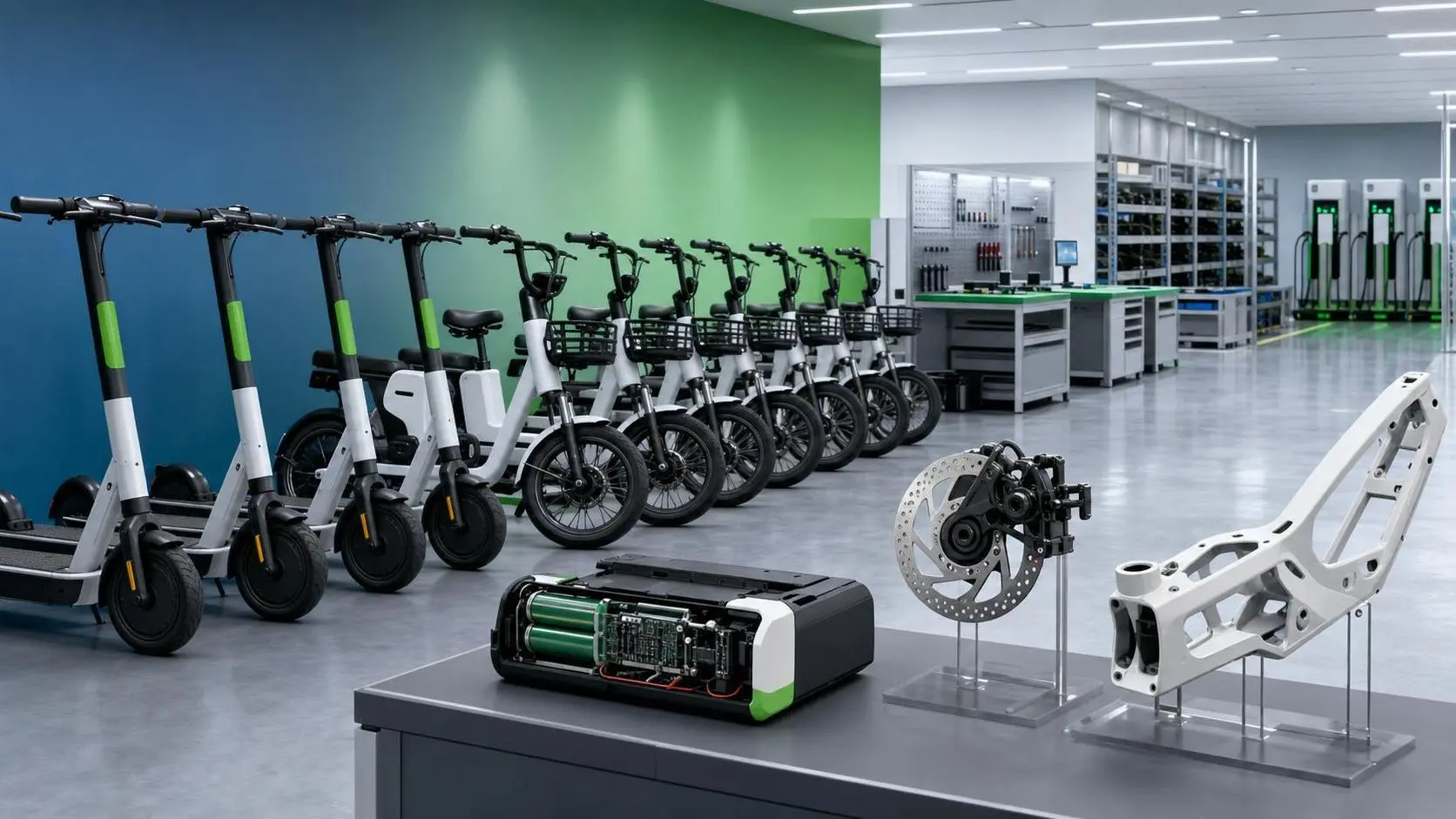
How to Evaluate a Micro-Mobility Supplier for Shared Fleet Reliability
Micro-mobility supplier selection directly shapes fleet uptime, maintenance costs, and rider trust. Learn how to evaluate durability, batteries, software, and service support for reliable shared fleet growth.
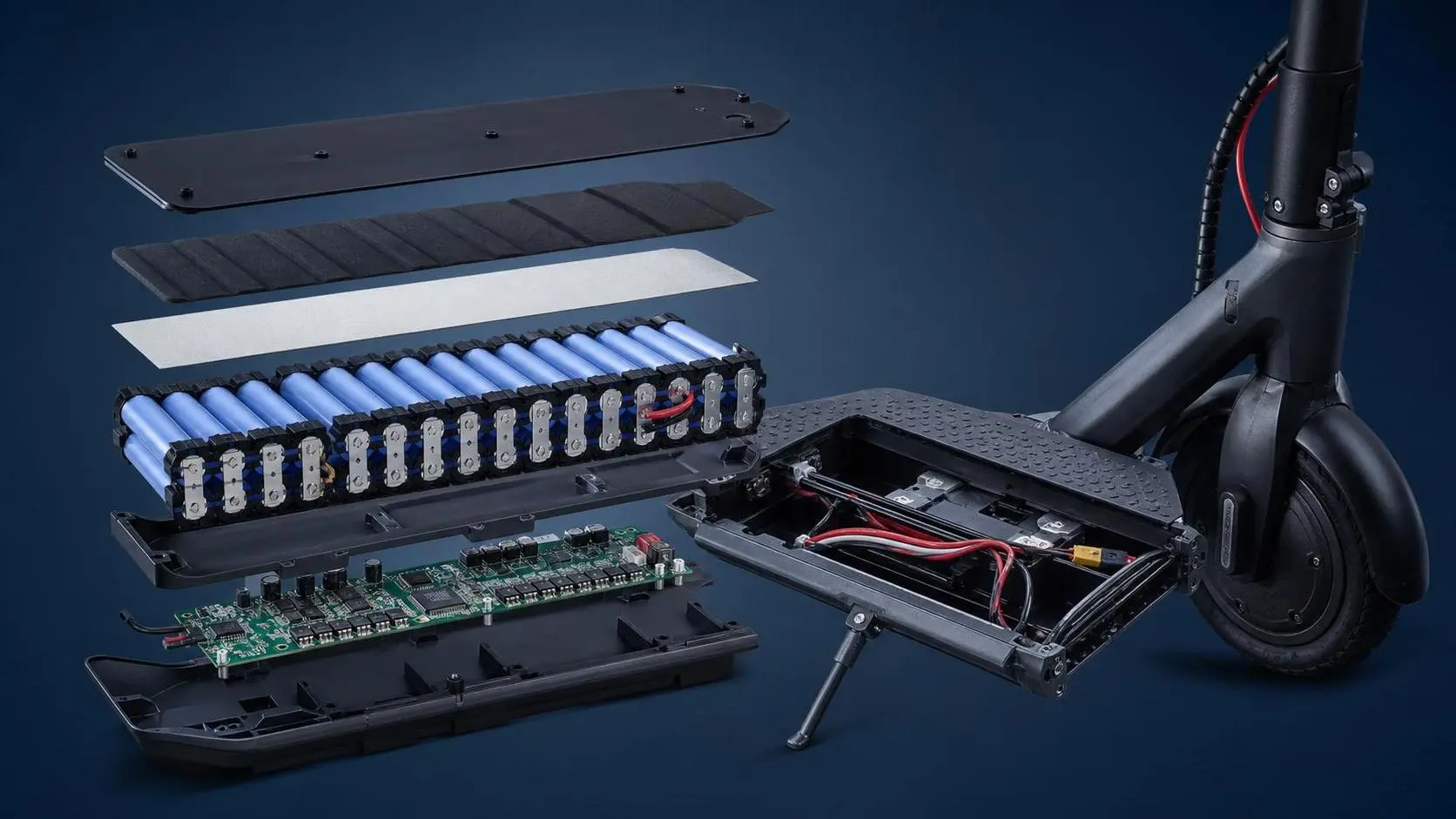
Component Selection for E-Scooters Battery Systems: Cells, BMS, and Thermal Protection
Component selection for e-scooters battery starts with the right cells, BMS, and thermal protection. Learn how to improve safety, range, lifecycle, and compliance.

Electric Bike Technology Solutions for Urban Fleets: Connectivity, BMS, and Service Data
Electric bike technology solutions for urban fleets: discover how connectivity, BMS, and service data improve uptime, battery safety, and maintenance efficiency.
International Voice Building in Southeast Asia: What Brands Must Localize to Be Found
International voice building Southeast Asia requires more than translation. Learn what brands must localize in technical, regulatory, and search content to improve visibility, trust, and regional demand.
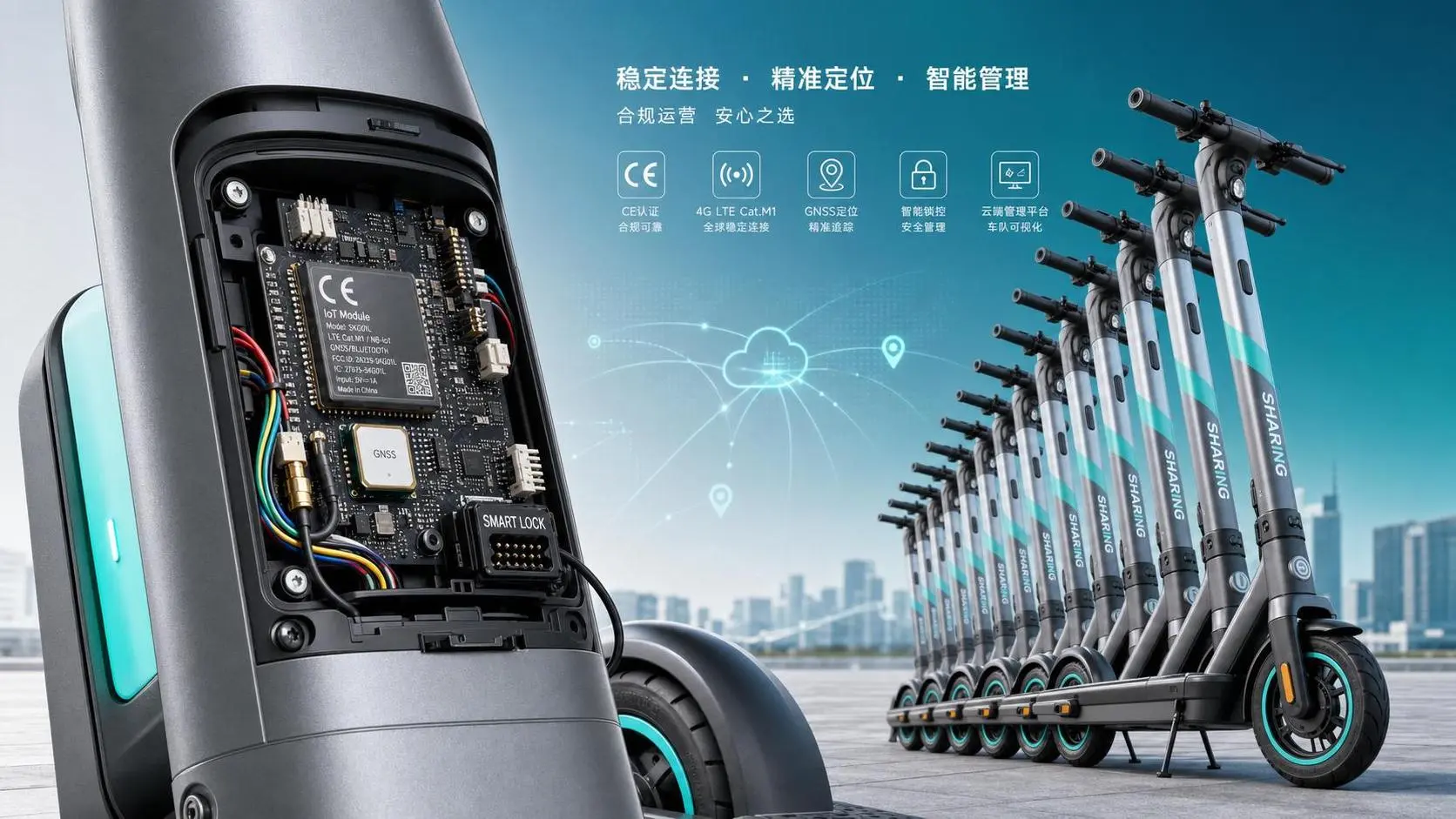
How to Choose CE-Certified IoT Scooter Modules for Shared Fleet Compliance
IoT scooter modules CE certified: learn how to verify compliance scope, documentation, and field performance for shared fleets to reduce risk, avoid downtime, and scale with confidence.
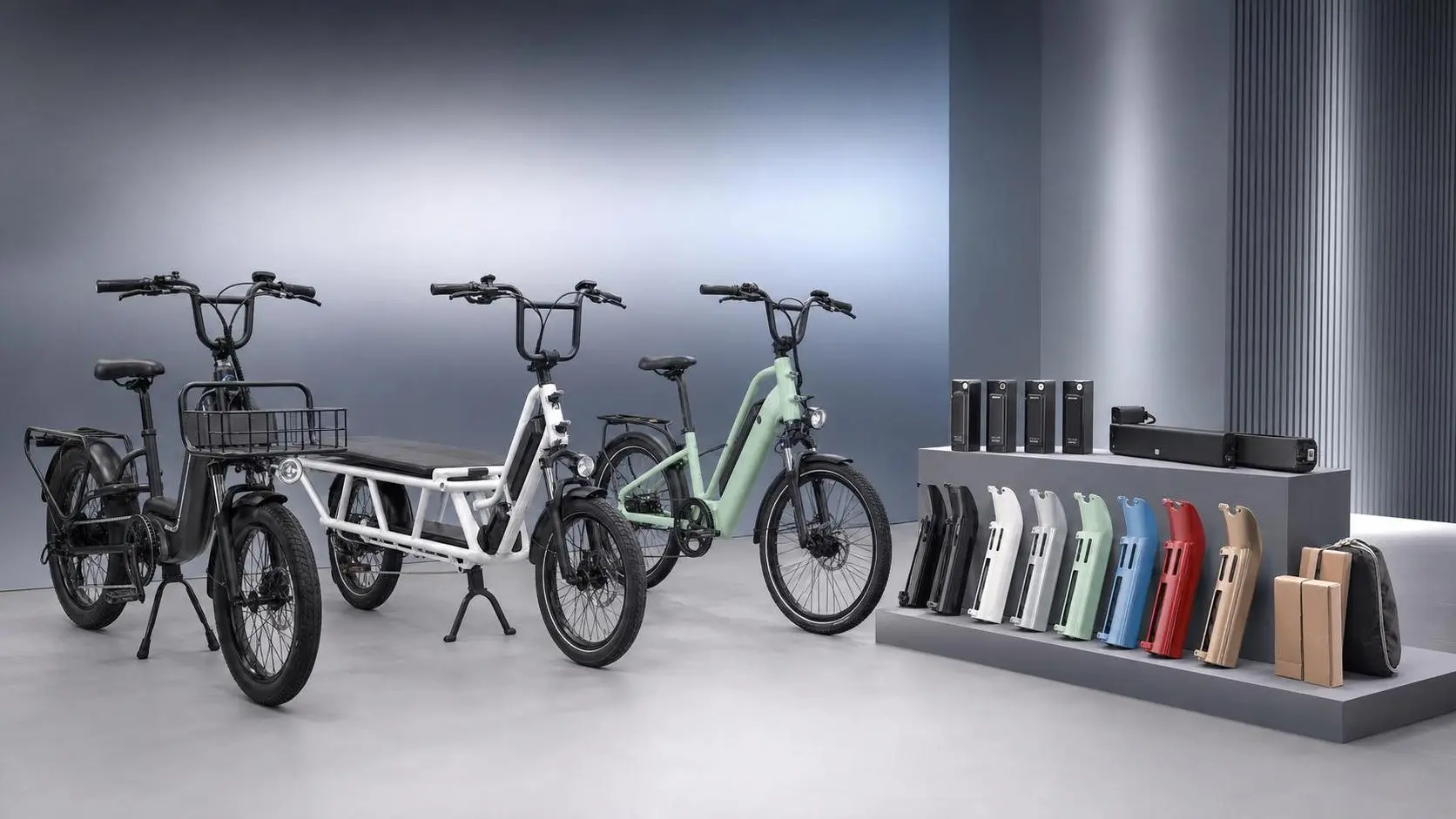
Electric Bicycles ODM: How to Evaluate Design, MOQ, and Customization Capabilities
Electric bicycles ODM evaluation starts with design, MOQ, and customization. Learn how to compare suppliers, reduce sourcing risk, and choose a partner that supports faster launches.