
Related News
- 00
0000-00
Photoelectric Recognition for Scooters: How It Improves Detection in Urban Riding - 00
0000-00
How to Evaluate a Micro-Mobility Supplier for Shared Fleet Reliability - 00
0000-00
How to Choose CE-Certified IoT Scooter Modules for Shared Fleet Compliance - 00
0000-00
Vehicle Visibility Safety Technology: Key Features for Low-Speed Urban Fleets - 00
0000-00
Why Green Scooter Demand Is Rising in Shared Mobility and Last-Mile Delivery
Urban Transit Fellow
Weekly Insights
Stay ahead with our curated technology reports delivered every Monday.
Photoelectric Recognition for Scooters: How It Improves Detection in Urban Riding





Urban riding compresses distance, speed, clutter, and uncertainty into a few seconds of decision time. That is why photoelectric recognition for scooters is gaining attention across the micro-mobility sector. It offers a practical way to improve how scooters detect obstacles, read changing surroundings, and support faster system response in streets shaped by mixed traffic, variable lighting, and dense infrastructure.
For UMMS, which tracks the electrification of two-wheelers and the intelligence layer behind safer urban travel, this topic sits at the intersection of sensing, control logic, and real operating value. The question is not whether detection matters. The real issue is how reliably a scooter can interpret the road when weather, glare, pedestrians, parked vehicles, and reflective surfaces all compete for sensor attention.
What photoelectric recognition means on a scooter
In simple terms, photoelectric recognition for scooters uses light-based sensing to identify objects, boundaries, movement, or surface changes around the vehicle. It may rely on emitters and receivers, ambient light analysis, reflective signals, or paired optical modules.
The technology does not work as an isolated feature. It usually sits inside a broader sensing stack that may include cameras, inertial sensors, ultrasonic devices, wheel-speed inputs, and connectivity modules.
Its role is often narrow but important. It helps answer specific questions quickly: Is something entering the scooter’s path? Is the surface edge changing? Is a reflective object close enough to require braking or warning?
That focus makes it attractive in smart e-scooters. Compared with heavier vehicle platforms, scooters have tighter packaging limits, lower power budgets, and less room for expensive sensor suites.
Why the industry is paying closer attention
Shared fleets and private urban scooters now operate in far more complex conditions than early models were designed for. Sidewalk edges, bike lanes, delivery zones, wet crossings, and crowded intersections create repeated detection challenges.
At the same time, regulators and city operators expect better safety evidence. A scooter platform is no longer judged only by range, frame weight, or app integration. Detection quality has become part of system credibility.
This is especially relevant in the UMMS view of urban micro-circulation. As e-bikes, smart e-scooters, and high-speed electric two-wheelers become more connected, sensing performance starts to influence route access, fleet uptime, rider trust, and insurance discussions.
Photoelectric recognition for scooters fits that shift because it addresses a clear operating problem. It can strengthen near-field detection without demanding the full cost and processing load of larger autonomous systems.
Where it improves detection in real urban riding
The main value appears in repeated urban events rather than rare edge cases. Small gains in fast recognition can reduce delayed warnings, unnecessary braking, and missed low-speed hazards.
Close-range obstacle sensing
Scooters often need rapid recognition within a short stopping distance. Photoelectric systems can help detect bollards, curbs, parked bicycles, trash bins, and vehicle corners that enter the rider’s immediate path.
Lane and edge awareness
Urban riding rarely happens on uniform surfaces. Painted bike lanes, pavement joints, drainage gaps, and curb transitions can confuse simpler systems. Optical sensing can improve edge discrimination when tuned for contrast and reflectivity.
Pedestrian conflict reduction
In crowded zones, the challenge is not only seeing a pedestrian. It is recognizing short, lateral motion early enough to trigger an alert or control response. Photoelectric recognition for scooters can support this in low-to-moderate speeds.
Lighting transition handling
Tunnels, underpasses, tree cover, and headlight glare create sudden optical changes. Better systems adapt sensor thresholds, filter noise, and prevent false triggers during these quick transitions.
Performance depends on environment, not just sensor claims
A common mistake is to treat photoelectric recognition for scooters as a fixed capability. In reality, performance shifts with mounting position, housing cleanliness, signal processing, and the reflectivity of urban materials.
Glass storefronts, polished vehicles, rainwater, and road paint can all distort optical readings. A sensor that performs well in controlled tests may behave differently during evening commute peaks or winter drizzle.
This is where technical evaluation needs discipline. Detection range matters, but stable recognition matters more. The useful metric is not the longest possible read. It is the consistency of accurate detection within the scooter’s real operating envelope.
Parameters worth checking
- Effective detection distance at urban riding speeds
- False positive rate under glare and reflections
- Performance degradation in fog, rain, and dust
- Latency between recognition and control output
- Power draw relative to battery strategy
- Tolerance to vibration, shock, and alignment drift
How it connects with broader scooter system design
Detection quality is only useful when it fits the rest of the vehicle architecture. Sensor output must align with braking logic, speed governance, rider alerts, and fleet diagnostics.
For connected scooters, photoelectric recognition for scooters also becomes a data problem. If recognition events are logged correctly, operators can map recurring hazard zones, compare route conditions, and refine maintenance schedules.
That systems view matches the UMMS intelligence approach. The industry is moving away from isolated component thinking. It is moving toward integrated performance, where sensors, power management, firmware, and urban policy all affect commercial viability.
The same logic appears across adjacent categories. Wiper sensing in poor weather, thermal management in electric motorcycles, and electronic shifting reliability all show the same pattern: a component matters most when it behaves predictably in the field.
Typical evaluation scenarios
A useful review process should include both controlled testing and route-based validation. Lab data can reveal baseline capability, but city riding exposes interference that spreadsheets rarely capture.
Scenario one: fleet deployment
Shared scooters face repeated starts, rough handling, curbside parking, and varied users. Here, photoelectric recognition for scooters must prove durability, stable calibration, and manageable service requirements.
Scenario two: premium commuter models
Higher-end scooters can support richer sensing functions. The focus shifts toward smooth warning logic, fewer nuisance alerts, and better interaction with app-based ride records or navigation assistance.
Scenario three: regulated urban corridors
Some cities increasingly define permitted lanes, parking behavior, and slow-speed zones. Detection systems that recognize boundaries more reliably can support compliance and reduce operational friction.
What to watch before drawing conclusions
Strong marketing language can hide weak field robustness. A promising optical module may still struggle with contamination, thermal drift, or inconsistent response to dark clothing and low-reflective surfaces.
It is also worth checking how the supplier defines detection success. Some data sets count raw recognition events, while others count usable events that lead to correct system action. Those are not the same thing.
When comparing solutions, a balanced view usually works best:
- Compare urban test routes, not only indoor benchmarks
- Review failure modes as closely as success cases
- Check maintenance impact over a full service cycle
- Assess firmware update strategy and sensor recalibration needs
- Link sensor value to safety, uptime, and compliance outcomes
A practical next step for assessment
Photoelectric recognition for scooters is best understood as a focused enabler of better urban detection, not a complete autonomy solution. Its value comes from dependable performance in cluttered, changing, and imperfect city conditions.
The most useful next step is to build a comparison framework around operating context. Define target speeds, lighting transitions, weather exposure, obstacle types, and acceptable false alert rates before comparing vendors or architectures.
From there, field validation becomes more meaningful. It shows whether a sensing concept can support safer riding, cleaner fleet operations, and stronger technical credibility in the broader micro-mobility market that UMMS continues to track.
Related News
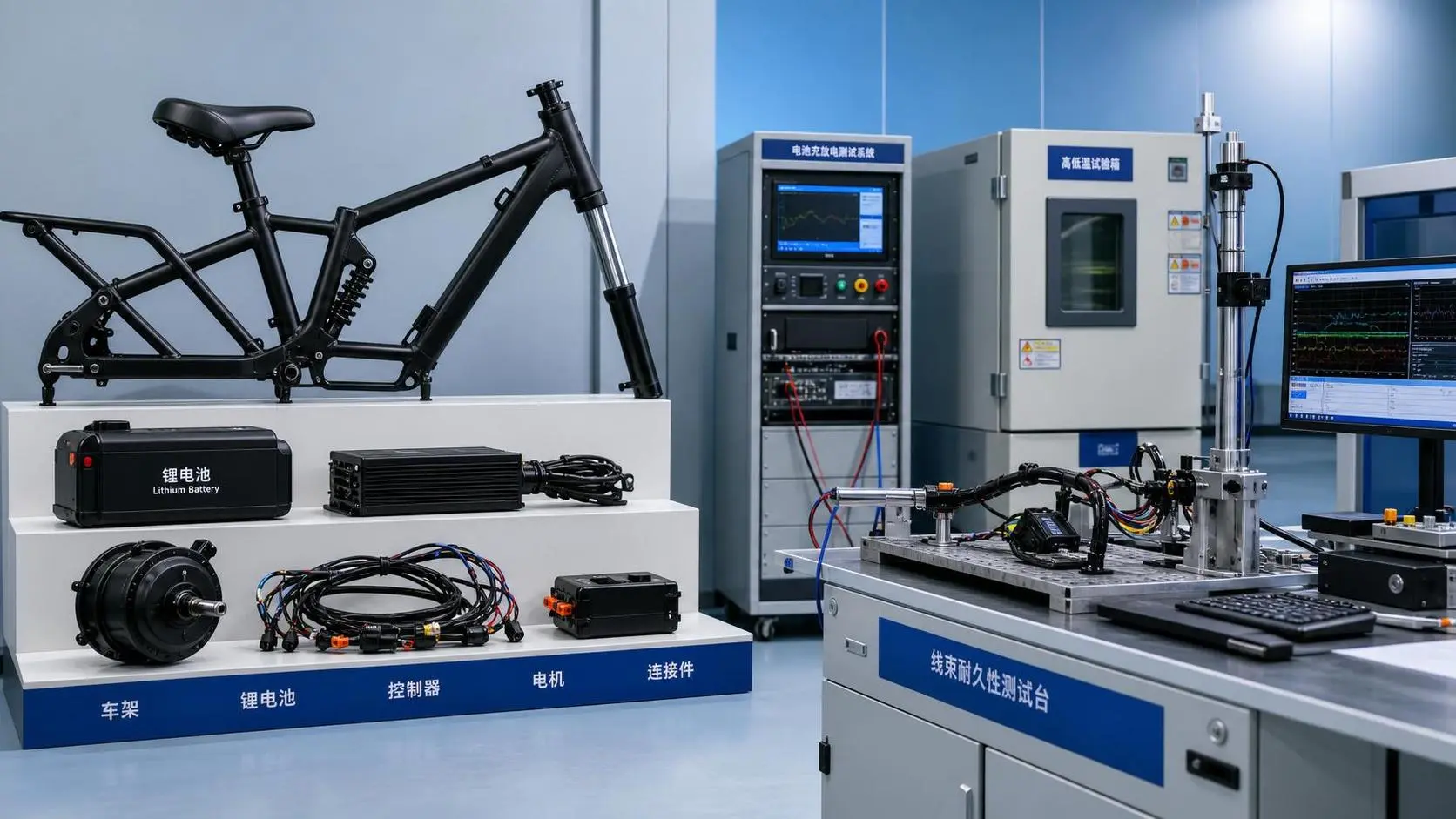
How to Verify Micro Mobility Technical Credibility Before Supplier Approval
Micro mobility technical credibility starts with proof, not promises. Learn how to verify tests, compliance, field data, and supplier controls before approval.
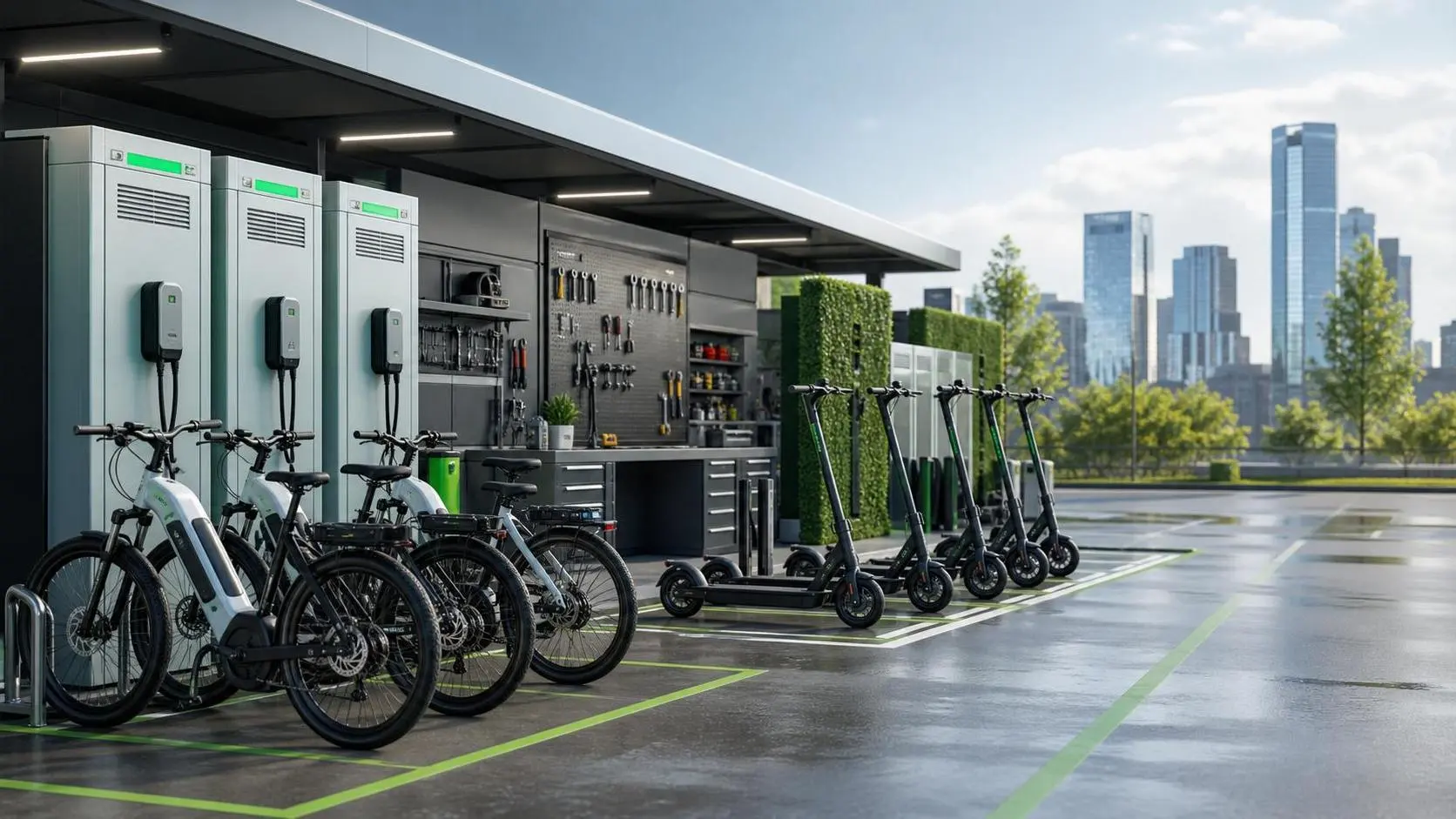
Urban Electric Vehicles Fleet Planning: Key Cost and Maintenance Factors to Compare
Urban electric vehicles fleet planning goes beyond purchase price. Compare battery life, charging, maintenance, uptime, and TCO to choose a smarter, more scalable fleet.
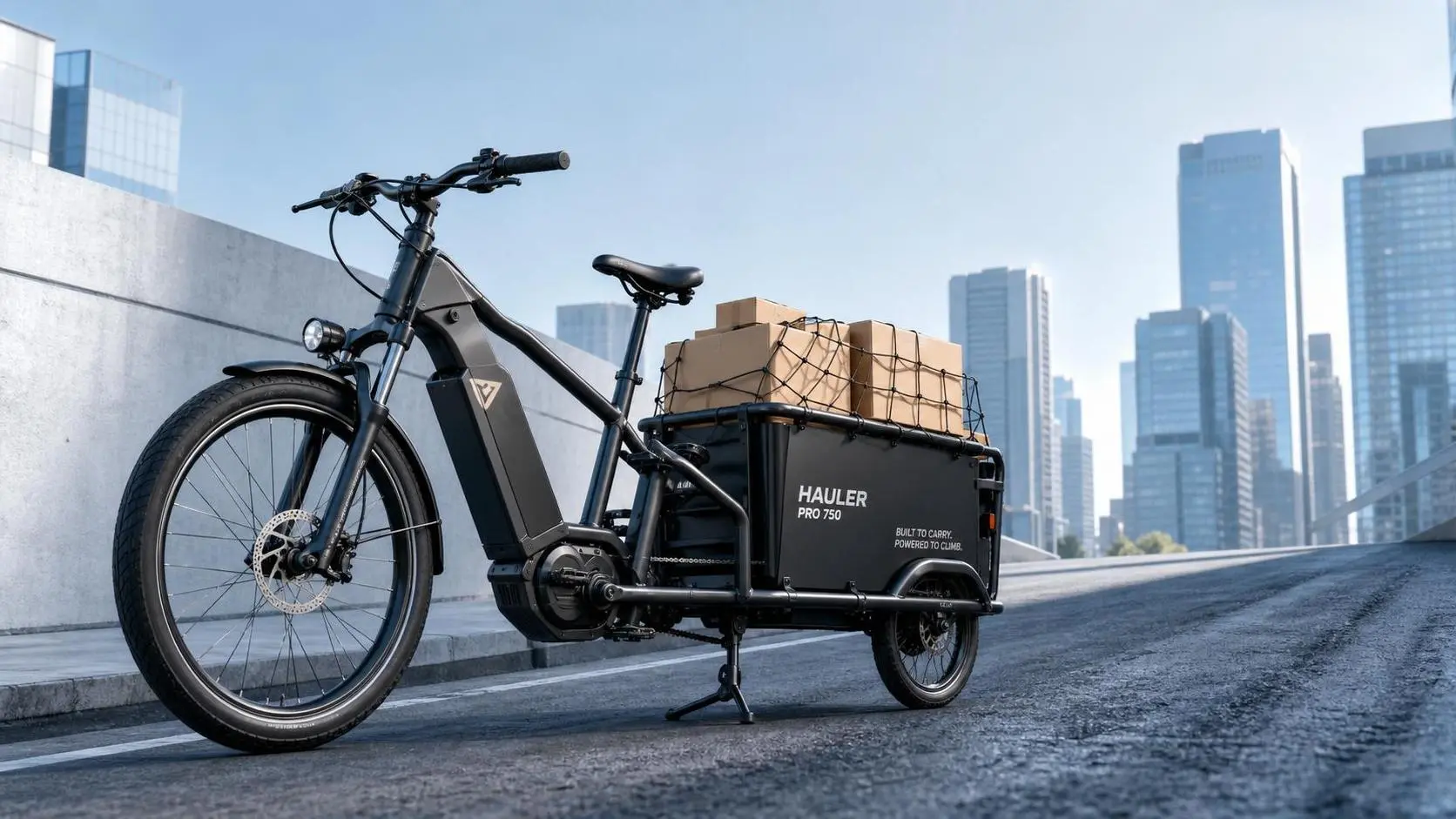
Electric Torque for Ebikes Explained: What Power Delivery Means for Climbing and Cargo
Electric torque for ebikes explained: learn how torque shapes hill climbing, cargo hauling, smoother starts, and real-world commuting performance before you buy.
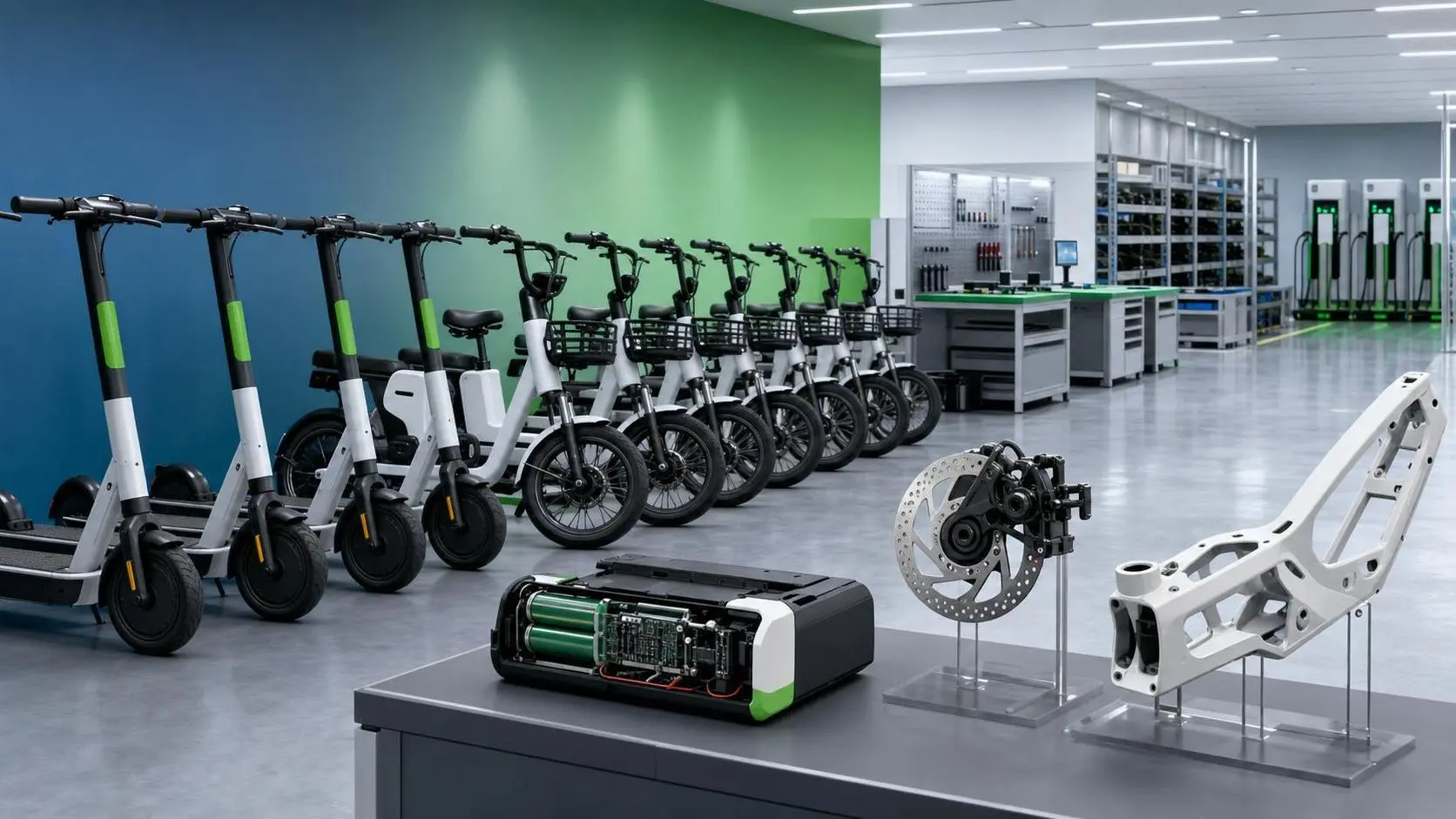
How to Evaluate a Micro-Mobility Supplier for Shared Fleet Reliability
Micro-mobility supplier selection directly shapes fleet uptime, maintenance costs, and rider trust. Learn how to evaluate durability, batteries, software, and service support for reliable shared fleet growth.
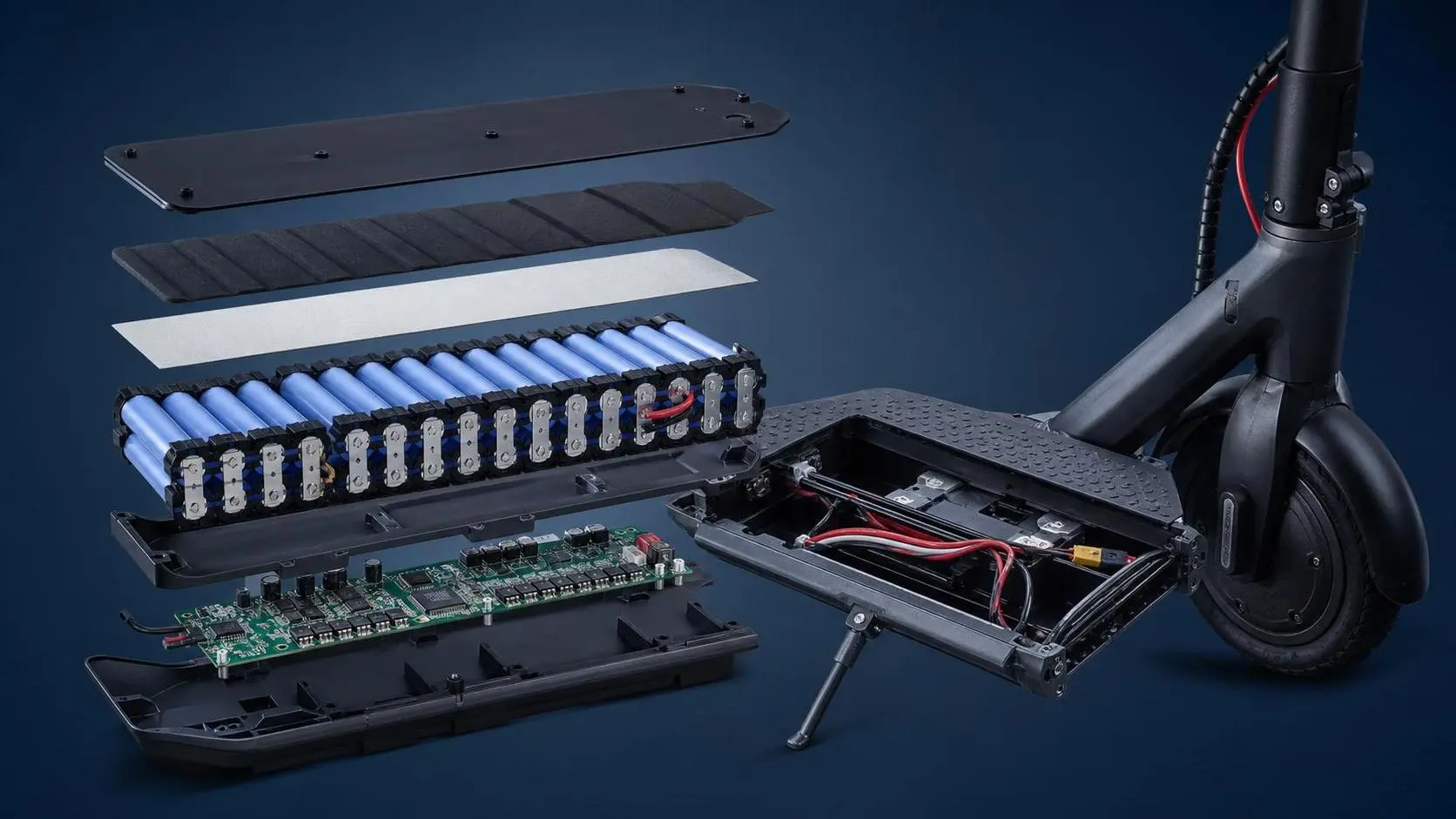
Component Selection for E-Scooters Battery Systems: Cells, BMS, and Thermal Protection
Component selection for e-scooters battery starts with the right cells, BMS, and thermal protection. Learn how to improve safety, range, lifecycle, and compliance.
Electric Bike Technology Solutions for Urban Fleets: Connectivity, BMS, and Service Data
Electric bike technology solutions for urban fleets: discover how connectivity, BMS, and service data improve uptime, battery safety, and maintenance efficiency.
International Voice Building in Southeast Asia: What Brands Must Localize to Be Found
International voice building Southeast Asia requires more than translation. Learn what brands must localize in technical, regulatory, and search content to improve visibility, trust, and regional demand.
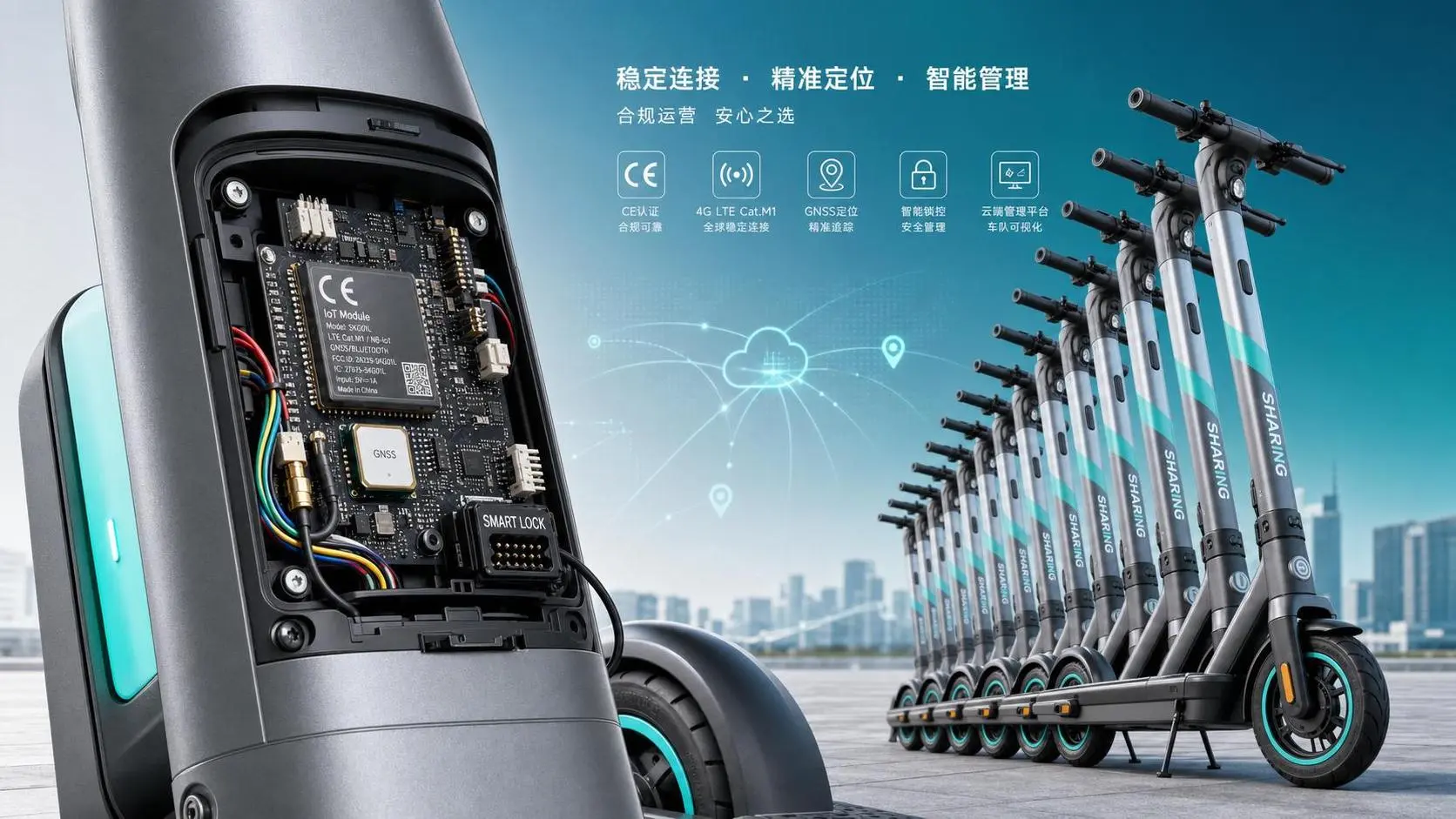
How to Choose CE-Certified IoT Scooter Modules for Shared Fleet Compliance
IoT scooter modules CE certified: learn how to verify compliance scope, documentation, and field performance for shared fleets to reduce risk, avoid downtime, and scale with confidence.
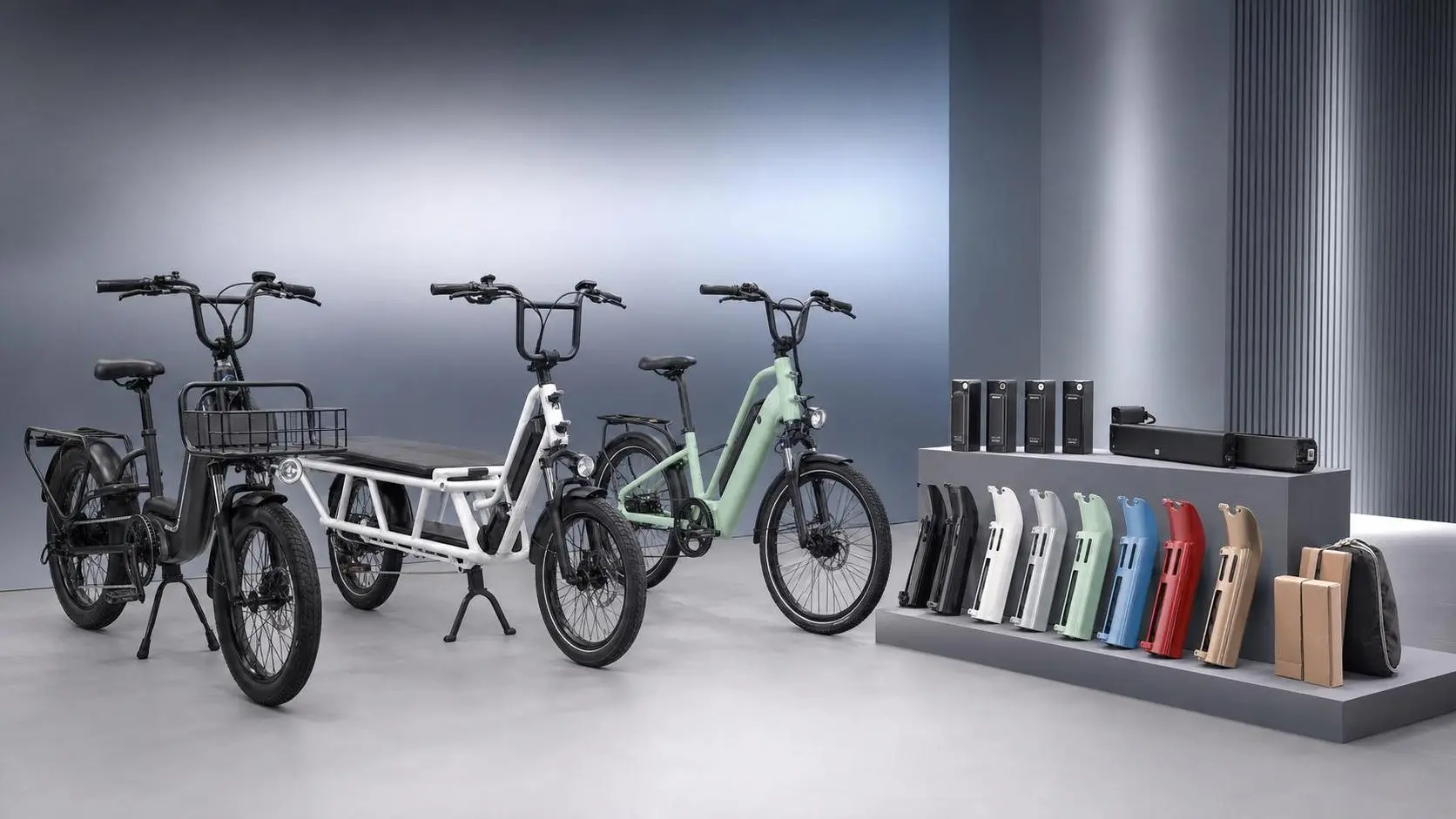
Electric Bicycles ODM: How to Evaluate Design, MOQ, and Customization Capabilities
Electric bicycles ODM evaluation starts with design, MOQ, and customization. Learn how to compare suppliers, reduce sourcing risk, and choose a partner that supports faster launches.