
Related News
- 00
0000-00
E-Bike Technology Explained: Motor Types, Battery Range, and Control Systems - 00
0000-00
Electric Bike Technology Solutions for Urban Fleets: Connectivity, BMS, and Service Data - 00
0000-00
Electric Bicycles ODM: How to Evaluate Design, MOQ, and Customization Capabilities - 00
0000-00
Smart Urban Travel Options Explained: Which Electric Commuter Setup Fits Daily City Use? - 00
0000-00
Green Scooter Demand: Which Buyer Segments and City Use Cases Are Growing Fast?
Micro-Mobility Strategist
Weekly Insights
Stay ahead with our curated technology reports delivered every Monday.
E-Bike Technology Explained: Motor Types, Battery Range, and Control Systems





E-bike technology sits at the center of today’s urban micro-mobility shift. For any serious evaluation, the headline numbers alone are never enough.
Motor wattage, battery size, and display features look simple on a spec sheet. Real performance depends on how those systems work together under load, terrain, temperature, and rider input.
That is why e-bike technology now draws attention across the broader mobility sector. It connects drivetrain efficiency, battery management, software logic, regulatory limits, and actual city-use behavior.
Within the UMMS view of low-carbon transport, e-bikes matter because they are no longer niche products. They are becoming technical platforms inside a larger last-mile ecosystem.
Why the technical picture matters now
Post-pandemic urban travel patterns have changed export demand, infrastructure planning, and product expectations. Europe remains a strong signal, but similar logic applies in many dense cities worldwide.
The market now expects more than electric assist. It expects better thermal behavior, smarter power delivery, longer service life, and dependable control across mixed commuting conditions.
This makes e-bike technology relevant beyond bicycle categories. It shares engineering themes with smart e-scooters, high-speed e-motorcycles, and precision drivetrain systems tracked by UMMS.
In practical terms, the same questions keep appearing. How efficient is the powertrain? How stable is the battery logic? How well does the controller translate rider intent into usable assistance?
Motor architecture shapes ride character
Most discussions of e-bike technology begin with the motor, and for good reason. Motor placement strongly influences torque delivery, maintenance patterns, and total system behavior.
Hub motors
Hub motors sit in the front or rear wheel. They are common in entry and mid-level urban models because they are compact, relatively simple, and usually cost-effective.
Rear hub systems often feel direct and smooth on flat roads. They can work well for commuting fleets where predictable installation and lower drivetrain wear are priorities.
Their trade-off appears on climbs and under repeated heavy loads. Because the motor bypasses gear multiplication, efficiency can drop when speed falls and torque demand rises.
Mid-drive motors
Mid-drive units sit near the crank and send power through the chain. This layout lets the motor use the bike’s gears, which improves climbing response and broader operating efficiency.
For technical evaluation, mid-drive designs usually deserve closer attention. They often deliver better balance, stronger hill performance, and more natural pedal-assist modulation.
The cost is added drivetrain stress and more demanding calibration. If chainline, shifting logic, or torque management are weak, wear rates can rise quickly.
What matters beyond nominal power
A 250W or 500W label does not explain the full story. Peak torque, sustained output, heat rejection, cadence support, and controller tuning often matter more in real traffic.
For that reason, e-bike technology should be judged as a motor system, not a motor alone.
Battery range is a system outcome
Battery range is often treated like a headline promise. In reality, it is the result of energy storage, software strategy, riding style, payload, wind, surface quality, and ambient temperature.
Most modern e-bike technology uses lithium-ion packs, commonly rated in watt-hours. That number is useful, but it is only the starting point for comparison.
How to read capacity correctly
A larger battery usually means longer range, but not automatically better efficiency. A heavier pack may improve endurance while also affecting handling, acceleration, and frame integration.
Cell chemistry, pack structure, connector quality, and battery management logic all influence usable capacity. Two bikes with similar watt-hours can perform very differently in the field.
Why battery management matters
Battery management systems are central to e-bike technology. They protect cells from overcharge, over-discharge, current spikes, and thermal imbalance.
They also affect diagnostics, charging behavior, state-of-charge accuracy, and pack longevity. Poor BMS calibration can create range anxiety even when the cells themselves are acceptable.
This is especially important for fleet use or export programs. Predictable aging behavior matters as much as first-year performance.
Control systems decide how intelligent the bike feels
When people describe a bike as smooth, abrupt, intuitive, or awkward, they are often reacting to the control system rather than the motor hardware.
This part of e-bike technology includes sensors, controllers, firmware, human-machine interfaces, and communication between subsystems.
Sensor inputs
Cadence sensors detect pedaling rotation. Torque sensors measure actual pedal force. Speed sensors track wheel movement and enforce assist limits.
Torque-based systems usually feel more natural because assistance rises with rider effort. Cadence-based systems can be simpler, but may feel binary if tuning is rough.
Controller logic
The controller converts sensor data into motor current. Its algorithms shape launch behavior, hill response, cutoff smoothness, and protection during thermal or voltage stress.
This is where the quality gap in e-bike technology becomes obvious. Similar hardware can feel entirely different depending on signal filtering and assist mapping.
Display and connectivity
Displays now do more than show speed and battery bars. They increasingly support fault codes, riding modes, service intervals, and mobile integration.
In the wider micro-mobility context followed by UMMS, connected control systems matter because data quality improves maintenance planning, fleet visibility, and compliance tracking.
Typical configurations and where they fit
Not every e-bike technology stack serves the same purpose. Urban commuting, cargo movement, sport riding, and shared mobility each reward different engineering choices.
- Light urban commuters often favor compact batteries, rear hub motors, and simple interfaces.
- Cargo and utility models usually benefit from mid-drive torque, stronger thermal margins, and robust battery protection.
- Premium trekking systems often combine torque sensing, advanced displays, and tightly integrated frame-battery layouts.
- Fleet-oriented products place more weight on diagnostics, serviceability, and predictable component replacement cycles.
This is where broad sector intelligence becomes useful. E-bike technology should be interpreted in relation to policy limits, route conditions, charging access, and maintenance infrastructure.
What to examine during technical evaluation
A good assessment goes beyond brochure claims. It tests whether the system architecture matches the operating scenario and whether the design trade-offs are explicit.
- Check sustained climbing behavior, not only flat-road acceleration.
- Review battery protection strategy, cell balancing, and charge cycle expectations.
- Compare assist smoothness at low cadence, stop-start traffic, and partial battery states.
- Look for fault transparency through diagnostics, display alerts, and controller logs where available.
- Assess service access for motors, connectors, firmware updates, and battery replacement.
- Confirm compliance with local speed, power, and safety regulations.
More advanced reviews can also compare electromagnetic interference resistance, thermal derating behavior, and software consistency across repeated test cycles.
Those factors echo the wider UMMS approach to precision components and electric powertrains. The best mobility systems are rarely defined by one part in isolation.
A practical way to move forward
The most useful reading of e-bike technology starts with the intended use case. After that, compare motor layout, battery behavior, and control strategy as one integrated platform.
That approach makes trade-offs easier to spot. It also reduces the risk of choosing a system that looks strong on paper but performs weakly in real urban duty.
For ongoing evaluation, it helps to track field data, regulation changes, and adjacent micro-mobility developments. E-bike technology is evolving quickly, and the best decisions usually come from structured comparison rather than isolated specs.
Related News

What Affects Urban Traffic Innovation Price in Smart City Transport Projects?
Urban traffic innovation price depends on project scope, software, battery infrastructure, safety, and integration. Discover the real cost drivers behind scalable smart city transport projects.
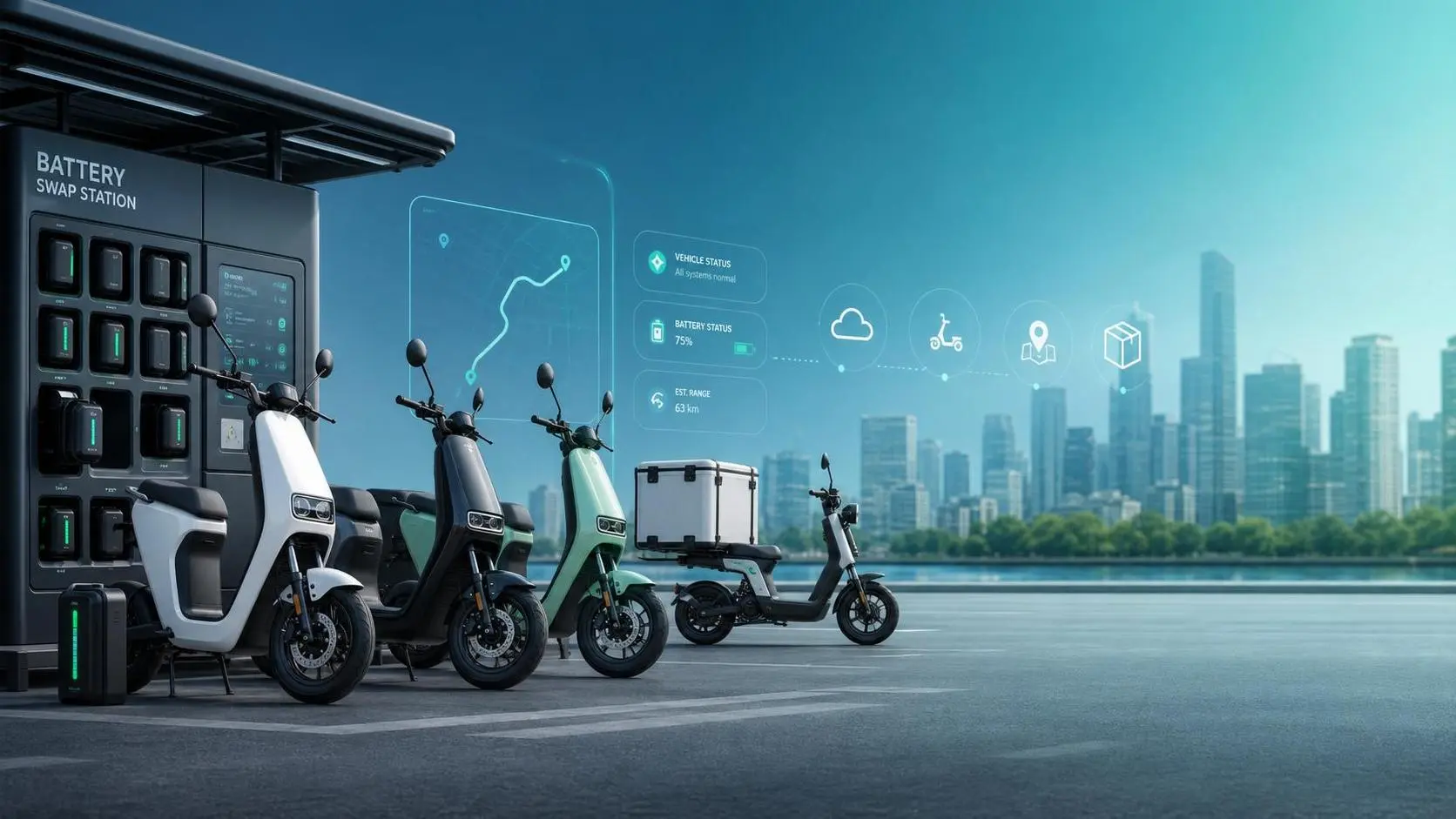
Swappable Battery Scooter Market: Key Growth Segments and Fleet Demand Signals
Swappable battery scooter market trends reveal where growth is accelerating, which fleet segments lead demand, and how swapping improves uptime, cost control, and urban mobility efficiency.
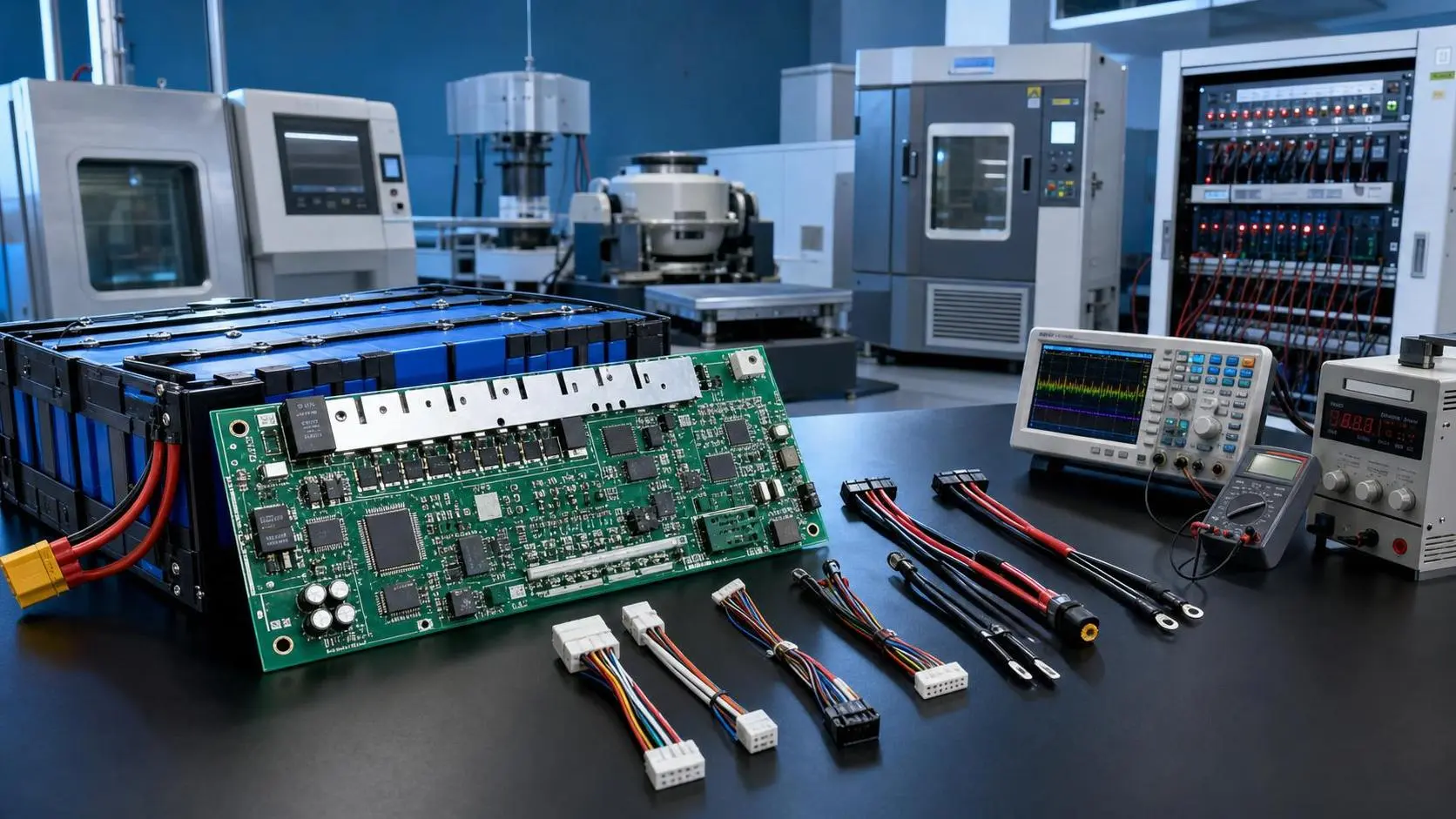
How to Evaluate a Battery Management Systems Exporter for Quality, Compliance, and Support
Battery management systems exporter selection affects safety, compliance, and uptime. Learn how to compare quality records, certification readiness, and support before you buy.
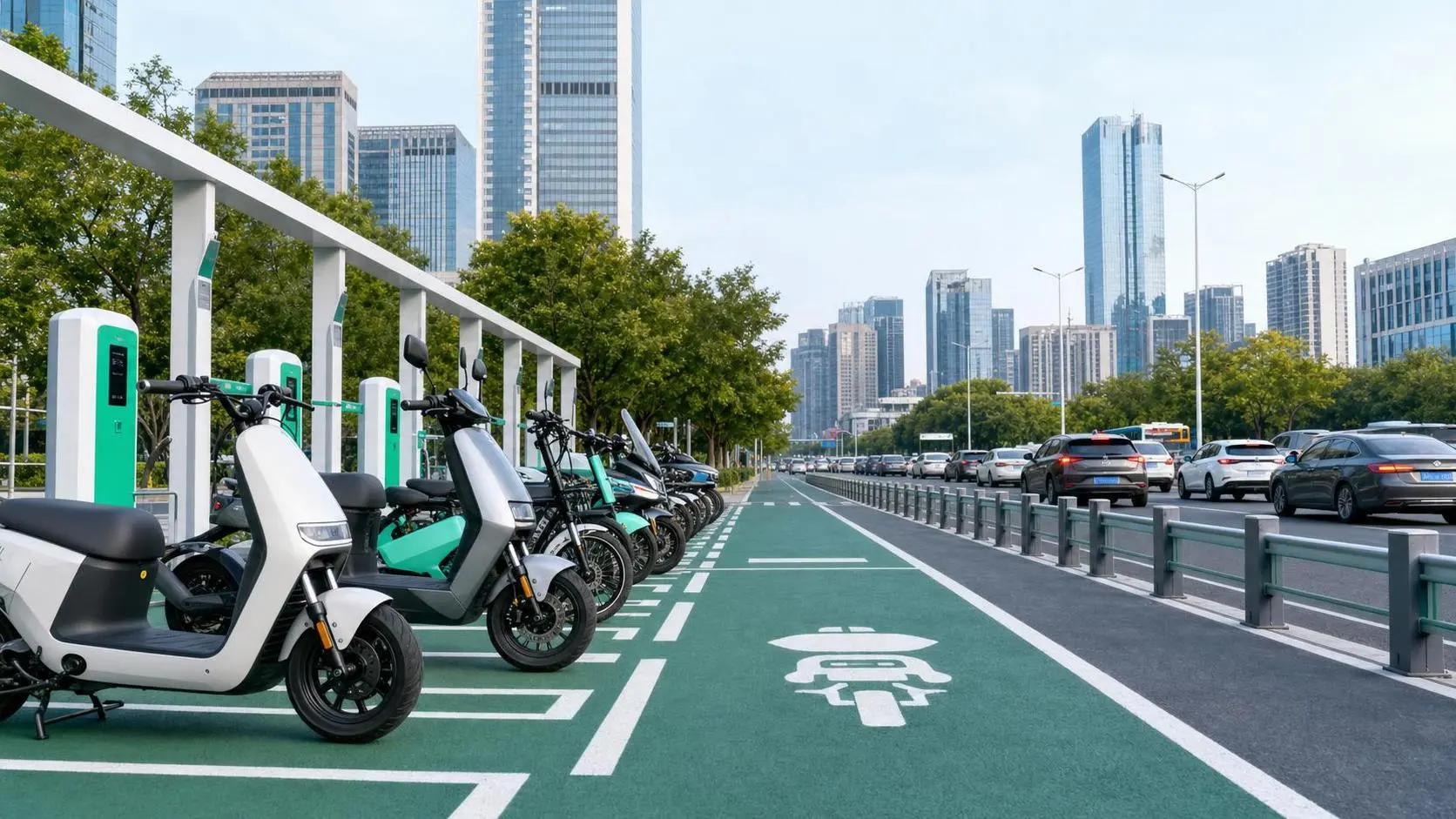
What Drives Urban Mobility Adoption in Congested Cities: Cost, Convenience, and Policy
Urban mobility adoption is accelerating in congested cities as cost savings, daily convenience, and smart policy reshape commuting. Discover what drives faster adoption and long-term market growth.
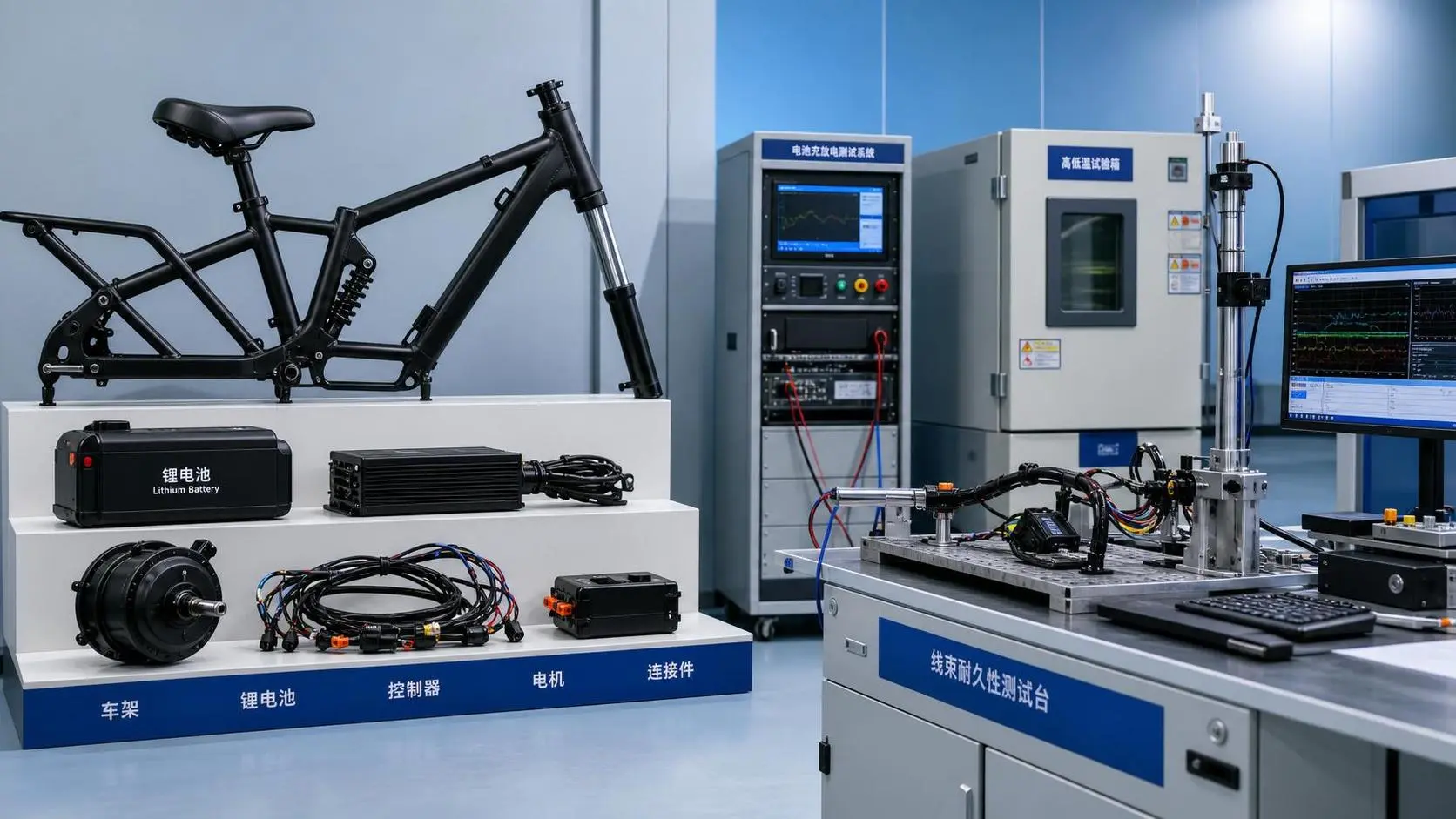
How to Verify Micro Mobility Technical Credibility Before Supplier Approval
Micro mobility technical credibility starts with proof, not promises. Learn how to verify tests, compliance, field data, and supplier controls before approval.
Urban Electric Vehicles Fleet Planning: Key Cost and Maintenance Factors to Compare
Urban electric vehicles fleet planning goes beyond purchase price. Compare battery life, charging, maintenance, uptime, and TCO to choose a smarter, more scalable fleet.
Electric Torque for Ebikes Explained: What Power Delivery Means for Climbing and Cargo
Electric torque for ebikes explained: learn how torque shapes hill climbing, cargo hauling, smoother starts, and real-world commuting performance before you buy.

Photoelectric Recognition for Scooters: How It Improves Detection in Urban Riding
Photoelectric recognition for scooters improves obstacle detection, edge awareness, and rider safety in urban traffic. Discover how it boosts smarter, more reliable city riding.
How to Evaluate a Micro-Mobility Supplier for Shared Fleet Reliability
Micro-mobility supplier selection directly shapes fleet uptime, maintenance costs, and rider trust. Learn how to evaluate durability, batteries, software, and service support for reliable shared fleet growth.