
Related News
- 00
0000-00
What Affects Urban Traffic Innovation Price in Smart City Transport Projects? - 00
0000-00
How to Evaluate a Battery Management Systems Exporter for Quality, Compliance, and Support - 00
0000-00
What Drives Urban Mobility Adoption in Congested Cities: Cost, Convenience, and Policy - 00
0000-00
How to Verify Micro Mobility Technical Credibility Before Supplier Approval - 00
0000-00
Urban Electric Vehicles Fleet Planning: Key Cost and Maintenance Factors to Compare
Ms. Elena Rodriguez
Weekly Insights
Stay ahead with our curated technology reports delivered every Monday.
What Drives Urban Mobility Adoption in Congested Cities: Cost, Convenience, and Policy





Why is urban mobility adoption accelerating in congested cities?
Urban mobility adoption is rising because congestion has become a daily cost, not just an inconvenience. Commuters now measure travel by predictability, total expense, and time recovered.
In many cities, private cars still offer comfort, yet they lose appeal when roads stall, parking prices rise, and low-emission rules expand. That is where micro-mobility gains attention.
E-bikes, smart e-scooters, and high-speed e-motorcycles answer a practical question: how can people move short and medium distances faster, cheaper, and with fewer frictions?
This shift is not driven by fashion alone. It reflects pressure from climate targets, changes in commuting habits, and stronger city interest in low-carbon traffic circulation.
Observers such as UMMS track this transition closely because urban mobility adoption depends on both public behavior and system performance. Vehicles, components, battery logic, and policy all interact.
That is why adoption looks different from one city to another. The same e-bike can succeed in one market and stall in another, depending on infrastructure, regulation, and operating cost.
Is cost still the biggest driver, or has convenience taken the lead?
Cost remains a major trigger for urban mobility adoption, but convenience often decides whether people stay with a mode after trying it once.
An e-bike may cost less than car ownership over time. A shared scooter may remove parking stress. Yet adoption strengthens only when the experience feels easy every day.
In practical terms, users compare more than ticket price or purchase price. They also compare charging access, route flexibility, weather exposure, and trip reliability.
For this reason, urban mobility adoption usually follows a layered logic:
- Lower daily travel cost creates initial interest.
- Simple access and short wait times encourage trial.
- Safe lanes and reliable hardware support repeated use.
- Policy clarity reduces uncertainty for operators and riders.
The hardware side matters more than many assume. Efficient drivetrains, durable battery management, and stable braking systems directly affect perceived value and trust.
UMMS often highlights this overlooked point. Urban mobility adoption is not only a consumer trend. It is also a technical and operational performance story.
A quick comparison of what usually drives adoption
The table below shows how cost, convenience, and policy typically influence different urban mobility choices.
What makes one city adopt micro-mobility faster than another?
The biggest difference is not income alone. It is whether the city reduces friction across the full trip, from vehicle access to parking at the destination.
Urban mobility adoption tends to accelerate when public transit and micro-mobility work together. A scooter that connects to rail is more useful than a scooter operating in isolation.
Street design also matters. Protected lanes, calm intersections, and visible parking zones do more for adoption than broad promotional campaigns.
Local climate and road conditions shape adoption as well. In wet or low-visibility settings, safety components become more important, including reliable braking and visibility systems.
That is one reason broader mobility intelligence matters. UMMS follows not only e-bikes and scooters, but also supporting systems tied to safety and performance in real traffic conditions.
A city may talk about sustainability, yet adoption remains weak if users face broken pavement, poor docking discipline, or unclear road rights. Convenience must be designed, not assumed.
How much do policy and regulation really influence urban mobility adoption?
Policy can speed adoption dramatically, but inconsistent policy can slow it just as quickly. This is especially true for shared fleets and higher-speed electric two-wheelers.
Subsidies help, but regulation goes beyond financial support. Rules on speed classes, helmet use, lane access, parking, charging safety, and battery standards all shape market confidence.
For urban mobility adoption, good policy usually does three things well. It reduces confusion, aligns safety expectations, and gives operators enough predictability to invest.
Markets with stable frameworks often attract better hardware and better service models. That includes stronger IoT tracking, more disciplined fleet maintenance, and more reliable battery handling.
This is where intelligence platforms become useful. UMMS pays close attention to subsidy shifts, right-of-way rules, drivetrain evolution, and thermal management because these details change adoption outcomes.
A simple way to judge policy quality is to ask whether it supports safe scaling. Restrictive rules can suppress use, but vague rules often create disorder and backlash.
Signals that policy is helping, not hindering
- Vehicle categories are clearly defined.
- Parking and curb use rules are enforceable.
- Battery and charging standards are transparent.
- Data requirements balance oversight and operational flexibility.
- Pilot programs lead to long-term frameworks, not repeated uncertainty.
Where do people misread urban mobility adoption trends?
One common mistake is treating all electric two-wheelers as one market. Urban mobility adoption differs sharply between e-bikes, shared scooters, and high-speed e-motorcycles.
Another mistake is focusing only on vehicle demand. Adoption also depends on maintenance cycles, component durability, charging behavior, and fleet uptime.
In real deployment, technical quality becomes visible fast. Weak battery management, poor connectivity, or unstable drivetrains raise operating costs and damage user trust.
There is also a tendency to overestimate short-term policy headlines. A subsidy may boost initial sales, but long-term urban mobility adoption depends on habits and infrastructure quality.
Even component innovation plays a role. Precision bicycle systems, wireless shifting reliability, and energy-efficient powertrains improve ride quality, which supports repeat usage rather than one-time curiosity.
The stronger reading is this: adoption is a systems outcome. Demand, engineering, public space, and regulation move together.
If you are evaluating the market, what should you watch next?
A useful starting point is to separate short-term noise from durable signals. Urban mobility adoption becomes more predictable when several indicators improve at the same time.
The most valuable signals usually include mode share growth, repeat usage rates, battery network expansion, and regulatory consistency across districts or cities.
It also helps to watch the technical layer. Better thermal management, stronger anti-interference protocols, and more efficient electromechanical transmission often support scalable adoption.
For that reason, urban mobility adoption should be assessed through both user behavior and system capability. Looking at one without the other leads to weak conclusions.
A practical review framework can include the following checks:
- Compare total trip cost against private car and transit alternatives.
- Check whether convenience holds during peak congestion, not only off-peak hours.
- Review local rules for parking, charging, access, and safety compliance.
- Look at hardware reliability, especially batteries, braking, and connectivity.
- Track whether infrastructure investment is temporary or part of a citywide plan.
In the end, urban mobility adoption grows where cost savings, daily convenience, and policy direction reinforce each other. That is the pattern worth following.
The next step is to build a clear comparison standard for routes, regulations, and technical readiness. From there, market signals become easier to interpret with confidence.
Related News
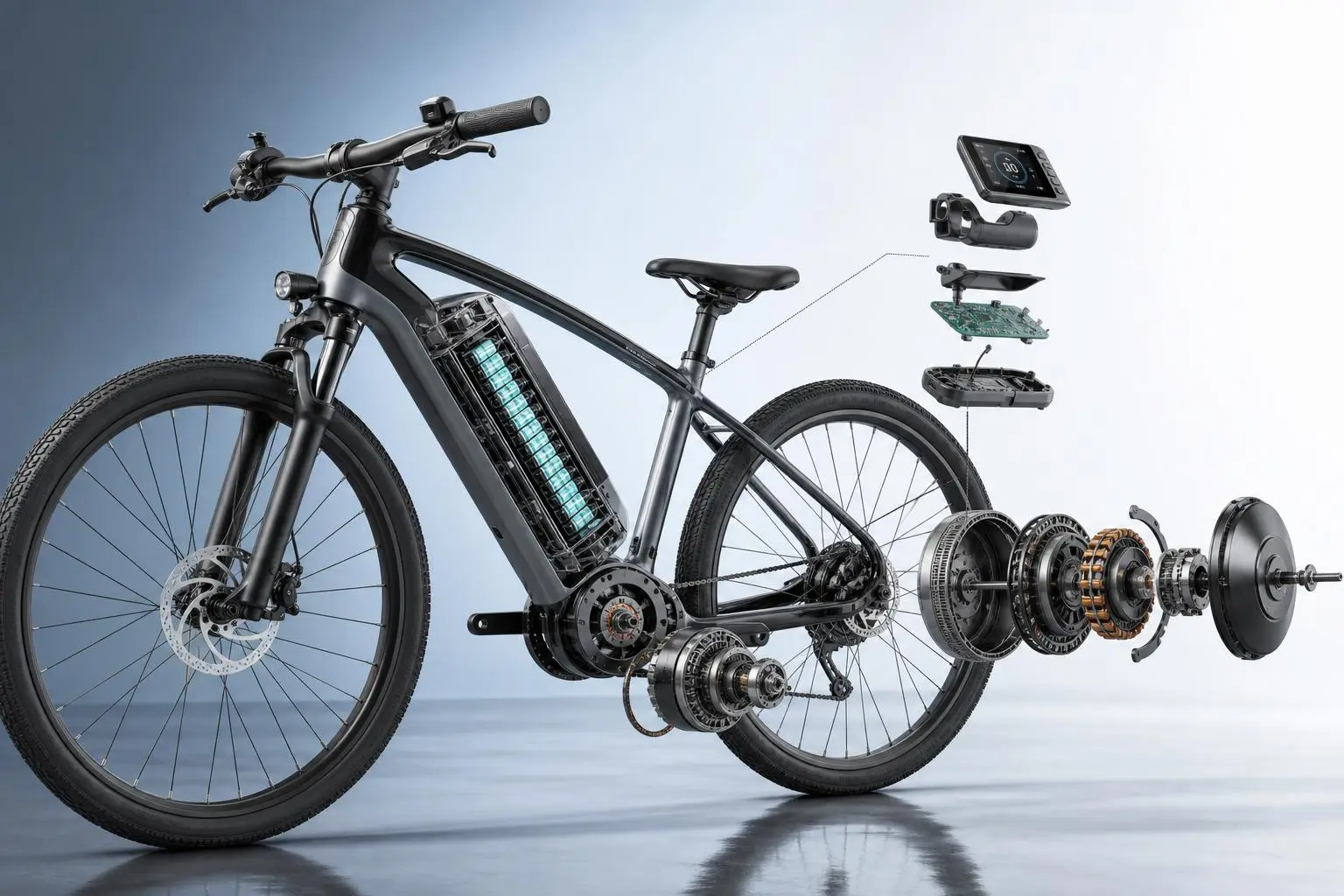
E-Bike Technology Explained: Motor Types, Battery Range, and Control Systems
E-bike technology explained: compare motor types, battery range, and control systems to understand real-world performance, smarter buying decisions, and urban mobility value.

What Affects Urban Traffic Innovation Price in Smart City Transport Projects?
Urban traffic innovation price depends on project scope, software, battery infrastructure, safety, and integration. Discover the real cost drivers behind scalable smart city transport projects.
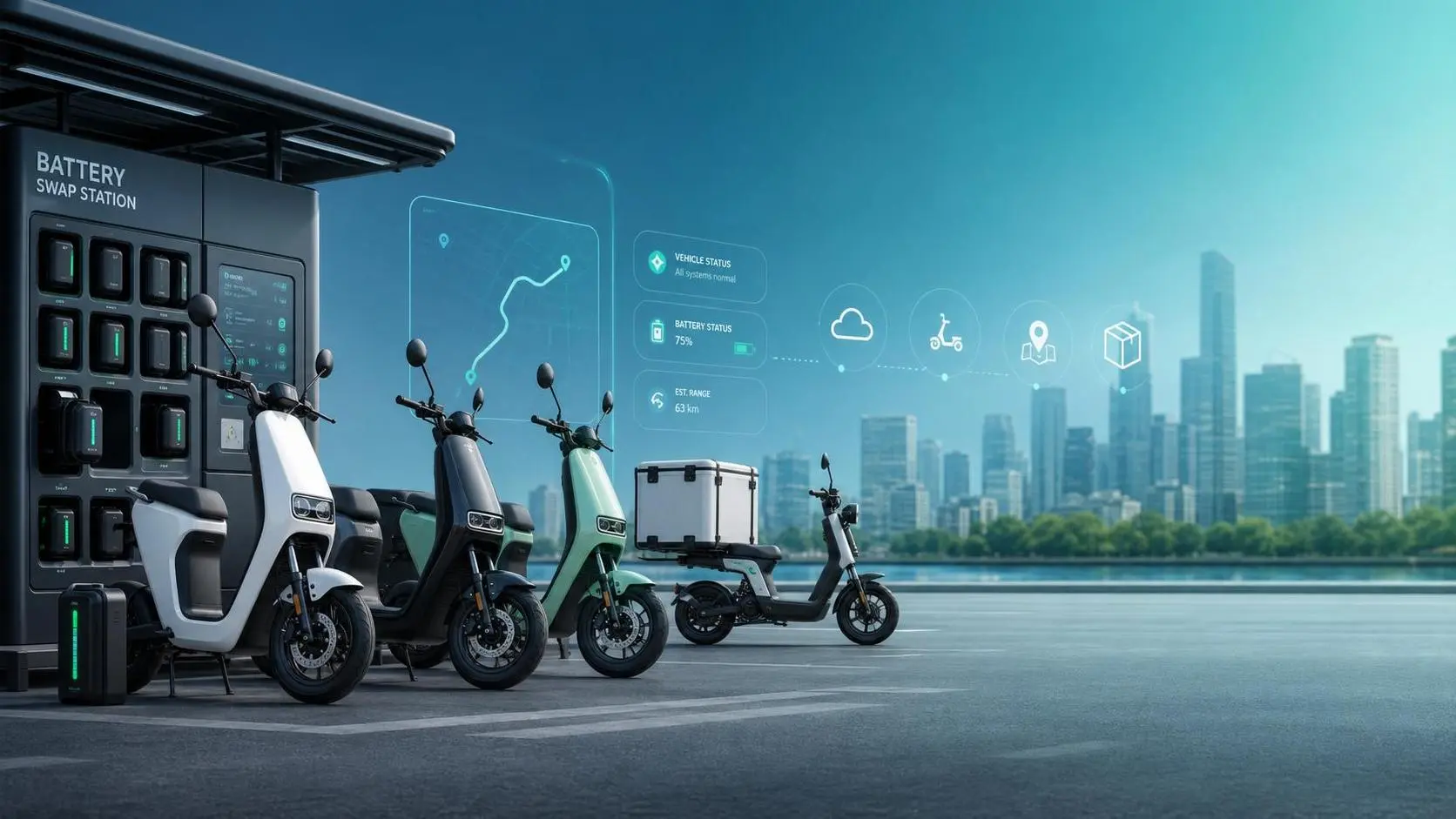
Swappable Battery Scooter Market: Key Growth Segments and Fleet Demand Signals
Swappable battery scooter market trends reveal where growth is accelerating, which fleet segments lead demand, and how swapping improves uptime, cost control, and urban mobility efficiency.
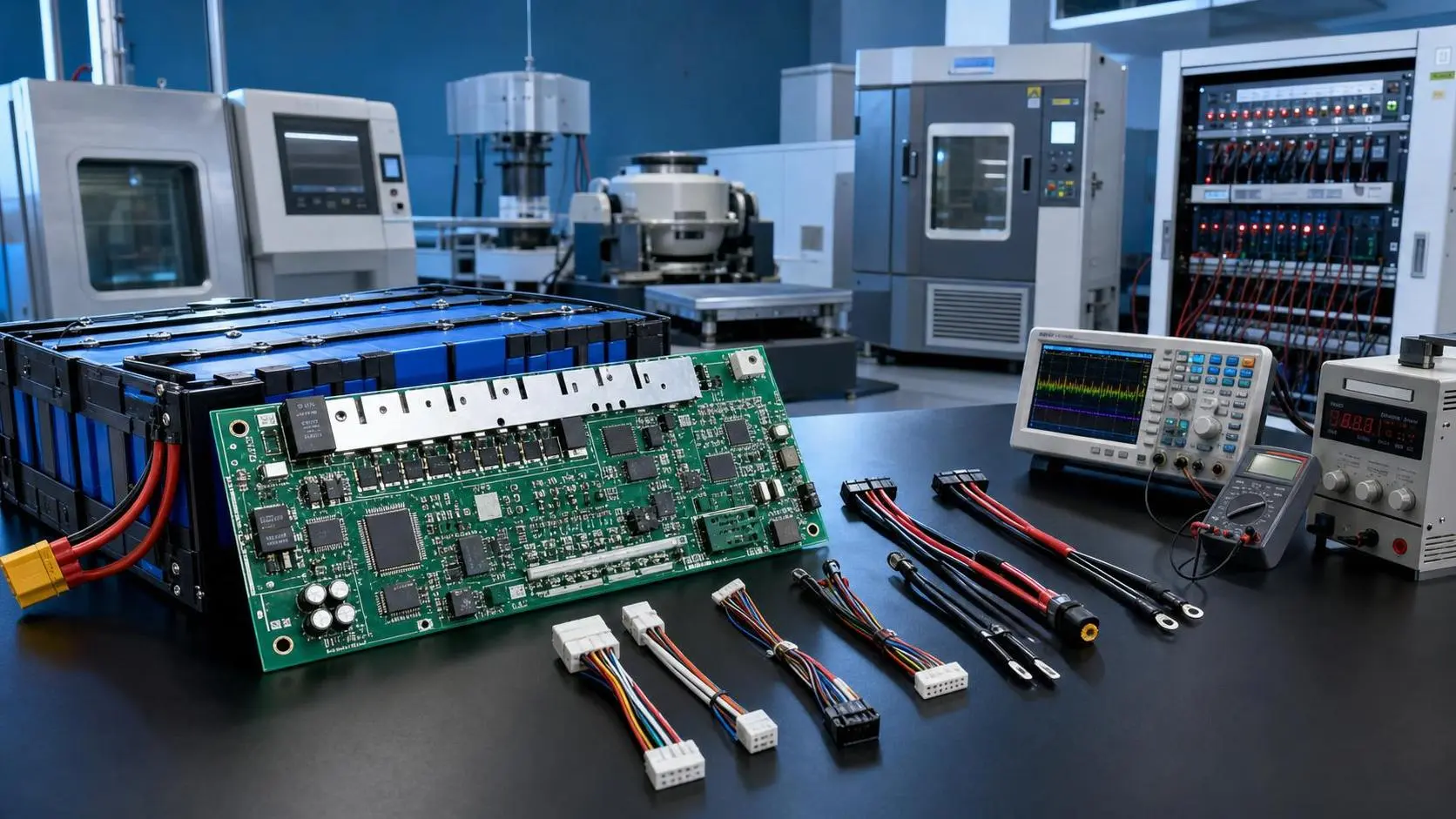
How to Evaluate a Battery Management Systems Exporter for Quality, Compliance, and Support
Battery management systems exporter selection affects safety, compliance, and uptime. Learn how to compare quality records, certification readiness, and support before you buy.
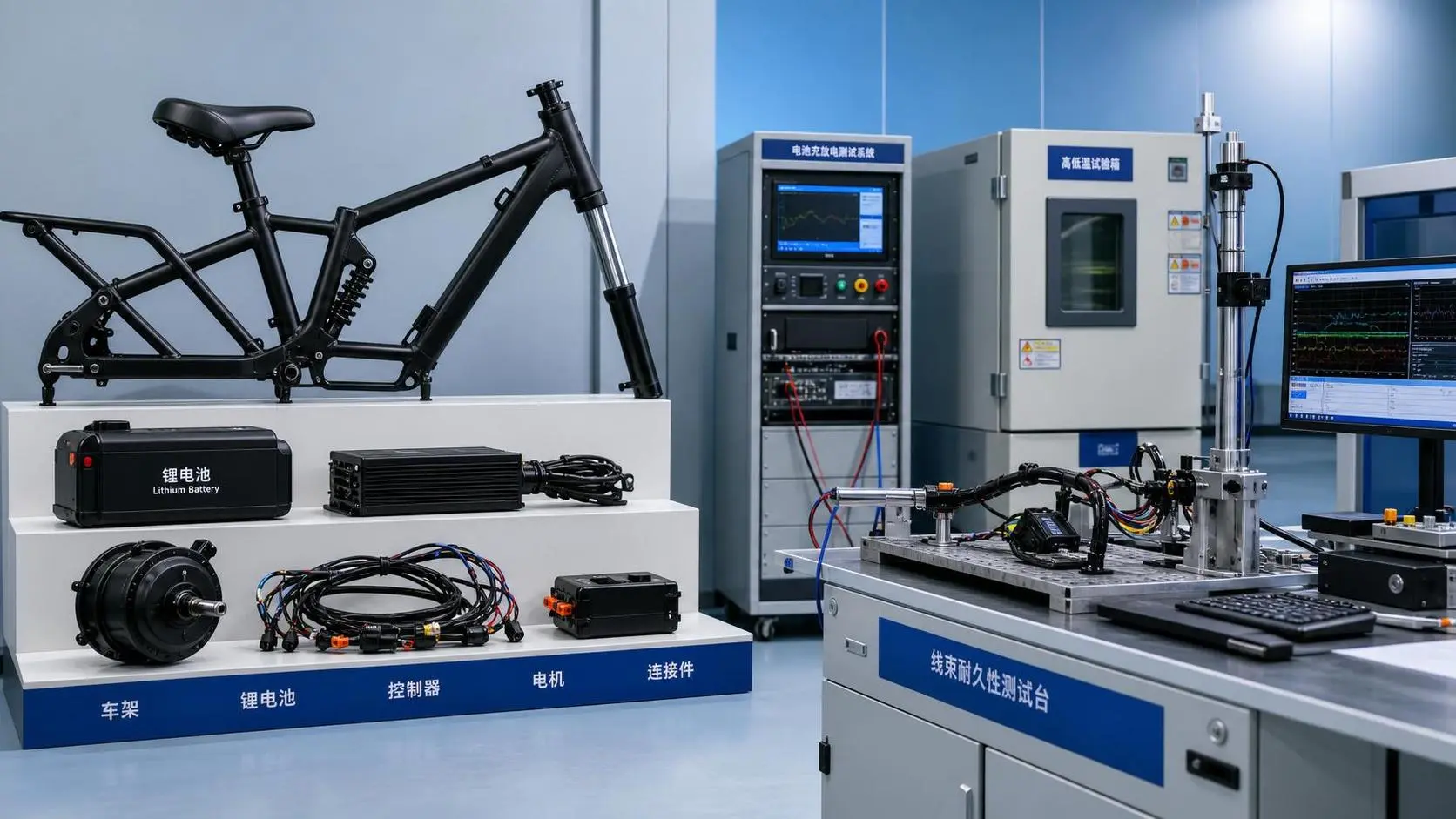
How to Verify Micro Mobility Technical Credibility Before Supplier Approval
Micro mobility technical credibility starts with proof, not promises. Learn how to verify tests, compliance, field data, and supplier controls before approval.
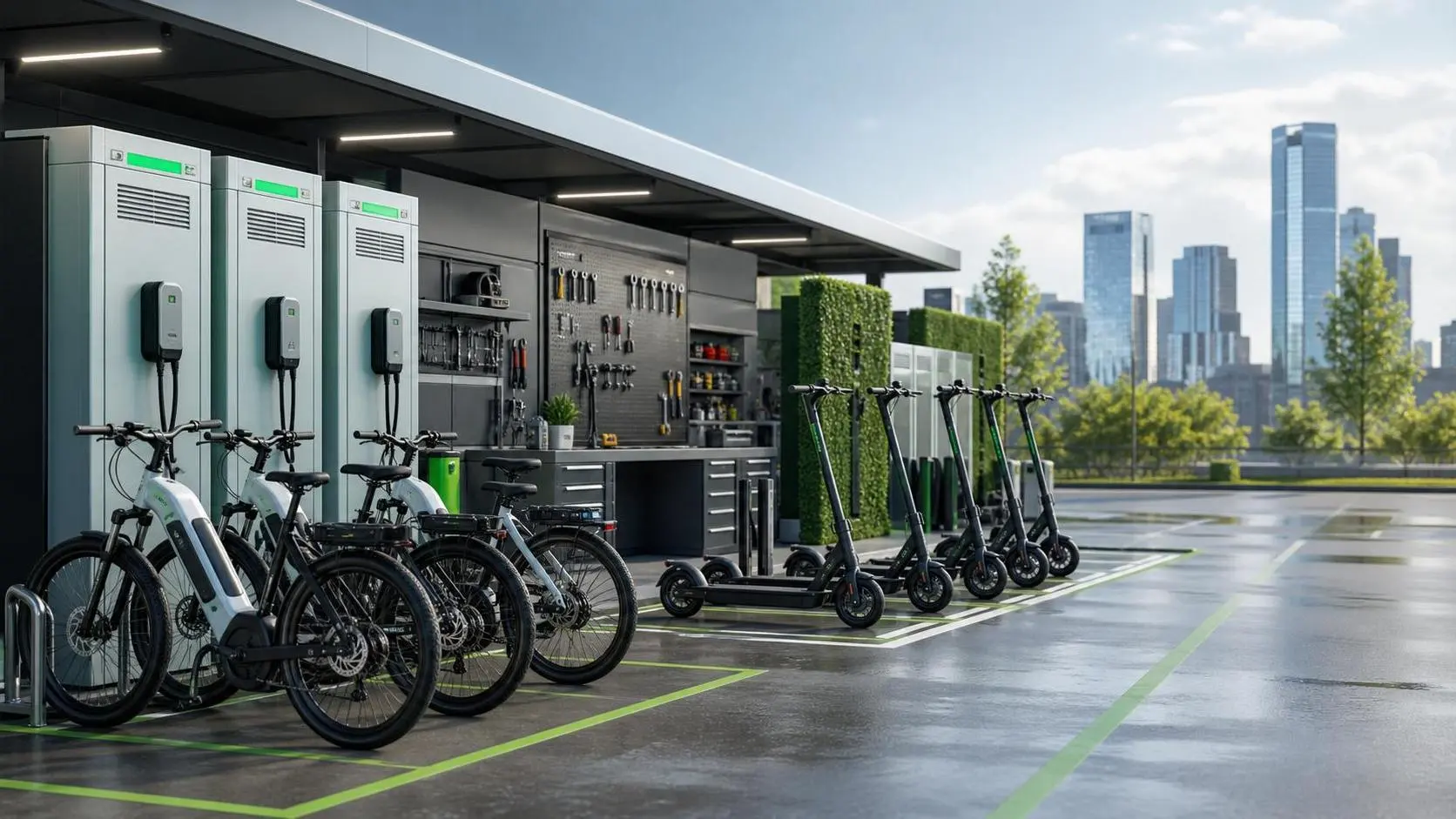
Urban Electric Vehicles Fleet Planning: Key Cost and Maintenance Factors to Compare
Urban electric vehicles fleet planning goes beyond purchase price. Compare battery life, charging, maintenance, uptime, and TCO to choose a smarter, more scalable fleet.
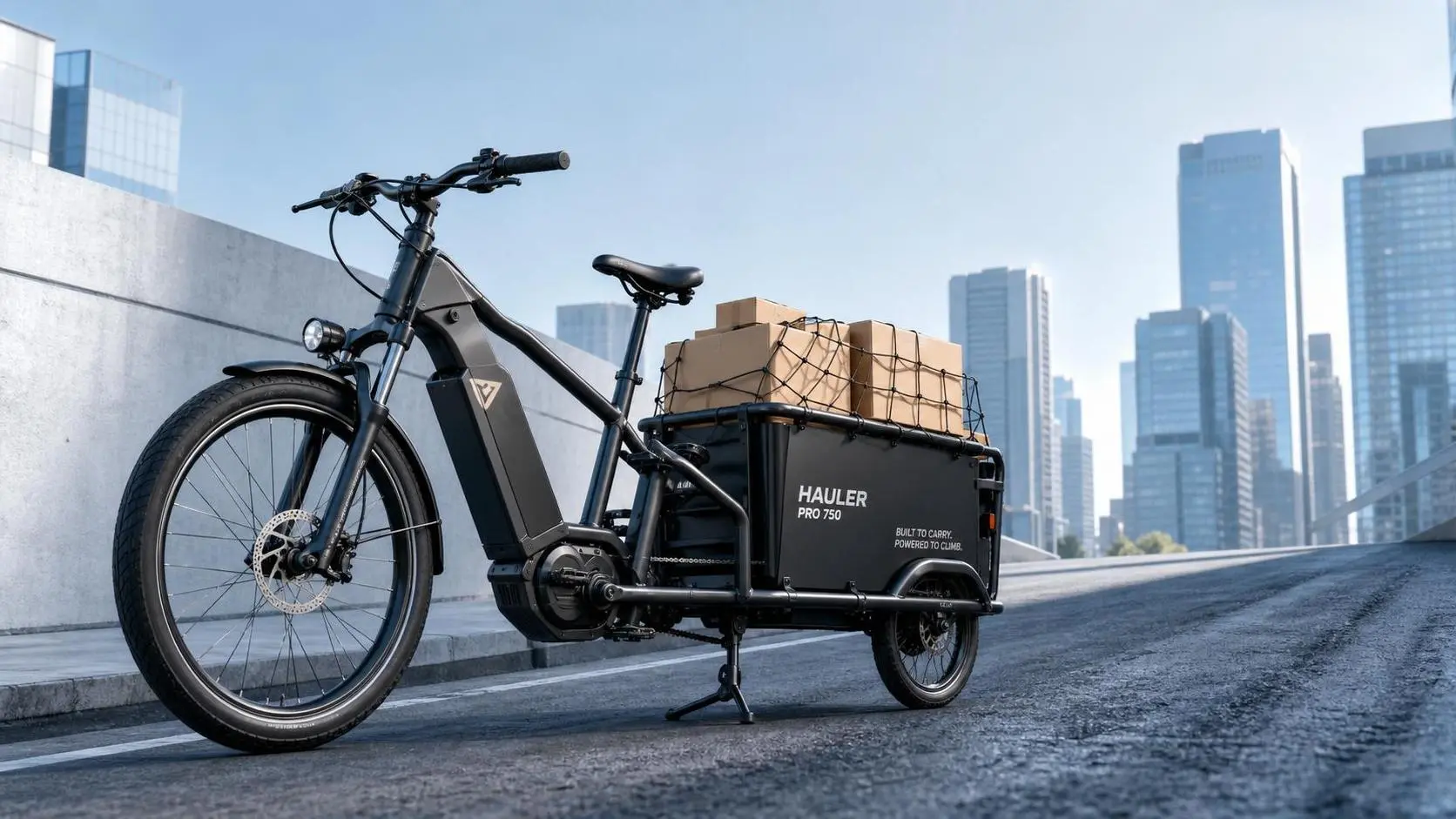
Electric Torque for Ebikes Explained: What Power Delivery Means for Climbing and Cargo
Electric torque for ebikes explained: learn how torque shapes hill climbing, cargo hauling, smoother starts, and real-world commuting performance before you buy.

Photoelectric Recognition for Scooters: How It Improves Detection in Urban Riding
Photoelectric recognition for scooters improves obstacle detection, edge awareness, and rider safety in urban traffic. Discover how it boosts smarter, more reliable city riding.
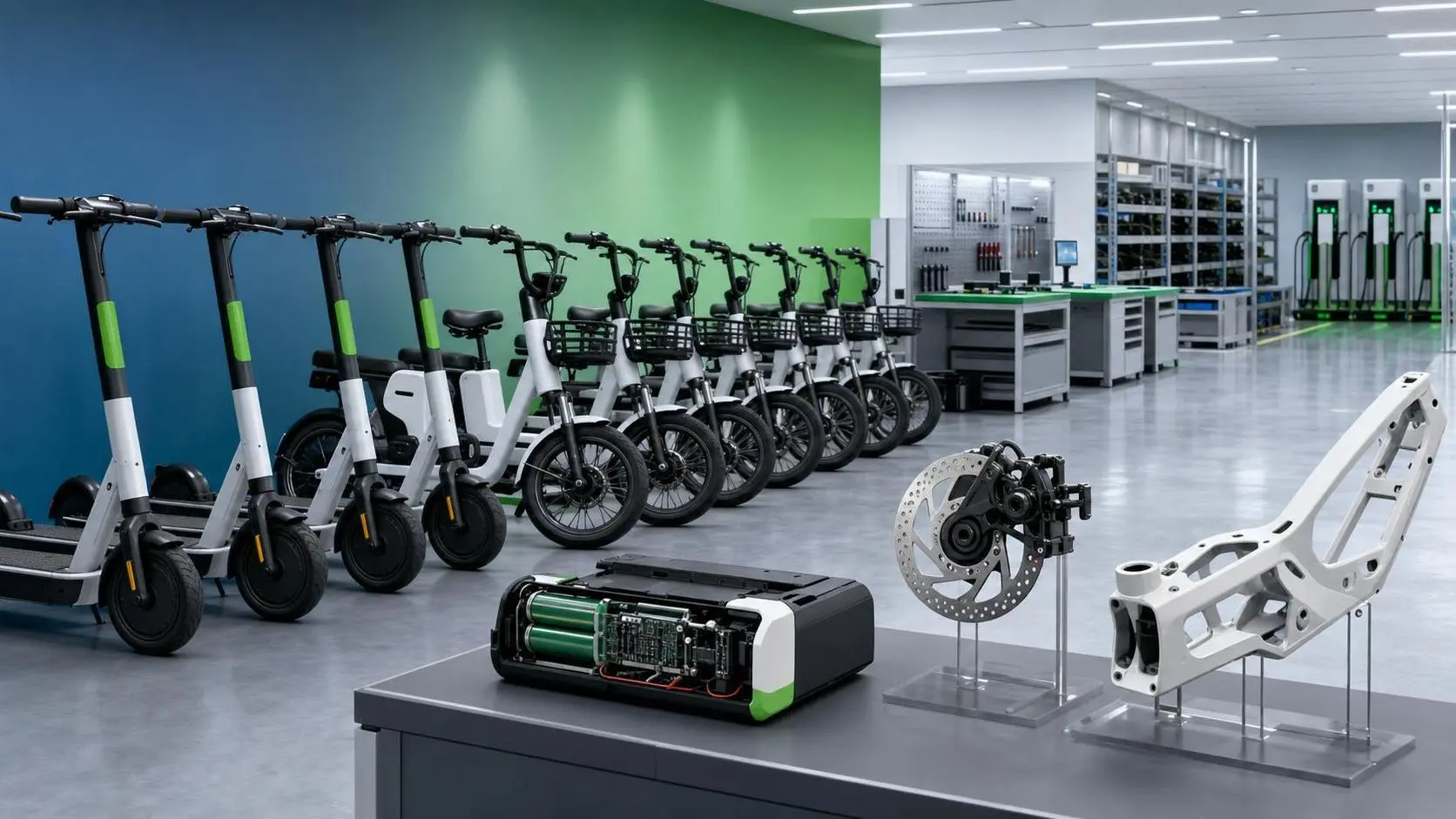
How to Evaluate a Micro-Mobility Supplier for Shared Fleet Reliability
Micro-mobility supplier selection directly shapes fleet uptime, maintenance costs, and rider trust. Learn how to evaluate durability, batteries, software, and service support for reliable shared fleet growth.