
Related News
- 00
0000-00
Electric Torque for Ebikes Explained: What Power Delivery Means for Climbing and Cargo - 00
0000-00
Electric Powertrain vs Hub Motor: Which Setup Fits Cargo E-bikes Better? - 00
0000-00
What last mile logistics needs from electric fleets - 00
0000-00
High-Density Battery Trade-Offs for Cargo E-Bikes - 00
0000-00
Decarbonization Technology and the Future of Cargo E-bikes
Micro-Mobility Strategist
Weekly Insights
Stay ahead with our curated technology reports delivered every Monday.
Electric Torque for Ebikes Explained: What Power Delivery Means for Climbing and Cargo





Why does electric torque for ebikes matter more than many first-time buyers expect?
When people compare e-bikes, they often notice battery size and motor wattage first.
That is useful, but it does not explain how the bike feels when a hill appears, a traffic light turns green, or a rear rack is fully loaded.
Electric torque for ebikes is the force that helps the motor turn the wheel under resistance.
In simple terms, torque shapes the push you feel at low speed and under load.
That is why riders who carry groceries, children, work gear, or climb steep streets usually care about torque sooner than expected.
Within urban micro-mobility, this matters beyond comfort.
It affects route choice, safety in stop-and-go traffic, and how efficiently the motor and battery work together.
That broader system view is common in the UMMS perspective on two-wheel electrification.
The portal tracks how drivetrain design, battery logic, and urban use patterns connect in real riding conditions.
So if you want smoother starts, steadier climbing, and less strain while carrying weight, understanding electric torque for ebikes is a practical starting point.
Is torque just another way of talking about power?
Not exactly, and this is where many comparisons go wrong.
Power, usually shown in watts, describes how much work the motor can do over time.
Torque, usually shown in newton-meters, describes rotational force.
A motor can have legal or modest wattage, yet still feel strong at takeoff because its torque delivery is tuned well.
This is especially noticeable in city riding.
You are rarely riding at one uninterrupted speed for an hour.
More often, you start, slow down, turn, climb ramps, and move again.
In those moments, electric torque for ebikes becomes the more meaningful number.
There is another detail worth noting.
Peak figures do not always tell the whole story.
Motor placement, controller tuning, cadence support, and sensor quality all influence how useful that torque feels on the road.
A well-calibrated mid-drive with moderate numbers can outperform a less refined system that only looks stronger on paper.
A quick comparison helps
How much electric torque for ebikes is enough for commuting, hills, and cargo?
There is no single perfect number, because route conditions change the answer.
Still, buyers can use practical ranges instead of guessing.
For flatter urban commutes with light loads, around 35 to 50 Nm may feel adequate.
For mixed terrain, regular overpasses, and stronger acceleration, 50 to 70 Nm is often the comfort zone.
For steep grades, frequent stop-start riding, trailers, or front and rear cargo, 70 Nm and above becomes more relevant.
That said, numbers should be read alongside total bike weight and intended payload.
A heavy frame with a weak gear range can waste the advantage of a strong motor.
More common in real use is this question: do you want the bike to cope easily, or only barely cope?
If your ride includes bridges, repeated launches, or child seats, leaving some torque headroom is usually wise.
UMMS often frames these decisions as system matching.
The motor should not be judged alone.
Battery management, transmission efficiency, and actual urban load patterns all shape whether electric torque for ebikes feels capable or disappointing.
Why do some e-bikes with similar torque ratings feel completely different?
Because the number is only one part of the riding experience.
The first reason is motor type.
Mid-drive motors usually use the bike’s gears more effectively.
That often helps on climbs and when moving cargo from a standstill.
Hub motors can still work well, especially for simpler city use, but they may feel different under heavy load.
The second reason is sensor design.
A torque sensor measures how hard you pedal and adjusts support more precisely.
A cadence sensor mainly reacts to whether the pedals are moving.
That difference can change the bike from smooth and intuitive to slightly delayed and jerky.
The third reason is software tuning.
Some brands deliver torque gradually for better traction and control.
Others make the assist arrive sharply, which may feel exciting at first but tiring in traffic.
So when comparing electric torque for ebikes, ask how the torque is delivered, not only how much is claimed.
Useful signs during a test ride
- The bike moves cleanly from a stop without a sudden lurch.
- Assist remains steady when cadence drops on a climb.
- Loaded handling still feels predictable at low speed.
- The motor does not sound strained during short, steep efforts.
- Gear changes and motor response feel coordinated, not disconnected.
What are the most common mistakes when judging electric torque for ebikes?
One mistake is assuming higher torque is always better.
If your route is flat and your loads are light, paying extra for very high torque may add cost without changing daily comfort much.
Another mistake is ignoring battery implications.
Strong acceleration and steep climbing can increase energy use, especially with frequent high-assist riding.
That means range expectations should be realistic.
A third mistake is reading torque without context.
Some published values are peak figures under ideal conditions.
What matters more is repeatable assistance on your typical route.
There is also a comfort issue that gets overlooked.
Very aggressive torque delivery can reduce confidence on wet streets, painted lines, or tight shared paths.
This matters in the broader UMMS view of low-carbon mobility.
Efficient urban electrification is not only about force.
It is about balancing traction, control, battery efficiency, and rider usability across real transport tasks.
So how should you compare e-bikes if torque is a priority?
Start with your hardest normal ride, not your easiest one.
Think about your steepest hill, your heaviest weekly load, and your most frequent stop-and-go section.
That gives you a better baseline for judging electric torque for ebikes.
Then compare these points together:
- Rated torque and whether it is suited to your terrain
- Motor type, especially mid-drive versus hub design
- Sensor system and how naturally assistance responds
- Battery size relative to hills, payload, and trip length
- Bike weight, cargo rating, and gearing quality
- Local regulations on speed and motor classification
A short test ride is helpful, but a loaded test ride is better.
If possible, ride over an incline and start from a standstill more than once.
That is where differences become obvious.
The practical takeaway is simple.
Electric torque for ebikes is not a marketing side note.
It is a key indicator of how confidently an e-bike handles climbing, cargo, and urban interruptions.
Before choosing, map your route, estimate your real payload, and compare torque as part of the full drive system.
That approach usually leads to a bike that feels right not only on day one, but on ordinary weekdays when the motor actually has work to do.
Related News
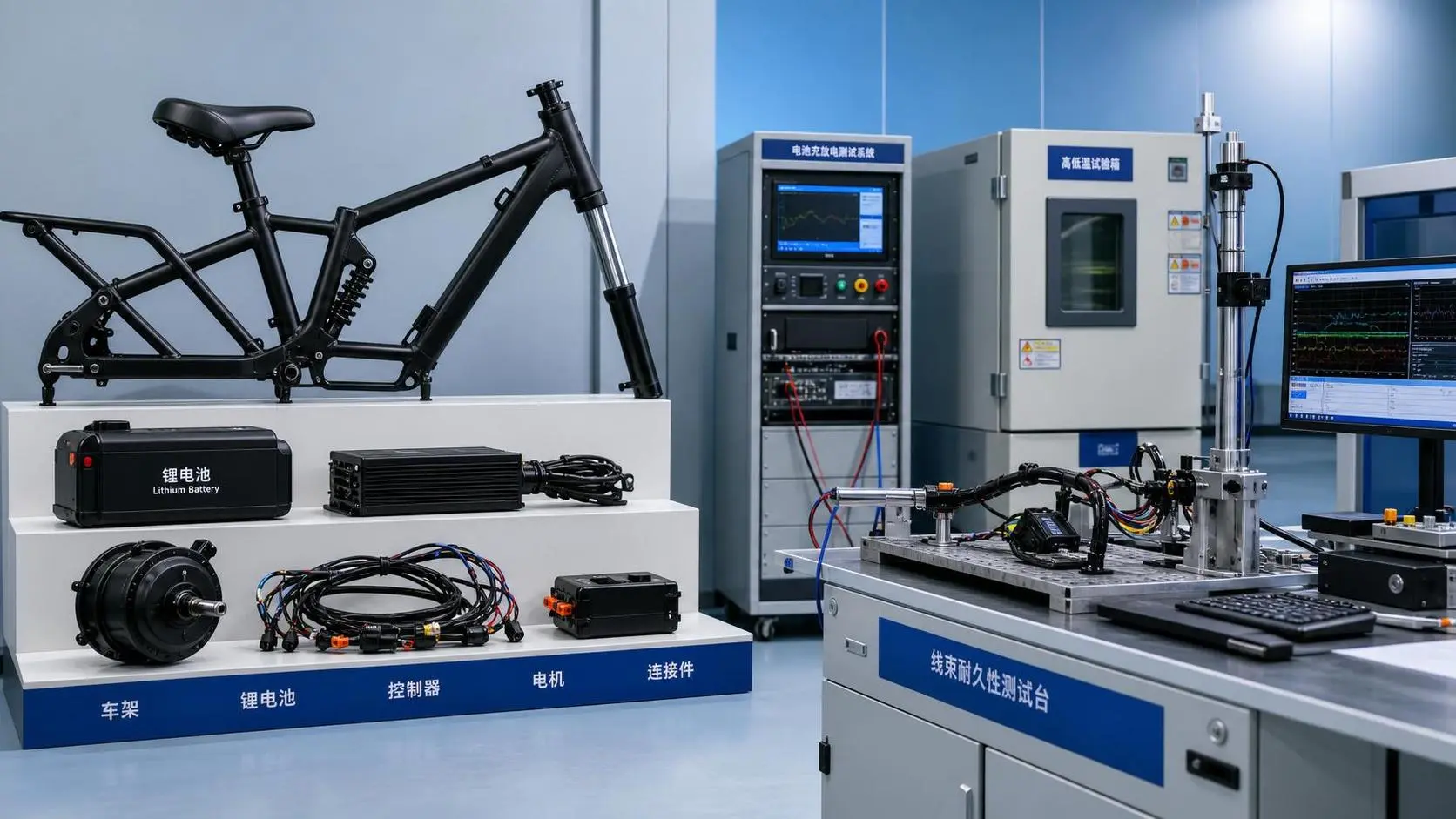
How to Verify Micro Mobility Technical Credibility Before Supplier Approval
Micro mobility technical credibility starts with proof, not promises. Learn how to verify tests, compliance, field data, and supplier controls before approval.
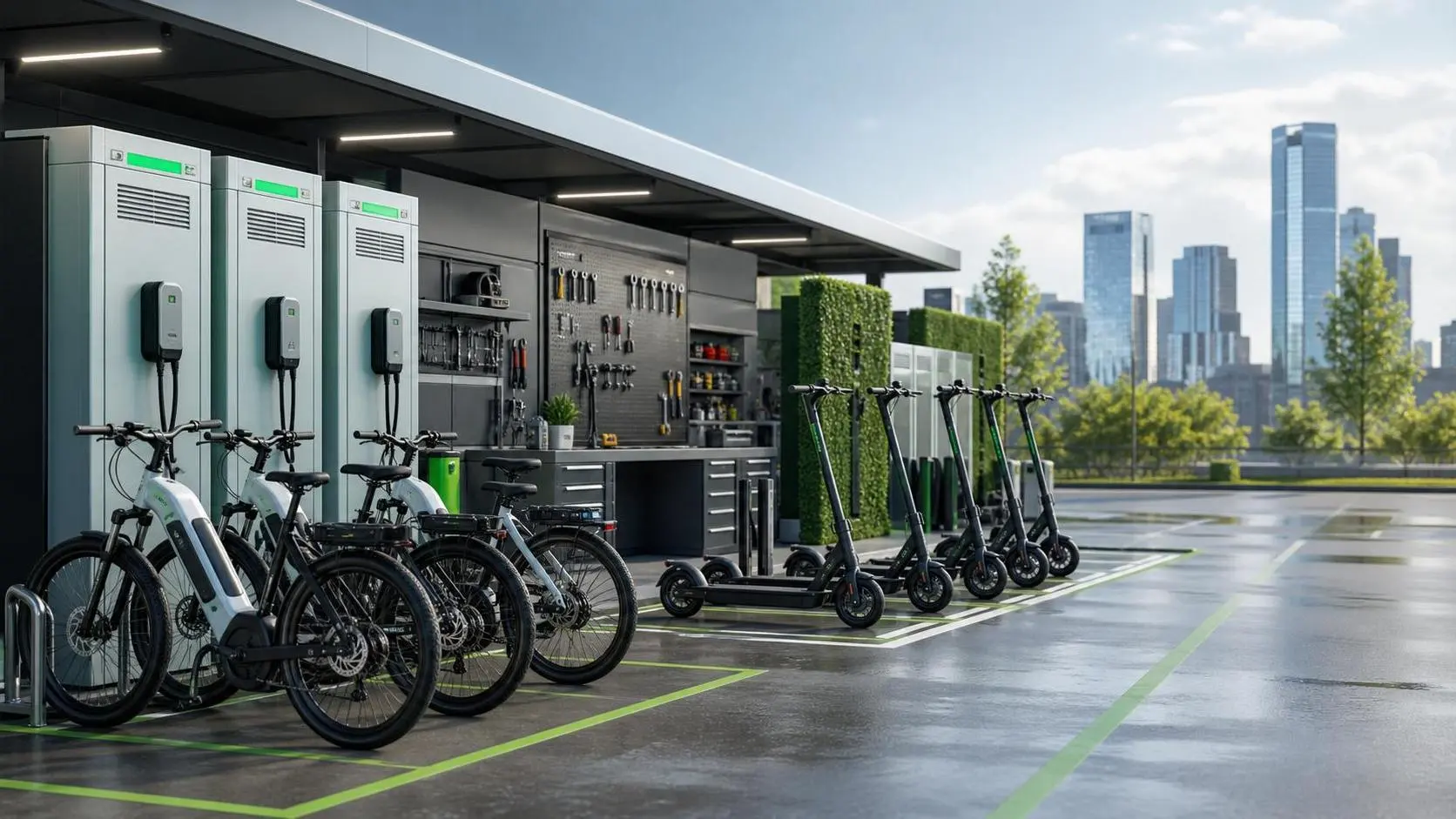
Urban Electric Vehicles Fleet Planning: Key Cost and Maintenance Factors to Compare
Urban electric vehicles fleet planning goes beyond purchase price. Compare battery life, charging, maintenance, uptime, and TCO to choose a smarter, more scalable fleet.
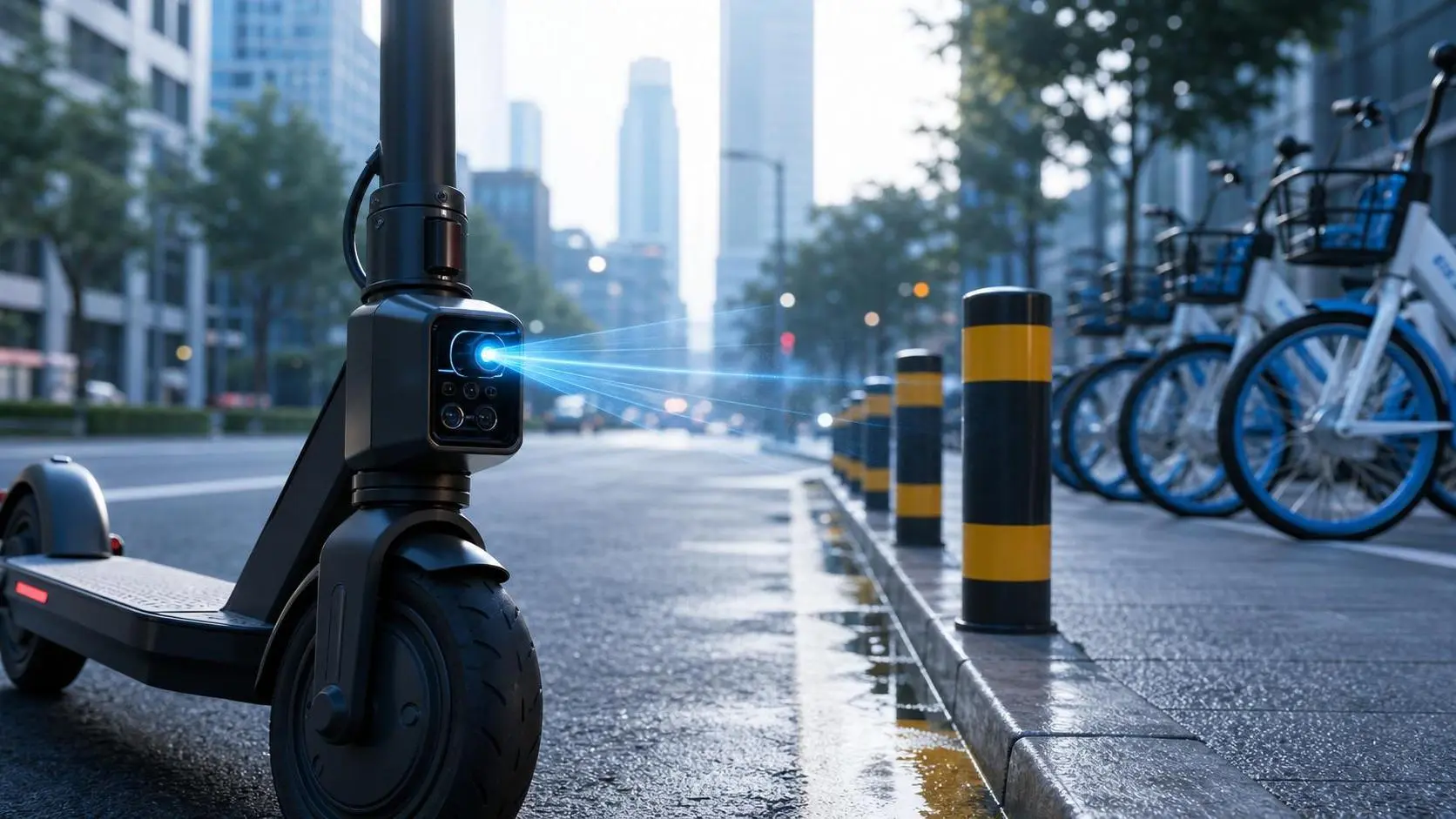
Photoelectric Recognition for Scooters: How It Improves Detection in Urban Riding
Photoelectric recognition for scooters improves obstacle detection, edge awareness, and rider safety in urban traffic. Discover how it boosts smarter, more reliable city riding.
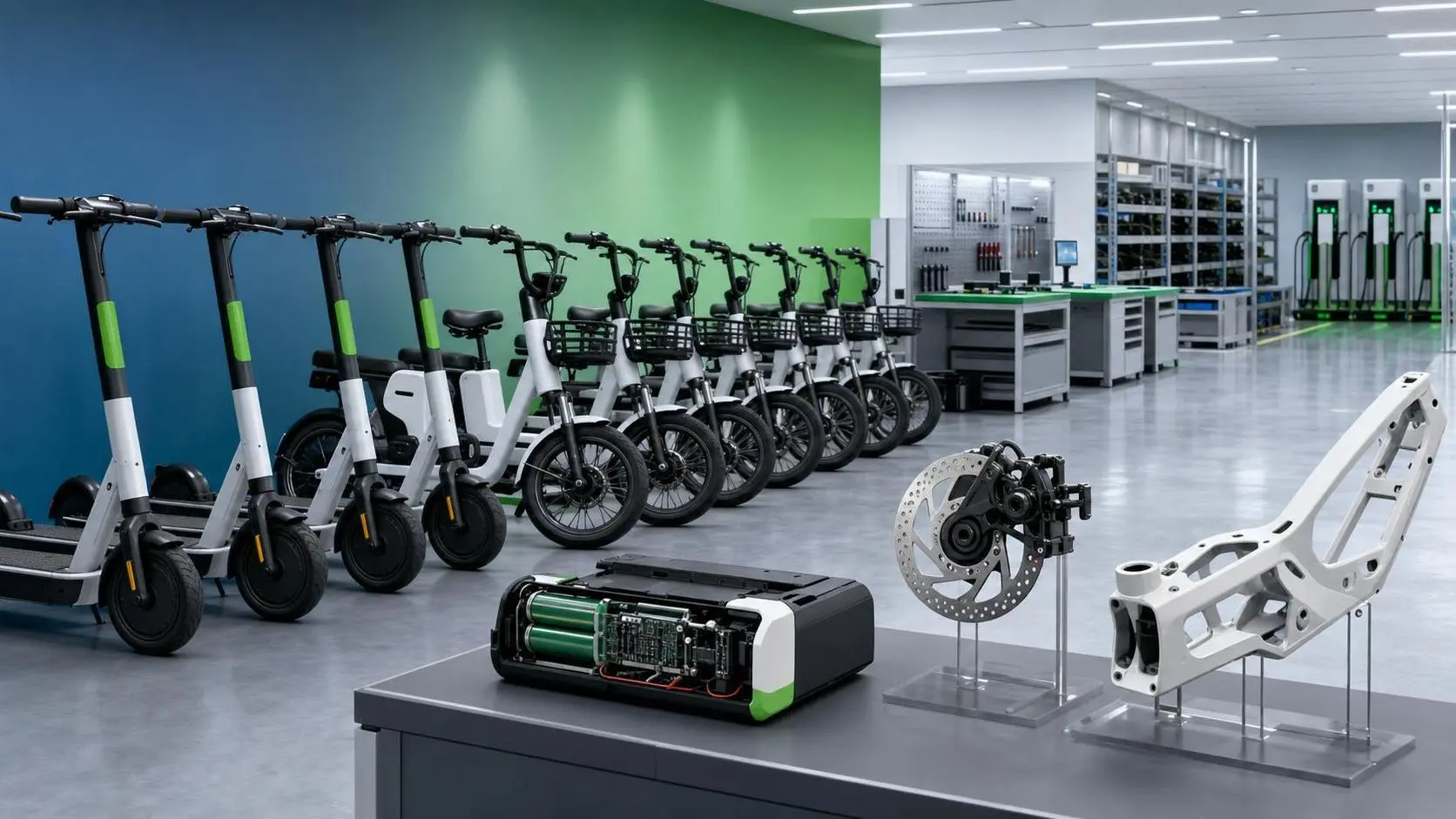
How to Evaluate a Micro-Mobility Supplier for Shared Fleet Reliability
Micro-mobility supplier selection directly shapes fleet uptime, maintenance costs, and rider trust. Learn how to evaluate durability, batteries, software, and service support for reliable shared fleet growth.
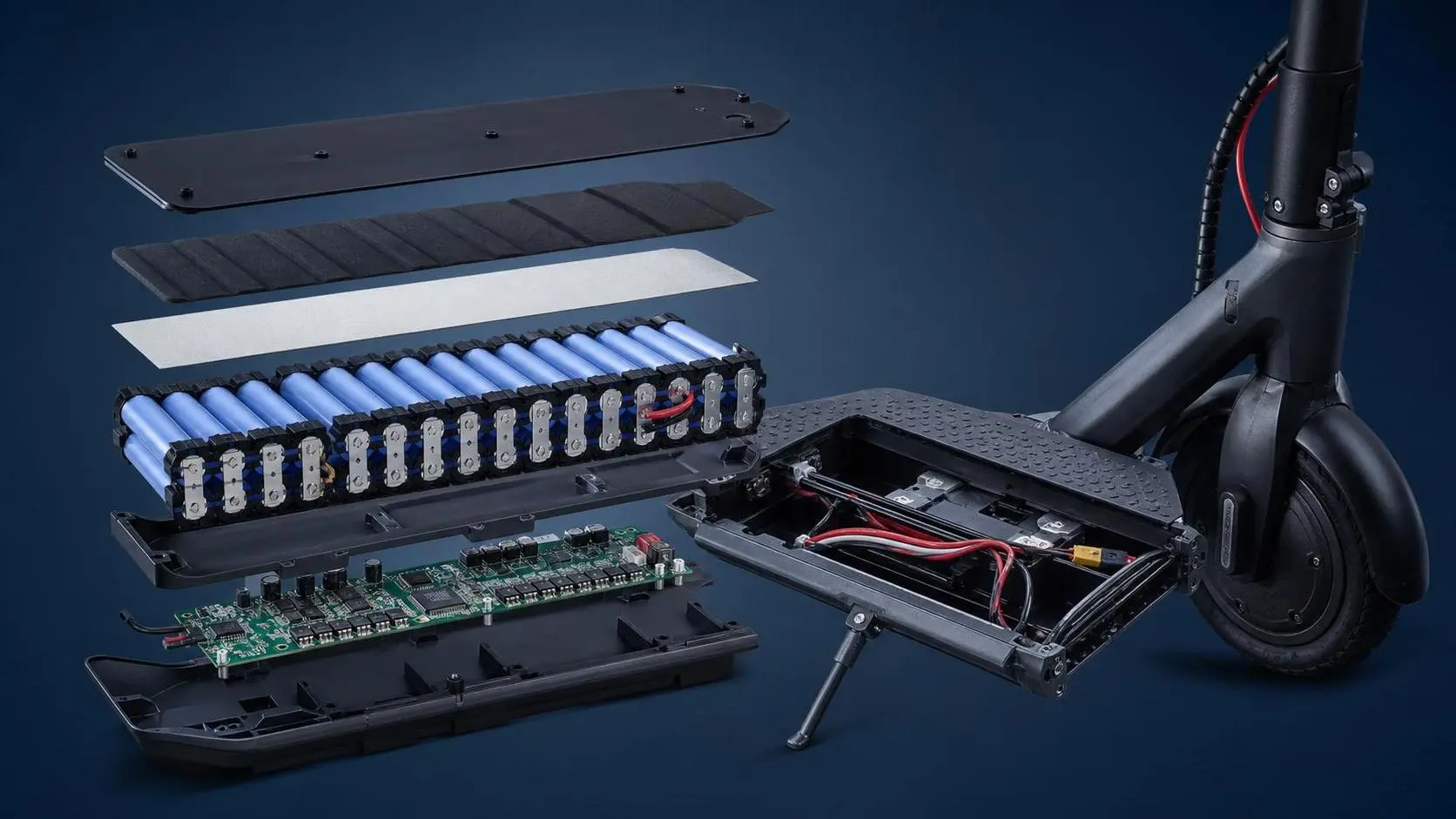
Component Selection for E-Scooters Battery Systems: Cells, BMS, and Thermal Protection
Component selection for e-scooters battery starts with the right cells, BMS, and thermal protection. Learn how to improve safety, range, lifecycle, and compliance.
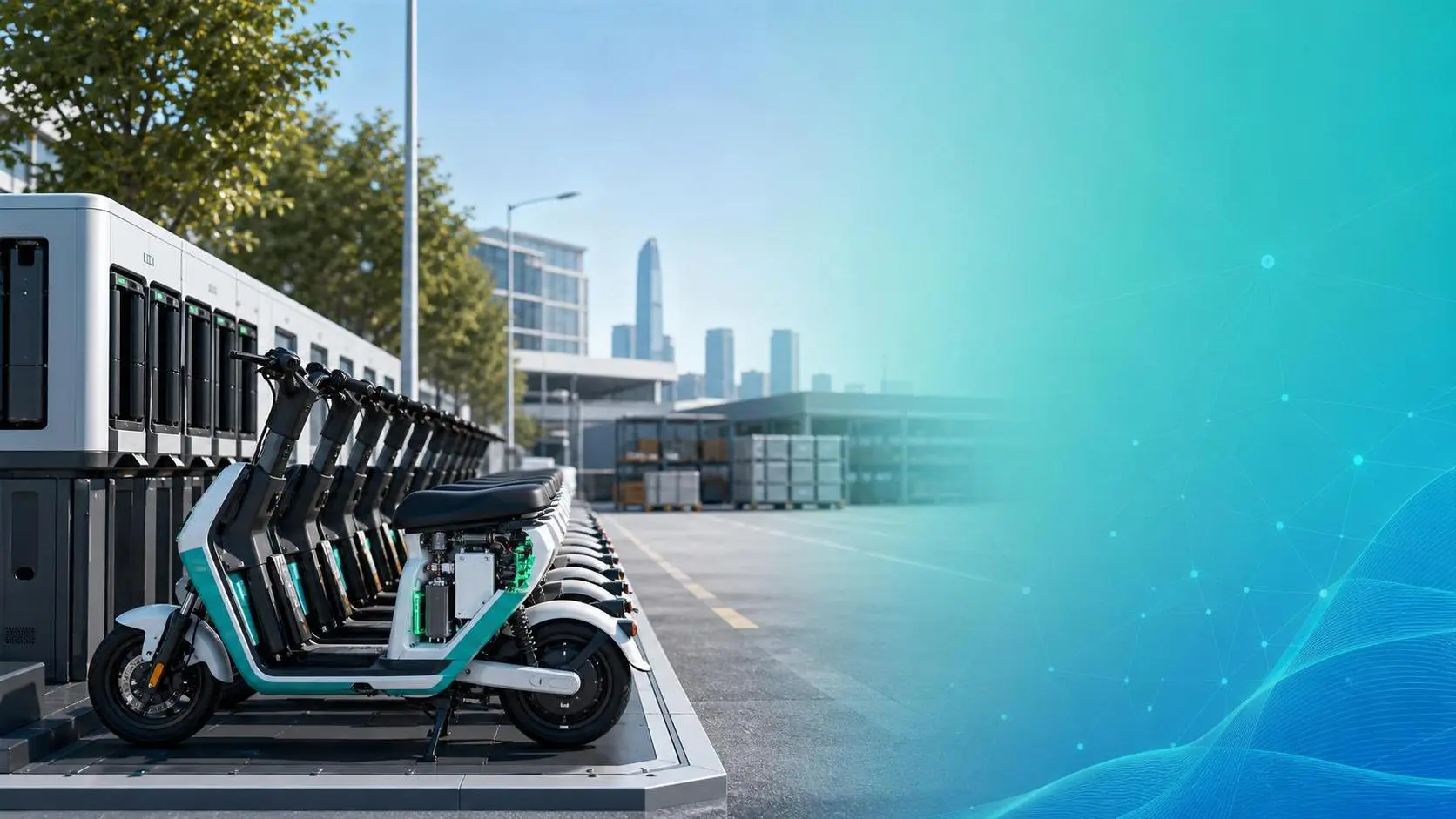
Electric Bike Technology Solutions for Urban Fleets: Connectivity, BMS, and Service Data
Electric bike technology solutions for urban fleets: discover how connectivity, BMS, and service data improve uptime, battery safety, and maintenance efficiency.
International Voice Building in Southeast Asia: What Brands Must Localize to Be Found
International voice building Southeast Asia requires more than translation. Learn what brands must localize in technical, regulatory, and search content to improve visibility, trust, and regional demand.
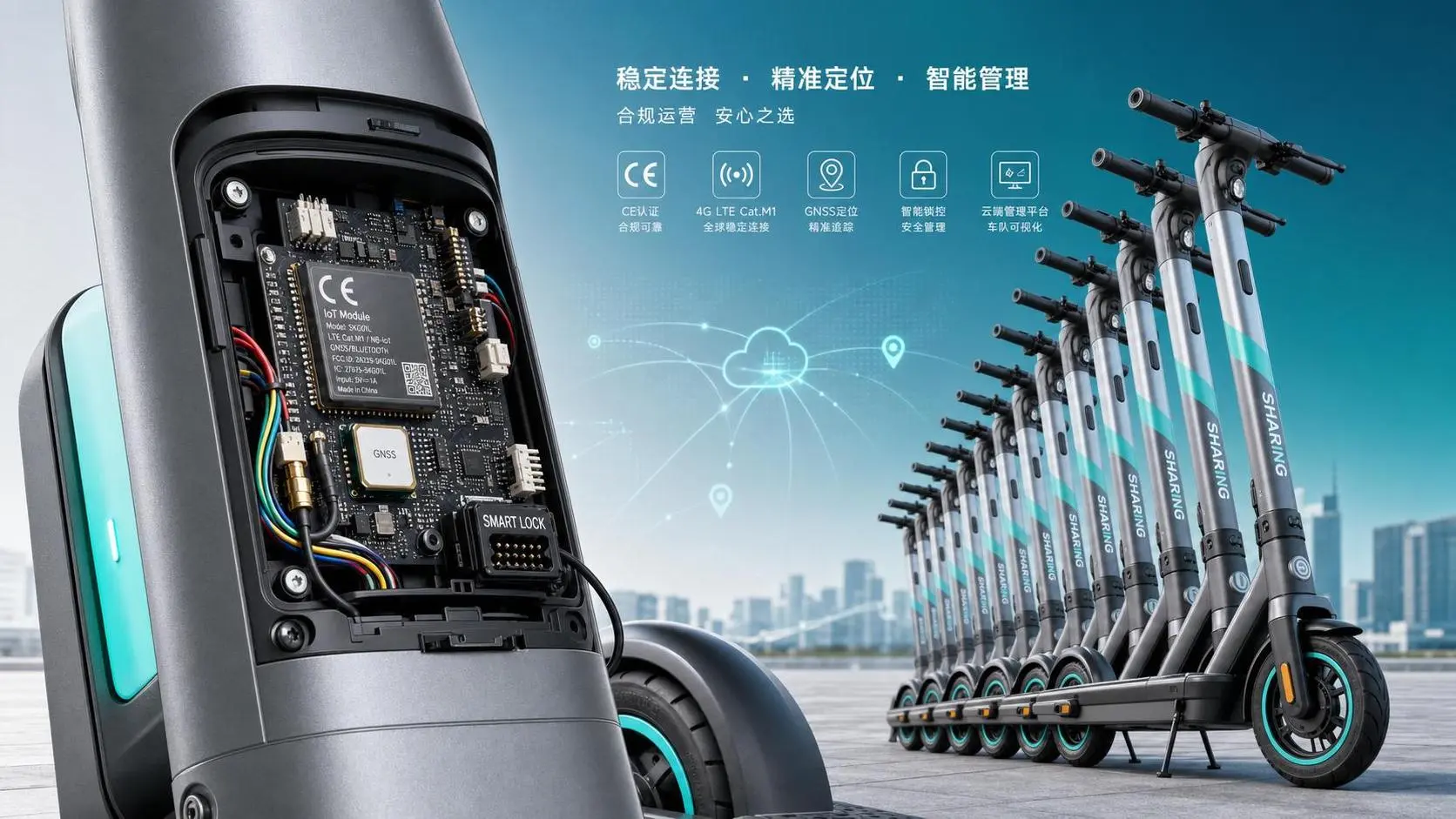
How to Choose CE-Certified IoT Scooter Modules for Shared Fleet Compliance
IoT scooter modules CE certified: learn how to verify compliance scope, documentation, and field performance for shared fleets to reduce risk, avoid downtime, and scale with confidence.
Electric Bicycles ODM: How to Evaluate Design, MOQ, and Customization Capabilities
Electric bicycles ODM evaluation starts with design, MOQ, and customization. Learn how to compare suppliers, reduce sourcing risk, and choose a partner that supports faster launches.